Smritivan Earthquake Memorial and Museum
A poignant memorial and museum honoring 2001 earthquake victims, showcasing resilience with immersive exhibits and the world's largest Miyawaki forest...
Highlights
Must-see attractions

Social
From TikTok & Reddit
Best Time
Enjoy views & avoid heat
Smritivan Earthquake Memorial and Museum
Best Time
Enjoy views & avoid heat
Highlights
Must-see attractions
A poignant memorial and museum honoring 2001 earthquake victims, showcasing resilience with immersive exhibits and the world's largest Miyawaki forest.
"A beautifully designed memorial and museum that pays a heartfelt tribute to the 2001 Kutch earthquake victims."
🎯 Guided Tours Recommended
Enhance your understanding with guided tours; each exhibit has a guide for a richer experience.
👟 Wear Comfortable Shoes
You'll be doing a lot of walking to explore the museum and the expansive memorial park.
Quick Facts
Hours
Rating
4.5 · 6,414 reviews
Type
Museum
Highlights
Discover the most iconic attractions and experiences
Seven Immersive Galleries
Museum Interior
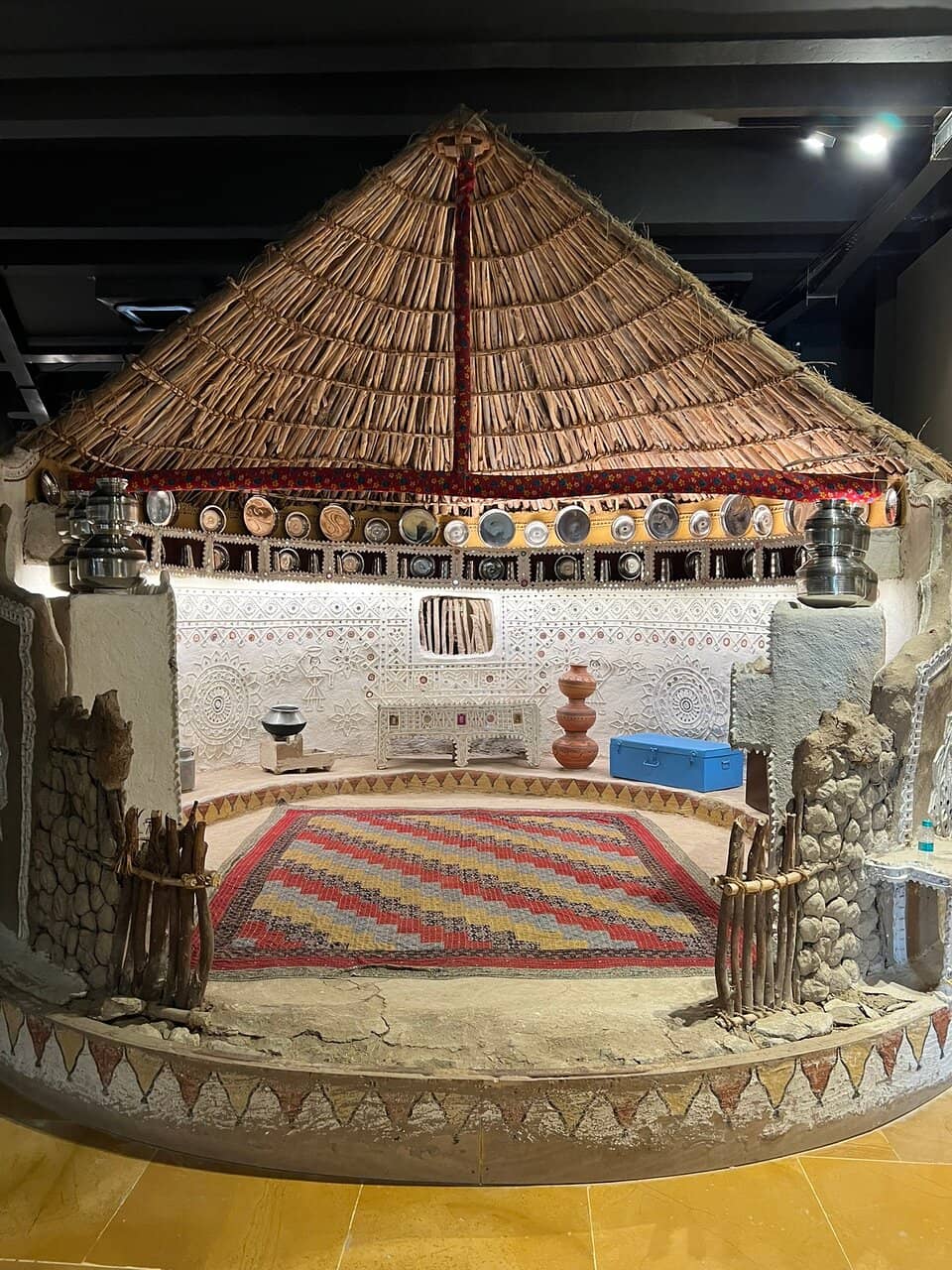
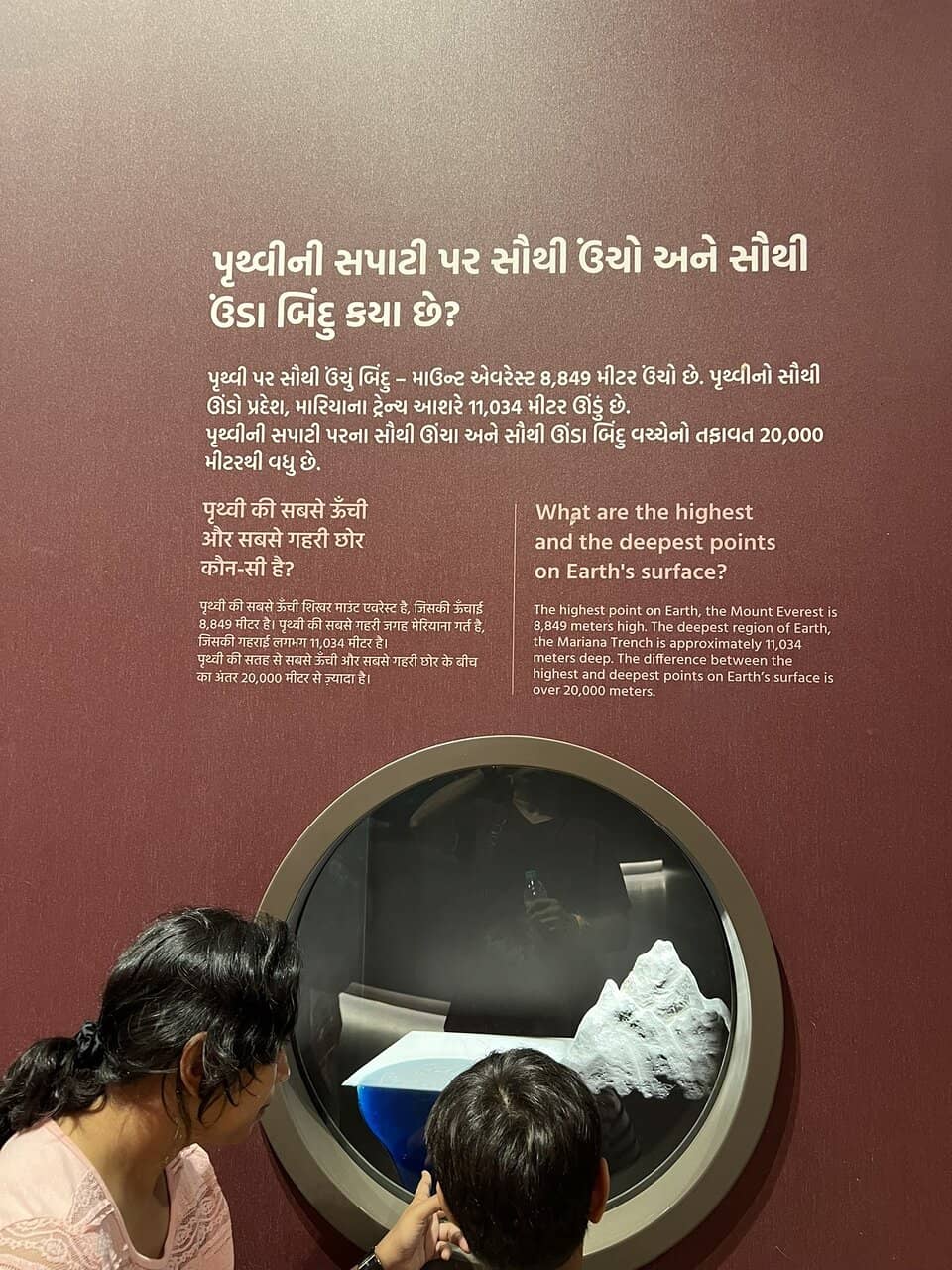
Journey through the science of earthquakes, the 2001 tragedy, and the inspiring recovery in these interactive exhibits.
Earthquake Simulator
Museum - Sixth Section
Experience the actual feel of an earthquake with this highly impactful and realistic simulation.
Miyawaki Forest
Outdoor Memorial Park
Wander through the world's largest Miyawaki forest, a serene tribute with over 3 lakh plants.
Sun Point View
Top of Bhujiyo Hill
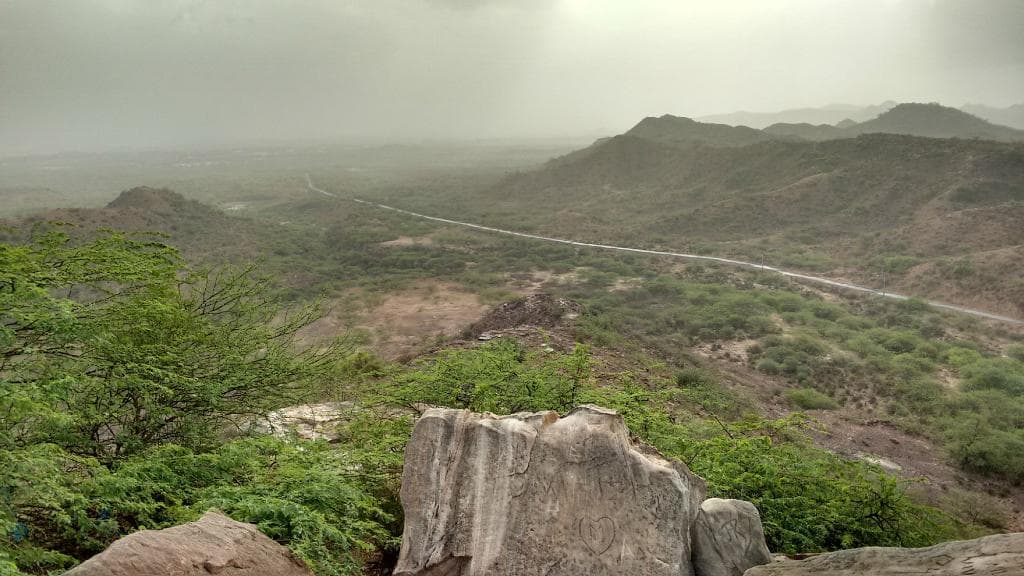
Enjoy breathtaking panoramic views of Bhuj city, especially stunning during sunrise or sunset.
Plans like a pro.
Thinks like you
Planning Your Visit
Book Tickets in Advance

Allocate Ample Time
Best Times
Insider Tips
from TikTok, Instagram & Reddit
🎯 Guided Tours Recommended
Enhance your understanding with guided tours; each exhibit has a guide for a richer experience.
👟 Wear Comfortable Shoes
You'll be doing a lot of walking to explore the museum and the expansive memorial park.
⏰ Check Opening Hours
The museum is open from 11 AM to 7 PM, but is closed every Monday.
📸 Capture the Views
The architecture and the panoramic views are incredibly photogenic, especially at sunset.
Tips
from all over the internet
🎯 Guided Tours Recommended
Enhance your understanding with guided tours; each exhibit has a guide for a richer experience.
👟 Wear Comfortable Shoes
You'll be doing a lot of walking to explore the museum and the expansive memorial park.
⏰ Check Opening Hours
The museum is open from 11 AM to 7 PM, but is closed every Monday.
📸 Capture the Views
The architecture and the panoramic views are incredibly photogenic, especially at sunset.
💧 Stay Hydrated
Especially if visiting during warmer months, carry water as you'll be exploring both indoor and outdoor areas.
What Travellers Say
Reviews Summary
Smritivan is a beautifully designed and deeply moving tribute to the victims of the 2001 Kutch earthquake, praised for its immersive galleries, impactful earthquake simulator, and the serene Miyawaki forest. Visitors find it both educational and emotionally resonant, highlighting the resilience of the region. While the experience is largely positive, some may find the simulator intense.
"India’s largest memorial, and museum has recently opened its doors to the public in Bhuj, from the Kutch region.
Smritivan (can be translated as Forest of Memories), adorned as the largest memorial and museum to ever be built in modern India, covers a vast area over 470 acres. It is situated on the Bhujiyo Dungar (a small hill) in the outskirts of Bhuj. It also shares the area with the Bhujia fort, which is more than 300 years old.
The Smritivan Earthquake Memorial has 50 check-dam reservoirs that house the name plates of almost 13,000 victims of the 2001 earthquake. Along with this, the reservoirs are carefully planned to recharge the surrounding water levels, giving life to the surrounding forests, and the rocks used in these reservoirs will serve as foundations for new life to grow from within their cracks. Each element of the museum focuses on regeneration, sustainability, and hope for a better future.
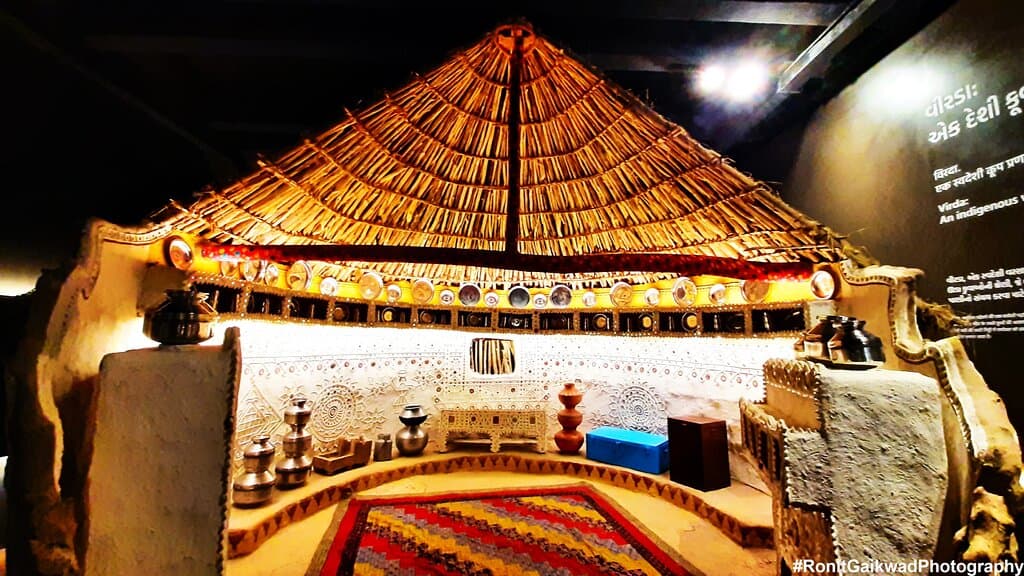
The size of the Smritivan Earthquake Museum is 11,500 sq. mts which encompasses 7 different blocks (further divided into sub-galleries) that constitute the monument, and every one of them is unique, educational, interactive, and something straight out of science fiction. The seven galleries include:
Rebirth: Here we witness the history of Earth's evolution, the emergence of landforms over millions of years and the genesis of the very land we inhabit. Visitors get a glimpse of prosperous ancient human civilizations in the Kutch region, ancient trade routes of Gujarat, and the tale of its advancement and resilience.
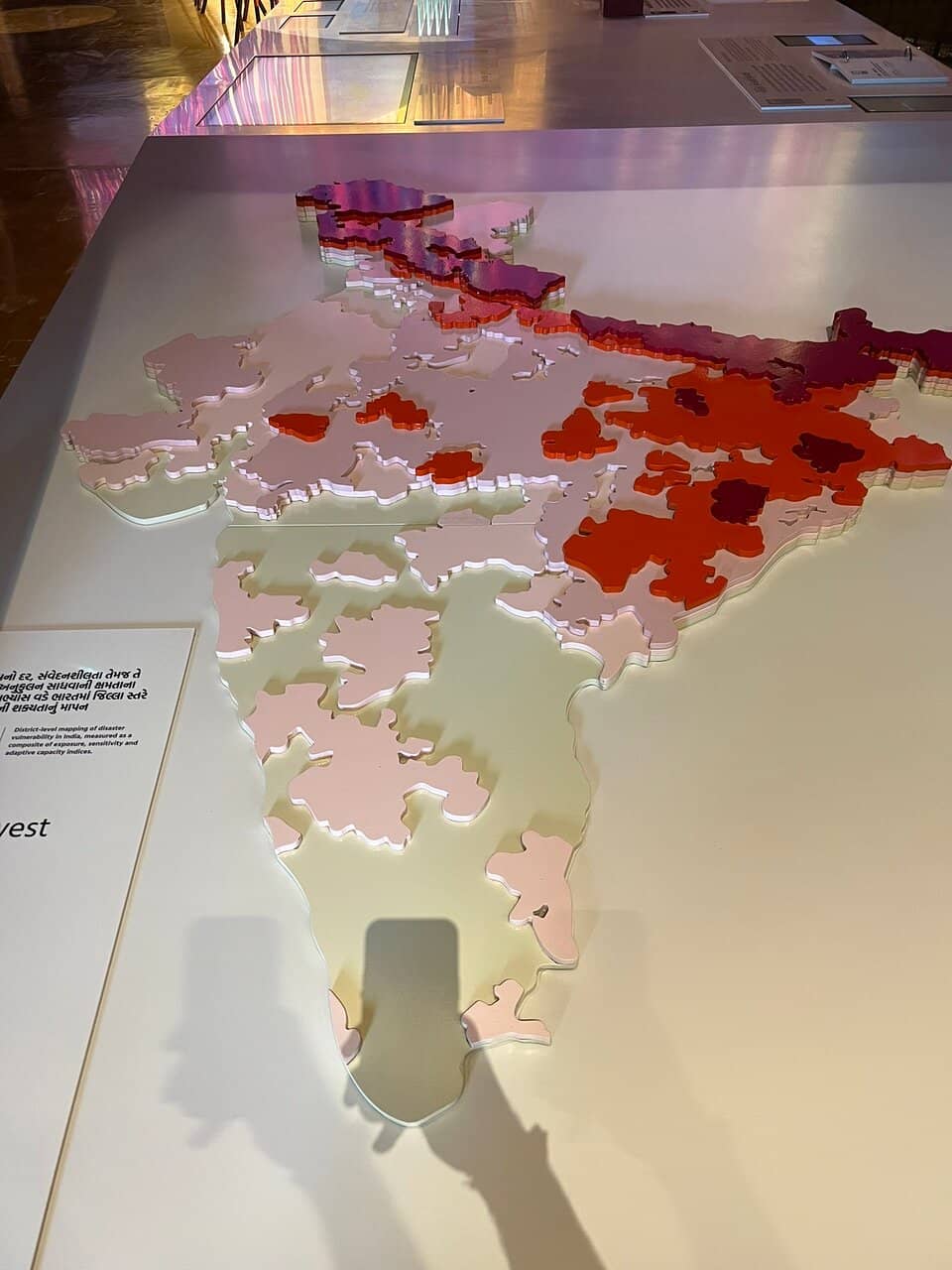
Rediscover: Through the Rediscover block, we experience the resilient nature of Kutch, the innovative spirit of Gujarat’s people, and the reasons for the multiple natural occurrences in Gujarat. Discover the diverse natural features of Gujarat region and understand its relationship with inconsistent natural phenomena. Through interactive models and immersive films, see the vulnerabilities, remarkable adaptations and resilient responses of the people of a region with erratic environments.
Restore: People from all walks of life were affected by the earthquake in some or the other way. Here we recount the tragic events of the 2001 Bhuj earthquake. It also presents the immediate rescue and relief activities that followed.
Rebuild: This block gives us a comprehensive understanding of the collective process of rebuilding, reconstructing and reviving Gujarat for long-term disaster mitigation. It also showcases the collective effort channelized towards rebuilding Gujarat in the aftermath of the 2001 earthquake.
Rethink: The Rethink Block imparts us with the knowledge of global disaster response, and preparedness measures through games and interactive activities. Learn about India's vulnerability to natural phenomena, the various natural hazards in different geographical areas, and how we can prepare ourselves. The emotional and psychosocial ramifications of post-disaster management are documented here through interviews and first-person experiences.
Relive: How the tremors shook Gujarat, how buildings collapsed and how lives turned to fatalities.
Renew: This gallery is designed to let the visitors pay their respects to the people who lost their lives in this tragedy and to remember the loved ones they might have lost and keep them in their memories with a light spirit. To commemorate them visitors will light up a digital flame through touch panels which will travel through digital LED walls up to the ceiling and form one united light.
Best time to visit:
The ideal season to travel Kutch is in the winter. From mid-October to early March, these months have ideal weather for tourism because the temperature ranges from 25 to 12 degrees Celsius. Additionally, it also is the perfect time to attend the world famous Festival of Rann Utsav.
Timings:
Tuesday to Sunday
Smritivan: From 05:00 AM until 11:00 PM
Museum: From 11:00 AM until 07:00 PM
Monday: Closed"
Hemal Dharsandia
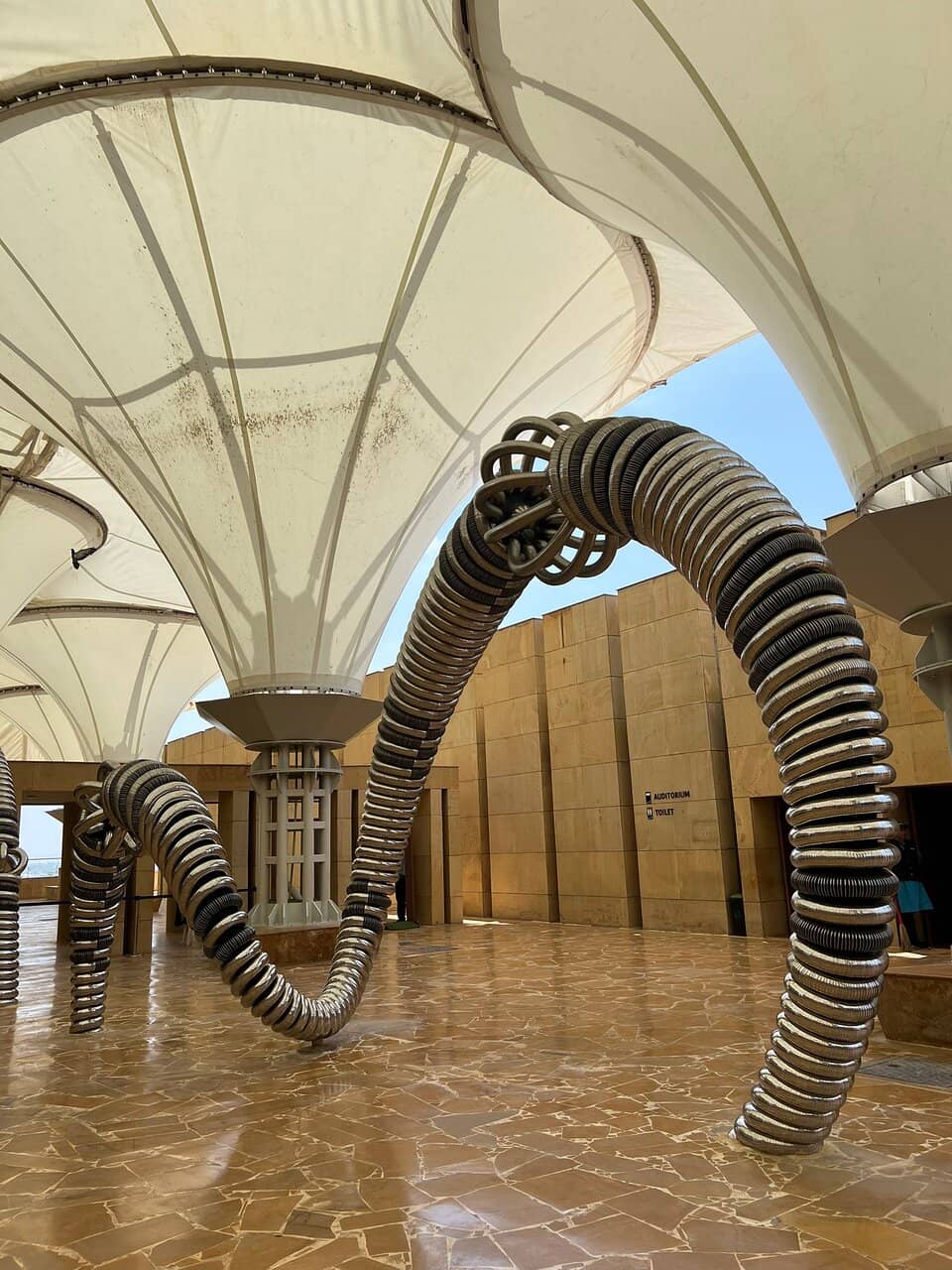
"A beautifully designed memorial site in Kutch — calm, clean and thoughtfully built. The moment you start walking in, the atmosphere feels peaceful and well-maintained. The architecture blends well with the natural hillside around it 👍🏻.
The galleries are the main highlight. Each section is curated with impactful visuals, audio and real stories that truly make you pause. The flow is smooth, spacious and easy to explore without any clutter 👌🏻.
The climb to the top viewpoint is completely worth it. You get a wide panoramic view of Bhuj, and sunset time feels especially magical. Plenty of open space to sit, breathe and enjoy the breeze ✌🏻.
After dark, the lighting adds a calm and respectful tone to the whole place. Cleanliness, staff guidance and security are all dependable, making the entire visit pleasant 👋🏻.
A meaningful and beautifully maintained destination in Kutch that leaves you with a thoughtful experience 👍🏻."
Bhadra Mohit
"I recently visited Smritivan Earthquake Memorial & Museum in Bhuj, and honestly, it left me speechless. This isn’t just a museum it’s a journey through emotions, memories, and hope. Situated beautifully on Bhujiyo Dungar hill, Smritivan is a perfect blend of nature, art, and remembrance.The entire complex is huge and so well maintained. The memorial park has thousands of trees, each planted in memory of the lives lost during the 2001 Kutch earthquake it’s truly heart-touching to see how beautifully they’ve turned sorrow into strength. Inside the museum, there are seven unique galleries Rebirth, Rediscover, Restore, Rebuild, Rethink, Relive, and Renew. Each section tells a story of how Kutch stood back up after the tragedy. The earthquake simulator gives a real sense of what people must have felt, and the interactive exhibits, 3D models, sound, and lights make the experience unforgettable.The architecture is just wow! It merges perfectly with the natural hill, and every corner feels thoughtful. From the top, the sunset view of Bhuj is absolutely breathtaking golden light, cool breeze, and the whole city shining below you.What I loved most was how peaceful and clean everything was. Even though it’s modern, it carries deep emotion and respect. The staff were polite and helpful, and you can easily spend 2–3 hours exploring everything.It’s one of the best and most meaningful places I’ve ever visited.If you visit Bhuj, don’t miss Smritivan.It’s not just a tourist spot it’s an experience that stays in your heart forever"
Kajal Bhanushali
What People Like
What People Dislike
Frequently Asked Questions
🚇 🗺️ Getting There
Smritivan is located on Bhujiyo Hill in Bhuj, Kutch district. You can easily reach it by taxi or auto-rickshaw from Bhuj city. Many visitors opt for a rented cab for the entire trip in Gujarat, which makes travel convenient.
Yes, there is parking available at the Smritivan Earthquake Memorial and Museum complex for visitors arriving by private vehicles.
While direct public buses might be limited, local buses to Bhuj city are available. From Bhuj, you can then take an auto-rickshaw or taxi to reach the memorial.
For exploring Bhuj and reaching Smritivan, hiring a local taxi or auto-rickshaw is a common and convenient option. Renting a car with a driver for your entire Gujarat trip is also a popular choice for ease of travel.
Yes, the museum offers lift facilities for those who cannot climb stairs, ensuring accessibility for all visitors.
🎫 🎫 Tickets & Entry
Ticket prices are ₹300 for adults (12 years and above), ₹100 for children aged 5-12 years, and free for children under 5 years. +1
While not always mandatory, booking tickets in advance is recommended, especially during peak tourist seasons, to avoid queues and ensure entry as group sizes are limited.
Smritivan is open from 11 AM to 7 PM daily.
Yes, the Smritivan Earthquake Memorial and Museum is closed every Monday.
The provided information doesn't specify group discounts, but it mentions group limits for tours. It's best to inquire directly with the museum management for group booking details.
🎫 🧭 Onsite Experience
Smritivan features seven immersive galleries detailing earthquakes, a realistic earthquake simulator, the world's largest Miyawaki forest, and panoramic viewpoints. It's an educational and emotionally moving experience.
It is recommended to allocate at least 2-3 hours to fully experience the museum and its surroundings, including the galleries and the memorial park.
Yes, guided tours are available and highly recommended. Each exhibit has a guide to enhance your understanding of the displays.
The complex offers facilities such as food, toilets, a cloakroom, a souvenir shop, and lift access, ensuring a comfortable visit.
The earthquake simulator is designed to create the actual feel during an earthquake and is described as very good and impactful. It's an intense experience.
📸 📸 Photography
Photography rules can vary. While some reels show interior shots, it's advisable to check for specific signage or ask staff regarding photography inside the galleries to respect the exhibits.
The architecture of the memorial, the panoramic views from Sun Point, and the serene Miyawaki forest offer excellent photo opportunities.
One Instagram Reel mentions drone shots, but drone usage is often restricted in memorial sites and national parks. It's best to confirm with the authorities before flying a drone.
Late afternoon or sunset provides beautiful lighting for capturing the architecture and the views of Bhuj city. Early morning is also great for sunrise and fewer crowds.
While not explicitly stated, it's common practice to avoid flash photography in museums to protect exhibits. Always be mindful of other visitors.

Social
from TikTok, Instagram & Reddit