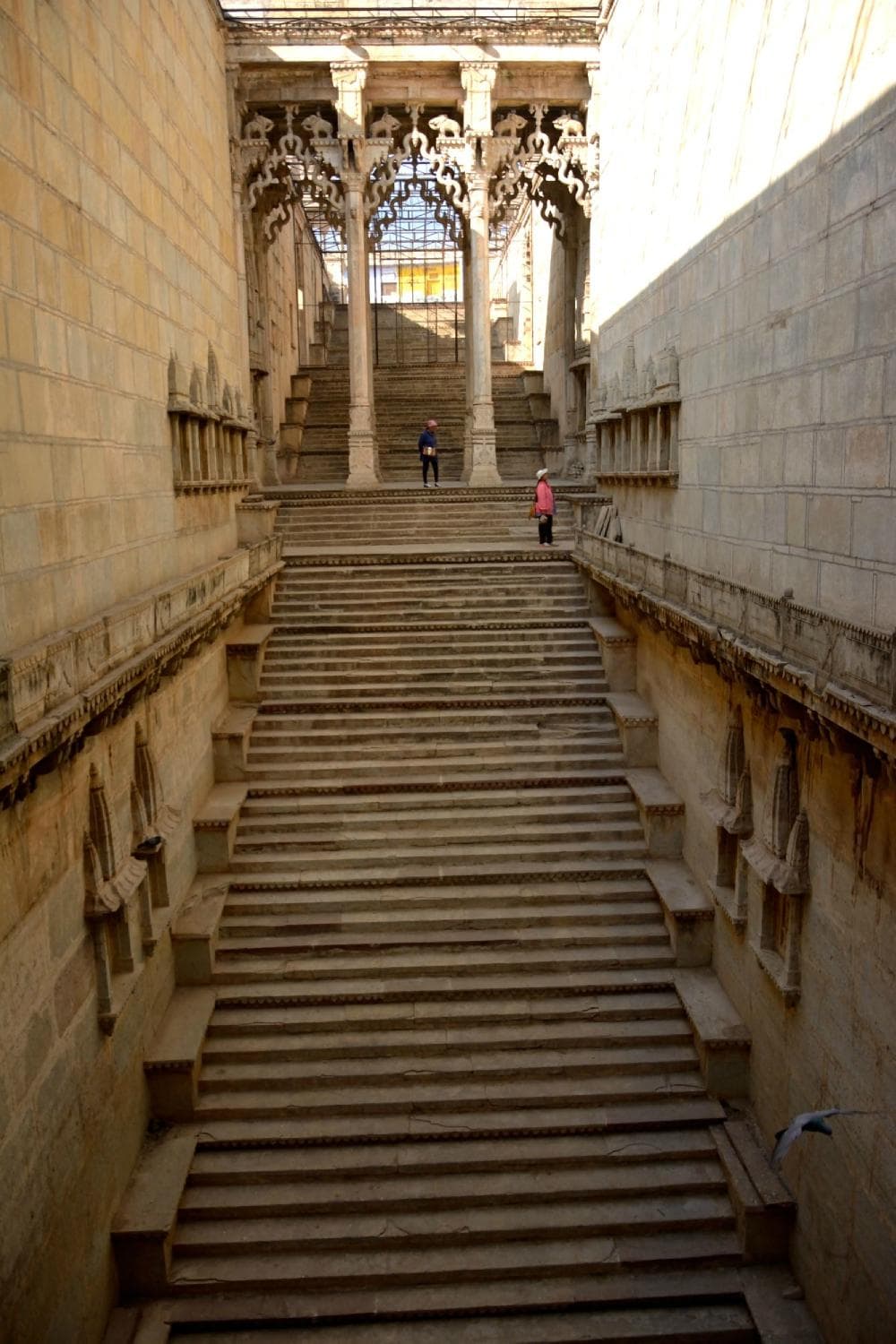
Rani Ji Ki Baori Bundi
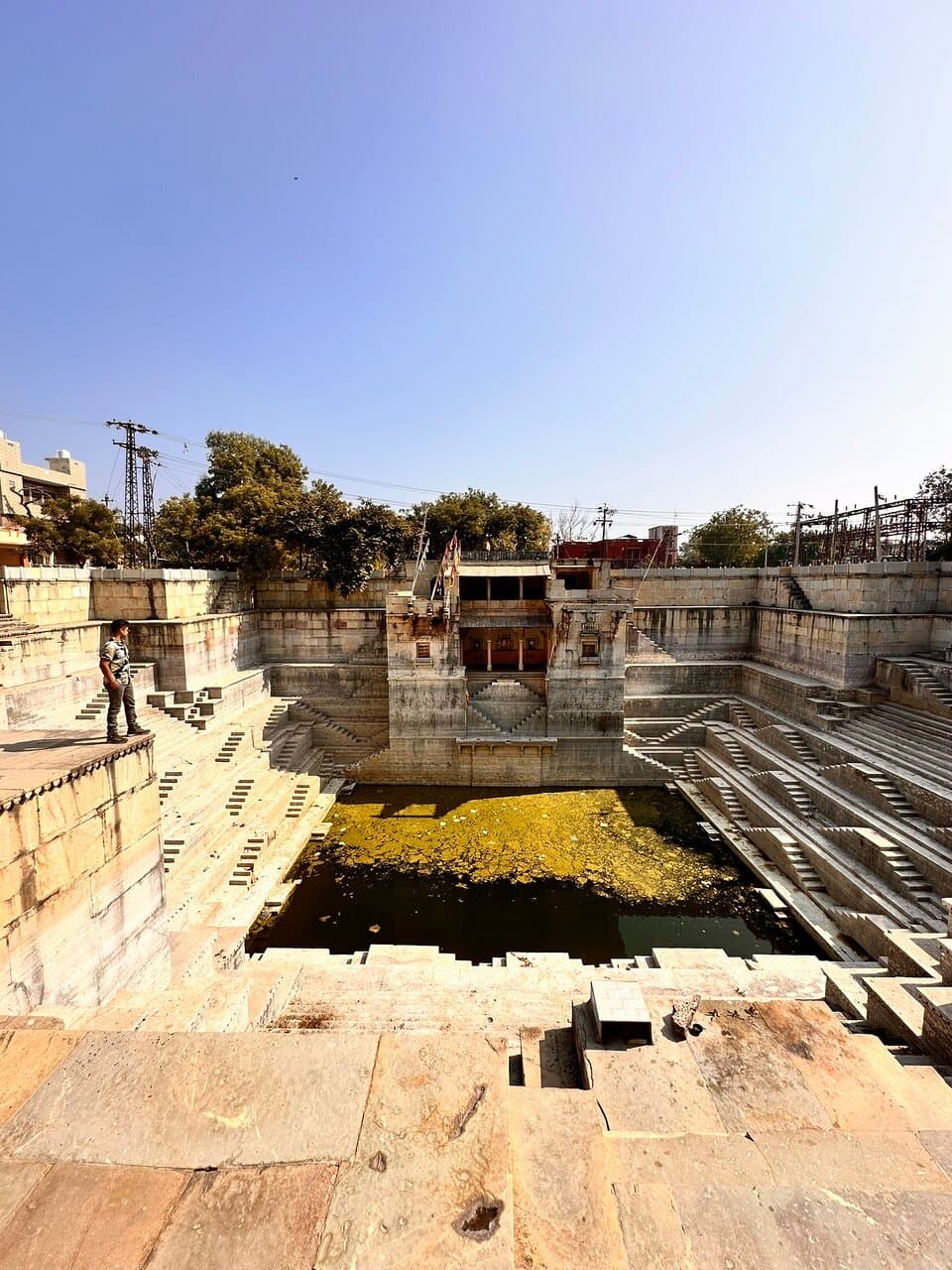
A magnificent 17th-century stepwell, plunging 46m deep with intricate carvings and pillared arches.

Highlights
Must-see attractions

Social
From TikTok & Reddit
Best Time
Dry conditions, clear views
Rani Ji Ki Baori Bundi
Best Time
Dry conditions, clear views
Highlights
Must-see attractions
A magnificent 17th-century stepwell, plunging 46m deep with intricate carvings and pillared arches.
"A remarkable reminder of Bundi's rich heritage with stunning craftsmanship."
🎟️ Composite Ticket Advantage
Get a composite ticket (Rs. 75) for Rani Ji Ki Baori, Sukh Mahal & 84 Pillared Cenotaph. Great value!
⚠️ Avoid Rainy Season
Visiting during the monsoon can lead to the stepwell filling with water, obscuring steps and views.
Quick Facts
Hours
Rating
4.2 · 4,793 reviews
Type
Historical Landmark
Highlights
Discover the most iconic attractions and experiences
Intricate Carvings
Stepwell walls
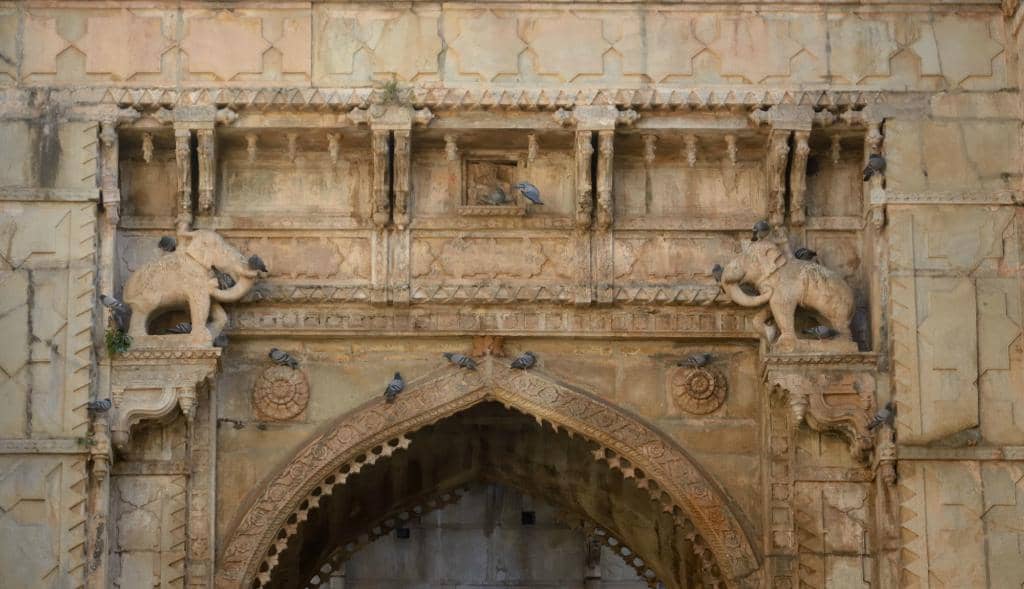
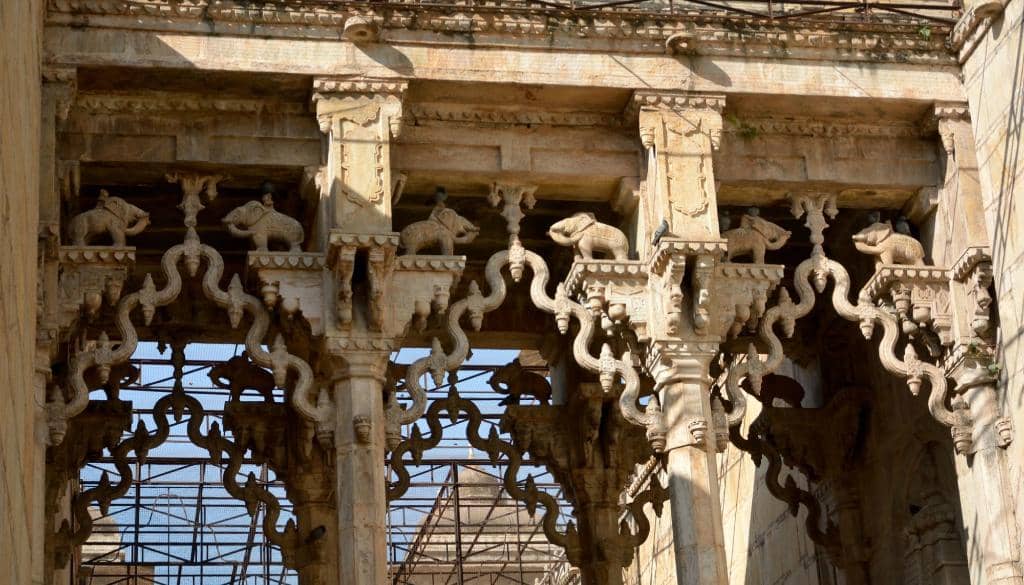
Marvel at the detailed 17th-century craftsmanship etched into the stepwell's pillars and walls.
Pillared Arches
Entrance and levels
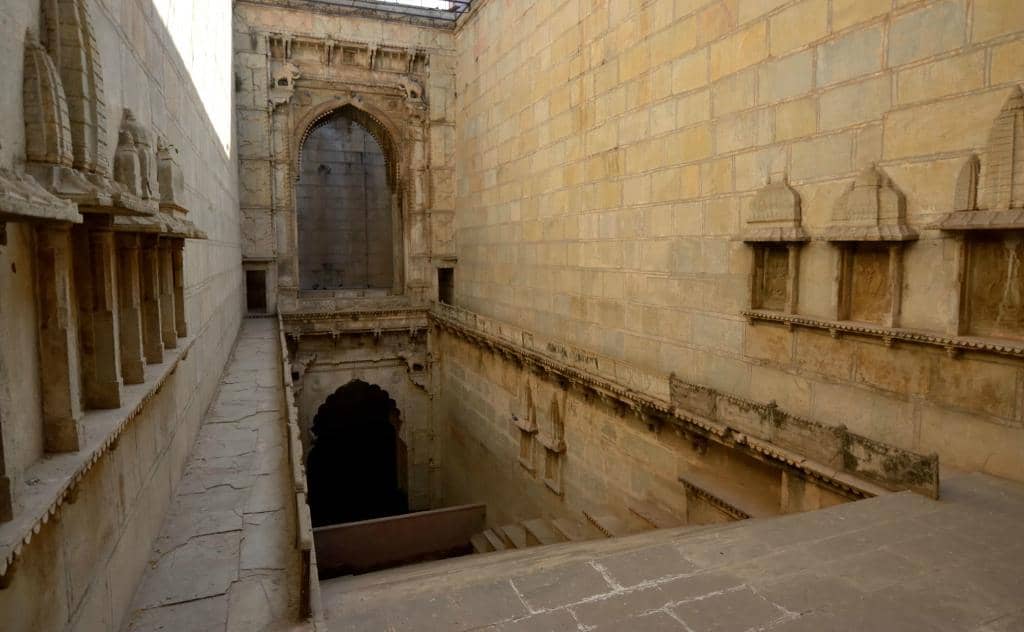
Admire the elegant pillared structure and arched walkways that define this architectural wonder.

Deep Descent
The stepwell itself
Descend the approximately 46-meter deep steps to experience the scale and historical function of the baori.
Plans like a pro.
Thinks like you
Planning Your Visit
Composite Ticket Value
Maintenance Concerns
Best Times
Insider Tips
from TikTok, Instagram & Reddit
🎟️ Composite Ticket Advantage
Get a composite ticket (Rs. 75) for Rani Ji Ki Baori, Sukh Mahal & 84 Pillared Cenotaph. Great value!
⚠️ Avoid Rainy Season
Visiting during the monsoon can lead to the stepwell filling with water, obscuring steps and views.
🚶♀️ Explore to the Bottom
You can often walk down to the very last step, offering a unique perspective of this ancient water structure.
👃 Manage Expectations
Some visitors report unpleasant odors and a lack of cleanliness due to water stagnation.
Tips
from all over the internet
🎟️ Composite Ticket Advantage
Get a composite ticket (Rs. 75) for Rani Ji Ki Baori, Sukh Mahal & 84 Pillared Cenotaph. Great value!
⚠️ Avoid Rainy Season
Visiting during the monsoon can lead to the stepwell filling with water, obscuring steps and views.
🚶♀️ Explore to the Bottom
You can often walk down to the very last step, offering a unique perspective of this ancient water structure.
👃 Manage Expectations
Some visitors report unpleasant odors and a lack of cleanliness due to water stagnation.
What Travellers Say
Reviews Summary
Rani Ji Ki Baori is lauded for its intricate 17th-century architecture and historical significance as a vital water source. Visitors appreciate the opportunity to descend deep into the stepwell and the excellent value offered by the composite ticket covering multiple sites. However, some reviews point to a lack of maintenance and cleanliness, particularly concerning the water quality, which can detract from the experience.
"Rani Ji Ki Baori is truly one of the finest examples of Bundi’s 17th-century architecture. This intricately designed stepwell once served as a vital water source for the town, and today it stands as a remarkable reminder of Bundi’s rich heritage. The craftsmanship is stunning, and it’s certainly worth a visit if you’re exploring the city.
Entry is included in a composite ticket (Rs. 75 for Indian adults, with different rates for students and foreign nationals), which also covers Sukh Mahal (with the Bundi Museum) and the Cenotaph with 84 Pillars, making it a great value for sightseeing.
Advance online booking is not required, so access is simple.
That said, it is disheartening to see how little maintenance and preservation work is being done despite the entry fee. Such a significant historical site deserves far more care and upkeep. With proper attention, it could shine even brighter as a cultural landmark."
Rutuja
"Ancient India tourism privileged here with amazing old bawari in city of bawari bundi .
It is public benefit purpose built by rani nathwati solanki . And still in good condition . But water not clean after so much charge tickets by govt ...... There is smell of rats drops and birds poops....so bad to management after high tickets only 55 rs per person for 10 to 15 minutes visit place"
bhanu-priya Dwivedi
"There is a an Histotical bawri. These are used in ancient time to store water for daily uses. It showa great level of architecture, it show how we are rich in our cultural heritage.
But one this , to see this 55 per person is very costly.. In mine view there should be no entry fee or it should not be more then 10 rupees."
Chandra Kant Sinha
What People Like
What People Dislike
Frequently Asked Questions
🚇 🗺️ Getting There
Rani Ji Ki Baori is located in the heart of Bundi city, making it easily accessible by auto-rickshaw or taxi from anywhere in town. It's situated within the market area, so look for signs directing you to the stepwell.
Yes, it's centrally located within the market, and local drivers will know its location. Keep an eye out for the distinctive architecture as you approach.
Bundi is accessible by road, with regular bus services from major cities like Jaipur, Udaipur, and Kota. The nearest railway station is Bundi itself, and the nearest airport is Jaipur International Airport (JAI).
🎫 🎫 Tickets & Entry
Entry is typically included in a composite ticket priced at Rs. 75 for Indian adults. This ticket also grants access to Sukh Mahal and the 84 Pillared Cenotaph, offering great value for exploring Bundi's heritage.
Advance online booking is generally not required for Rani Ji Ki Baori. Tickets can be purchased at the site or as part of the composite ticket package.
While specific hours can vary, stepwells are generally accessible during daylight hours. It's best to visit during the day to appreciate the architecture and for safety.
Yes, Indian citizens pay Rs. 75 for the composite ticket which includes Rani Ji Ki Baori. Foreign nationals have different rates.
Many find the composite ticket excellent value for money, covering multiple significant historical sites. However, some visitors feel the fee is high given the current maintenance levels.
📸 📸 Photography
Capture the symmetry of the stepwell from the top, the intricate carvings on the pillars, and the dramatic descent down the steps. The arched entrances also make for striking shots.
Yes, photography is generally allowed. However, be mindful of other visitors and avoid using flash in enclosed areas if it might disturb others.

Late afternoon often provides beautiful lighting that highlights the textures and details of the architecture. Midday sun can be harsh.
Drone usage is typically restricted at historical monuments in India. It's advisable to check local regulations before attempting to fly a drone.
🎫 🏛️ History & Architecture
Rani Ji Ki Baori was built in 1699 by Rani Nathavati Solanki, showcasing the architectural prowess of the 17th century.
It's a classic example of Indian stepwell architecture, featuring a deep shaft with multiple levels of steps, pillared galleries, and intricate carvings.
Stepwells served as vital water sources for communities, providing access to groundwater for daily use, especially during dry seasons. They were also social gathering places.
The stepwell is approximately 46 meters (around 150 feet) deep, with numerous steps leading down to the water level.
'Baori' or 'Bawari' is the Hindi word for a stepwell, a type of water management system common in arid regions of India.

Social
from TikTok, Instagram & Reddit