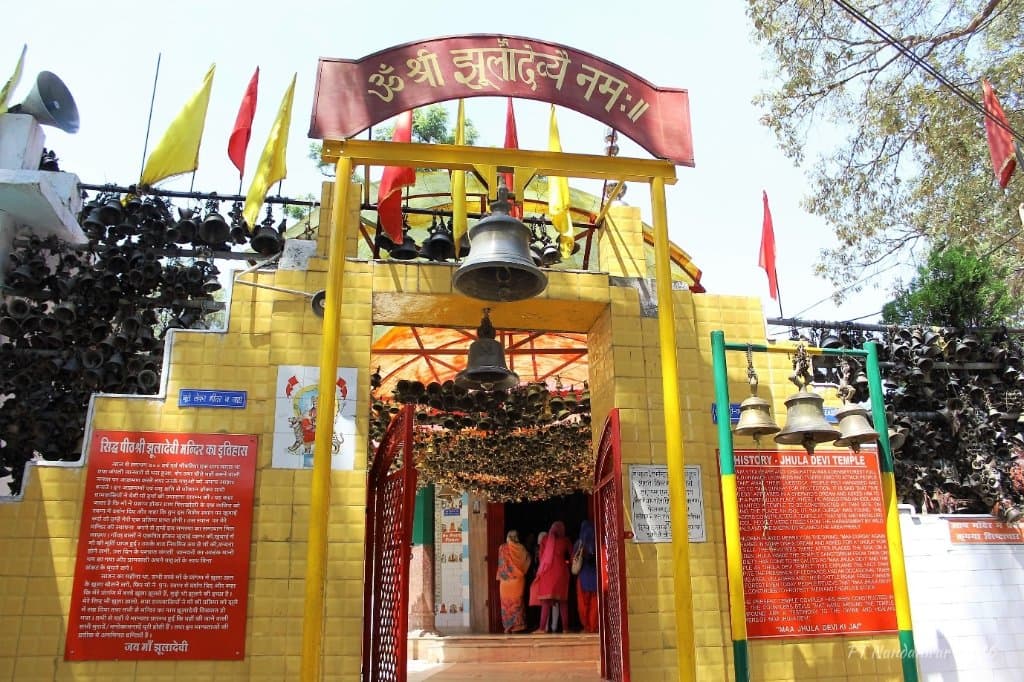
Jhula Devi Temple Ranikhet
An ancient 8th-century temple dedicated to Goddess Durga, famous for its thousands of wish-fulfilling bells.
Highlights
Must-see attractions

Social
From TikTok & Reddit
Best Time
Clear views & peaceful vibes
Jhula Devi Temple Ranikhet
Best Time
Clear views & peaceful vibes
Highlights
Must-see attractions
An ancient 8th-century temple dedicated to Goddess Durga, famous for its thousands of wish-fulfilling bells.
"A temple where every bell has a hidden story to tell, a testament to faith and fulfilled wishes."
🎯 Tie a Bell for Wishes
Write your wish on a bell and tie it. Return to offer a new bell when your wish is granted!
🚗 Ample Parking Available
Don't worry about parking; there's plenty of space for vehicles.
Quick Facts
Rating
4.7 · 1,860 reviews
Type
Hindu Temple
Highlights
Discover the most iconic attractions and experiences
Thousands of Bells
Temple premises
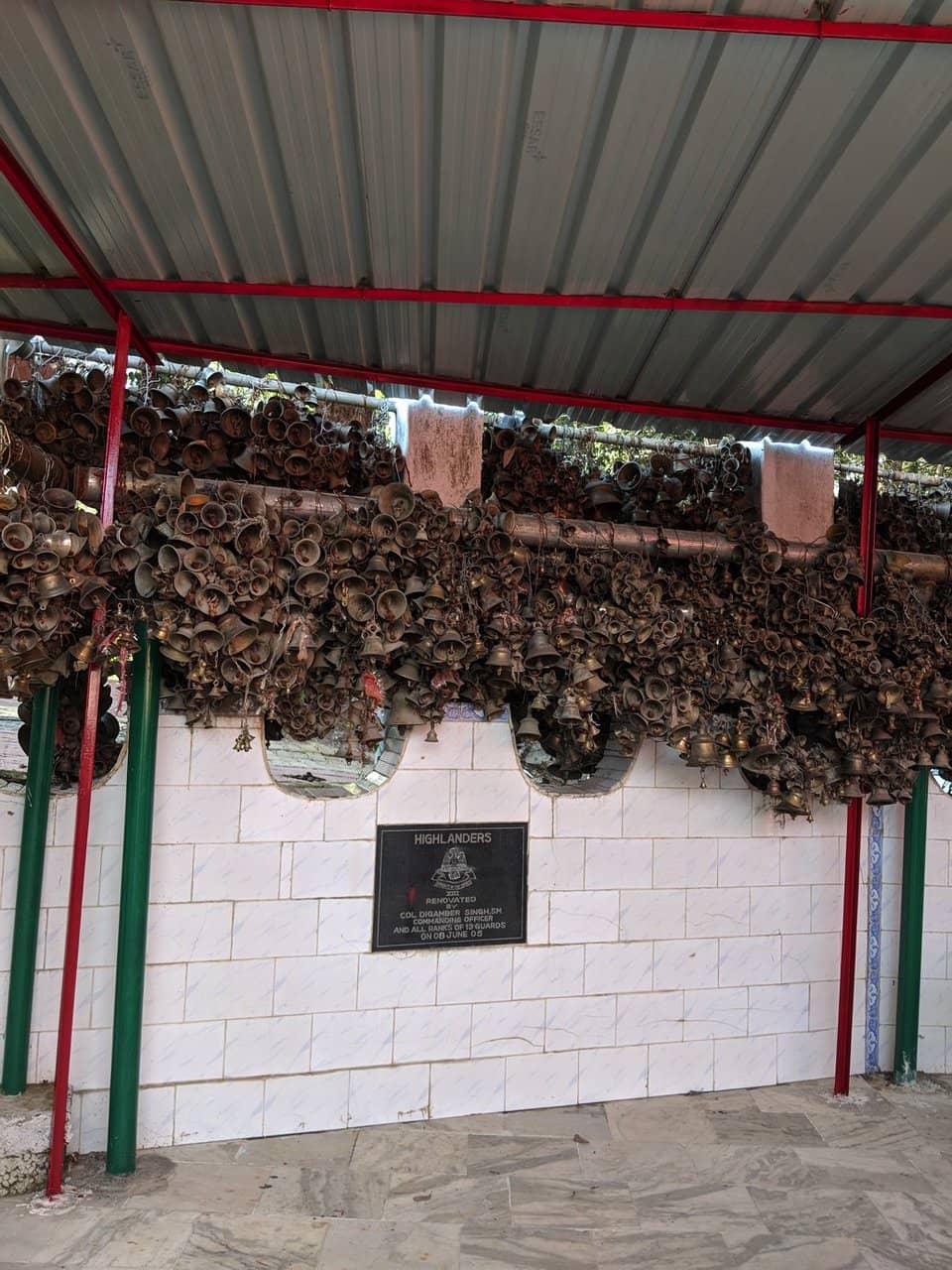
A breathtaking sight of countless bells, each representing a fulfilled wish. A testament to the goddess's power.

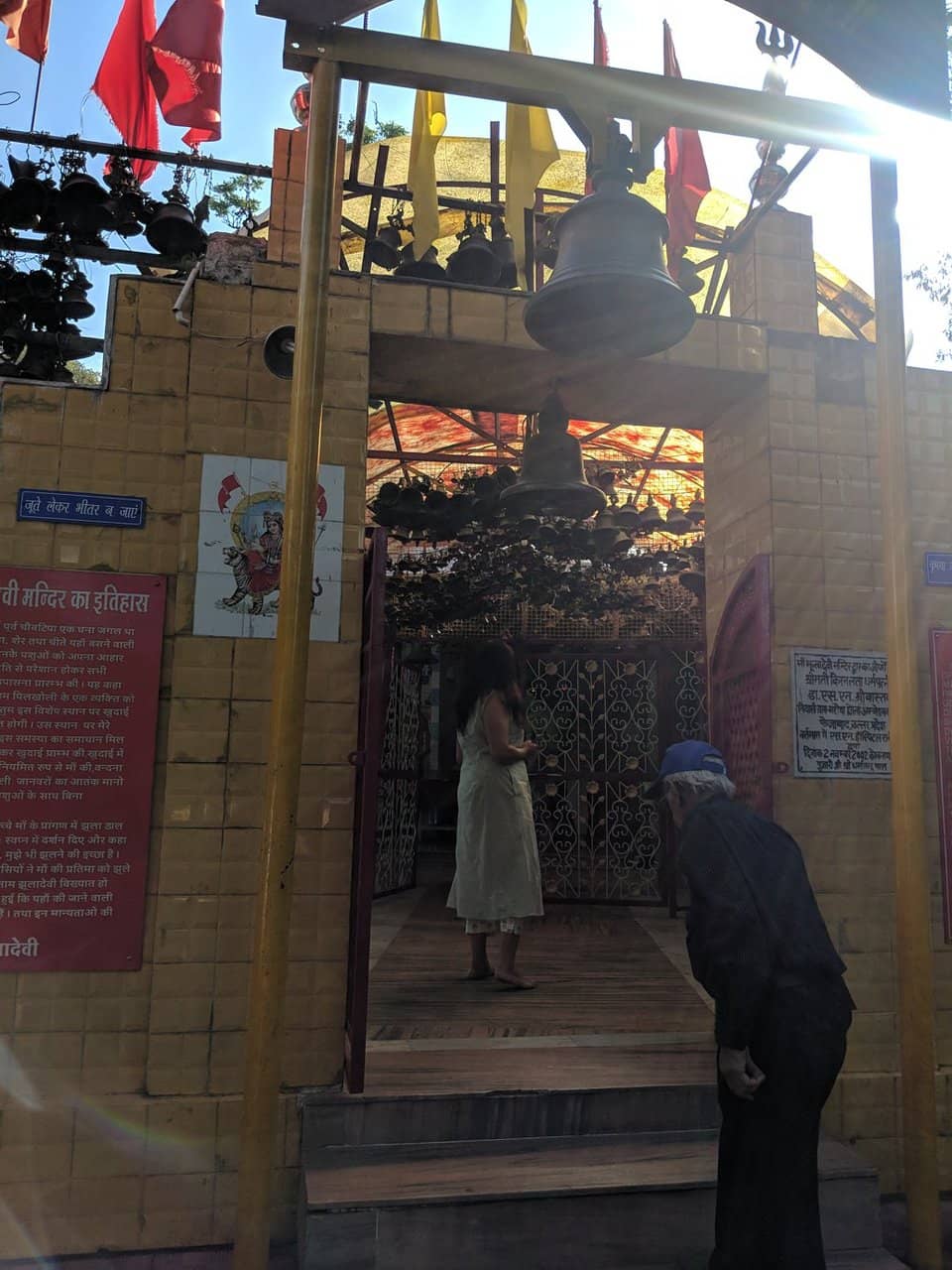
Wish Fulfillment
Temple premises
Tie a bell with your written wish and believe in the magic. Many visitors share stories of their wishes coming true.
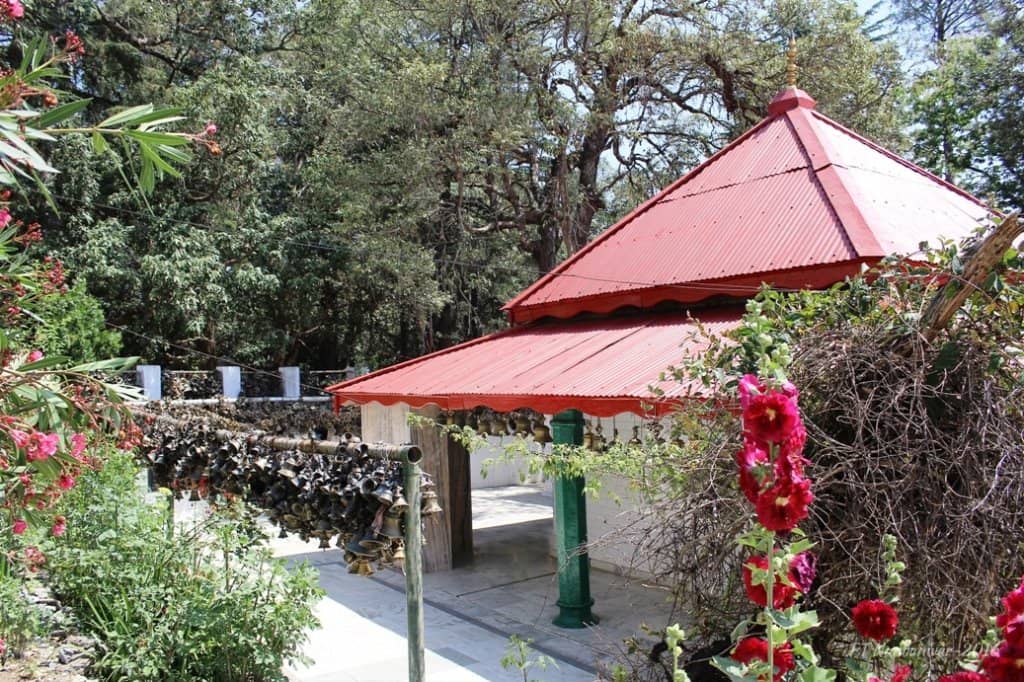
Serene Atmosphere
Temple surroundings
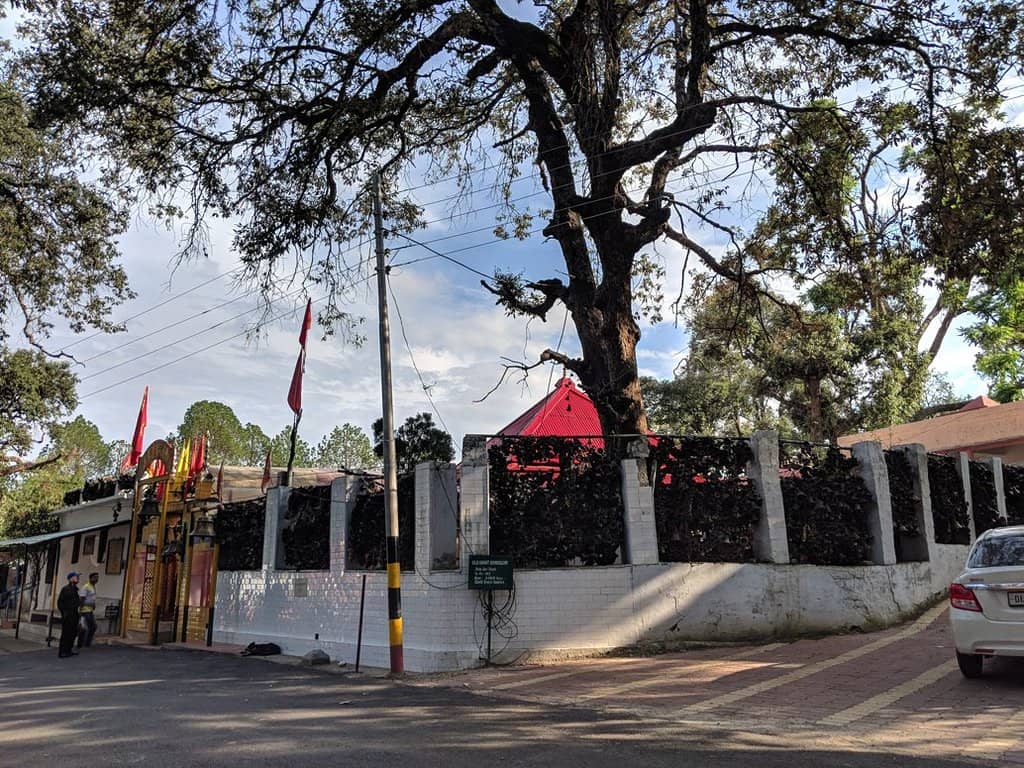
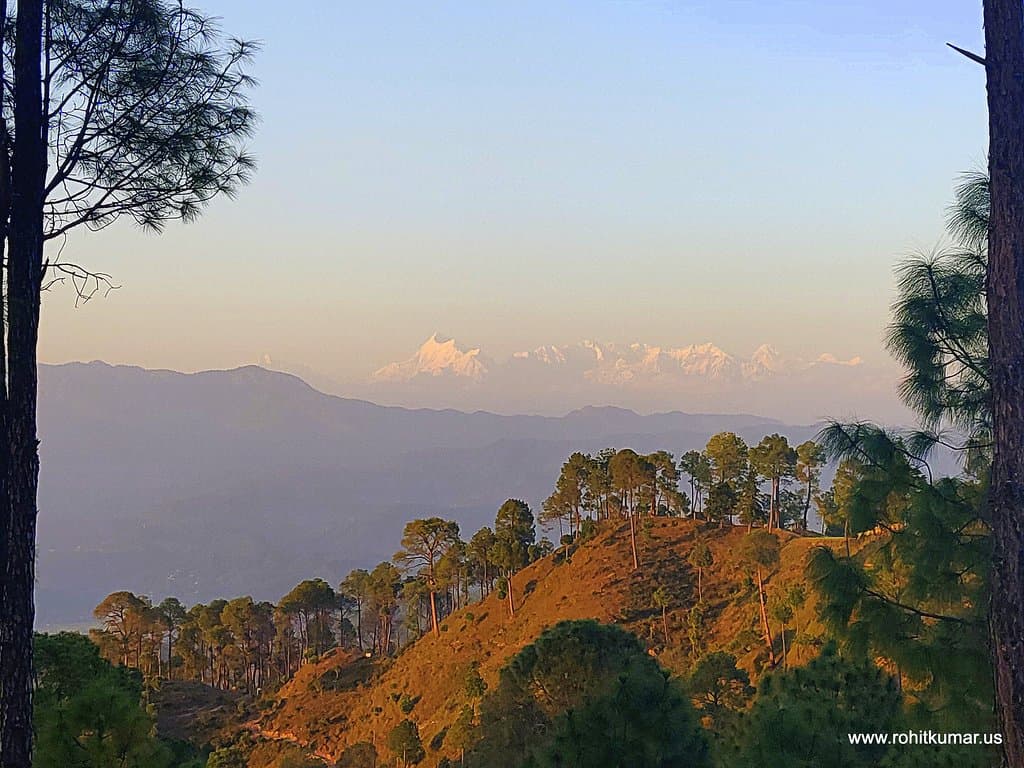
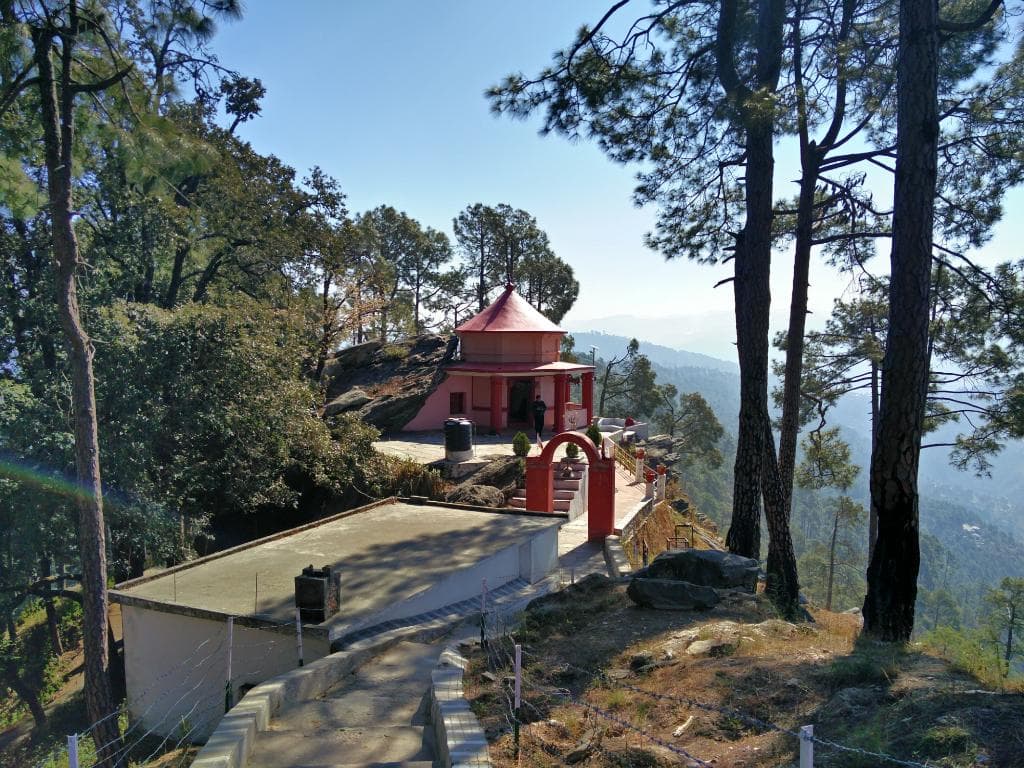
Nestled amidst lush greenery and hills, the temple offers a tranquil escape and a spiritual experience.
Plans like a pro.
Thinks like you
Planning Your Visit
The Bell Ritual
Best Time to Visit
Best Times
Insider Tips
from TikTok, Instagram & Reddit
🎯 Tie a Bell for Wishes
Write your wish on a bell and tie it. Return to offer a new bell when your wish is granted!
🚗 Ample Parking Available
Don't worry about parking; there's plenty of space for vehicles.
📸 Photography Rules
Photography is generally allowed inside the temple, but check for specific restrictions.
☕ Grab a Tea Break
A small shop offers tea, perfect for a quick refreshment.
Tips
from all over the internet
🎯 Tie a Bell for Wishes
Write your wish on a bell and tie it. Return to offer a new bell when your wish is granted!
🚗 Ample Parking Available
Don't worry about parking; there's plenty of space for vehicles.
📸 Photography Rules
Photography is generally allowed inside the temple, but check for specific restrictions.
☕ Grab a Tea Break
A small shop offers tea, perfect for a quick refreshment.
🙏 Respectful Attire
Dress modestly out of respect for the religious site.
What Travellers Say
Reviews Summary
Jhula Devi Temple is a highly revered site in Ranikhet, celebrated for its unique wish-fulfillment ritual involving bells. Visitors are captivated by the thousands of bells and the serene, spiritual atmosphere. While the temple offers a profound experience, some find the restroom facilities to be lacking.
"The experience was wonderful! The place has an incredible sense of peace and tranquility. Although this temple is often associated with Ranikhet, it’s actually located quite far from there — in a serene, isolated spot right beside the Army Jat Regiment check post. Just 3–4 km from the temple, you can also explore a beautiful garden in choubatia, which is said to be the second largest of its kind in Asia."
Sagar Verma
"The architecture isn't spectacular, but it's antiquity dates back 700 years according to local lore. The current structure, of course, is more recent in origin and dates to the last century. It's quaintness lies in its thousands of bells, big and small, along the walls of the temples and inside, donated by grateful worshippers. People come here to get their new vehicles blessed!"
Saurabh
"While the architecture of Jhula Devi Temple may not be grand or ornate, its antiquity and spiritual significance make it one of Ranikhet’s most cherished landmarks. According to local lore, the temple’s origins date back nearly 700 years, though the current structure was built in the last century.
What truly makes this temple special are the thousands of brass bells — big and small — adorning its walls and ceilings. Each bell has been offered by a devotee in gratitude, symbolizing wishes fulfilled and prayers answered. The gentle sound of the bells swaying in the mountain breeze gives the temple a truly divine and peaceful aura. 🔔🌿
It’s a tradition among locals and travelers to visit the temple to seek blessings for new vehicles, symbolizing safety and good fortune. The energy here feels both sacred and timeless — a blend of faith, history, and the mountain spirit of Kumaon.
If you’re in Ranikhet, Jhula Devi Temple is not just a place to visit — it’s a place to feel. 🙏"
Yaduveer Singh
What People Like
What People Dislike
Frequently Asked Questions
🚇 🗺️ Getting There
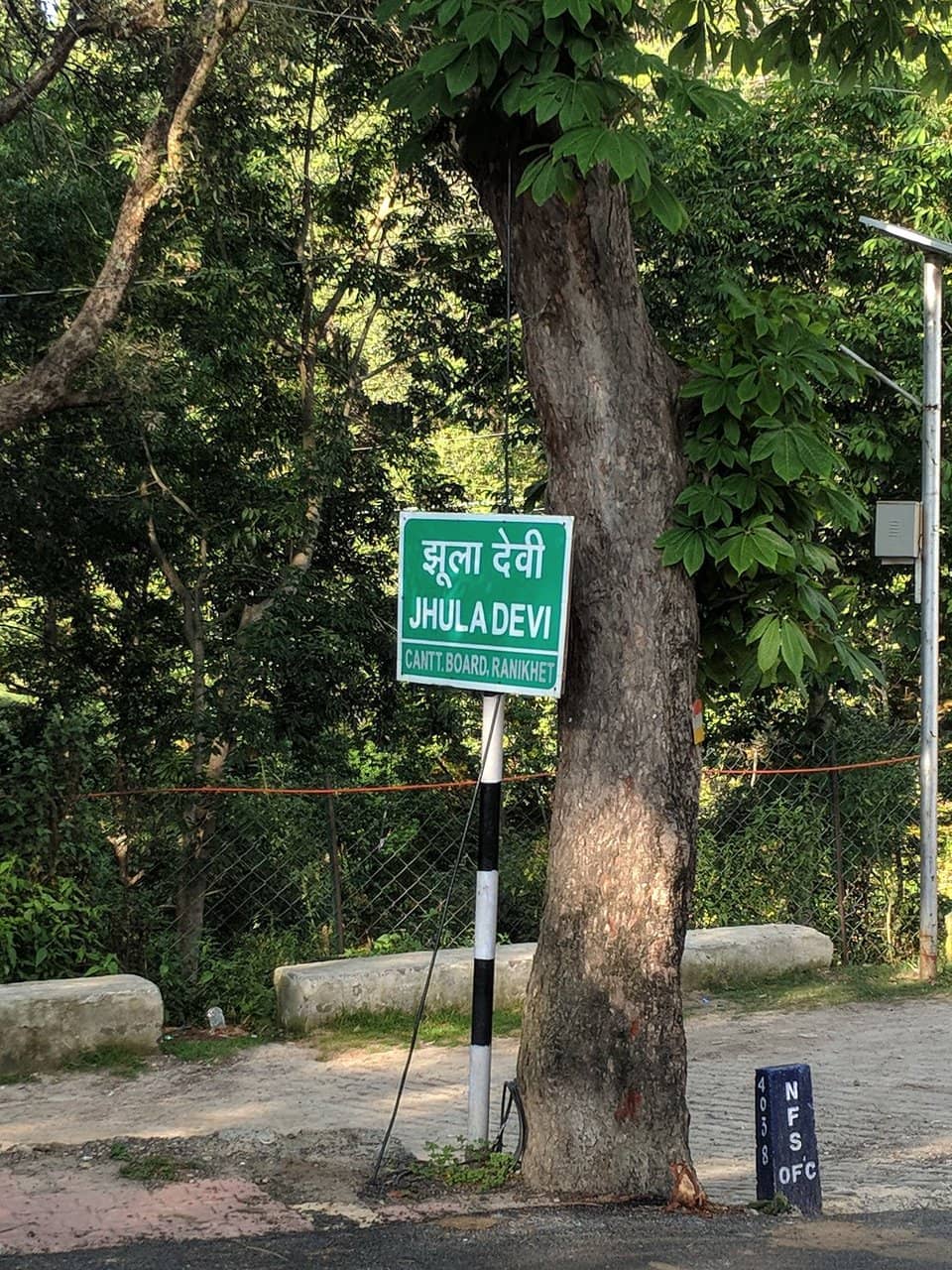
Jhula Devi Temple is located about 7 km from Ranikhet town, near Chaubatia. You can hire a taxi or take a local bus. Many visitors also use bikes for the scenic ride.
Yes, there is ample parking space available at the temple premises, making it convenient for visitors arriving by car or bike.
The nearest railway station is Kathgodam, about 80 km away. From there, you can hire a taxi or take a bus to Ranikhet. Pantnagar Airport is the closest airport, approximately 110 km away.
The temple is generally open throughout the day, allowing visitors to experience its spiritual ambiance at their convenience. It's advisable to visit during daylight hours for better views and a peaceful experience.
While taxis are readily available, local buses might also ply the route from Ranikhet. It's recommended to inquire locally for the most up-to-date public transport options.
🎫 🎫 Tickets & Entry
No, there is no entry fee to visit Jhula Devi Temple. It is a place of worship open to all devotees and tourists.
Advance booking is not required as there is no entry fee. You can visit the temple at any time during its operating hours.
Visiting during weekdays and avoiding major Indian holidays or festival times will help you experience a less crowded and more serene visit.
It is advisable to dress modestly and respectfully when visiting any religious site, including Jhula Devi Temple.
Yes, offering bells is a significant ritual. You can purchase bells from local shops and tie them at the temple premises to fulfill your wishes.
🎫 🧭 Onsite Experience
The temple is famous for its thousands of hanging bells, offered by devotees whose wishes have been fulfilled. It's a visual representation of faith and gratitude.
Devotees tie a bell at the temple with their written wishes. It is believed that Goddess Jhula Devi fulfills these wishes, and upon realization, devotees return to offer a new bell.
Photography is generally permitted within the temple premises, but it's always a good idea to be mindful of other visitors and any specific signage indicating restrictions.
While there are facilities available, some reviews mention that the toilets can be quite dirty. It's advisable to be prepared.
You can expect a peaceful and spiritual atmosphere, surrounded by nature. The numerous bells add a unique charm and a sense of devotion.
🍽️ 🍽️ Food & Dining
There is a small shop near the temple where you can get tea. For more extensive dining options, you would need to return to Ranikhet town.
Ranikhet offers a variety of local Kumaoni cuisine as well as North Indian dishes. You can find dhabas and restaurants catering to different tastes.
Yes, vegetarian options are widely available in Ranikhet, as is common in most Indian towns and tourist destinations.
When in the Kumaon region, try local specialties like 'Aloo ke Gutke' (spiced potatoes) and 'Gahat ki Dal' (horse gram lentil).
Carrying some snacks and water is always a good idea, especially if you plan to explore the surrounding areas or if you have specific dietary needs.
📸 📸 Photography
The most iconic photo opportunities are with the thousands of hanging bells. The natural surroundings also offer beautiful scenic shots.
While photography is generally allowed, it's respectful to avoid intrusive photography of devotees and to check for any specific signage indicating restricted areas.
Morning light can be beautiful for capturing the bells and the serene atmosphere. Golden hour in the late afternoon can also provide lovely lighting.
Drone usage is typically restricted in and around religious sites and sensitive areas. It's best to check local regulations before attempting to fly a drone.
A wide-angle lens is great for capturing the vastness of the bells. A standard zoom lens is versatile for general shots. Don't forget a fully charged battery!
Social
from TikTok, Instagram & Reddit