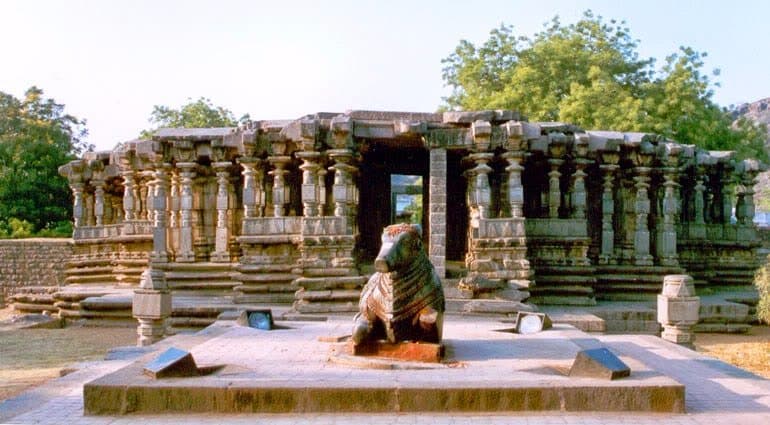
Thousand Pillar Temple Hanamkonda
A 12th-century marvel of Kakatiya architecture, famed for its star-shaped plan and thousands of intricately carved pillars.
Highlights
Must-see attractions

Social
From TikTok & Reddit
Best Time
Fewer crowds, cooler temperatures
Thousand Pillar Temple Hanamkonda
Best Time
Fewer crowds, cooler temperatures
Highlights
Must-see attractions
A 12th-century marvel of Kakatiya architecture, famed for its star-shaped plan and thousands of intricately carved pillars.
"A stunning example of Kakatiya architecture, each pillar is beautifully carved, and the temple's peaceful atmosphere makes it perfect."
👟 Wear comfortable shoes
Pathways can be sandy; comfortable footwear is essential for exploring the complex.
💧 Stay hydrated
Carry water, especially during warmer months, as you'll be doing a lot of walking.
Quick Facts
Hours
Rating
4.5 · 31,609 reviews
Type
Hindu Temple
Highlights
Discover the most iconic attractions and experiences
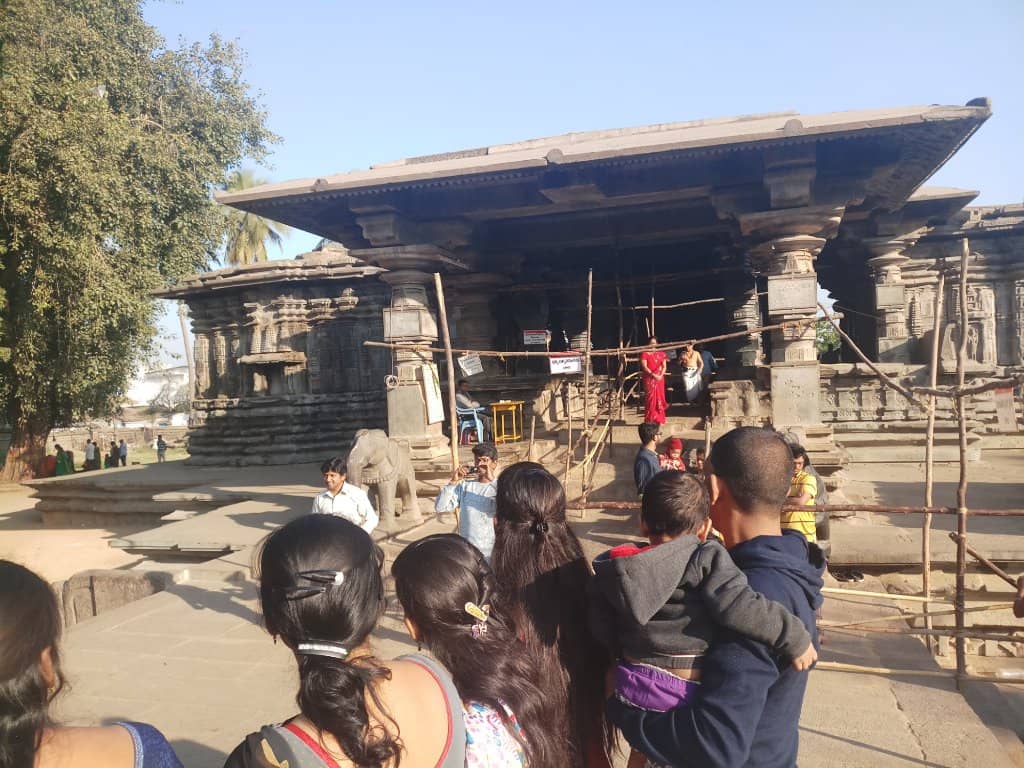
The Thousand Pillars
Kalyana Mandapam
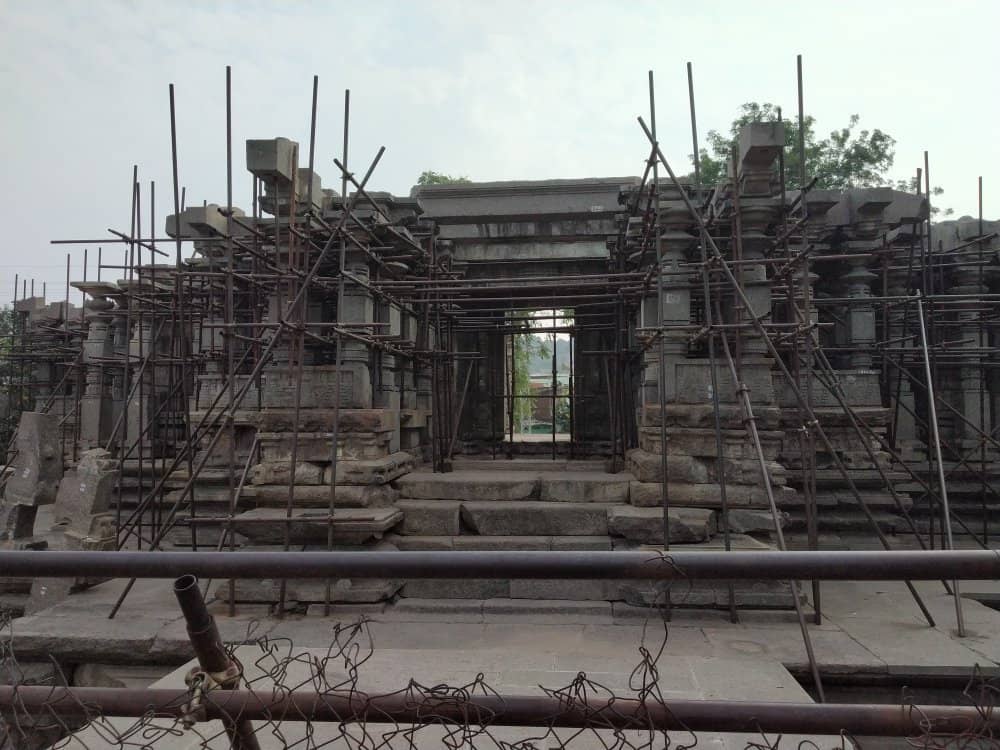
Marvel at the intricate carvings and sheer number of pillars in the Kalyana Mandapam, a testament to Kakatiya craftsmanship.
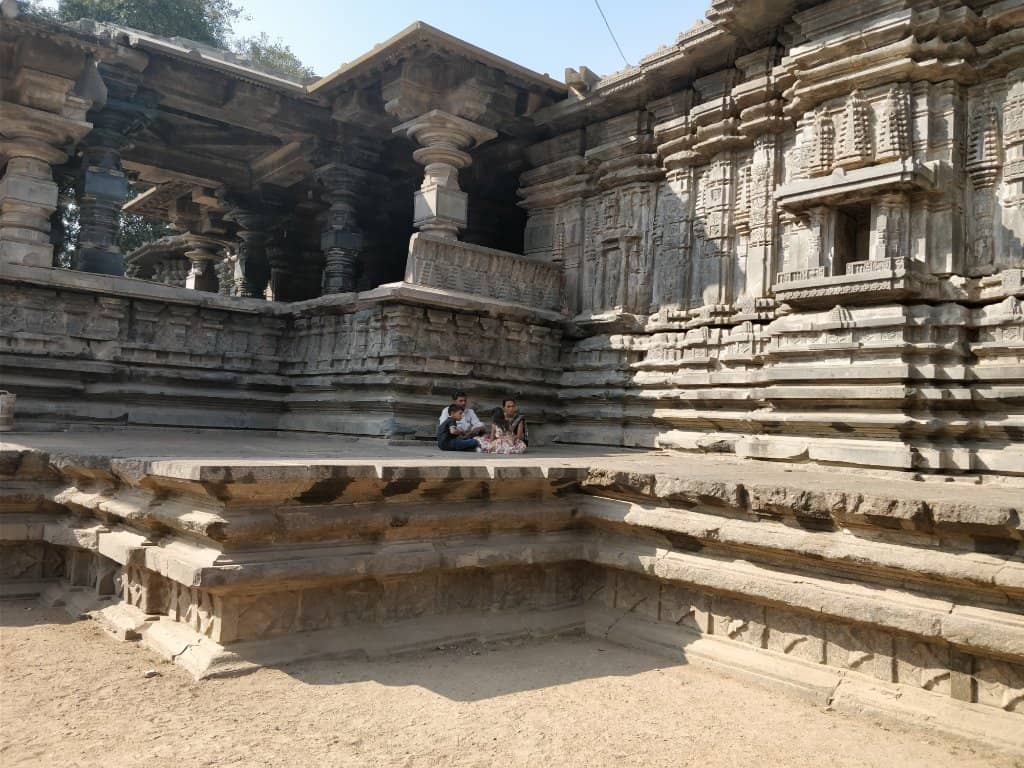
Star-Shaped Temple Plan
Main Temple
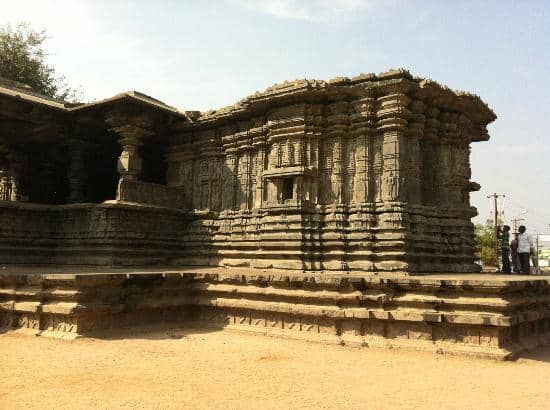
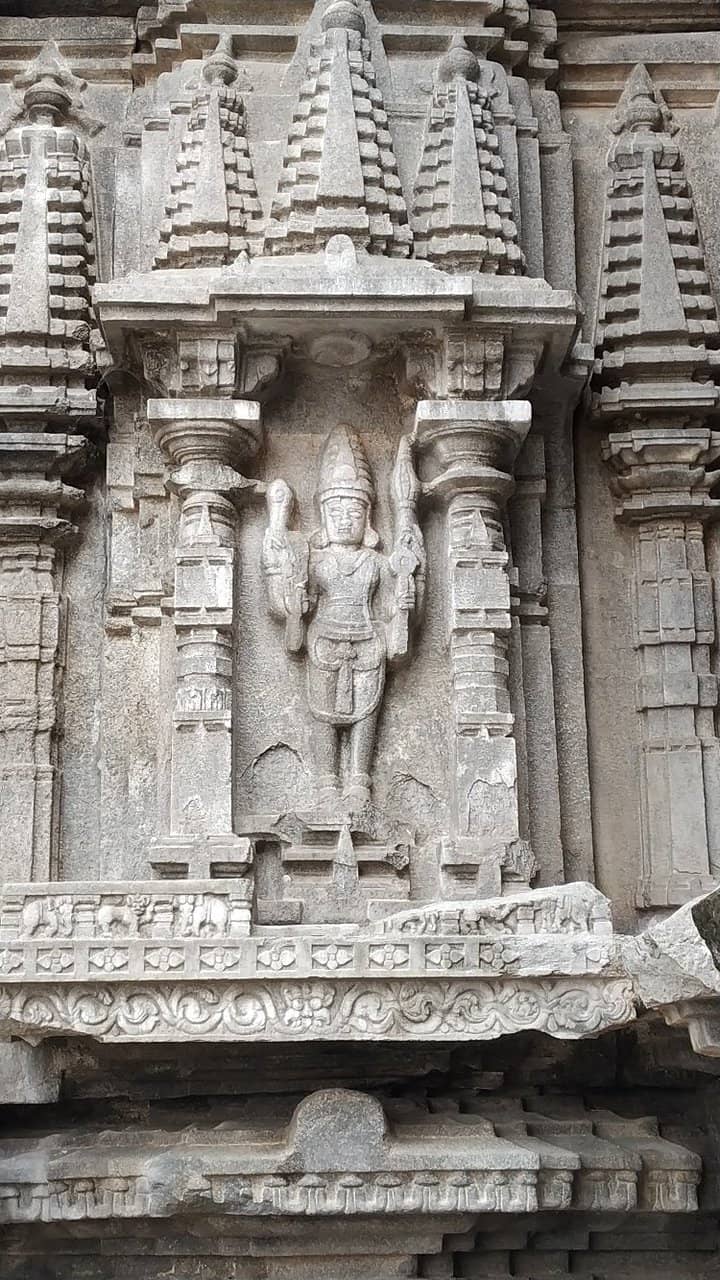
Admire the unique star-shaped layout of the main temple, housing shrines for Shiva, Vishnu, and Surya.
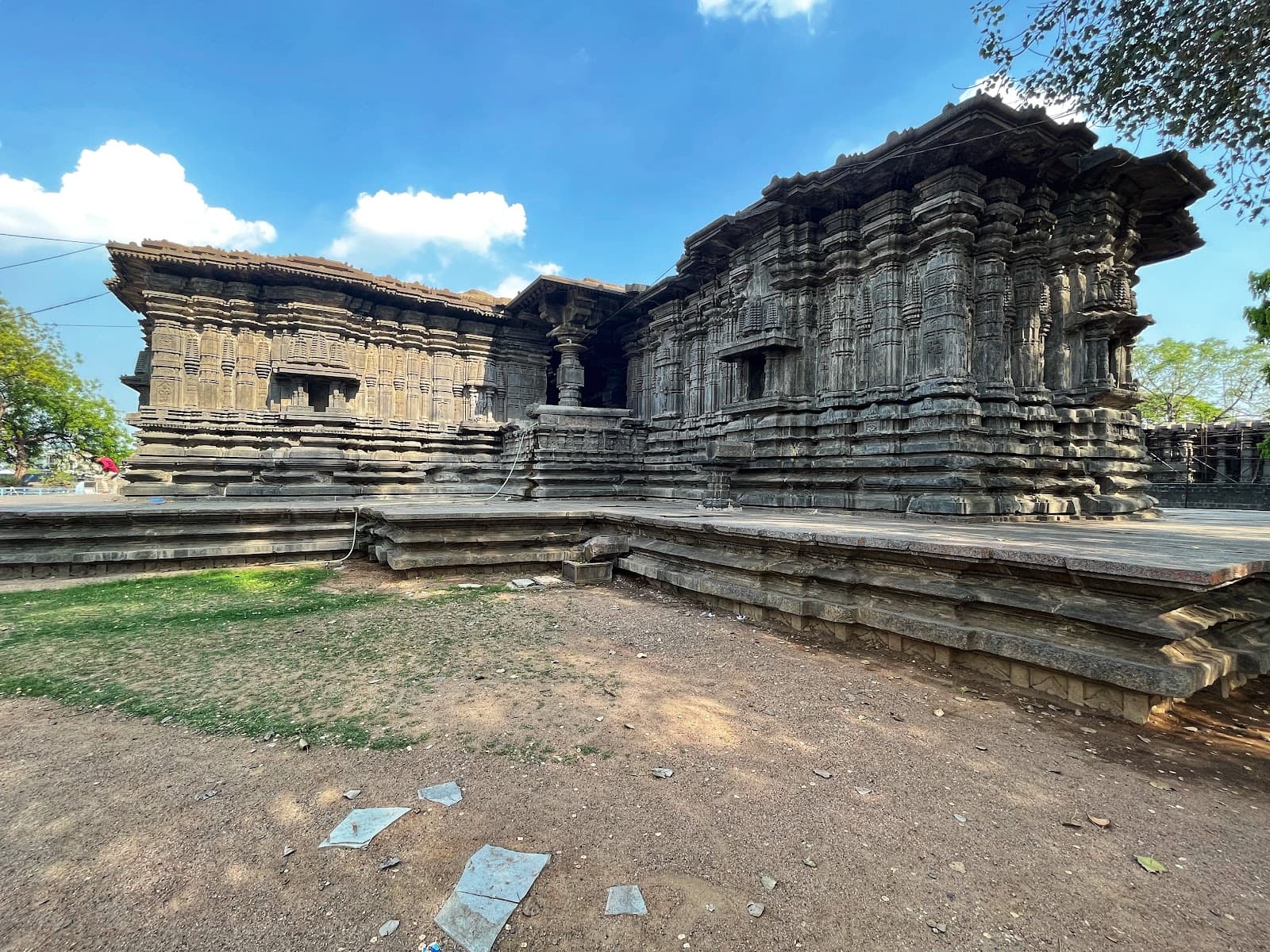
Intricate Stone Carvings
Throughout the temple
Discover the flawless ivory carving techniques and lathe-turned stone sculptures adorning the temple.
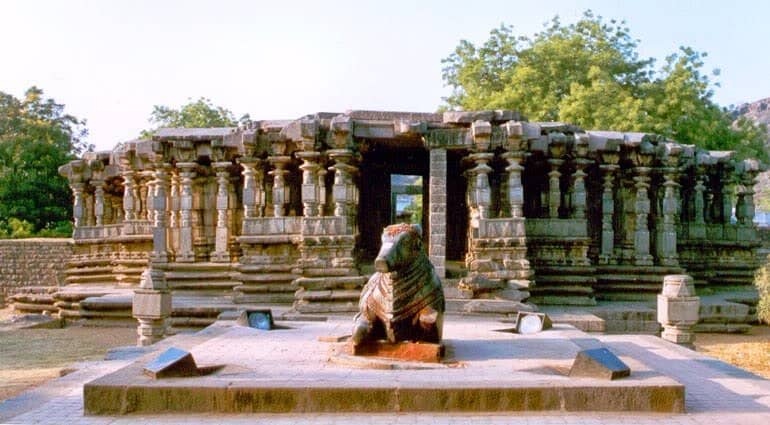
The Majestic Nandi
Between main temple and Mandapam
Gaze upon the beautifully adorned Nandi statue, showcasing the distinct Kakatiya artistic touch.
Plans like a pro.
Thinks like you
Planning Your Visit
Timing is Key for the Best Experience
Navigating the Temple Complex
Best Times
Insider Tips
from TikTok, Instagram & Reddit
👟 Wear comfortable shoes
Pathways can be sandy; comfortable footwear is essential for exploring the complex.
💧 Stay hydrated
Carry water, especially during warmer months, as you'll be doing a lot of walking.
📸 Capture the details
The intricate carvings are stunning; take your time to photograph the craftsmanship.

⏳ Allow ample time
Explore the main temple and the Kalyana Mandapam thoroughly to appreciate the architecture.
Tips
from all over the internet
👟 Wear comfortable shoes
Pathways can be sandy; comfortable footwear is essential for exploring the complex.
💧 Stay hydrated
Carry water, especially during warmer months, as you'll be doing a lot of walking.
📸 Capture the details
The intricate carvings are stunning; take your time to photograph the craftsmanship.
⏳ Allow ample time
Explore the main temple and the Kalyana Mandapam thoroughly to appreciate the architecture.
💰 Be wary of scams
Don't leave footwear unattended at parking; wear them inside and leave at the temple.
What Travellers Say
Reviews Summary
Visitors praise the Thousand Pillar Temple for its stunning Kakatiya architecture, intricate stone carvings, and peaceful ambiance, making it a must-visit for history and art lovers. However, some find the narrow lanes, limited parking, and sandy pathways to be inconvenient, suggesting improvements for better visitor experience.
"Amazing historical temple in Warangal! Well-maintained and peaceful — perfect for history lovers and photography enthusiasts.
The Thousand Pillar Temple in Warangal is an absolute gem for anyone who loves history, architecture, or spirituality. Built during the reign of the Kakatiya dynasty, this 12th-century temple showcases extraordinary craftsmanship.
The Nandi statue carved from a single rock is absolutely stunning. The temple surroundings are neat and peaceful, making it a perfect place to spend some quiet time admiring history. It’s a must-visit spot for anyone interested in art, culture, or ancient Indian architecture.
You can feel peace and spirituality in every corner. Visiting this temple fills your heart with pride and devotion."
HARISH MATTA
"The architecture of the Thousand Pillar Temple is truly impressive and reflects its rich historical significance. However, the site would greatly benefit from better maintenance. There are no dustbins available, which leads visitors to leave water bottles and other litter near the pillars. Adding a few flower pots and maintaining the grass around the temple grounds would enhance the overall beauty and create a more pleasant atmosphere for visitors."
santosh kumar
"Veyistambalagudi or 1000 pillar temple is located in Hanumakonda, near Warangal which was built by Kakatiyas in 1163AD.
Huge parking space which is free is available near temple which is indicated with sign boards.You can put your sandals in stand located inside temple.
There is no entrance ticket, it's free.
This is also called as
Sri Rudreshwara Swamy Temple.
It is a UNESCO World Heritage status. Maintained by the Archaeological Survey of India (ASI).
Temple is damaged during the Tughlaq invasions; underwent a major restoration in 2004.
It's a Trikutalayam (triple shrine) dedicated to the Hindu trinity: Lord Shiva, Lord Vishnu, and Surya (Sun God).
It is Blbuilt in a unique star-shaped configuration on a raised platform (plinth), blending Chalukyan and Kakatiyan styles.
The Pillars: Renowned for having over a thousand intricately carved pillars in the complex (the Kalyana Mandapam is the main concentration).
Key Features: Features a massive monolithic Nandi (bull) carved from black basalt, intricate carvings, and finely perforated stone screens.
Timings: Generally open daily from 6:00 AM to 8:00 PM (some sources state 5:00 AM to 9:00 PM; confirm locally).
Kateekamasam pooja, abhishekam will be performed by temple authorities.
Have a happy visit, hope this information helped you, if it is - just like it, that helps me to improve content"
Subrahmanyam B (Subbu)
What People Like
What People Dislike
Frequently Asked Questions
🚇 🗺️ Getting There
The Thousand Pillar Temple is located in Hanamkonda, Warangal, Telangana. It's easily accessible by car and is about 150 kilometers from Hyderabad. You can hire a taxi or use local transport from Warangal city.
Parking is available, but it can be limited and the lanes leading to it are narrow. Visitors have noted it's a small parking area.
You can reach Hanamkonda from Hyderabad by train, bus, or by hiring a taxi. The journey by road typically takes around 3-4 hours.
Local buses and auto-rickshaws are available from Warangal city to reach the temple.
While the main temple is well-maintained, some areas around the temple complex can have sandy pathways and narrow lanes.
🎫 🎫 Tickets & Entry
Entry to the Thousand Pillar Temple is generally free, but there might be nominal charges for specific rituals or photography.
The temple is typically open all day, allowing visitors to explore at their convenience.
There is usually no separate entry fee for the Kalyana Mandapam, as it's part of the temple complex.
Yes, you can pay for 'archana' and perform 'abhishekam' to the lingam.
While efforts are made for accessibility, some areas might be challenging due to sandy paths and steps.
🎫 🏛️ Onsite Experience
The Kalyana Mandapam features approximately 300 pillars, each intricately carved with unique designs, showcasing the exquisite Kakatiya architecture.
The temple is a Trikulalaya, housing three deities: Lord Shiva (Rudreswara), Lord Vishnu (Vasudeva), and Lord Surya (Suryadeva).
It follows the style of later Chalukyan and early Kakatiyan architecture, known for its intricate carvings and star-shaped plan.
The temple utilized a unique 'sand box technique' for its foundations, which also contributed to later damage. The pillars exhibit lathe-turned and polished stone craftsmanship.
An inscription pillar, also known as Shasana stambha, contains inscriptions in a combination of Telugu and Kannada letters, detailing historical information.
📸 📸 Photography
Photography is generally permitted within the temple complex, but it's always good to check for any specific restrictions.
The Kalyana Mandapam with its numerous pillars, the intricately carved Nandi, and the star-shaped temple layout offer excellent photographic opportunities.
Late afternoons offer beautiful golden hour lighting, enhancing the details of the stone carvings. Early mornings are also good to avoid crowds.
Drone photography is typically not allowed at historical and religious sites without prior permission.
Yes, you can photograph the inscription pillar, but be mindful of not obstructing other visitors.

Social
from TikTok, Instagram & Reddit