Asan Conservation Reserve
A Ramsar site and birdwatcher's paradise at the confluence of Asan & Yamuna rivers, offering serene beauty and diverse avian life.
Highlights
Must-see attractions

Social
From TikTok & Reddit
Best Time
Peak migratory bird season
Asan Conservation Reserve
Best Time
Peak migratory bird season
Highlights
Must-see attractions
A Ramsar site and birdwatcher's paradise at the confluence of Asan & Yamuna rivers, offering serene beauty and diverse avian life.
"A hidden gem for nature lovers and wildlife enthusiasts, offering a perfect escape from city life."
🎯 Bring Binoculars & Camera
Essential for birdwatching and capturing the stunning details of avian life.
📸 Telephoto Lens Recommended
A 400mm or more telephoto zoom lens is highly recommended for photographers.
Quick Facts
Rating
4 · 1,774 reviews
Type
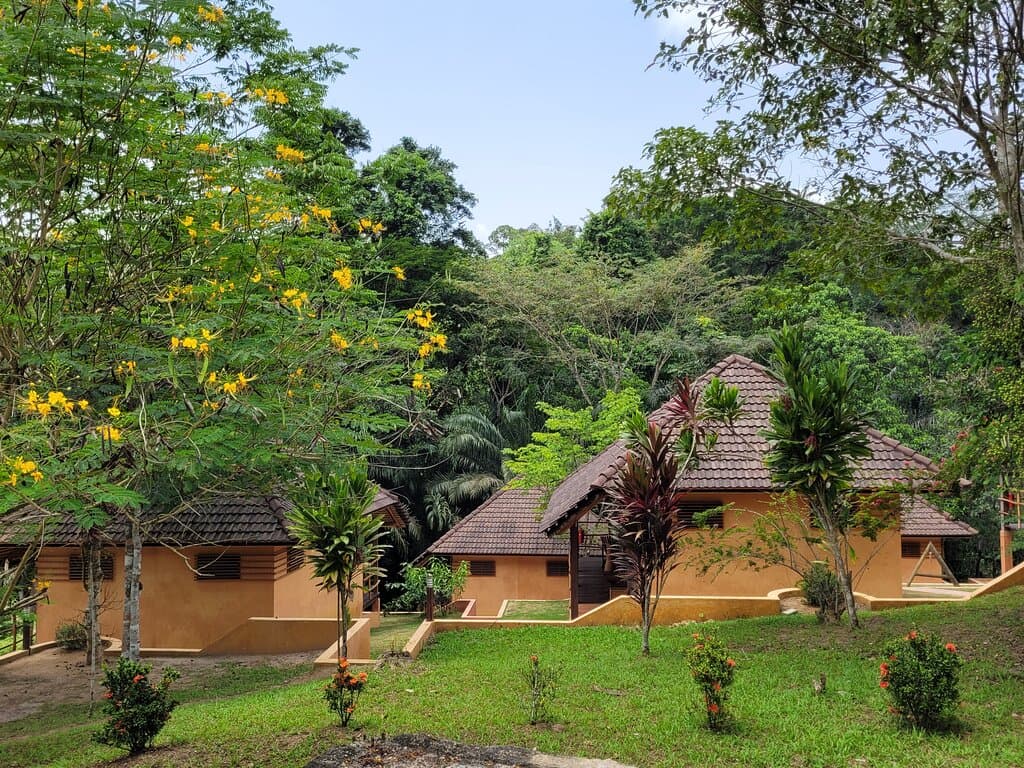
Resort hotel
Highlights
Discover the most iconic attractions and experiences
Avian Paradise
Confluence of Asan & Yamuna Rivers
Home to over 53 bird species, including migratory birds from Europe and Asia. A must-visit for birdwatchers.
Serene Waters
The Barrage
Enjoy boating, kayaking, and paddling on the calm waters of the man-made wetland.
Picturesque Landscapes
Surrounding Areas
Lush greenery and picturesque settings make it ideal for nature walks and photography.

Plans like a pro.
Thinks like you
Planning Your Visit
Best Time for Birdwatching
Accommodation & Amenities
Best Times
Insider Tips
from TikTok, Instagram & Reddit
🎯 Bring Binoculars & Camera
Essential for birdwatching and capturing the stunning details of avian life.
📸 Telephoto Lens Recommended
A 400mm or more telephoto zoom lens is highly recommended for photographers.
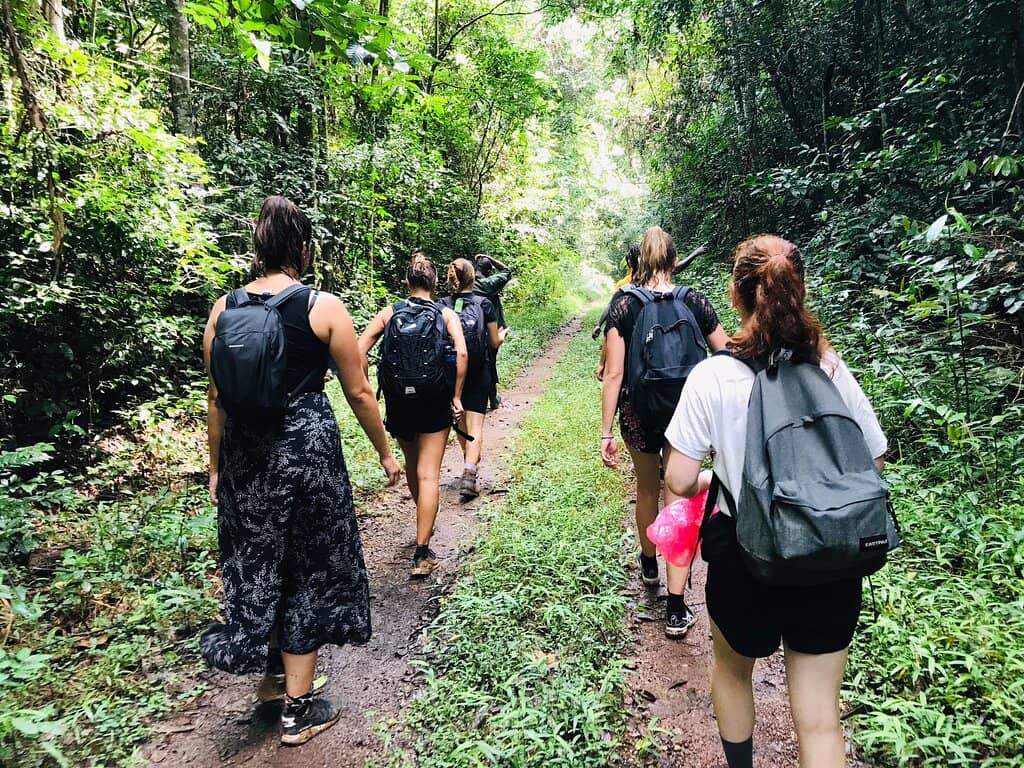
🚶♀️ Explore Nature Trails
Well-maintained pathways offer peaceful exploration of the reserve's biodiversity.
⏰ Visit During Peak Hours
Mornings and late afternoons are best for bird sightings.
Tips
from all over the internet
🎯 Bring Binoculars & Camera
Essential for birdwatching and capturing the stunning details of avian life.
📸 Telephoto Lens Recommended
A 400mm or more telephoto zoom lens is highly recommended for photographers.
🚶♀️ Explore Nature Trails
Well-maintained pathways offer peaceful exploration of the reserve's biodiversity.
⏰ Visit During Peak Hours
Mornings and late afternoons are best for bird sightings.
🚗 Easy Access from Dehradun
About 42 km west of Dehradun; accessible by cab or bus.
What Travellers Say
Reviews Summary
Asan Conservation Reserve is praised as a peaceful, beautiful natural escape, particularly for birdwatching and photography. Visitors appreciate the serene environment and the variety of avian life. However, some reviews suggest that services, especially at the resort's restaurant, could be improved.
"If you want to spend some time and relax at peaceful place you may visit Oct to Feb months.
You can stay a constable night but you can't expect more.
It has kids out door play area, boating."
Vishvnath Sharma
"It is a GMVN affiliated resort in Asan bird sanctuary. Good location, you can see many birds here. Boating is available here in good weather"
Ashish Singh
"I think you meant to ask about "Assan Barrage" instead of "Assam Barrage". Assan Barrage is a popular tourist destination in Dehradun, Uttarakhand, known for its stunning natural beauty and rich biodiversity.
Overview of Assan Barrage
Assan Barrage is a man-made wetland located at the confluence of the Yamuna and Asan rivers. It's a paradise for birdwatchers, with over 53 species of birds documented, including migratory birds from Europe and Asia. The barrage is 287.5 meters long and has a water surface area of 4 square kilometers.
Key Features
- Birdwatching: Assan Barrage is home to numerous bird species, including the Pallas Fishing Eagle, Marsh Harrier, and Steppe Eagle.
- Water Sports: Visitors can enjoy kayaking, rowing, and paddling in the barrage's waters.
- Nature Exploration: The surrounding area offers opportunities for nature walks and exploration.
- Photography: The barrage's picturesque setting makes it an ideal spot for photography.
Visitor Information
- Timings: The barrage is open daily from 9:00 AM to 5:00 PM.
- Entry Fee: There is no entry fee to visit Assan Barrage.
- Best Time to Visit: The best time to visit is between October and March, when migratory birds are present.
- Getting There: The barrage is located about 42 kilometers west of Dehradun city, and can be reached by hiring a private cab or taking a bus.¹ ²
Ratings and Reviews
Assan Barrage has a rating of 4/5 stars based on 33 reviews. Visitors have praised the barrage's natural beauty, friendly staff, and good food quality."
Suraj Pailu
What People Like
What People Dislike
Frequently Asked Questions
🚇 🗺️ Getting There
Asan Conservation Reserve is located approximately 42 kilometers west of Dehradun city. You can reach it by hiring a private cab or taking a local bus. The journey typically takes about an hour and a half.
Yes, while private cabs offer convenience, local buses also ply the route from Dehradun towards Pontashahib, making it accessible via public transport.
The distance is around 42 kilometers (approximately 26 miles) from Dehradun city center.
The reserve is situated near Pontashahib, about 40 km from Dehradun. Following signs towards Pontashahib and then looking for the reserve should guide you.
Yes, private vehicles are allowed, and there is usually parking available near the resort or entry points.
🎫 🎫 Tickets & Entry
No, there is no entry fee to visit Asan Barrage. You can enjoy the natural beauty and birdwatching without any admission charges.
The reserve is generally open daily from 9:00 AM to 5:00 PM. However, for the best birdwatching experience, early mornings and late afternoons are recommended.
Boating is available in good weather, and typically you can arrange this on-site. It's advisable to check current availability upon arrival.
Generally, no special permits are required for personal photography. However, for commercial photography or videography, it's best to inquire with the local authorities.
Yes, the reserve is open on weekends, but it might be more crowded. Weekdays are generally quieter for a more peaceful experience.
🎫 🐦 Birdwatching & Wildlife
The reserve is a haven for over 53 species of birds, including migratory birds from Europe and Asia. You might spot Pallas Fishing Eagles, Marsh Harriers, Steppe Eagles, and Painted Storks. +1
The period between October and March is considered the best time to visit for birdwatching, as this is when migratory birds are present in large numbers.
While not always formally advertised, local guides or resort staff might be available to assist with birdwatching. Bringing your own binoculars and a good field guide is highly recommended.
The reserve's biodiversity includes various flora and fauna, though it is primarily known for its rich avian population. Specific details on other wildlife might require local inquiry.
Yes, the reserve is designed for safe wildlife observation. Stick to designated paths and maintain a respectful distance from the animals.
📸 📸 Photography Tips
The confluence of the Asan and Yamuna rivers, the water bodies, and the surrounding lush greenery offer picturesque scenes. Birdwatching spots are prime locations for wildlife photography.
For capturing detailed bird shots, a telephoto zoom lens of 400mm or more is highly recommended. A good DSLR or mirrorless camera with a telephoto lens will serve you well.
Generally, personal photography is allowed. However, it's always wise to check for any specific regulations regarding drone usage or commercial shoots.
Sunrise and sunset offer beautiful lighting conditions for landscape and wildlife photography. Early mornings are also excellent for bird activity.
Yes, you can take photos of the resort and its surroundings for personal use.
🍽️ 🍽️ Food & Dining
Yes, there is a GMVN affiliated resort that offers dining facilities. Reviews suggest good food quality, though services could be improved.
The resort typically serves local and Indian cuisine. It's advisable to check the menu or inquire about specific offerings upon arrival.
Bringing your own snacks and water is always a good idea, especially if you plan to spend a full day exploring the reserve.
There might be local eateries in nearby villages or towns, but options directly outside the reserve might be limited.
The serene environment makes it a good spot for a picnic. Ensure you clean up after yourself and dispose of waste properly.



Social
from TikTok, Instagram & Reddit