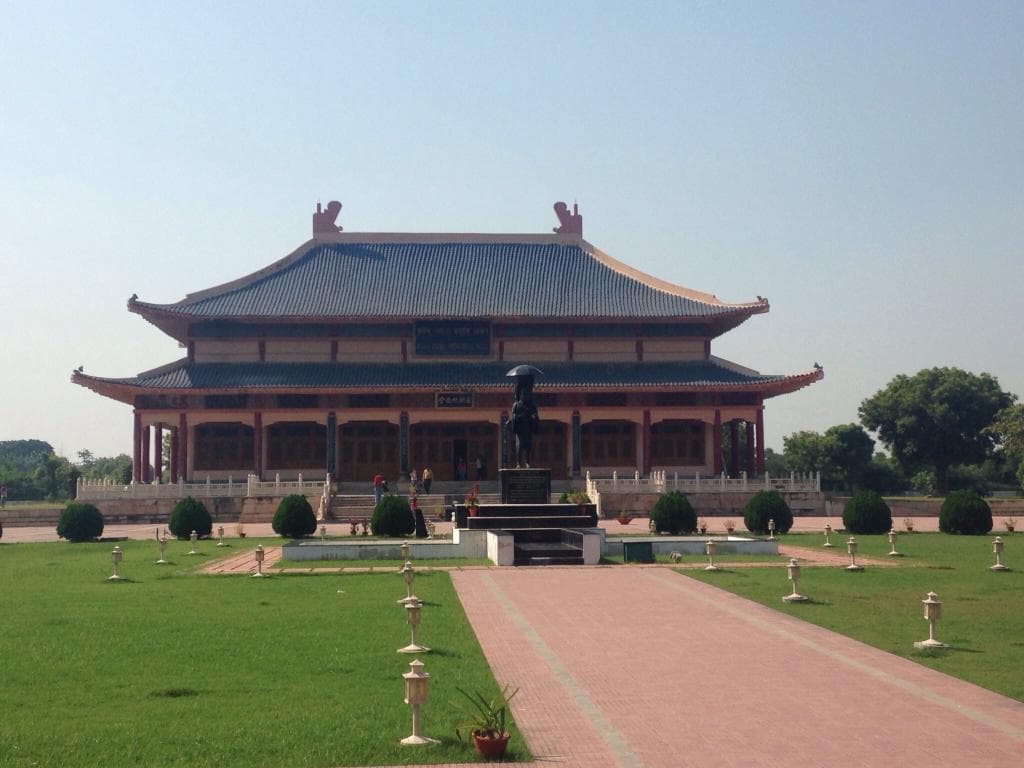
Hiuen Tsang Memorial Hall
A serene memorial dedicated to Chinese scholar Hiuen Tsang, showcasing his life and journey with unique Chinese architecture.
Highlights
Must-see attractions

Social
From TikTok & Reddit
Best Time
Avoid the heat and crowds
Hiuen Tsang Memorial Hall
Best Time
Avoid the heat and crowds
Highlights
Must-see attractions
A serene memorial dedicated to Chinese scholar Hiuen Tsang, showcasing his life and journey with unique Chinese architecture.
"A peaceful place with so much of positive energy and art, offering a spiritual experience."
🎯 Combine with Nalanda Ruins
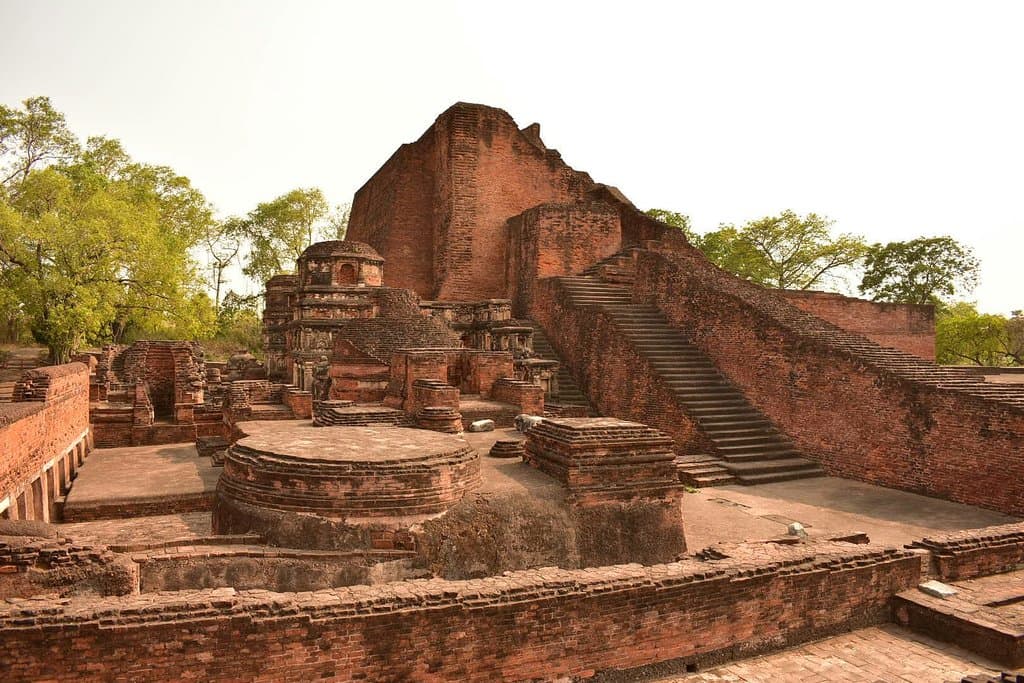
Easily visit the ancient Nalanda University ruins nearby for a complete historical experience.
⏰ Plan Before 5 PM
The hall closes at 5 PM, so ensure you arrive with enough time to explore.
Quick Facts
Rating
4.5 · 99 reviews
Type
Event Venue
Address
Highlights
Discover the most iconic attractions and experiences
Hiuen Tsang Statue
Main Gate
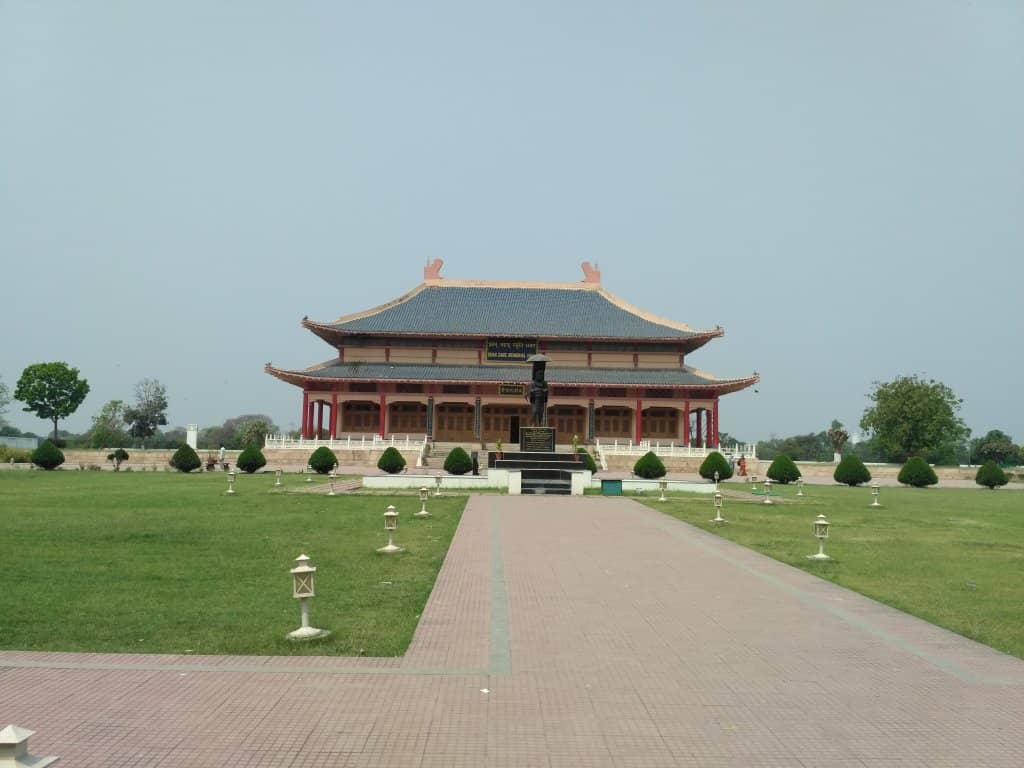
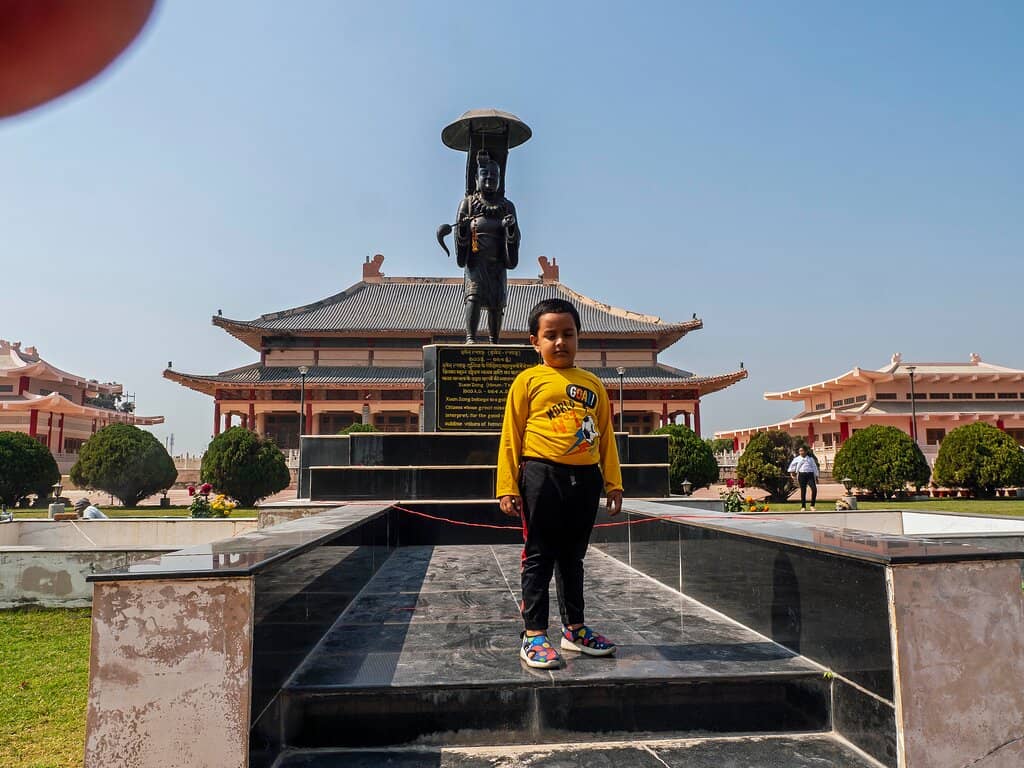
A grand statue of the Chinese scholar greets visitors, setting the tone for the historical journey within.
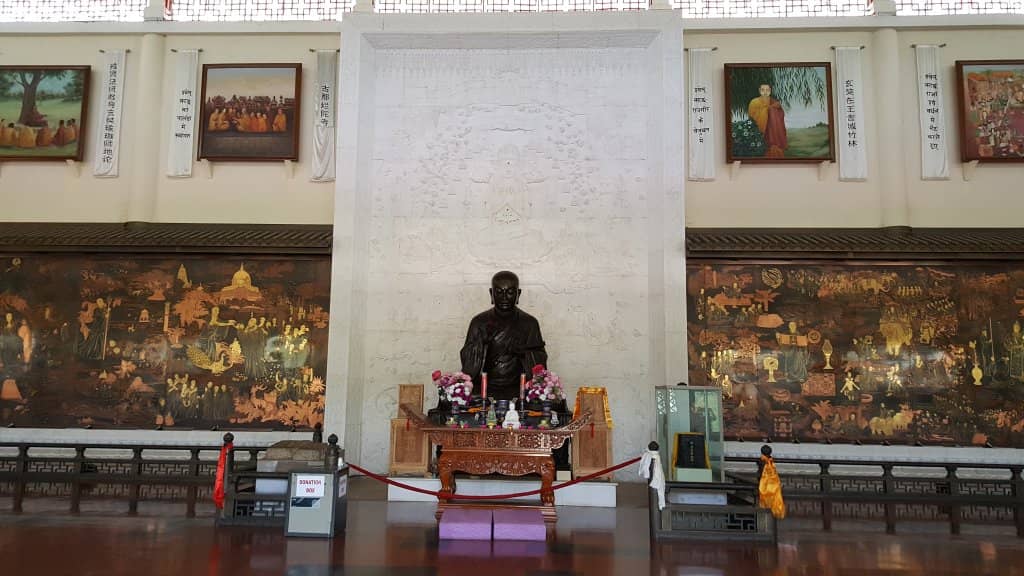
Life and Journey Depictions
Interior Hall
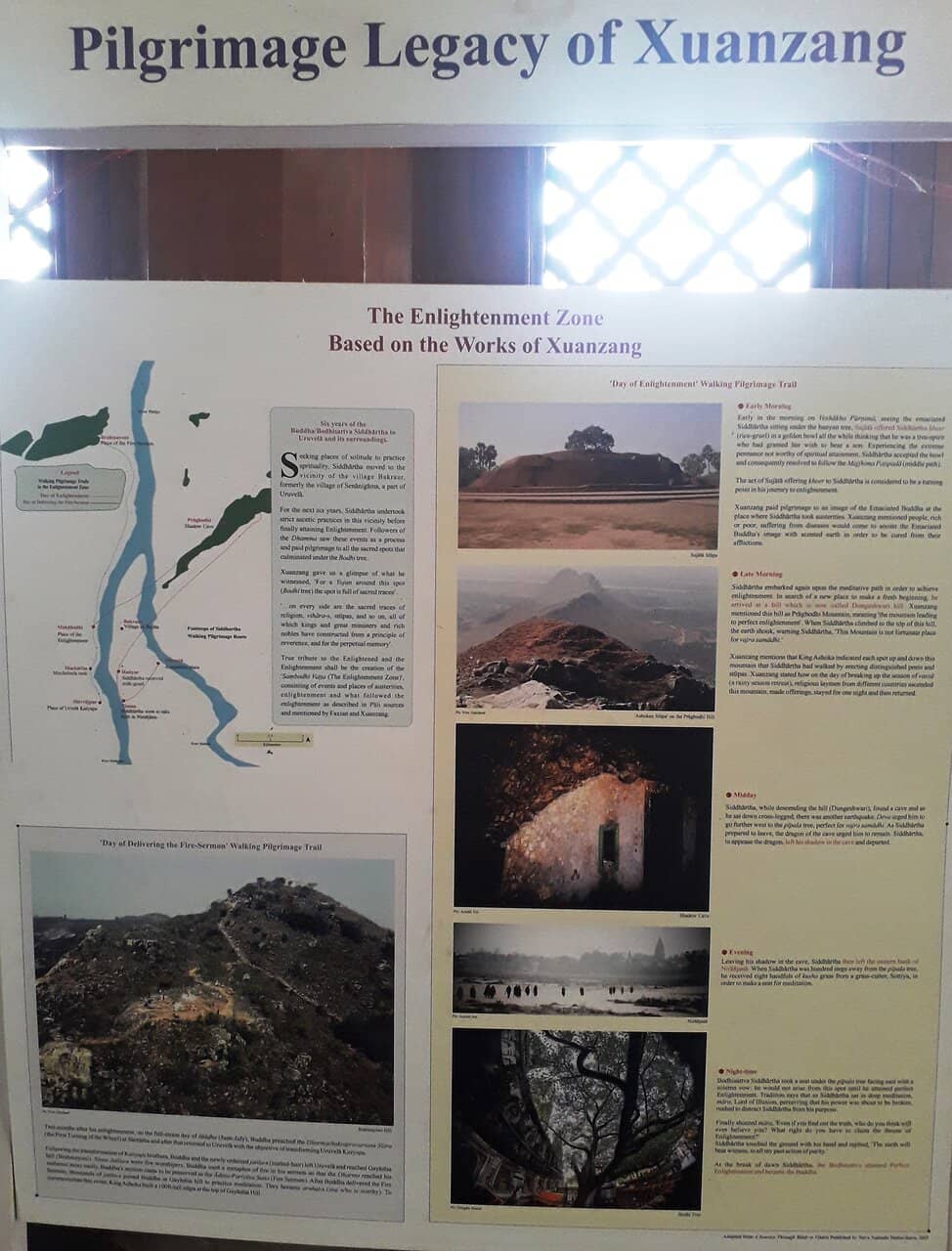
Intricate drawings and textual information vividly portray Hiuen Tsang's life and his significant travels through India.

Spiritual Ambiance
Main Hall
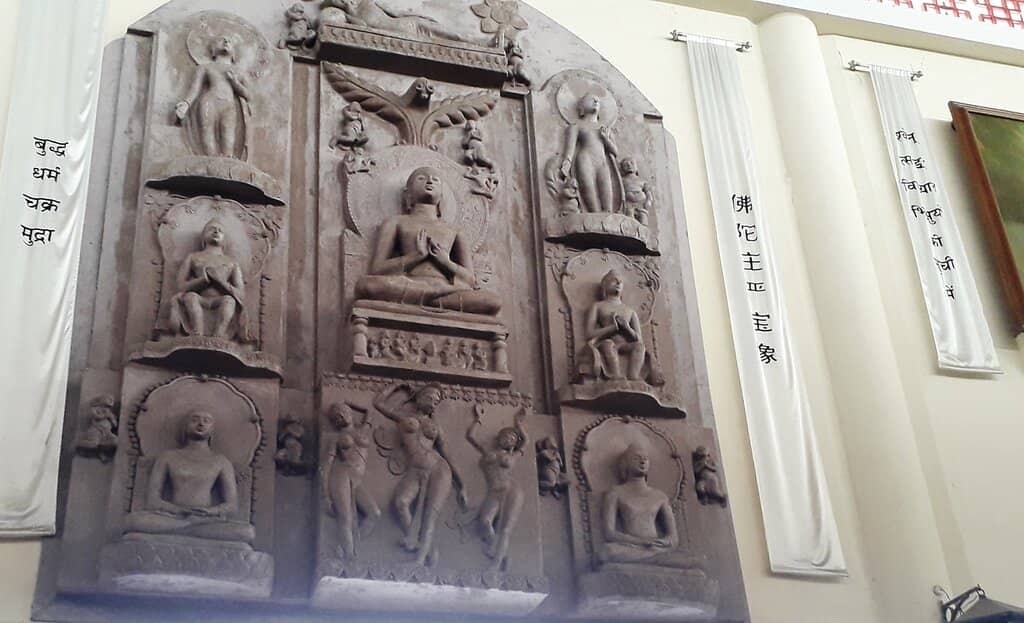
The spacious, peaceful hall offers a serene environment perfect for quiet reflection and meditation.
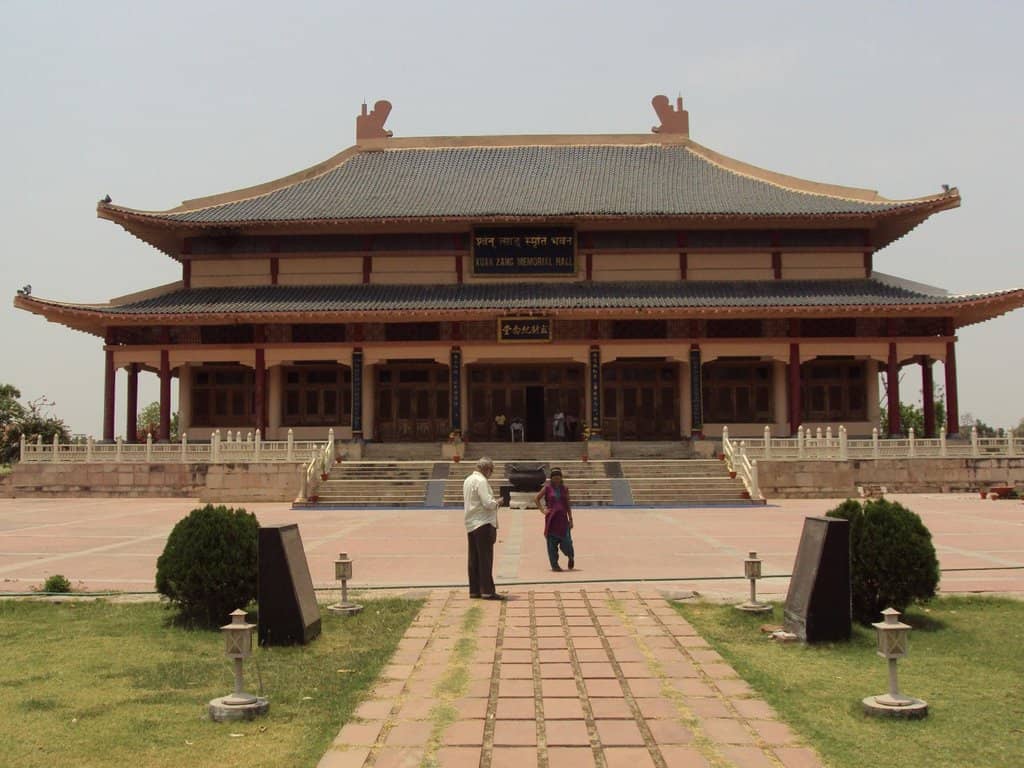
Chinese Architectural Style
Exterior
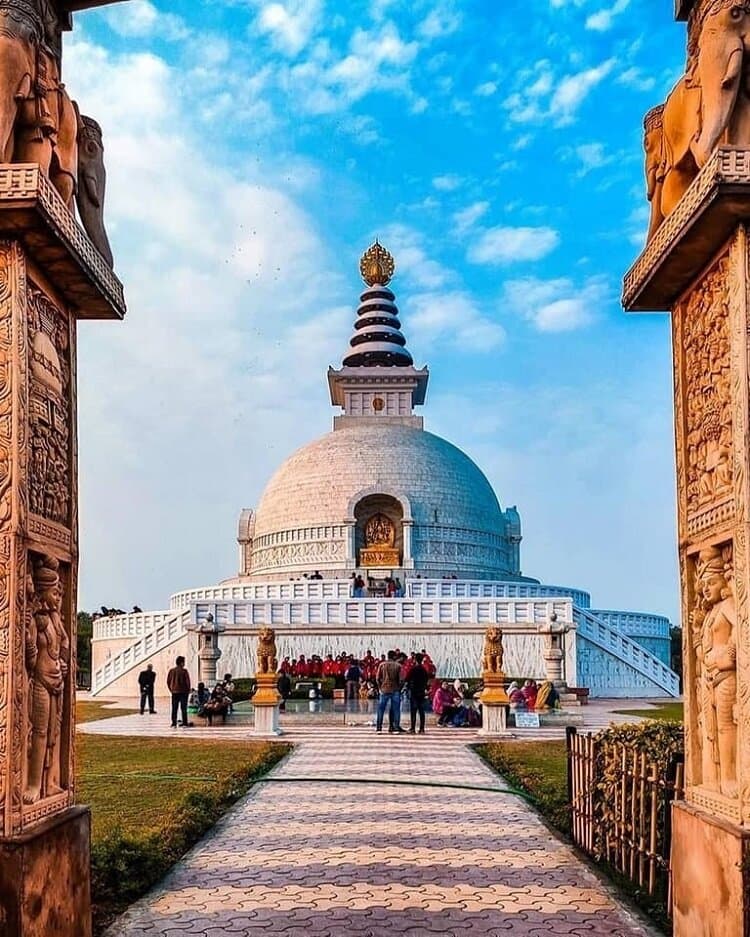
The hall's distinct Chinese architectural style offers a unique visual contrast and historical insight.
Plans like a pro.
Thinks like you
Planning Your Visit
Timing is Key for a Peaceful Visit
Combine with Nalanda Ruins
+1Best Times
Insider Tips
from TikTok, Instagram & Reddit
🎯 Combine with Nalanda Ruins
Easily visit the ancient Nalanda University ruins nearby for a complete historical experience.
⏰ Plan Before 5 PM
The hall closes at 5 PM, so ensure you arrive with enough time to explore.
💧 Stay Hydrated
It can get extremely hot, especially during peak hours. Carry water.
🧘 Find Inner Peace
Sit on the floor and meditate for a few minutes to soak in the spiritual atmosphere.
Tips
from all over the internet
🎯 Combine with Nalanda Ruins
Easily visit the ancient Nalanda University ruins nearby for a complete historical experience.
⏰ Plan Before 5 PM
The hall closes at 5 PM, so ensure you arrive with enough time to explore.
💧 Stay Hydrated
It can get extremely hot, especially during peak hours. Carry water.
🧘 Find Inner Peace
Sit on the floor and meditate for a few minutes to soak in the spiritual atmosphere.
💰 Nominal Ticket Price
Admission is very affordable, making it a great value for history buffs.
What Travellers Say
Reviews Summary
Visitors praise the Hiuen Tsang Memorial Hall for its spiritual ambiance, detailed historical information, and unique Chinese architecture. It's seen as a peaceful place for reflection and a valuable addition to any visit to the Nalanda region. However, some reviewers note discomfort due to extreme heat and non-functional cooling systems during their visit.
"Located near the ruins of the ancient Nalanda University, this Hall is in memory of Chinese scholar and traveler Hiuen Tsang.
A memorial has been built and named after the Chinese traveler and scholar monk, Xuanzang, who was a student at Nalanda and subsequently became a teacher at the ancient Nalanda Mahavihara. The magnificent hall is located barely 1.3 km away from the ruins of Nalanda.
It was in January 1957 that India's first Prime Minister Jawaharlal Nehru, on behalf of the government of India, received the relics of Xuanzang along with his biography and an endowment for the construction of a hall in his memory from His Holiness the Dalai Lama and the Panchen Lama of Tibet. The initiative was aimed at enhancing the cultural relationship between India and China. The construction work started in 1960 and was completed in 1984."
Praween Kumar
"Hiuen Tsang Is dedicated to Xuanzang, was a Chinese Buddhist monk and scholar who visited India during the reign of King Harsha Vardhan in the 7th century A.D.
A memorial hall, the Hiuen Tsang Memorial Hall, stands near the ruins of Nalanda in his honor.
The memorial hall was established to commemorate his contributions and strengthen cultural ties between India and China.
The second Chinese traveler to visit India was Xuanzang, also known as Huen Tsang after first Chinese traveller to visit India was Fa-Hien as Faxian who arrived in India during the reign of Chandragupta II in the early 5th century CE.
The third Chinese traveler to visit India was I-Tsing, also known as Yijing. He arrived in India in 671 CE by sea route and stayed until 695 CE.
He stayed at Nalanda University for ten years, focusing on the study of Buddhist texts and monastic rules."
Naveen Kumar
"The is a memorable place. The campus is large and mostly empty but properly landscaped so the experiance is very spiritual. Hall itself is large, peaceful and your own persona kind of becomes insignificant. If you are spiritual type sit down on the floor and meditate for a few minutes.
The gate to the hall is ornate and aesthetically built. On the whole very fulfilling experiance."
Kali Hawa
What People Like
What People Dislike
Frequently Asked Questions
🚇 🗺️ Getting There
The Hiuen Tsang Memorial Hall is approximately 5 Kms from Nalanda Railway Station. You can hire a taxi or an auto-rickshaw for a quick 30-minute to 1-hour journey.
Yes, it's very conveniently located near the ancient Nalanda University ruins, just about 1.3 km away, making it easy to visit both sites together.
From Rajgir, you can hire a taxi or local transport to reach the memorial hall. It's often visited as part of a tour of Rajgir's historical sites.
While direct public transport might be limited, local buses often ply between Nalanda and nearby towns. Taxis and auto-rickshaws are more reliable options.
Many visitors combine their trip to the memorial with the Nalanda Ruins and other attractions in Rajgir, often using hired vehicles for convenience.
🎫 🎫 Tickets & Entry
The ticket price is very nominal, making it an affordable visit for all travelers.
The memorial hall is typically open until 5 PM. It's advisable to check the exact timings before your visit to avoid disappointment.
Advance booking is generally not required as tickets are available at the entrance, and the price is nominal.
There are no special entry requirements beyond the nominal ticket purchase. Dress modestly out of respect for the historical and spiritual nature of the site.
Yes, a quick visit can be around 30 minutes to an hour, especially if you're combining it with the Nalanda Ruins.
🎫 🏛️ Onsite Experience
Inside, you'll find detailed drawings and textual information about Hiuen Tsang's life, his journey to India, and his studies at Nalanda University. The hall itself is large and peaceful.
Yes, many visitors describe the hall as having a spiritual and peaceful ambiance, ideal for quiet reflection and meditation.
The hall is built in a distinct Chinese architectural style, reflecting the heritage of Hiuen Tsang.
While the campus is mostly empty, it is well-landscaped. Basic visitor facilities might be limited, so it's good to be prepared.
Photography is generally allowed, but it's always good to be mindful of other visitors and any specific signage within the hall.
📸 📸 Photography
The ornate gate with the statue, the exterior showcasing Chinese architecture, and the peaceful interior are great for photos.
It can be challenging during peak hours due to crowds. Visiting early morning or late afternoon can offer better photographic opportunities.
A standard camera or smartphone is sufficient. Consider a wide-angle lens for capturing the architecture and a prime lens for interior shots.
While generally permitted, always check for any specific 'no photography' signs inside sensitive areas.
The golden hours of early morning or late afternoon provide softer light, ideal for capturing the hall's beauty.




Social
from TikTok, Instagram & Reddit