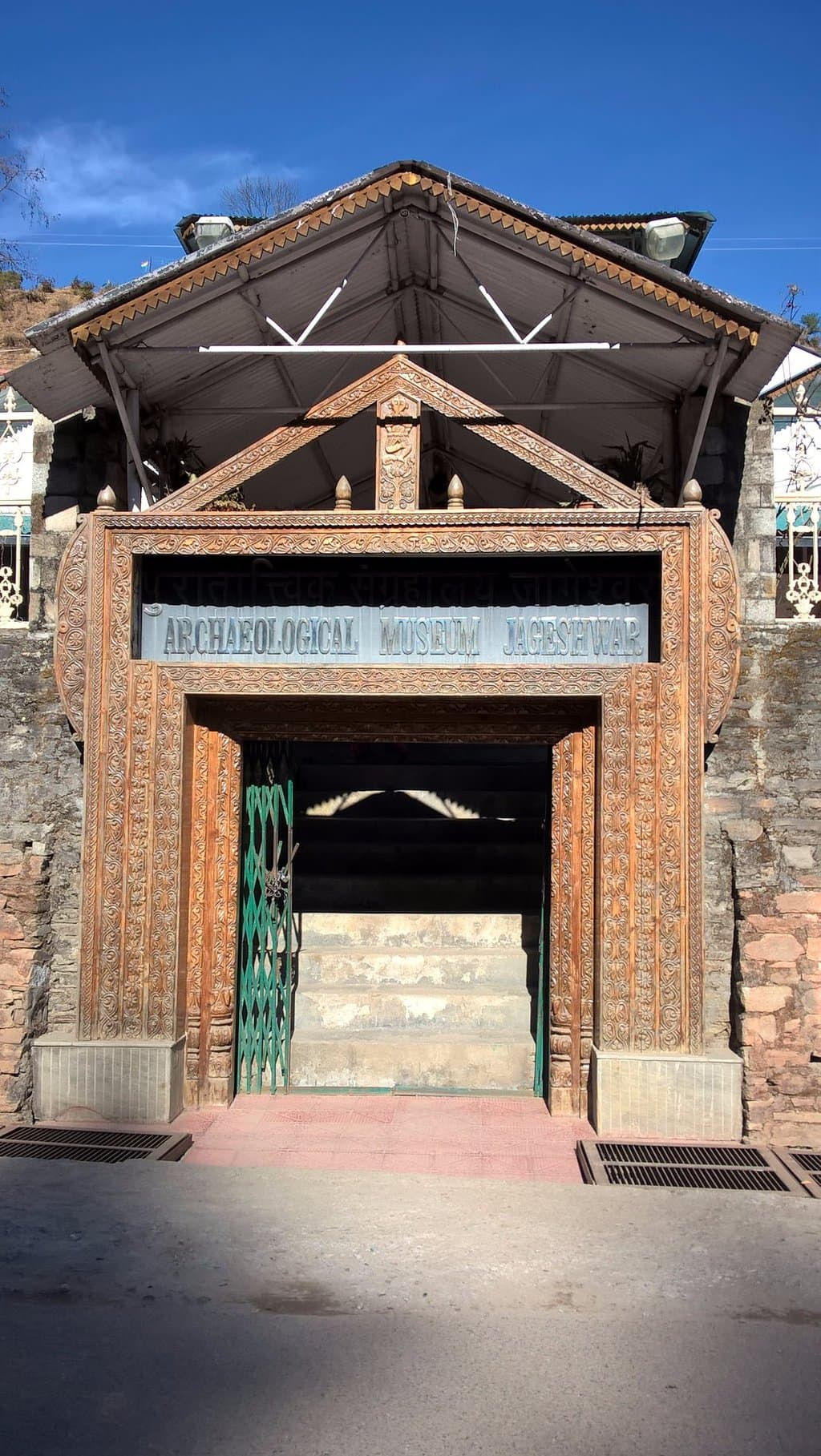
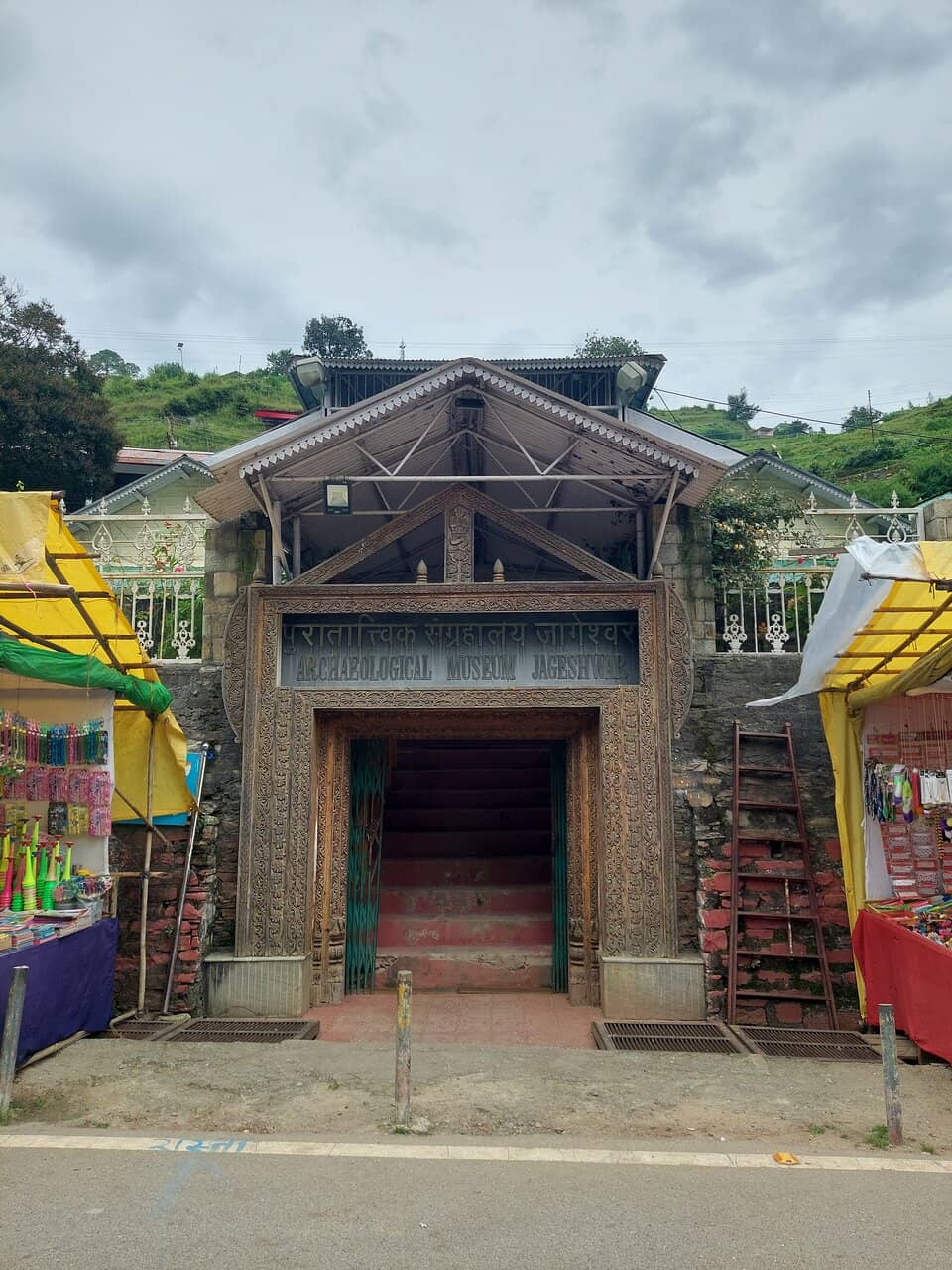
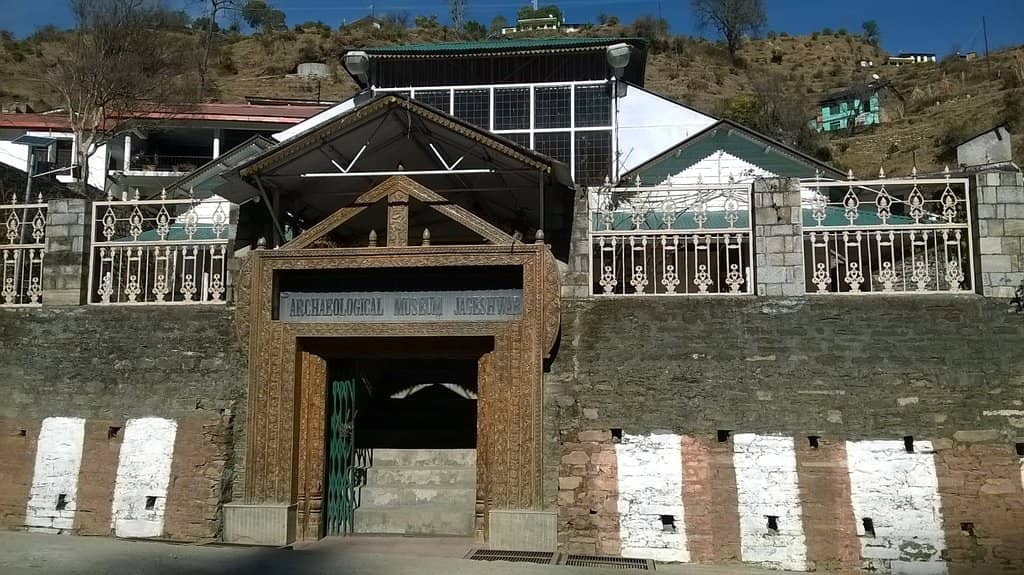
Jageshwar Archaeological Museum
Discover ancient sculptures from the 9th-13th centuries at this free museum, a vital part of Jageshwar Dham's heritage.
Highlights
Must-see attractions

Social
From TikTok & Reddit
Best Time
Open daily for exploration
Jageshwar Archaeological Museum
Best Time
Open daily for exploration
Highlights
Must-see attractions
Discover ancient sculptures from the 9th-13th centuries at this free museum, a vital part of Jageshwar Dham's heritage.
"A must-visit for history and art lovers, offering free access to ancient treasures."
Free Admission! 🎉
Entry to the museum is completely free, making it an accessible cultural experience.
No Photos Allowed 🚫
Photography is strictly prohibited inside the museum to protect the ancient artifacts.
Quick Facts
Rating
4.5 · 138 reviews
Type
Museum
Highlights
Discover the most iconic attractions and experiences
Uma-Maheshwar Sculpture
Gallery 1
Exquisite depiction of Lord Shiva and Goddess Parvati with celestial beings.
Surya Sculpture
Gallery 1
A stunning representation of the Sun God, complete with his charioteer and horses.
Navagrahas Sculpture
Gallery 1
Rare stone carving of the nine planets in standing posture.
"Pona Raja" Sculpture
Central Hall
The main attraction, believed to be a revered local king or cult figure.
Plans like a pro.
Thinks like you
Planning Your Visit
Free Entry, No Photos
Combine with Temple Visit
Best Times
Insider Tips
from TikTok, Instagram & Reddit
Free Admission! 🎉
Entry to the museum is completely free, making it an accessible cultural experience.
No Photos Allowed 🚫
Photography is strictly prohibited inside the museum to protect the ancient artifacts.
Walk from Temples 🚶
It's just a minute's walk from the main Jageshwar temple, perfect for combining visits.
ASI Managed 🏛️
Managed by the Archaeological Survey of India, ensuring good preservation.
Tips
from all over the internet
Free Admission! 🎉
Entry to the museum is completely free, making it an accessible cultural experience.
No Photos Allowed 🚫
Photography is strictly prohibited inside the museum to protect the ancient artifacts.
Walk from Temples 🚶
It's just a minute's walk from the main Jageshwar temple, perfect for combining visits.
ASI Managed 🏛️
Managed by the Archaeological Survey of India, ensuring good preservation.
What Travellers Say
Reviews Summary
Visitors praise the Jageshwar Archaeological Museum for its free entry and well-maintained collection of ancient sculptures, offering valuable insights into regional history and art. Its proximity to the main temple complex makes it a convenient addition to any visit. However, the strict no-photography rule can be a drawback for some.
"The Archaeological Museum in Jageshwar, Uttarakhand, is a significant repository of ancient artifacts discovered in and around the temple complex. Here's a detailed overview:
Establishment and Management:
* The museum was initially established as a sculpture shed in 1995.
* It was converted into a full-fledged museum in 2000.
* The museum is managed by the Archaeological Survey of India (ASI), which also protects the Jageshwar temple complex.
Collection:
* The museum houses a collection of 174 sculptures and other artifacts.
* These were recovered from the various temples within the Jageshwar group, Dandeshwar group, and Kuber group of temples.
* The artifacts are primarily stone sculptures of religious significance, dating back from the 9th to the 13th centuries AD.
* The collection offers valuable insights into the art, religion, and culture of the region during that period.
Galleries and Key Exhibits:
* The museum has two galleries displaying the exhibits.
* Gallery 1: Features 36 sculptures showcased in wall showcases and on wooden pedestals. Some masterpieces in this gallery include:
* Uma-Maheshwar: A depiction of Lord Shiva and Goddess Parvati seated together, adorned with ornaments and with flying celestials.
* Surya: A beautiful sculpture of the Sun God holding lotuses in both hands and fully ornamented, with Arun (the charioteer) and seven horses at the bottom.
* Navagrahas: A rare sculpture showing the nine planets (Surya, Soma, Mangala, Budha, Brrhaspati, Shukra, Shani, Rahu, and Ketu) in standing posture.
* Central Hall: This hall displays the main attraction of the region, the "Pona Raja" sculpture. This sculpture is believed to represent a local king or cult figure who is highly respected in the area. The hall also contains other valuable sculptures from the Jageshwar region.
Significance:
* The museum plays a crucial role in preserving the delicate and ancient religious carvings found in the temples.
* It offers visitors a chance to closely examine the intricate details and artistic excellence of these historical artifacts.
* For those interested in ancient Indian history and art, the Jageshwar Archaeological Museum is a must-visit.
Visiting Information:
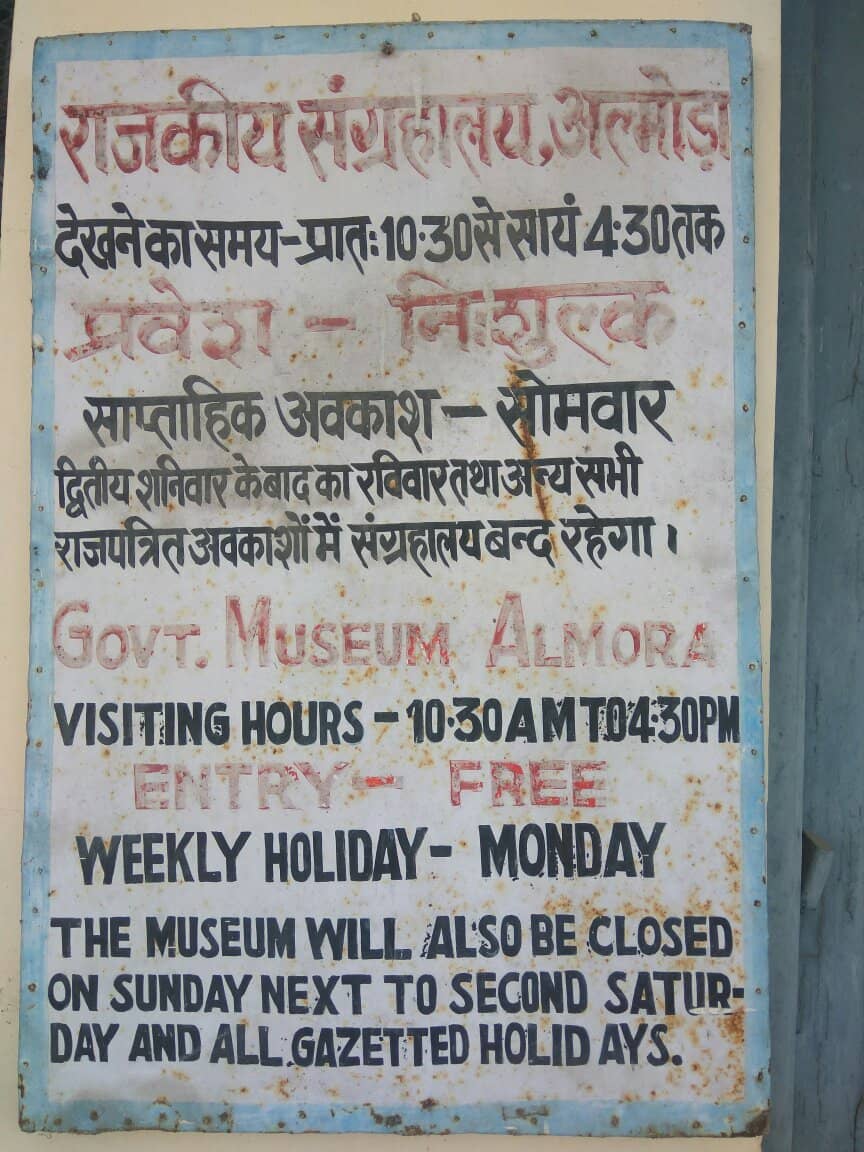
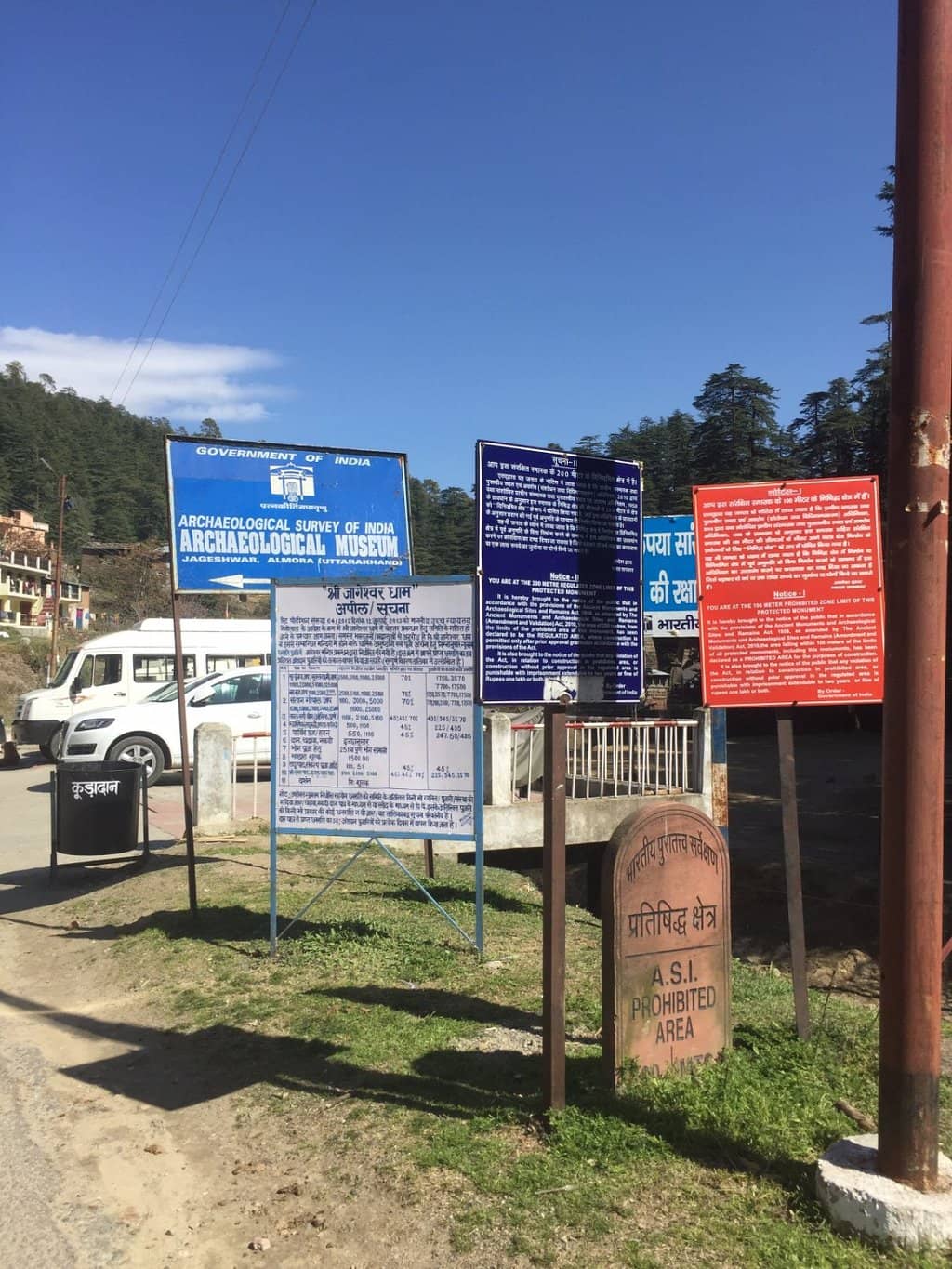
* Location: Situated near the Jageshwar temple complex. It is approximately 200 meters away from the Jageshwar Main Market.
* Timings: The museum is generally open from 10:00 AM to 5:00 PM.
* Closed on: Fridays.
* Entry Fee: There is no entry fee to visit the museum.
* Photography: Photography is not allowed inside the museum.
How to Reach:
* By Road: Jageshwar is well-connected by road to major towns in Uttarakhand. Buses and taxis are available from Almora and other nearby cities. The museum is a short walk from the Jageshwar bus stand and main market.
* By Rail: The nearest railway station is Kathgodam, about 116 km from Jageshwar. Taxis and buses are available from Kathgodam to reach Jageshwar.
* By Air: The nearest airport is Pantnagar Airport, approximately 149 km away. Taxis can be hired from the airport to reach Jageshwar.
Visiting the Archaeological Museum provides a valuable historical and cultural dimension to the pilgrimage at Jageshwar Dham, allowing one to appreciate the rich heritage of the region beyond its spiritual significance."
TANK DIVYANG
"Jageshwar Dham, located in the Almora district of Uttarakhand, is a revered temple complex dedicated to Lord Shiva. Nestled amidst the dense deodar forests and set along the banks of the Jataganga River, it is a serene and spiritual destination attracting devotees and tourists alike.
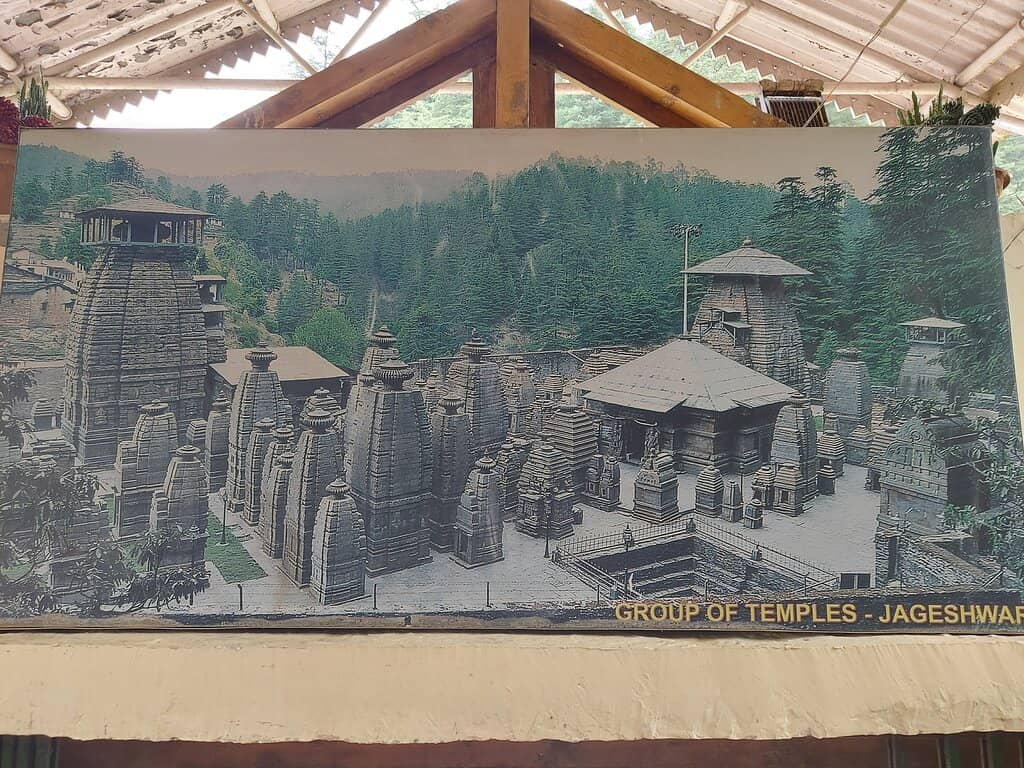
The complex consists of over 100 ancient stone temples, built between the 7th and 14th centuries, showcasing exquisite Nagara-style architecture. The temples are adorned with intricate carvings and house deities like Lord Shiva, Goddess Parvati, and various other Hindu gods. The main temples in the complex are the Mahamrityunjaya Temple, dedicated to Lord Shiva as the savior from untimely death, and the Jageshwar Temple, which enshrines one of the 12 Jyotirlingas.
Jageshwar Dham is surrounded by a tranquil and mystical atmosphere, making it an ideal place for meditation and spiritual reflection. The annual Jageshwar Monsoon Festival and Maha Shivratri celebrations draw a significant number of visitors to this sacred site.
Located about 35 km from Almora, Jageshwar Dham is easily accessible by road. The best time to visit is between March and June or September and November, when the weather is pleasant and the natural beauty of the region is at its peak."
Shivprasad Dhandli
"Jageshwar Dham is a serene and spiritually significant temple complex nestled in the Himalayan foothills. The ancient architecture and lush surroundings create a tranquil atmosphere, ideal for introspection and worship. The intricate carvings on the temples and the mystical aura make it a captivating destination for those seeking a cultural and religious experience. The peaceful ambiance and connection to nature make Jageshwar Dham a must-visit for anyone exploring the spiritual heritage of India."
Mahesh Junjrolia
What People Like
What People Dislike
Frequently Asked Questions
🚇 🗺️ Getting There
The museum is located near the Jageshwar temple complex, about 200 meters from the main market. You can reach Jageshwar by road from Almora. The nearest railway station is Kathgodam (116 km) and the nearest airport is Pantnagar (149 km), with taxis and buses available from both.
Yes, it's a short walk from the Jageshwar bus stand and main market, making it very accessible after reaching Jageshwar town.
Buses and taxis are readily available from Almora to Jageshwar. For longer distances, consider reaching Kathgodam by train or Pantnagar by air, then hiring a taxi or taking a bus.
While specific parking details aren't widely mentioned, parking is generally available in the main market area of Jageshwar, from where the museum is a short walk.
Absolutely! Jageshwar is a popular day trip from Almora, and the museum is a key attraction within the temple complex.
🎫 🎫 Tickets & Entry
The entry fee for the Jageshwar Archaeological Museum is free. You can explore its collection without any cost.
The museum is typically open from 10:00 AM to 5:00 PM daily.
No, the Jageshwar Archaeological Museum is closed on Fridays.
No advance booking is required as there is no entry fee. You can visit anytime during opening hours.
Since the entry is free, there are no special passes or discounts offered for the Jageshwar Archaeological Museum.
🎫 🏛️ Onsite Experience
No, photography is strictly not allowed inside the Jageshwar Archaeological Museum to protect the ancient artifacts.
The museum displays over 170 stone sculptures and artifacts dating from the 9th to 13th centuries AD, recovered from the Jageshwar temple complex.
A visit to the Jageshwar Archaeological Museum typically takes about 30-60 minutes, depending on your interest in the exhibits.
Information on accessibility for people with disabilities is not widely available. It's advisable to inquire locally if specific needs are a concern.
Key exhibits include the Uma-Maheshwar, Surya, Navagrahas sculptures, and the unique 'Pona Raja' sculpture in the central hall.
🍽️ 🍽️ Food & Dining
No, there are no food or dining facilities inside the museum itself. You'll find options in the nearby Jageshwar market.
Near the museum, in the Jageshwar market, you can find local eateries offering simple North Indian cuisine and snacks.
It's a good idea to have your meal before or after your museum visit, as there are no dining options within the museum premises.
Cafes are not common in this area. Local tea stalls might be available in the market for a quick refreshment.
Generally, food and drinks are not permitted inside museums to protect the exhibits. It's best to consume them outside.
📸 📸 Photography
No, photography is strictly prohibited inside the Jageshwar Archaeological Museum. This rule is in place to protect the delicate ancient artifacts.
Yes, you can typically take photos of the museum's exterior and the surrounding temple complex, but always be mindful of any posted restrictions.
No, photography is not permitted anywhere inside the museum galleries.
The flash from cameras can damage the ancient stone sculptures over time, and general photography can also disturb the preservation environment.
The surrounding Jageshwar temple complex, with its ancient architecture and deodar forests, offers excellent photography opportunities.


Social
from TikTok, Instagram & Reddit