Iravatheeswarar Temple
A hidden Pallava-era gem in Kanchipuram, famed for its rare sculptures and serene atmosphere, offering a glimpse into ancient Tamil art and history.
Highlights
Must-see attractions

Social
From TikTok & Reddit
Best Time
Peaceful darshan awaits
Iravatheeswarar Temple
Best Time
Peaceful darshan awaits
Highlights
Must-see attractions
A hidden Pallava-era gem in Kanchipuram, famed for its rare sculptures and serene atmosphere, offering a glimpse into ancient Tamil art and history.
"A very old and very beautiful temple with lot of unique sculptures."
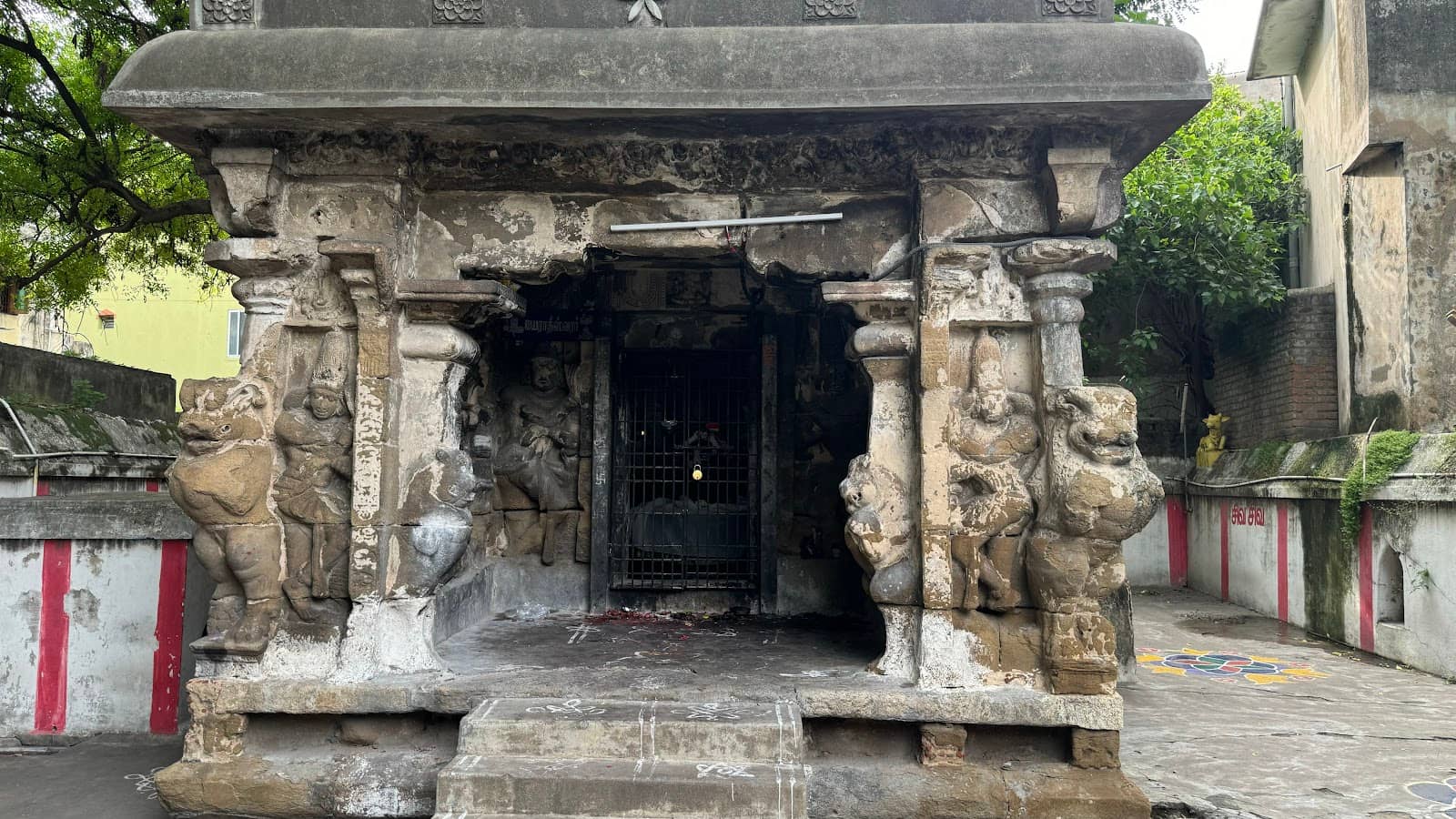
Hidden Gem Alert! 💎
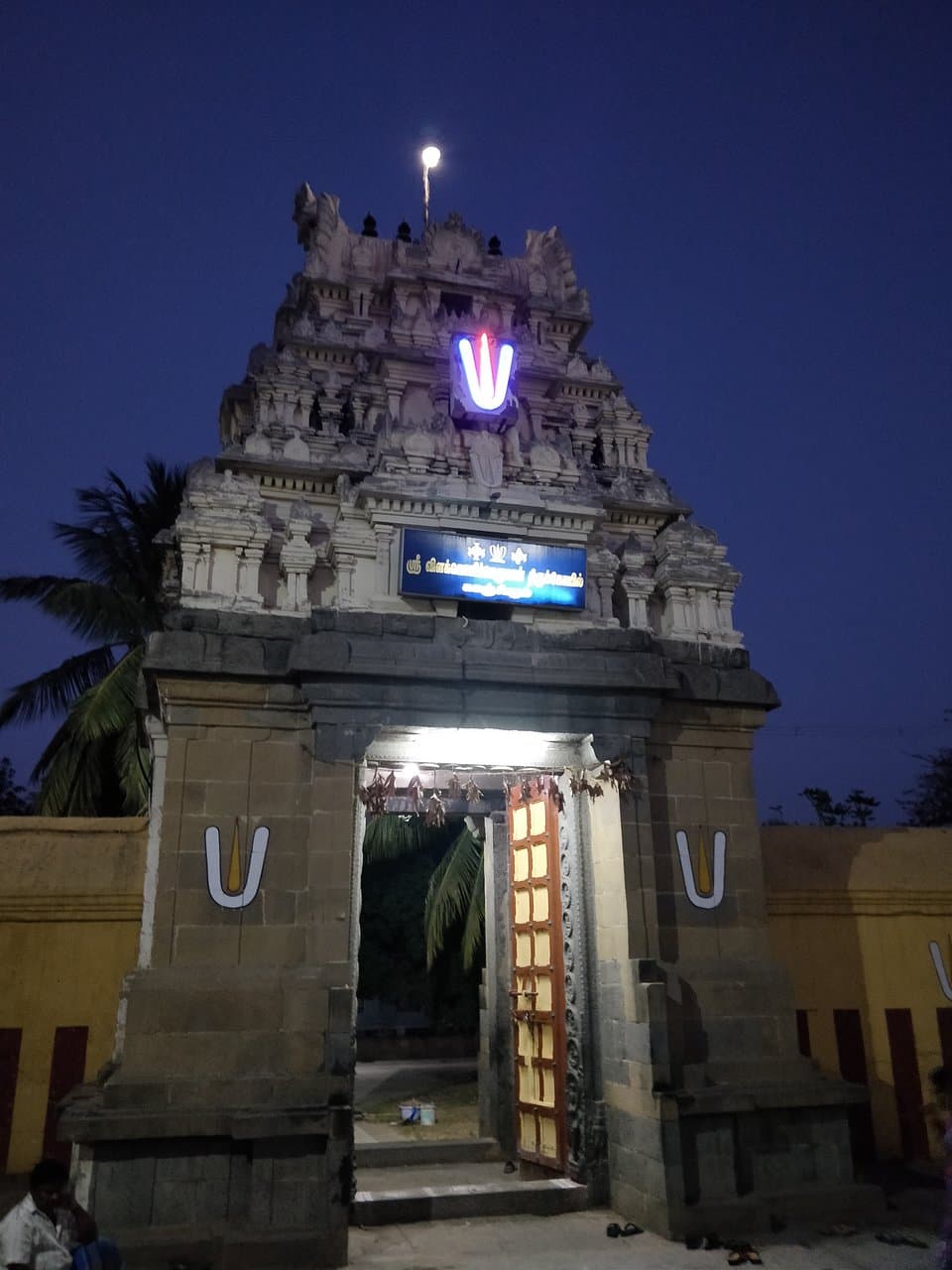
This temple is well-hidden between shops, opposite Kacheswarar Temple. Look for it!
Respect the History 🙏
Appreciate the ancient Pallava sculptures; some are in poor condition but still significant.
Quick Facts
Hours
Rating
4.7 · 39 reviews
Type
Hindu Temple
Highlights
Discover the most iconic attractions and experiences
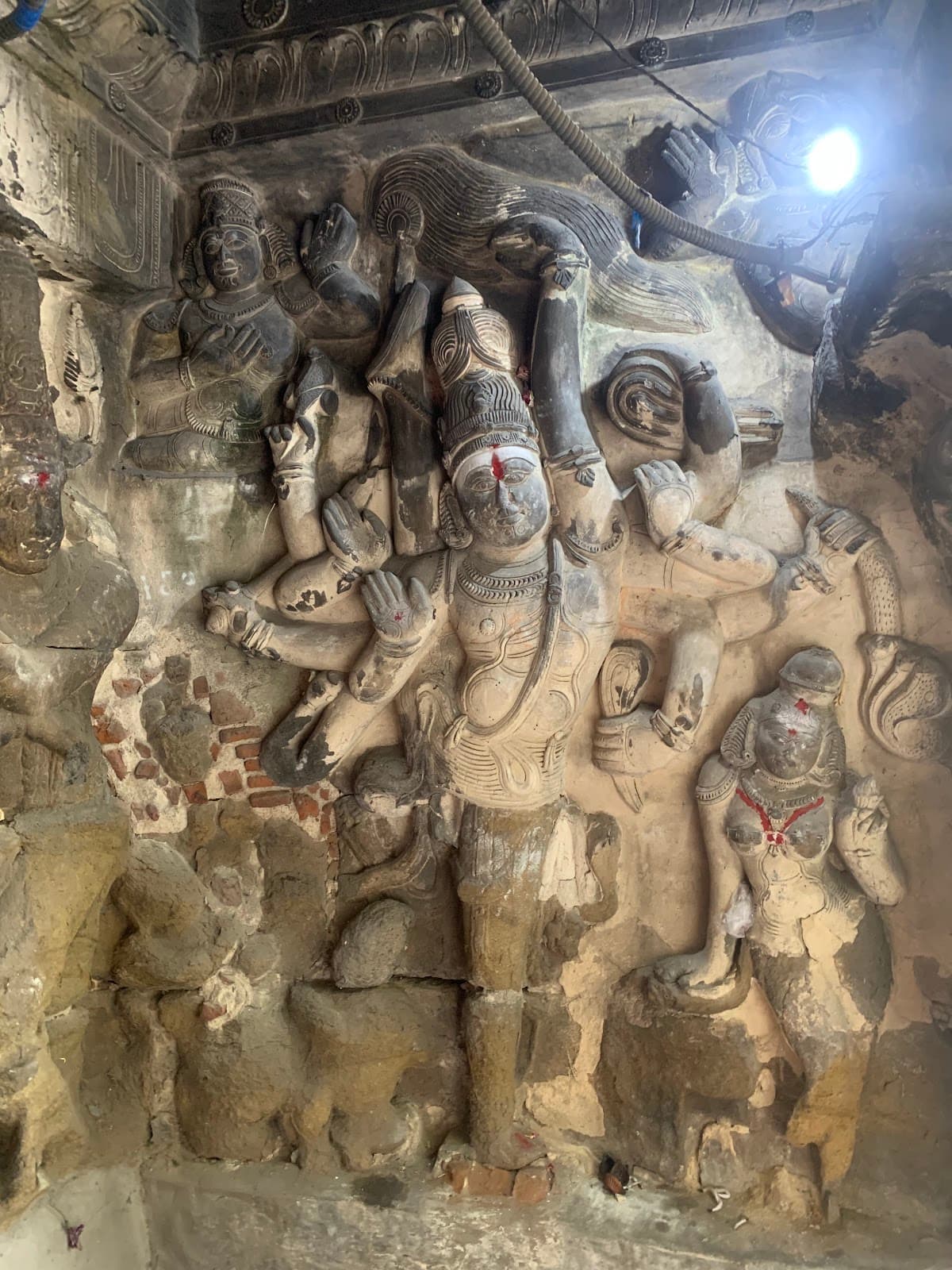
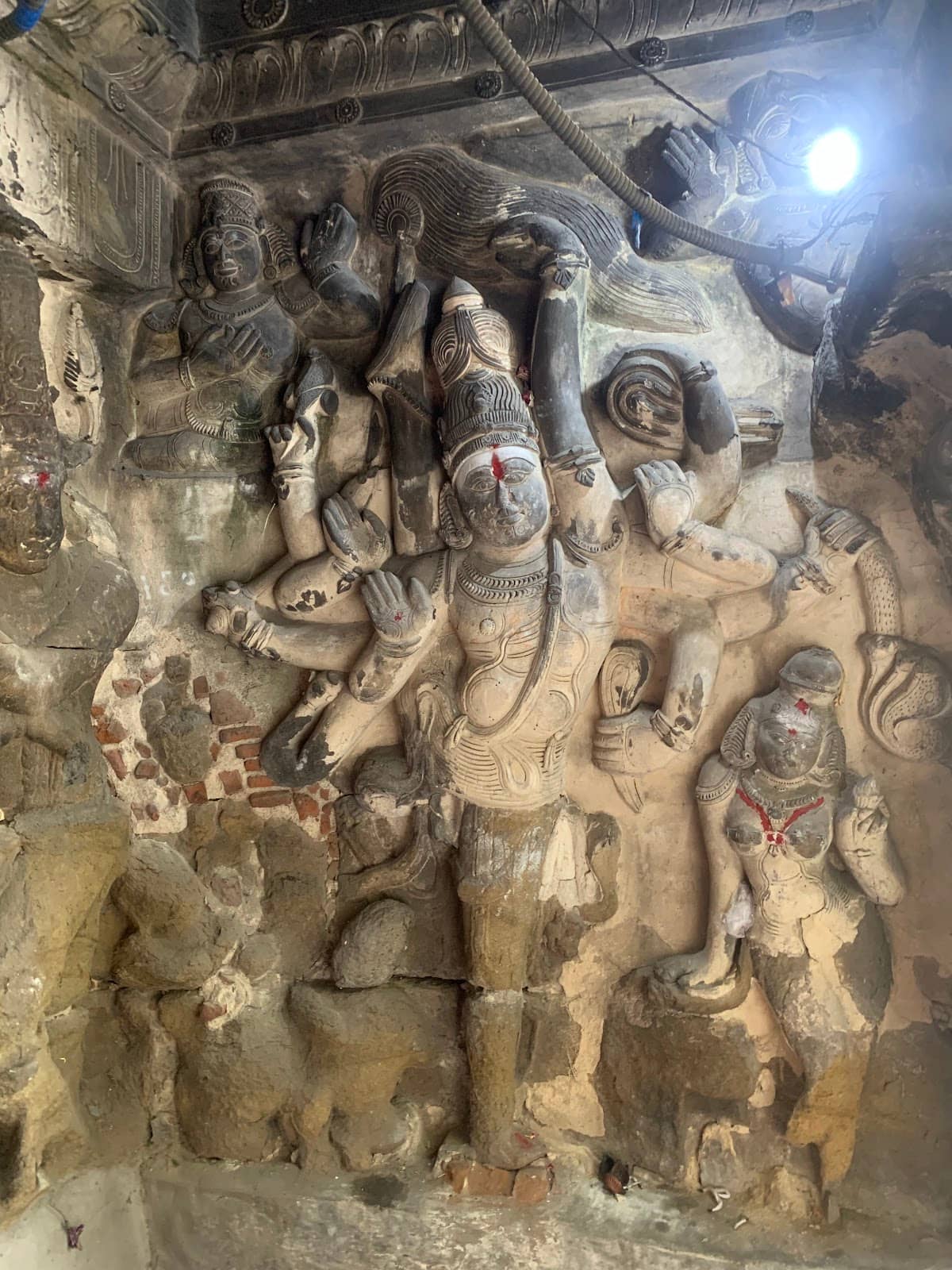
Urdhava Thandava Moorthy
South-facing interior wall of Mukha Mandapam
A rare six-armed Shiva in a dynamic dance pose with Parvathy, showcasing intricate details despite damage.
Chakra Dhana Moorthy
North-facing interior wall
A unique sculpture of Shiva seated with Parvathy, with Vishnu performing pooja and receiving the Chakra.
Pallava Period Sculptures
Throughout the temple
Admire original Pallava-era carvings, including lingams and simma yazhis, reflecting the temple's rich history.
Plans like a pro.
Thinks like you
Planning Your Visit
Timing Your Visit
Temple Condition & Access
Best Times
Insider Tips
from TikTok, Instagram & Reddit
Hidden Gem Alert! 💎
This temple is well-hidden between shops, opposite Kacheswarar Temple. Look for it!
Respect the History 🙏
Appreciate the ancient Pallava sculptures; some are in poor condition but still significant.
Quiet Study Spot 📚
Many students use this calm temple for reading and quiet contemplation.
West-Facing Wonder 🐘
The temple faces west, with a miniature Rajagopuram featuring a stucco image of Shiva.
Tips
from all over the internet
Hidden Gem Alert! 💎
This temple is well-hidden between shops, opposite Kacheswarar Temple. Look for it!
Respect the History 🙏
Appreciate the ancient Pallava sculptures; some are in poor condition but still significant.
Quiet Study Spot 📚
Many students use this calm temple for reading and quiet contemplation.
West-Facing Wonder 🐘
The temple faces west, with a miniature Rajagopuram featuring a stucco image of Shiva.
What Travellers Say
Reviews Summary
Visitors praise the Iravatheeswarar Temple for its significant historical value and unique Pallava-era sculptures, offering a peaceful darshan. However, some note that the temple is in poor condition and requires better maintenance, with parts being less well-preserved.
"Sri Kamakshi Ambal Samedha Sri Airavatesvarar Temple, Kanchipuram
A beautiful pallava period tenple built by Pallava King Narasimha Varman II (700 – 729 CE), he is the same king who built the famous Mamallapuram Shore Temple. He was famously known as Rajasimha Pallava.
The legend has that Airavata, the white elephant, worshipped Lord Shiva here and received a boon which enabled the elephant to become famous elephant which carries Lord Indra. As the Airavatam worshipped the lord here he is called as Airavatesvarar.
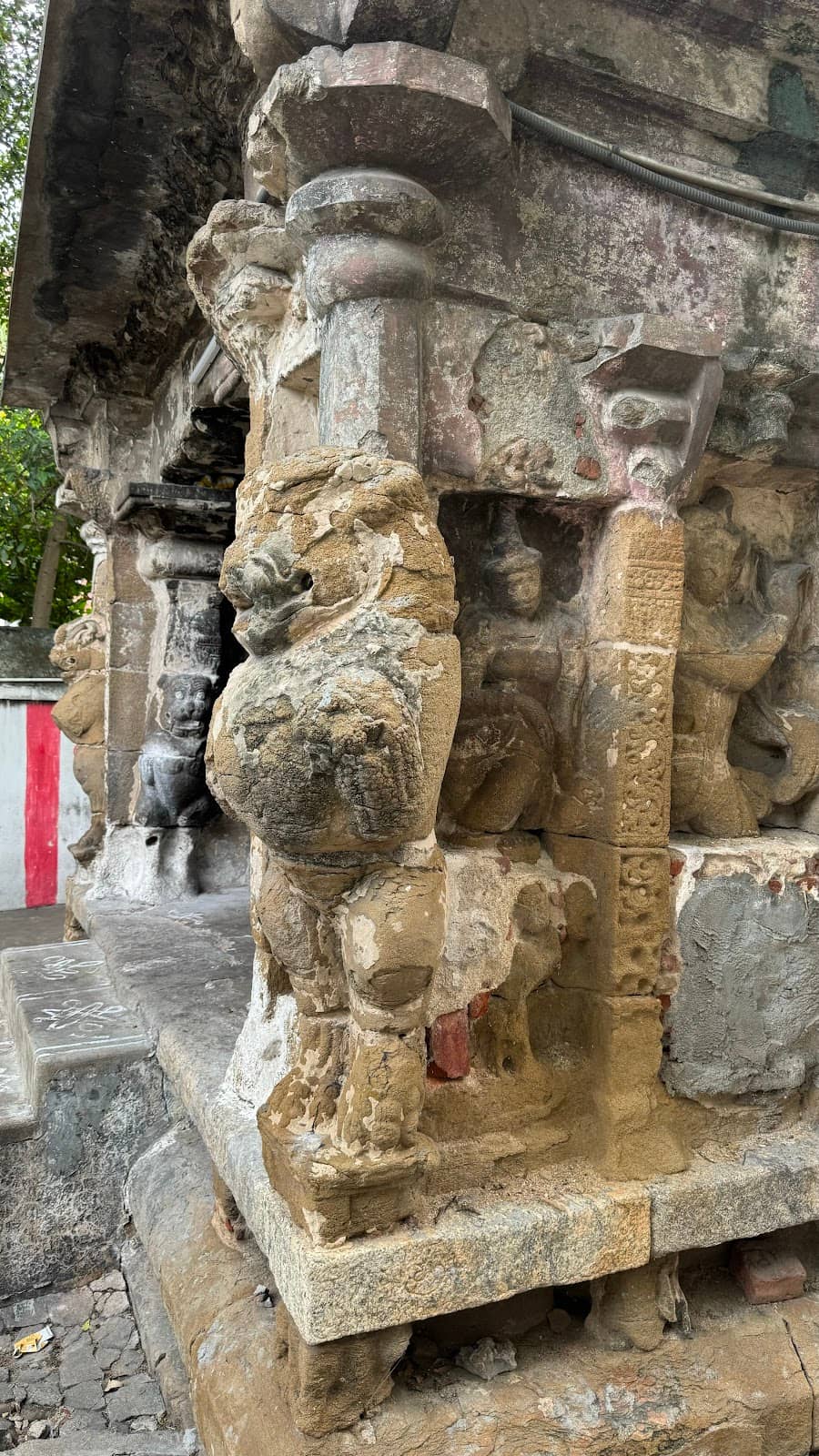
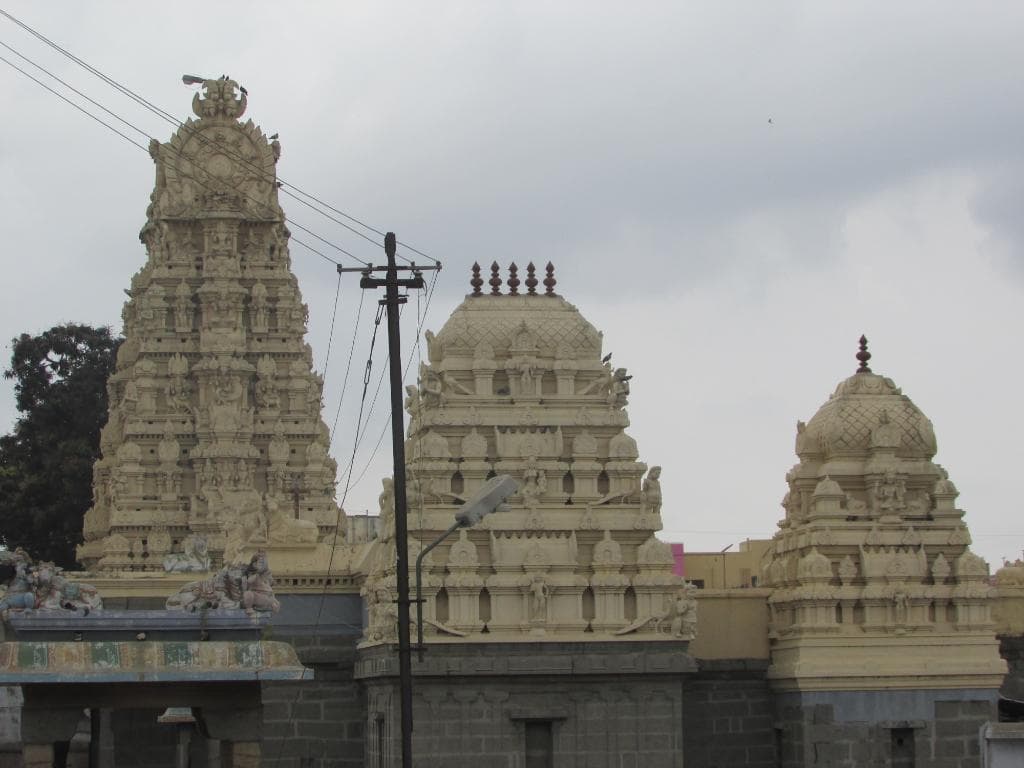
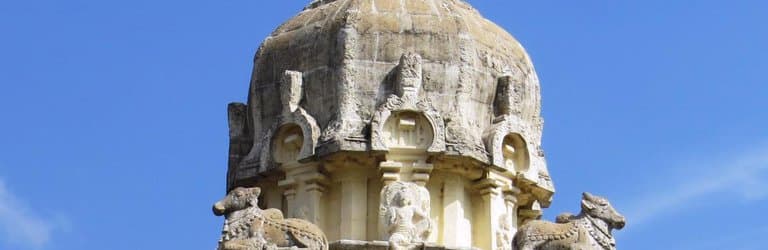
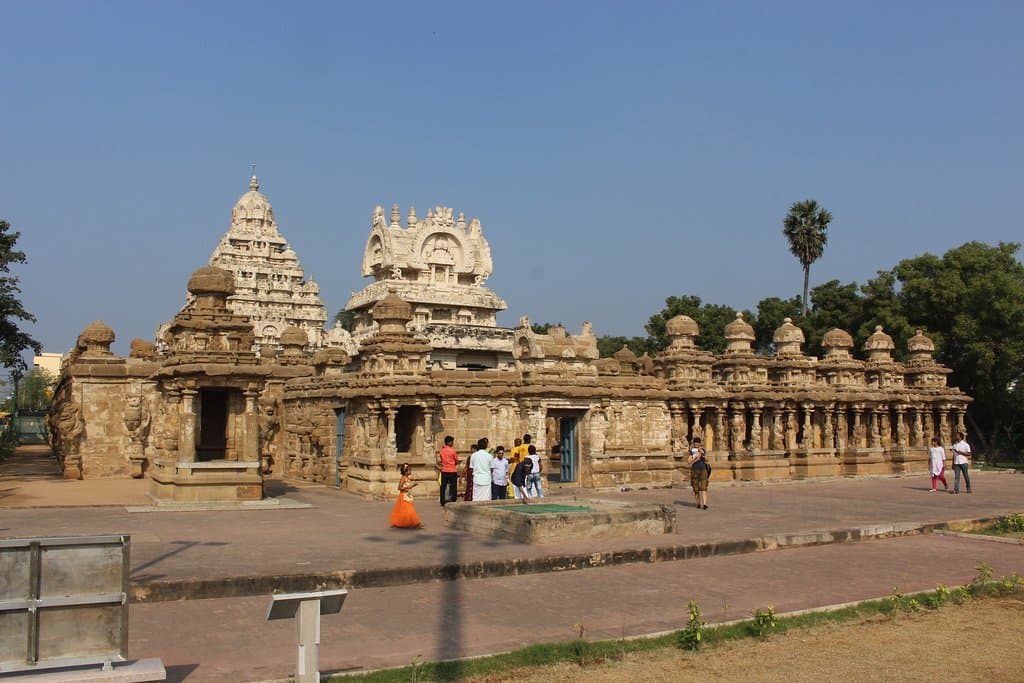
The temple faces west and features a miniature three-tiered Rajagopuram adorned with a stucco image of Lord Shiva in its mid-tier. Upon entering, you'll notice Nandi and Balipeedam facing the sanctum. The Sanctum Sanctorum comprises the sanctum and Mukha Mandapam, with the latter supported by two Vyala pilasters. Dvarapalas guard the entrance to the Mukha Mandapam, accompanied by reliefs of Vinayaga above them and friezes of Bhootaganas on the lintel.
Urdhava Thandava Moorthy: Located on the south-facing interior wall of the Mukha Mandapam, this six-armed sculpture depicts Lord Shiva in a dynamic pose with Mother Parvathy by his side. Although damaged, the sculpture showcases intricate details, including Bhootha Ganas.
Chakra Dhana Moorthy: On the north-facing interior wall, this rare sculpture shows Lord Shiva in a sitting posture with Parvathy. Lord Vishnu is depicted in a worshipping posture, performing poojas to the Linga, and is also shown with folded arms, expressing gratitude for receiving the Chakra from Lord Shiva"
Sivakumar Durairaj
"A very old and very beautiful temple. It is just opposite to Kachebeshwarar temple but well hidden between shops. Lot of unique sculptures"
Ramkumar perumal
"Having a peaceful darshan at an ancient temple.
Om Namah Shivaya 🙏♥️"
ganeshbabu rajamanickam
What People Like
What People Dislike
Frequently Asked Questions
🚇 🗺️ Getting There
The Iravatheeswarar Temple is located opposite the Kacheswarar Temple in Kanchipuram. It's a bit hidden between shops, so keep an eye out for its entrance. It's a significant historical site within the city.
Kanchipuram is well-connected by road. You can take a bus to Kanchipuram and then a local auto-rickshaw or taxi to reach the temple's vicinity. The temple itself is a short walk from the main road.
As it's a smaller, older temple nestled between shops, dedicated parking might be limited. It's advisable to park a little further away and walk, or use a two-wheeler if possible.
🎫 🎫 Tickets & Entry
Typically, entry to ancient temples like Iravatheeswarar is free. However, donations are always welcome to help with the temple's upkeep and preservation efforts.
The temple generally follows traditional timings, opening early in the morning and closing in the late afternoon or early evening. It's best to visit during daylight hours to appreciate the sculptures.
Photography is usually permitted for personal use, but it's always respectful to check for any specific restrictions or signs. Avoid flash photography, especially near the idols or delicate sculptures.
Yes, the temple is under the control of the Archaeological Survey of India (ASI), which ensures its preservation and historical integrity.
🎫 🏛️ Onsite Experience
Don't miss the Urdhava Thandava Moorthy on the south wall and the rare Chakra Dhana Moorthy on the north wall. The general Pallava period sculptures, including lingams and simma yazhis, are also highly significant.
The temple's legend states that Airavata, the white elephant of Lord Indra, worshipped Lord Shiva here and received a boon. This is why the presiding deity is known as Airavatesvarar.
The temple is a fine example of Pallava period architecture, built by King Narasimha Varman II. It features a west-facing sanctum with a miniature three-tiered Rajagopuram and unique Vyala pilasters.
Yes, many visitors find the temple to be a peaceful place for darshan and reflection. Students often use the serene environment for quiet reading, contributing to its tranquil atmosphere.
While historically significant, some parts of the temple are in poor condition and could benefit from better maintenance. However, its ancient charm and unique sculptures remain intact.
Social
from TikTok, Instagram & Reddit