Keladi Museum Shimoga
Discover the rich legacy of the Keladi Dynasty through ancient manuscripts, artifacts, and unique historical records.
Highlights
Must-see attractions

Social
From TikTok & Reddit
Best Time
Fewer crowds, better focus
Keladi Museum Shimoga
Best Time
Fewer crowds, better focus
Highlights
Must-see attractions
Discover the rich legacy of the Keladi Dynasty through ancient manuscripts, artifacts, and unique historical records.
"A must-visit for history buffs, preserving the unique heritage of the Keladi Dynasty."
📸 Capture the Details
Photography is generally allowed, but be mindful of flash. Capture the intricate details of manuscripts and artifacts. :camerawithflash:
⏳ Allow ample time
With diverse collections, dedicate at least 2-3 hours to truly appreciate the historical depth. :hourglassflowingsand:
Quick Facts
Hours
Rating
4.4 · 202 reviews
Type
Museum
Highlights
Discover the most iconic attractions and experiences
Ancient Manuscript Collection
Main Exhibition Halls
Explore rare manuscripts in Sanskrit, Kannada, and more, detailing history, art, and science.
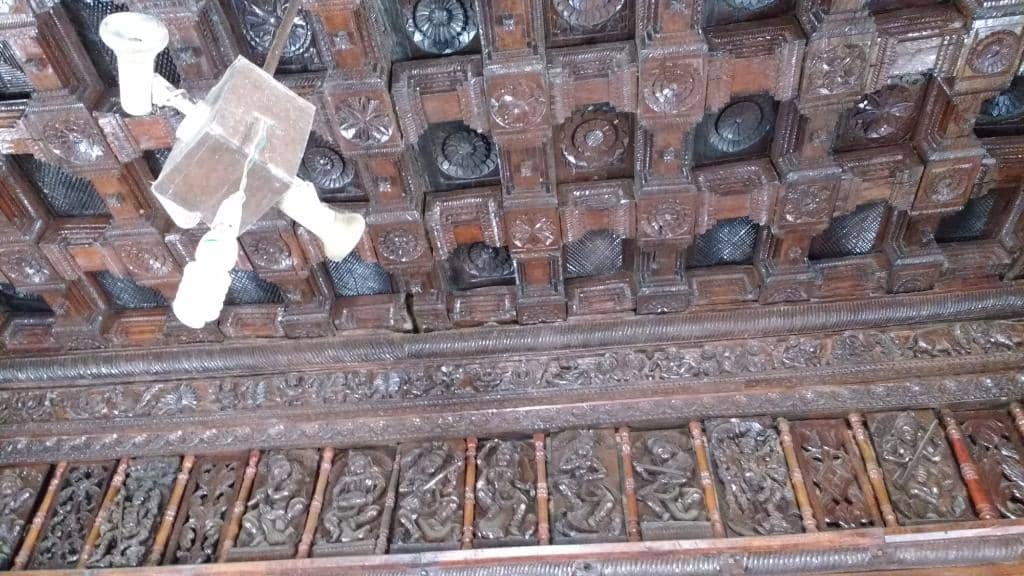
Keladi Dynasty Artifacts
Display Cases
See stone structures, coins, copper inscriptions, and domestic vessels from the ruling dynasty.
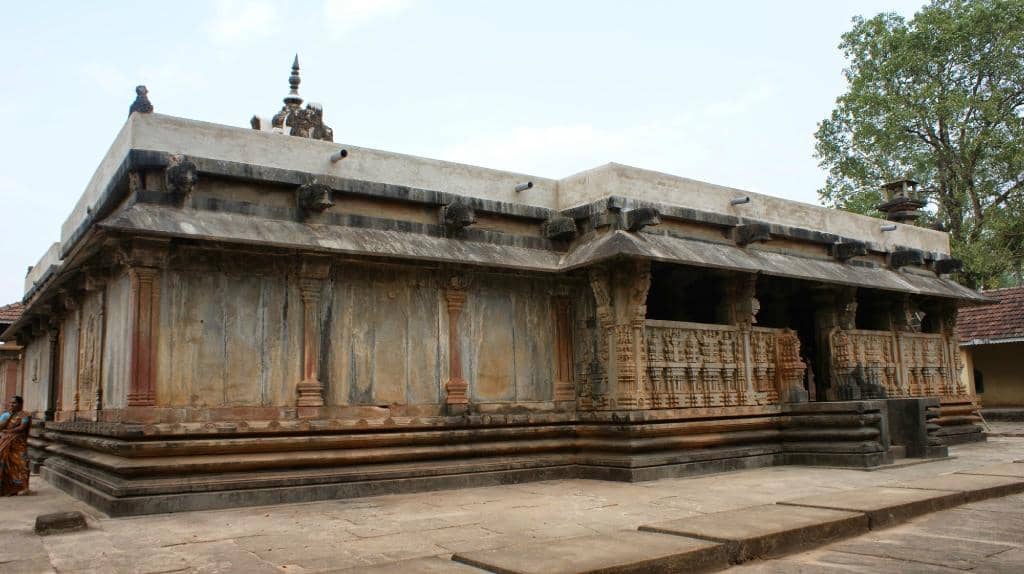
Unique Folded Kadatas
Special Display
Witness 'Raj Records' written on cloth, offering a frame-by-frame glimpse into royal courts.
Plans like a pro.
Thinks like you
Planning Your Visit
Timing is Key for Manuscript Exploration
Combine with Temple Visit
Best Times
Insider Tips
from TikTok, Instagram & Reddit
📸 Capture the Details
Photography is generally allowed, but be mindful of flash. Capture the intricate details of manuscripts and artifacts. :camerawithflash:
⏳ Allow ample time
With diverse collections, dedicate at least 2-3 hours to truly appreciate the historical depth. :hourglassflowingsand:
🤝 Combine with Temple
The museum is opposite the Keladi Rameshwar Temple. Visit both for a complete historical experience. :temple_building:
📚 Research & Publication
Learn about the museum's role as a research center and its publication wing for deeper insights. 📚
Tips
from all over the internet
📸 Capture the Details
Photography is generally allowed, but be mindful of flash. Capture the intricate details of manuscripts and artifacts. :camerawithflash:
⏳ Allow ample time
With diverse collections, dedicate at least 2-3 hours to truly appreciate the historical depth. :hourglassflowingsand:
🤝 Combine with Temple
The museum is opposite the Keladi Rameshwar Temple. Visit both for a complete historical experience. :temple_building:
📚 Research & Publication
Learn about the museum's role as a research center and its publication wing for deeper insights. 📚
What Travellers Say
Reviews Summary
Visitors praise the Keladi Museum for its significant collection of artifacts and ancient manuscripts from the Keladi Dynasty, highlighting its unique rural focus and historical importance. The proximity to the Keladi Rameshwar Temple is also a major draw, offering a comprehensive cultural experience. Some visitors note that while the collection is vast, more detailed explanations or guided tours could enhance the visitor experience.
"🏛️ Historical Significance: The Keladi Museum, established in 1960 and later taken over by Kuvempu University in 2005, holds immense historical importance as it preserves artifacts from the Keladi Dynasty, which ruled from 1499 to 1763.
🌾 Unique Rural Museum:
Keladi Museum stands out as the only rural museum dedicated to manuscripts, sculptures, and paintings. Its focus on rural heritage provides a distinctive experience for visitors.
🎓 Research and Training Centre:
With the addition of a research and training center in 2005, the museum goes beyond mere preservation, actively contributing to the scholarly understanding of Keladi Dynasty's culture and history.
📚 Publication Wing:
The presence of a publication wing underscores the museum's commitment to knowledge dissemination. It plays a pivotal role in sharing research findings, making historical insights accessible to a wider audience.
📍 Location and Access:
Situated in the small village of Keladi, just six kilometers from Sagar in Shimoga District, the museum's location adds to its charm. Visitors can easily access this cultural gem, making it a must-visit for those interested in the rich history of the Keladi Dynasty.
📜 Diverse Manuscript Collection:
Keladi Museum boasts a diverse collection of ancient manuscripts in various scripts such as Sanskrit, Kannada, Telugu, Modi, Marathi, and Tigalari, covering a wide range of subjects including history, literature, Veda, Agama, Astronomy, Astrology, Art, Dharma Sastra, Medicine (Ayurveda), Mathematics, Veterinary Science, Advaita, Dwaita, Visistadwaita, Jaina, and Islam.
🖌️ Unique Writing Techniques: The museum features multiple folded Kadatas (Raj Records Kadjams) showcasing the filing system of erstwhile kings and their courts. These records, written on cloth using soft stones (Balapa) seasoned with tamarind paste and charcoal, unfold stories frame by frame when examined, offering a unique glimpse into historical narratives.
📜 Rare Tigalari Manuscripts: The Keladi Museum takes pride in housing rare Tigalari manuscripts, making a significant contribution to manuscriptology. These ancient documents provide valuable insights into the cultural and intellectual heritage of the region.
📆 Complete Year Documentation: The meticulous documentation of complete years through ancient Kadatas provides a comprehensive understanding of the historical, administrative, and cultural aspects of the Keladi Dynasty. This adds depth to the visitor's experience, allowing them to explore the past in a detailed and immersive manner.
🌐 Cultural Preservation: By preserving and showcasing these manuscripts, the Keladi Museum not only contributes to academic research but also plays a crucial role in preserving and celebrating the rich cultural heritage of the Keladi Dynasty for present and future generations."
Darshan Hegde
"Very good collection of antiques and artefacts of Keladi times. It's a must visit place in Sagara.
It's preserved well. It's location is also strategic, just opposite the Keladi Rameshwar Temple."
Rajesh Kamath
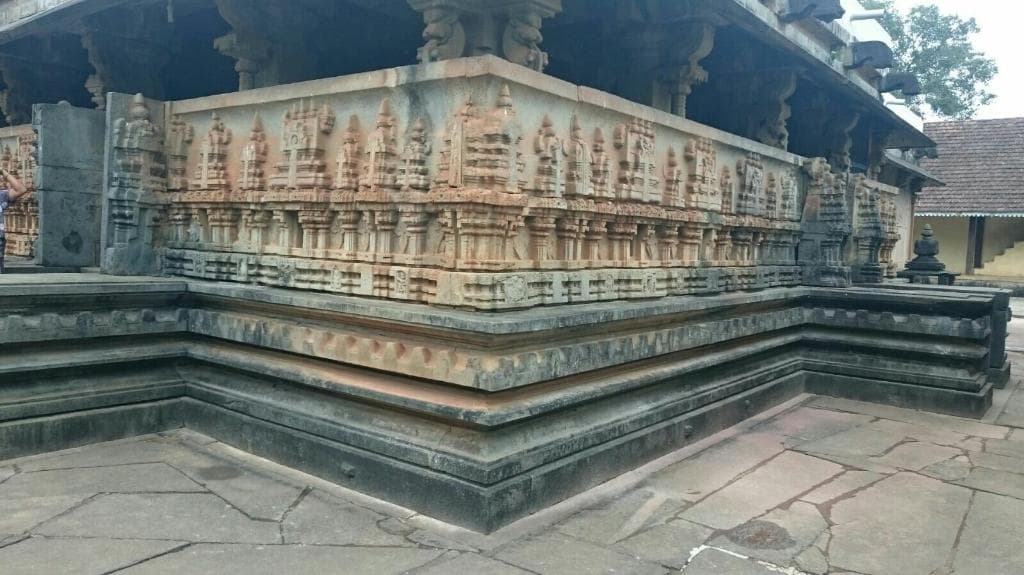
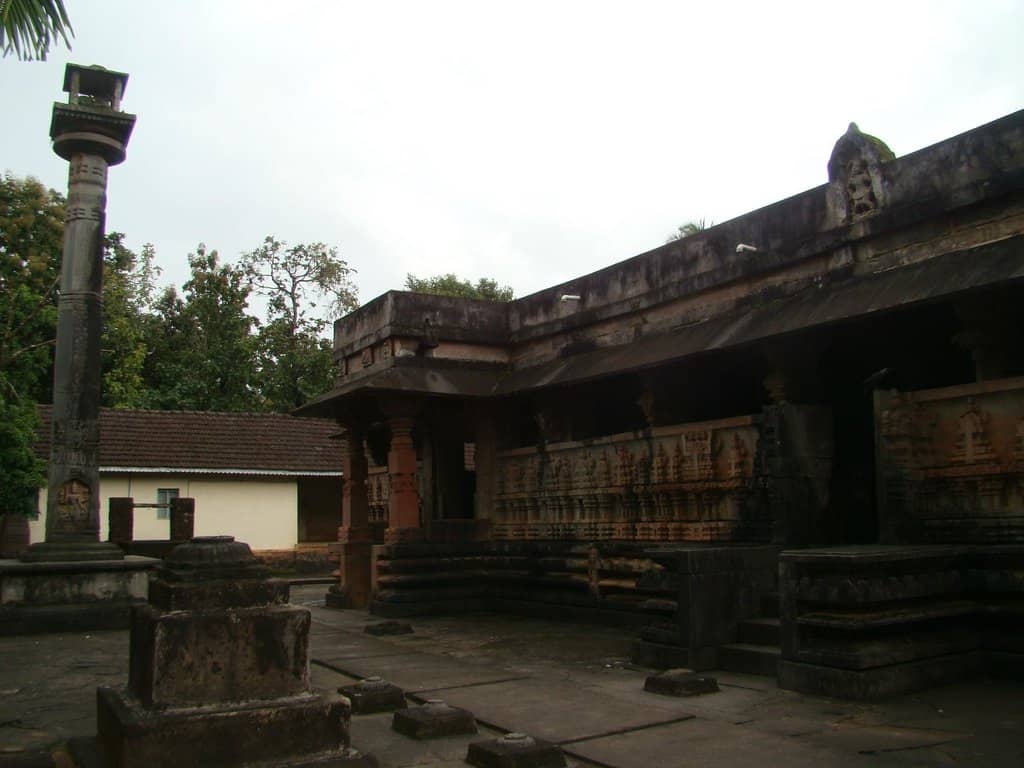
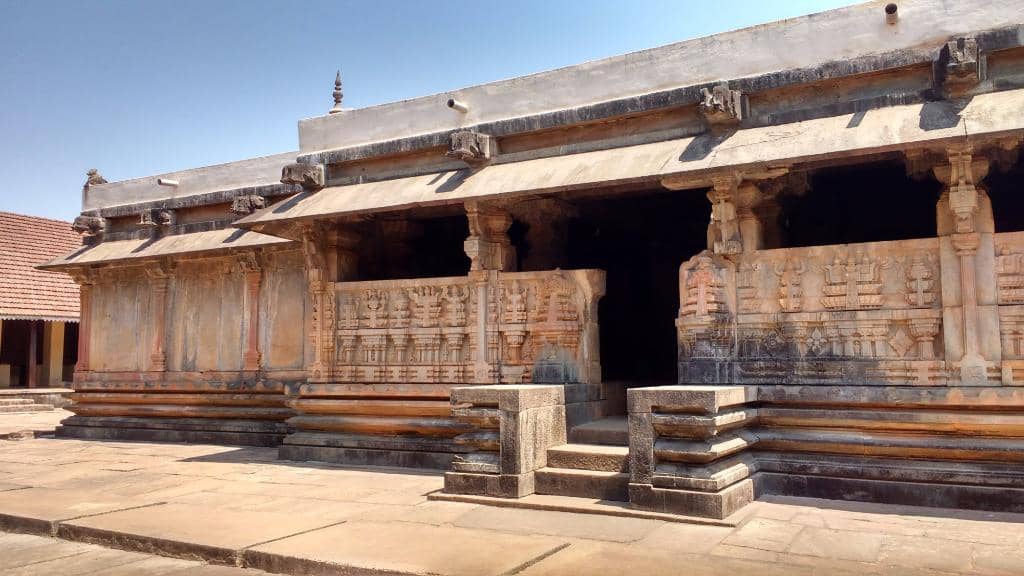
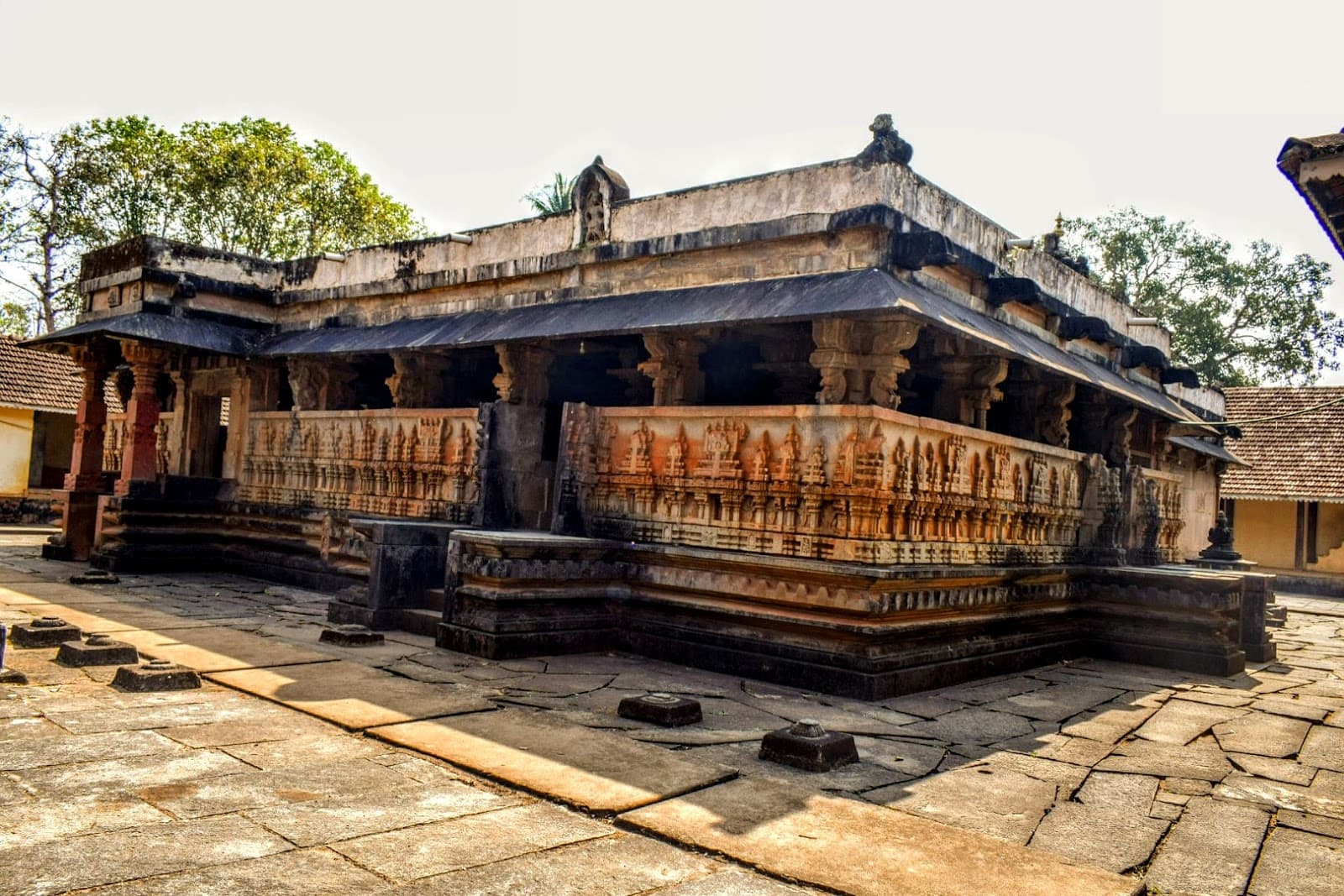
"Sucha a rich architecture in Keladi temple. Beautiful temple and there is architecture of Gandabherunda emblem also, looks like it was connected with Mysore."
Vivek Paranjape
What People Like
What People Dislike
Frequently Asked Questions
🚇 🗺️ Getting There
The Keladi Museum is located in the village of Keladi, about 6 kilometers from Sagar in Shimoga District. You can hire a taxi or take a local bus from Shimoga to Sagar, and then another local bus or auto-rickshaw to Keladi. The journey offers scenic views of the rural landscape.
Yes, the museum is accessible by car. There is usually parking available nearby. The roads leading to Keladi are generally well-maintained, making it a convenient drive.
From Sagar, you can easily take a local bus or an auto-rickshaw to Keladi. The ride is short, approximately 15-20 minutes, and offers a glimpse into the local life.
Local buses frequently ply between Sagar and Keladi, making it a convenient option for visitors. Check the local bus schedules for the most up-to-date timings.
The nearest major town is Sagar, which is about 6 kilometers away. Shimoga city is further, approximately 70-80 kilometers from Keladi.
🎫 🎫 Tickets & Entry
The museum typically opens in the morning and closes in the late afternoon. It's advisable to check the latest timings before your visit, as they can vary. Weekdays are generally less crowded.
Yes, there is usually a nominal entry fee for visitors to the Keladi Museum. The fee is quite affordable and contributes to the preservation of the artifacts.
Currently, online ticket booking is not widely available for Keladi Museum. Tickets are typically purchased at the museum's entrance upon arrival.
Information on specific discounts for students or seniors is not always readily available online. It's best to inquire at the ticket counter upon your visit.
To avoid crowds, it's recommended to visit Keladi Museum on a weekday, preferably in the morning. Weekends and public holidays tend to be busier.
🎫 🏛️ Onsite Experience
The museum showcases a rich collection of artifacts from the Keladi Dynasty, including ancient manuscripts, sculptures, paintings, stone structures, coins, copper inscriptions, and domestic vessels. The unique folded Kadatas are a highlight.
Photography is generally permitted inside the museum, but it's important to check for any specific restrictions, especially regarding flash photography, which might be prohibited to protect delicate artifacts.
To fully appreciate the extensive collection of manuscripts and artifacts, it's recommended to allocate at least 2 to 3 hours for your visit. This allows for a thorough exploration and understanding of the historical context.
While the museum offers a deep dive into history, younger children might find the extensive manuscript collection less engaging. However, the artifacts like coins and vessels can spark their curiosity. It's a great educational visit for older children interested in history.
The Gandabherunda emblem is a mythical two-headed bird, a symbol of power and strength. Its presence in the Keladi region, and its connection to Mysore, highlights historical political and cultural ties between different kingdoms of the era.
🍽️ 🍽️ Food & Dining
While Keladi is a small village, you can find local eateries and tea stalls offering simple snacks and meals. For a wider variety of dining options, it's best to visit Sagar, which is a short drive away.
Generally, bringing outside food and drinks inside museums is discouraged to maintain the cleanliness and preservation of exhibits. It's advisable to consume them before entering or after exiting the museum.
In Keladi and the surrounding Sagar region, you can expect traditional Karnataka cuisine, often featuring rice-based dishes, local vegetables, and flavorful curries. Simple snacks like 'maddur vada' or 'bajji' might also be available.
Sagar offers several local restaurants and eateries where you can enjoy authentic Karnataka meals. Ask locals for recommendations for popular and hygienic dining spots.
There might be some open spaces near the museum or the temple where a picnic could be possible, but it's best to check local regulations and ensure you clean up thoroughly afterward.
📸 📸 Photography
Focus on capturing the intricate details of the manuscripts, the texture of the ancient artifacts, and the unique writing techniques of the Kadatas. The Gandabherunda emblem on the temple opposite is also a great photo opportunity.
Flash photography is often prohibited in museums to prevent damage to delicate exhibits. Always check for signage or ask museum staff before using flash.
A camera with good low-light performance and macro capabilities would be ideal for capturing the fine details of the manuscripts and inscriptions. A smartphone with a good camera can also yield excellent results.
Drone photography is generally not permitted in and around historical sites and museums due to privacy and security concerns. Always adhere to local regulations.
Morning light can be softer and more conducive for photography. However, the indoor exhibits are less dependent on natural light. The exterior of the museum and the adjacent temple can be photographed effectively throughout the day.


Social
from TikTok, Instagram & Reddit