Kera Shiva Temple
A 10th-century architectural marvel, the Kera Shiva Temple boasts intricate stone carvings and a powerful spiritual aura, despite its partially ruined...
Highlights
Must-see attractions

Social
From TikTok & Reddit
Best Time
Vibrant atmosphere with devotees
Kera Shiva Temple
Best Time
Vibrant atmosphere with devotees
Highlights
Must-see attractions
A 10th-century architectural marvel, the Kera Shiva Temple boasts intricate stone carvings and a powerful spiritual aura, despite its partially ruined state.
"A 'poem carved in stone' that offers a peaceful and powerful spiritual vibration."
🚗 Easy Access from Bhuj
Just a 30-minute scenic drive from Bhuj, making it a perfect half-day trip. 🚗
🙏 Dress Modestly
As it's a place of worship, wear respectful attire covering shoulders and knees. :womanintunic:

Quick Facts
Hours
Rating
4.7 · 186 reviews
Type
Hindu Temple
Highlights
Discover the most iconic attractions and experiences
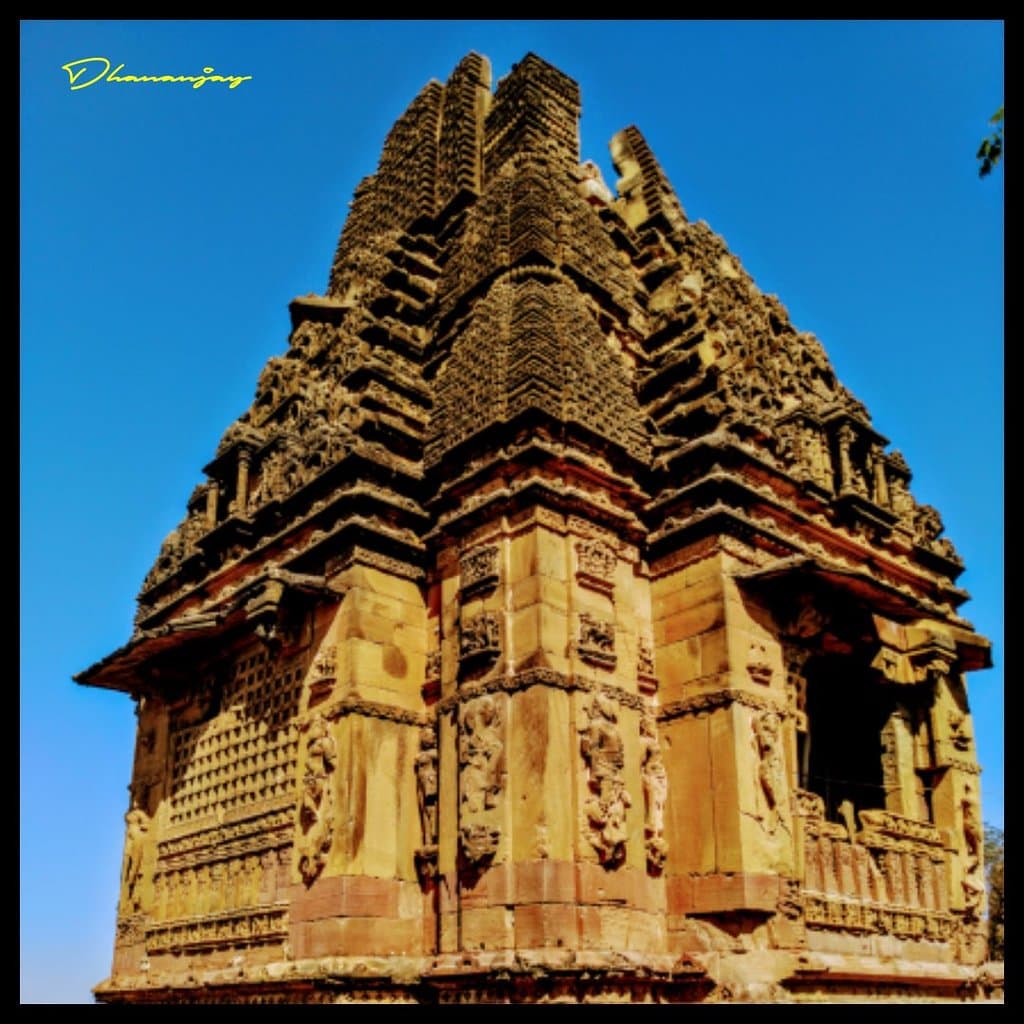
Intricate Stone Carvings
Temple Walls and Spire
Marvel at the 'poems carved in stone,' with detailed sculptures of human figures and miniature spires adorning the ancient structure.

Ancient Spire
Temple Roof
The well-executed spire, ornamented with triangular chaitya window sculptures, is a testament to 10th-century architectural genius.

Circular Passageway
Inside the Sanctuary
Experience the unique 2.59m wide circular passageway that receives natural light through beautifully carved stone windows.
Plans like a pro.
Thinks like you
Planning Your Visit
Timing Your Visit
Respectful Exploration
Best Times
Insider Tips
from TikTok, Instagram & Reddit
🚗 Easy Access from Bhuj
Just a 30-minute scenic drive from Bhuj, making it a perfect half-day trip. 🚗
🙏 Dress Modestly
As it's a place of worship, wear respectful attire covering shoulders and knees. :womanintunic:
💧 Bring Your Own Water
Water for rituals is best brought from home, as availability might be limited. :droplet:
🚶♂️ Explore the Premises
Don't miss the surrounding area; stone sculptures of Yakshas are scattered around. :statueofliberty:
Tips
from all over the internet
🚗 Easy Access from Bhuj
Just a 30-minute scenic drive from Bhuj, making it a perfect half-day trip. 🚗
🙏 Dress Modestly
As it's a place of worship, wear respectful attire covering shoulders and knees. :womanintunic:
💧 Bring Your Own Water
Water for rituals is best brought from home, as availability might be limited. :droplet:
🚶♂️ Explore the Premises
Don't miss the surrounding area; stone sculptures of Yakshas are scattered around. :statueofliberty:
⏳ Appreciate the History
Built in the 10th century, it's a marvel of ancient Indian architecture. :classical_building:
What Travellers Say
Reviews Summary
The Kera Shiva Temple is lauded for its stunning 10th-century architecture and intricate stone carvings, often compared to Khajuraho. Visitors are captivated by its spiritual ambiance and historical significance, despite its partially ruined state due to past earthquakes. While some note the need for better maintenance and cleanliness, the temple's unique beauty and powerful vibration make it a memorable heritage site.
"Features
The inside of the temple is square in shape, each side 8 feet 6 inches (2.59 m). The walls of the sanctuary are 0.79 m thick. The shrine has a circular passageway or pradakshina that is 2 feet 6 inches wide. This passage receives natural light from two open carved stone perforated windows. Of the original room or mandapa of the temple, which was 18 feet 9 inches (5.72 m) wide, only the north wall has survived. There are some well-carved sculptures on the wall. The temple spire is well executed with the ornamentation of eight triangle-shaped sculptures in the shape of chaitya windows on each face of the spire. Surrounded between the windows are well-crafted sculptures of human figures. These sculptural formations are repeated one on top of the other gradually reducing their size as the height of the spire increases. In the corners of the sanctuary, there are miniature spiers, and the same type is built on top of them in a recessed interior element found in the large main central spire. The external faces of the spiers are well ornamented with elegantly carved sculptures. There are many stone sculptures of Yakshas around the temple premises. An annual fair is held here, attended by a large number of devotees."
Hitendra Vankani
"Located in Kera being hardly 30 minutes drive from Bhuj this Shiva temple shows both the genius of our ancestors and oversightness of the government or ASI.
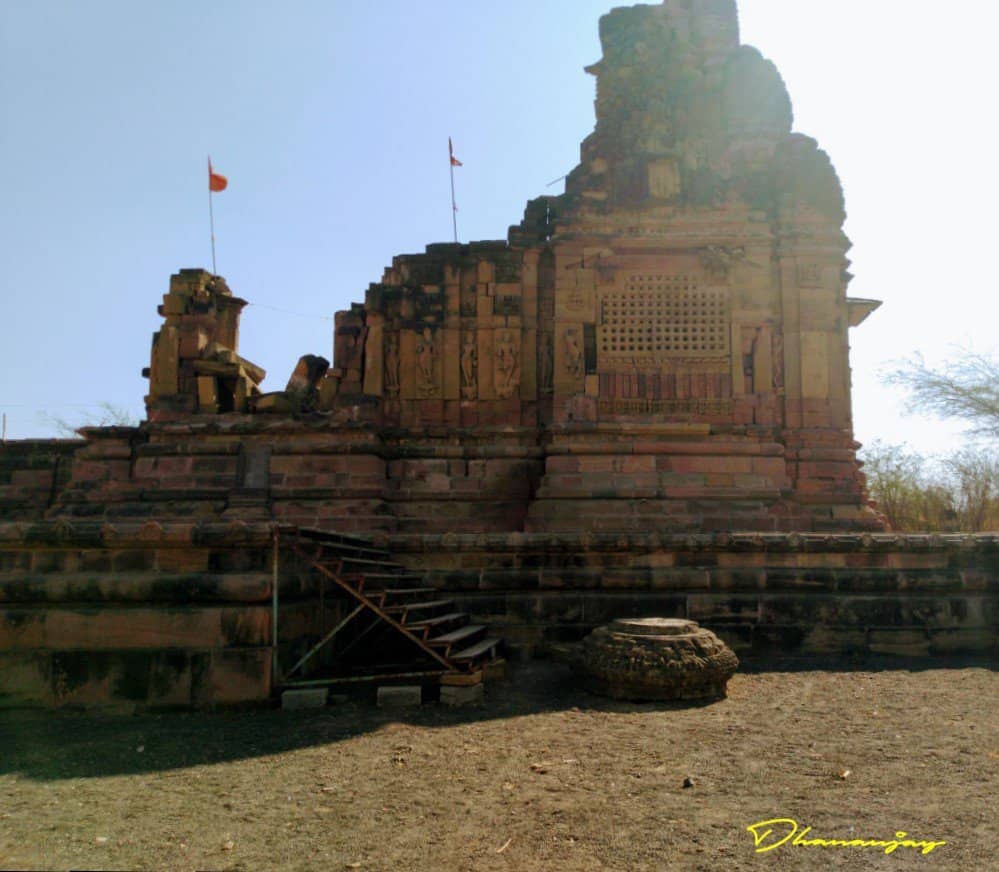
Currently this temple is standing structure of ruins which once used to be "poems carved in stone".
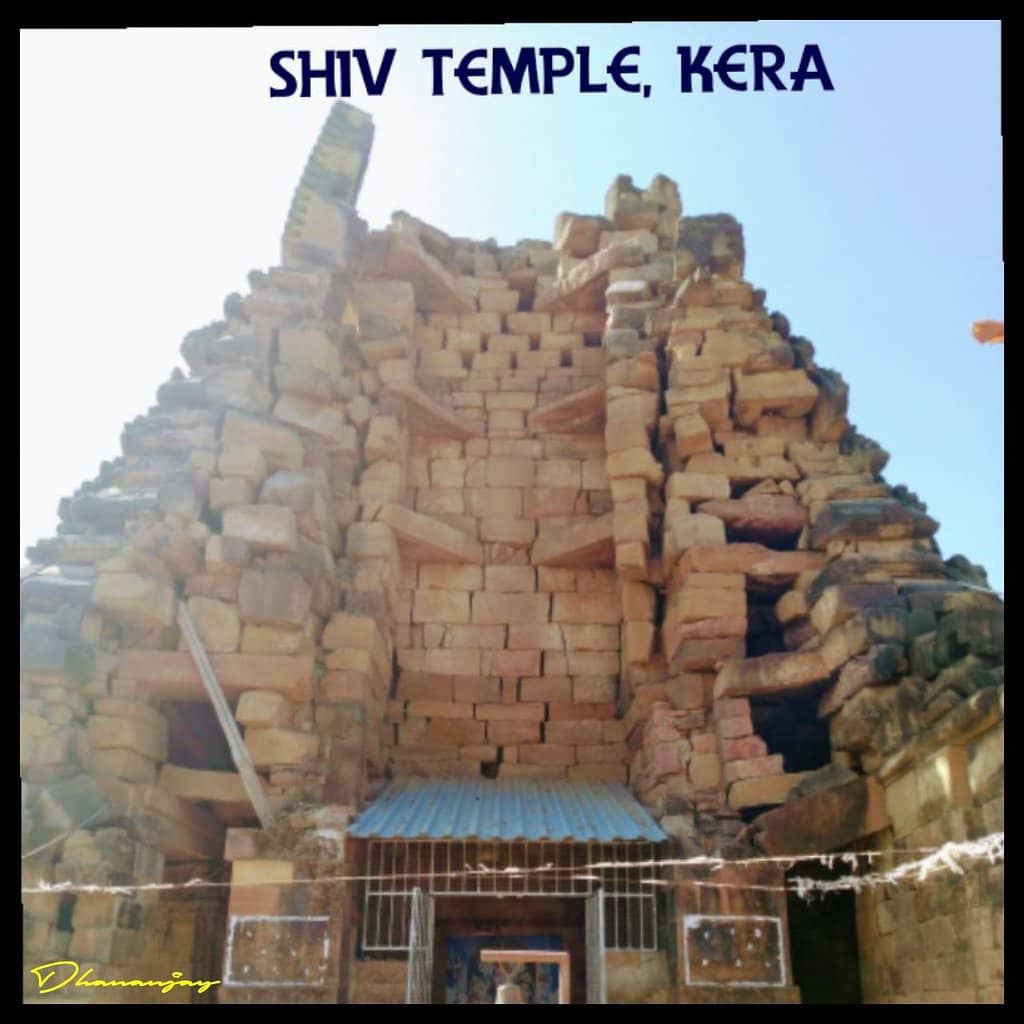
The temple is standing with wood support (no cement) as far as I know and has only 3 sides. Front side has fallen down in the earthquake of Kutch.
However, still the beauty of this place is amazing with flood of people visiting on Monday from nearby villages it remains empty on the other days.
When we looked around the temple, everywhere there was litter (inside temple boundary wall, and besides temple raised floor).
However in a poor maintained state, the vibration of this place is completely different, it's peaceful and powerful both at the same time."
Dhruvin Bhanushali
"Splendid creation of our ancestors. It is huge and most beautiful creation of carvings.
It is been believed that LakhoFulani has built this huge temple which was one of the greatest temples of loard shiva.
Must visit place if you are in love of Heritage work in India."
Gaurav Mulia (Gaurav Muliya)
What People Like
What People Dislike
Frequently Asked Questions
🚇 🗺️ Getting There
The Kera Shiva Temple is conveniently located about 21 km (approximately 30 minutes) from Bhuj. You can easily hire a taxi or a private car from Bhuj to reach the temple. The drive is scenic and offers a pleasant journey through the Kutch region.
While direct public transport might be limited, you can take a bus from Bhuj towards Kera village and then arrange for local transport or a short walk to the temple. It's advisable to check local bus schedules in advance.
For convenience and flexibility, traveling by car or taxi from Bhuj is highly recommended. This allows you to explore at your own pace and enjoy the surrounding landscape.
The route from Bhuj typically involves heading towards Kera village. The roads are generally well-maintained, making for a smooth drive.
Absolutely! The proximity of Kera Shiva Temple to Bhuj makes it an ideal destination for a half-day trip. You can easily combine it with other local attractions.
🎫 🎫 Tickets & Entry
There is typically no entry fee to visit the Kera Shiva Temple, as it is a historical monument and a place of worship. Donations are usually accepted to help with maintenance.
The temple is generally open to visitors throughout the day, from sunrise to sunset. However, it's always a good idea to confirm timings locally, especially if you plan to visit early morning or late evening.
No, advance booking is not required for Kera Shiva Temple. Visitors can arrive and explore the site freely.
While generally open, it's respectful to avoid visiting during prayer times or very early/late hours unless you are participating in specific rituals.
Photography is usually permitted within the temple premises, but it's always best to be discreet and respectful, especially in the inner sanctum. Avoid flash photography if it might disturb others.
🎫 🏛️ Onsite Experience
The Kera Shiva Temple is believed to have been built in the 10th century during the Chaulukya dynasty, possibly by King Lakho Phulani. It's renowned for its intricate stone carvings and ancient architecture, often compared to the Khajuraho temples. +1
The temple features a square inner sanctum with thick walls, a circular passageway, and a beautifully ornamented spire with chaitya window sculptures. The surviving walls showcase well-carved human figures.
The temple was significantly damaged by earthquakes in 1819 and 2001. While the spire and inner sanctum are largely intact, parts of the original mandapa have fallen. Wood supports are used in some areas.
Look for the detailed sculptures of human figures on the spire and walls, as well as miniature spires. Stone sculptures of Yakshas are also found around the temple premises.
Despite its partially ruined state, visitors describe the atmosphere as peaceful and powerful, with a distinct spiritual vibration. On Mondays, it becomes lively with local devotees.
🍽️ 🍽️ Food & Dining
Dining options directly at the temple are limited. It's advisable to have your meals in Bhuj before or after your visit, as Bhuj offers a wider variety of restaurants and local eateries.
You might find small local vendors selling basic refreshments or snacks in Kera village, especially on busier days like Mondays. However, options are generally scarce.
In the Kutch region, try local specialties like 'Kutchi Dabeli' (a spicy potato-filled bread), 'Khandvi' (a savory gram flour roll), and various Gujarati thalis.
For convenience, especially if you plan to spend a good amount of time exploring, carrying some snacks and water is a good idea.
Focus on trying authentic Gujarati vegetarian cuisine, which is widely available and delicious in the region.
📸 📸 Photography
The intricately carved spire and the detailed sculptures on the temple walls offer excellent photographic opportunities. The circular passageway with its perforated windows also makes for unique shots.
While tripods are generally allowed, it's best to be mindful of other visitors and avoid obstructing pathways, especially during crowded times.
Early morning or late afternoon light can be ideal for capturing the textures and details of the stone carvings, creating dramatic shadows and highlights.
Many visitors capture the grandeur of the spire from a distance, as well as close-ups of the detailed carvings. The unique architecture of the passageway is also a popular subject.
Be respectful of the religious nature of the site. Avoid intrusive photography, especially of devotees. Ensure your camera settings are adjusted for the lighting conditions within the temple.
Social
from TikTok, Instagram & Reddit