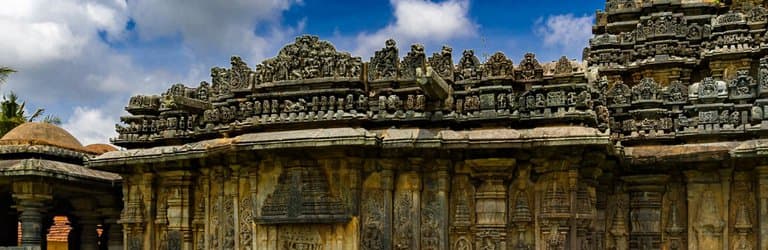
Bucesvara Temple Koravangala
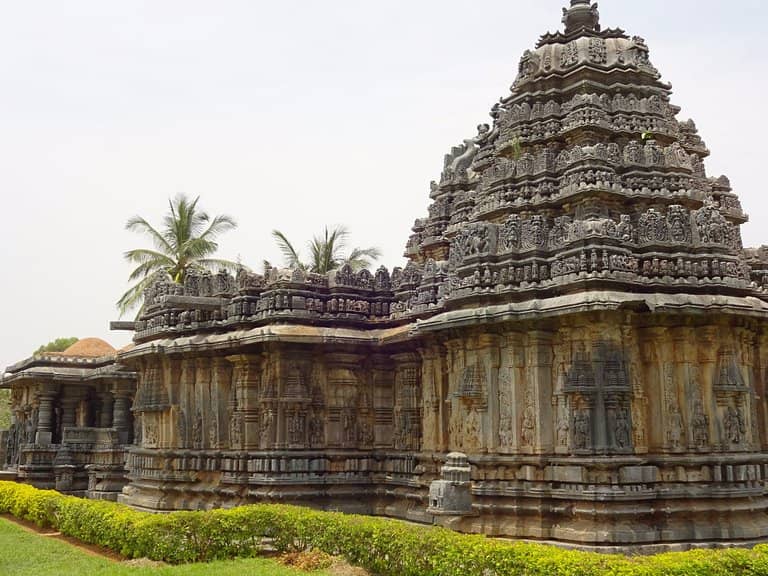
A 12th-century Hoysala architectural marvel in Koravangala, featuring unique twin shrines and intricate carvings.
Highlights
Must-see attractions

Social
From TikTok & Reddit
Best Time
Peaceful atmosphere, fewer crowds
Bucesvara Temple Koravangala
Best Time
Peaceful atmosphere, fewer crowds
Highlights
Must-see attractions
A 12th-century Hoysala architectural marvel in Koravangala, featuring unique twin shrines and intricate carvings.
"A true architectural gem, this temple offers a serene escape into Karnataka's rich Hoysala heritage."
🐍 Be Snake Aware
Visitors mention snakes in crevices. Be cautious and avoid touching nooks and corners.
🗣️ Chat with the Caretaker
The caretaker can share valuable historical information about the monument.
Quick Facts
Hours
Rating
4.8 · 106 reviews
Type
Hindu Temple
Highlights
Discover the most iconic attractions and experiences
Twin Shrines
Main complex
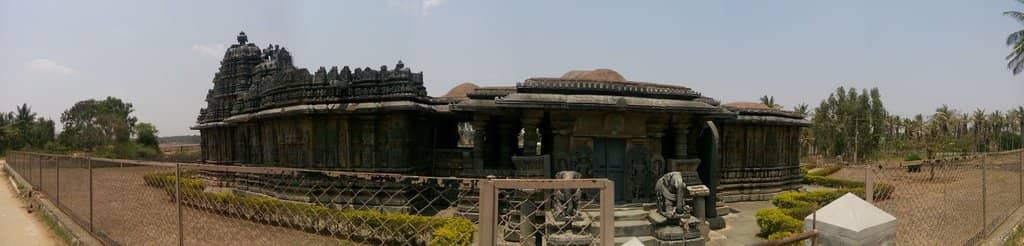
Unique dvikuta (twin-shrine) structure housing both Shiva and Surya, a rare Hoysala architectural feature.
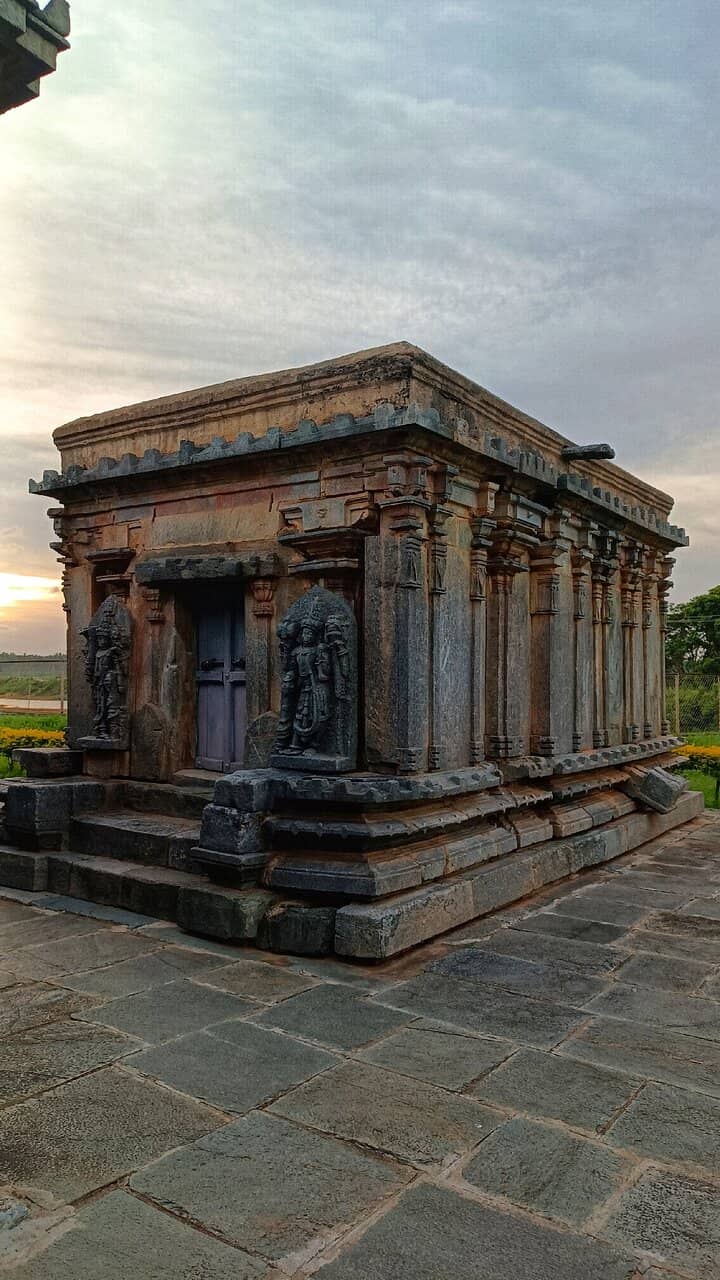
Intricate Carvings
Walls and pillars
Narrative friezes from epics and detailed sculptures of deities adorn the walls and pillars.
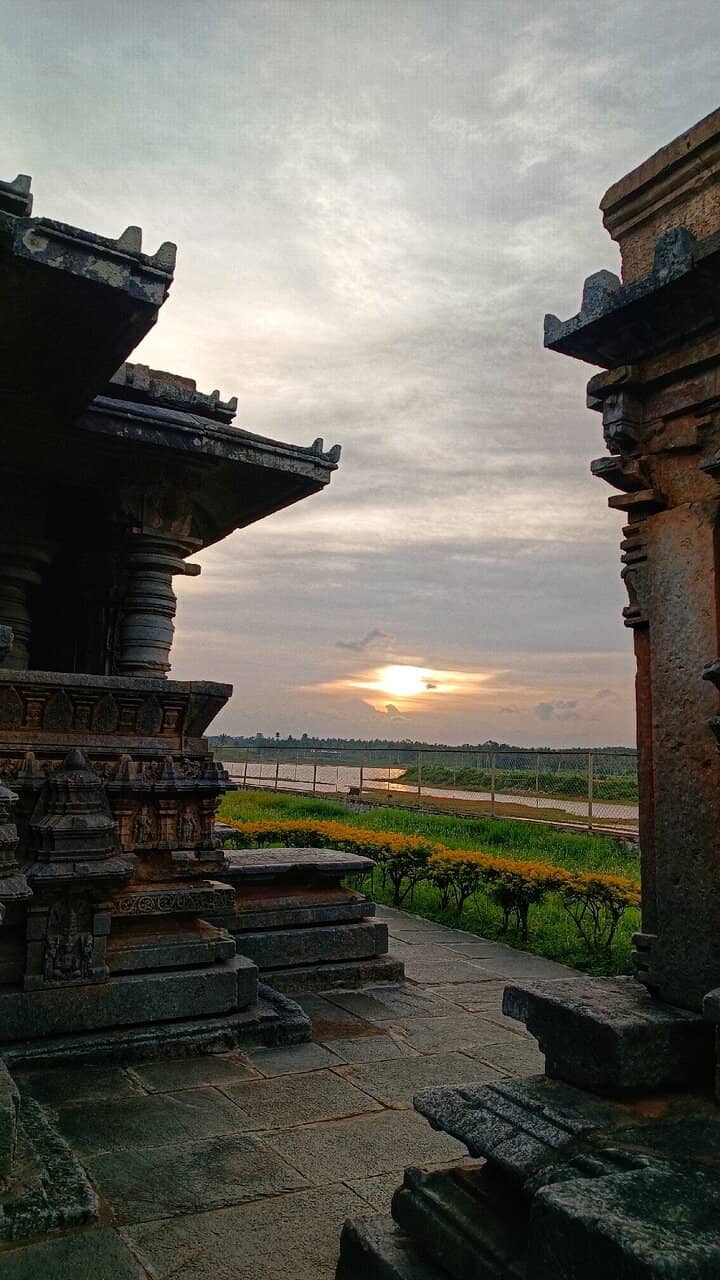
Surya Shrine
Opposite Shiva shrine
A dedicated shrine to the Sun God, adding to the temple's unique dual-deity significance.
Plans like a pro.
Thinks like you
Planning Your Visit
Timing is Key for Tranquility
Respectful Exploration
Best Times
Insider Tips
from TikTok, Instagram & Reddit
🐍 Be Snake Aware
Visitors mention snakes in crevices. Be cautious and avoid touching nooks and corners.

🗣️ Chat with the Caretaker
The caretaker can share valuable historical information about the monument.
📸 Photography Friendly
Photography is generally allowed, making it great for capturing Hoysala architecture.
🚶♀️ Explore Nearby Temples
Don't miss the Nageshwara and Govindeshwara twin temple nearby for more historical insights.
Tips
from all over the internet
🐍 Be Snake Aware
Visitors mention snakes in crevices. Be cautious and avoid touching nooks and corners.
🗣️ Chat with the Caretaker
The caretaker can share valuable historical information about the monument.
📸 Photography Friendly
Photography is generally allowed, making it great for capturing Hoysala architecture.
🚶♀️ Explore Nearby Temples
Don't miss the Nageshwara and Govindeshwara twin temple nearby for more historical insights.
What Travellers Say
Reviews Summary
Visitors praise the Bucesvara Temple for its stunning Hoysala architecture, intricate carvings, and peaceful atmosphere. It's highlighted as a well-preserved historical gem and a unique example of twin-shrine design. Some note the potential for snakes, advising caution.
"Buccheswara (Buceswara / Bucheshwara) Temple, one of the notable but lesser-known Hoysala monuments:
📜 Historical Background
Location: Koravangala village, about 10 km from Hassan (Karnataka).
Built in: 1173 CE.
Patron: Bucchi, a wealthy officer in the court of Hoysala King Narasimha I (1152–1173 CE).
Deity: Dedicated to Lord Shiva.
🏛 Architectural Features
Built in the ekakuta (single-shrine) style with a grand Shiva linga as the main deity.
The temple complex actually has two main shrines:
1. Shiva shrine (Buccheswara / Bucceśvara) – the primary one.
2. Surya shrine – dedicated to the Sun god, placed opposite.
🎭 Sculptural Highlights
The walls carry narrative friezes from Hindu epics—Ramayana, Mahabharata, and Puranic stories.
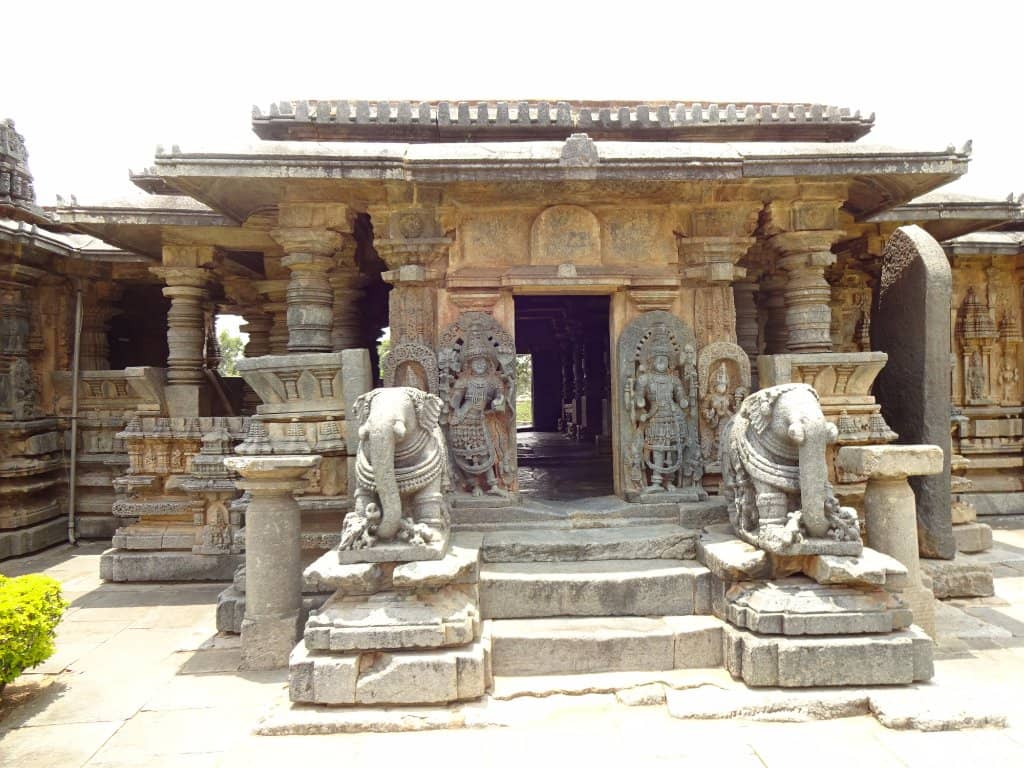
The dvarapalas (door guardians) and ceiling panels are finely carved.
🕉 Religious & Cultural Importance
Represents the transition phase of Hoysala temple design in the 12th century.
Important as it was built not by a king, but by a court official, showing how Hoysala patronage of temple art extended beyond royalty.
The twin-shrine plan (Shiva + Surya) is unusual among Hoysala temples.
Still an active place of worship and under the protection of the Archaeological Survey of India (ASI)"
Samvidh Bhandari
"Bucheshvara Swamy Temple, Koravangala 🌟
If you’re a lover of ancient art, serenity, and Hoysala architecture, the Bucheshvara Swamy Temple at Koravangala is an unmissable gem. Nestled in a quiet village just a few kilometers from Hassan, this temple is a true architectural marvel built in the 12th century by a commander of the Hoysala army, Buchiraja.
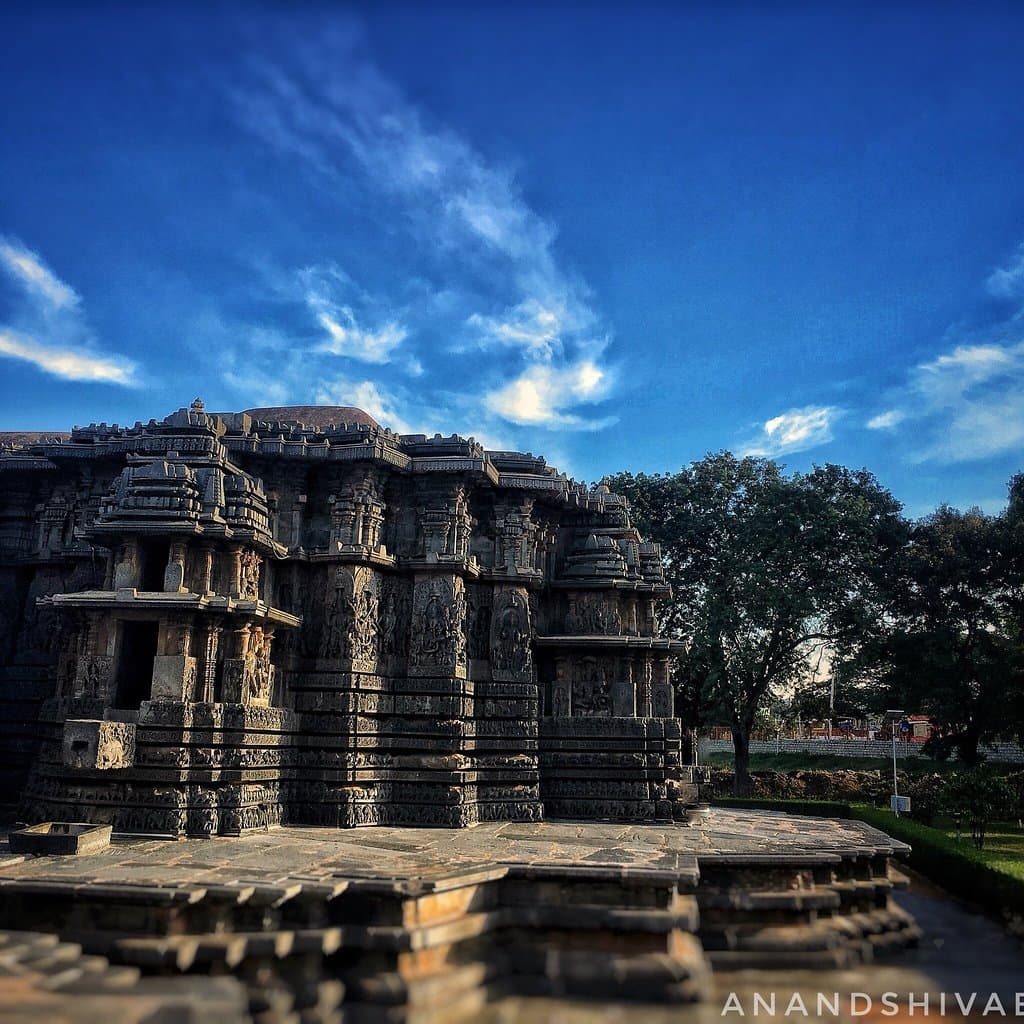
What immediately catches your eye is the temple’s intricate stone carvings and symmetry, reflecting classic Hoysala artistry. The twin shrines (dvikuta) dedicated to Lord Shiva and Surya are rare and showcase fine sculptural work, with detailed ceiling panels, decorated doorframes, and beautiful stone pillars.
Despite being lesser known, the temple is well-preserved by the ASI and the peaceful atmosphere adds to the divine experience. There’s hardly any crowd, making it perfect for photographers, history enthusiasts, or spiritual seekers looking to connect with Karnataka’s rich temple heritage.
🛕 Historical Significance:
Built in 1173 CE by Buchiraja, a general under Hoysala King Narasimha I, this temple represents the peak of early Hoysala craftsmanship. The temple is unique due to its dvikuta (twin sanctum) structure—housing both Shiva and Surya—which is not commonly seen. The temple walls display finely chiseled sculptures of gods, goddesses, and intricate motifs that reflect both religious and artistic excellence of the Hoysala period.
✨ A must-visit for anyone exploring the sacred and architectural wonders of Karnataka!
📍 Location: Koravangala, 10 km from Hassan
🕰️ Timings: 9:00 AM to 6:00 PM (usually open all days)
🚗 Parking: Available nearby
📷 Photography: Allowed"
sreekanthnaidu gali
"Beautiful temple with unique perfect kalasha atop garbha gudi. Mesmerising perfect idol of Durga. Carvings on the outer wall are also very good."
Arun Murthy
What People Like
What People Dislike
Frequently Asked Questions
🚇 🗺️ Getting There
The Bucesvara Temple is located in Koravangala village, approximately 10 km from Hassan. You can hire a taxi or auto-rickshaw from Hassan to reach the temple. The journey is relatively short and scenic.
While direct public transport to Koravangala might be limited, local buses frequently run between Hassan and surrounding villages. It's advisable to check local bus schedules or opt for a taxi for convenience.
For a day trip, hiring a car or taxi from Hassan is the most convenient option, allowing you to explore at your own pace and easily reach the temple.
Yes, parking is available nearby the temple premises, making it easy for visitors arriving by private vehicles.
The roads leading to Koravangala village are generally well-maintained, offering a smooth drive to the temple.
🎫 🎫 Tickets & Entry
The Bucesvara Temple is under the protection of the Archaeological Survey of India (ASI) and is an active place of worship. Entry is generally free, but it's always good to check for any nominal entry fees or donation boxes.
The temple is typically open from 9:00 AM to 6:00 PM and is usually open all days of the week. It's advisable to confirm timings locally if possible.
No advance booking is required for visiting the Bucesvara Temple as it's a historical monument and an active place of worship.
While the main areas are accessible, some parts of the temple complex might have steps or uneven surfaces. It's recommended to check accessibility details beforehand if needed.
Visiting during local festivals can offer a unique cultural experience, but it might also mean larger crowds.
🎫 🏛️ Onsite Experience
The temple is a prime example of early Hoysala architecture, featuring a unique dvikuta (twin-shrine) plan dedicated to Shiva and Surya. Its intricate carvings and narrative friezes are highlights.
The primary deity is Lord Shiva, with a Shiva linga in the main shrine. There is also a separate shrine dedicated to Surya, the Sun God.
While official guided tours might not be readily available, the temple caretaker often provides information. You can also hire local guides in Hassan who specialize in temple tours.
Take your time to walk around the temple walls and pillars, observing the detailed sculptures and narrative panels. Early morning or late afternoon light enhances the visibility of the carvings.
It's best to admire the structures without touching them to preserve their integrity. Be cautious of crevices where snakes might be present.
📸 📸 Photography
Yes, photography is generally permitted inside and around the Bucesvara Temple, allowing you to capture its architectural beauty.
The twin shrines, the intricately carved walls, ceiling panels, and the overall temple facade offer excellent photographic opportunities. The surrounding greenery also adds to the scenic shots.
Late afternoons offer beautiful golden hour light that enhances the stone carvings and the temple's grandeur. Early mornings can also provide soft, diffused light.
Drone photography regulations can vary. It's advisable to check with local authorities or the ASI if you plan to use a drone.
While general photography is allowed, it's respectful to avoid flash photography inside the inner sanctums or when prayers are in progress.


Social
from TikTok, Instagram & Reddit