Masroor Rock Cut Temples
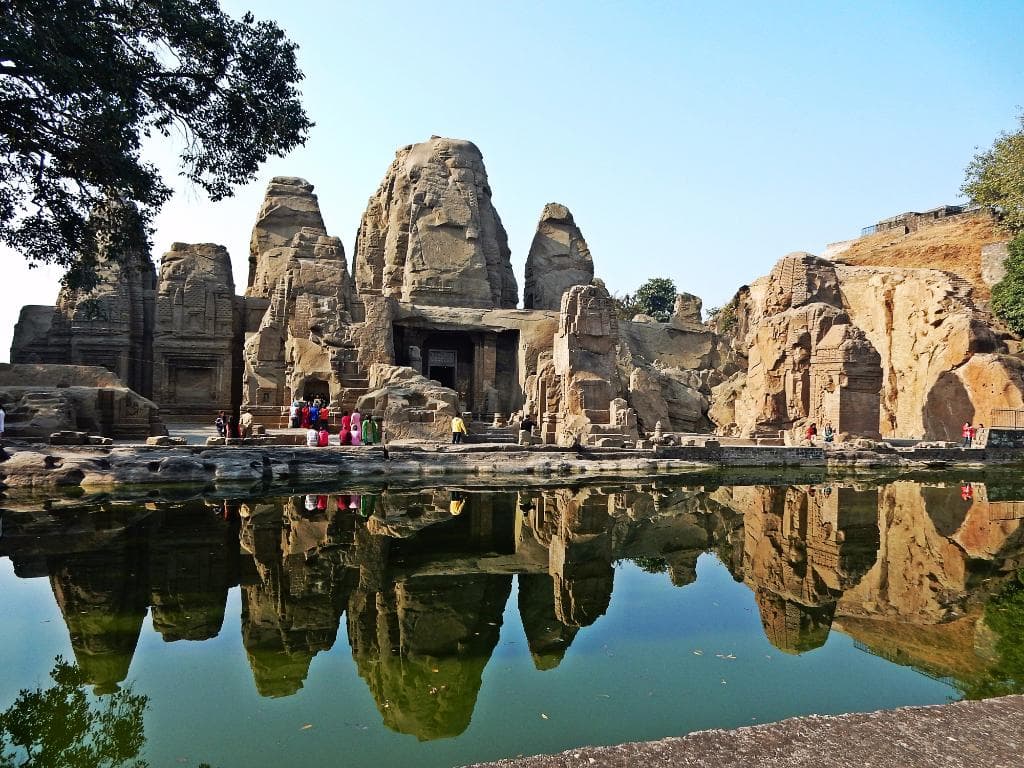
An 8th-century monolithic temple complex carved from a single rock, showcasing intricate ancient Indian architecture.
Highlights
Must-see attractions

Social
From TikTok & Reddit
Best Time
Softer light, fewer crowds
Masroor Rock Cut Temples
Best Time
Softer light, fewer crowds
Highlights
Must-see attractions
An 8th-century monolithic temple complex carved from a single rock, showcasing intricate ancient Indian architecture.
"A true wonder of ancient Indian artistry, these rock-cut temples offer a glimpse into a bygone era."
🎟️ Book Tickets Online
Purchase tickets online from the Archaeological Survey of India website before your visit.
👟 Wear Sturdy Shoes
The paths can be uneven and rocky, so comfortable, supportive footwear is a must.
Quick Facts
Hours
Rating
4.6 · 4,352 reviews
Type
Hindu Temple
Highlights
Discover the most iconic attractions and experiences
Monolithic Rock-Cut Shrines
Main Temple Complex
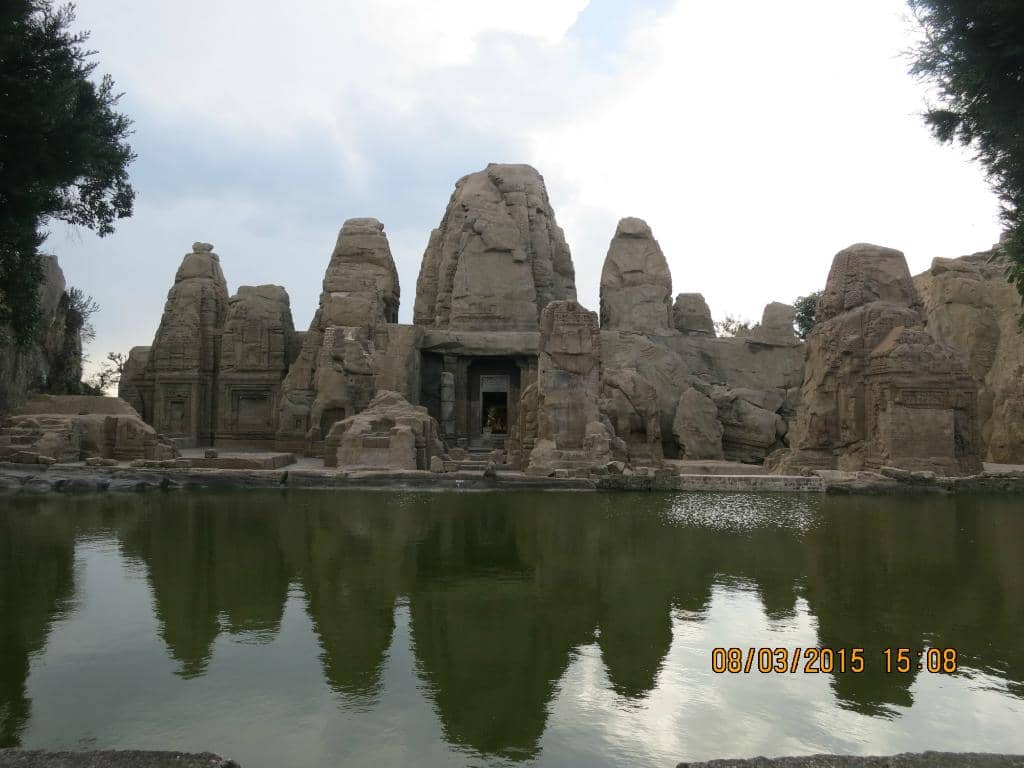
Marvel at 15 temples carved from a single sandstone rock, showcasing intricate 8th-century architecture.
Reflecting Pool
In front of the main temple
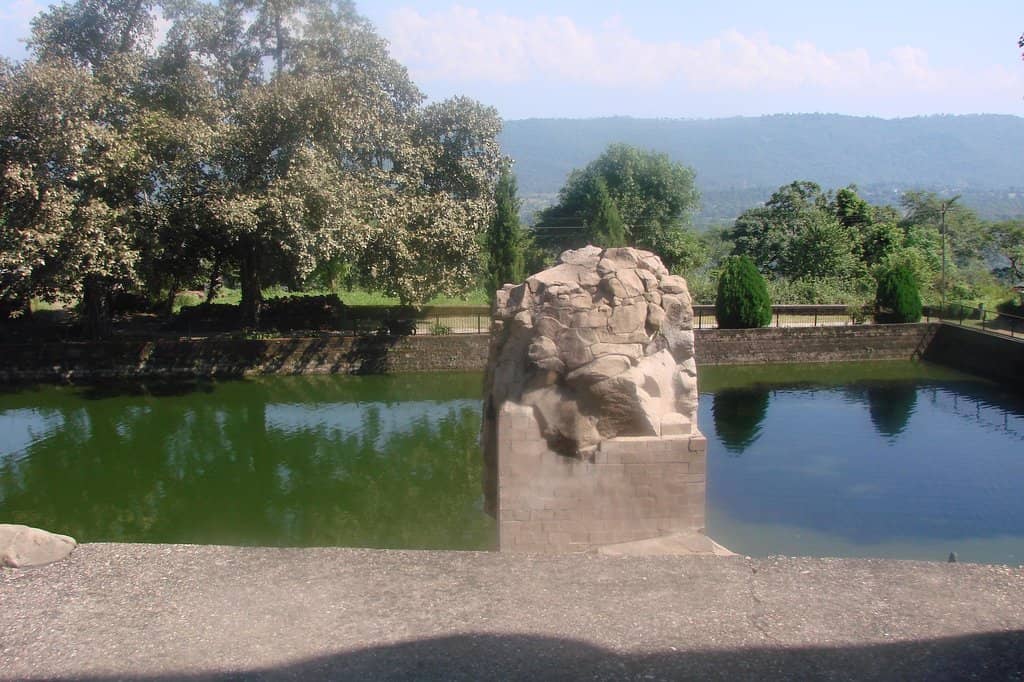
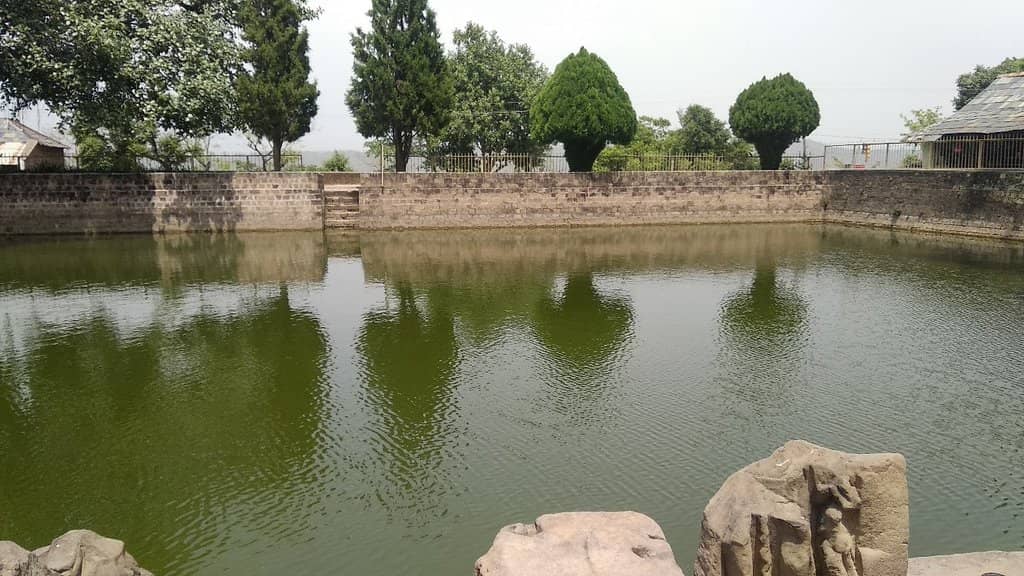
A serene water tank that beautifully mirrors the temple complex, especially in clear daylight.
Panoramic Dhauladhar Views
Temple platform
Enjoy breathtaking vistas of the snow-capped Dhauladhar mountain range from the temple grounds.
Plans like a pro.
Thinks like you
Planning Your Visit
Timing is Key for the Best Experience
Online Tickets & Respectful Exploration
Best Times
Insider Tips
from TikTok, Instagram & Reddit
🎟️ Book Tickets Online
Purchase tickets online from the Archaeological Survey of India website before your visit.
👟 Wear Sturdy Shoes
The paths can be uneven and rocky, so comfortable, supportive footwear is a must.
💧 Carry Water & Snacks
Facilities are limited, so bring your own hydration and snacks for a comfortable exploration.
📸 Capture the Reflections
The reflecting pool offers stunning photo opportunities, especially in good light.
Tips
from all over the internet
🎟️ Book Tickets Online
Purchase tickets online from the Archaeological Survey of India website before your visit.
👟 Wear Sturdy Shoes
The paths can be uneven and rocky, so comfortable, supportive footwear is a must.
💧 Carry Water & Snacks
Facilities are limited, so bring your own hydration and snacks for a comfortable exploration.
📸 Capture the Reflections
The reflecting pool offers stunning photo opportunities, especially in good light.
🧘 Embrace the Serenity
The peaceful ambiance is perfect for quiet reflection and appreciating ancient artistry.
What Travellers Say
Reviews Summary
Visitors are consistently awestruck by the Masroor Rock Cut Temples, hailing them as a hidden architectural marvel comparable to Ellora. The intricate carvings, serene atmosphere, and stunning reflections are frequently praised, though the impact of past earthquakes and the ongoing restoration work are noted. Some find the limited facilities and the need for online ticket booking a minor inconvenience.
"Nice old temple which has got parrot destroyed in earthquake. But a nice place not many tourists in the interiors. If visiting nearby Dharamshala worth visiting of interested in such archeological places"
Nishant Bafna
"A monolithic rock cut temple of around eighth century. The place is not so popular among tourists. The architecture is wonderful and amazing. Although it was damaged by the 1905 earthquake, still what remains is awesome. A must visit for history lovers."
BIDHAN BHATTACHARJEE
"Must visit _ one of 4 across India which are rock cut. This does not have the ellora or mahabalipuram experience but still is a must visit if near here. Dont miss the reflection from the waters and the view from the top"
Shai Coelho
What People Like
What People Dislike
Frequently Asked Questions
🚇 🗺️ Getting There
From Dharamshala, you can take a bus to Gaggal, and then find a direct bus to Masroor Temple from Gaggal. Alternatively, it's about an hour's drive from Rakkar, Dharamshala, with two route options: a steeper, narrower one via Tiara and Gaggal road, or a gentler, wider state highway 23 road which is slightly longer.
The temples are located about 40 km from Dharamshala. You can hire a taxi or take local buses via Gaggal. The drive offers scenic views of the Kangra Valley.
Yes, local buses are available from Gaggal, which is a common transit point from Dharamshala. Planning your bus connections in advance is advisable.
Masroor Rock Cut Temples are approximately 32 km from Kangra town, situated on the Nagrota-Surian Link Road.
Yes, you can drive to the site. There are routes available from Dharamshala and Kangra. Parking is generally available near the entrance.
🎫 🎫 Tickets & Entry
Tickets are typically purchased online. For Indian nationals, the fee is around ₹20, and for foreign nationals, it's approximately ₹250.
Tickets are usually available for purchase online through the official website of the Archaeological Survey of India.
Photography is generally allowed, but it's important to respect the sanctity of the site. Avoid climbing on fragile carvings.
The temples are typically open during daylight hours. It's best to visit in the morning or late afternoon for the best experience.
Yes, there is a nominal entry fee for Indian citizens, which is usually around ₹20 and can be purchased online.
🎫 🧭 Onsite Experience
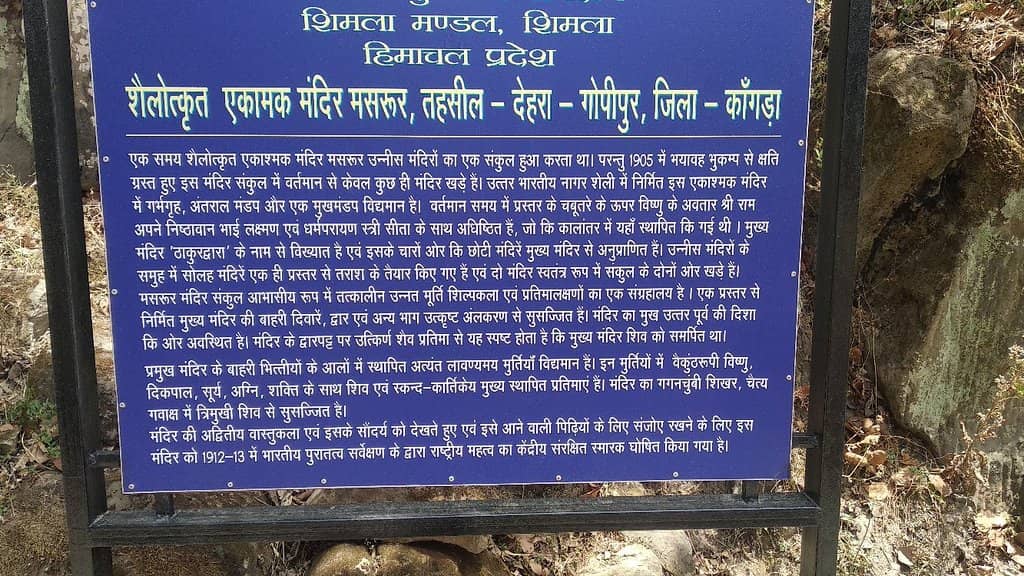
The primary attraction is the 8th-century monolithic temple complex carved from a single sandstone rock, featuring intricate architectural details and ancient deities. 
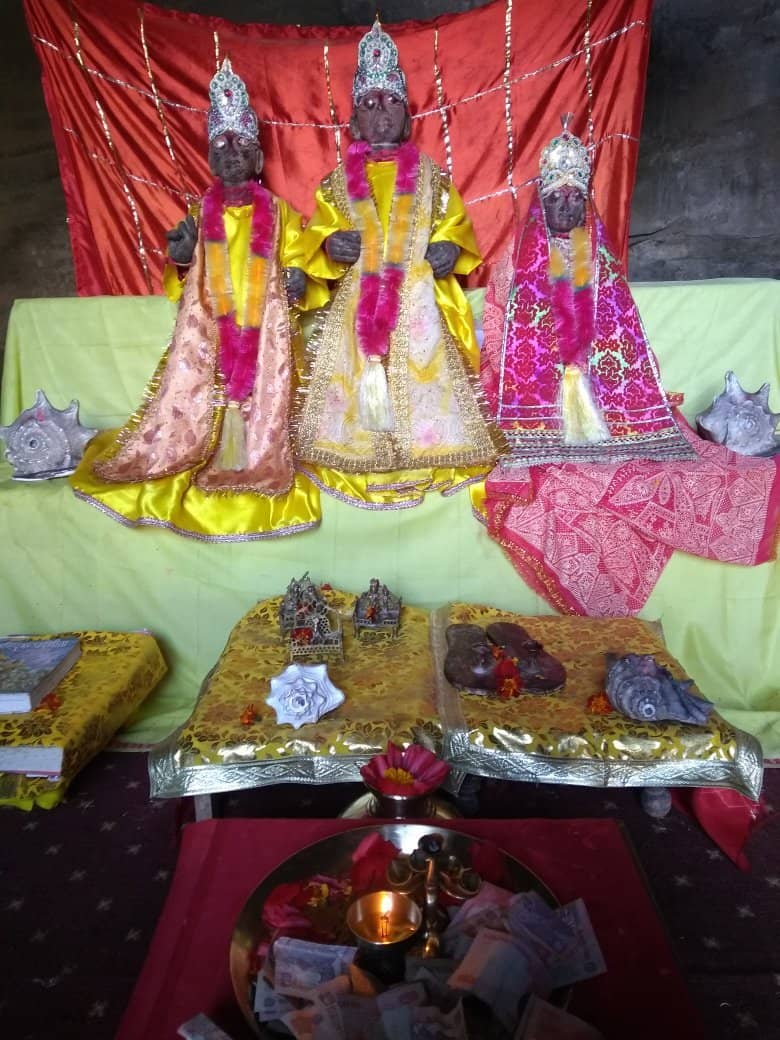
The main shrine is dedicated to Lord Shiva, but the complex also depicts deities like Rama, Sita, and Lakshmana, and some figures of Vishnu.
While many parts are in ruins due to earthquakes and time, significant restoration work is ongoing, and the relics are still clearly visible and impressive.
The serene water tank in front of the temples offers a beautiful reflection of the entire complex, enhancing its visual appeal, especially during daylight.
Yes, climbing the hill next to the temples offers wonderful panoramic views of the surrounding countryside and the Dhauladhar mountain range.
🍽️ 🍽️ Food & Dining
There are a couple of dhabas located within the temple complex offering basic food options. It's also advisable to carry your own snacks and water.
The dhabas typically serve local Himachali cuisine and simple Indian dishes. Options might be limited, so carrying snacks is a good backup.
Most dhabas in India offer vegetarian options. You can expect dishes like dal, rice, roti, and local vegetable preparations.
📸 📸 Photography
The reflecting pool in front of the main temple offers stunning mirrored shots. The intricate carvings and the panoramic views from the hill are also excellent subjects.
Drone usage is generally restricted at historical and archaeological sites to preserve their integrity and for security reasons. It's best to check local regulations.
Early morning or late afternoon provides softer, more flattering light for photography, reducing harsh shadows and enhancing the stone textures.
While general photography is permitted, avoid using flash inside certain areas if it might damage delicate carvings, and always be respectful of the site's sanctity.
A wide-angle lens is useful for capturing the scale of the temples and the surrounding landscape. A standard zoom lens will cover most needs.


Social
from TikTok, Instagram & Reddit