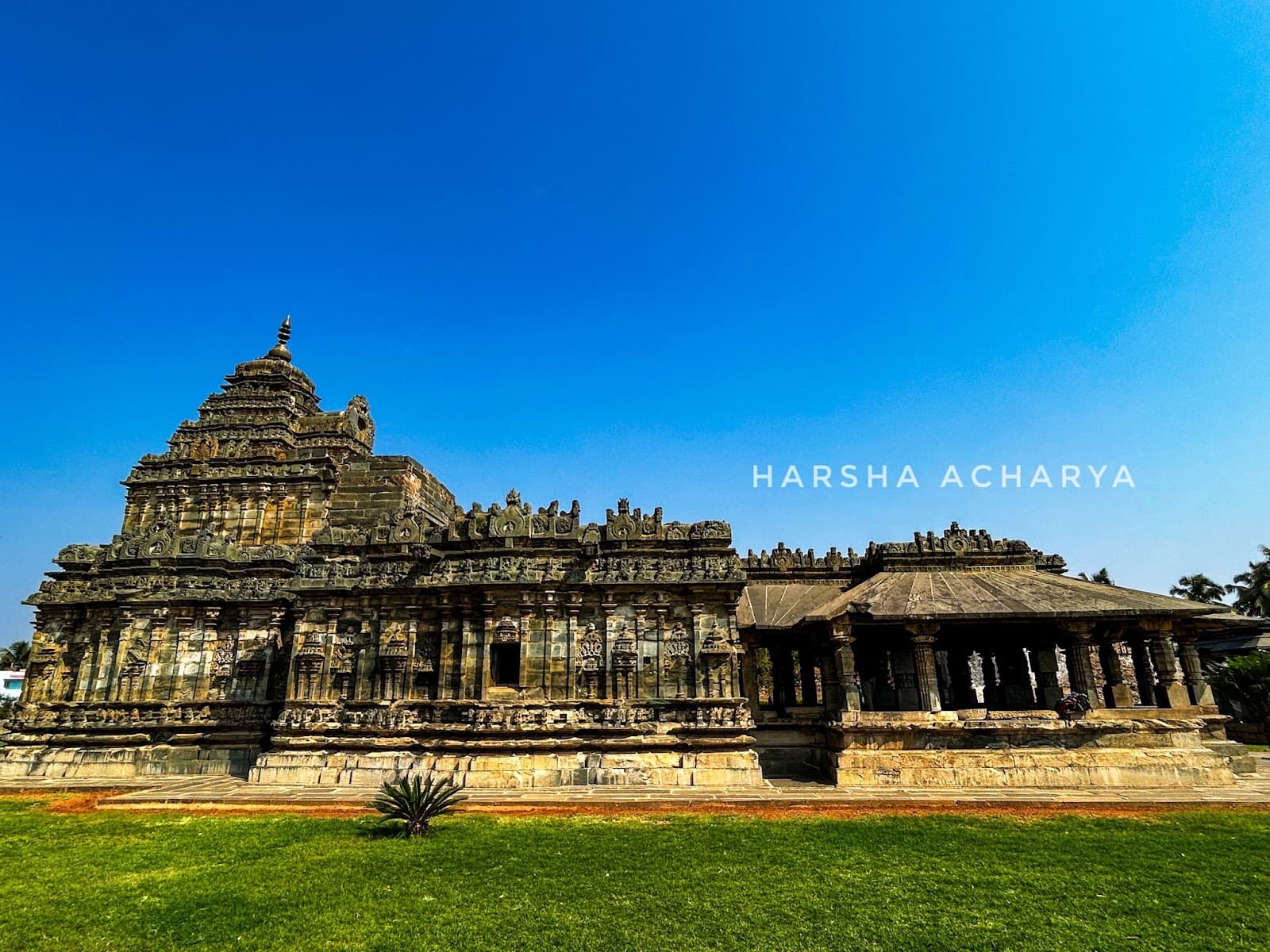
Lakkundi Temples
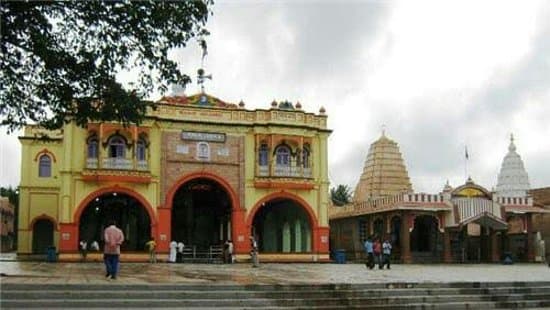
Explore the 11th-century Brahma Jinalaya and other ancient temples in Lakkundi, a hub of Kalyani Chalukya architecture and Jain heritage.
Highlights
Must-see attractions

Social
From TikTok & Reddit
Best Time
Peaceful exploration, soft light
Lakkundi Temples
Best Time
Peaceful exploration, soft light
Highlights
Must-see attractions
Explore the 11th-century Brahma Jinalaya and other ancient temples in Lakkundi, a hub of Kalyani Chalukya architecture and Jain heritage.
"A peaceful and culturally rich visit, definitely worth exploring if you’re in the area!"
Carry water for afternoons
It can get warm, especially during afternoon visits. Stay hydrated! :droplet:
Respectful photography
Photography is allowed, but always be respectful of the temple and any devotees present. :camerawithflash:

Quick Facts
Hours
Rating
4.6 · 380 reviews
Type
Place of Worship
Highlights
Discover the most iconic attractions and experiences
Brahma Jinalaya (Great Jain Temple)
Lakkundi Village
11th-century Jain masterpiece with intricate carvings and a blend of devotion and architectural innovation.
Lakkundi Heritage Centre
Adjacent to Brahma Jinalaya
Museum showcasing ancient Jain and Hindu sculptures, inscriptions, and hero stones from the Chalukyan period.

Kashi Vishveshwara Temple
Lakkundi Village
A beautiful example of Lakkundi's rich temple heritage with detailed carvings and a serene atmosphere.
Plans like a pro.
Thinks like you
Planning Your Visit
Timing Your Visit for Tranquility
Embrace the Heritage Center
Best Times
Insider Tips
from TikTok, Instagram & Reddit
Carry water for afternoons
It can get warm, especially during afternoon visits. Stay hydrated! :droplet:
Respectful photography
Photography is allowed, but always be respectful of the temple and any devotees present. :camerawithflash:
Take your time
Don't rush! Many small carvings and inscriptions are easy to miss if you're in a hurry. :stopwatch:
Engage with locals
Locals often share amazing stories and insights not found in guidebooks. :speech_balloon:
Tips
from all over the internet
Carry water for afternoons
It can get warm, especially during afternoon visits. Stay hydrated! :droplet:
Respectful photography
Photography is allowed, but always be respectful of the temple and any devotees present. :camerawithflash:
Take your time
Don't rush! Many small carvings and inscriptions are easy to miss if you're in a hurry. :stopwatch:
Engage with locals
Locals often share amazing stories and insights not found in guidebooks. :speech_balloon:
Museum first for context
Visit the Heritage Centre before the temples for a richer understanding of the history. 📚
What Travellers Say
Reviews Summary
Visitors praise Lakkundi Temples for their stunning architecture, particularly the intricate carvings on the Brahma Jinalaya and the historical context provided by the adjacent Heritage Centre. The serene atmosphere and the rich cultural heritage are frequently highlighted as major draws. Some note the limited dining options nearby, suggesting planning meals in advance.
"I loved the temple’s architecture and the intricate carvings on the walls and inside the Jain Basadi. Located about 13 km east of Gadag on Bellary Road, the site is now maintained by the Archaeological Survey of India.
Next to the temple is the Lakkundi Heritage Centre or Museum, which houses ancient sculptures of Jain Tirthankaras and Hindu deities discovered in and around Lakkundi. The town still has around 11 temples dedicated to both Jain and Hindu faiths.
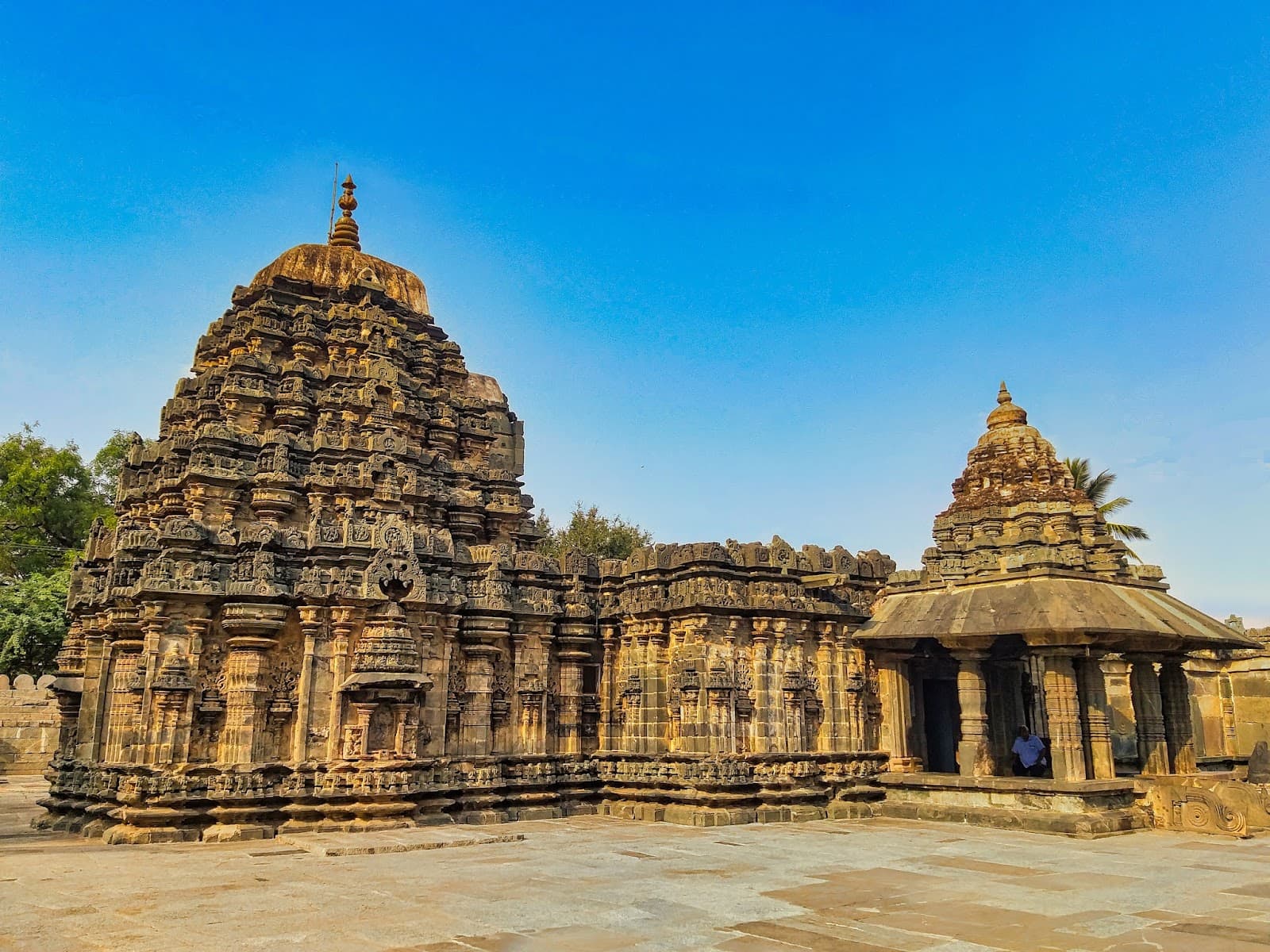
The most notable among them is the Brahma Jinalaya, believed to have been built in the 11th century by the Kalyani Chalukyas. The temple derives its name from the Brahma statue it houses, while the main sanctum enshrines the Jain Tirthankara Neminatha Swami, along with a beautiful idol of Goddess Saraswati. Built in the traditional Dravidian architectural style, the temple stands as a fine example of Lakkundi’s glorious heritage."
Divya Premsankar
"The Brahma Jinalaya – The Great Jain Temple of Lakkundi
Among all monuments of Lakkundi, the most magnificent is The Brahma Jinalaya, also known as the Great Jain Temple of Lakkundi. Built in the 11th century during the reign of the Kalyani Chalukyas, this temple reflects a perfect blend of devotion, artistic mastery and architectural innovation.
Architectural Grandeur -
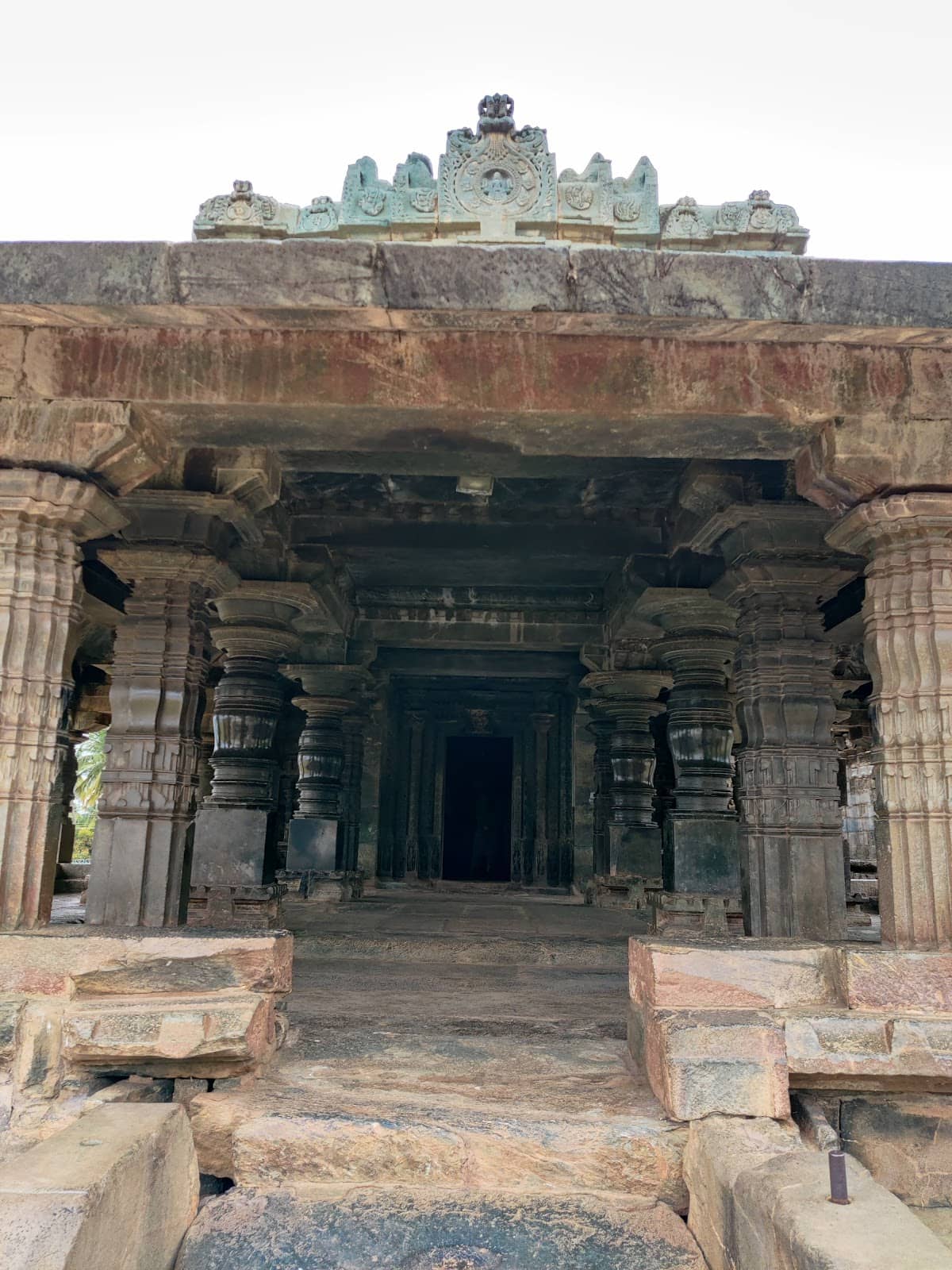
Constructed entirely in finely carved chloritic schist (soapstone), the temple marks the beginning of a new architectural phase in Karnataka. It is dedicated to Lord Mahavira, the 24th Tirthankara of Jainism."
priya karadkar
"We visited the museum along with the Jain temple in Lakkundi and had a wonderful experience. The entry fee for the museum was ₹20 when booked online, whereas it is ₹25 if purchased offline. The temple and museum together make for a peaceful and culturally rich visit. Definitely worth exploring if you’re in the area!"
pallavi gayathri
What People Like
What People Dislike
Frequently Asked Questions
🚇 🗺️ Getting There
Lakkundi Temples are located about 13 km east of Gadag on Bellary Road. You can easily reach them by taxi, auto-rickshaw, or by hiring a scooter from Gadag. The journey is quite short and scenic.
While direct public transport might be limited, you can take a bus to Lakkundi village from Gadag and then walk or take a short local ride to the temples. Hiring a vehicle from Gadag is often more convenient.
From Hubballi, you can drive or hire a vehicle to Lakkundi. It's a manageable day trip, and many visitors combine it with exploring Gadag. The drive takes approximately 1-1.5 hours.
Yes, there are usually informal parking areas available near the temples and the Heritage Centre, especially if you are arriving by car or scooter.
Absolutely! Lakkundi is a perfect day trip destination from Gadag or Hubballi, offering a rich cultural and historical experience.
🎫 🎫 Tickets & Entry
Entry to the temples themselves is generally free. However, the Lakkundi Heritage Centre has a nominal entry fee. It was ₹20 when booked online and ₹25 if purchased offline.
The temples are typically open from sunrise to sunset. The Lakkundi Heritage Centre usually follows standard museum hours, generally from morning to late afternoon. It's advisable to check locally for exact timings.
For the temples, no advance booking is required. For the Heritage Centre, booking online can offer a slight discount, but it's not mandatory.
The temple complex has uneven stone pathways and steps, which might pose challenges for individuals with mobility issues. The museum may have better accessibility.
Visitors are expected to dress modestly and behave respectfully within the temple premises. Photography is generally allowed but be mindful of religious sentiments.
🎫 🏛️ Onsite Experience
The Brahma Jinalaya (Great Jain Temple) is a highlight, renowned for its intricate carvings. Don't miss the Lakkundi Heritage Centre for historical context, and also explore the Kashi Vishveshwara and Nanneshwara temples.
To fully appreciate the temples and the museum, allocate at least 2-3 hours. If you plan to explore more of Lakkundi's heritage sites, you might need half a day.
Yes, the intricate stone carvings, architectural details, and the serene atmosphere make Lakkundi Temples a fantastic spot for photography, especially during the golden hours of morning and late afternoon.
The temples, particularly the Brahma Jinalaya, showcase the traditional Dravidian architectural style with influences from the Kalyani Chalukyas. They are constructed from finely carved chloritic schist (soapstone).
Official guides might not always be readily available. However, the informative boards at the Heritage Centre and the temples provide good historical context. Engaging with locals can also offer insights.
🍽️ 🍽️ Food & Dining
Dining options directly at Lakkundi are limited. It's advisable to have your meals in Gadag or Hubballi before or after your visit. You might find small local eateries in Lakkundi village.
While Lakkundi itself is small, the nearby towns of Gadag and Hubballi offer a wide range of authentic Karnataka cuisine. Look for local 'meals' or thalis for a true taste.
Snack options might be scarce. Carrying your own water and some snacks is a good idea, especially if you plan to spend a significant amount of time exploring.
📸 📸 Photography
Focus on the intricate carvings on the pillars, walls, and ceilings of the Brahma Jinalaya. The exterior architecture and the serene courtyard also offer great photographic opportunities. The museum exhibits are also visually rich.
Drone usage is generally restricted at historical and religious sites to ensure preservation and visitor safety. It's best to avoid bringing drones.
Early mornings and late afternoons are ideal. The soft, angled light highlights the texture and depth of the stone carvings beautifully, creating dramatic shadows.
Photography is usually permitted inside the temple premises, but always be respectful. Avoid flash photography if it might disturb the ambiance or other visitors.
A versatile lens (like a 24-70mm) is useful for capturing both wide architectural shots and detailed carvings. A macro lens can be great for close-ups of inscriptions. A tripod might be helpful for low-light conditions, but check if it's allowed.
Social
from TikTok, Instagram & Reddit