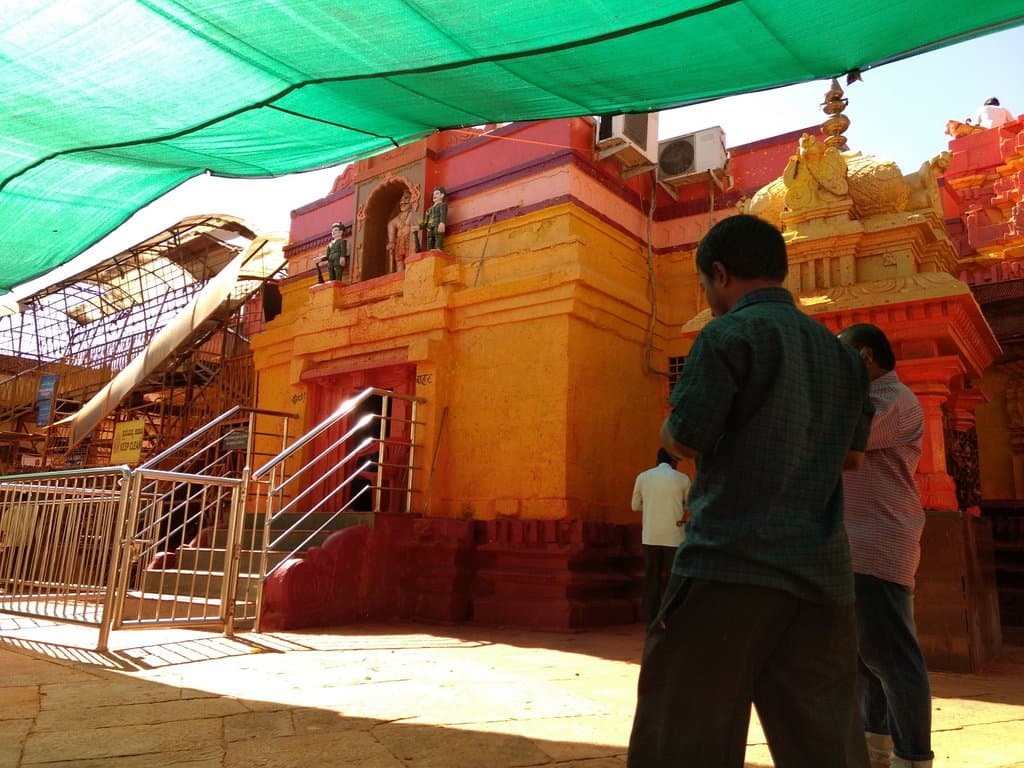
Savadatti Yellamma Temple
A revered Hindu pilgrimage site dedicated to Goddess Yellamma, known for its ancient legends, spiritual fervor, and traditional rituals.
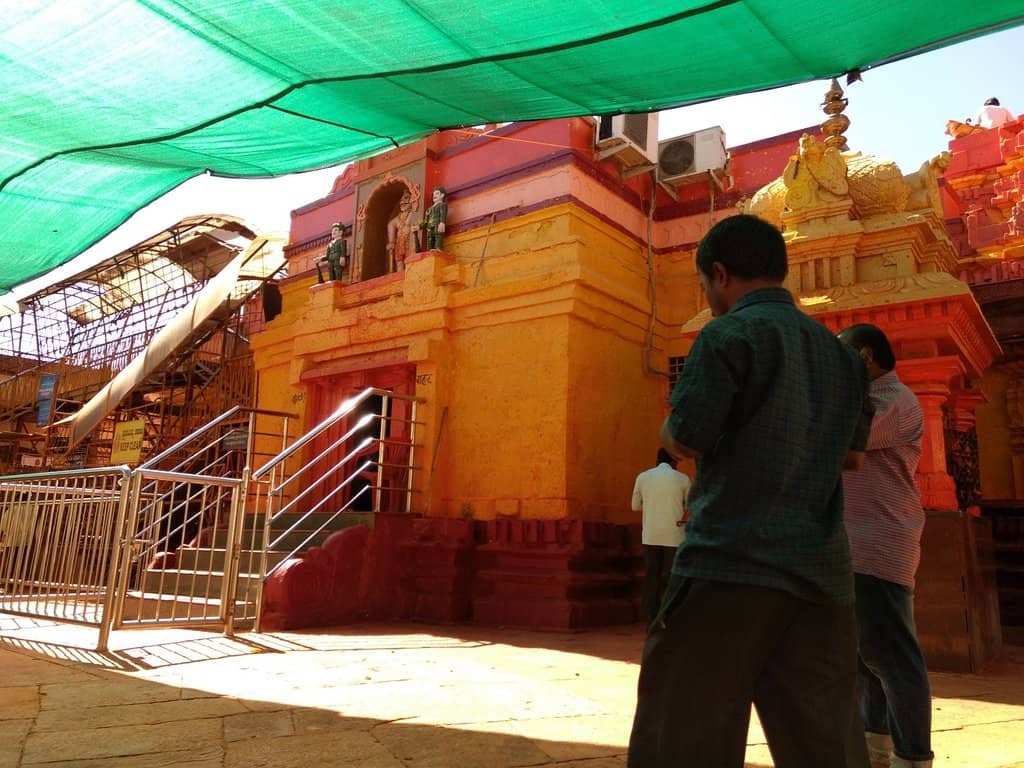
Highlights
Must-see attractions

Social
From TikTok & Reddit
Best Time
Fewer crowds, more peaceful
Savadatti Yellamma Temple
Best Time
Fewer crowds, more peaceful
Highlights
Must-see attractions
A revered Hindu pilgrimage site dedicated to Goddess Yellamma, known for its ancient legends, spiritual fervor, and traditional rituals.
"A soul-stirring experience connecting you to centuries of living tradition at this revered shrine."
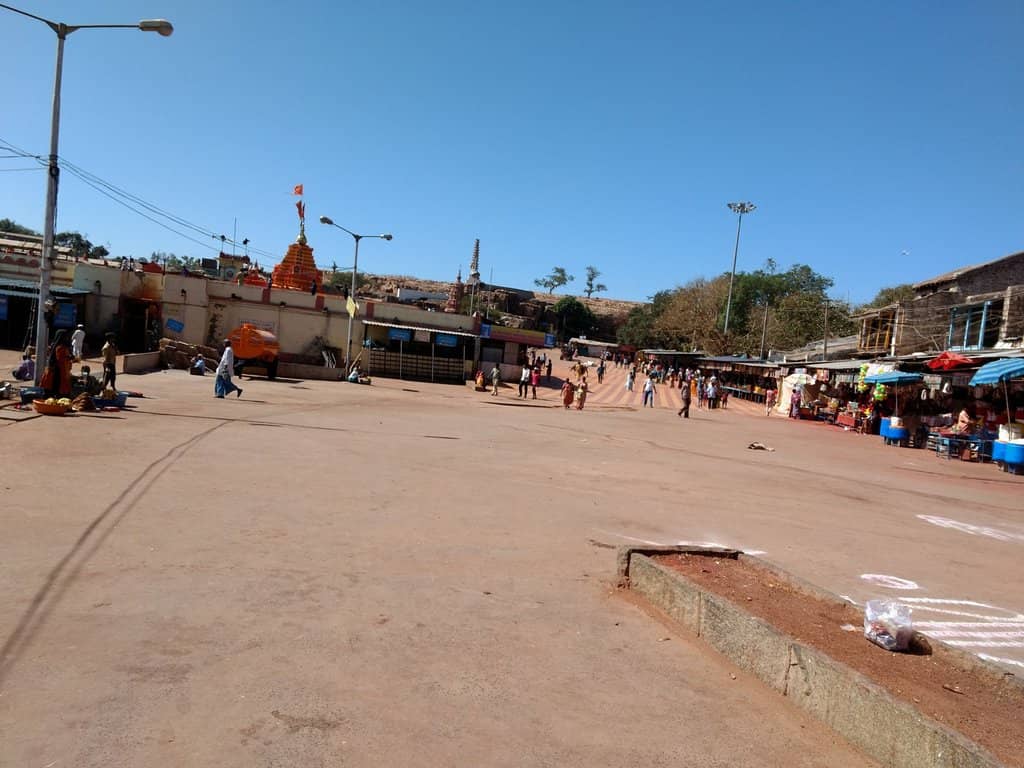
🎯 Arrive Early to Beat Crowds
Visiting early in the morning is highly recommended to avoid the rush and experience a more serene atmosphere.
💧 Purify at Jogulabhavi
Take a dip at Jogulabhavi, a sacred lake before the temple, for purification. Showering facilities are available nearby.
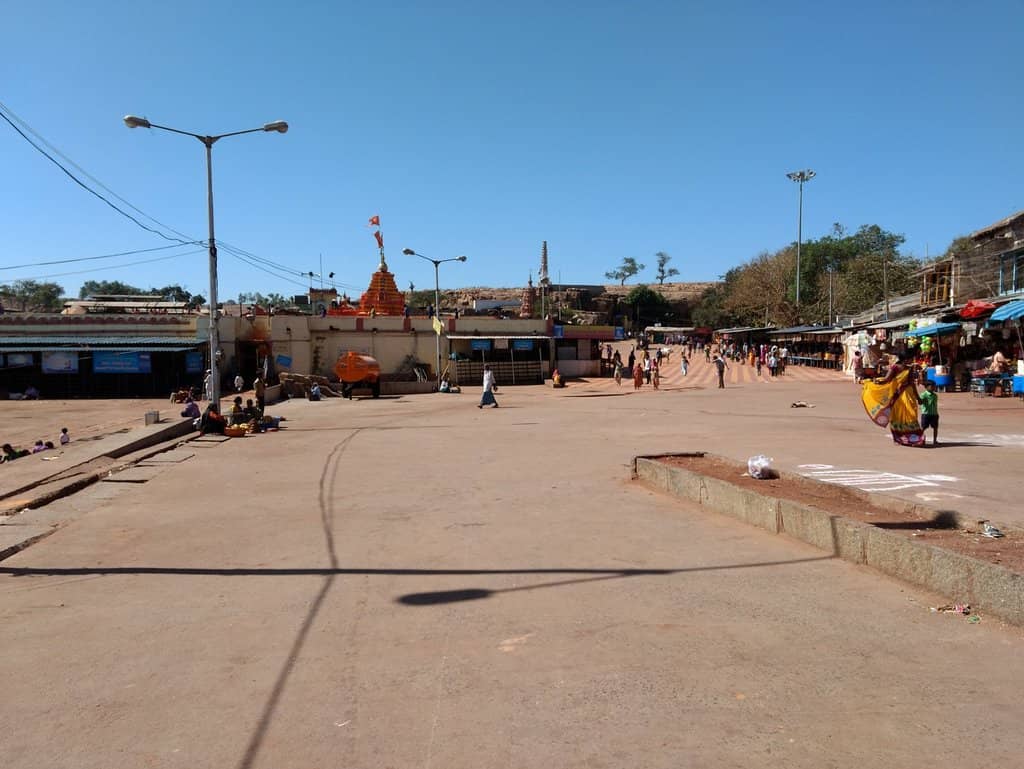
Quick Facts
Hours
Rating
4.5 · 11,821 reviews
Type
Hindu Temple
Highlights
Discover the most iconic attractions and experiences
The Main Yellamma Temple
Yellamma Gudda hill top
The heart of the pilgrimage, dedicated to Goddess Yellamma, a powerful form of Renuka Devi. Experience intense devotion and ancient traditions.
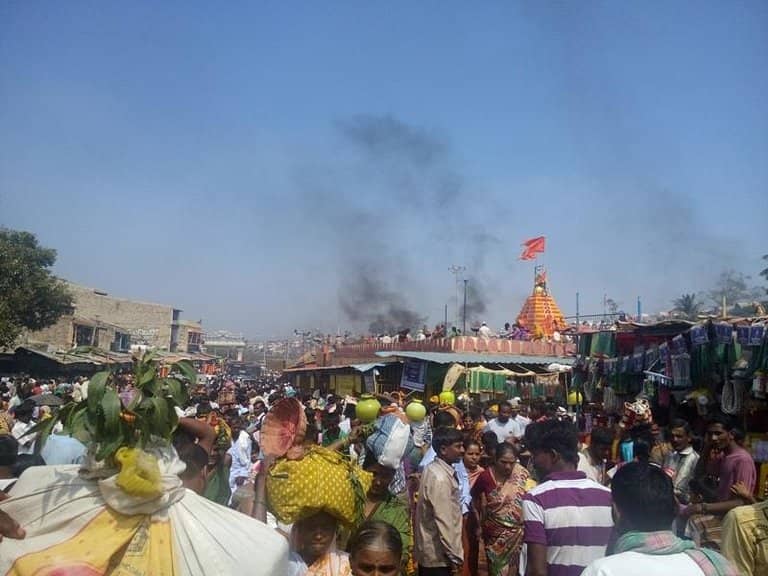
Jogulabhavi Sacred Lake
Approx. 4 km before the temple
A holy water body where devotees traditionally bathe for purification before visiting the main temple. Believed to cure skin ailments.
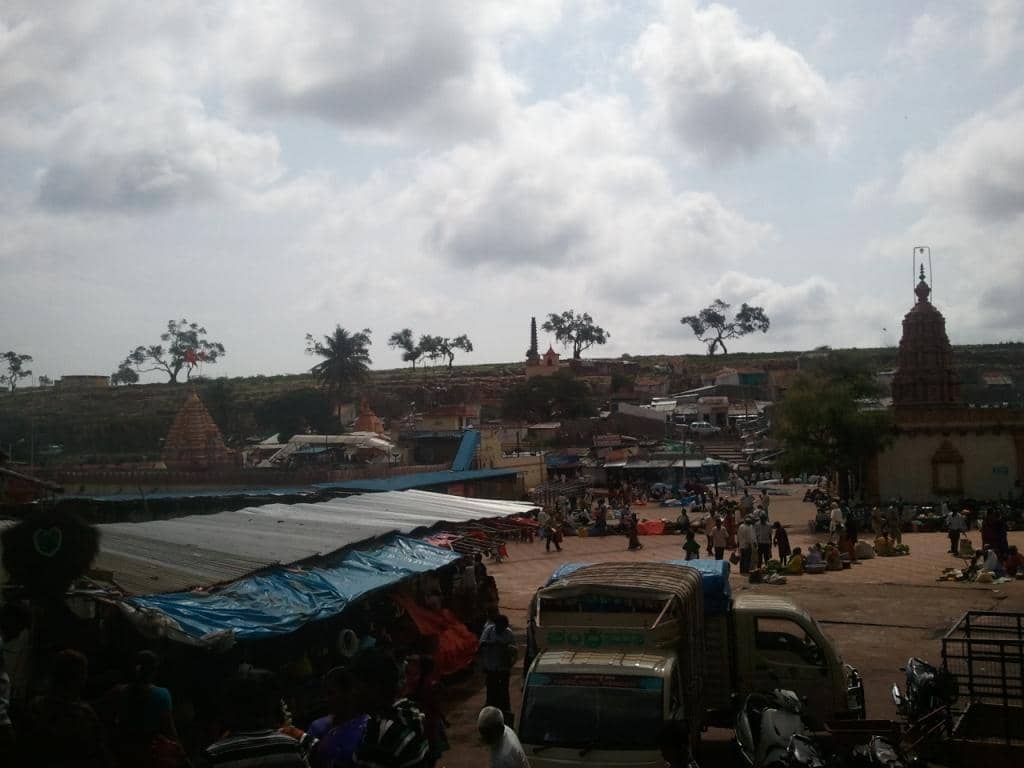
Parashurama Temple
Within temple premises
A significant shrine dedicated to Lord Parashurama, son of Goddess Yellamma, highlighting their mythological bond.
Plans like a pro.
Thinks like you
Planning Your Visit
Timing is Key for a Peaceful Visit
Embrace the Rituals for a Full Experience
Best Times
Insider Tips
from TikTok, Instagram & Reddit
🎯 Arrive Early to Beat Crowds
Visiting early in the morning is highly recommended to avoid the rush and experience a more serene atmosphere.
💧 Purify at Jogulabhavi
Take a dip at Jogulabhavi, a sacred lake before the temple, for purification. Showering facilities are available nearby.
🙏 Offerings for the Goddess
Devotees typically offer coconuts, sarees, bangles, kumkum, and turmeric to the goddess.
🧼 Manage Expectations on Cleanliness
While inside the temple is cleaner, the general grounds can be less so. Be prepared for this reality.
Tips
from all over the internet
🎯 Arrive Early to Beat Crowds
Visiting early in the morning is highly recommended to avoid the rush and experience a more serene atmosphere.
💧 Purify at Jogulabhavi
Take a dip at Jogulabhavi, a sacred lake before the temple, for purification. Showering facilities are available nearby.
🙏 Offerings for the Goddess
Devotees typically offer coconuts, sarees, bangles, kumkum, and turmeric to the goddess.
🧼 Manage Expectations on Cleanliness
While inside the temple is cleaner, the general grounds can be less so. Be prepared for this reality.
🚗 Transport from Dharwad
Plenty of transport options are available from Dharwad to reach the temple.
What Travellers Say
Reviews Summary
Savadatti Yellamma Temple is a significant pilgrimage site revered for its spiritual aura and ancient legends. Visitors are drawn to the powerful presence of Goddess Yellamma and the traditional rituals, particularly the purification at Jogulabhavi. However, some reviews point to challenges with temple management, cleanliness of the grounds, and inadequate facilities, which can impact the overall visitor experience.
"The legends of Savadatti Yellamma primarily revolve around the goddess Renuka, the wife of Sage Jamadagni and mother of Parashurama, an incarnation of Lord Vishnu. According to the most prominent story, her transformation into goddess Yellamma, meaning “mother of all” was one about the curse of Jamadagni; and Parashurama beheading her and her resurrection.
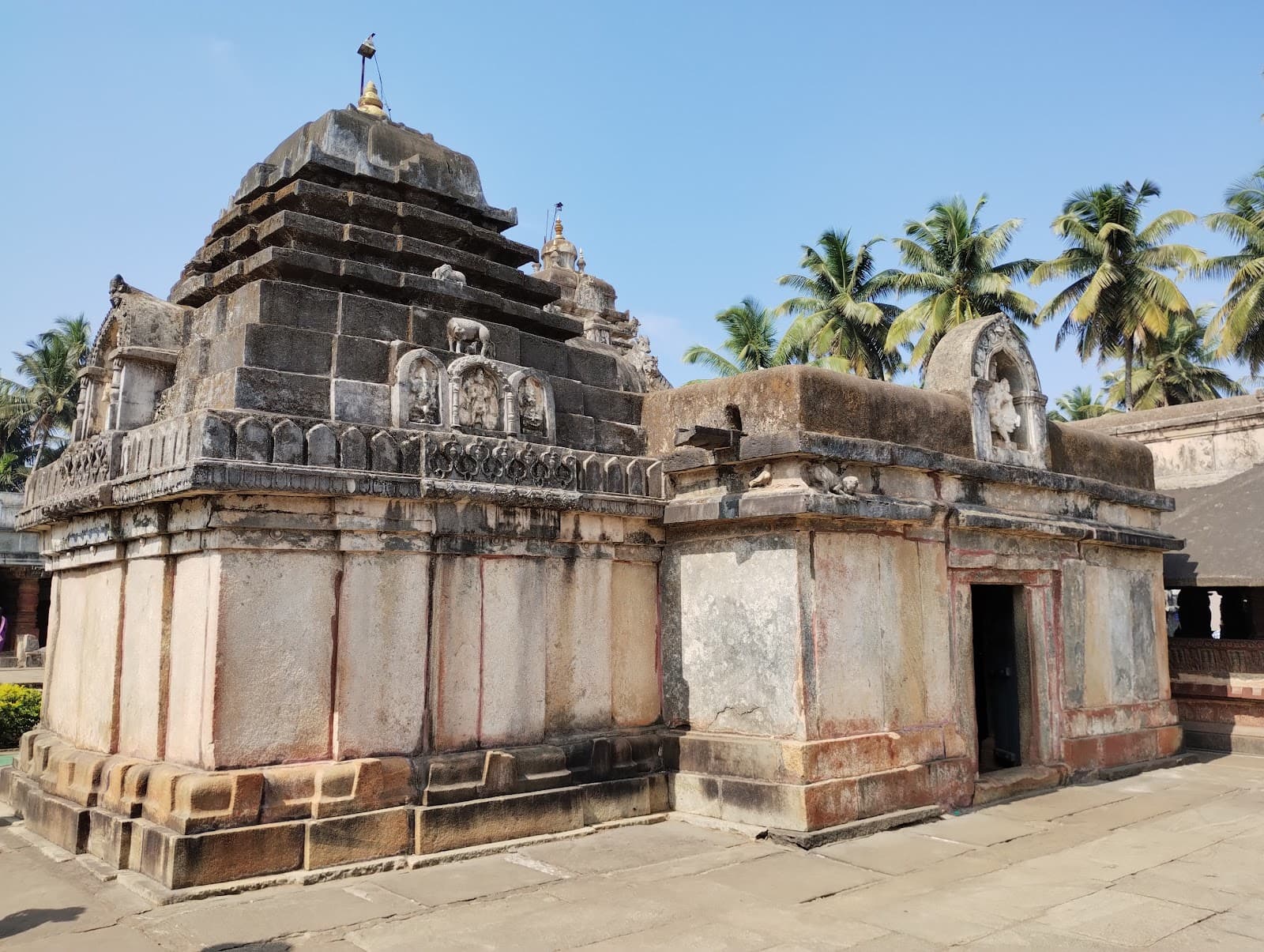
The place popularly known as ‘Yellammana gudda’ has been a place of worship for centuries and as per the known history, the current temple structure was built by Bommappa Naik in 1514 AD. The architecture of the temples is a blend of Chalukya and Rastarakuta styles. The carvings and motifs reflect the distinctive characters of Jain architecture.
The temple is situated on the yellamma gudda hill top. Apart from this temple, there are several smaller shrines in the location dedicated to other deities including Lord Ganesha, Mallikarjuna, Parashurama, Ekanatha and Siddeshwara.
There are three water tanks behind the temple where devotees can perform ritual bathing. It is a practice to dip oneself at Jogulabhavi a lake about 4 kms before we reach the temple and then have the Darshan of Yellama at the temple. A dip in this lake is believed to cure skin diseases.
The temple attracts devotees from all over and is considered to be a ‘Shakthi peetha’.
The general cleanliness of the temple grounds remains unsatisfactory, stemming from a combination of management neglect and the poor civic sense of some visitors. While conditions have improved noticeably over the years, the current state is still far from acceptable."
Prem Chandra KR
"Visiting early in the morning will be good. Later on, it will be crowded. Entering the temple through exit gate by bribing is quiet common. This is the reason why general queue gets slower. Poor management system is seen. Selling the oil packets after expiry date is seen by charging more than MRP. Outside the temple, No cleanliness at all. Inside the cleanliness is far better."
Jayaram M V
"As a devotional traveler, visiting the Renuka Devi Yellamma Temple at Yellamma Gudda is a truly soul-stirring experience that connects you to centuries of living tradition. Perched atop the sacred hill in Saundatti, Karnataka, this temple is one of the most revered shrines dedicated to Goddess Yellamma, a powerful form of Renuka Devi. She is considered the mother of the masses, especially worshipped by devotees seeking blessings for good health, family well-being, and divine protection.
The temple has a deep-rooted spiritual heritage that dates back many centuries and is closely linked to the legend of Renuka Devi and her son Parashurama, one of the ten avatars of Lord Vishnu. The aura of the temple is intense, filled with chants, bells, and unshaken faith.
Before reaching the temple, it is customary to reroute slightly and visit Jogula Bhavi, a sacred water body where devotees take a holy dip. For those who prefer a more modest approach, there are showering spaces available nearby for just ₹10, where you can freshen up and change clothes before entering the temple—this act is seen as symbolic purification.
Once at the temple, devotees offer coconuts, sarees, bangles, kumkum, and turmeric to the goddess—traditional offerings that represent devotion, fertility, and prosperity. Within the temple premises, don’t miss the Parashurama Temple, a divine reminder of the mythological bond between mother and son.
Another important ritual is visiting Enne Bandi, a sacred spot within the temple complex where devotees receive Theertha (holy water). This ritual, along with bathing at Jogula Bhavi and offering traditional items to the goddess, forms the complete spiritual journey.
Yellamma Gudda is not just a temple—it's a pilgrimage of the heart, guided by age-old customs that still thrive with full faith and reverence."
Roshni V R
What People Like
What People Dislike
Frequently Asked Questions
🚇 🗺️ Getting There
The temple is located on Yellamma Gudda hill in Savadatti, Karnataka. Many visitors travel from Dharwad, where plenty of transport options are available. You can find buses and taxis to reach the temple.
Information on dedicated parking facilities is limited, but it's advisable to inquire locally upon arrival. During peak times, parking might be challenging.
Traveling by road is the most common method. Buses from nearby cities like Dharwad and Belagavi are frequent. Taxis are also an option for a more direct journey.
Reports suggest that washroom facilities can be inadequate, especially for women. While some improvements have been made, it's advisable to be prepared for limited options.
Yes, public transport, particularly buses from Dharwad and Belagavi, is a viable option to reach Savadatti and then proceed to the temple.
🎫 🎫 Tickets & Entry
Generally, there is no entry fee to visit the main temple. However, donations are welcome and appreciated by the temple management.
The temple is typically open throughout the day, but it's best to visit during daylight hours for a better experience. Early mornings are recommended to avoid crowds.
No, advance booking of tickets is not required as there is no entry fee. Visitors can arrive and enter the temple premises directly.
While there isn't a strict dress code, it's advisable to dress modestly out of respect for the religious site. Avoid revealing clothing.
Some visitors report that entering through the exit gate by bribing is a practice, which can slow down the general queue. It's best to use the designated entrance.
🎫 🧭 Onsite Experience
To avoid the largest crowds, visiting early in the morning on weekdays is highly recommended. Weekends and festival days can be extremely busy.
Key rituals include bathing at Jogulabhavi, offering coconuts, sarees, bangles, kumkum, and turmeric to the goddess, and visiting Enne Bandi for Theertha.
It's generally advised to drink bottled water or water from reliable sources. The water in the sacred tanks is for ritualistic purposes.
Be aware that beggars, including transgender beggars, are present at various points. It's up to individual discretion how to respond.
Yes, there are three water tanks behind the temple for ritual bathing. Additionally, Jogulabhavi is a significant site for purification dips.
🍽️ 🍽️ Food & Dining
Food options are limited directly at the temple, but you can find some eateries, including Udupi restaurants, in the vicinity.
Yes, many of the local eateries, especially Udupi restaurants, offer vegetarian South Indian cuisine.
You can expect to find local South Indian dishes and some North Indian options at the restaurants around Savadatti.
There are no formal restaurants inside the temple complex itself, but small stalls and eateries are usually found in the surrounding areas.
Carrying some snacks can be a good idea, especially if you have specific dietary needs or if you plan to spend a significant amount of time at the site.
📸 📸 Photography
Photography rules can vary. It's best to check for signage or ask temple authorities. Generally, photography inside the inner sanctum might be restricted.
The temple architecture, the hill views, and the devotional atmosphere offer great photo opportunities. The area around Jogulabhavi can also be scenic.
Drone usage is typically restricted at religious sites and public places without prior permission. It's advisable to avoid using drones.
Always be respectful when photographing people. It's good practice to ask for permission before taking close-up shots of individuals or groups.
Natural daylight is abundant during the day. Early morning and late afternoon offer softer light, ideal for photography.

Social
from TikTok, Instagram & Reddit