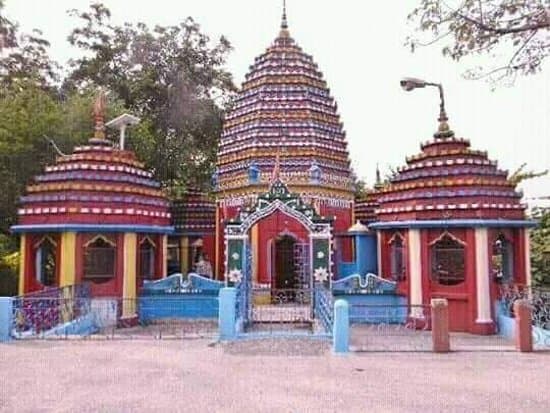
Rajrappa Temple Chhinnamasta
A hilltop shrine to the headless goddess Chinnamasta, nestled at the confluence of Damodar and Bherabi rivers, known for its unique Tantric design.
Highlights
Must-see attractions

Social
From TikTok & Reddit
Best Time
Pleasant weather for exploration
Rajrappa Temple Chhinnamasta
Best Time
Pleasant weather for exploration
Highlights
Must-see attractions
A hilltop shrine to the headless goddess Chinnamasta, nestled at the confluence of Damodar and Bherabi rivers, known for its unique Tantric design.
"A very sacred pilgrimage place for Hindu religion and Hindu Religious devotees across the country."
🎒 Carry Water & Snacks
Stay hydrated and energized, especially during warmer months. Limited facilities available.
🚫 Avoid Sundays & Holidays
Crowds can be overwhelming; opt for weekdays for a more peaceful pilgrimage.
Quick Facts
Rating
4.6 · 6,144 reviews
Type
Hindu Temple
Highlights
Discover the most iconic attractions and experiences
Devi Chinnamasta Idol
Main Temple
Witness the unique headless goddess idol standing on Kamdev and Rati, a powerful symbol of life and death.
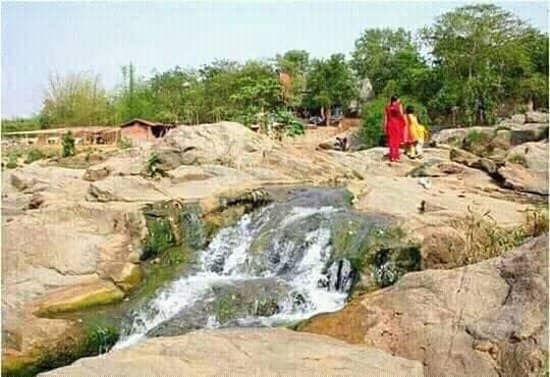
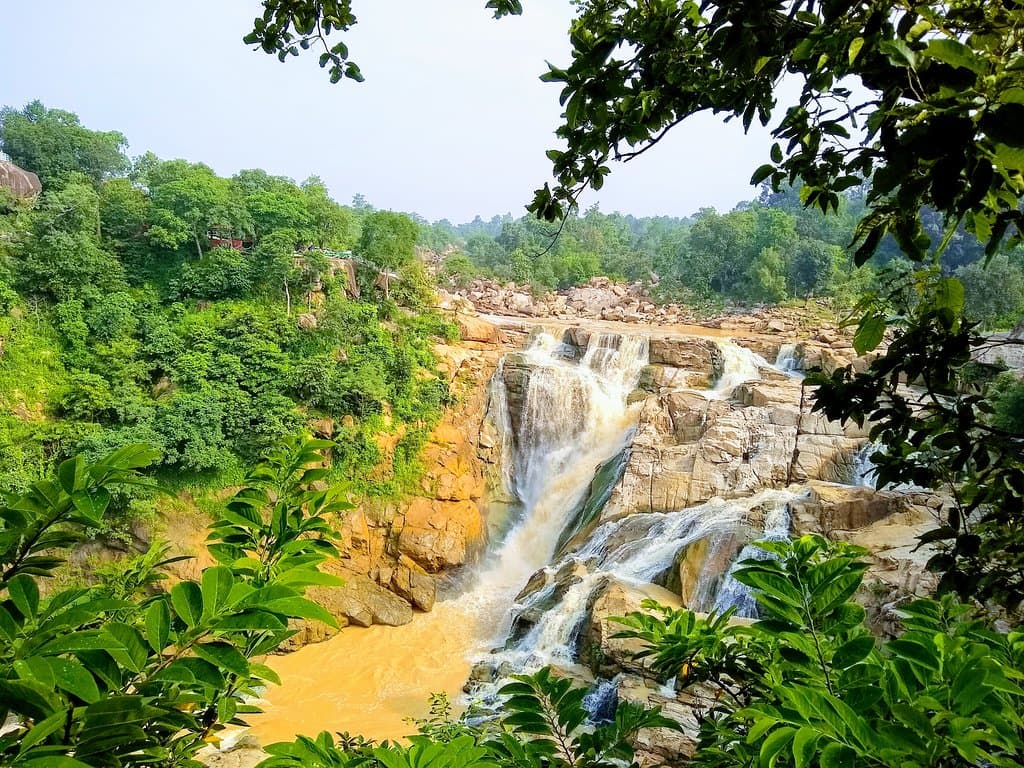
Confluence of Rivers
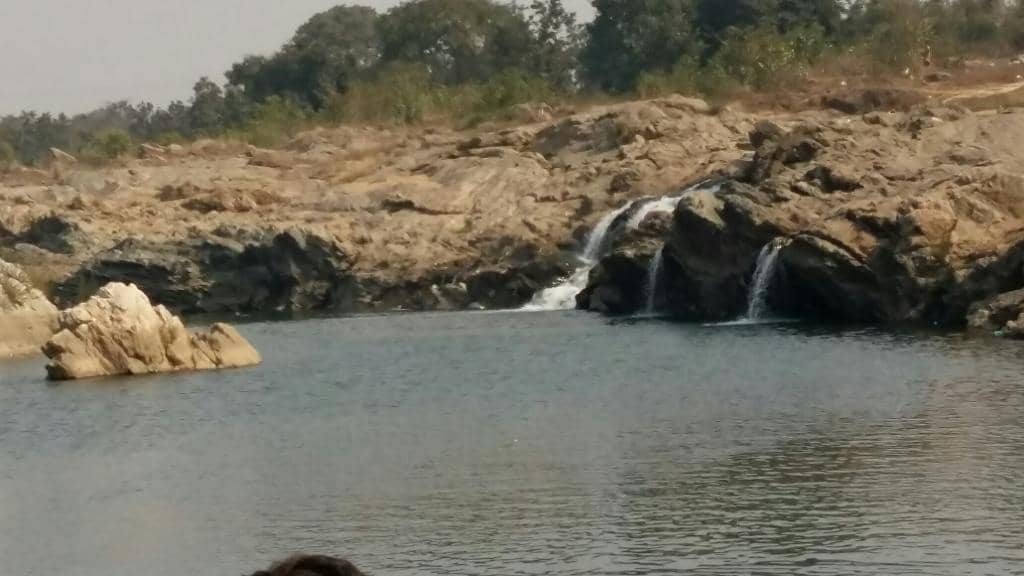
Near the Temple
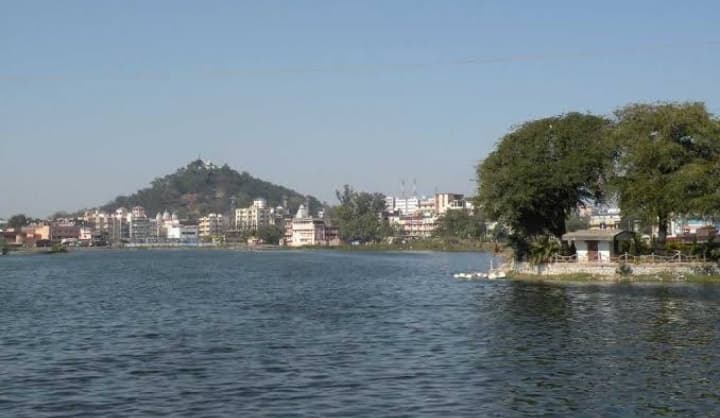
Experience the spiritual ambiance at the meeting point of the Damodar and Bhera (Vairabi) rivers.
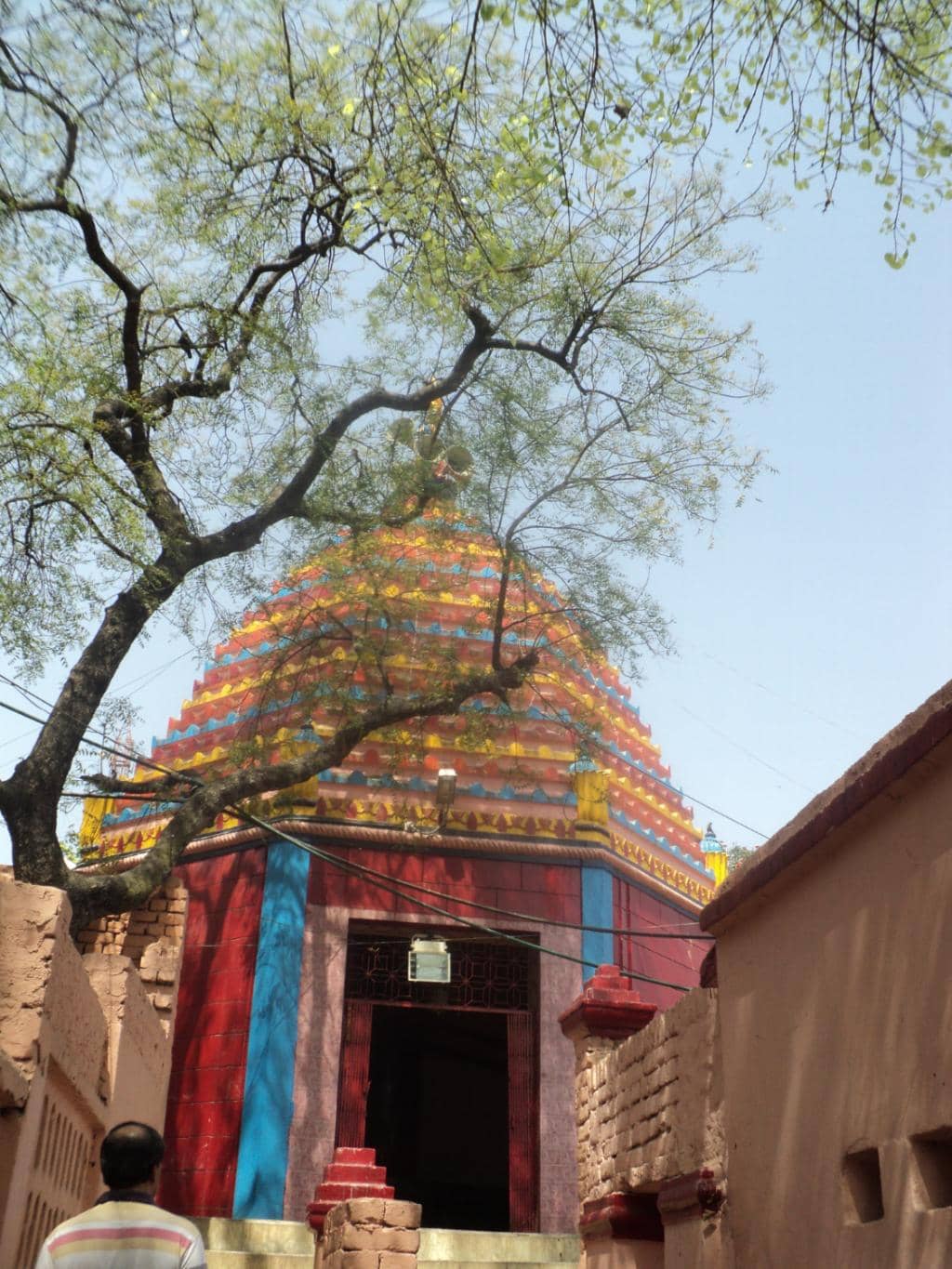
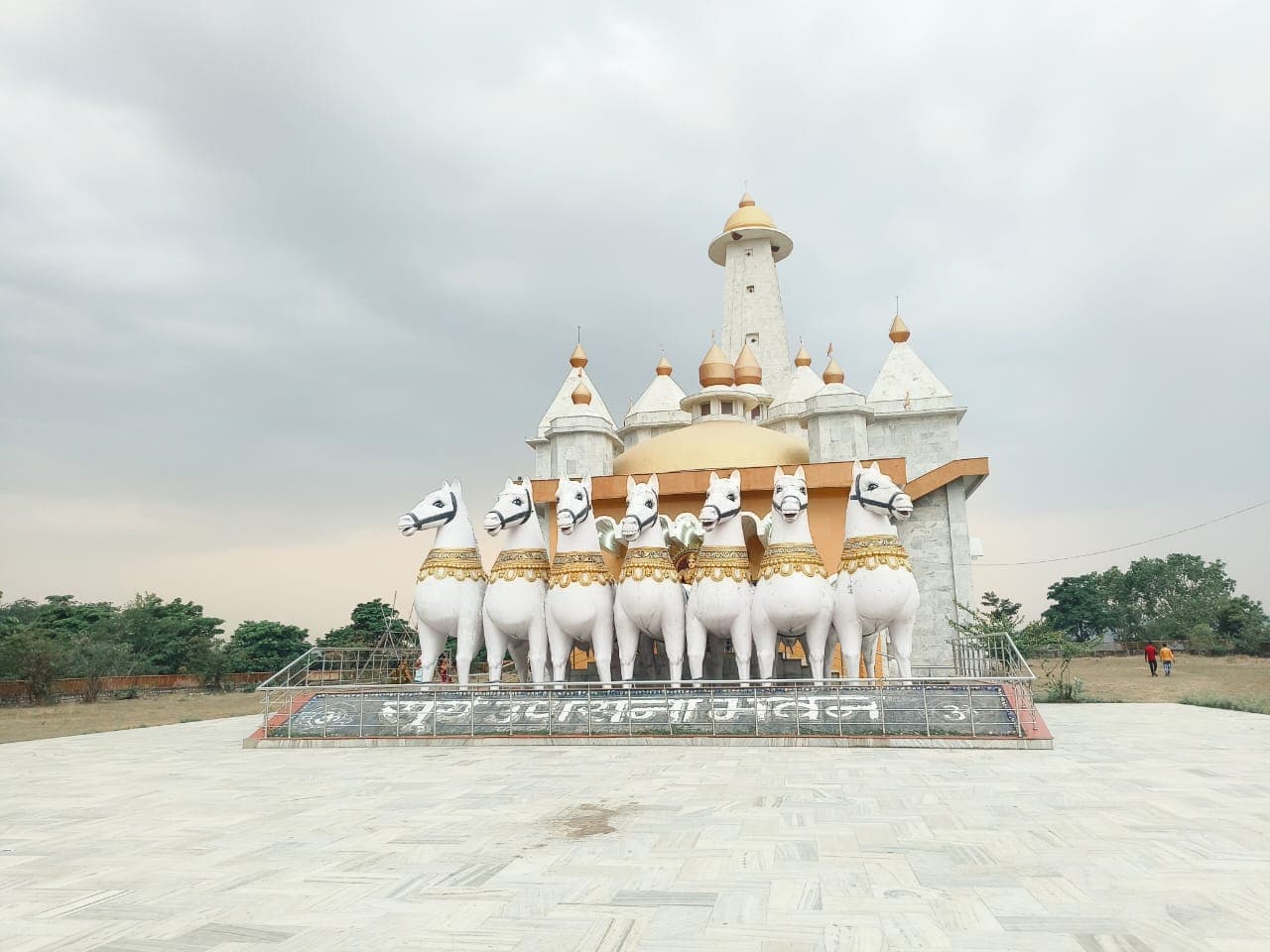
Tantric-Style Architecture
Temple Complex
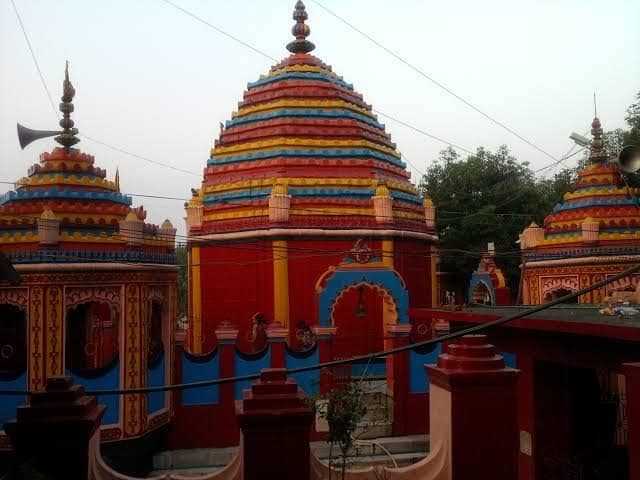
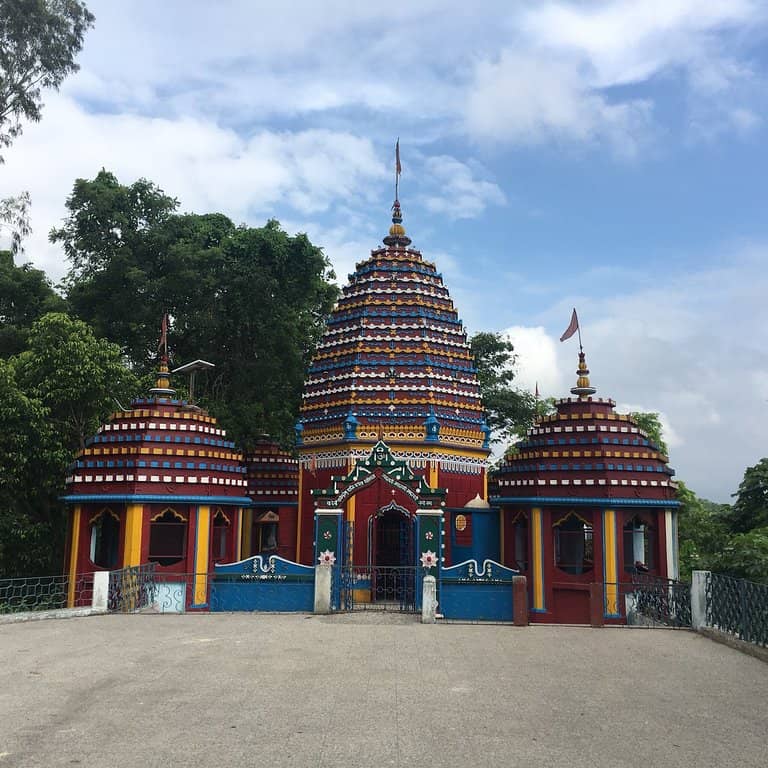
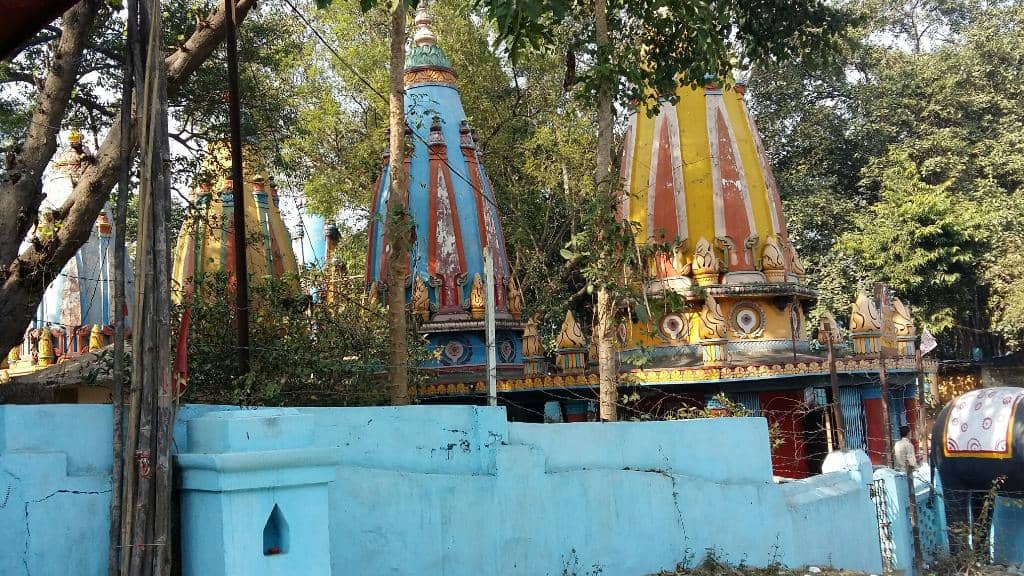
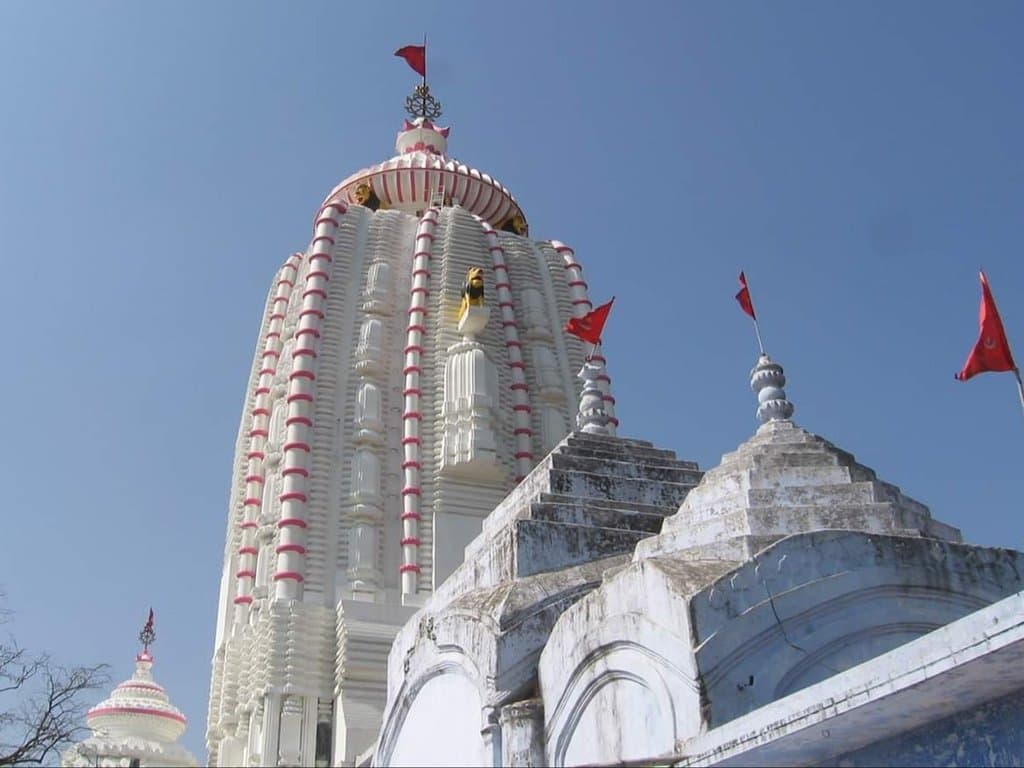
Admire the vibrant, multicolored Tantric-style design of the main temple structure.
Mundan Ceremony Site
Temple Premises
Observe or participate in the traditional 'mundan' ceremony for young children, a significant ritual here.
Plans like a pro.
Thinks like you
Planning Your Visit
Timing is Key for a Peaceful Visit
Respectful Attire and Local Customs
Best Times
Insider Tips
from TikTok, Instagram & Reddit
🎒 Carry Water & Snacks
Stay hydrated and energized, especially during warmer months. Limited facilities available.
🚫 Avoid Sundays & Holidays
Crowds can be overwhelming; opt for weekdays for a more peaceful pilgrimage.
👗 Dress Modestly
Traditional and formal attire is expected out of respect for the sacred site.
🐐 Be Aware of Animal Sacrifices
Goats are brought for sacrifice; there's no separate entrance for them.
Tips
from all over the internet
🎒 Carry Water & Snacks
Stay hydrated and energized, especially during warmer months. Limited facilities available.
🚫 Avoid Sundays & Holidays
Crowds can be overwhelming; opt for weekdays for a more peaceful pilgrimage.
👗 Dress Modestly
Traditional and formal attire is expected out of respect for the sacred site.
🐐 Be Aware of Animal Sacrifices
Goats are brought for sacrifice; there's no separate entrance for them.
🛍️ Try Local Sweets
Don't miss the famous 'paira' (milk and sugar sweet) before leaving.
What Travellers Say
Reviews Summary
Rajrappa Temple is a highly sacred pilgrimage site dedicated to Devi Chinnamasta, drawing devotees for its unique idol and spiritual significance. Visitors appreciate the natural beauty of the river confluence and the vibrant temple architecture. However, many note poor crowd management, especially on Sundays, making visits challenging with families.
"Today in the afternoon we along with my family visited the famous ancient Hindu Shrine Devi Chinnamasta temple at Rajrappa located at the confluence of Damodar and Vairabi river in the Ramgarh district of West Jharkhand. It's a very sacred pilgrimage place for Hindu religion and Hindu Religious devotees across the country. The entire ambience is serene and spiritual. The main attraction of this sacred place to get blissful darshan and blessings of Devi Chinnamasta and to watch the natural beauty of two flowing rivers. Before leaving this place one must not forget to buy the famous sweet called 'paira' made of pure milk and sugar, being a tasty and healthy savour."
Sasanka Sekhar Adhikary
"Make-sure you carry water, and please don’t go on Sunday mostly on holidays and ,if than make sure you come early around 5 am."
RiRi Shaw
"Maa Chinnamasta Mandir in Rajrappa is a prominent Hindu pilgrimage site in Jharkhand, India, dedicated to the headless goddess Chinnamasta. Located in the Ramgarh district, this temple is situated at the confluence of the Damodar and Bhera rivers. A key feature is the idol of the goddess standing on the bodies of Kamdev and Rati on a lotus bed. The temple draws devotees daily from Jharkhand and neighboring states, and it is considered a significant Shakti Peeth.
Key Information:
Location: Rajrappa, Ramgarh district, Jharkhand, India.
Deity: Maa Chinnamasta (or Chinnamastika).
Significance: It is a major Hindu pilgrimage center and a revered Shakti Peeth.
Temple Complex: The main attraction is the headless statue of the goddess, a unique idol that stands over the bodies of Kamdev and Rati on a lotus.
Location of Rivers: The temple is situated at the confluence of the Damodar and Bhera rivers.
Visiting the Temple:
Dress Code: Visitors are expected to wear traditional and formal clothing.
Best Time to Visit: December is a good month, or the period from October to March offers a pleasant climate.
Architecture: The temple's architecture is noted for its Buddhist style.
Festivals: The most important festival is Vijayadashmi."
Soumit Chatterjee
What People Like
What People Dislike
Frequently Asked Questions
🚇 🗺️ Getting There
Rajrappa Temple is located in the Ramgarh district of Jharkhand. The nearest major railway station is in Ranchi or Bokaro. From there, you can hire a taxi or take a bus to reach Rajrappa. The journey offers scenic views of the Jharkhand landscape.
From Ranchi or Bokaro, taxis and local buses are readily available. The roads are generally motorable, but can be winding in some stretches. Plan your travel in advance, especially if coming from further away.
The temple is well-connected by road. If coming from Ranchi, you'll typically travel via NH 23 towards Ramgarh and then follow local signs to Rajrappa. Always use GPS or ask locals for the most current routes.
Yes, it's feasible to visit Rajrappa as a day trip from Ranchi or Bokaro. However, starting early is recommended to make the most of your visit and avoid rushing.
Accommodation facilities directly at Rajrappa are reported to be poor. It's advisable to stay in nearby towns like Ramgarh, Bokaro, or Ranchi and plan a day trip to the temple.
🎫 🎫 Tickets & Entry
There is generally no entry fee to visit the main temple complex. However, donations are welcome and appreciated by the temple authorities.
The temple is usually open from early morning (around 5 AM) until late evening. It's best to confirm exact timings upon arrival, as they can vary.
No, advance booking of tickets is not required for visiting Rajrappa Temple. It's a public pilgrimage site.
While the temple is open for long hours, the peak darshan times can have longer queues. Early morning visits are often less crowded.
Visitors are expected to wear traditional and formal clothing out of respect. Avoid revealing or casual attire.
🎫 🧭 Onsite Experience
The headless idol of Devi Chinnamasta is a unique representation in Hinduism, symbolizing self-sacrifice, life, and death. She is depicted holding her own severed head and drinking from the spurting blood.
The primary attraction is the unique idol of Devi Chinnamasta. Additionally, the confluence of the Damodar and Bherabi rivers, the Tantric-style architecture, and the 'mundan' ceremony site are significant.
While the temple is sacred, the crowd management can be poor, with people pushing. Visiting with elderly individuals or young children might be challenging during peak times. Early morning visits are advisable.
The 'mundan' is a ritualistic hair-shaving ceremony for children under two years old. Rajrappa Temple is considered an auspicious place for this ritual, with hundreds of families performing it here.
Yes, Rajrappa Mandir is a popular site for vehicle poojas, marriages, and other ritualistic traditions seeking the goddess's blessings.
🍽️ 🍽️ Food & Dining
Food options directly at the temple are limited. You might find small eateries selling local snacks. It's advisable to eat in Ramgarh, Bokaro, or Ranchi for a wider variety of dining choices.
Yes, the famous sweet called 'paira,' made of pure milk and sugar, is a must-try local delicacy available near the temple premises.
Basic vegetarian snacks and simple meals might be available at local stalls. For more extensive vegetarian options, it's better to dine in the larger towns.
Carrying water and some snacks is a good idea, especially if you plan to spend a few hours. This ensures you have refreshments readily available.
Local eateries typically operate during daytime hours. It's best to plan your meals around the temple visit, as options might close in the evening.
📸 📸 Photography
Photography inside the main sanctum of the temple might be restricted. It's advisable to check for specific signage or ask temple authorities before taking pictures.
The confluence of the Damodar and Bherabi rivers offers scenic views. The colorful Tantric-style architecture of the temple and the surrounding natural landscape are also good subjects.
Drone photography is generally not permitted at religious sites without prior official permission. It's best to avoid using drones to prevent any issues.
You can capture the unique idol, the river confluence, the vibrant temple architecture, and the spiritual atmosphere. Be respectful when photographing devotees.
A regular camera or smartphone is sufficient for capturing memories. Professional camera equipment might attract unnecessary attention or be subject to stricter rules.
Social
from TikTok, Instagram & Reddit