
Melukote Kalyani
A magnificent 12th-century stepped temple tank, blending Hoysala-Vijayanagara architecture with spiritual significance.
Highlights
Must-see attractions

Social
From TikTok & Reddit
Best Time
Golden hour light for photos
Melukote Kalyani
Best Time
Golden hour light for photos
Highlights
Must-see attractions
A magnificent 12th-century stepped temple tank, blending Hoysala-Vijayanagara architecture with spiritual significance.
"A photographer's paradise and a serene spot for reflection, steeped in history."

📸 Best for Photoshoots
A top spot for pre-wedding and couple shoots due to its scenic beauty.
💧 Water Levels Vary
During dry spells, you might see the 5 smaller tanks within the main Kalyani.

Quick Facts
Rating
5 · 9 reviews
Type
Hindu Temple
Highlights
Discover the most iconic attractions and experiences
The Grand Kalyani Tank
Main temple complex
A magnificent stepped tank with intricate pavilions, reflecting centuries of history and devotion.
Architectural Marvel
Surrounding the Kalyani
Admire the blend of Hoysala-Vijayanagara styles in the mantapas and steps.

Photographer's Paradise
Various vantage points
Ideal for pre-wedding shoots and capturing serene, timeless moments.
Plans like a pro.
Thinks like you
Planning Your Visit
Timing Your Visit for Tranquility
Photography & Respectful Exploration
Best Times
Insider Tips
from TikTok, Instagram & Reddit
📸 Best for Photoshoots
A top spot for pre-wedding and couple shoots due to its scenic beauty. 
💧 Water Levels Vary
During dry spells, you might see the 5 smaller tanks within the main Kalyani.
🙏 Respect Sacred Space
Dress modestly and be mindful of local customs as it's a religious site.
🚶♀️ Explore the Steps
Wander down the steps to appreciate the scale and architecture up close.
Tips
from all over the internet
📸 Best for Photoshoots
A top spot for pre-wedding and couple shoots due to its scenic beauty.
💧 Water Levels Vary
During dry spells, you might see the 5 smaller tanks within the main Kalyani.
🙏 Respect Sacred Space
Dress modestly and be mindful of local customs as it's a religious site.
🚶♀️ Explore the Steps
Wander down the steps to appreciate the scale and architecture up close.
🕰️ Historical Significance
Built by Hoysala kings, it served as a reservoir and ritual bathing spot.
What Travellers Say
Reviews Summary
Visitors praise the Melukote Kalyani for its stunning architecture and picturesque beauty, making it a prime spot for photoshoots. Its historical significance as a temple tank and reservoir adds to its charm. However, some note that water levels can be low during certain times, and it can get crowded on weekends.
"The Melukote Kalyani (Temple Tank) was built during the reign of the Hoysala kings, around the 12th century.
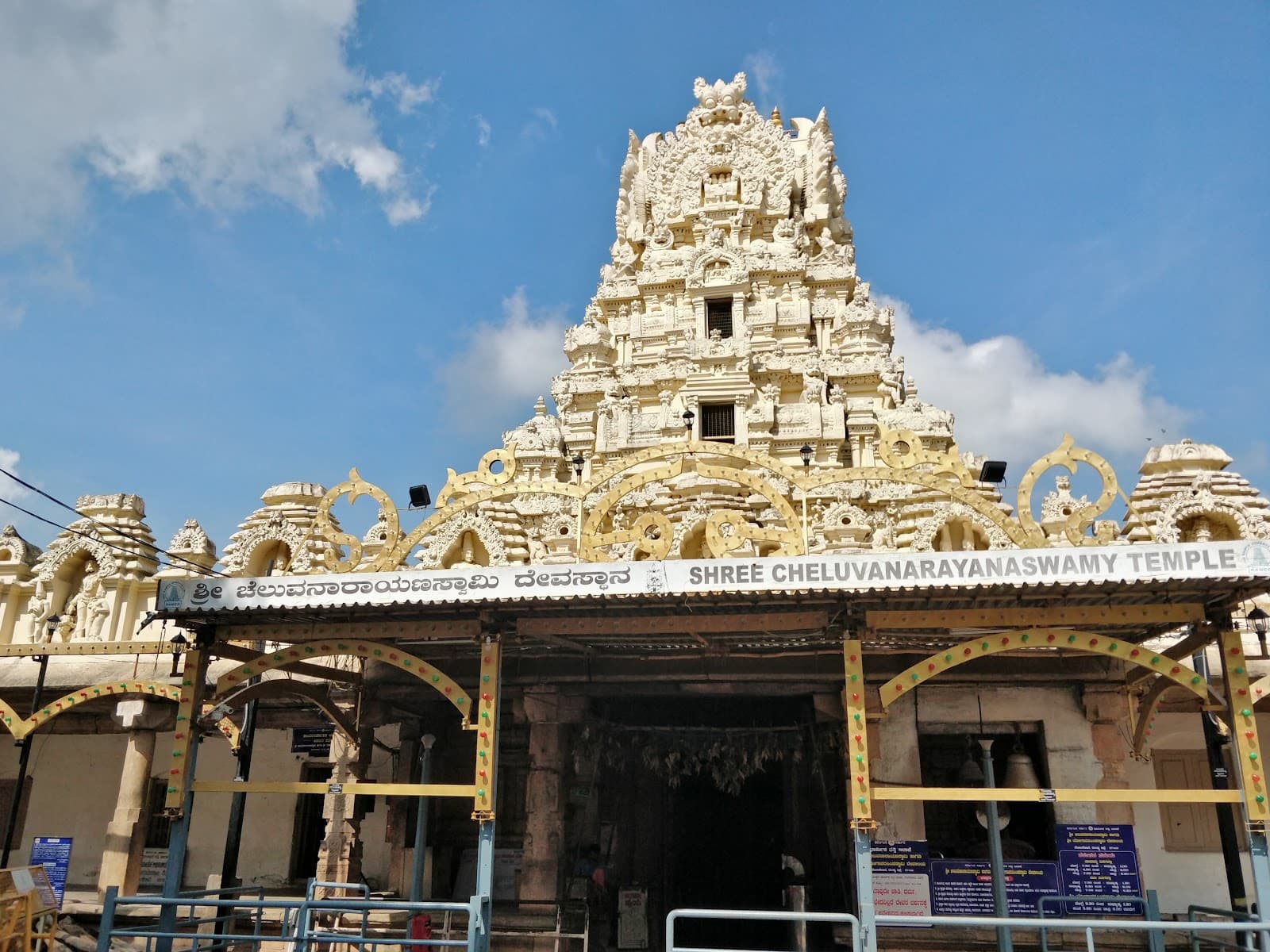
It is closely associated with the Cheluvanarayana Swamy Temple, which was richly patronized by the Hoysalas, Vijayanagara rulers, Wodeyars of Mysore, and later by local kings.
The stepped tank (Kalyani) with mantapas (pavilions) around it is a classic example of Hoysala-Vijayanagara architecture, blending utility, spirituality, and aesthetics.
It was not just for ritual bathing before temple darshan but also served as a water reservoir for the town.
It is Big Kalyani in melukote among 100+ kalyani's.
It contains 5 small tanks which can be seen ,when water level comes down.
Best place ever for photo shoot"
VARUN
"Nice place, visit one's place for photo shoots also"
Jaya Prakash
""
Darshan Cp
What People Like
What People Dislike
Frequently Asked Questions
🚇 🗺️ Getting There
Melukote is accessible by road from major cities like Bengaluru and Mysuru. You can hire a taxi or take a bus to Melukote town. The Kalyani is located within the temple complex.
Limited parking is usually available near the main temple complex. It's advisable to arrive early, especially on weekends, to secure a spot.
From Mysuru, you can take a bus or hire a taxi. The journey takes approximately 1.5 to 2 hours.
Melukote is a small town, and the Kalyani is a central landmark. Follow signs for the Cheluvanarayana Swamy Temple, and you'll find the Kalyani nearby.
Ride-sharing services might be available from larger nearby cities, but availability within Melukote itself can be limited. It's best to arrange transport in advance.
🎫 🎫 Tickets & Entry
There is typically no entry fee to visit the Melukote Kalyani itself. However, donations to the temple are always welcome.
The Kalyani is generally accessible during daylight hours, coinciding with the temple's visiting times. It's best to visit between sunrise and sunset.
No advance booking is required for the Kalyani. It's an open area within the temple premises.
Photography is generally allowed, but it's advisable to be respectful, especially during prayer times or if there are specific rituals. Avoid using flash photography inside the temple.
The stepped nature of the Kalyani might pose challenges for individuals with mobility issues. Access to the upper levels is generally easier.
📸 📸 Photography
Early mornings and late afternoons offer the best light for photography, with softer shadows and a golden hue.
Drone usage is generally restricted in and around religious sites. It's best to check local regulations before attempting to fly a drone.
The Kalyani is a very popular spot for pre-wedding, couple, and traditional Indian wedding photoshoots due to its picturesque setting.
Experiment with different angles from the steps, the surrounding mantapas, and the pathways leading to the Kalyani for varied perspectives.
A wide-angle lens is great for capturing the expanse of the Kalyani, while a telephoto lens can be useful for details. A tripod can help with low-light shots.
🎫 🏛️ History & Architecture
The Melukote Kalyani was built during the reign of the Hoysala kings, around the 12th century.
It's a classic example of Hoysala-Vijayanagara architecture, blending utility, spirituality, and aesthetics with its stepped design and mantapas.
It served as a water reservoir for the town and a place for ritual bathing before temple darshan.
Yes, Melukote has over 100 Kalyanis, including the 'Akka Thange Kola' (sisters' ponds) located below the Raaya Gopura.
It's closely associated with the Cheluvanarayana Swamy Temple and has been patronized by various dynasties throughout history.



Social
from TikTok, Instagram & Reddit