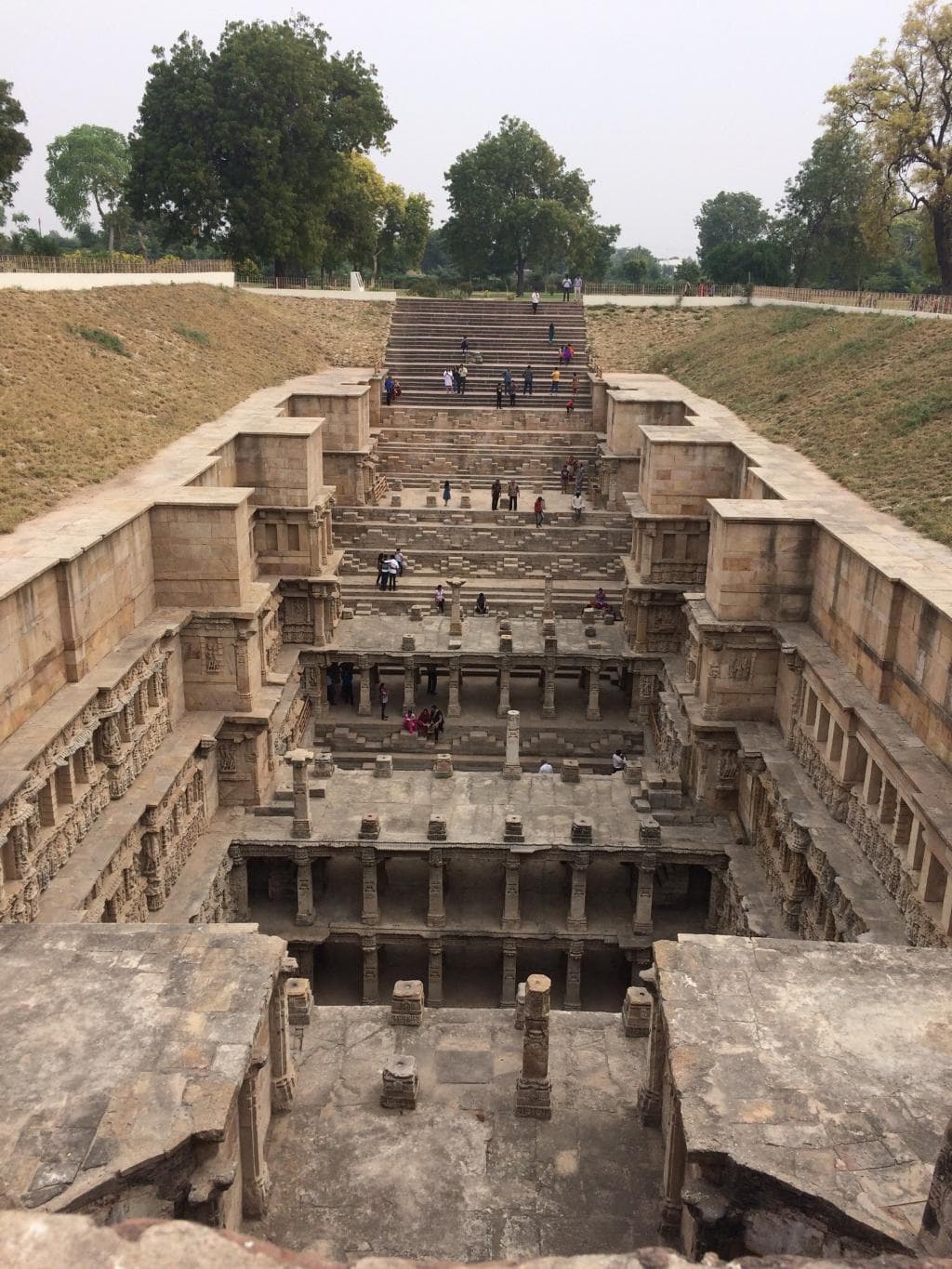
Patola Saree Making Unit Patan Gujarat
Discover the ancient art of double ikat weaving at the Patola Saree Making Unit, where threads are dyed before weaving to create timeless silk masterp...
Highlights
Must-see attractions

Social
From TikTok & Reddit
Best Time
Pleasant weather for exploring
Patola Saree Making Unit Patan Gujarat
Best Time
Pleasant weather for exploring
Highlights
Must-see attractions
Discover the ancient art of double ikat weaving at the Patola Saree Making Unit, where threads are dyed before weaving to create timeless silk masterpieces.
"A wonderful museum where they tell the history and how the world-famous Patola sari's are made."
🎯 Avoid Peak Summer Heat
Gujarat's heat is intense from March to July. Plan your visit during cooler months for a comfortable experience.
📸 Photography Restrictions
Be aware that photography might be restricted inside the making unit. Check rules upon arrival.
Quick Facts
Highlights
Discover the most iconic attractions and experiences
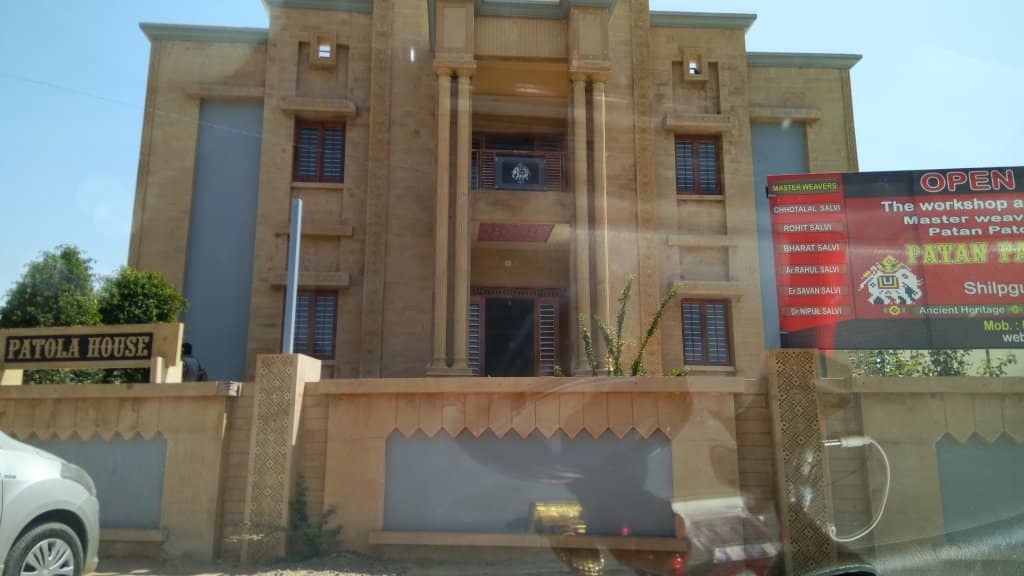
The Double Ikat Weaving Process
Patola Saree Making Unit
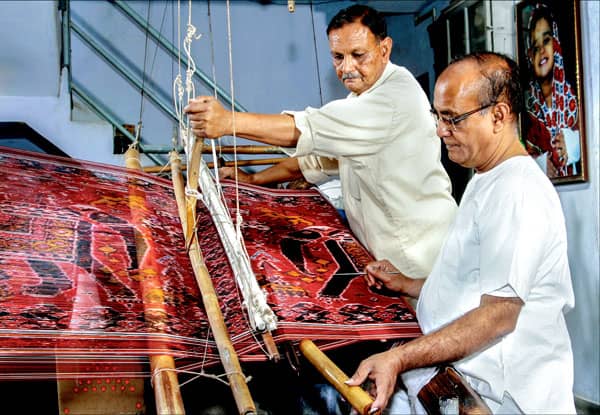
Witness the meticulous dyeing of silk threads and their intricate weaving to create stunning, complex designs.
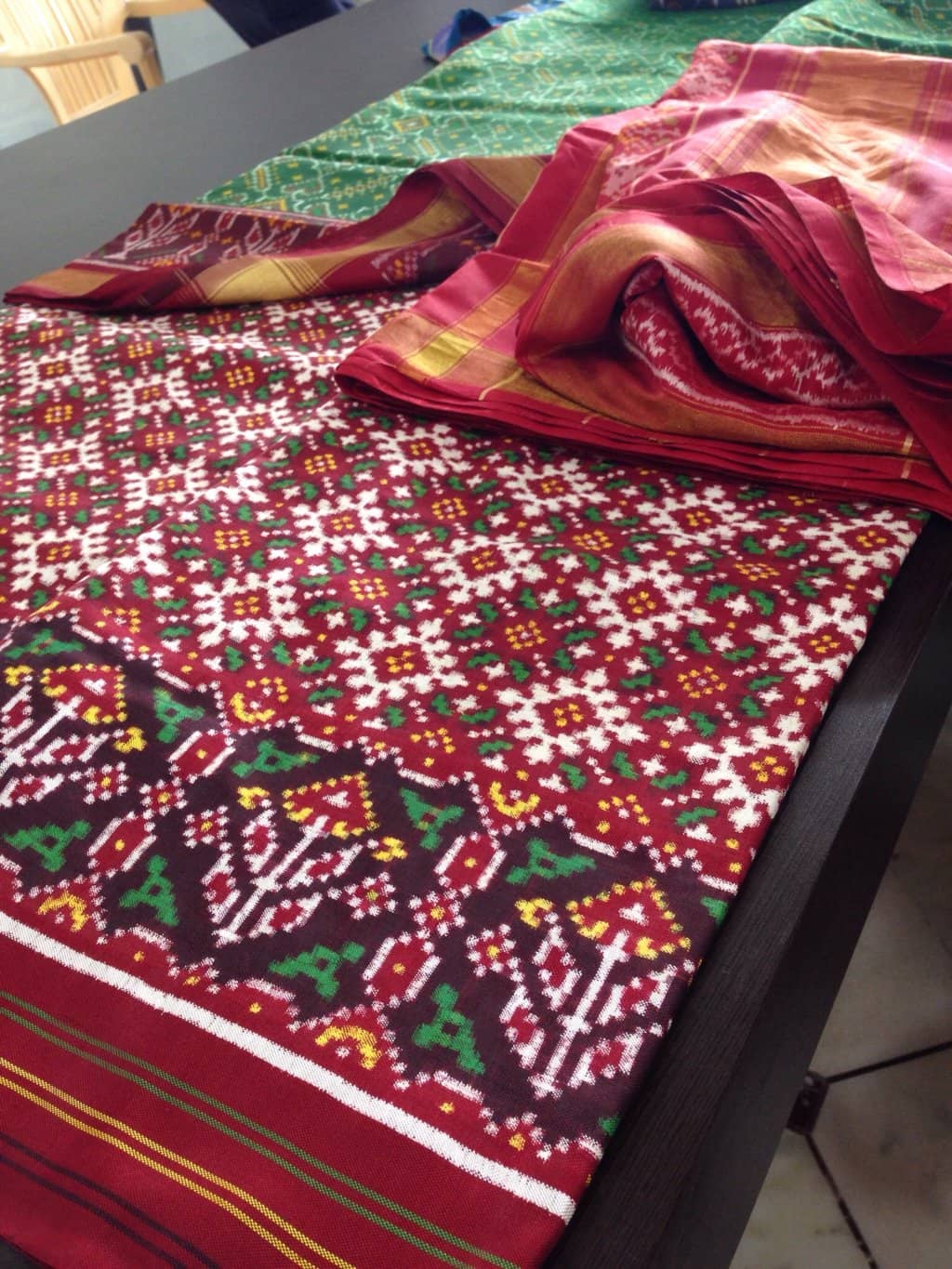
Timeless Patola Designs
Patola Saree Making Unit
Marvel at the vibrant colors and ancient patterns that have remained unfaded for centuries, a testament to traditional artistry.
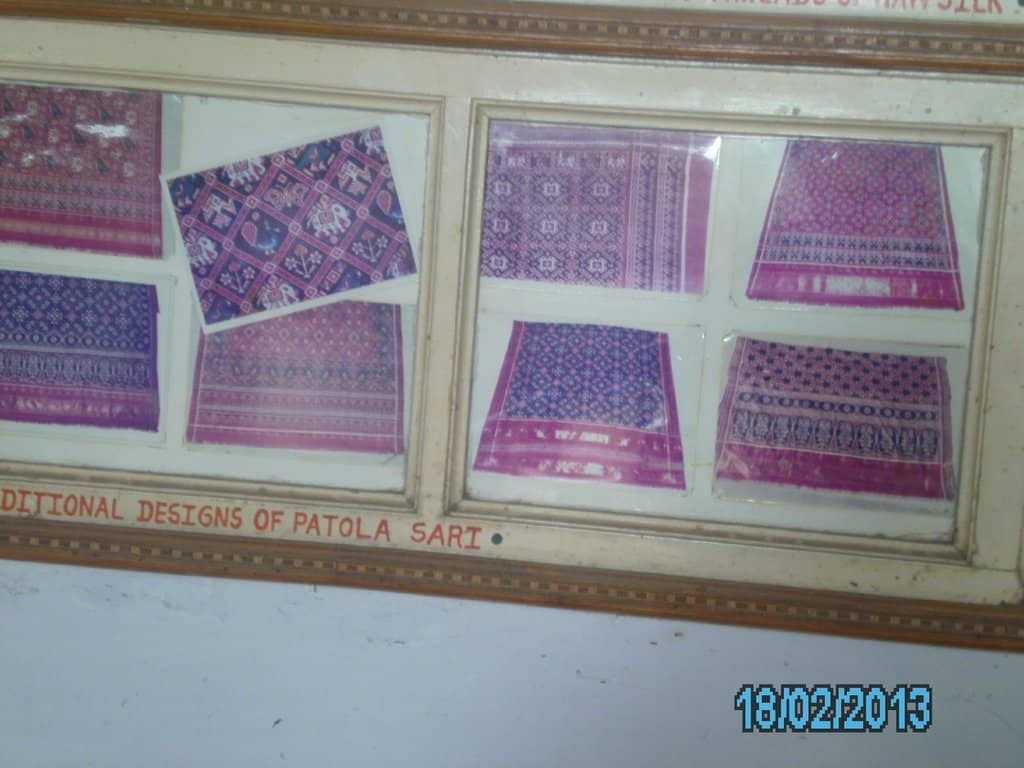
The History and Legacy
Patola Saree Making Unit
Learn about the 11th-century origins of this double ikat silk weave and its cultural significance in Gujarat.
Plans like a pro.
Thinks like you
Planning Your Visit
Timing is Everything for Patola
Understanding the Value of Patola
Best Times
Insider Tips
from TikTok, Instagram & Reddit
🎯 Avoid Peak Summer Heat
Gujarat's heat is intense from March to July. Plan your visit during cooler months for a comfortable experience.
📸 Photography Restrictions
Be aware that photography might be restricted inside the making unit. Check rules upon arrival.
💰 Understand the Value
Patola sarees are luxury items, with prices reflecting the months of intricate craftsmanship.
🗣️ Language of Presentation
The presentation inside the unit may be primarily in Hindi.
Tips
from all over the internet
🎯 Avoid Peak Summer Heat
Gujarat's heat is intense from March to July. Plan your visit during cooler months for a comfortable experience.
📸 Photography Restrictions
Be aware that photography might be restricted inside the making unit. Check rules upon arrival.
💰 Understand the Value
Patola sarees are luxury items, with prices reflecting the months of intricate craftsmanship.
🗣️ Language of Presentation
The presentation inside the unit may be primarily in Hindi.
✨ Experience the Heritage
This is a unique opportunity to see a centuries-old craft firsthand. Don't miss it!
What Travellers Say
Reviews Summary
Visitors praise the Patola Saree Making Unit for its insightful presentation of the intricate double ikat weaving process, offering a deep appreciation for the craftsmanship and history behind these valuable sarees. Some note that photography is restricted and the presentation may be in Hindi, but the overall experience is highly recommended for understanding this unique textile heritage.
"A very old uncle and another person explained the history of patola silks and showed the artistry behind the double ikkat patola design and it was quite amazing considering that this is a craft that is 10 centuries old. A must visit place even if you can most likely never afford patola. For the love of all things fabric."
Sreeja Mohandas
"ஆங்கிலத்தில் எழுதுவதற்கு மன்னிக்கவும்.
Do Not Travel to Gujarat from March to July, the heat is very very very High.
We were lucky enough to see this wonderful museum, in Patan, where they tell the history and how the world famous patola sari's are made.
There is a small entrance fee, and they take you through each and every process of how the wonderful, famous and costly patola saris are made.
Once you finish going around, one can understand how much effort goes into making one patola saree and how time consuming it is to make one patola saree.
The only negative we found was the entire presentation is in Hindi and they didn't allow us to take any photographs inside."
Kalyan Sundar
"Visiting Patan Patola Heritage was a truly memorable experience. I had been wanting to visit for many years, and finally managed to make it this time. It was amazing to witness how beautifully they are preserving this ancient art form with such dedication and love. The team explained every detail patiently — from the weaving process to the cultural significance behind it. I left with deep admiration for their work, feeling grateful and proud to be from Gujarat, India. 🇮🇳"
harprit parihar
What People Like
What People Dislike
Frequently Asked Questions
🚇 🗺️ Getting There
Patan is accessible by road and rail. You can hire a taxi or auto-rickshaw from Patan city to reach the Patola Saree Making Unit. Many visitors arrive from Ahmedabad, which is about a 3-4 hour drive away.
The nearest major cities to Patan are Ahmedabad and Mehsana. Ahmedabad is a significant hub with an international airport and major railway station, making it a common starting point for travel to Patan.
While local buses might run within Patan city, for direct access to the making unit, hiring a local taxi or auto-rickshaw is generally more convenient and recommended.
You can take a bus or hire a private taxi from Ahmedabad to Patan. The road journey offers scenic views of the Gujarat countryside.
The unit is a well-known landmark in Patan. Asking locals for directions to the 'Patola House' or 'Patola Saree Making Unit' will usually get you there easily.
🎫 🎫 Tickets & Entry
Yes, there is a small entrance fee to visit the Patola Saree Making Unit. This fee contributes to the preservation of this traditional craft.
The operating hours can vary, but it's generally open during daytime business hours. It's advisable to check locally or with your accommodation for the most current timings before your visit.
While the primary purpose is to showcase the making process, some units may have a section where you can purchase authentic Patola sarees or related items. 
Advance booking is typically not required for individual visitors. However, for larger groups, it might be beneficial to inquire about group tours or bookings.
Yes, photography is often restricted inside the making unit to protect the intricate processes and designs. It's best to confirm this upon arrival.
📸 📸 Photography
While photography inside the making unit might be restricted, you can capture beautiful images of finished Patola sarees in shops or at home. Look for vibrant displays and intricate details.
Focus on the intricate patterns and the rich texture of the silk. Close-ups of the weaving details and the vibrant colors are particularly striking.
Motifs like parrots, elephants, and floral designs are common and visually appealing. The 'Nari Kunjar' (woman and elephant) motif is also iconic.
Natural daylight is ideal for showcasing the true colors and intricate weave of Patola sarees. Avoid harsh direct sunlight that can wash out details.
If photography is permitted, focus on the hands of the artisans and the threads coming together. Capturing the precision is key.
🎫 🧵 Craftsmanship & History
The high cost is due to the extremely labor-intensive double ikat weaving technique, where both warp and weft threads are dyed before weaving. This process can take months for a single saree.
It can take anywhere from several months to over a year to create a single Patan Patola saree, depending on the complexity of the design.
Double ikat is a complex weaving method where both the warp and weft threads are resist-dyed before weaving. This allows for intricate patterns to emerge from the precise interlacing of the threads.
The Patan Patola weaving tradition dates back to the 11th century, with its earliest mentions found in religious texts.
Common motifs include parrots, elephants, flowers, peacocks, and geometric patterns. The 'Nari Kunjar' and 'Pala' (flower) motifs are particularly famous.


Social
from TikTok, Instagram & Reddit