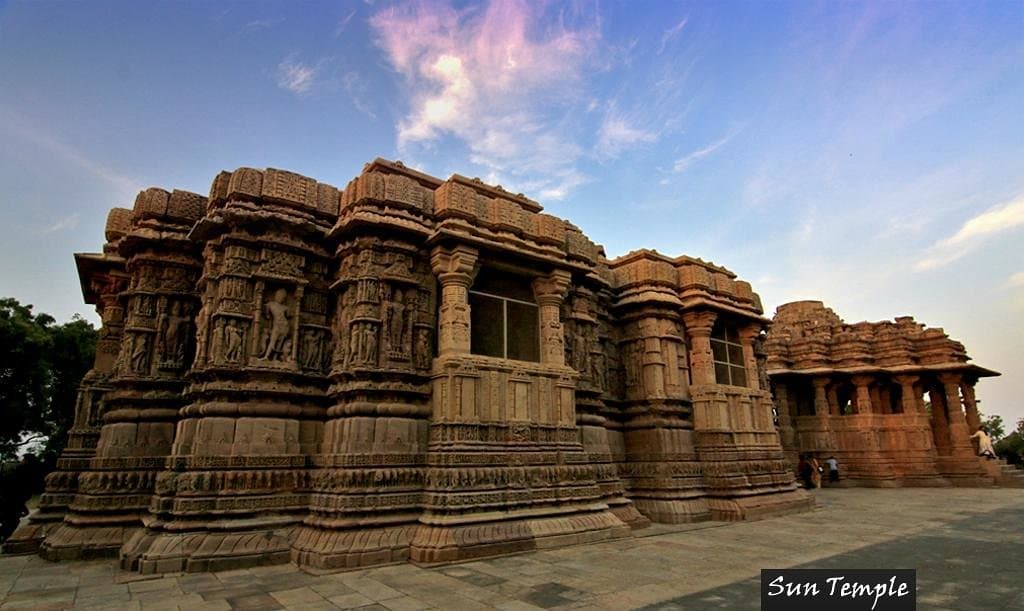
Rani ki Vav Patan
A UNESCO World Heritage stepwell, Rani ki Vav is an architectural marvel with intricate carvings, built as a memorial to a queen.
Highlights
Must-see attractions

Social
From TikTok & Reddit
Best Time
Fewer crowds, better light
Rani ki Vav Patan
Best Time
Fewer crowds, better light
Highlights
Must-see attractions
A UNESCO World Heritage stepwell, Rani ki Vav is an architectural marvel with intricate carvings, built as a memorial to a queen.
"A masterpiece of ancient craftsmanship! Absolutely breathtaking – every pillar and sculpture tells a story."
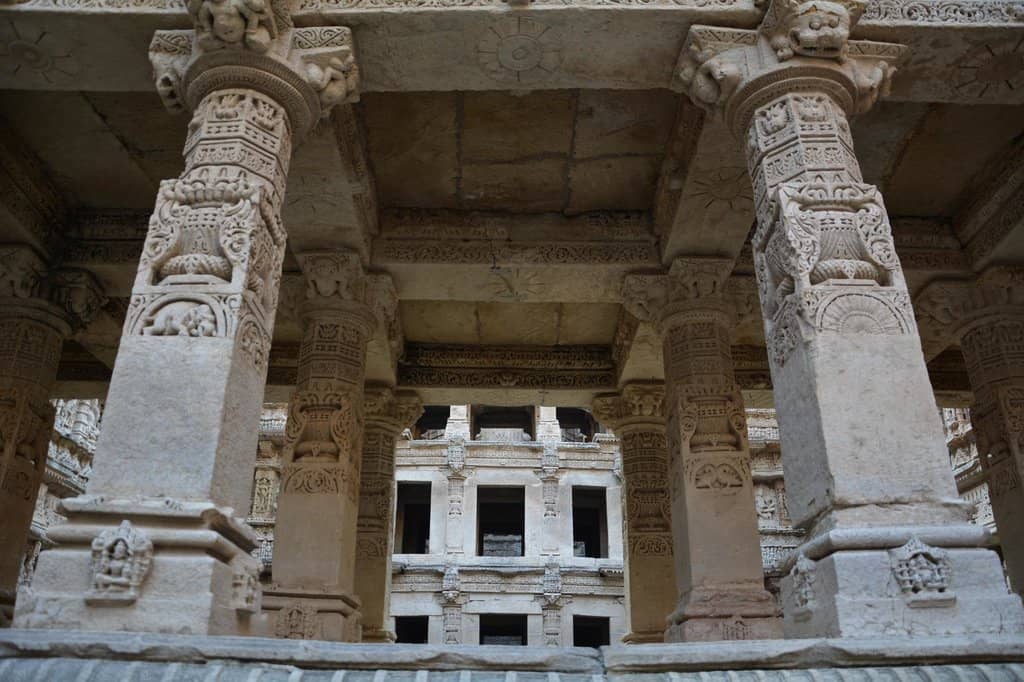
📸 Photography Paradise
Capture stunning shots of the intricate carvings and architectural details. Early mornings offer the best light and fewer crowds .
👟 Wear Comfortable Shoes
You'll be doing a lot of walking and descending stairs. Comfortable footwear is essential for exploring the entire stepwell .
Quick Facts
Hours
Rating
4.7 · 25,713 reviews
Type
Historical Place
Highlights
Discover the most iconic attractions and experiences
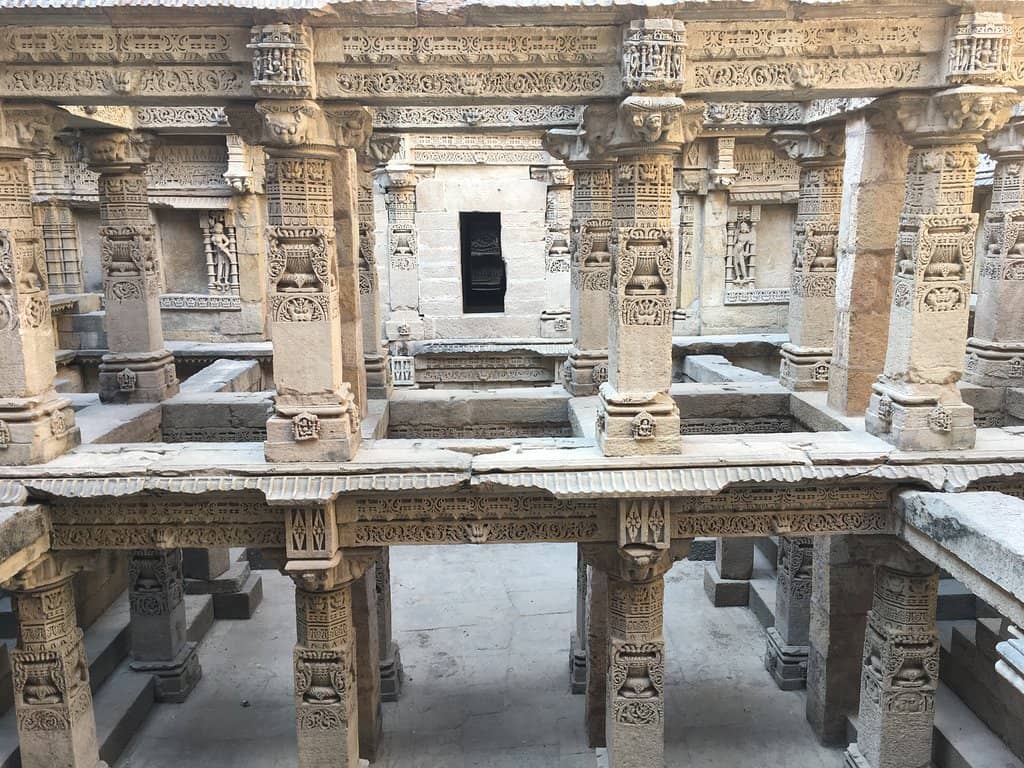
The Seven Levels of Intricate Carvings
The entire stepwell structure
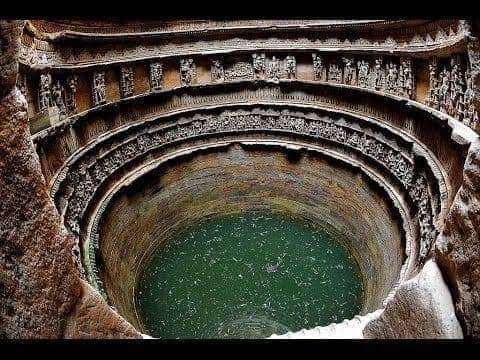
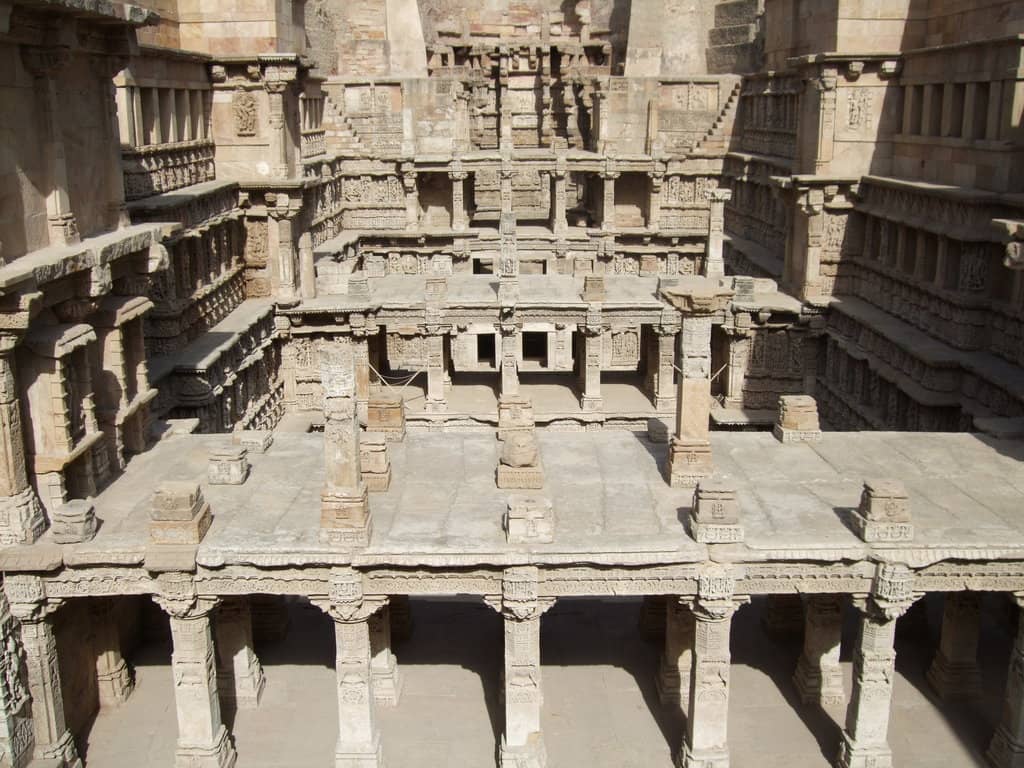
Descend through seven stories of exquisite sculptures, each level revealing detailed carvings of deities, apsaras, and mythological scenes.
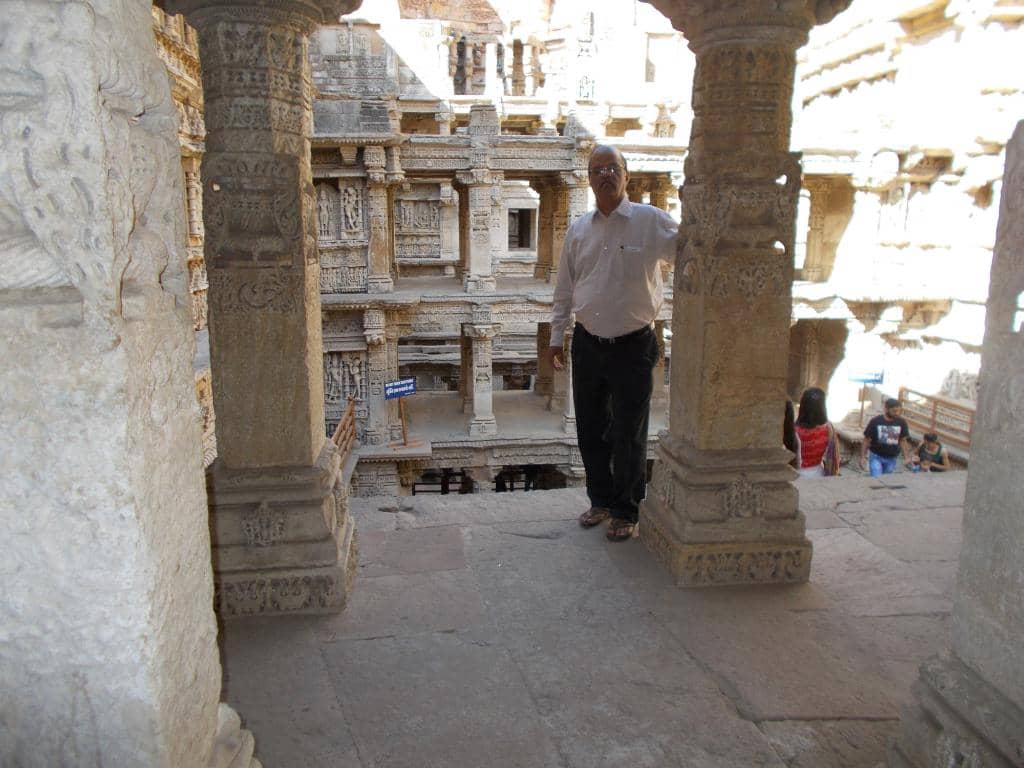
The Queen's Memorial
The main structure
Built in the 11th century by Queen Udayamati, this stepwell is a stunning memorial, showcasing incredible craftsmanship and historical significance.
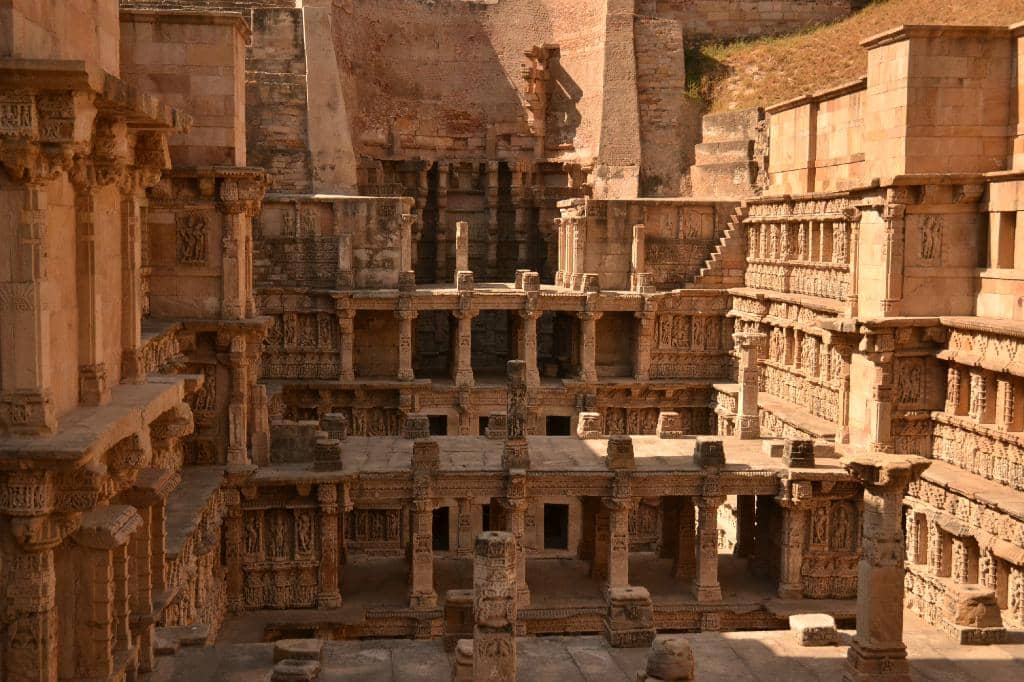
Sculptures of Deities and Daily Life
Inner walls of the stepwell
Marvel at over 800 sculptures, including depictions of the Dasavataras, sages, and scenes from everyday life, offering a glimpse into ancient Indian culture.
Plans like a pro.
Thinks like you
Planning Your Visit
Plan Your Visit to Rani ki Vav
Understanding the Stepwell's Significance

Best Times
Insider Tips
from TikTok, Instagram & Reddit
📸 Photography Paradise
Capture stunning shots of the intricate carvings and architectural details. Early mornings offer the best light and fewer crowds.
👟 Wear Comfortable Shoes
You'll be doing a lot of walking and descending stairs. Comfortable footwear is essential for exploring the entire stepwell.
💧 Stay Hydrated
Especially during warmer months, carry water. While it's a stepwell, direct drinking water access might be limited.
💡 Learn the History
Read up on its history or hire a guide to truly appreciate the stories behind the sculptures.
Tips
from all over the internet
📸 Photography Paradise
Capture stunning shots of the intricate carvings and architectural details. Early mornings offer the best light and fewer crowds.
👟 Wear Comfortable Shoes
You'll be doing a lot of walking and descending stairs. Comfortable footwear is essential for exploring the entire stepwell.
💧 Stay Hydrated
Especially during warmer months, carry water. While it's a stepwell, direct drinking water access might be limited.
💡 Learn the History
Read up on its history or hire a guide to truly appreciate the stories behind the sculptures.
💯 On the ₹100 Note
Spot the iconic image of Rani ki Vav on the reverse of the Indian ₹100 banknote – a testament to its national importance.
What Travellers Say
Reviews Summary
Visitors consistently praise Rani ki Vav for its breathtaking architecture and intricate stone carvings, calling it a masterpiece of ancient craftsmanship. The site's historical significance and well-maintained condition are frequently highlighted, making it a must-visit for history and photography lovers. Some reviewers noted that while the monument itself is excellent, the surrounding city could benefit from improved cleanliness and tourist facilities.
"Rani ki Vav is an amazing World Heritage site. The sculptures are truly unbelievable — every carving reflects the incredible craftsmanship of Gujarat’s medieval golden era under the Chalukya (Solanki) dynasty. It was built by Queen Udayamati in memory of King Bhimdev I, and it beautifully represents the artistic excellence of that period. I really admire the architectural beauty and historical value of this stepwell. However, the cleanliness could be improved to match the site’s importance. I sincerely request the managing authorities to take better care of it, as it represents the legacy of India and the pride of Gujarat."
CREATORS MIND
"Rani Ki Vav, located in Patan, Gujarat, is truly one of India’s most magnificent architectural treasures. This 11th-century stepwell, built by Queen Udayamati in memory of her husband King Bhima I of the Solanki dynasty, is not just a water storage structure—it’s a living testament to the artistic brilliance and devotion of that era.
The moment you descend the steps, the sheer scale and intricacy of the carvings leave you spellbound. Each level reveals a new layer of artistry, with over 500 principal sculptures and nearly 1,000 minor ones depicting gods, goddesses, celestial beings, and mythological themes. The detailing on every panel is astonishing—graceful apsaras, Vishnu’s avatars, and geometric patterns that showcase the height of craftsmanship.
Design-wise, it’s a perfect blend of aesthetic beauty and functional engineering. The stepwell not only stored water but also maintained a cool, serene environment—an example of ancient India’s sustainable architecture. At the deepest point lies a sanctum once dedicated to Lord Vishnu, symbolizing the connection between water and divinity.
Now a UNESCO World Heritage Site, Rani Ki Vav is exceptionally well maintained. The pathways, gardens, and information boards are thoughtfully organized, allowing visitors to appreciate both the history and artistry in peace.
Visiting during early morning or late afternoon offers the best lighting for photography, as the carvings come alive in the soft sunlight. The nearby museum further enriches the experience with historical context and artifacts.
Tip: Combine your visit with Modhera Sun Temple, about an hour away, for an unforgettable heritage trail showcasing the brilliance of the Solanki dynasty."
Praveen Vedha
"⭐ 1. Architectural Wonder:
Rani Ki Vav is one of the most beautiful stepwells I’ve ever seen! The detailing and carvings are absolutely breathtaking 😍. Every pillar and wall tells a story from ancient times.
⭐ 2. Historical Beauty:
Built during the Solanki dynasty, this UNESCO World Heritage Site truly reflects India’s glorious past 🏛️. The craftsmanship is so fine that it feels like walking through history itself.
⭐ 3. Clean & Well-Maintained:
The place is very neat and well-preserved 🌿. The Archaeological Survey of India has maintained it beautifully, keeping the ancient charm alive.
⭐ 4. Perfect for Photography:
A paradise for photography lovers 📸! Every angle gives a royal and artistic vibe — perfect for aesthetic clicks.
⭐ 5. Peaceful Ambience:
The surroundings are calm and filled with greenery 🌼. It’s a perfect place to spend a relaxing evening with family or friends.
⭐ 6. Must-Visit Place in Gujarat:
If you’re in Patan or nearby, Rani Ki Vav is a must-visit destination 💖. It’s not just a monument but a masterpiece that showcases the brilliance of ancient Indian art and architecture."
088_kruti patel
What People Like
What People Dislike
Frequently Asked Questions
🚇 🗺️ Getting There
Rani ki Vav is located in Patan, Gujarat. You can reach Patan by road from major cities like Ahmedabad (approx. 130 km) or Mehsana (approx. 35 km). Regular buses and taxis are available. The nearest railway station is in Patan itself, and the closest major airport is Sardar Vallabhbhai Patel International Airport in Ahmedabad.
Yes, Rani ki Vav is a prominent landmark in Patan and is well-signposted. Auto-rickshaws and local taxis can easily take you there from anywhere in the city.
Absolutely! Rani ki Vav makes for an excellent day trip from Ahmedabad. You can hire a car or take a bus. Combining it with a visit to Modhera Sun Temple is also a popular option.
The distance between Modhera Sun Temple and Rani ki Vav is about 35 km. Hiring a private taxi or car is the most convenient way to travel between these two sites, allowing you to explore at your own pace.
While direct public transport to the exact site might be limited, you can take a bus to Patan and then a local auto-rickshaw or taxi to Rani ki Vav. It's advisable to check local bus schedules in advance.
🎫 🎫 Tickets & Entry
As of recent information, the entry fee for Indian citizens is typically around ₹15-20, and for foreign nationals, it's around ₹250-300. It's always a good idea to check the latest official pricing upon arrival.
Rani ki Vav is generally open from morning to evening, typically from 8:00 AM to 6:00 PM. It's advisable to confirm the exact timings before your visit, as they can sometimes vary.
Advance booking is usually not required for Rani ki Vav. Tickets can be purchased at the ticket counter upon arrival. However, for group tours or special events, it might be beneficial to inquire.
While the main entrance and upper levels are generally accessible, the stepwell structure involves descending many stairs. Visitors with mobility issues might find it challenging to explore the lower levels fully.
Photography is generally allowed for personal use. However, tripods and professional photography equipment might require special permission. Always respect signage and guidelines provided at the site.
📸 📸 Photography
The entire stepwell offers incredible photographic opportunities. Focus on the intricate carvings on the walls, the symmetry of the steps, and the overall grandeur from different levels. The top offers a good overview.
Early morning or late afternoon provides the best natural light for photography, creating a warm glow on the stone carvings and reducing harsh shadows. It also helps avoid large crowds.
Drone usage is generally prohibited at historical monuments and UNESCO World Heritage sites to ensure preservation and visitor safety. It's best to assume drones are not allowed.
A wide-angle lens is great for capturing the scale of the stepwell. A macro lens can be useful for detailing the intricate sculptures. A good smartphone camera will also capture excellent images.
Look for the detailed sculptures of deities like Vishnu, the depictions of the ten avatars, and the beautiful Apsara figures. The repeating patterns of the steps and pillars are also visually striking.
🎫 🏛️ Onsite Experience
Explore the seven levels of the stepwell, admire the over 800 intricately carved sculptures, learn about its history as a water source and memorial, and enjoy the unique Maru-Gurjara architecture.
To fully appreciate the details and explore all levels, allocate at least 1.5 to 2 hours. If you're a photography enthusiast, you might want to spend even longer.
Yes, licensed guides are usually available at the site. Hiring a guide can significantly enhance your understanding of the history, mythology, and architectural nuances.
Typically, there is an information center or ticket counter where you can get basic information. The site itself is well-maintained with some informational signage.
Its designation as a UNESCO World Heritage Site recognizes its outstanding universal value, highlighting its exceptional architecture, historical importance, and cultural significance as a unique example of stepwell construction.
🍽️ 🍽️ Food & Dining
While there might be some basic snack vendors near the entrance, the immediate vicinity of Rani ki Vav doesn't have extensive dining options. You'll find more restaurants and cafes in Patan city.
Patan offers traditional Gujarati cuisine. Look for local eateries serving dishes like 'thepla', 'dhokla', 'khakhra', and various vegetarian thalis. It's a great place to experience authentic Gujarati flavors.
It's generally advisable to consume food and drinks outside the main heritage structure to help preserve the site. Water bottles are usually permitted, but check for specific rules.
Yes, Gujarati cuisine is predominantly vegetarian, so you'll find a wide array of delicious vegetarian dishes in Patan's restaurants and eateries.
Ask locals for recommendations for authentic Gujarati thali restaurants or popular snack joints in the city. Exploring the local markets can also lead to some hidden culinary gems.


Social
from TikTok, Instagram & Reddit