Phalgu River Banks Gaya
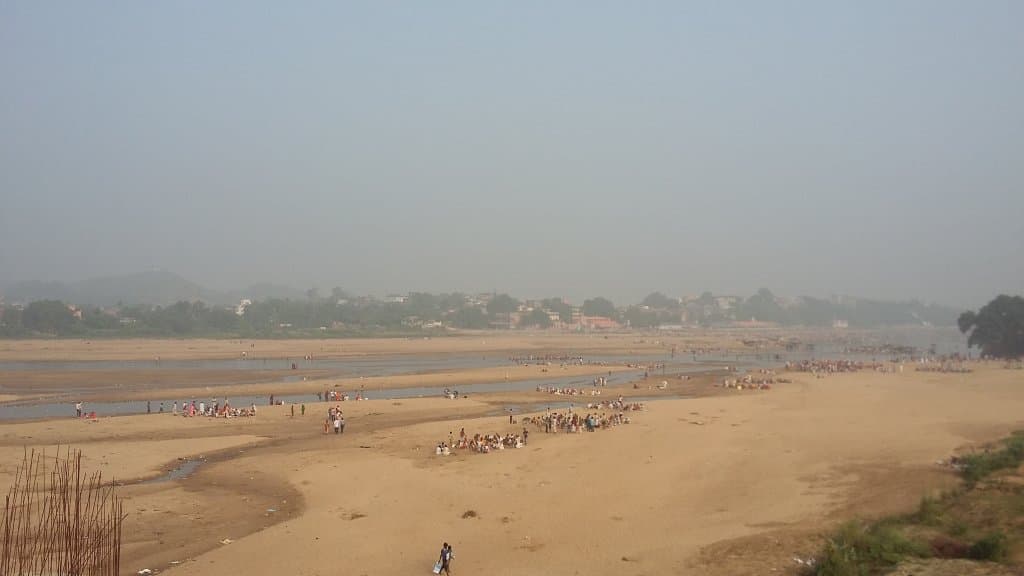
Sacred banks of the Phalgu River in Gaya, a vital site for Pinda Daan rituals and steeped in Hindu and Buddhist mythology.
Highlights
Must-see attractions

Social
From TikTok & Reddit
Best Time
Most auspicious for rituals
Phalgu River Banks Gaya
Best Time
Most auspicious for rituals
Highlights
Must-see attractions
Sacred banks of the Phalgu River in Gaya, a vital site for Pinda Daan rituals and steeped in Hindu and Buddhist mythology.
"A place of immense spiritual significance, where ancient legends meet devout pilgrimage."
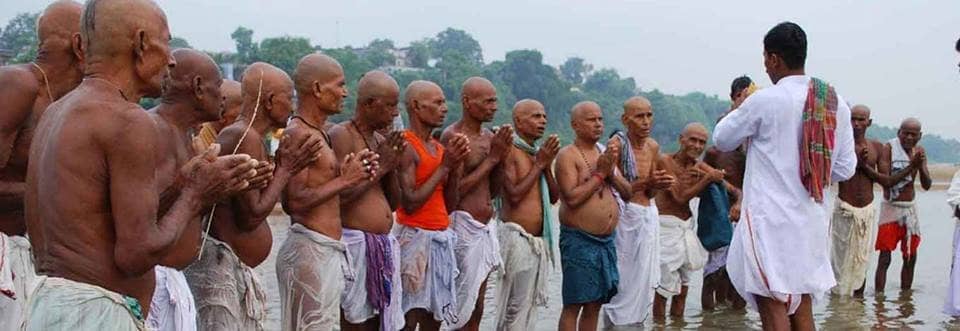
🙏 Pinda Daan Rituals
Perform Pinda Daan for ancestors' peace. Essential for pilgrims visiting Gaya.
💧 River is Mostly Dry
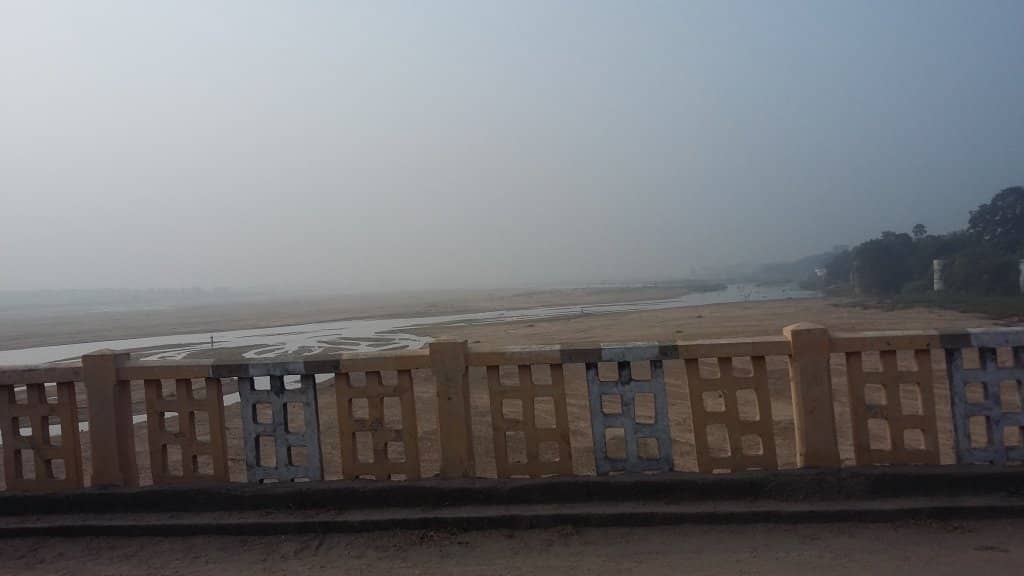
Don't expect a flowing river; its dryness is part of its legend.
Quick Facts
Rating
4.1 · 6,674 reviews
Type
Natural Feature
Address
Highlights
Discover the most iconic attractions and experiences
Vishnupad Temple
Gaya, Bihar
Dedicated to Lord Vishnu, believed to house his footprint. Crucial for Pinda Daan rituals.
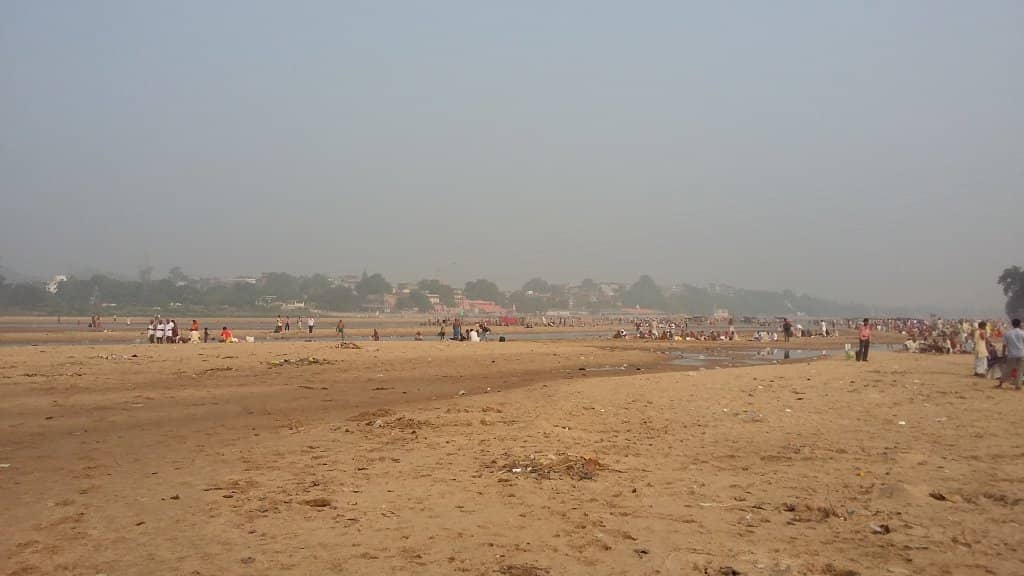
Sita's Offering Site
Phalgu River Banks
The legendary spot where Sita performed Pinda Daan for Dasharatha using sand.
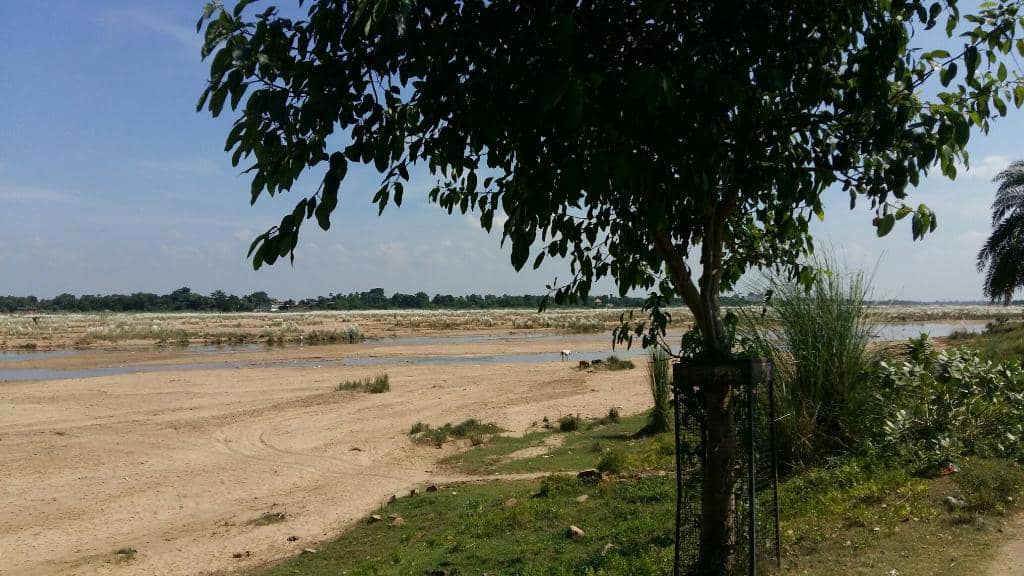
Dungeshwari Caves
Near Bodh Gaya
Caves on the Phalgu's banks, offering serene views and a connection to Buddha's asceticism.
Plans like a pro.
Thinks like you
Planning Your Visit
Timing Your Visit for Rituals

Understanding the River's State
Best Times
Insider Tips
from TikTok, Instagram & Reddit
🙏 Pinda Daan Rituals
Perform Pinda Daan for ancestors' peace. Essential for pilgrims visiting Gaya.
💧 River is Mostly Dry
Don't expect a flowing river; its dryness is part of its legend.
👟 Comfortable Footwear
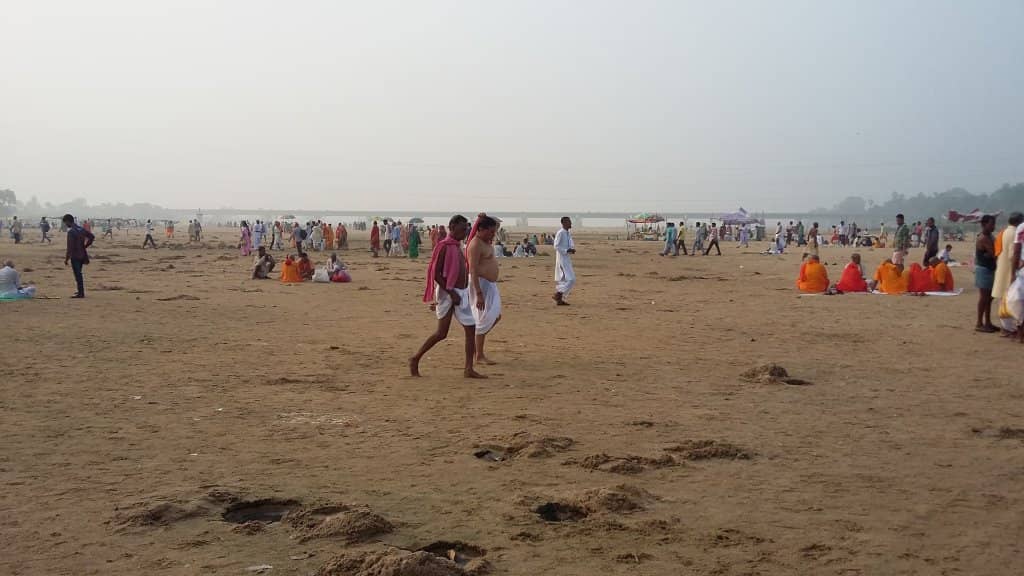
You'll be walking on sandy banks and temple grounds.
📸 Capture the Serenity
The rugged rocks and dry riverbed offer unique photo opportunities.
Tips
from all over the internet
🙏 Pinda Daan Rituals
Perform Pinda Daan for ancestors' peace. Essential for pilgrims visiting Gaya.
💧 River is Mostly Dry
Don't expect a flowing river; its dryness is part of its legend.
👟 Comfortable Footwear
You'll be walking on sandy banks and temple grounds.
📸 Capture the Serenity
The rugged rocks and dry riverbed offer unique photo opportunities.
🚗 Local Transport
Auto-rickshaws and taxis are readily available for local travel.
What Travellers Say
Reviews Summary
The Phalgu River banks in Gaya are revered for their deep spiritual significance, especially for Pinda Daan rituals at the Vishnupad Temple. While the river is predominantly dry, its mythological importance and the historical context of Sita's curse add to its allure. Visitors appreciate the sacred atmosphere and the connection to ancient legends, though the lack of water and potential for pollution are noted drawbacks.
"Falgu river is also known as Phalgu river located in Gaya City of Bihar State. Phalgu river is one of the most sacred reivers of India. The Phalgu river originates from the confluence of the Lilajan and the Mohana rivers in the Chatra district of Jharkhand. Both Lilajan and Mohan are two large parent hill streams of Phalgu River. It flows for a distance of approximately 170 km
before joining the river Ganges near Patna.
We have visited this river during our visit to Bodh Gaya temple. This river remains dry throughout the year except for a few days during the rainy season. There is belief that river had been cursed by Goddess Sita as the River lied about the Goddess to Lord Rama. Sita Maa cursed this river as River was witnessed Pinda Dhan what Sita Maa gave to Dasharatha Maharaj, but Falgu river lied when Rama came and ask. Hence Sita Maa cursed this river as "you will be always dry". The river was believed to be one of the major and longest river go the country but after being cursed by the goddess, got dried up.
Interesting Facts about River Falgu:
1. The river holds immense significance in Hindu mythology as it is believed to be where Lord Vishnu defeated the demon Gayasura.
2. The river is important for Buddhists as well. It is on the banks of this river that Prince Siddhartha Gautama practiced asceticism before attaining enlightenment under the banyan tree, which is today known as Bodhi Vriksha. It is also believed that the Buddha bathed in the Phalgu river before attaining enlightenment.
3. There are eleven ghats on the western bank of the river dedicated to bathing and performing religious rituals."
Surya Katakam
"Nice river but lacks water for a short period of time but is pollution free which is a great matter in this era.. It has a historical as well as religious value in many ways..as .Ram had pandyad of his father Dashrath.... And also..Lord Vishnu had assasinated Gayasur at the bank of falgu...it's really a historical river......"
SACHIN KUMAR
"Nearby areas of this river is nice to go and spend time especially in summer evenings.Locals say that there used to be some villages in some areas where river is flowing but floods washed away all. It's a sacred river for the people here."
Armaan Alam
What People Like
What People Dislike
Frequently Asked Questions
🚇 🗺️ Getting There
The nearest airport to Gaya is Gaya Airport (GAY), which has domestic flights. For international travelers, Netaji Subhas Chandra Bose International Airport (CCU) in Kolkata is a common option, followed by a train or flight to Gaya. From the airport, you can hire a taxi or auto-rickshaw to reach the Phalgu River banks.
From Bangalore, you can take a direct flight to Gaya Airport (GAY) if available, or fly to a major hub like Delhi or Kolkata and then take a connecting flight or train to Gaya. Trains are also an option, though they can be long. Once in Gaya, local transport will take you to the river.
Yes, auto-rickshaws and taxis are widely available in Gaya and can easily take you to the Phalgu River banks and nearby Vishnupad Temple. Negotiate fares beforehand.
Gaya Junction is a major railway station well-connected to various cities across India. From the Gaya railway station, you can easily hire a taxi or auto-rickshaw to reach the Phalgu River.
The roads leading to the Phalgu River banks are generally motorable, though they can be uneven in some parts, especially closer to the riverbed.
🎫 🎫 Tickets & Entry
No, there is no entry fee to visit the Phalgu River banks. It is a public area. However, if you plan to visit the Vishnupad Temple, there might be specific rules or small charges for certain facilities.
The Phalgu River banks are accessible at all times, as it's an open area. However, visiting during daylight hours is recommended for safety and better experience.
While the river banks are always accessible, specific auspicious timings for Pinda Daan rituals are often observed, especially during Pitru Paksha. It's advisable to consult with local priests for the best timings.
Generally, there is no fee for photography at the Phalgu River banks. However, some temples in the vicinity might have restrictions or charges for cameras.
Yes, visiting during Pitru Paksha is highly significant for performing rituals. Be prepared for large crowds during this period.
🎫 🧭 Onsite Experience
The Phalgu River is highly sacred in Hinduism, particularly for Pinda Daan rituals performed for the peace of ancestors' souls. It's believed that Lord Vishnu defeated the demon Gayasura here, and Sita performed Pinda Daan for Dasharatha. +1
The river is famously dry for most of the year due to a curse by Goddess Sita, who cursed it for not witnessing her Pinda Daan ceremony.
The most prominent attraction is the Vishnupad Temple. Other nearby sites include Dungeshwari Caves and the general spiritual ambiance of Gaya.
It is strongly advised not to swim in the Phalgu River. The water can be polluted, and the riverbed is often dry and uneven.
Dress modestly and respectfully, especially if you are visiting religious sites like the Vishnupad Temple. Comfortable walking shoes are recommended.
🍽️ 🍽️ Food & Dining
Yes, there are several local eateries and restaurants in Gaya town, offering traditional Bihari cuisine. You can find options ranging from street food stalls to more established restaurants.
Don't miss trying Litti Chokha, a popular Bihari dish. Other local specialties include Sattu Paratha and various sweets.
Gaya is a religious city, so vegetarian options are widely available in most restaurants and eateries.
You might find some local vendors selling snacks and beverages near the main access points to the river, especially during peak pilgrimage times.
It is generally not recommended to drink tap water. Stick to bottled water to avoid any health issues.
📸 📸 Photography
The rugged rock formations surrounding the dry riverbed, the Vishnupad Temple, and the general spiritual atmosphere offer great photographic opportunities. The Dungeshwari Caves also provide scenic views.
While photography is generally allowed at the river banks, some religious sites like the Vishnupad Temple may have specific rules regarding cameras inside the main sanctum. Always check for signage.
Early morning or late afternoon offers the best light for photography, creating a softer glow and fewer harsh shadows.
Drone usage might be restricted in religious areas and for privacy reasons. It's best to check local regulations before flying a drone.
A versatile lens (like a 24-70mm) is useful for capturing both landscapes and details. A wide-angle lens can be great for the expansive riverbed and surrounding rocks.





Social
from TikTok, Instagram & Reddit