Ratnagiri Buddhist Monastery Jajpur
Explore the 'Hill of Jewels,' a 5th-13th century Buddhist monastery complex with stunning sculptures and serene ruins.
Highlights
Must-see attractions

Social
From TikTok & Reddit
Best Time
Pleasant weather, fewer crowds
Ratnagiri Buddhist Monastery Jajpur
Best Time
Pleasant weather, fewer crowds
Highlights
Must-see attractions
Explore the 'Hill of Jewels,' a 5th-13th century Buddhist monastery complex with stunning sculptures and serene ruins.
"A must-visit for history lovers, archaeology enthusiasts, and spiritual travelers seeking ancient Indian heritage."
Carry Your Own Food
No good restaurants nearby. Pack snacks and water for your visit! 🍴
Explore the Diamond Triangle
Combine your visit with Lalitagiri & Udayagiri for a complete Buddhist heritage experience. :world_map:
Quick Facts
Highlights
Discover the most iconic attractions and experiences
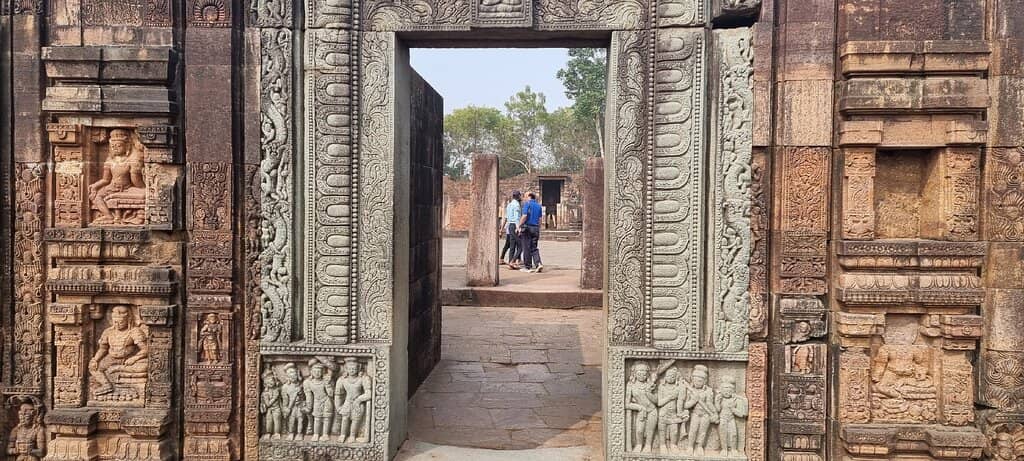
Monastery 1 Entrance
Main Monastery
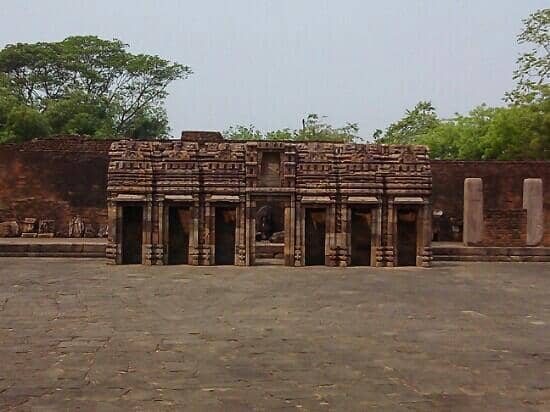
Marvel at the elaborately carved chlorite doorway, hailed as one of India's loveliest monastery entrances.
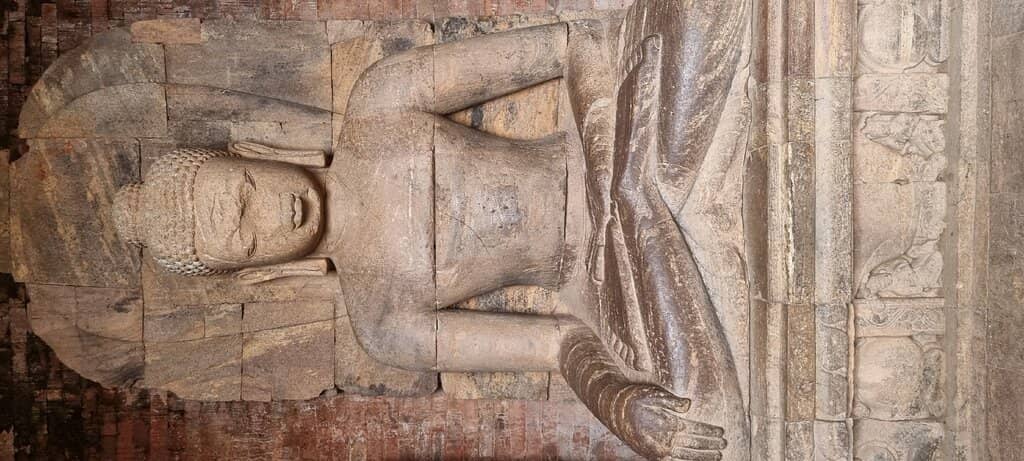
Buddha Heads
Monastery 1
Be mesmerized by the series of wonderfully carved Buddha heads lined up against the inner wall.
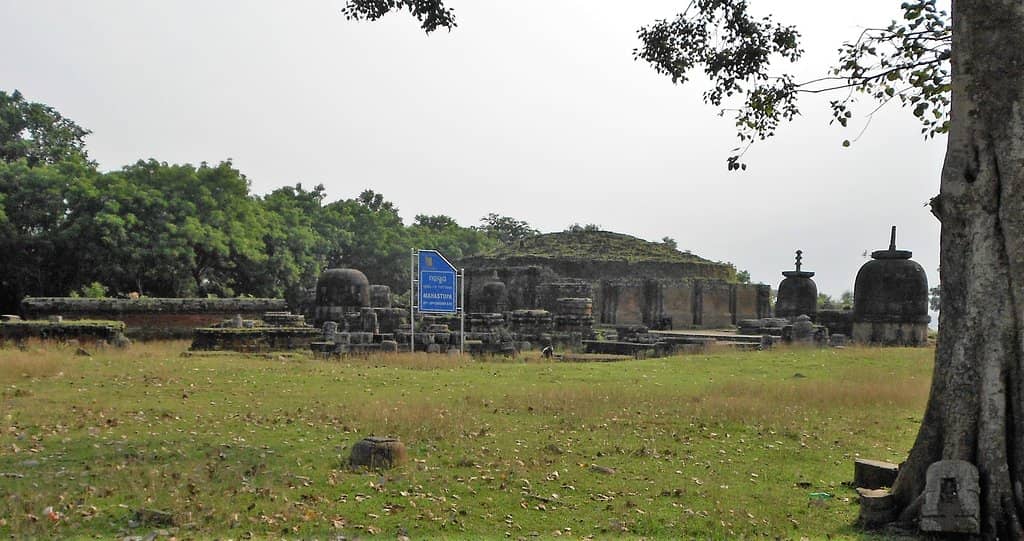
Main Stupa
Highest point of the site
Ascend to the 9th-century brick-built main stupa for panoramic views of the archaeological site.
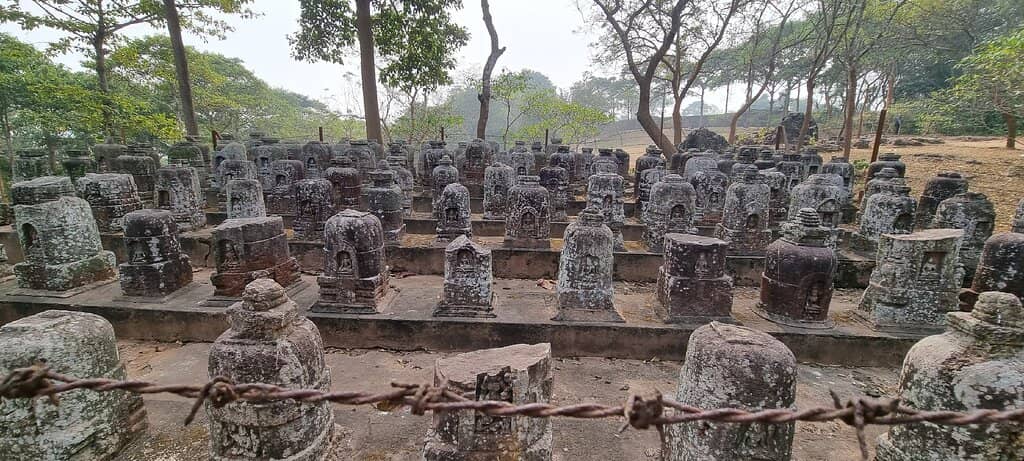
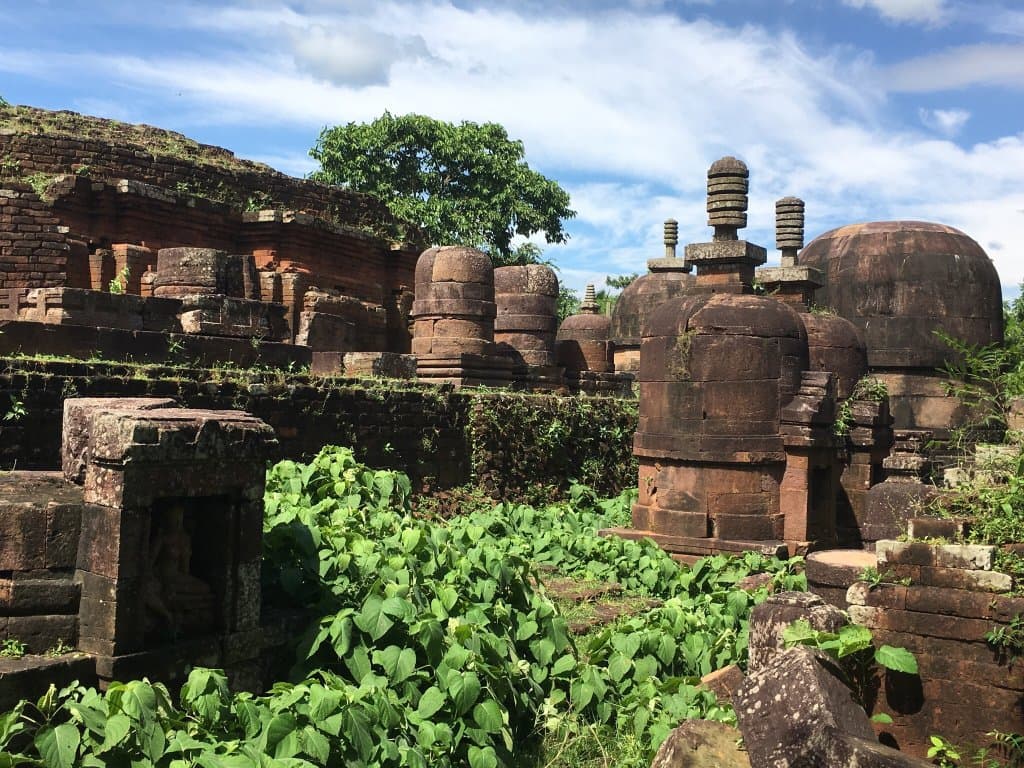
Votive Stupas
Entrance area
Explore the collection of votive stupas, organized in orderly lines, believed to commemorate pilgrims.
Plans like a pro.
Thinks like you
Planning Your Visit
Best Time to Visit
Getting There & Around
Best Times
Insider Tips
from TikTok, Instagram & Reddit
Carry Your Own Food
No good restaurants nearby. Pack snacks and water for your visit! 🍴
Explore the Diamond Triangle
Combine your visit with Lalitagiri & Udayagiri for a complete Buddhist heritage experience. :world_map:
Wear Comfortable Shoes
Lots of walking and uneven terrain. Comfortable footwear is a must! :athletic_shoe:
Respect the Ruins
Remember these are ancient sites. Admire from a distance and avoid touching delicate structures. 🙏
Tips
from all over the internet
Carry Your Own Food
No good restaurants nearby. Pack snacks and water for your visit! 🍴
Explore the Diamond Triangle
Combine your visit with Lalitagiri & Udayagiri for a complete Buddhist heritage experience. :world_map:
Wear Comfortable Shoes
Lots of walking and uneven terrain. Comfortable footwear is a must! :athletic_shoe:
Respect the Ruins
Remember these are ancient sites. Admire from a distance and avoid touching delicate structures. 🙏
Visit the On-site Museum
See fine examples of sculptures and antiquities unearthed during excavations. :museum:
What Travellers Say
Reviews Summary
Visitors praise Ratnagiri Buddhist Monastery for its historical significance, stunning sculptures, and serene atmosphere. Many highlight the intricate carvings, especially the Monastery 1 entrance and Buddha heads, as standout features. The site's role in Odisha's Buddhist heritage and its peaceful ambiance are frequently mentioned positives. However, the lack of nearby dining facilities and the uneven terrain are noted drawbacks.
"Ratnagiri Buddhist Archaeological Site – Odisha
Once the principle centre of Buddhism in Odisha, the superb Ratnagiri Buddhist Archaeological Site is located on a hill between the Brahmani and Birupa rivers, 100 km north-east of Bhubaneswar.
Together with Udayagiri and Lalitagiri, Ratnagiri completes a set of Buddhist centres in Odisha commonly known as the Diamond Triangle. All these sites have yet to be completely excavated, and with more than 200 Buddhist sites in Odisha alone I suspect the discovery of new sites is only a matter of time.
Buddhism flourished at Ratnagiri from the 5th century until the 12th century A.D, after which a slow decline culminated in the site being abandoned and becoming a ruin by the 16th century.
Very little was known about Ratnagiri until the 1960s, when major archaeological excavations were conducted by the ASI. Large quantities of extremely fine sculpture were uncovered, often considered the finest in terms of carved stone decoration to have survived anywhere in India. Many of these carvings have been removed to other museums across India, although a museum adjacent to the site houses some fine examples, as well as some examples still remaining broadly where they were unearthed.
The monuments that can be seen today at Ratnagiri consist of separate groups of stupas and monasteries connected by other smaller stupas and temples. My description below is likely to be the route you take through the site, click on any of the images to view them in a larger format.
Votive Stupas
Having paid the entrance fee, a short climb up the hill will take you to the first set of monuments, a collection of votive stupas that I imagine have been recovered from nearby and organised into orderly lines.
A barbed wire fence around the stupas prevents anyone from examining them in closer detail, which is a bit of a shame but perhaps this has been done in an attempt to protect them a little more.
These stupas are usually to commemorate visits by pilgrims or to gain spiritual benefits by those more closely associated with the monastery. They are almost always found at sites of prominent stupas which were regularly visited.
Monastery 1
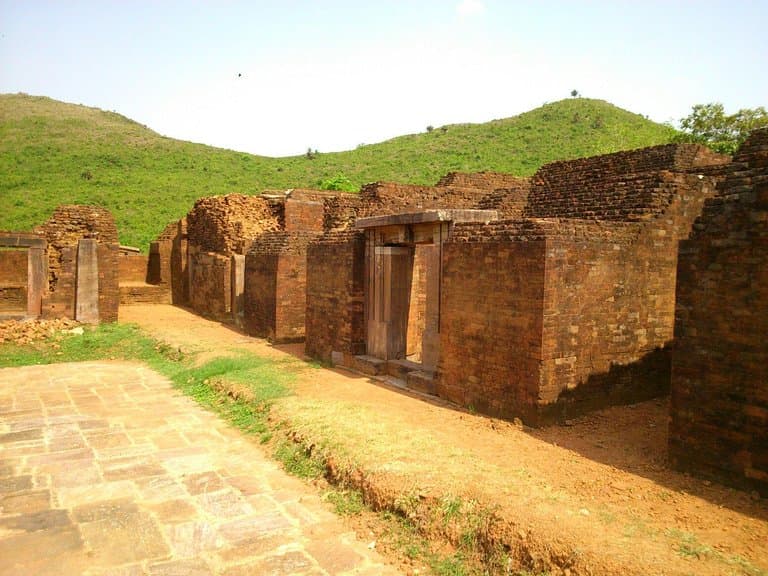
This is the largest and best preserved structure at the site that had at least two storeys although only the ground floor remains today. The main entrance is heralded by a wonderful elaborately carved chlorite doorway, often described as the loveliest entrance to a structural monastery in the whole of India.
The carvings on the doorway have delicate lotus ornaments with intricate scroll-work. Guardian figures are positioned beneath, with Lakshmi in the middle of the lintel.
The contrast of the bright green-blue Chlorite against the orange sandstone outer wall is stark, a memory that I know will stay with me forevermore.
Around the entrance are a number of large relief panels of standing figures, there were once many more here but they have since been removed elsewhere.
Having entered the monastery proper, be on the look out for a series of wonderfully carved Buddha heads lined up against the north-facing inner wall. To be fair, you’re hardly going to miss them, they are simply amazing.
Unusually, almost the entire ground floor of the monastery remains intact, there are even stairs leading up to the now missing upper floors. 24 cells still survive, the size of which perhaps suggests that they were occupied by more than one monk.
Monastery 2
Separated by a narrow passageway, Monastery 2 is immediately west of Monastery 1, is much smaller in size, and only has a ground floor.
Main Stupa
Situated on the highest point of the site, it’s a short walk from Monastery 2 up to the 9th century brick built main stupa.
Mahakala Temple
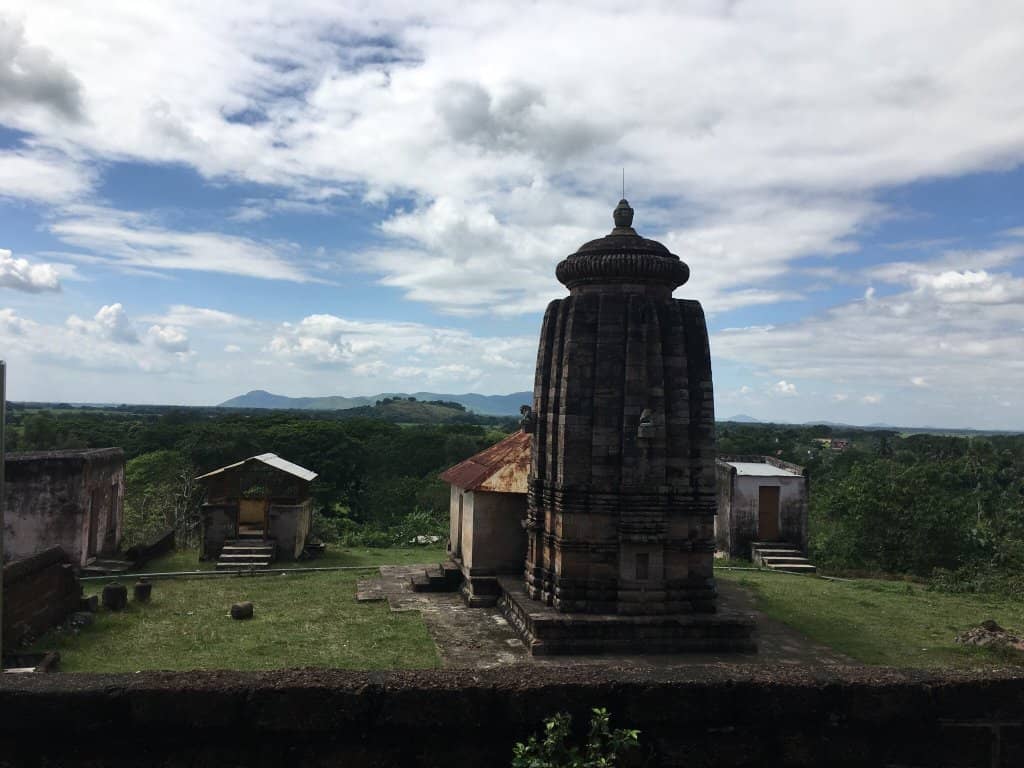
Further on beyond the main stupa a little way down the slope of the hill is the 15th century Mahakala Temple. This temple was originally built over the top of an earlier Buddhist stupa, and was relocated to the side of the site by the ASI between 1997 and 2004.
Monastery 3
Monastery 3 is located at the far north of the site."
Bal Bijay Gopal
"Such a beautiful place. You can see the Buddhists culture and history very clearly in this place."
Satyajit Swain
"Peaceful! Serene ! A must visit for history lovers!. The site houses remnants of the 6-7th century Buddhist monasteries!
ASI has done a fabulous job of restoring some of them. The name - ‘Ratnagiri’ - Hill of Jewels does justice to this site!"
TILAK NAYAK
What People Like
What People Dislike
Frequently Asked Questions
🚇 🗺️ Getting There
From Bhubaneswar, you can hire a taxi or take a bus towards Jajpur. Ratnagiri is about 100 km from Bhubaneswar. The journey typically takes 2-3 hours by road.
Yes, Cuttack is about 70 km away. You can hire a taxi or find local buses heading towards Jajpur. The travel time is around 1.5 to 2 hours.
While possible, it's a long day trip. Ratnagiri is approximately 130-140 km from Puri, so plan for an early start and a late return.
Ratnagiri is part of the 'Diamond Triangle' of Odisha, along with Lalitagiri and Udayagiri. These sites are close to each other and offer a comprehensive Buddhist heritage experience. 
Direct public transport to the monastery itself might be limited. It's best to reach Jajpur town and then arrange local transport like auto-rickshaws or taxis to the site.
🎫 🎫 Tickets & Entry
The archaeological site is generally open from sunrise to sunset. It's advisable to check with local authorities or the Archaeological Survey of India (ASI) for any specific timings or holiday closures.
Yes, there is a nominal entrance fee for Indian citizens and a slightly higher fee for foreign nationals. The fee helps in the maintenance of the site.
Currently, online ticket booking is not widely available for Ratnagiri. Tickets are typically purchased at the entrance counter upon arrival.
Photography is generally allowed for personal use, but professional photography or videography might require special permits. Avoid using flash inside enclosed structures.
The site has uneven terrain and stairs, which may pose challenges for visitors with mobility issues. It's recommended to contact the ASI for specific accessibility information.
🎫 🧭 Onsite Experience
Wear comfortable shoes and take your time to wander through the ruins. The site is spread out, so allow at least 2-3 hours to explore thoroughly.
Don't miss the elaborately carved entrance of Monastery 1, the striking Buddha heads, the Main Stupa, and the collection of votive stupas.
Official guides may be available at the entrance. Hiring a local guide can enhance your understanding of the history and significance of the ruins.
You'll find incredibly fine sculptures, including relief panels of standing figures, Buddha heads, and intricate carvings on doorways and stupas. Many were considered the finest in India.
Yes, archaeological excavations have been conducted and may still be ongoing in certain parts of the site, adding to its historical intrigue.
🍽️ 🍽️ Food & Dining
Unfortunately, there are no good restaurants or food stalls directly near the monastery. It's highly recommended to carry your own food and water.
Jajpur town offers local Odia cuisine. You can find dhabas and small eateries serving traditional dishes. It's best to eat before or after your visit to the monastery.
While there isn't a designated picnic area, you can find quiet spots to enjoy your packed meal. Ensure you clean up after yourself and dispose of waste properly.
📸 📸 Photography
The intricately carved Monastery 1 entrance, the Buddha heads, the Main Stupa with the surrounding landscape, and the votive stupas offer excellent photographic opportunities.
Early morning or late afternoon light provides softer, more dramatic lighting for photography, highlighting the textures of the ruins.
Drone usage is generally restricted at archaeological sites to protect the heritage and for security reasons. It's best to check with local authorities before flying a drone.
A wide-angle lens is useful for capturing the scale of the monasteries and stupas, while a prime lens can be good for detailed shots of sculptures.
Photography rules inside the museum may vary. Usually, personal photography is allowed, but flash photography might be prohibited to protect the artifacts.



Social
from TikTok, Instagram & Reddit