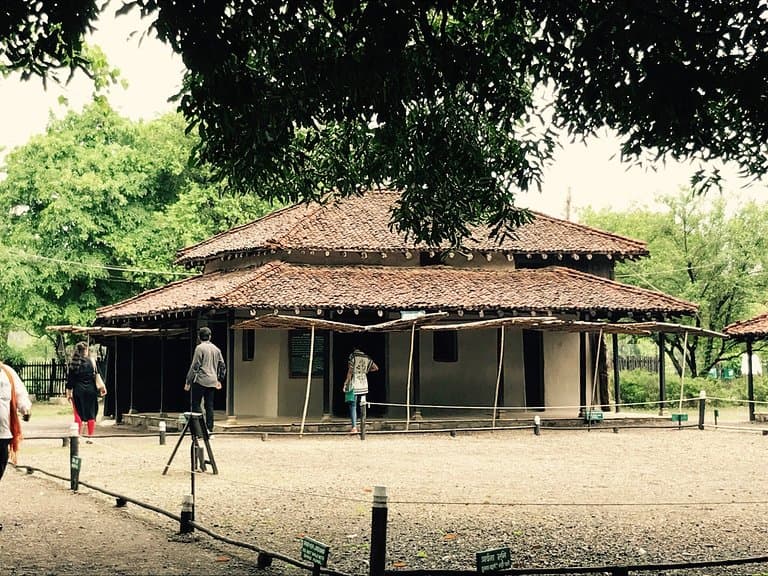
Sevagram Ashram
A serene sanctuary embodying Mahatma Gandhi's philosophy of simple living, self-reliance, and peace. Explore his humble abode and feel the history.
Highlights
Must-see attractions

Social
From TikTok & Reddit
Best Time
Fewer crowds, peaceful atmosphere
Sevagram Ashram
Best Time
Fewer crowds, peaceful atmosphere
Highlights
Must-see attractions
A serene sanctuary embodying Mahatma Gandhi's philosophy of simple living, self-reliance, and peace. Explore his humble abode and feel the history.
"A peaceful and inspiring place filled with history and simplicity. "
Dress Modestly
Respect the ashram's spiritual nature by wearing conservative clothing.
Quiet Reflection
Embrace the tranquility; avoid loud conversations to honor the peaceful ambiance.
Quick Facts
Hours
Rating
4.5 · 2,315 reviews
Type
Place of Worship
Highlights
Discover the most iconic attractions and experiences
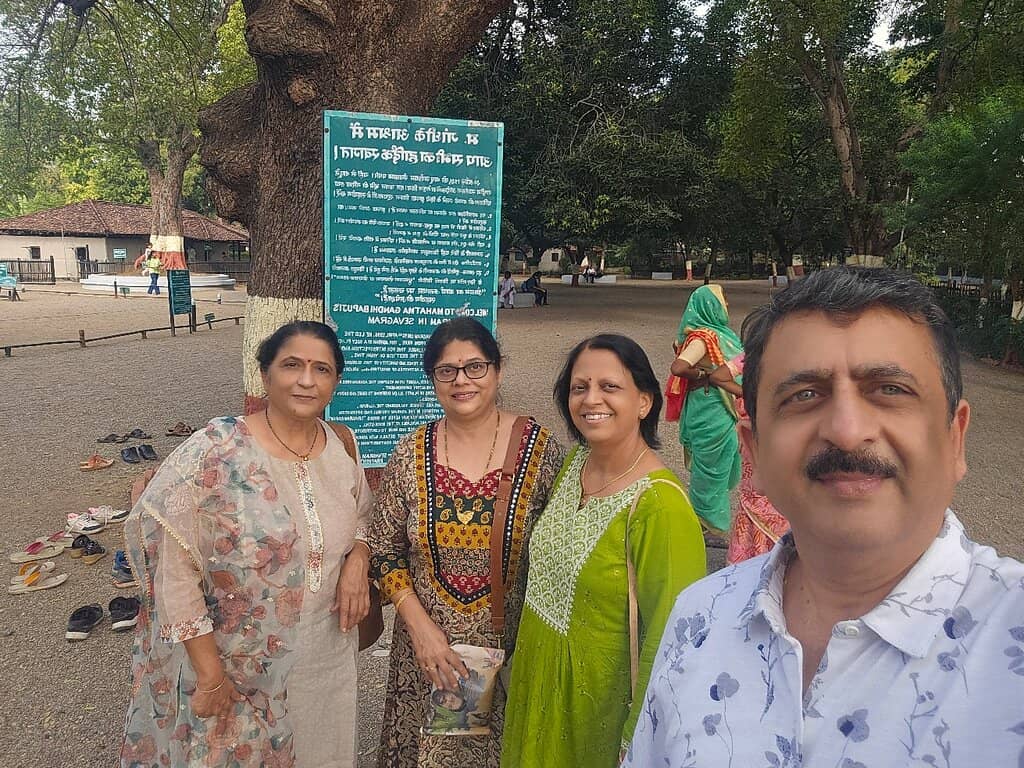
Bapu Kuti
Gandhi's original hut
Step into Gandhiji's modest dwelling, preserved as it was. See his personal belongings and feel the history.
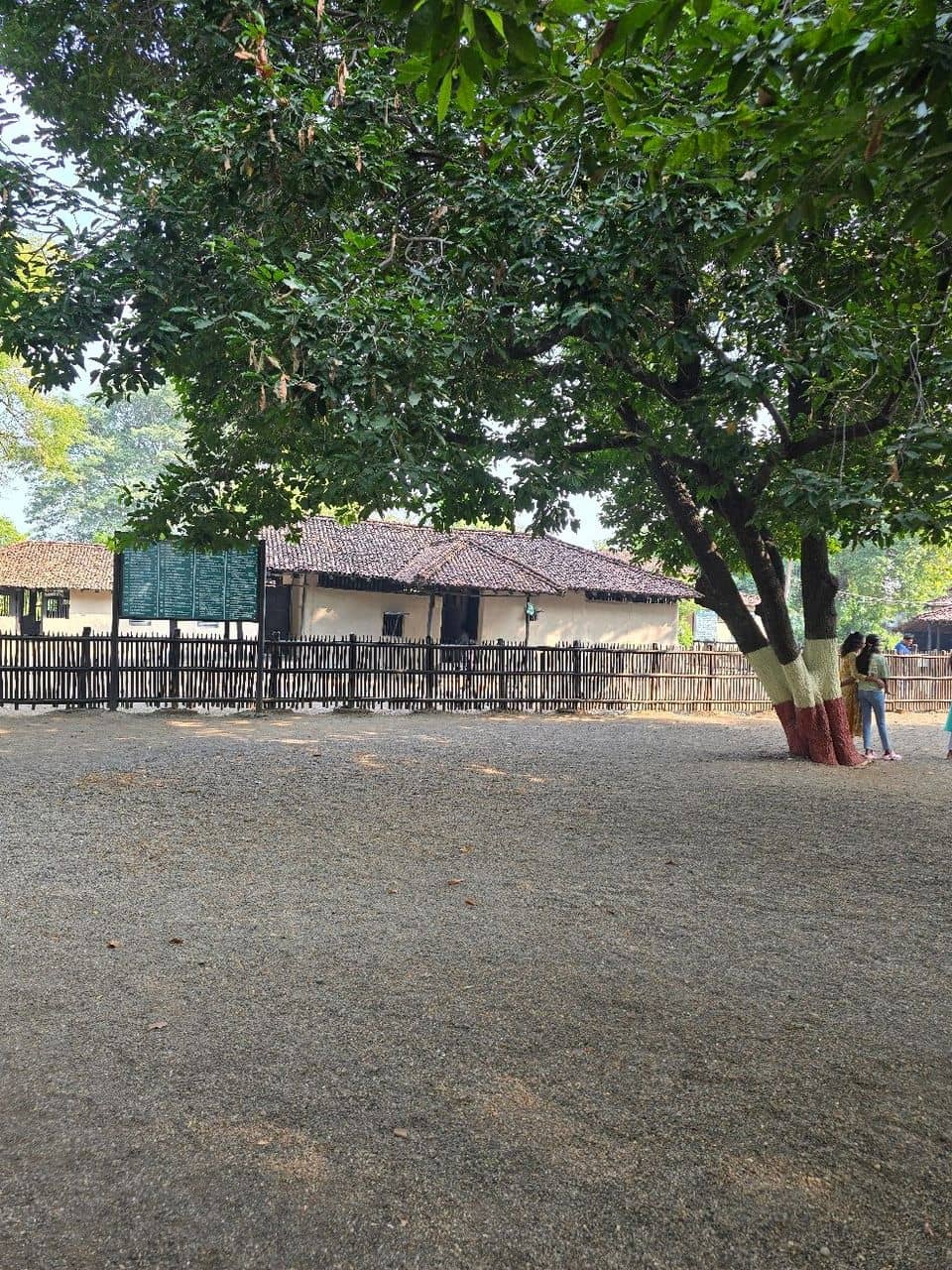
Ba Kuti
Kasturba Gandhi's hut
Experience the simple living space of Kasturba Gandhi, a poignant reminder of her role and life at the ashram.
Gandhi Photo Exhibition
Near the ashram
A visual journey through Mahatma Gandhi's life and work, offering deep insights into his legacy.
Aahar Kendra
Across from the ashram
Savor a traditional Maharashtrian thali, a simple yet nourishing meal reflecting local culture.
Plans like a pro.
Thinks like you
Planning Your Visit
Embrace Simplicity
Timing is Key
Best Times
Insider Tips
from TikTok, Instagram & Reddit
Dress Modestly
Respect the ashram's spiritual nature by wearing conservative clothing.
Quiet Reflection
Embrace the tranquility; avoid loud conversations to honor the peaceful ambiance.
Support Khadi
Purchase authentic Khadi products from Magan Khadi to support rural livelihoods.

Guided History
Engage with volunteer guides for insightful historical context.
Tips
from all over the internet
Dress Modestly
Respect the ashram's spiritual nature by wearing conservative clothing.
Quiet Reflection
Embrace the tranquility; avoid loud conversations to honor the peaceful ambiance.
Support Khadi
Purchase authentic Khadi products from Magan Khadi to support rural livelihoods.
Guided History
Engage with volunteer guides for insightful historical context.
Hydration is Key
Carry water, especially during warmer months, as you'll be walking around.
What Travellers Say
Reviews Summary
Visitors consistently praise Sevagram Ashram for its profound peace, historical significance, and authentic representation of Mahatma Gandhi's simple lifestyle. The well-preserved huts and serene atmosphere offer an inspiring glimpse into the past and a chance for quiet reflection. While some may find the simplicity stark, most appreciate its integrity and historical value.
"A peaceful and inspiring place filled with history and simplicity. The calm atmosphere and well-kept surroundings reflect Gandhiji’s humble lifestyle beautifully. A must visit spot to feel true serenity and learn from the past."
Sejal Chopane
"Sevagram Ashram is not just a tourist spot; it’s a living testament to Mahatma Gandhi's philosophy of simple living and self-reliance. Its history is deeply rooted in the Indian freedom struggle, serving as Gandhi’s headquarters and residence from 1936 until his death in 1948, following his decision not to return to Sabarmati until India achieved independence. Originally called Segaon, Gandhi renamed it Sevagram (Village of Service), reflecting his dedication to rural development and nation-building activities. It was from here that many crucial national decisions, including those related to the Quit India Movement, were deliberated.
What to See & Do:
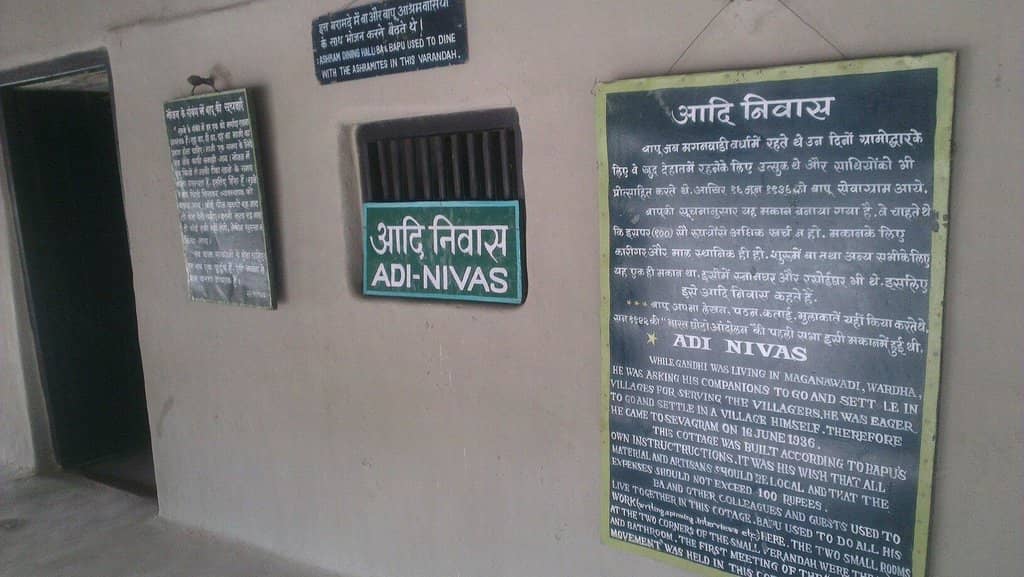
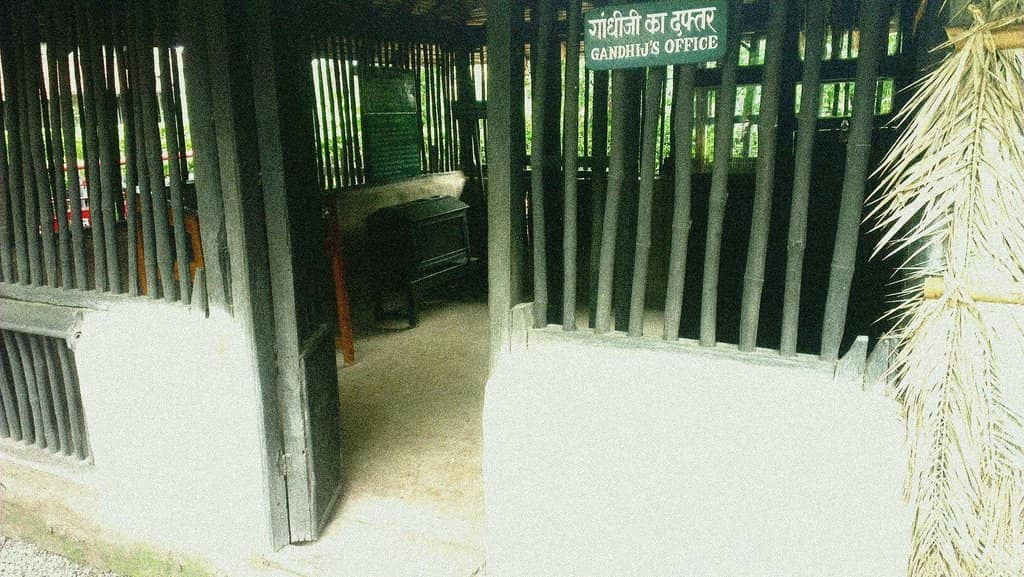
The ashram is preserved beautifully, allowing visitors to step back in time. Key structures to explore include Bapu Kuti (Gandhi’s modest hut), Ba Kuti (Kasturba Gandhi's hut), and Adi Nivas (the first hut built). You can see Gandhi's few personal belongings, such as his spinning wheel (Charkha) and spectacles, displayed in Bapu Kuti. The Secretariat, where he managed his global correspondence, and the Akhiri Nivas (Last Abode) are also poignant stops. Don't miss the daily morning and evening prayers held on the Prayer Ground to experience the ashram’s spiritual routine. There is also a dedicated Gandhi Photo Exhibition nearby detailing his life and work.
Shopping:
While the ashram itself focuses on simplicity, the core shopping experience nearby revolves around the Gandhian spirit of Swadeshi. Be sure to visit Magan Khadi (run by the Magan Sangralaya Samiti) in the vicinity. Here, you can purchase authentic, organic Khadi products—ranging from handloom sarees and shirts to home textiles—directly supporting local rural livelihoods.
Entry Ticket & Timings:
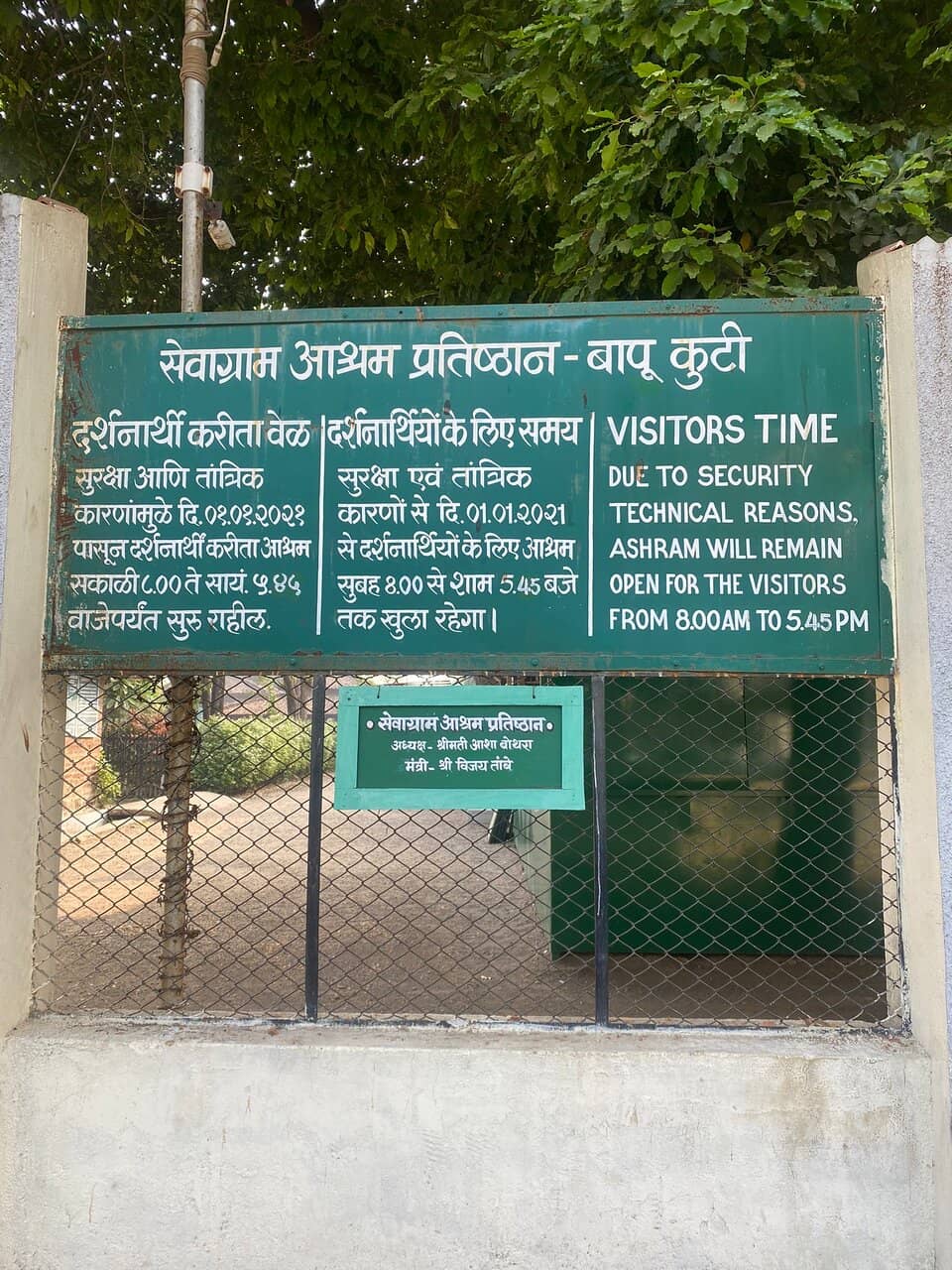
The best news is that entry to the Sevagram Ashram premises is free of charge. It generally opens at 8:00 AM and remains open until 6:00 PM (the closing time may vary slightly with the seasons, often extending to 7:00 PM in summer). Since the ashram follows its routine strictly, it is recommended to visit during the day."
Amod Ketkar
"Absolutely awesome place for Visit, Very good atmosphere and delicious food available (Vegitables), especially Zhunka Bhakar.
If you are Student and History lover then Must visit Bapu kuti, It's good for improving your knowledge about history..."
Shrikant Usare
What People Like
What People Dislike
Frequently Asked Questions
🚇 🗺️ Getting There
Sevagram Ashram is located near Wardha. You can hire a taxi or take a local bus from Wardha railway station or bus stand to reach the ashram. The journey is relatively short, making it an easy day trip.
Yes, local buses frequently ply between Wardha and Sevagram, making it accessible via public transport. Taxis are also readily available.
Nagpur is about 75 km from Sevagram. You can take a train to Wardha and then a taxi or bus to Sevagram Ashram. Alternatively, you can hire a taxi directly from Nagpur.
Yes, there are designated parking areas available for visitors arriving by private vehicles.
Absolutely! Sevagram Ashram is an ideal destination for a day trip, especially if you are visiting from Wardha or Nagpur. You can easily explore the main sites within a few hours.
🎫 🎫 Tickets & Entry
No, entry to Sevagram Ashram is free of charge, reflecting Gandhiji's philosophy of accessibility.
The ashram is generally open from 8:00 AM to 6:00 PM, with timings potentially extending to 7:00 PM in summer. It's best to visit during daylight hours.
Yes, you can visit on weekends, but it might be more crowded. Weekdays offer a more serene experience.
No advance booking is required as entry is free. You can visit anytime during the operational hours.
The ashram generally remains open daily, but it's always a good idea to check for any specific holiday closures if you are planning your visit around a public holiday.
🎫 🧭 Onsite Experience
Key attractions include Bapu Kuti (Gandhi's hut), Ba Kuti (Kasturba's hut), Adi Nivas, the Secretariat, and the Akhiri Nivas. The daily morning and evening prayers are also a significant experience.
Photography is generally permitted in most areas, but it's advisable to be respectful and avoid intrusive photography, especially during prayer times.
Yes, volunteer guides are often available to provide historical context and information about the ashram's significance.
Visitors are expected to dress modestly out of respect for the ashram's spiritual and historical significance.
A visit of 1-2 hours is usually sufficient to explore the main sites and soak in the atmosphere.
🍽️ 🍽️ Food & Dining
Yes, the Aahar Kendra across the road offers simple, traditional Maharashtrian thalis, including dishes like Zunka Bhakar.
The Aahar Kendra serves a wholesome vegetarian thali featuring local specialties like Bhaji, Dal, Zunka, Bhakri, and Puran Poli.
You can have lunch at the Aahar Kendra, which is conveniently located near the ashram.
Besides the Aahar Kendra, you might find some local eateries in the nearby village area offering simple meals.
While not explicitly forbidden, it's in the spirit of the ashram to consume food at designated places like the Aahar Kendra or to be mindful of waste if you bring your own.
📸 📸 Photography
Photography is generally allowed in the ashram premises, but it's best to be discreet and respectful, especially inside the huts where personal belongings are displayed.
The simple architecture of the huts, the prayer grounds, the surrounding greenery, and the Khadi weaving demonstrations offer great photographic opportunities.
Drone photography is generally not permitted at historical and spiritual sites like Sevagram Ashram to maintain peace and privacy.
Always ask for permission before photographing individuals, especially those engaged in prayer or work.
Early morning or late afternoon light can be beautiful for capturing the serene atmosphere and the textures of the ashram.



Social
from TikTok, Instagram & Reddit