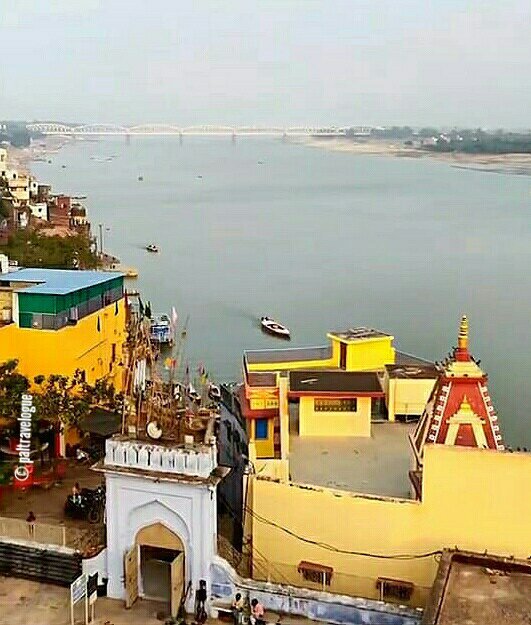
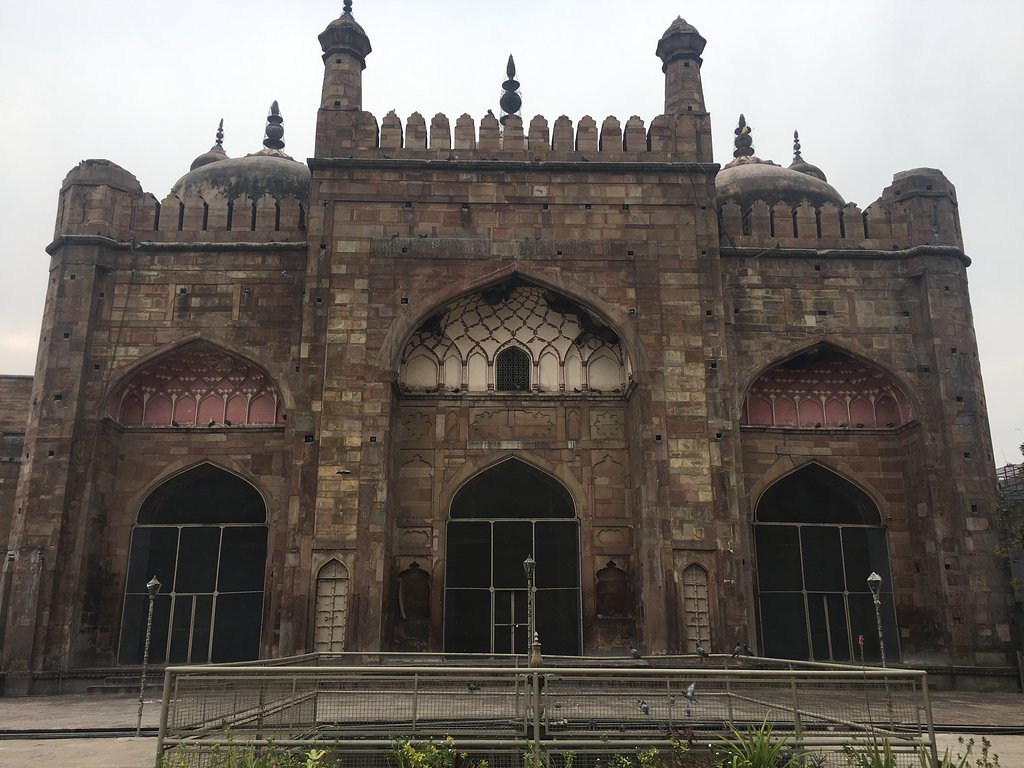
Chaukhamba Mosque
Varanasi, India's spiritual heart, where life and death converge on the sacred Ganges River. An ancient city of profound rituals and vibrant culture.

Highlights
Must-see attractions

Social
From TikTok & Reddit
Best Time
Pleasant weather for exploring
Chaukhamba Mosque
Best Time
Pleasant weather for exploring
Highlights
Must-see attractions
Varanasi, India's spiritual heart, where life and death converge on the sacred Ganges River. An ancient city of profound rituals and vibrant culture.
"Varanasi is an experience like no other, a city that challenges your views and touches your soul."
Book a Local Guide
Enhance your understanding of Varanasi's rich history and rituals with a knowledgeable local guide.
Stay Near the Ghats
Immerse yourself in the city's spiritual heart by choosing accommodation close to the Ganges.
Quick Facts
Hours
Rating
4.2 · 180 reviews
Highlights
Discover the most iconic attractions and experiences
Ghats of Varanasi
Along the Ganges River
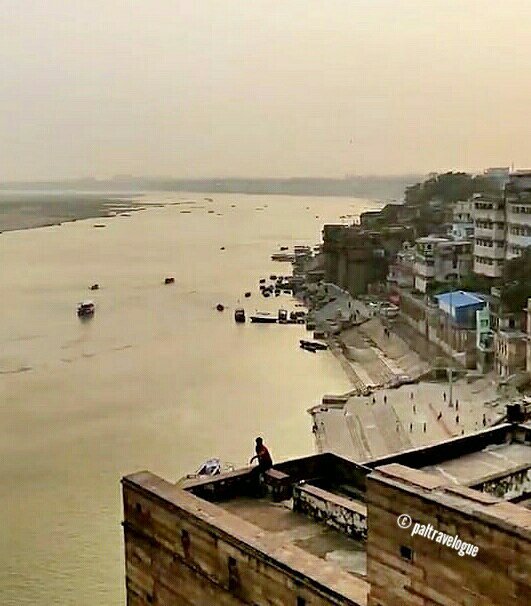
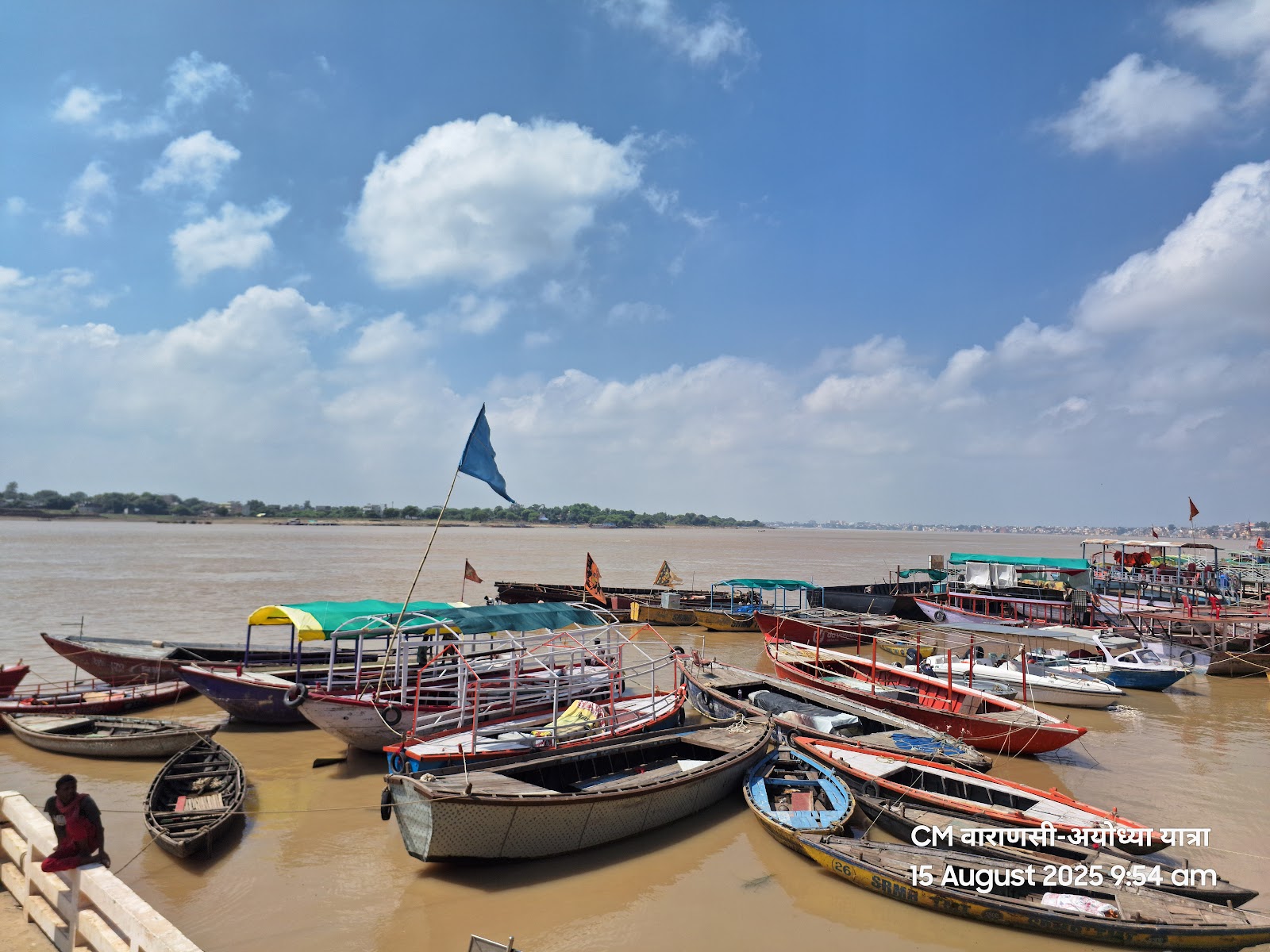
Witness ancient rituals, vibrant life, and spiritual ceremonies unfold on the steps leading to the sacred Ganges.
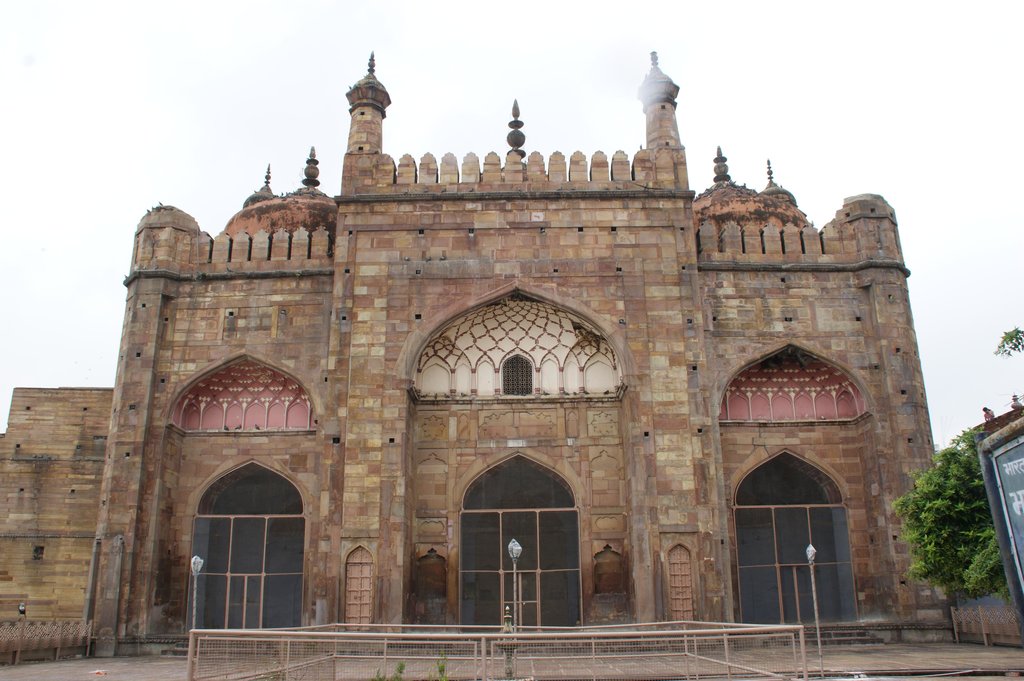
Manikarnika Ghat
Ganges River
Experience the powerful and solemn atmosphere of the primary cremation ghat, where life's cycle is openly observed.
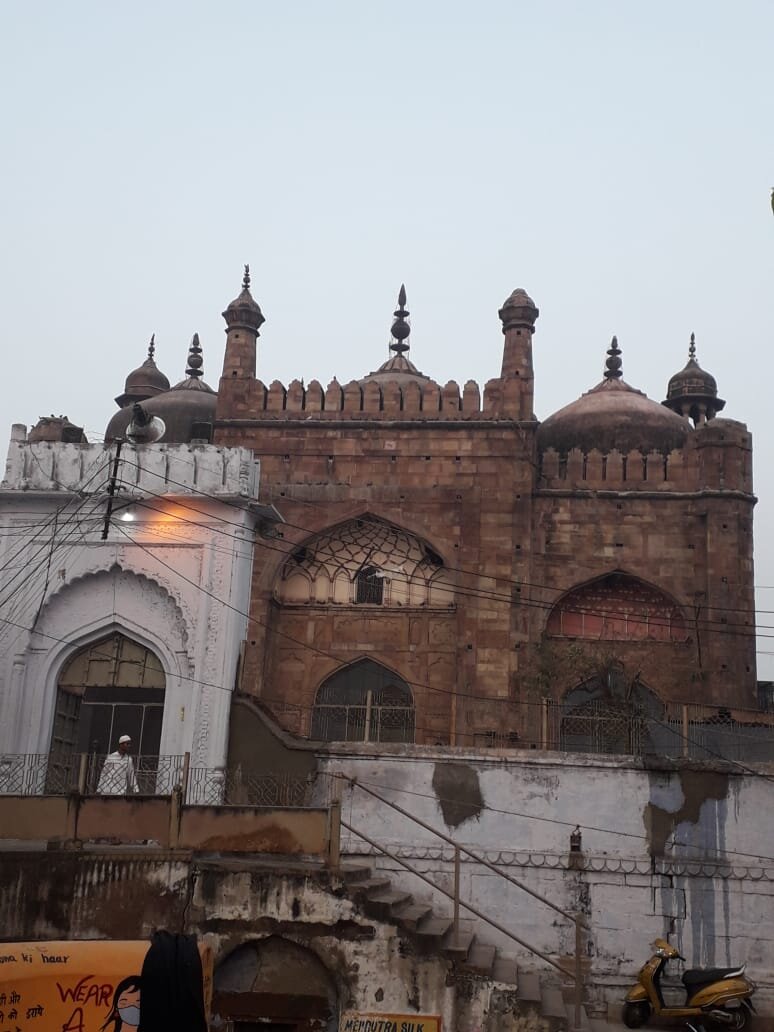
Evening Ganga Aarti
Dashashwamedh Ghat
Be mesmerized by the grand spectacle of fire, chanting, and devotion during the nightly Aarti ceremony.
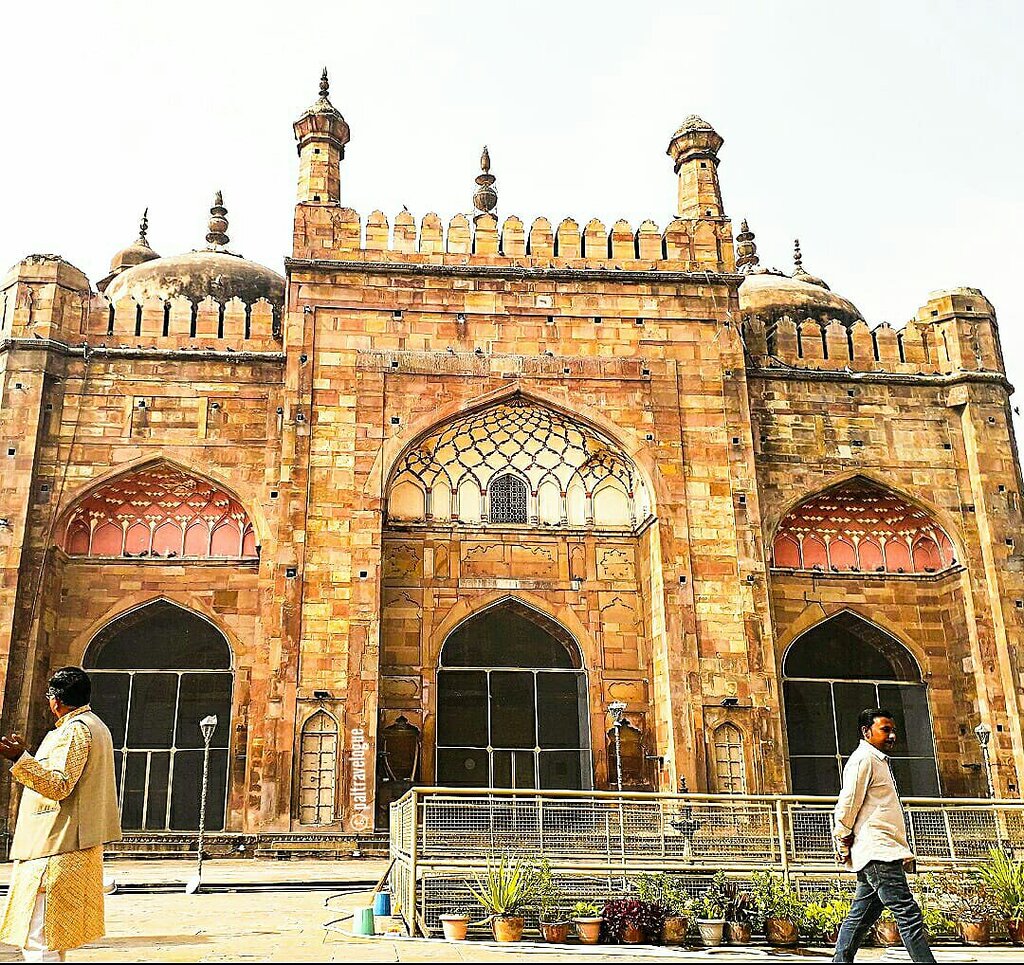
Old City Lanes
Narrow alleys of Varanasi
Get lost in the labyrinthine streets, discovering hidden temples, bustling markets, and local life.
Plans like a pro.
Thinks like you
Planning Your Visit
Embrace the Intensity
Respectful Exploration
Best Times
Insider Tips
from TikTok, Instagram & Reddit
Book a Local Guide
Enhance your understanding of Varanasi's rich history and rituals with a knowledgeable local guide.
Stay Near the Ghats
Immerse yourself in the city's spiritual heart by choosing accommodation close to the Ganges.
Respect Cremation Rituals
Observe Manikarnika Ghat with reverence; photography may be sensitive. +1
Try Local Street Food
Savor authentic flavors, but choose vendors wisely for a safe culinary adventure.
Tips
from all over the internet
Book a Local Guide
Enhance your understanding of Varanasi's rich history and rituals with a knowledgeable local guide.
Stay Near the Ghats
Immerse yourself in the city's spiritual heart by choosing accommodation close to the Ganges.
Respect Cremation Rituals
Observe Manikarnika Ghat with reverence; photography may be sensitive. +1
Try Local Street Food
Savor authentic flavors, but choose vendors wisely for a safe culinary adventure.
Wear Comfortable Shoes
You'll be doing a lot of walking through narrow lanes and up/down ghat steps.
Be Prepared for Crowds
Varanasi is a popular pilgrimage site; expect bustling crowds, especially during festivals.
What Travellers Say
Reviews Summary
Varanasi is an intensely spiritual and culturally rich city that leaves a lasting impression. Visitors are captivated by the ancient rituals, the vibrant ghats, and the unique perspective on life and death. However, the overwhelming crowds, sensory intensity, and occasional touts can be challenging for some.
"Thank you Bhaiya... I am loving the books published by you... Reading from them gathering so much knowledge... Thank you for the constant support given by them... You guys helped me alot for getting my spiritual knowledge needs... Thanks a lot..."
Jayanti Chakraborty Mukherjee
"Great collection. Very well written books. The delivery was within a week to Europe and the contact person was very helpful and prompt. Would highly recommend."
Chandan Sinha
"Publication for all types of Ayurveda books"
Anas Khan
What People Like
What People Dislike
Frequently Asked Questions
🚇 🗺️ Getting There
Varanasi is well-connected by air, rail, and road. The nearest airport is Lal Bahadur Shastri International Airport (VNS). The city has a major railway station, Varanasi Junction (BSB), with frequent trains from across India. Buses are also a common way to reach Varanasi, especially from nearby cities.
Auto-rickshaws and cycle-rickshaws are the most common modes of transport within the city. For exploring the ghats and narrow lanes, walking is often the best option. Boat rides on the Ganges are also a popular way to see the city from a different perspective.
Yes, pre-paid taxi services are available at the airport and major railway stations. Auto-rickshaws are also readily available, but it's advisable to negotiate the fare before starting your journey.
The ghats can be steep and crowded. Be mindful of your belongings and take your time. If you have mobility issues, consider hiring a local guide who can help you navigate the best paths.
Ride-sharing apps like Ola and Uber are available in Varanasi, offering a convenient way to book taxis. However, their availability might be limited in the very narrow lanes of the old city.
🎫 🎫 Tickets & Entry
Entry to the ghats themselves is generally free. However, specific activities like boat rides on the Ganges or entry into certain temples might have associated costs. The Ganga Aarti ceremony at Dashashwamedh Ghat is also free to watch, though donations are appreciated.
The ghats are accessible 24/7, as they are public spaces along the river. Temples have specific opening and closing times, which can vary. It's best to check the timings for individual temples you wish to visit.
There are no official entry fees for Manikarnika Ghat. However, you may encounter individuals offering 'services' or asking for donations. It's important to be aware and respectful of the solemn nature of the site.
While you can often find boatmen directly at the ghats, booking through a reputable tour operator or your hotel might offer more structured experiences and fixed pricing. Negotiate fares clearly before boarding.
Varanasi does not typically offer special tourist passes for general access to the ghats or city. Your experience will largely involve exploring on foot and engaging with local transport and activities.
🎫 🧭 Onsite Experience
The evening Ganga Aarti at Dashashwamedh Ghat is a must-see. Arrive early to secure a good spot, or consider booking a boat for a unique vantage point from the river. The ceremony is a vibrant display of devotion.
Manikarnika Ghat is one of the oldest and most sacred cremation grounds. Witnessing the open-air cremations is a profound experience that highlights the Hindu belief in liberation. Approach with respect and sensitivity.+1
Wandering through the narrow, winding lanes is an adventure in itself. Get lost, discover hidden temples, and soak in the local atmosphere. Hiring a local guide can help you navigate and understand the significance of various spots.
While the ghats are generally safe and often have a lively atmosphere, it's advisable to be cautious when exploring the narrow lanes at night. Stick to well-lit areas and consider traveling with a companion or guide.
Beyond the main ghats, explore the narrow alleys for local artisan shops, smaller temples like the Durga Temple, and the serene Assi Ghat for a more relaxed vibe. The Banaras Hindu University (BHU) also offers beautiful architecture and a peaceful environment.
🍽️ 🍽️ Food & Dining
Varanasi is famous for its street food. Don't miss out on 'malaiyo' (a winter delicacy), 'kachori sabzi', 'lassi', and 'pani puri'. For a more substantial meal, try 'thalis' and various vegetarian dishes.
Explore the street food stalls near the ghats and in the old city lanes for the most authentic experience. Many small eateries also serve delicious local fare. Look for places that are busy with locals, as this is usually a good sign.
Varanasi is a predominantly vegetarian city due to its religious significance, so you'll find plenty of vegetarian options. Vegan options might require specific requests, but many dishes can be made vegan by omitting dairy.
While street food is a highlight, there are also many restaurants offering Indian and international cuisine. Some popular choices include Baati Chokha, Brown Bread Bakery, and various rooftop restaurants overlooking the Ganges.
To minimize risk, choose vendors who cook food fresh in front of you, use clean utensils, and have a steady stream of customers. Drinking bottled water is also recommended.
📸 📸 Photography
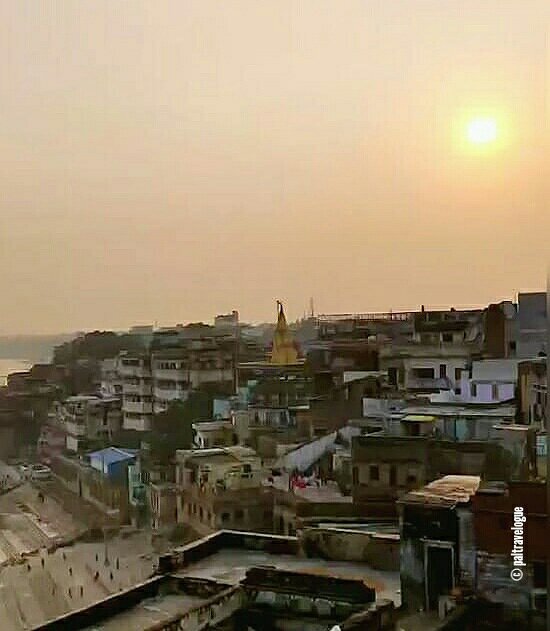
The ghats, especially during sunrise and sunset, offer stunning photographic opportunities. The Ganga Aarti ceremony is also a popular subject. The narrow lanes of the old city provide a glimpse into daily life.
Photography is generally allowed in public areas like the ghats. However, it's crucial to be respectful, especially around religious ceremonies and at cremation sites like Manikarnika Ghat. Always ask for permission before photographing individuals, particularly sadhus or monks.
Sunrise and sunset offer the most dramatic light for photography at the ghats. The golden hour light casts a magical glow over the Ganges and the ancient city. The evening Ganga Aarti is also a visually captivating event.
A versatile lens (like a 24-70mm) is useful for capturing both landscapes and details. A wide-angle lens can be great for the expansive ghats, while a telephoto lens can help isolate subjects from a distance. A sturdy tripod can be beneficial for low-light conditions, especially during the Aarti.
Focus on capturing the contrasts: the vibrant colors against the ancient stone, the bustling activity on the ghats, the serene rituals, and the expressions of the people. Look for candid moments and tell stories through your images.



Social
from TikTok, Instagram & Reddit