Aceh Tsunami Museum
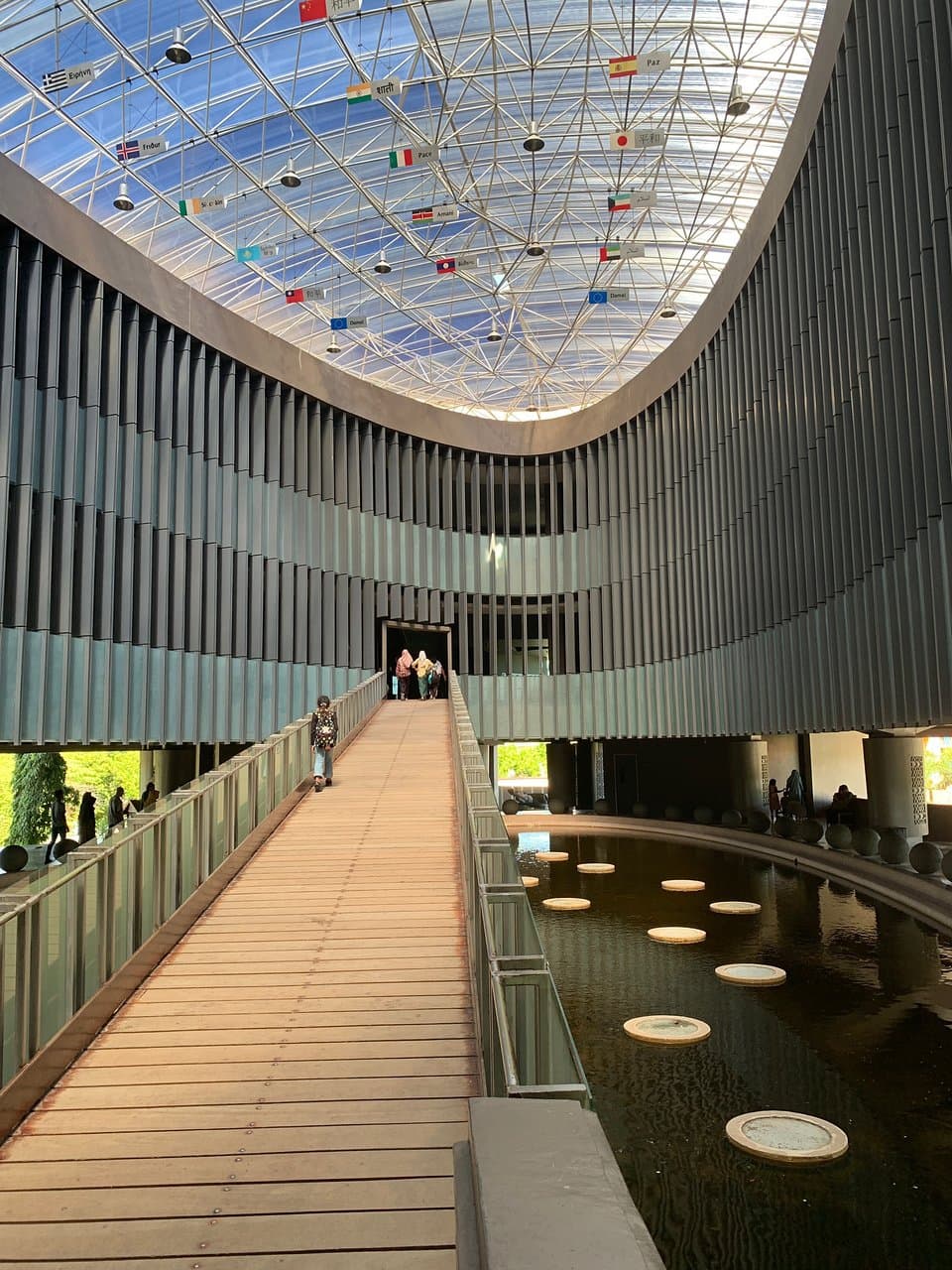
A poignant tribute to the 2004 tsunami, this museum offers an emotional journey through tragedy, resilience, and hope.
Highlights
Must-see attractions

Social
From TikTok & Reddit
Best Time
Quieter atmosphere for reflection
Aceh Tsunami Museum
Best Time
Quieter atmosphere for reflection
Highlights
Must-see attractions
A poignant tribute to the 2004 tsunami, this museum offers an emotional journey through tragedy, resilience, and hope.
"A powerful and emotional experience that honors memory and showcases incredible resilience."
Allocate Enough Time
Give yourself at least 2-3 hours to fully absorb the exhibits and reflect.
Prepare for Emotion
The exhibits are powerful and can be emotionally challenging.
Quick Facts
Hours
Rating
4.6 · 12,185 reviews
Type
Museum
Website
museumtsunami.acehprov.go.idHighlights
Discover the most iconic attractions and experiences
Simulation Corridor
Ground floor
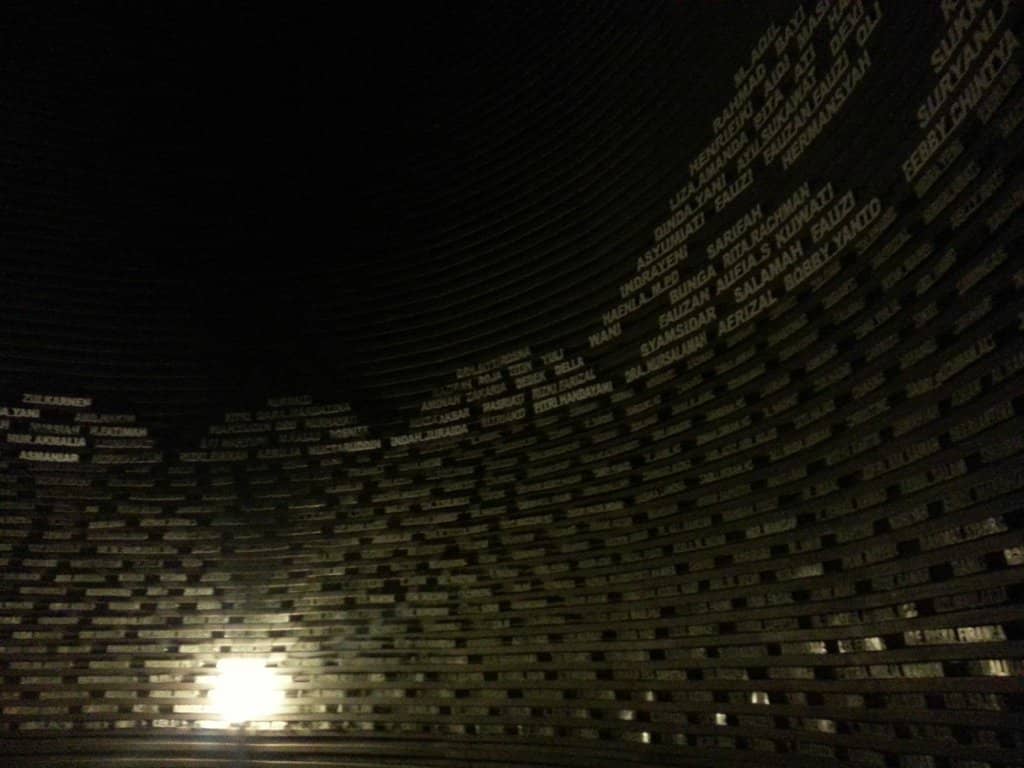
Experience the terrifying moments of the tsunami with immersive sound, darkness, and water effects.
Memorial Wall
Upper floors
A solemn space listing the names of those lost, offering a quiet moment for reflection and prayer.
Survivor Testimonies
Exhibition halls
Hear deeply moving personal accounts from survivors, showcasing incredible strength and resilience.
Architectural Design
Exterior and interior
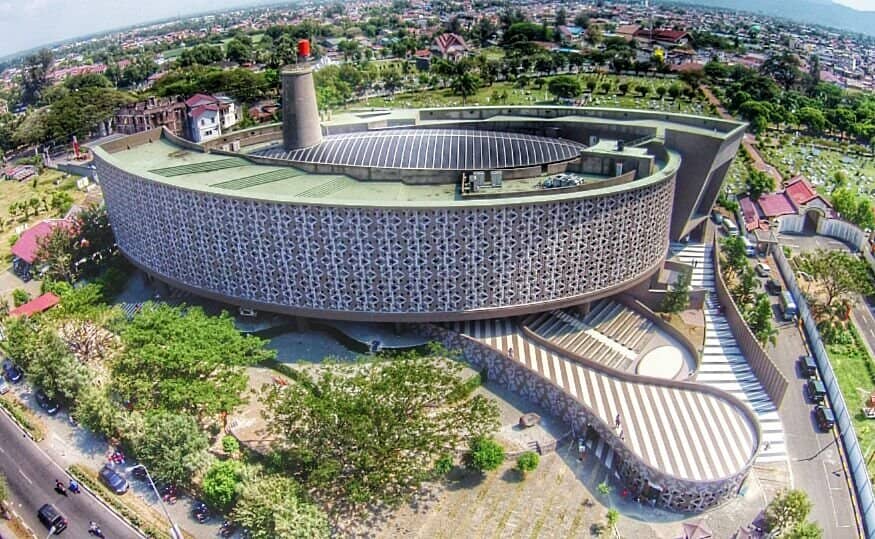
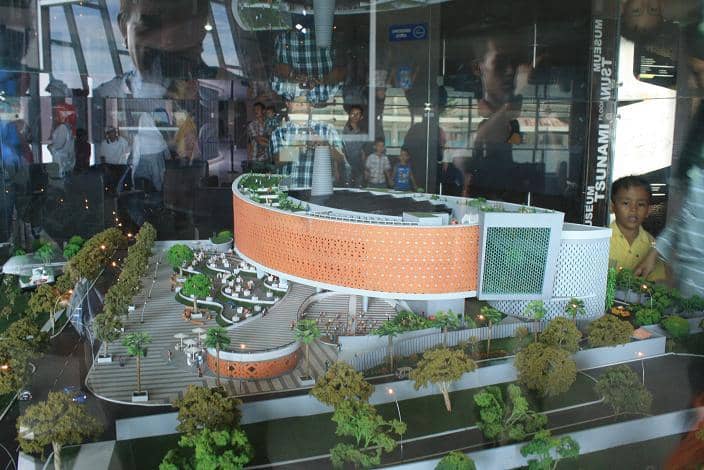
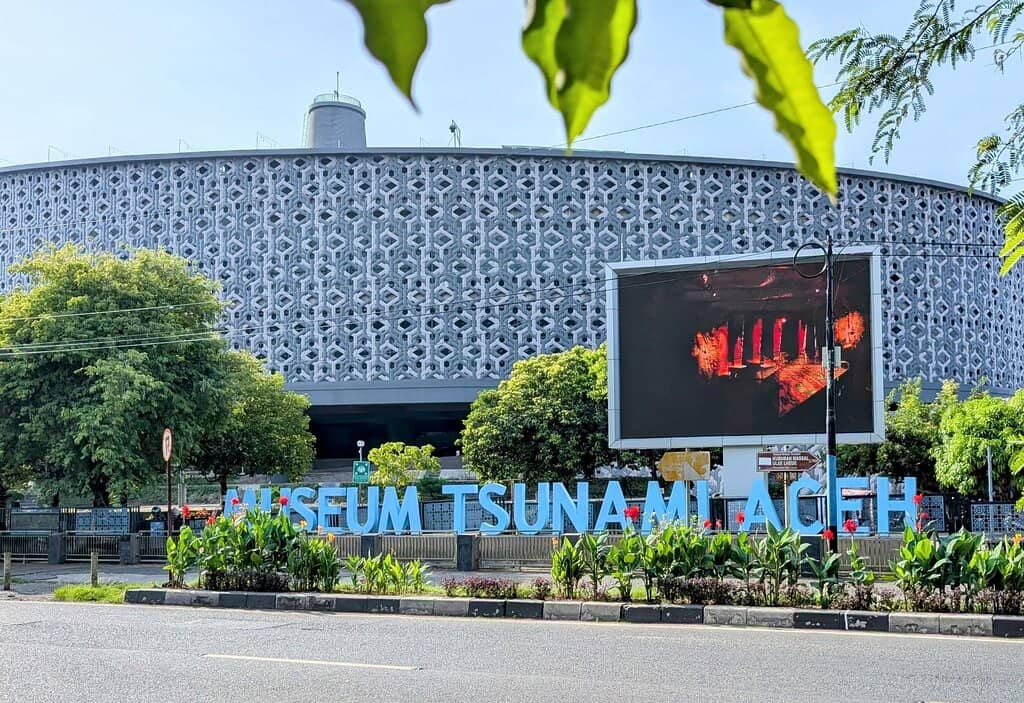
Admire the unique 'Rumoh Aceh as Escape Hill' design by Ridwan Kamil, symbolizing resilience.
Plans like a pro.
Thinks like you
Planning Your Visit
Timing Your Visit for Reflection
Emotional Preparedness
Best Times
Insider Tips
from TikTok, Instagram & Reddit
Allocate Enough Time
Give yourself at least 2-3 hours to fully absorb the exhibits and reflect.
Prepare for Emotion
The exhibits are powerful and can be emotionally challenging.
Affordable Entry
Tickets are very reasonably priced, making it accessible for all.
Check Operating Hours
Confirm opening and closing times before your visit to avoid disappointment.
Tips
from all over the internet
Allocate Enough Time
Give yourself at least 2-3 hours to fully absorb the exhibits and reflect.
Prepare for Emotion
The exhibits are powerful and can be emotionally challenging.
Affordable Entry
Tickets are very reasonably priced, making it accessible for all.
Check Operating Hours
Confirm opening and closing times before your visit to avoid disappointment.
Respectful Conduct
Maintain a solemn demeanor; it's a place of remembrance and learning.
What Travellers Say
Reviews Summary
Visitors consistently describe the Aceh Tsunami Museum as a powerful, emotional, and deeply moving experience. The museum's beautiful design, informative exhibits, and immersive simulations effectively convey the tragedy and the remarkable resilience of the Acehnese people. It's widely considered a must-visit for anyone in Banda Aceh, offering valuable lessons and a profound sense of reflection.
"We visited this museum during morning. It's a huge and the design is beautiful. There were not many people during our visit. This museum illustrated on the huge tsunami tragedy in 2004. There are many artifacts, information, and footage available regarding to the horrific tragedy. It's the close experience from what happened on 2004 where you can see and feel. But ff course it's not the same and you can't compare with the real event. The best thing to do is to take a lesson from what happen and say your prayer for those who lost their life during that day. The museum is clean and the staffs is nice to. Be aware of the operating hour of this museum before coming. Such a wonderful experience and a must visit place for tourist. You are not consider visiting to Acheh if you didn't come to this museum."
Hafizun Mushtafa
"Touch our hearts if you really explore this museum. Wonderful stories pertaining to the catastrophe. You may need to purchase ticket to enter the museum. Each person is Rupiah 20K for foreigners. There are 3 floors for the exhibition. Each floor full of photos describing the situation and replicas. There is also a room for you to watch the tsunami video for about 9 minutes."
Maliah Jamaliah Said
"Visiting the Tsunami Museum in Aceh was a powerful and emotional experience. The museum is beautifully designed to honor the memory of the 2004 tsunami and the lives it affected. From the moment you enter, the sound of rushing water and the unique architecture create a strong emotional atmosphere.
The exhibits are informative and touching, featuring photos, videos, survivor stories, and historical details. It helps you truly understand the scale of the tragedy and the strength of the Acehnese people in rebuilding their lives.
The entry ticket is very cheap, which makes it even more accessible for everyone. This place is not just educational, but deeply meaningful.
If you’re in Banda Aceh, you absolutely must visit. It’s an experience you’ll never forget."
zakaria faraji
What People Like
What People Dislike
Frequently Asked Questions
🚇 🗺️ Getting There
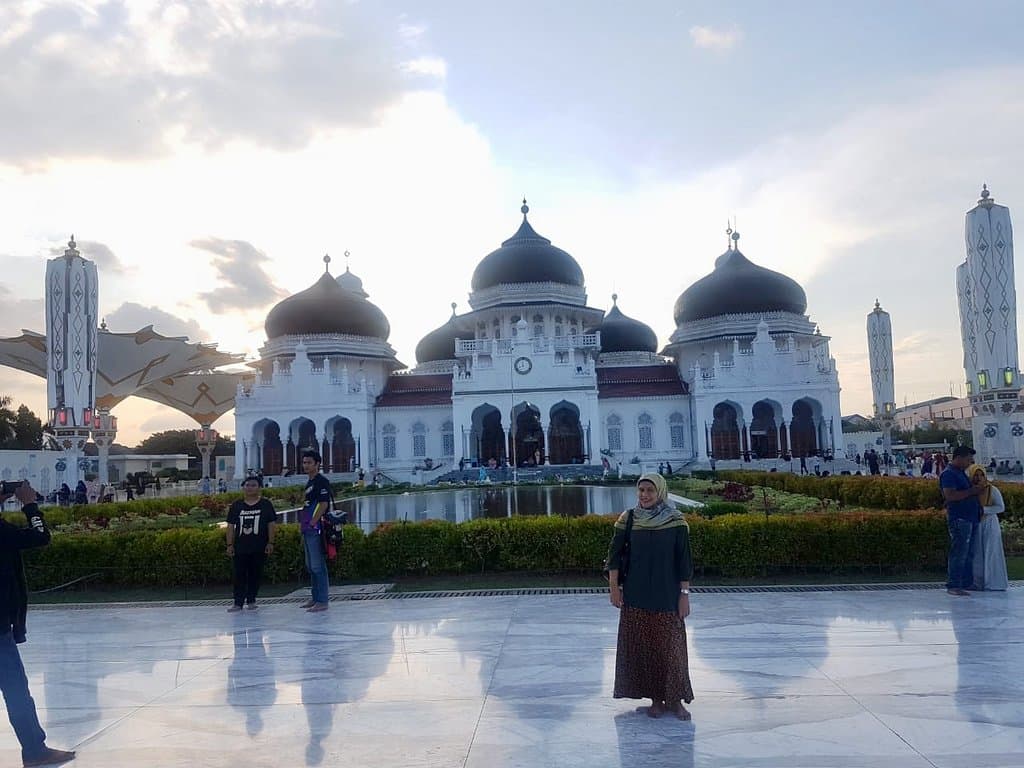
The Aceh Tsunami Museum is located in Banda Aceh and is easily accessible. You can take a local taxi or ride-sharing service directly to the museum. Many visitors also find it convenient to include it in a broader tour of Banda Aceh's historical sites, such as the Masjid Raya Baiturrahman and the PLTD Apung.
Yes, there is typically parking available at the Aceh Tsunami Museum. However, it's advisable to arrive a bit earlier if you are driving, especially during peak tourist seasons, to secure a spot.
Depending on your hotel's location, walking might be an option, but it's a considerable distance for some. Taxis and ride-sharing apps are readily available and affordable for a quicker journey.
While specific public bus routes might be limited, local 'labi-labi' (minibuses) can be an option for adventurous travelers. However, for ease and comfort, taxis or ride-sharing services are generally recommended.
Many visitors combine the Tsunami Museum with nearby sites like the Masjid Raya Baiturrahman, the PLTD Apung (Floating Diesel Power Plant), and the Lampuuk Beach. This creates a comprehensive historical and cultural tour of Banda Aceh.
🎫 🎫 Tickets & Entry
The entry fee for the Aceh Tsunami Museum is very affordable. Foreigners typically pay around IDR 20,000, while domestic visitors may have a lower fee. It's considered a great value for the profound experience offered.
Generally, you do not need to book tickets in advance for the Aceh Tsunami Museum. Tickets can be purchased at the entrance upon arrival. However, for large groups, it might be advisable to inquire about group bookings.
The museum is typically open daily, but it's crucial to verify the exact operating hours before your visit, as they can sometimes change. It's usually open from morning until late afternoon.
While there isn't a strict dress code, it's recommended to dress modestly out of respect for the solemn nature of the museum. Covering shoulders and knees is advisable.
Photography is generally allowed in most areas of the museum, but it's always good to be mindful of others and avoid flash photography in sensitive areas or during video screenings. Some exhibits might have specific restrictions.
🎫 🧭 Onsite Experience
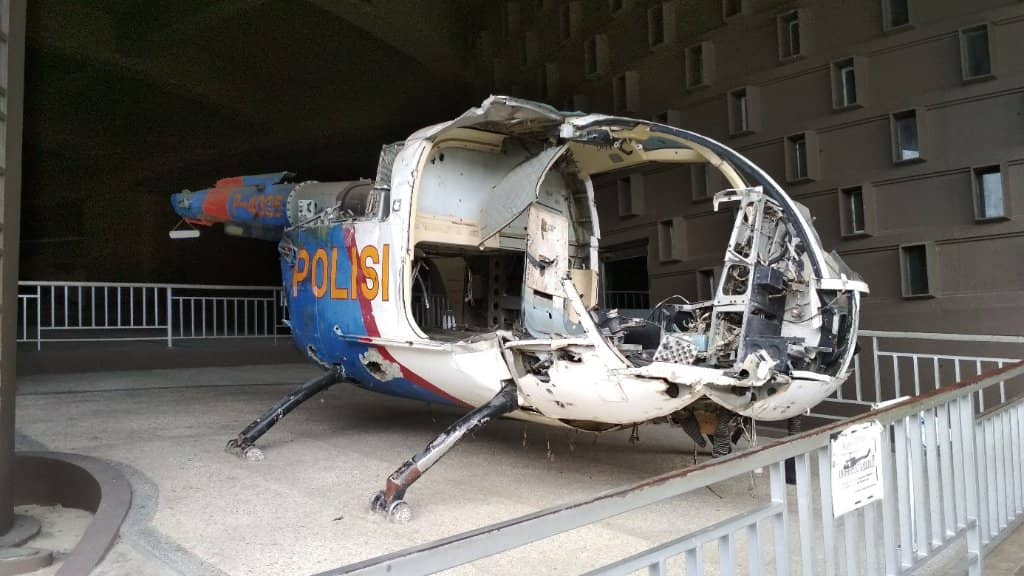
The museum offers a deeply moving experience with exhibits including artifacts, photos, videos, survivor testimonies, and a simulation corridor that recreates the tsunami's impact. It's designed to educate and evoke reflection on the tragedy and resilience.
Most visitors spend between 2 to 3 hours at the museum to fully appreciate the exhibits and allow for reflection. Some may spend longer if they engage deeply with the personal stories and historical context.
The museum deals with a sensitive and tragic event. While educational, the content can be intense. Parents should consider their children's age and maturity level before visiting.
While not always explicitly advertised, you might find local guides available for hire at the museum who can provide deeper insights into the exhibits and historical context. Inquiring at the information desk is recommended.
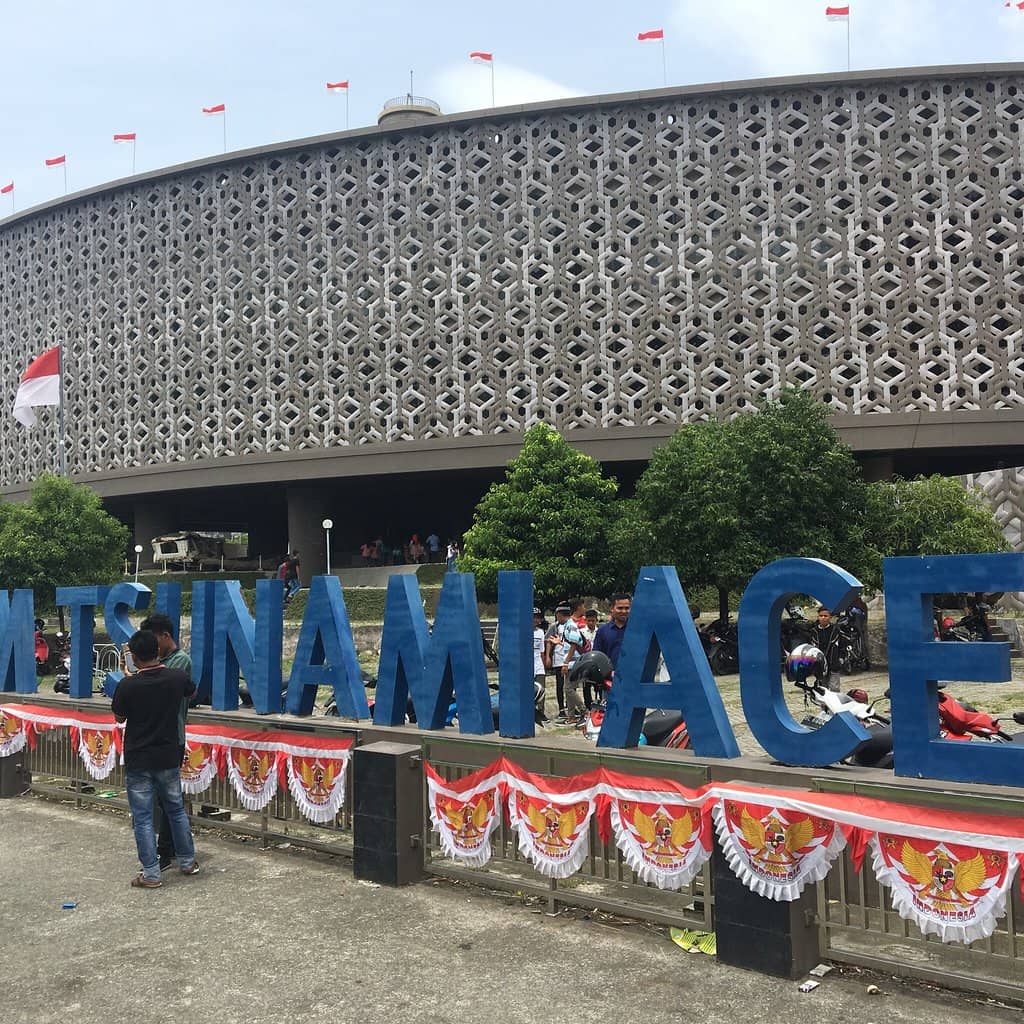
The museum's architecture, designed by Ridwan Kamil, is symbolic. The wave-like structure represents the tsunami, while the traditional Acehnese motifs signify resilience and the 'Rumoh Aceh as Escape Hill' concept.
📸 📸 Photography
The unique architecture of the museum, both exterior and interior, offers great photographic opportunities. The wave-like facade and the memorial wall are particularly striking. 
Generally, photography is permitted, but it's important to be respectful. Avoid using flash in areas with sensitive exhibits or during video presentations. Always be mindful of other visitors.
A smartphone with good low-light capabilities is sufficient for capturing the museum's atmosphere, especially in the simulation corridor. A camera with a wide lens can be useful for the architectural shots.
Selfies are generally allowed, but it's crucial to maintain a respectful attitude given the museum's solemn purpose. Focus on capturing the essence of the place rather than just posing.
The simulation corridor, while dark, can create dramatic shots. The memorial wall, with its rows of names, is a powerful visual. The exterior architecture, especially the wave-like entrance, is also a popular subject.
Social
from TikTok, Instagram & Reddit