Imogiri Royal Cemetery Yogyakarta
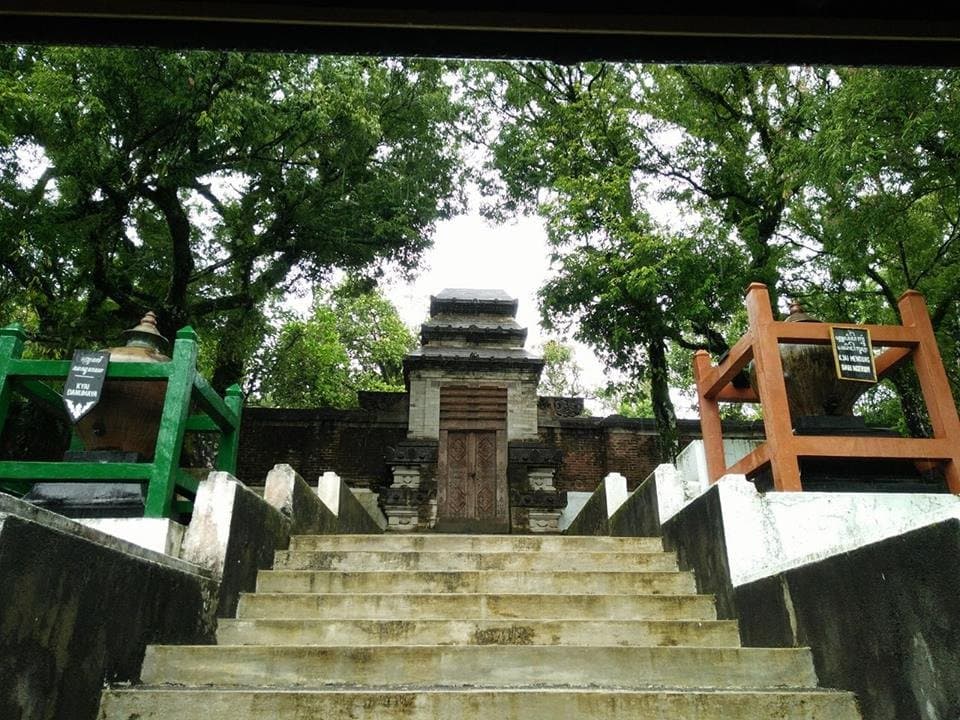
Sacred burial ground of Javanese royalty, offering a profound historical and spiritual experience with strict cultural protocols.
Highlights
Must-see attractions

Social
From TikTok & Reddit
Best Time
Fewer crowds, more peaceful
Imogiri Royal Cemetery Yogyakarta
Best Time
Fewer crowds, more peaceful
Highlights
Must-see attractions
Sacred burial ground of Javanese royalty, offering a profound historical and spiritual experience with strict cultural protocols.
"A deeply spiritual and historically significant site, offering a unique cultural immersion."
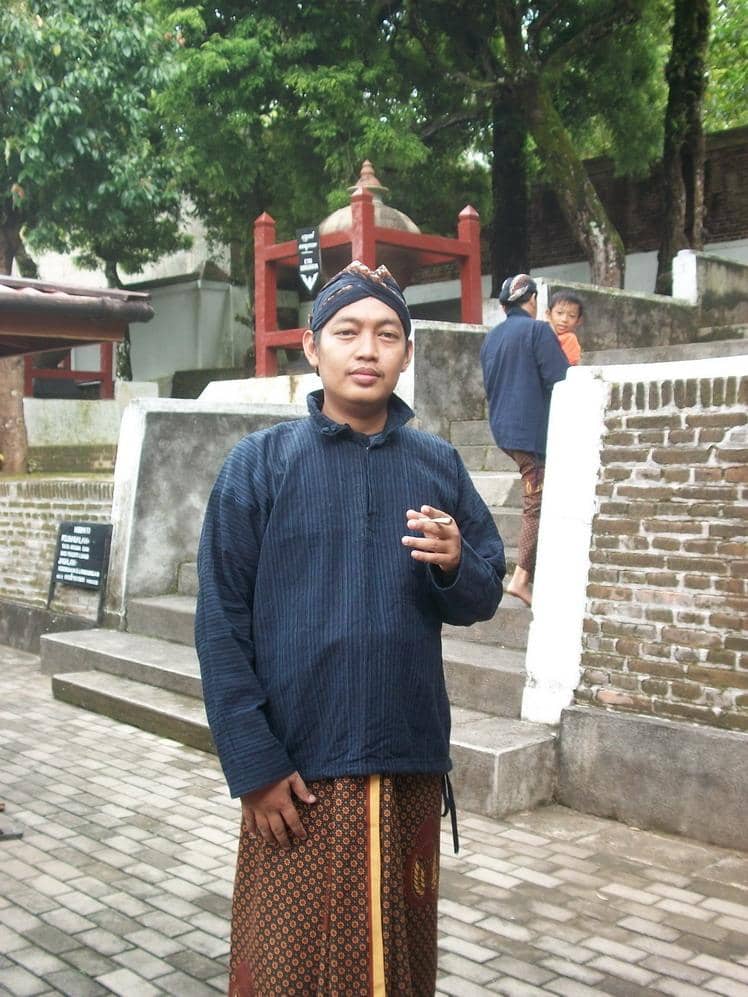
👗 Dress Code Strictly Enforced
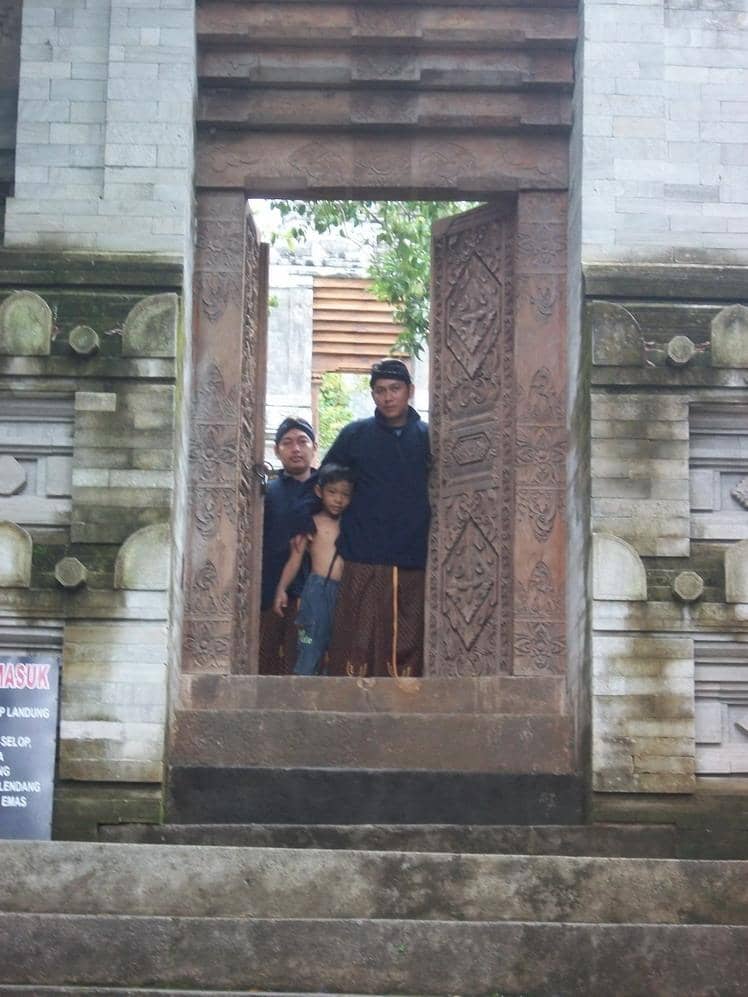
Traditional Javanese attire is mandatory for inner tomb access. Phones/cameras must be put away.
🚶♀️ Prepare for Stairs
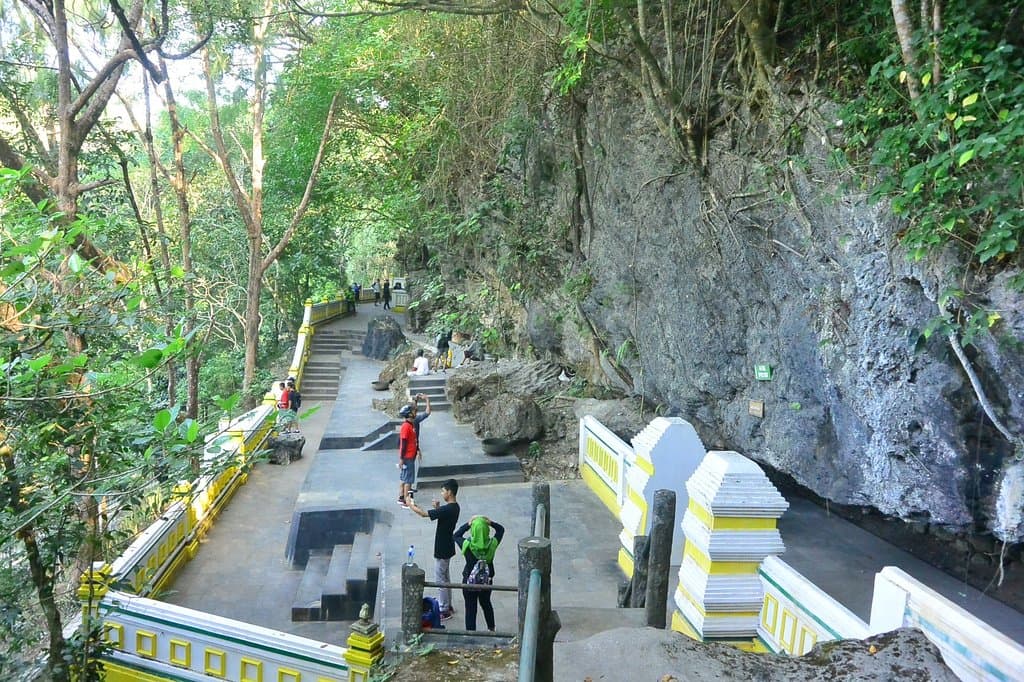
Many steps lead up to the complex. Motorbike rides are available for a fee if needed.
Quick Facts
Hours
Rating
4.8 · 1,079 reviews
Type
Place of Worship
Highlights
Discover the most iconic attractions and experiences
Tombs of Mataram Kings
Inner Tomb Complex
Explore the sacred resting places of the powerful Mataram rulers and their descendants, a significant piece of Javanese history.
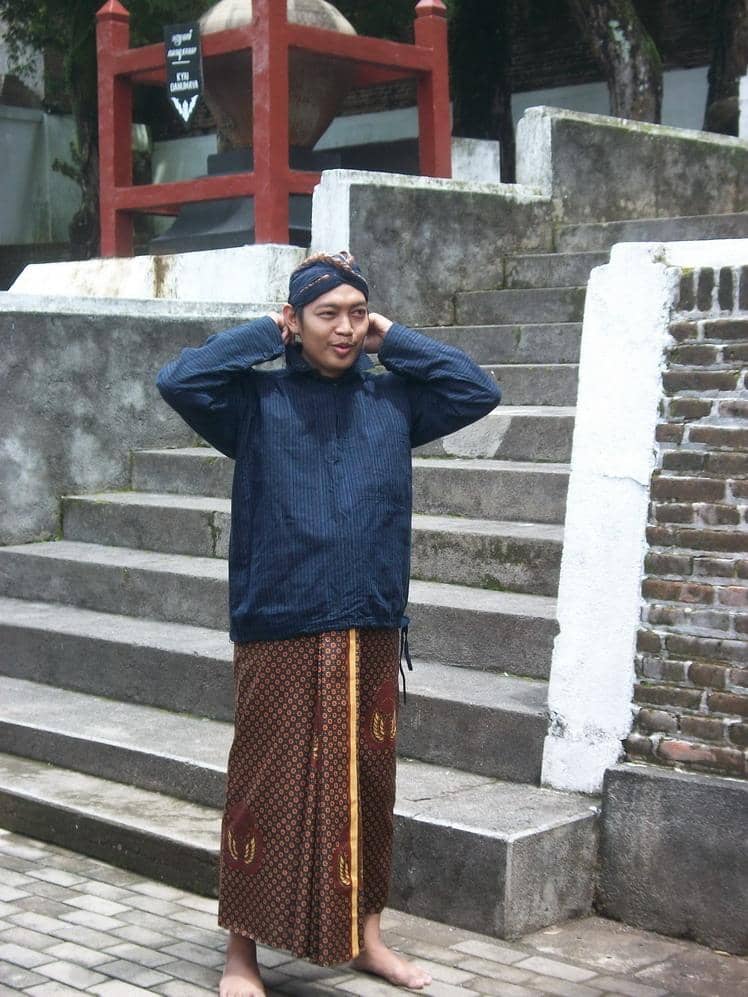
Traditional Javanese Attire
Entrance to Inner Tombs
Experience wearing traditional Javanese clothing, a mandatory and immersive part of visiting this sacred site.
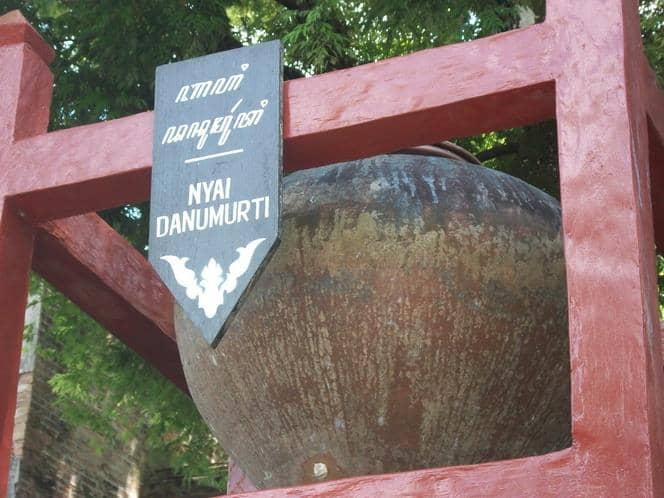
Architectural Significance
Complex Grounds
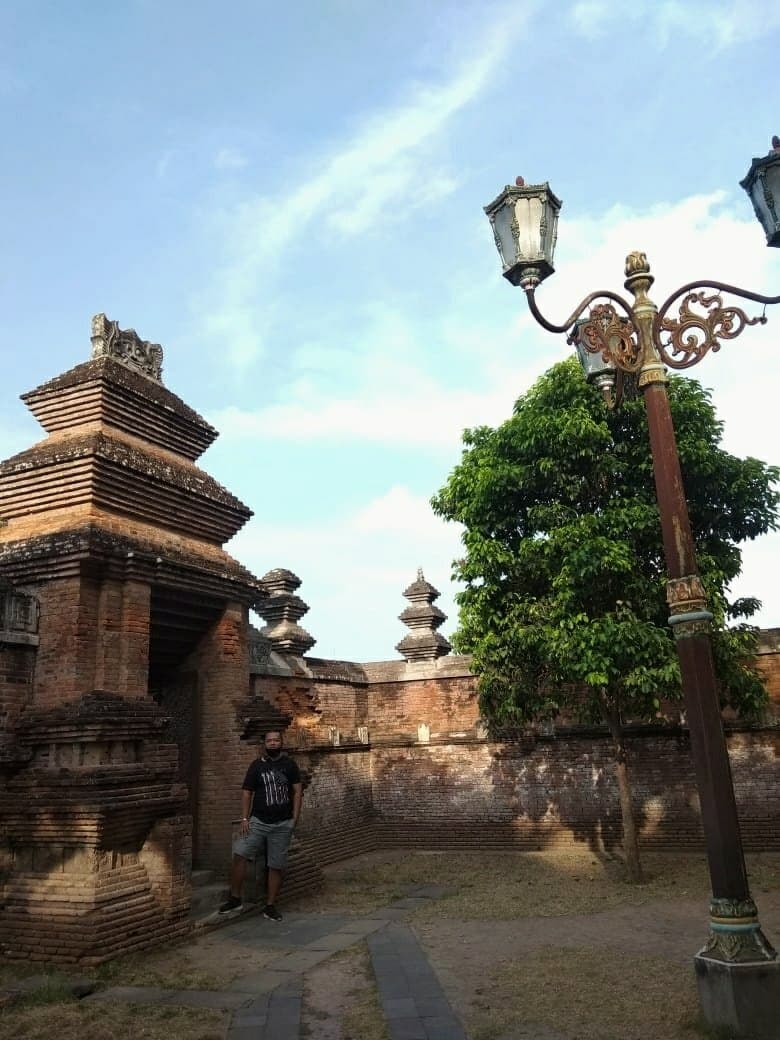
Admire the unique architecture of the 17th-century burial complex, designed by Kyai Tumenggung Tjitrokusumo.
Plans like a pro.
Thinks like you
Planning Your Visit
Respectful Attire is Key
Timing Your Visit for Serenity
Best Times
Insider Tips
from TikTok, Instagram & Reddit
👗 Dress Code Strictly Enforced
Traditional Javanese attire is mandatory for inner tomb access. Phones/cameras must be put away.
🚶♀️ Prepare for Stairs
Many steps lead up to the complex. Motorbike rides are available for a fee if needed.
💰 Donation for Entry
A small fee or donation is required for traditional clothing and entry.
🤫 Be Respectful
This is a sacred site. Maintain quiet, especially during prayer times.
Tips
from all over the internet
👗 Dress Code Strictly Enforced
Traditional Javanese attire is mandatory for inner tomb access. Phones/cameras must be put away.
🚶♀️ Prepare for Stairs
Many steps lead up to the complex. Motorbike rides are available for a fee if needed.
💰 Donation for Entry
A small fee or donation is required for traditional clothing and entry.
🤫 Be Respectful
This is a sacred site. Maintain quiet, especially during prayer times.
📚 Do Your Homework
Learn about Javanese history and culture beforehand for a richer experience.
What Travellers Say
Reviews Summary
Imogiri Royal Cemetery offers a unique glimpse into Javanese royal history and spiritual traditions, with visitors praising its historical depth and the immersive experience of wearing traditional attire. However, strict access rules for women and non-Muslims, along with the prohibition of photography inside, can be a point of disappointment for some. The climb up the stairs is also a notable physical aspect.
"It's located in Wukirsari, Imogiri, Bantul.
We entered from the back, starting from the Kings of Solo (Paku Buwono).
As we entered, a thick white wall separated the tombs of the kings of Yogyakarta.
The Imogiri Kings' Tombs, or Pajimatan Imogiri, is a burial complex for the kings of Islamic Mataram and their descendants, built by Sultan Agung Hanyokrokusumo in 1632.
This 10-hectare burial complex houses the burials of the kings who once reigned under the Kasunanan Surakarta and the Sultanate of Yogyakarta, along with their families.
Starting with SSDISKS Paku Buwono X and then Paku Buwono VI.
SSDISKS, or Susuhunan, is the title used by the rulers of the Mataram Sultanate, particularly in Surakarta (Solo) after the relocation of the seat of government from Kartasura to Surakarta.
This title was also used by Balinese rulers in the past.
This title literally means "the highly respected" or "the glorified."
The tomb of Tumenggung Endranata, a traitor to the Islamic Mataram kingdom, is known to be buried at the tomb. However, in an unusual manner, unlike other royal families who were buried with honor, Tumenggung Endranata's remains were buried on the steps leading to the Imogiri tomb complex.
The architect who built the Imogiri royal tomb complex was Kyai Tumenggung Tjitrokusumo, on the orders of Sultan Agung in 1632 AD.
Then, the tomb of Sri Sultan Hamengkubuwono I was buried.
Please enjoy the photos."
Iskandar Zulkarnain
"Ideally, this cemetery should primarily serve as a place of worship, adhering to the Islamic tradition of allowing only Muslim men to enter. Given Indonesia's Muslim-majority population and history of Muslim rulers, it is important to avoid transforming the cemetery into a tourist attraction. This includes preventing practices such as inappropriate attire for ladies and prayers beside graves that may conflict with Islamic beliefs. While the site is worthy of a visit, it would be preferable for women and non-Muslims to appreciate the location from outside the cemetery grounds, such as by climbing the steps, listening to the history and enjoying the surrounding atmosphere. I love Indonesia li Llah 💓💗❤️💖."
Adedoyin Yusuff
"Such an amazing spiritual experience to visit this place. Entering the complex by stairs. There are two part for Yogya section and Surakarta section. The main building is somehow old yet feels magic. Not so many visitor on weekday and only few merchants. Need special dress to enter and you need prepare some petty cash for charity."
Restu Mustaqim
What People Like
What People Dislike
Frequently Asked Questions
🚇 🗺️ Getting There
The Imogiri Royal Cemetery is located in Wukirsari, Imogiri, Bantul, about 17 km south of Yogyakarta city. You can hire a taxi or a private car for a direct trip. Alternatively, local buses run from Yogyakarta to Imogiri, but you may need to take a short motorbike taxi (ojek) ride from the town center to the cemetery entrance.
Yes, there is parking available near the entrance of the Imogiri Royal Cemetery complex. It's usually sufficient for cars and motorbikes.
While ride-sharing apps like Gojek and Grab are popular in Yogyakarta, their availability for direct trips to Imogiri might be limited, especially for the return journey. It's advisable to arrange a return trip with your driver or have a local contact.
For solo travelers, hiring a private car or joining a guided tour can be convenient. If you're on a budget, taking a local bus and then an ojek is an option, but be prepared for potential language barriers.
The travel time to Imogiri Royal Cemetery from Yogyakarta city center is typically around 45 minutes to 1 hour, depending on traffic conditions.
🎫 🎫 Tickets & Entry
The cemetery is generally open daily, but specific hours can vary. It's best to check locally or aim for morning or afternoon visits. The inner tomb areas may have more restricted access during certain times.
While there isn't a formal ticket booth for general entry, there is a fee for renting the traditional Javanese attire required to enter the sacred tomb areas. Donations are also appreciated.
The rental fee for the traditional Javanese clothing is nominal, usually around Rp 10,000 - Rp 20,000. This fee also often includes a small donation.
Yes, only Muslim men are permitted to enter the inner tomb areas. Women and non-Muslims can appreciate the site from the outer areas and the steps leading up.
No, photography and videography are strictly prohibited inside the sacred tomb areas. You must put away all phones and cameras before entering. Photos are generally allowed in the outer courtyards.
🎫 🧭 Onsite Experience
Outside the inner tomb areas, modest clothing is recommended. However, to enter the sacred tombs, you must wear the provided traditional Javanese attire, which includes a sarong and a head covering.
While children can accompany adults, they may not be able to enter the inner tomb areas if they are female or non-Muslim. The site involves a lot of walking and stairs, so consider this for very young children.
It is the burial complex for the kings of Islamic Mataram and their descendants, built by Sultan Agung Hanyokrokusumo in 1632. It holds immense historical and cultural importance for Java.
Official guides are not always readily available. It's recommended to do some research beforehand or engage with locals who might offer insights, but be mindful of their authenticity.
Approach the site with respect and mindfulness. Observe prayer times and ceremonies from a distance if they are occurring. Reflect on the history and cultural significance of the place.
🍽️ 🍽️ Food & Dining
There are usually a few small food stalls and local vendors selling snacks and drinks near the entrance and along the path leading up to the cemetery. For a wider selection, you'll need to go back to Imogiri town or Yogyakarta.
Bringing your own food and drinks is generally acceptable, but it's important to be tidy and dispose of any waste properly. Avoid eating or drinking in the immediate vicinity of the sacred tombs.
Near Imogiri, you can try local Javanese dishes. Look for warungs (small local eateries) that serve nasi gudeg (jackfruit stew) or other traditional Indonesian fare.
Yes, it's a good idea to eat before your visit, as dining options within the cemetery complex are limited. This ensures you have enough energy for the climb and exploration.
Vegetarian options can be found at local warungs, often consisting of rice with various vegetable dishes and tempeh or tofu. Nasi campur (mixed rice) can be customized.
📸 📸 Photography
Photography is allowed in the outer courtyards and on the steps leading up to the complex. You can capture the impressive architecture and the surrounding landscape.
The grand staircase leading up to the main complex offers a dramatic perspective. The outer courtyards with their traditional Javanese buildings also make for great shots.
Photography and videography are strictly forbidden inside the sacred tomb areas. All electronic devices, including phones and cameras, must be put away.
Early morning or late afternoon light can be beautiful for photography, offering softer light and fewer crowds. The mist that often shrouds the mountainside can add a mystical atmosphere.
Drone usage is generally not permitted at sacred sites like Imogiri Royal Cemetery due to respect and potential disturbance. It's best to avoid bringing drones.
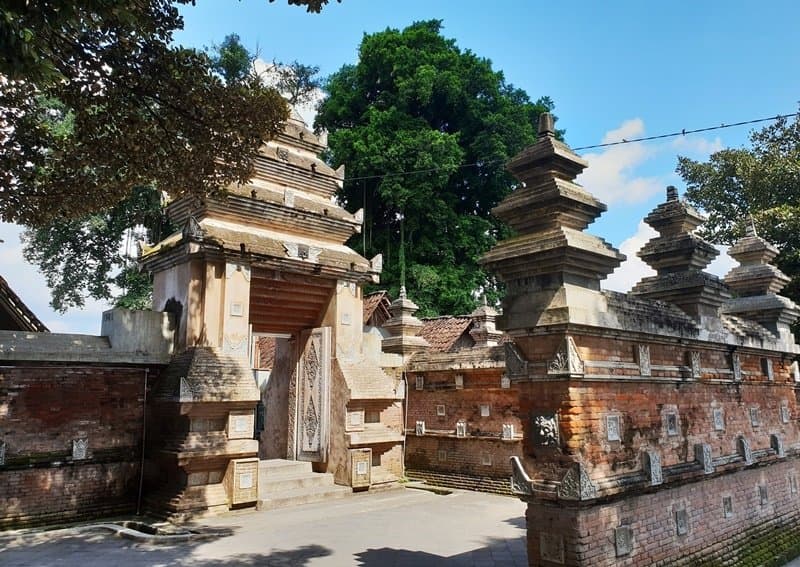

Social
from TikTok, Instagram & Reddit