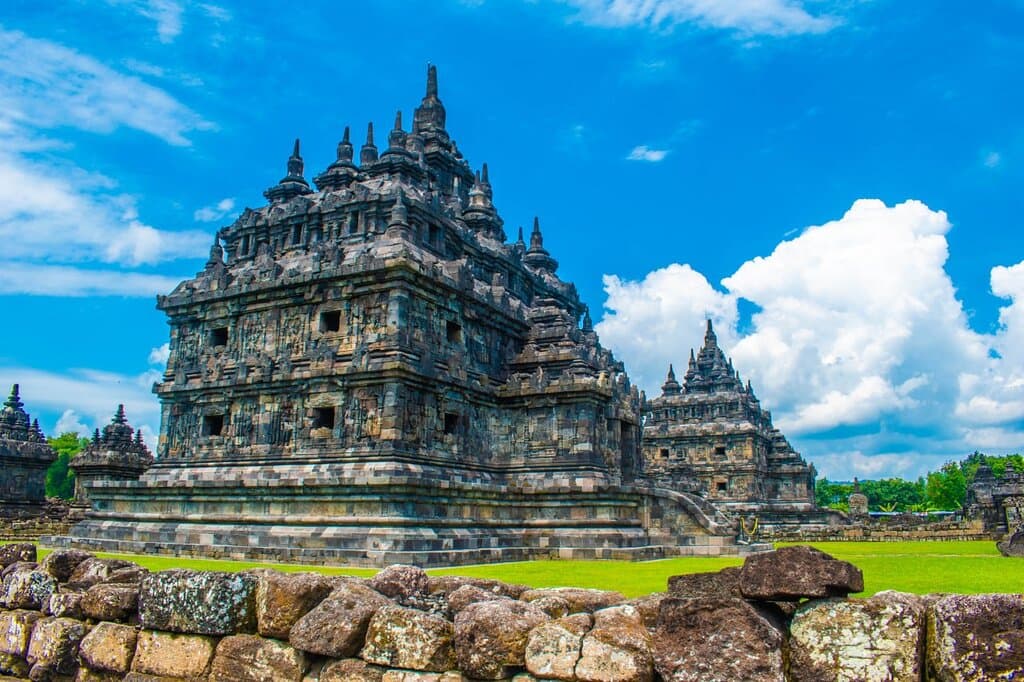
Kalasan Temple
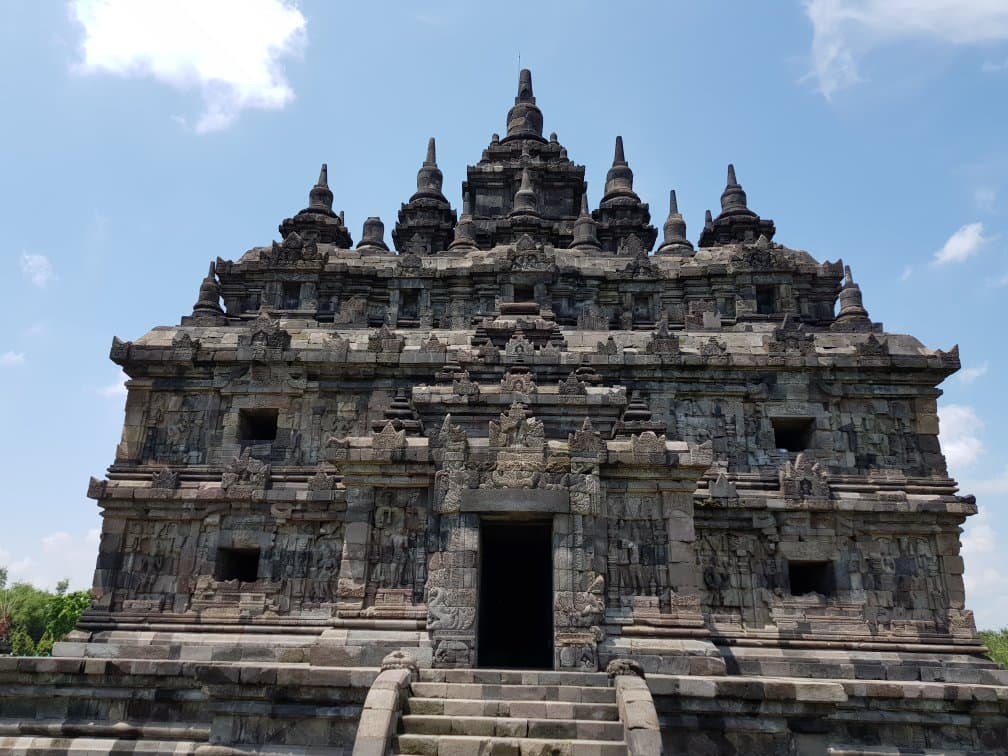
An 8th-century Buddhist temple in Yogyakarta, known for its intricate carvings and unique blend of architectural styles.
Highlights
Must-see attractions

Social
From TikTok & Reddit
Best Time
Golden hour light, fewer crowds
Kalasan Temple
Best Time
Golden hour light, fewer crowds
Highlights
Must-see attractions
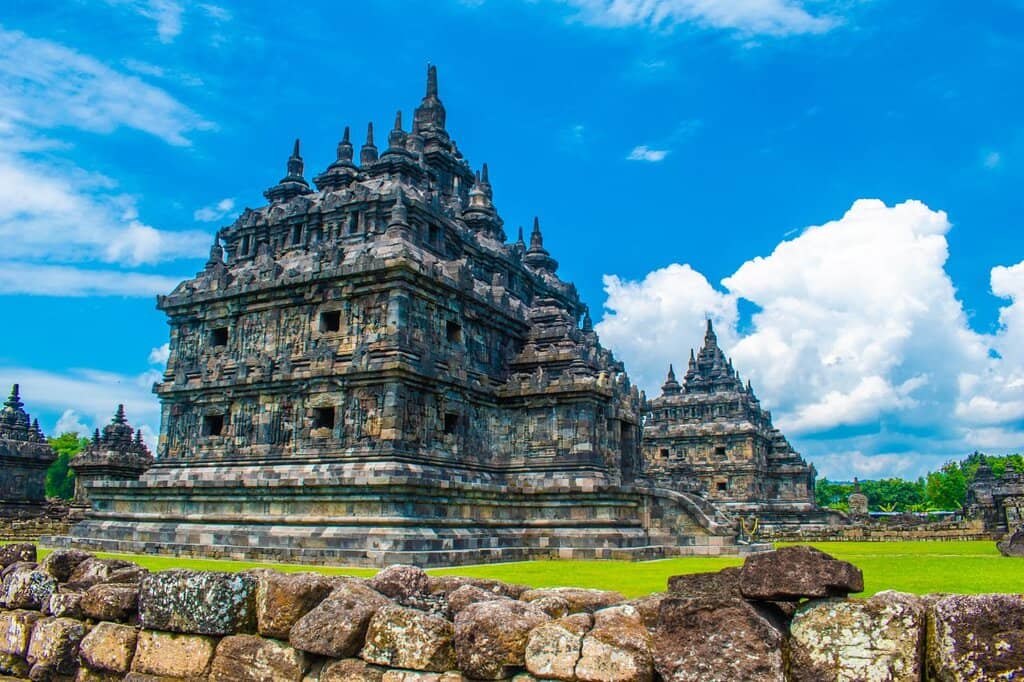
An 8th-century Buddhist temple in Yogyakarta, known for its intricate carvings and unique blend of architectural styles.
"A beautiful temple, smaller than other big complex temples, but still a cool place to visit."
🌅 Golden Hour Photography
Capture stunning photos as the sun sets, casting a warm glow on the temple's details.
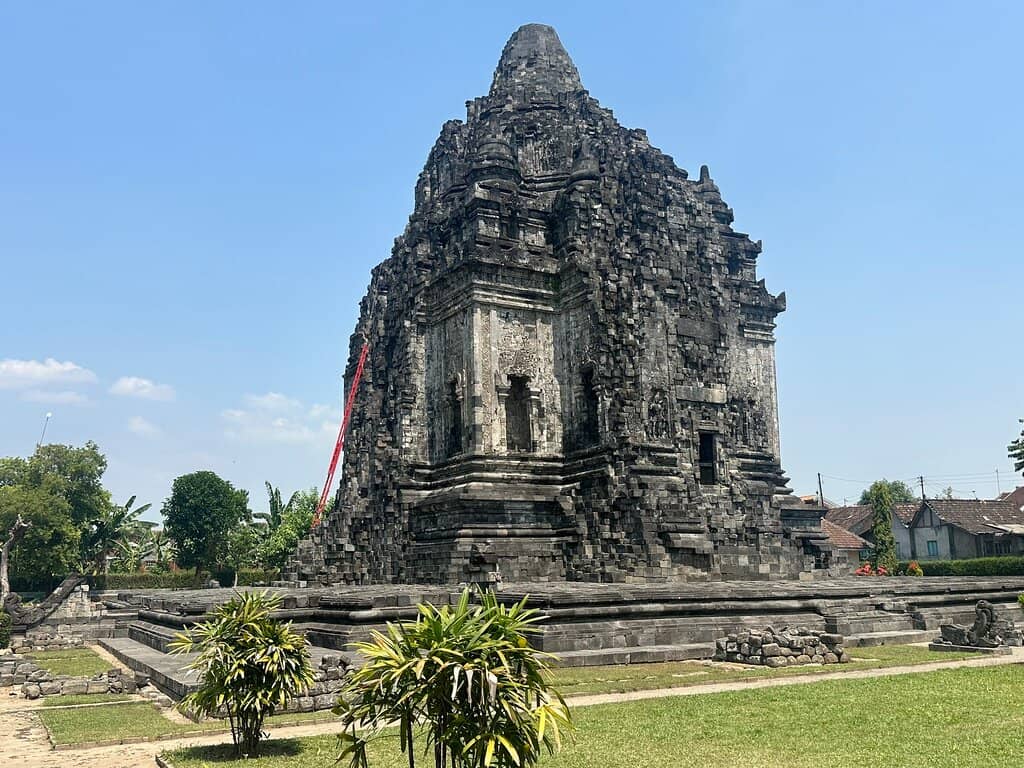
⏳ Check Restoration Status
Scaffolding may be present. Confirm current access before visiting to manage expectations.
Quick Facts
Rating
4.6 · 2,166 reviews
Type
Buddhist Temple
Highlights
Discover the most iconic attractions and experiences
Intricate Wall Carvings
Marvel at the detailed stone carvings depicting deities and decorative motifs, showcasing ancient artistry.
Architectural Uniqueness
Experience the distinct blend of Buddhist and Hindu influences in its 8th-century design.
Serene Atmosphere
Enjoy a peaceful visit, often described as a quiet and less crowded alternative to larger temple complexes.
Plans like a pro.
Thinks like you
Planning Your Visit
Timing is Key for Kalasan Temple
Understand Restoration Status
Best Times
Insider Tips
from TikTok, Instagram & Reddit
🌅 Golden Hour Photography
Capture stunning photos as the sun sets, casting a warm glow on the temple's details.
⏳ Check Restoration Status
Scaffolding may be present. Confirm current access before visiting to manage expectations.
🚶♀️ Easy Access, Small Scale
Smaller than Borobudur/Prambanan, it's a quick, peaceful visit.
🆓 Entrance Fee
Often free or a small donation is appreciated. Check upon arrival.
Tips
from all over the internet
🌅 Golden Hour Photography
Capture stunning photos as the sun sets, casting a warm glow on the temple's details.
⏳ Check Restoration Status
Scaffolding may be present. Confirm current access before visiting to manage expectations.
🚶♀️ Easy Access, Small Scale
Smaller than Borobudur/Prambanan, it's a quick, peaceful visit.
🆓 Entrance Fee
Often free or a small donation is appreciated. Check upon arrival.
🚗 Parking Availability
Parking is available, but access can be steep.
What Travellers Say
Reviews Summary
Visitors appreciate Kalasan Temple for its intricate carvings, unique architecture, and peaceful atmosphere, often noting it as a quiet alternative to larger sites. Some reviews mention ongoing restoration work which can sometimes limit views, and the temple's smaller scale means it might be a 'skip' for those with very limited time.
"Quiet n probably entrance free temple, if you come around 3 to 4pm. I wasn't asked to pay as I could just walk in to witness this amazing candi. One side was under construction though. It's relatively similar temple to the temples in the area so if you have limitedtime, its 50/50 choice of visiting or skipping."
Lyda Hak
"At the moment it’s being restored thus it is covered in scaffold… One should wait until the scaffold is taken down as you cannot see much of the temple… But at least it’s an attempt to restore to its former glory… I’m sure that once this work is completed, this will be a five star location… If you’re still interested, you can pass by but access is limited…"
L C
"Kalasan Temple (Candi Kalasan) is an 8th-century Buddhist temple located in Yogyakarta, Indonesia, renowned for its intricate carvings and unique architectural style. Dedicated to the goddess Tara, it is one of the oldest Buddhist temples in Central Java and is believed to have been built during the Syailendra dynasty.
The temple was rediscovered during the colonial period, with initial documentation in the 19th century, followed by partial restoration efforts in the early 20th century.
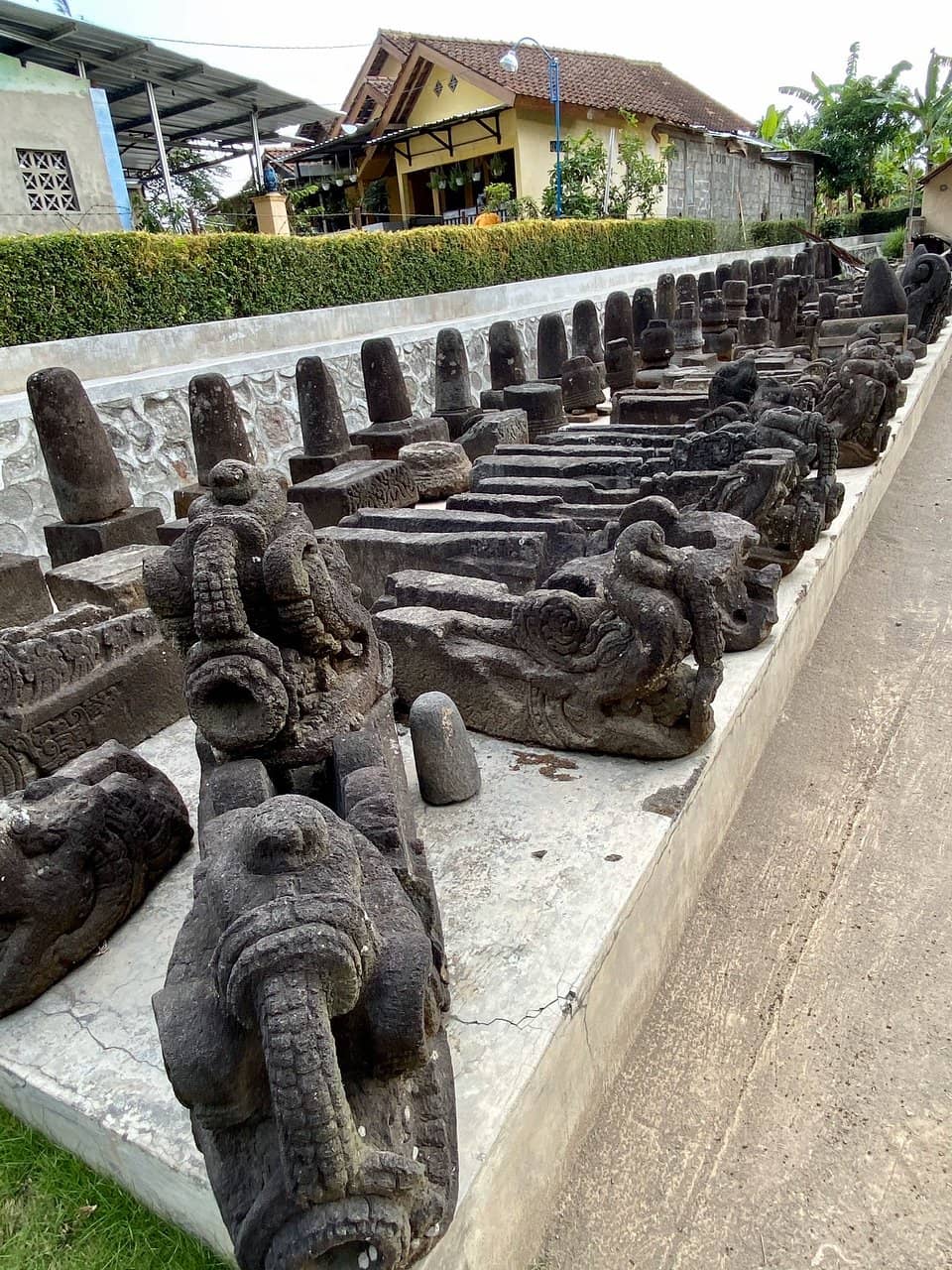
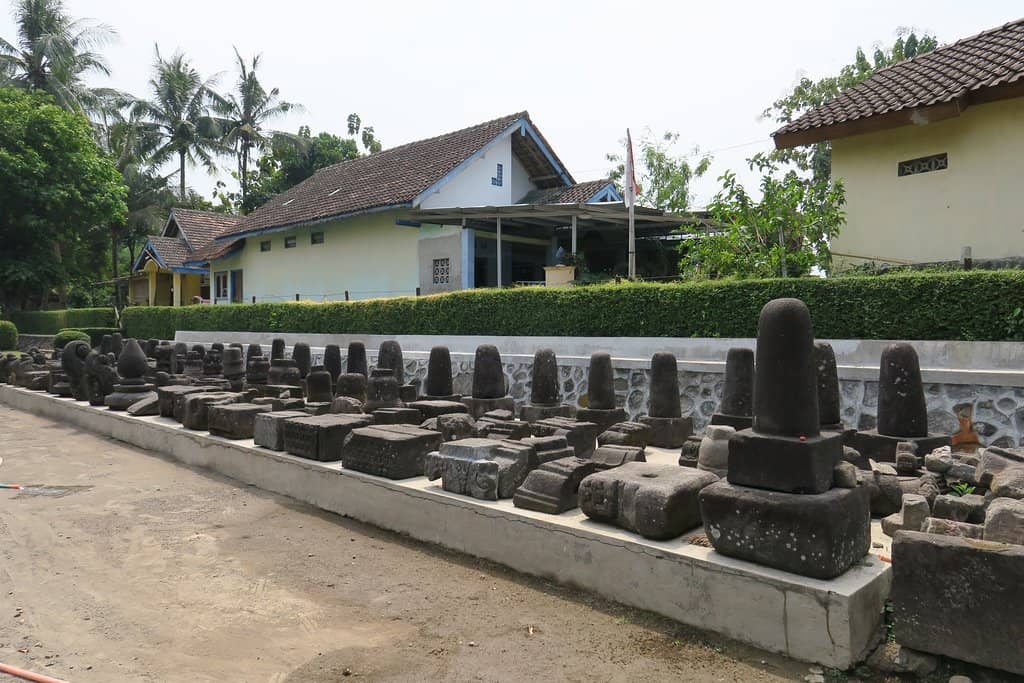
However, due to the lack of detailed records or drawings of the original structure, many ornamental stones and fragments could not be placed back in their original positions, leaving parts of the temple on the ground."
Silver Surfer
What People Like
What People Dislike
Frequently Asked Questions
🚇 🗺️ Getting There
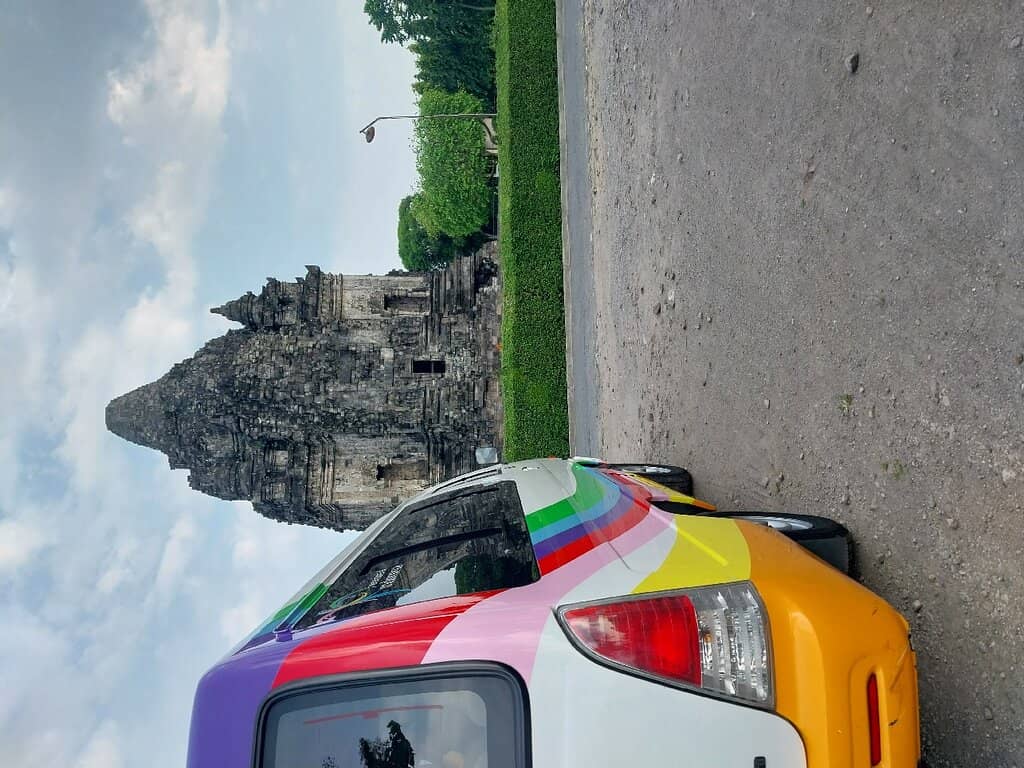
Kalasan Temple is conveniently located near the highway, about 15-20 km east of Yogyakarta city. You can reach it by car, taxi, or ride-sharing service. Some travelers opt for classic VW car tours for a unique experience.
While it's near a main road, direct public transport might be less frequent. Hiring a car or joining a tour is often more practical for reaching Kalasan Temple and other nearby sites.
Kalasan Temple is close to Prambanan Temple, making it easy to combine visits. Renting a car or scooter offers flexibility, or you can arrange transport through local tour operators.
Yes, there is a parking lot available. However, be aware that the access road to the parking can be steep, and it might be challenging for larger vehicles.
The entrance from the road is relatively small, so keep an eye out. It's situated in a quiet area despite its proximity to the highway.
🎫 🎫 Tickets & Entry
The temple is generally open until around 5 PM. It's advisable to arrive by 3 PM to enjoy the cooler temperatures and better light for photography.
Many visitors report that the entrance is free or requires a small donation. It's always a good idea to check upon arrival, as policies can sometimes change.
No advance booking is typically required for Kalasan Temple, as it's often free or has a minimal entry fee.
Yes, Kalasan Temple is smaller than major complexes like Borobudur or Prambanan, making it ideal for a shorter, more focused visit.
As a place of worship, it's respectful to dress modestly. Covering your shoulders and knees is recommended. Comfortable walking shoes are also a good idea.
📸 📸 Photography
The late afternoon, especially during the golden hour, offers beautiful lighting for photography. The soft light enhances the intricate carvings.
Generally, photography is allowed, but always be respectful of the site and any ongoing restoration work. Avoid using flash inside any enclosed areas if applicable.
Its detailed stone carvings, unique architecture, and often serene atmosphere make it a picturesque location. The surrounding greenery also adds to the visual appeal.
Drone usage regulations can vary. It's best to check local rules and obtain any necessary permits before flying a drone near historical sites.
Visitors often capture close-ups of the intricate carvings, wide shots of the temple's structure, and photos during the golden hour for dramatic effect. 
🎫 🏛️ History & Architecture
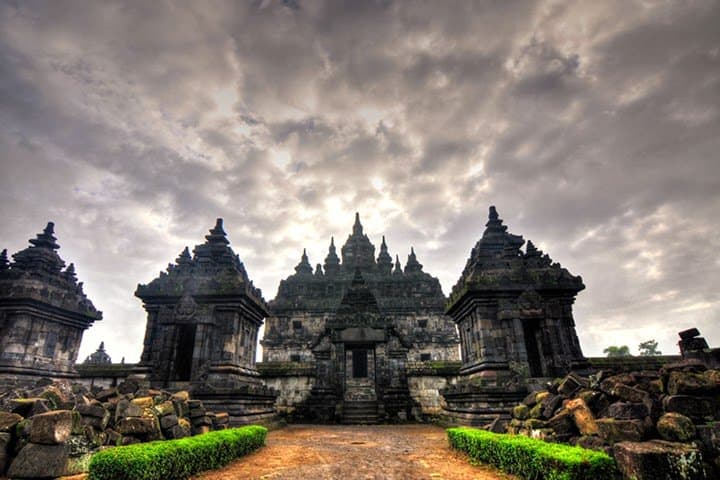
Kalasan Temple is an 8th-century Buddhist temple, considered one of the oldest in Central Java. It was built during the Syailendra dynasty and dedicated to the goddess Tara.
It features a unique architectural style that blends Buddhist and Hindu elements, reflecting the cultural landscape of its time. The temple is adorned with intricate carvings.
Yes, the temple has undergone restoration efforts, particularly after damage from earthquakes. However, due to missing original fragments, some parts remain incomplete.
The Kalasan inscription, dated 778 AD, is written in Sanskrit and Pranagari script. It provides crucial historical context for the temple's construction and dedication.
During restoration, many ornamental stones and fragments could not be placed back in their original positions due to a lack of detailed records, leaving some parts of the temple on the ground.





Social
from TikTok, Instagram & Reddit