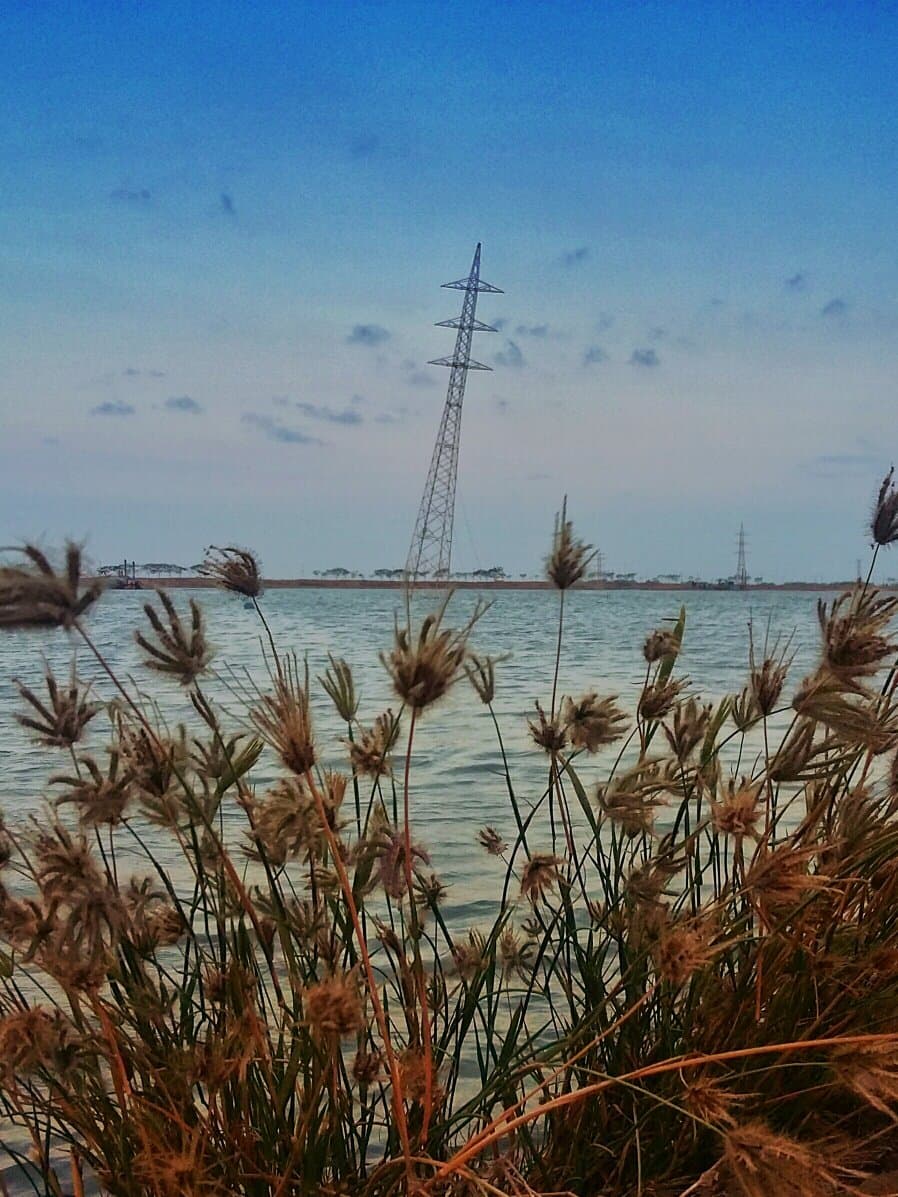
Lapindo Mudflow
A stark reminder of a devastating man-made disaster, the Lapindo Mudflow is an active site of bubbling hot mud and submerged landscapes.

Highlights
Must-see attractions

Social
From TikTok & Reddit
Best Time
Visibility for reflection
Lapindo Mudflow
Best Time
Visibility for reflection
Highlights
Must-see attractions
A stark reminder of a devastating man-made disaster, the Lapindo Mudflow is an active site of bubbling hot mud and submerged landscapes.
"It's definitely not a tourist attraction but a memorial to the devastating power caused by human error."
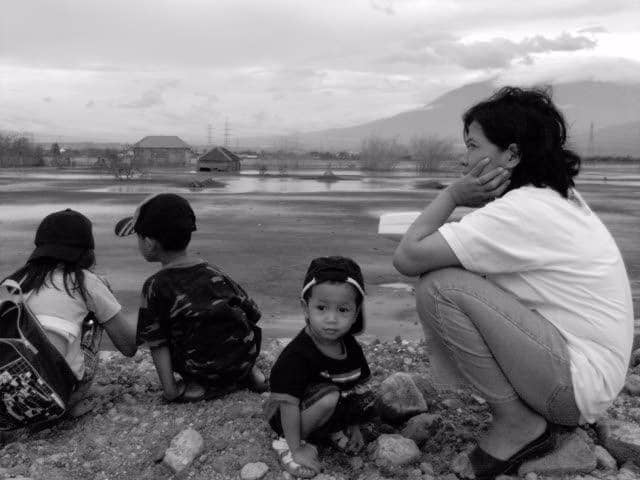
Visit with Respect
Remember this is a site of tragedy. Approach with empathy and avoid treating it as a typical tourist attraction. 🙏
Drone Exploration
Consider using a drone for a unique perspective on the vastness of the mudflow. :drone:
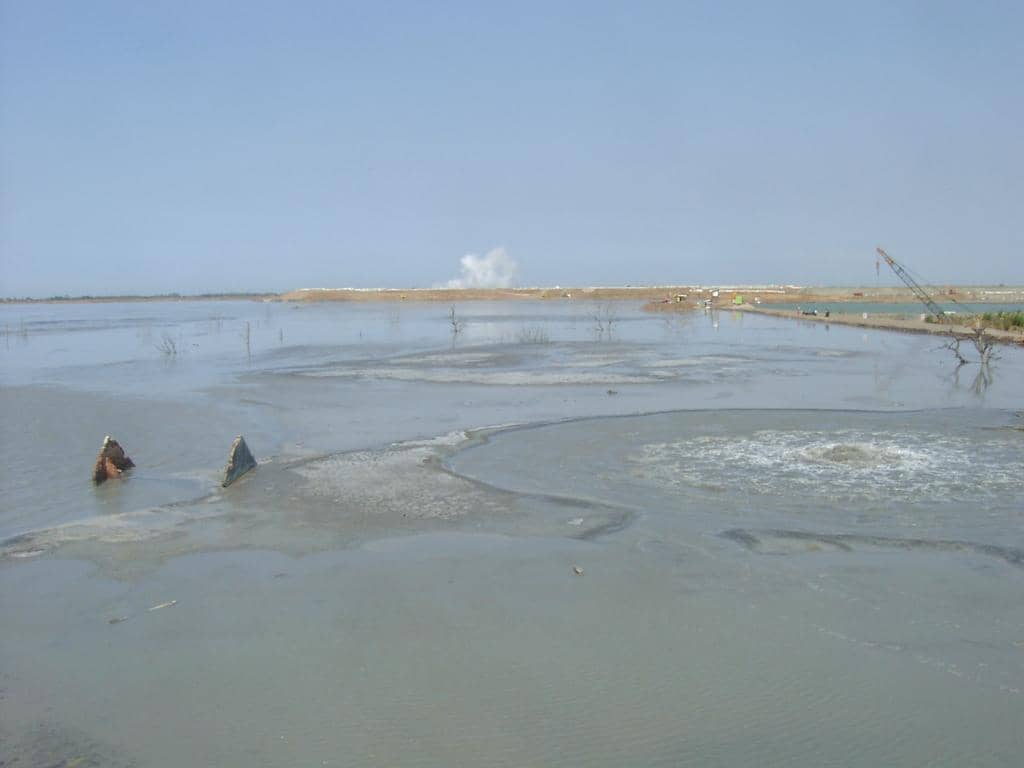
Quick Facts
Hours
Rating
3.8 · 2,211 reviews
Type
Tourist Attraction
Highlights
Discover the most iconic attractions and experiences
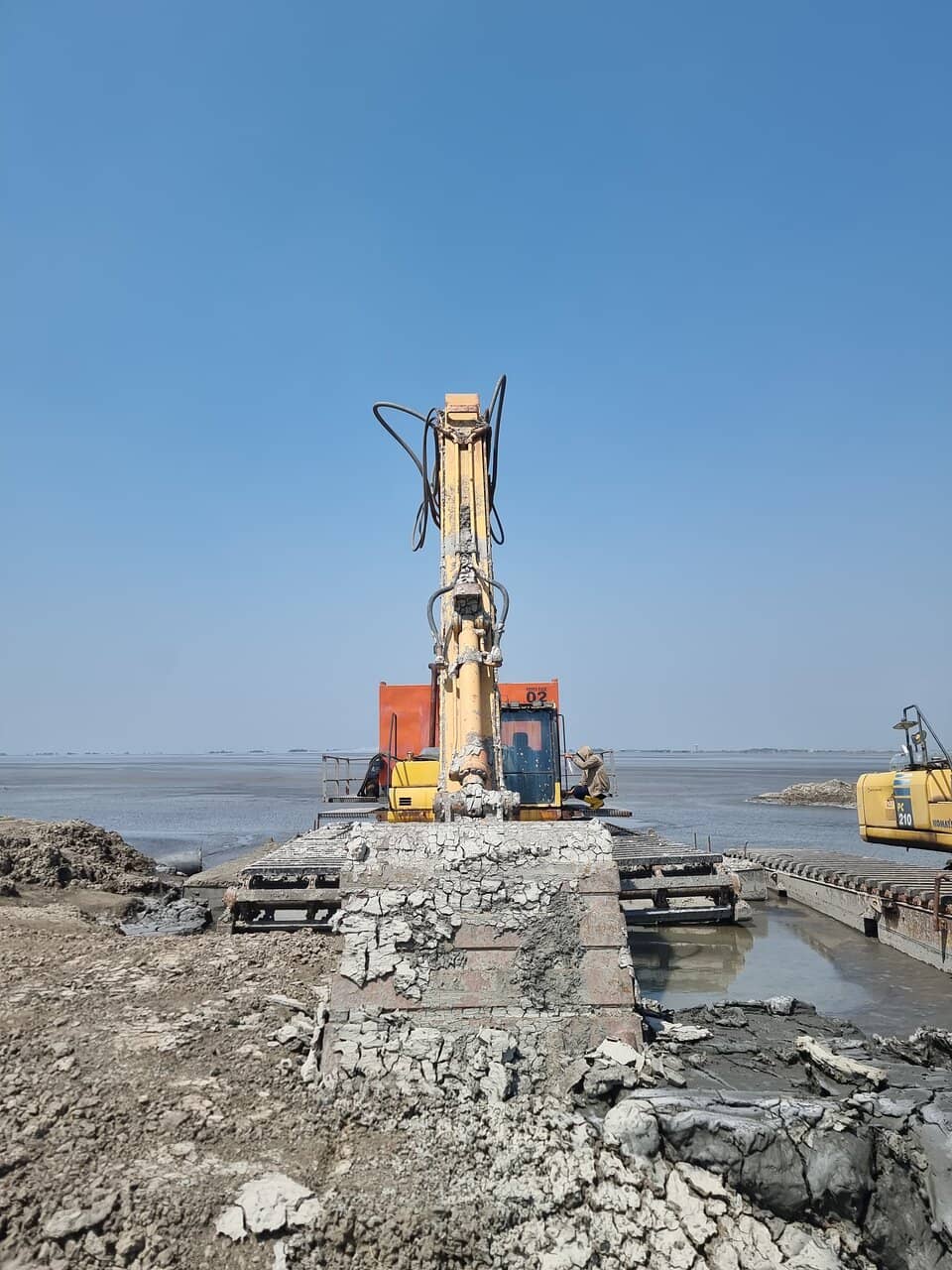
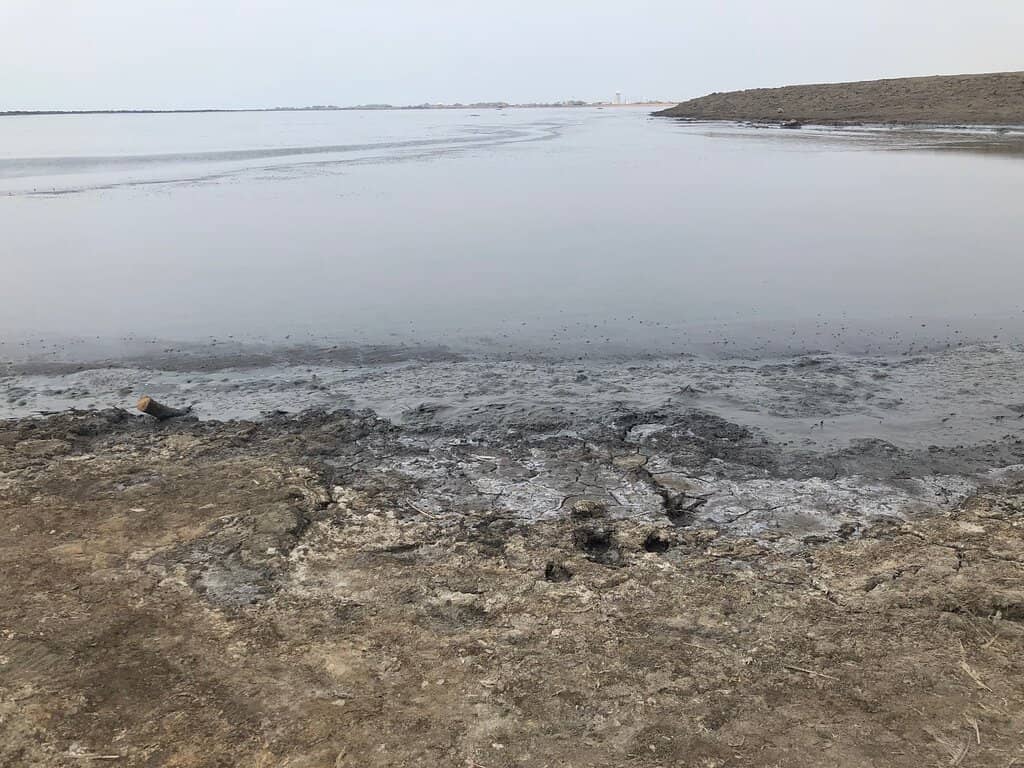
Active Mudflow Pools
Various locations within the affected area
Witness the surreal sight of continuously bubbling hot mud, a powerful testament to the ongoing geological event.
Memorial Walls
Near the mud pools
See poignant messages and pleas from affected residents etched onto walls, a powerful visual of their enduring struggles.
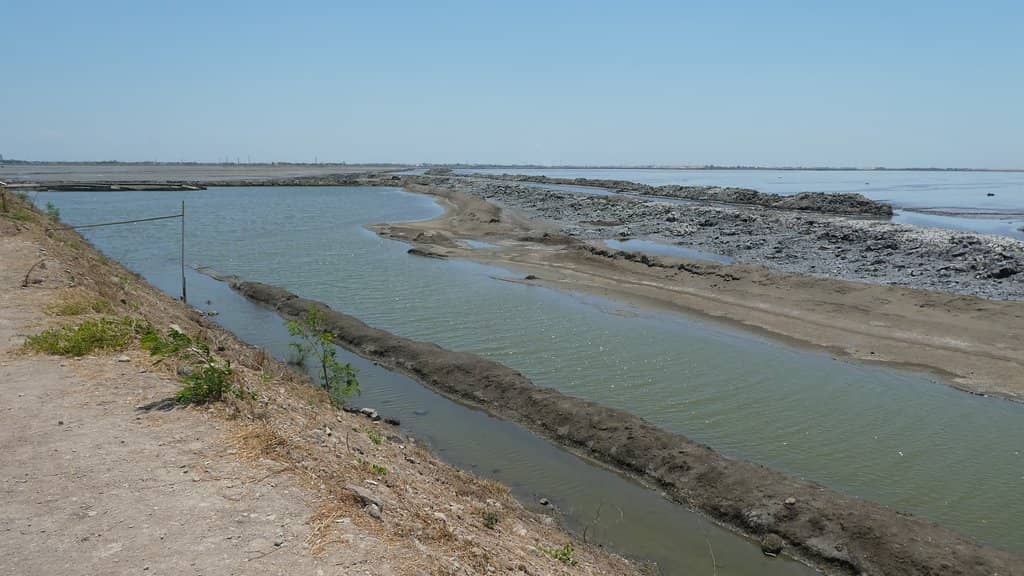
Remnants of Buried Infrastructure
Visible in some areas
Observe the haunting outlines of submerged roads and buildings, a stark reminder of the scale of destruction.
Plans like a pro.
Thinks like you
Planning Your Visit
Understand the Ongoing Tragedy
Respect and Sensitivity
Best Times
Insider Tips
from TikTok, Instagram & Reddit
Visit with Respect
Remember this is a site of tragedy. Approach with empathy and avoid treating it as a typical tourist attraction. 🙏
Drone Exploration
Consider using a drone for a unique perspective on the vastness of the mudflow. :drone:
Capture the Stories
Look for the messages on the walls; they tell powerful stories of loss and resilience. :camerawithflash:
Understand the History
Learn about the 2006 eruption and its ongoing impact before you visit. 📚
Tips
from all over the internet
Visit with Respect
Remember this is a site of tragedy. Approach with empathy and avoid treating it as a typical tourist attraction. 🙏
Drone Exploration
Consider using a drone for a unique perspective on the vastness of the mudflow. :drone:
Capture the Stories
Look for the messages on the walls; they tell powerful stories of loss and resilience. :camerawithflash:
Understand the History
Learn about the 2006 eruption and its ongoing impact before you visit. 📚
What Travellers Say
Reviews Summary
Visitors often feel a profound sense of sadness and tragedy, recognizing the Lapindo Mudflow as a memorial to a devastating man-made disaster rather than a typical tourist spot. While some find it a must-visit for remembrance and understanding, others note the lack of typical tourist amenities and the somber atmosphere. The ongoing impact on the community is a recurring theme in reviews.
"I really want to give the place 1 star ⭐ due to the devastating feeling of the tragedy
BUT i do think its a must visit place to REMEMBER how terrible this exploitation and the damaged it has created for the society
16villages buried due to incompetent operational of drilling 20years ago and until TODAY the people in surrounding still suffer"
Mama Serba Bisa
"I have to give it 5 stars since we explored the place via a drone and its incredibly interesting. Its definetely not a tourist attraction but a memorial to the devastating power caused by human error."
Daniel Preclík
"The worst and disastrous mining's environmental incident in Indonesia. Lapindo mud burst, May 2006.
The settlement of Lapindo mudflow victims in Sidoarjo, East Java, has not been completed yet. In May 2017, just after 11 years of hot mud burst, there are still dozens of casualties, both from citizens and businessmen, who have not received any compensation."
wibisono yamin
What People Like
What People Dislike
Frequently Asked Questions
🚇 🗺️ Getting There
The Lapindo Mudflow is located in Porong, Sidoarjo, which is south of Surabaya. You can reach it by car or taxi, taking approximately 1-1.5 hours depending on traffic. Public transportation options might be more complex, often requiring multiple transfers. Consider ride-sharing apps for convenience.
While direct public transport to the immediate mudflow area can be challenging, you can take buses or trains to Sidoarjo city and then arrange local transport like a taxi or motorcycle taxi to reach Porong.
The area is quite spread out. If you have a car, it offers the most flexibility. Otherwise, hiring a local driver for a few hours or using ride-hailing services can help you access different points of interest.
Dedicated 'tourist' tours are uncommon due to the nature of the site. However, some local guides or drivers might offer informal tours that focus on the history and impact. It's best to inquire locally.
Parking is generally informal and available in designated open areas near the mud pools and memorial walls. There aren't formal parking lots, so be prepared for unpaved or rougher ground.
🎫 🎫 Tickets & Entry
There are no official entrance tickets required to visit the Lapindo Mudflow site. Access to the general viewing areas and memorial walls is typically free.
As an active disaster site, there are no set opening or closing hours. Visitors can typically access the accessible areas during daylight hours.
No, there is no admission fee. The site is a place of ongoing environmental disaster and remembrance, not a commercial attraction.
Visiting at night is not recommended due to safety concerns and lack of lighting. It's best to visit during daylight hours for visibility and to show respect.
While there are no formal restrictions, visitors are advised to exercise caution, stay within designated safe areas, and be mindful of the sensitive nature of the site.
📸 📸 Photography
The memorial walls offer poignant subjects, as do the bubbling mud pools. The remnants of submerged infrastructure also provide dramatic photographic opportunities.

Drone photography is possible and can offer unique aerial perspectives of the vastness of the mudflow. However, always check local regulations and be mindful of any sensitive areas.
Expect to capture images of surreal landscapes, bubbling mud, poignant messages of remembrance, and the stark reality of environmental disaster.
Generally, photography is permitted in accessible areas. However, always be respectful and avoid intrusive photography of any residents or their property.
A wide-angle lens is useful for capturing the expansive landscape, while a telephoto lens can be good for details. A sturdy tripod might be helpful for low-light conditions or capturing the mud's texture.
🎫 🤔 Onsite Experience
It's a somber and reflective experience. You'll witness an active geological disaster and see the lasting impact on the community, with memorial walls offering a glimpse into their struggles.
While the mud itself is hot and dangerous, accessible areas are generally considered safe if you stay within marked or advised zones. Exercise caution and be aware of your surroundings.
Wear comfortable, closed-toe shoes as the ground can be uneven and muddy. Light, breathable clothing is recommended, and consider sun protection.
Basic facilities are limited. It's advisable to use restrooms before arriving and bring your own snacks and water.
Most visitors spend 1-2 hours to observe the mud pools, read the memorial walls, and reflect on the tragedy.





Social
from TikTok, Instagram & Reddit