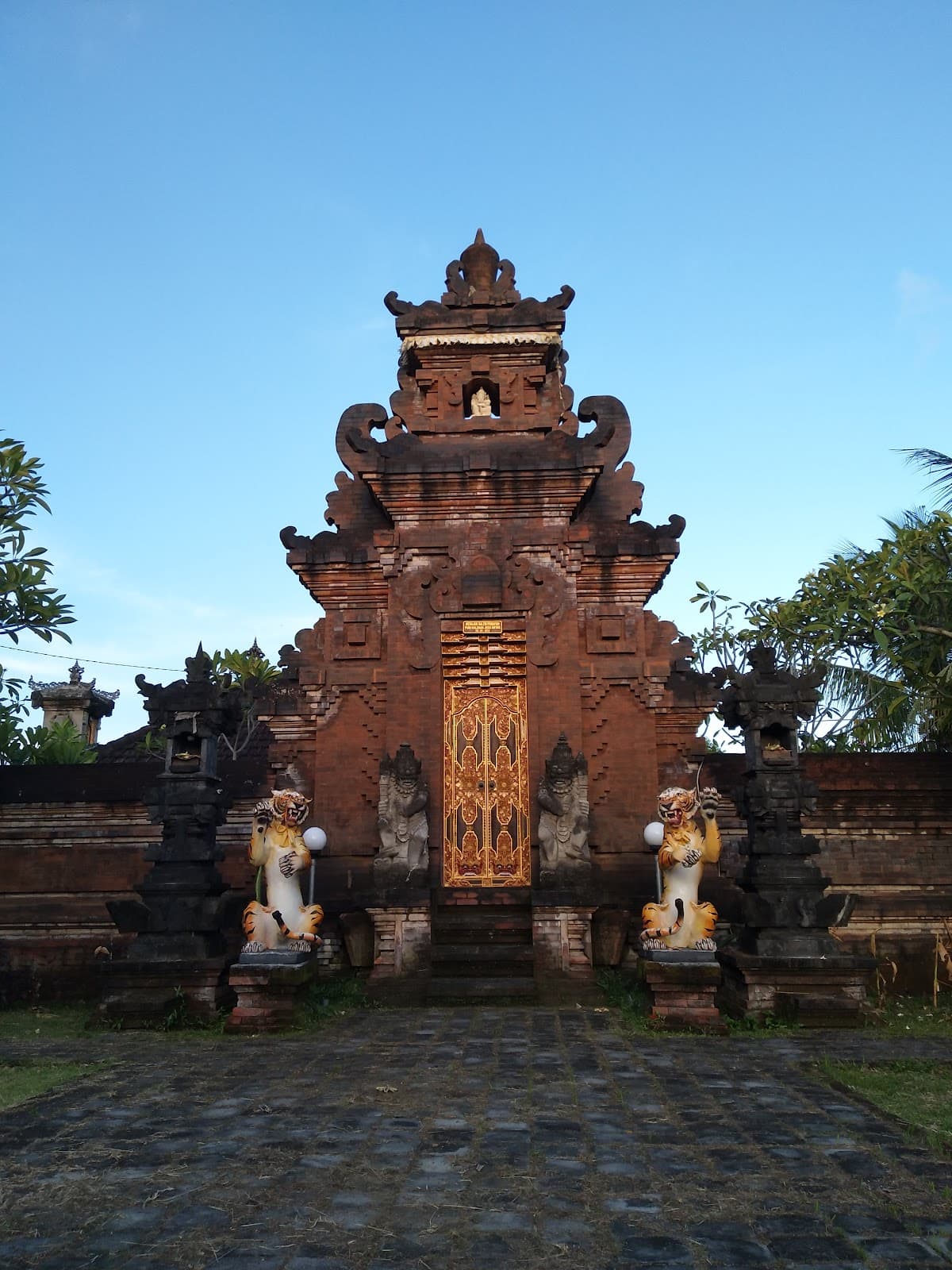
Pejeng Village Bali
Discover the cultural heart of Bali in Pejeng Village, known for its ancient history, vibrant traditions, and authentic farm-to-table experiences.
Highlights
Must-see attractions
Social
From TikTok & Reddit
Best Time
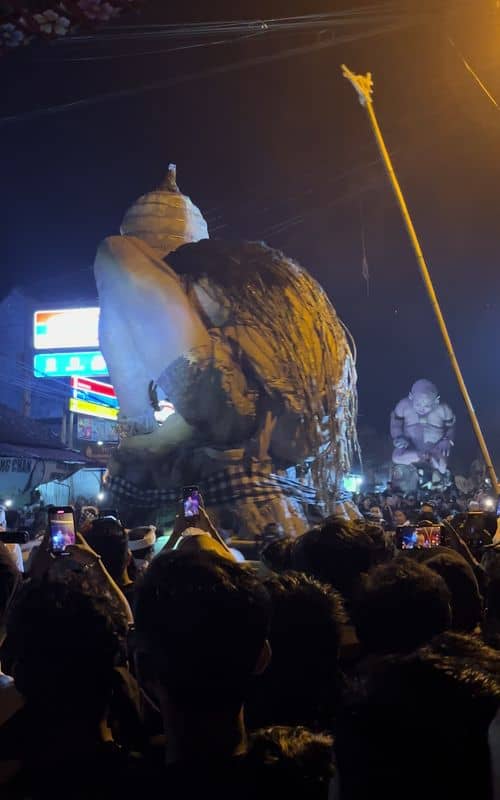
Witness ogoh-ogoh preparations
Pejeng Village Bali
Best Time
Witness ogoh-ogoh preparations
Highlights
Must-see attractions
Discover the cultural heart of Bali in Pejeng Village, known for its ancient history, vibrant traditions, and authentic farm-to-table experiences.
Book Cooking Classes Early
Popular farm-to-table experiences like Mai Organic Farm fill up fast. Book your spot in advance! 🎟️
Respect Local Customs
Dress modestly when visiting temples or participating in local events. 🙏
Quick Facts
Highlights
Discover the most iconic attractions and experiences
Ogoh-Ogoh Creations
Various community halls
Witness the intricate and often fearsome ogoh-ogoh statues crafted for Nyepi. These artistic marvels are a sight to behold before their ceremonial burning.
Mai Organic Farm Experience
Pejeng Village
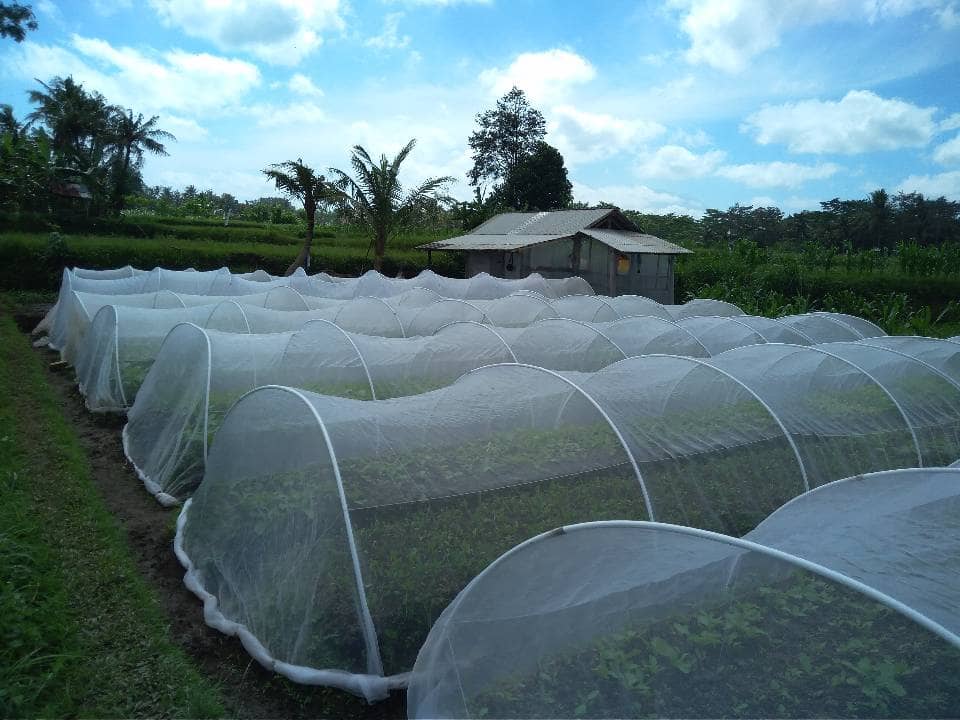
Engage in a hands-on Balinese cooking class, from garden to plate. Learn about local produce and traditional culinary techniques.
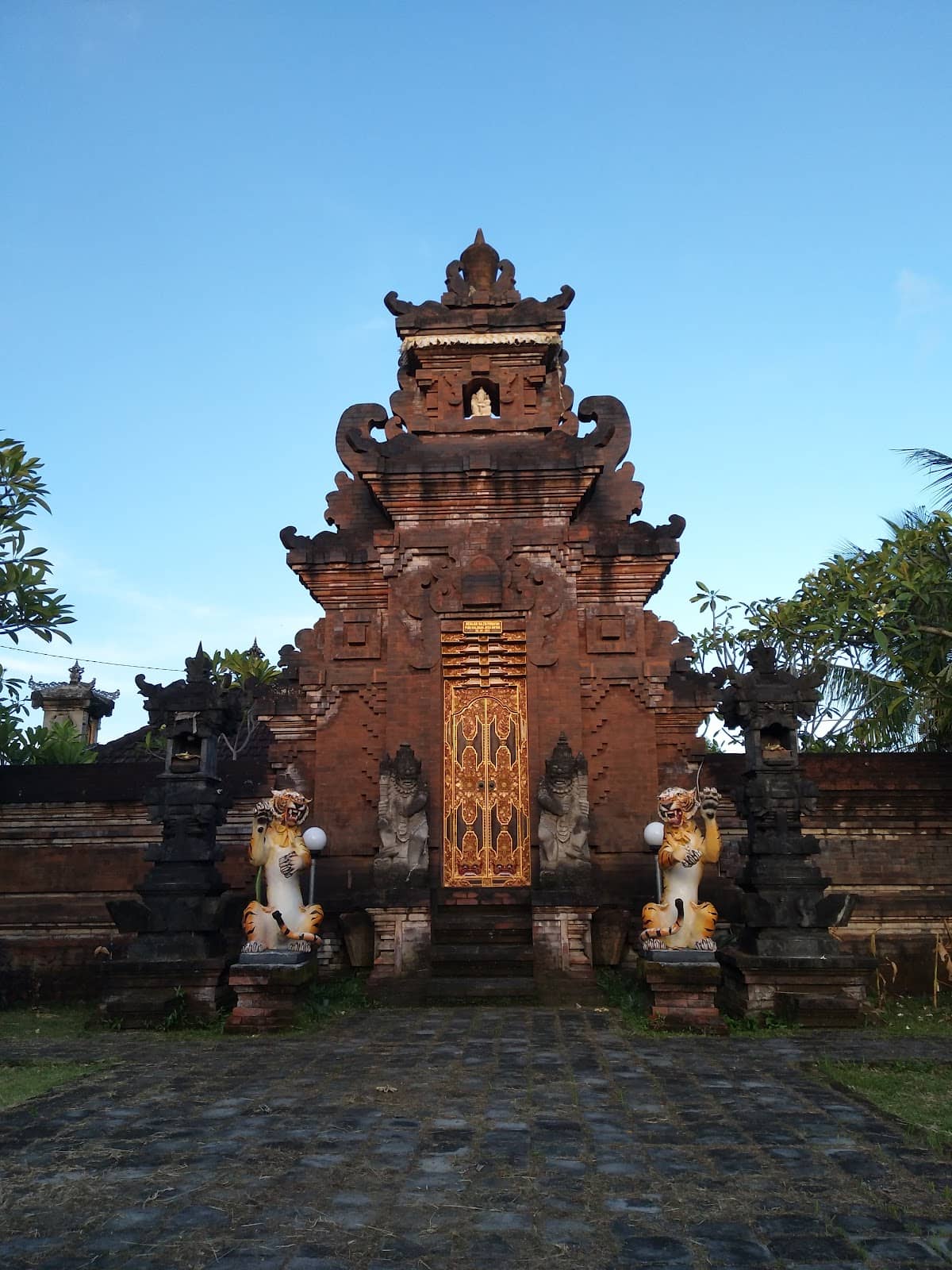
Traditional Market Buzz
Pejeng Village Market
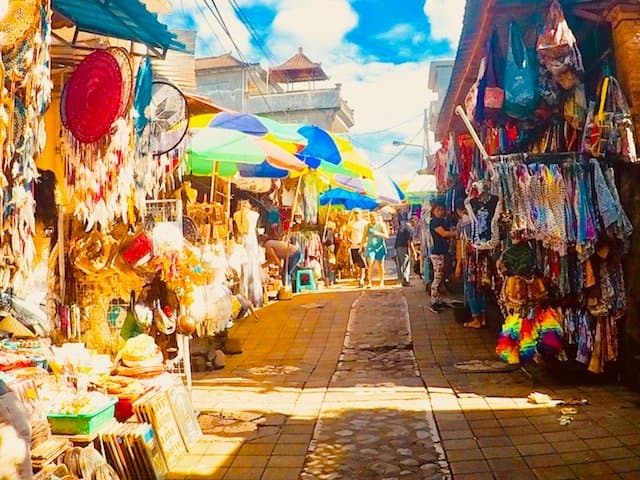
Experience the vibrant local market, a colorful hub of daily life. Sample fresh produce and observe authentic Balinese commerce.
Ancient Balinese History
Pejeng historical sites
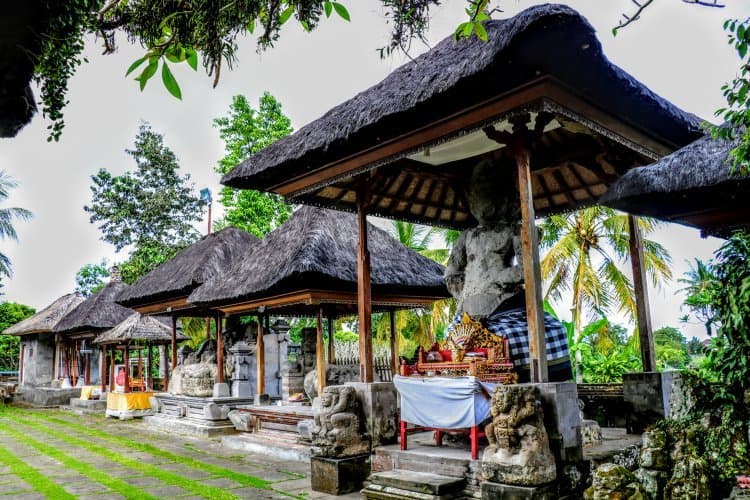
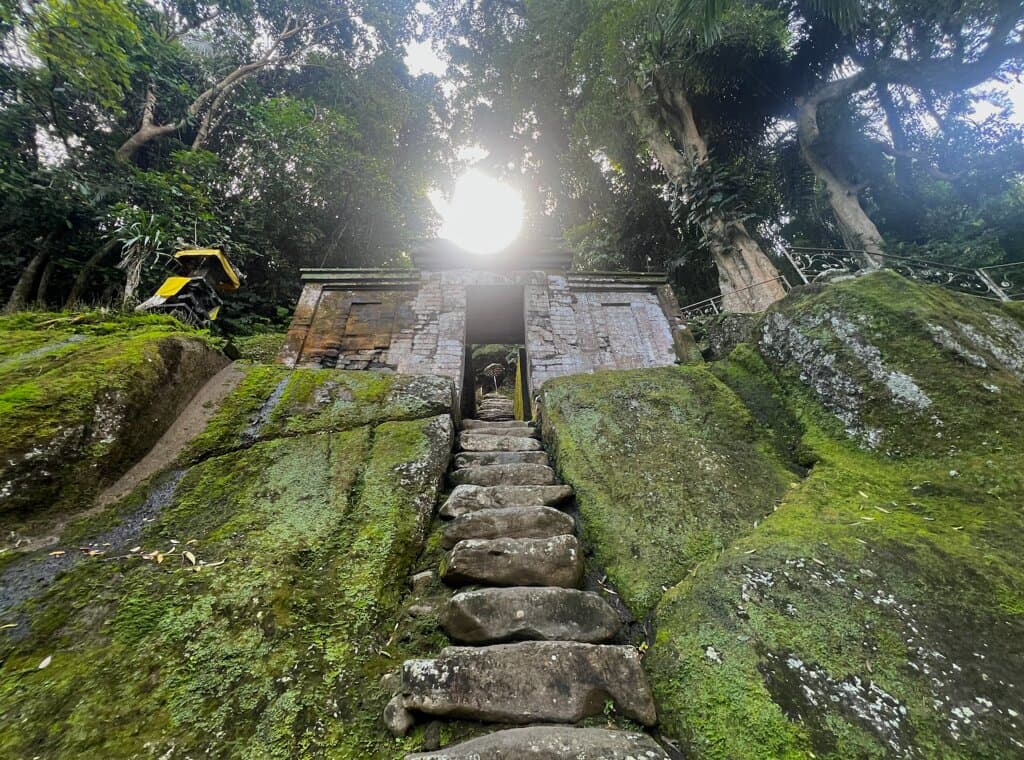
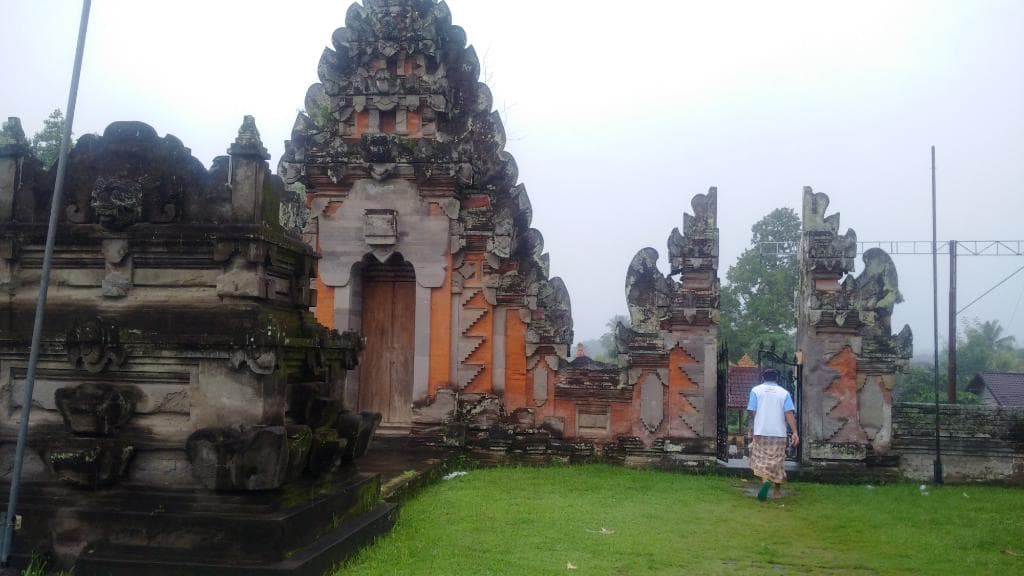
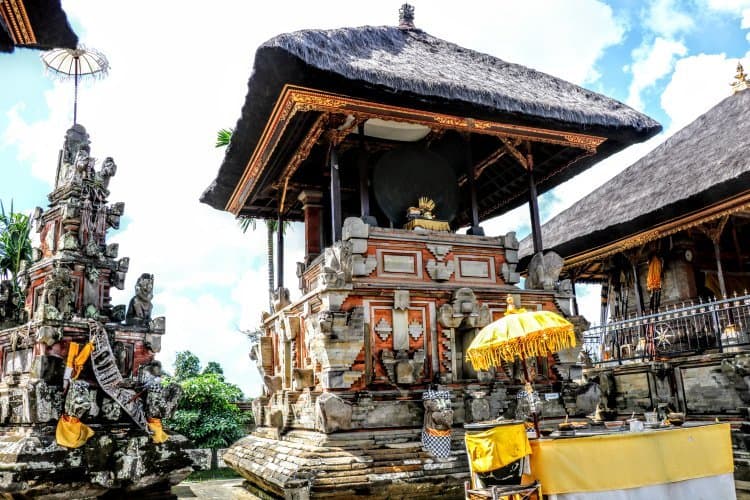
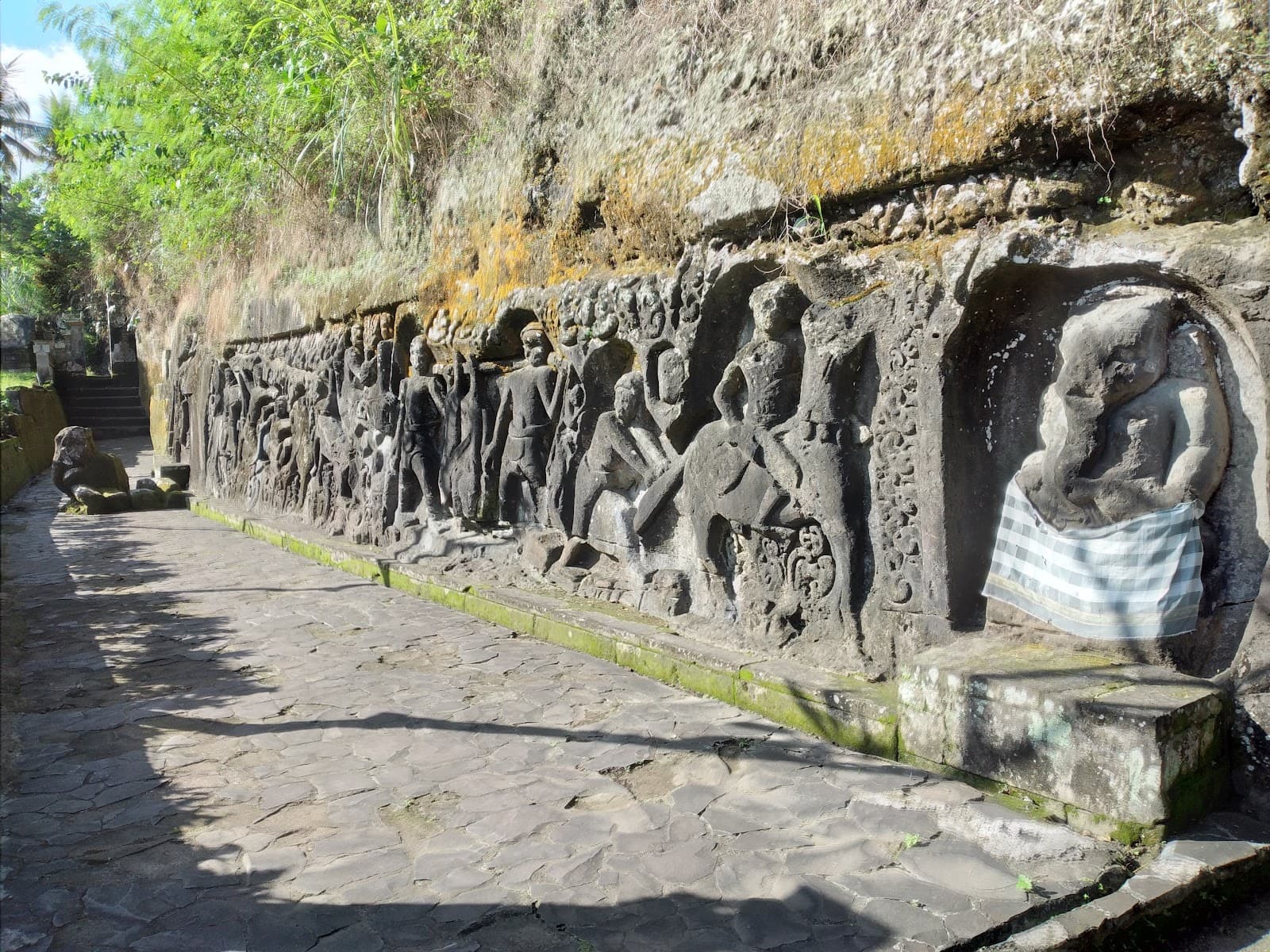
Explore remnants of Pejeng's past as an ancient capital, offering a deeper understanding of Balinese heritage.
Plans like a pro.
Thinks like you
Planning Your Visit
Embrace the Local Culture
Farm-to-Table Delights
Best Times
Insider Tips
from TikTok, Instagram & Reddit
Book Cooking Classes Early
Popular farm-to-table experiences like Mai Organic Farm fill up fast. Book your spot in advance! 🎟️
Respect Local Customs
Dress modestly when visiting temples or participating in local events. 🙏
Explore the Markets
Visit the traditional market for a vibrant slice of Balinese daily life and local produce. :shopping_bags:
Ogoh-Ogoh Spectacle
If visiting around Nyepi, don't miss the incredible ogoh-ogoh statues. 🔥
Tips
from all over the internet
Book Cooking Classes Early
Popular farm-to-table experiences like Mai Organic Farm fill up fast. Book your spot in advance! 🎟️
Respect Local Customs
Dress modestly when visiting temples or participating in local events. 🙏
Explore the Markets
Visit the traditional market for a vibrant slice of Balinese daily life and local produce. :shopping_bags:
Ogoh-Ogoh Spectacle
If visiting around Nyepi, don't miss the incredible ogoh-ogoh statues. 🔥
Embrace the Scenery
Enjoy the beautiful countryside views from villas and local spots. :camerawithflash:
What Travellers Say
Reviews Summary
Pejeng Village is praised for its authentic cultural experiences, particularly the farm-to-table cooking classes and the impressive ogoh-ogoh creations. Visitors appreciate the glimpse into traditional Balinese life and the opportunity to engage with local communities. However, some find the village less developed for tourism compared to other areas, with fewer dining options outside of specific experiences.
What People Like
What People Dislike
Frequently Asked Questions
🚇 🗺️ Getting There
Pejeng Village is a short drive from Ubud, typically 20-30 minutes. You can hire a scooter, a private driver, or use ride-sharing apps. Many visitors find it convenient to combine a visit to Pejeng with other nearby attractions like Tirta Empul Temple.
Public transport options are limited in Pejeng. Hiring a private driver or renting a scooter is the most common and flexible way to explore the village and its surroundings.
Once in Pejeng, getting around is best done by scooter or by walking to explore local spots. For longer distances or to visit multiple sites, a hired driver is recommended.
Pejeng is known for its historical sites and the Mai Organic Farm. If you're interested in cooking classes, head towards the farm. For cultural insights, look for local temples and community halls.
The journey from Denpasar Airport (DPS) to Pejeng Village can take around 1 to 1.5 hours, depending on traffic conditions. Hiring a taxi or pre-booking a transfer is advisable.
🎫 🎫 Tickets & Entry
Pejeng Village itself is a residential area and does not require an entrance ticket. However, specific attractions within or near the village, such as temples or organized tours like cooking classes, may have admission fees or booking costs.
Mai Organic Farm typically operates during daylight hours for its cooking classes and farm tours. It's best to check their specific schedule and book your experience in advance, as they often operate by appointment.
Some historical sites and temples in the Pejeng area may have small entrance fees or request donations. It's advisable to carry some small Rupiah denominations for these contributions.
The cost of cooking classes at places like Mai Organic Farm can vary, but typically range from IDR 350,000 to IDR 500,000 per person, often including a market tour and the meal you prepare.
Ogoh-ogoh statues are primarily created and displayed in the lead-up to Nyepi. While you might see some being worked on or stored, the full spectacle is during the festival period.
🎫 🧭 Onsite Experience
Key attractions include the Mai Organic Farm for cooking classes, the vibrant local market, and historical sites that speak to Pejeng's past as an ancient capital. During Nyepi, the ogoh-ogoh statues are a major draw.
Pejeng was once the capital of a powerful kingdom in Bali, making it a site of significant historical and cultural importance. It's known for its ancient artifacts and traditional practices. 
While not as common as in larger tourist hubs, you can find local guides or book experiences like cooking classes that offer an immersive tour of the village and its surroundings.
Families can enjoy the hands-on experience of a Balinese cooking class, explore the local market, and learn about traditional crafts. The scenic countryside also offers opportunities for gentle exploration.
Absolutely! Pejeng offers picturesque rural landscapes, vibrant market scenes, intricate ogoh-ogoh statues, and glimpses into traditional Balinese life, making it a photographer's delight.
🍽️ 🍽️ Food & Dining
The best way to experience authentic Balinese cuisine is through a cooking class at Mai Organic Farm, where you prepare and eat traditional dishes. Local warungs (small eateries) may also offer local specialties.
Yes, Balinese cuisine heavily features vegetables and plant-based ingredients. Cooking classes can often accommodate dietary preferences, and local dishes are generally adaptable.
While specific Pejeng specialties might be subtle, focus on classic Balinese dishes like Nasi Goreng, Mie Goreng, Satay, and various vegetable dishes prepared with local herbs and spices.
Visiting the local market is a great way to see and potentially buy fresh produce directly from vendors who source from local farms.
Pejeng is more of a traditional village, so large cafes and restaurants are less common. You'll find more local warungs. For a wider selection, Ubud is a short drive away.
📸 📸 Photography
Capture the vibrant local market, the intricate details of ogoh-ogoh statues, the lush green rice paddies, traditional Balinese architecture, and the serene countryside views.
Early morning offers soft light for market scenes and landscapes. Late afternoon provides golden hour light for scenic shots. Midday can be harsh but good for capturing the intensity of ogoh-ogoh details.
Always ask for permission before taking close-up photos of people, especially during cultural events or in markets. Be respectful of religious sites and ceremonies.
A versatile lens (like a 24-70mm) is great for landscapes and street scenes. A wider lens can capture the scale of ogoh-ogoh, and a prime lens is good for portraits. A drone can offer stunning aerial views of the countryside.
Yes, you can photograph ogoh-ogoh statues up close, especially during their creation or display before Nyepi. Their detailed craftsmanship makes for compelling shots.
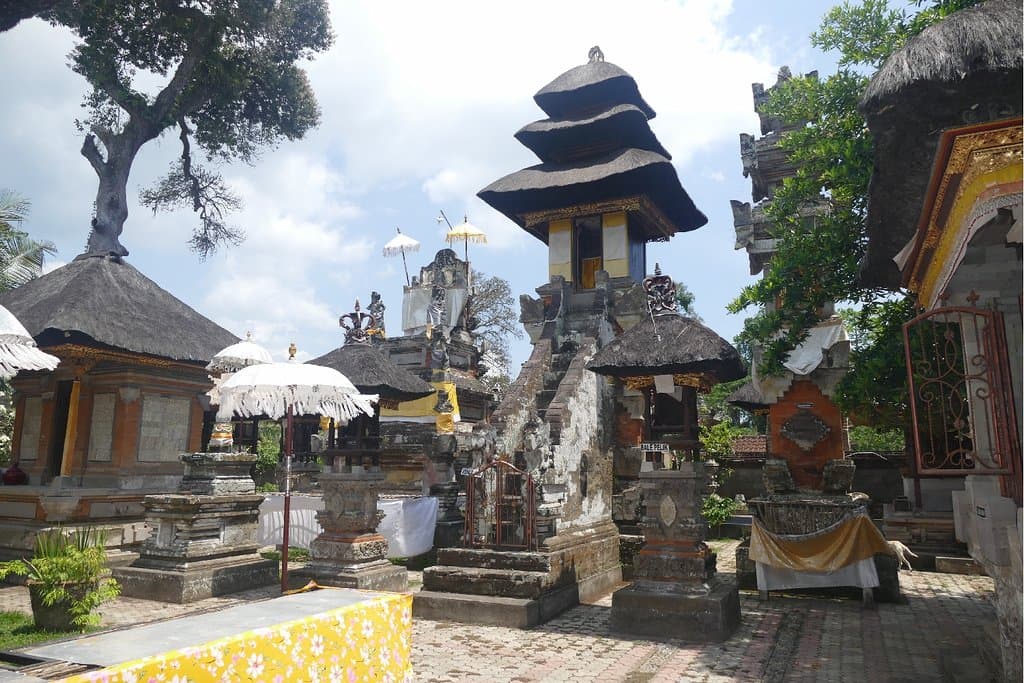
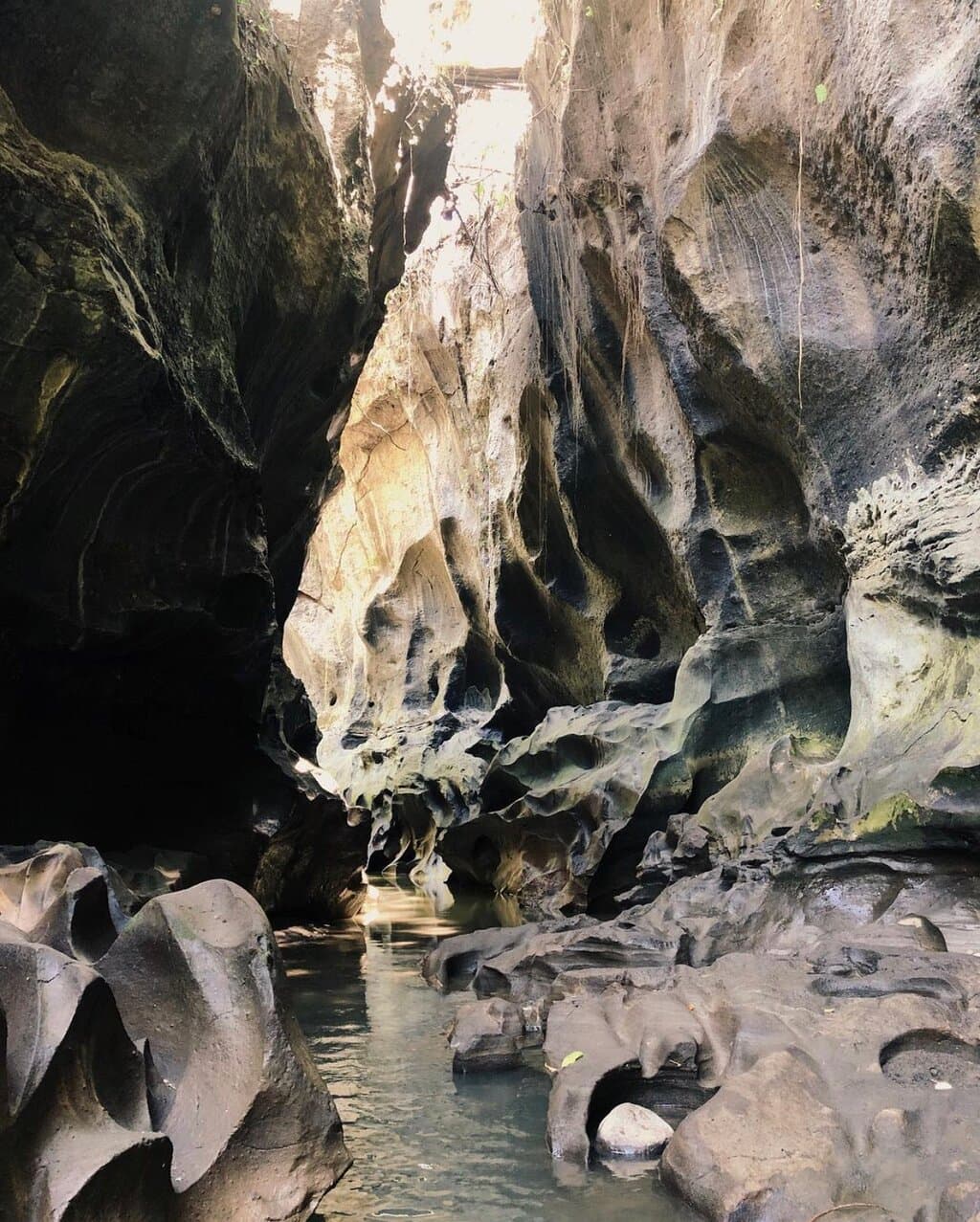

Social
from TikTok, Instagram & Reddit