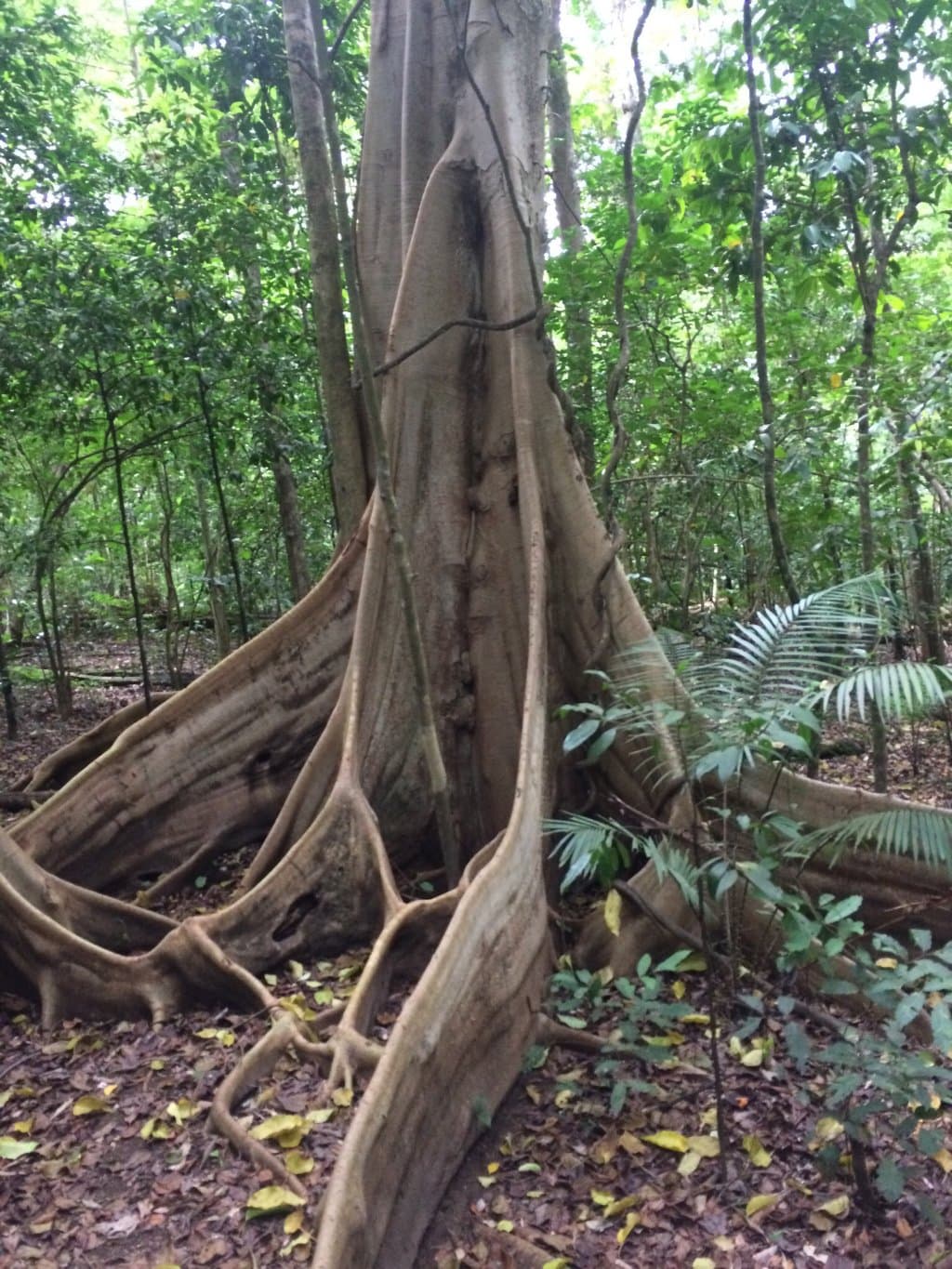
Tangkoko Nature Reserve North Sulawesi Indonesia
Discover the wild heart of Sulawesi at Tangkoko Nature Reserve, a biodiverse paradise home to unique primates, birds, and lush rainforests.

Highlights
Must-see attractions

Social
From TikTok & Reddit
Best Time
Wildlife is most active
Tangkoko Nature Reserve North Sulawesi Indonesia
Best Time
Wildlife is most active
Highlights
Must-see attractions
Discover the wild heart of Sulawesi at Tangkoko Nature Reserve, a biodiverse paradise home to unique primates, birds, and lush rainforests.
"A must-visit for wildlife enthusiasts, but remember to tread lightly and respect the animals."
Hire a Local Guide
Essential for spotting wildlife and navigating trails. Guides know the best spots and animal behaviors.
Bring a Good Camera
Crucial for capturing elusive nocturnal animals and distant wildlife. Zoom lenses are highly recommended.
Quick Facts
Hours
Rating
4.8 · 19 reviews
Type
Park
Highlights
Discover the most iconic attractions and experiences
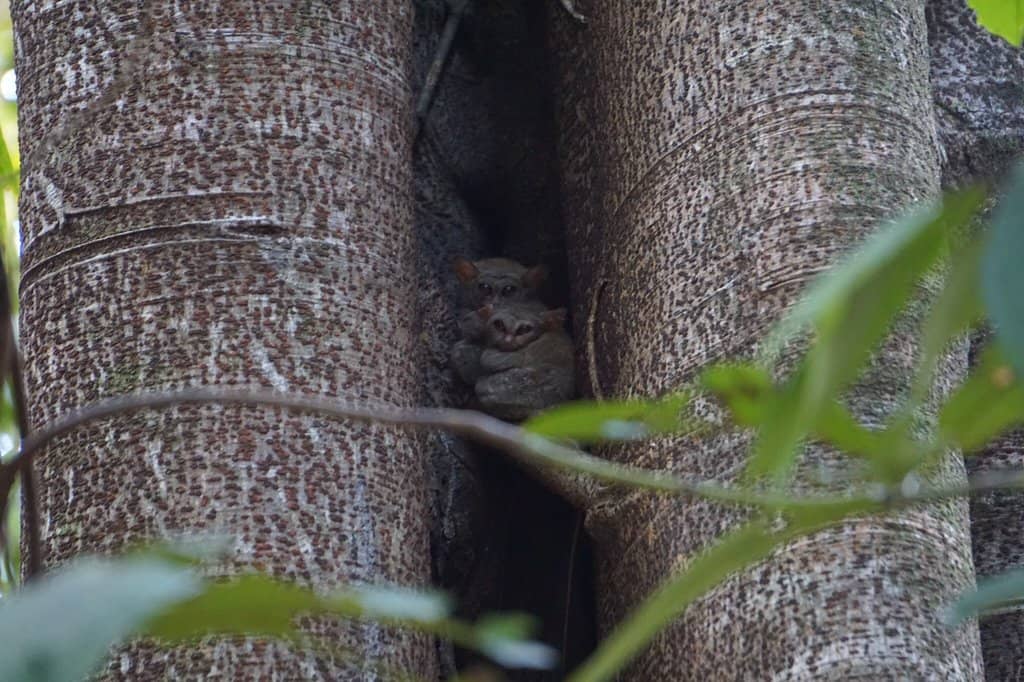
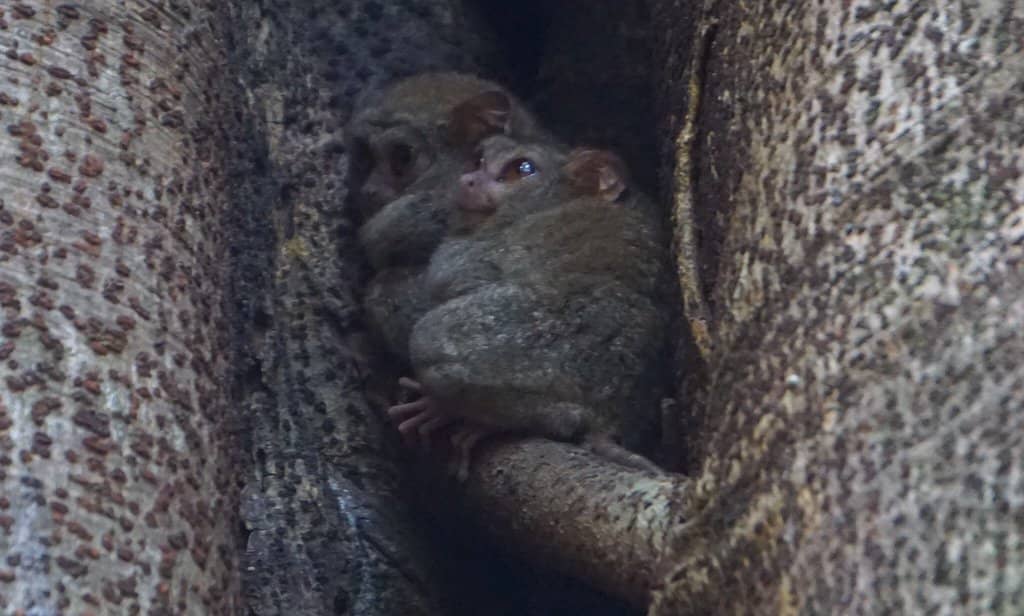
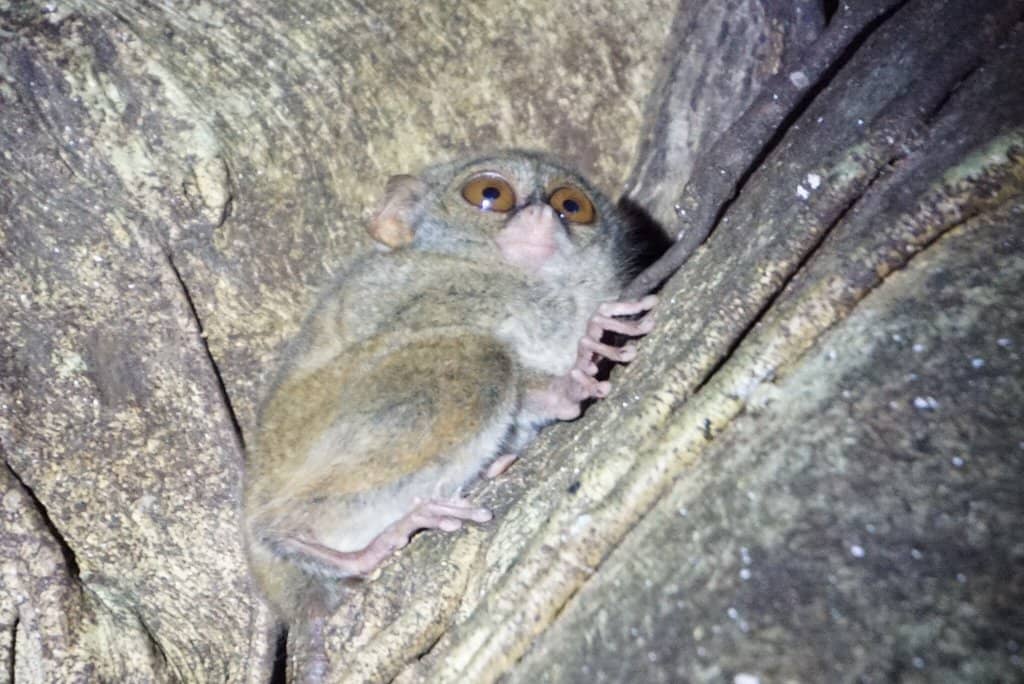
Tarsius Spectrum
Batuputih Nature Tourism Park
Spot the world's smallest primate, the Tarsius, a tiny, nocturnal creature with enormous eyes.

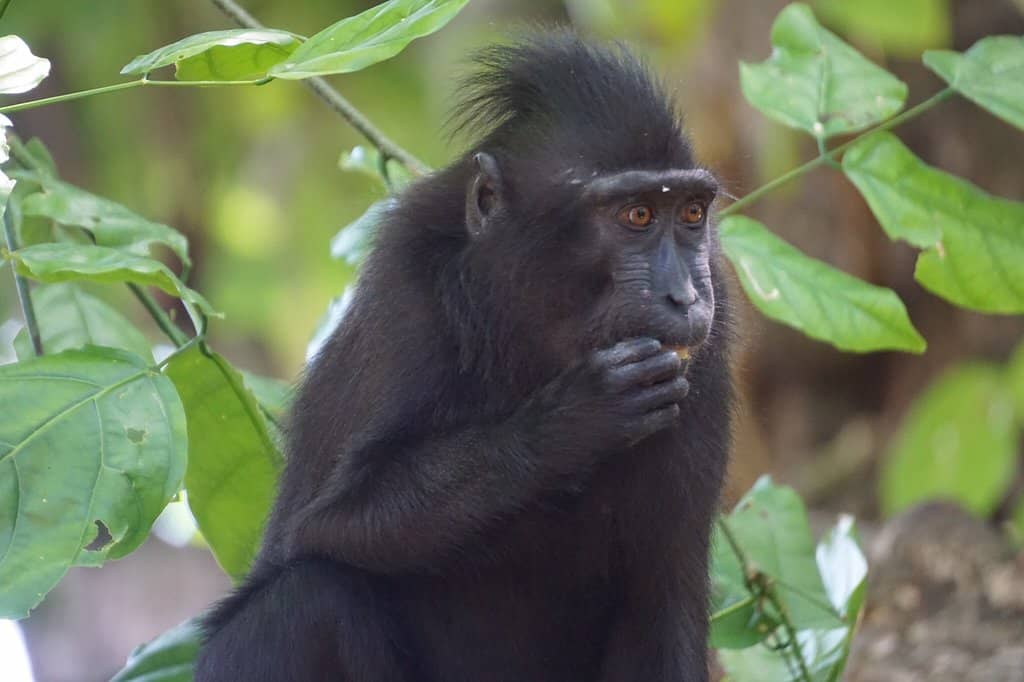
Sulawesi Crested Macaque
Forest trails
Encounter large, charismatic families of Sulawesi crested macaques (Yaki) often seen foraging close to trails.
Sulawesi Pitta
Forest floor
Keep an eye out for the vibrant Sulawesi Pitta, a beautiful ground-dwelling bird known for its striking colors.
Tangkoko Coastline
Coastal areas
Experience breathtaking coastal views and lush forests, offering a diverse landscape beyond just wildlife.
Plans like a pro.
Thinks like you
Planning Your Visit
Timing is Everything for Wildlife
Respect the Wildlife
Best Times
Insider Tips
from TikTok, Instagram & Reddit
Hire a Local Guide
Essential for spotting wildlife and navigating trails. Guides know the best spots and animal behaviors.
Bring a Good Camera
Crucial for capturing elusive nocturnal animals and distant wildlife. Zoom lenses are highly recommended.
Respect Wildlife Rules
Avoid flash photography at night; it stresses nocturnal animals. Stay on marked trails.
Pack Light & Stay Hydrated
The jungle can be humid. Bring water, snacks, and wear comfortable, breathable clothing.
Tips
from all over the internet
Hire a Local Guide
Essential for spotting wildlife and navigating trails. Guides know the best spots and animal behaviors.
Bring a Good Camera
Crucial for capturing elusive nocturnal animals and distant wildlife. Zoom lenses are highly recommended.
Respect Wildlife Rules
Avoid flash photography at night; it stresses nocturnal animals. Stay on marked trails.
Pack Light & Stay Hydrated
The jungle can be humid. Bring water, snacks, and wear comfortable, breathable clothing.
Book in Advance
Especially during peak season, secure your guide and accommodation beforehand.
What Travellers Say
Reviews Summary
Tangkoko Nature Reserve is celebrated for its incredible biodiversity, offering close encounters with unique wildlife like tarsiers and macaques. Visitors praise the rich fauna and the opportunity for stunning nature photography. However, some reviews highlight concerns about inconsistent guide practices, particularly regarding the ethical treatment of nocturnal animals with flash photography, and a desire for stricter rules to protect the environment.
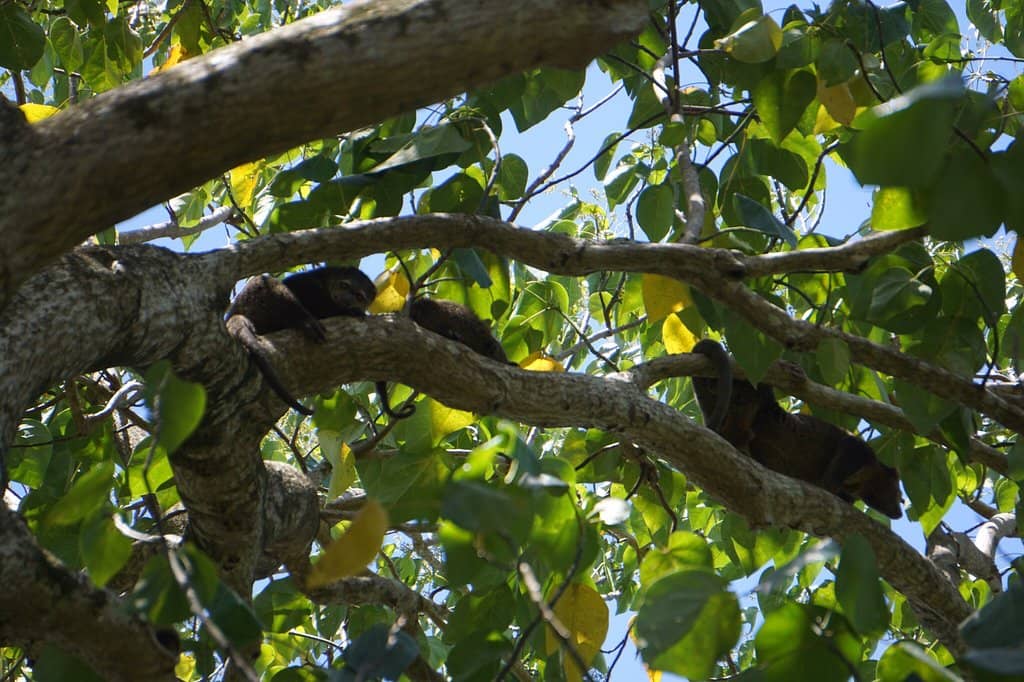
"If you want to see tarsiers, tarantulas, cuscuses - you need to have a good camera, because they are nocturnal animals and live high in the trees. Also there lives the crested Sulawesi baboon, which belongs to the genus of macaques - you can see large families very close!"
Elena Shcherbakova
"Unfortunately, our experience was not what we expected :((
At first everything was fine and our guide told us a lot about the Tarsiers and also that they have VERY SENSITIVE EYES!! They can't even get out of the trees in the day light... and when it got dark and the traisers came out, the guides started using flashlights, but in a really unprofessional way... the tarsiers were clearly stressed by all the tourists who wanted the perfect picture and all the flashlights that pointed to them... it was too much and I wouldn't do it again... Please do not support this until the tour guides realize that they have to change a few things and need to create strict rules for everyone! Because some of the tour guides clearly had no interest in the animals at all and were disrespectful. Some of them even smoked in the National Park!
It's so sad because it would be so beautiful if they would just set up some rules and respect the animals and nature more :("
Latini Gonzales
"You may find Tarsius, Kuskus Bear, various birds..."
Mudy S
What People Like
What People Dislike
Frequently Asked Questions
🚇 🗺️ Getting There
The most common route is to fly into Sam Ratulangi International Airport (MDC) in Manado. From Manado, you can hire a car or take a shared taxi to Bitung city, which is the gateway to Tangkoko. The journey from Manado to Bitung takes approximately 1.5 to 2 hours. From Bitung, local transport or a pre-arranged guide can take you to the reserve entrance.
Within Tangkoko, the best way to explore is by hiring a local guide. They will lead you on foot through the jungle trails to spot wildlife. For longer distances or to reach specific trailheads, a 4WD vehicle might be necessary, which can often be arranged through your guide or accommodation.
No, there are no direct flights to Bitung. You will need to fly into Manado (MDC) and then arrange ground transportation to Bitung.
Ride-sharing apps like Gojek or Grab are generally available in Manado and Bitung, but their availability and reliability within the more remote areas surrounding Tangkoko Nature Reserve can be limited. It's advisable to arrange transport in advance through your hotel or a local tour operator.
The roads leading to Tangkoko can be varied. While main routes are generally paved, some access roads within the reserve area might be unpaved or rough, especially after rain. A 4WD vehicle is recommended for certain sections.
🎫 🎫 Tickets & Entry
Entrance fees for Tangkoko Nature Reserve typically include a daily permit. Prices can vary, but expect to pay around IDR 150,000 - 200,000 per person for foreign tourists. It's best to confirm the current rates with your guide or local tourism office upon arrival.
While not always mandatory, booking your entry permit and guide in advance is highly recommended, especially during peak tourist seasons or if you are part of a group. This ensures availability and a smoother experience.
Tangkoko Nature Reserve is generally accessible from early morning until late afternoon. However, for wildlife viewing, especially nocturnal animals, guided tours often extend into the evening. It's best to coordinate your visit times with your guide.
The standard entrance fee covers access to the reserve. Specific activities like guided night walks or birdwatching tours might have separate fees or be included in a package with your guide.
Discounts are typically not offered for standard entry fees. However, group bookings or longer stays might sometimes be negotiated with tour operators.
🎫 🌿 Onsite Experience
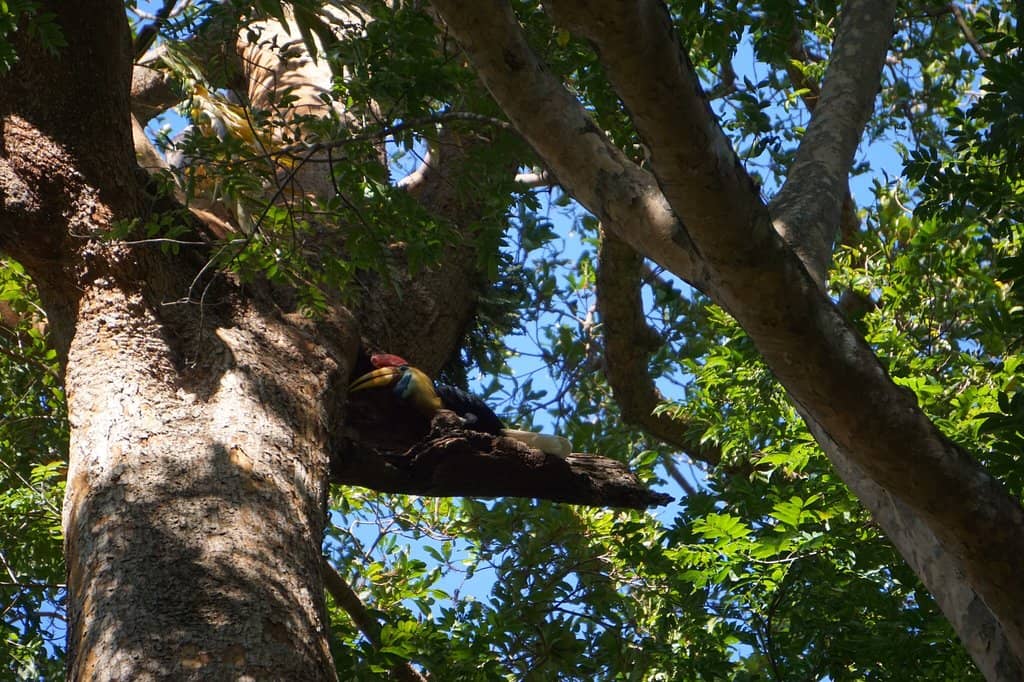
Tangkoko is famous for its unique endemic species, including the Tarsius (world's smallest primate), Sulawesi crested macaques (Yaki), cuscus, various species of birds like the Sulawesi Hornbill, and reptiles. +1
Early mornings and late afternoons are generally the best times. Nocturnal animals like the Tarsius are most active after dusk, while macaques and birds are often seen foraging in the early hours.
While you can enter the reserve without a guide, it is highly recommended. Local guides are invaluable for spotting wildlife, understanding the ecosystem, and navigating the trails safely.
Wear lightweight, breathable clothing, long sleeves and pants to protect against insects and the sun. Comfortable, sturdy hiking shoes or boots are essential for navigating the jungle trails.
Basic facilities like restrooms may be available near the entrance or ranger stations. However, amenities are limited within the reserve itself. It's advisable to bring your own water and snacks.
📸 📸 Photography
Tangkoko offers incredible opportunities for wildlife photography, from the tiny Tarsius to the larger macaques and diverse birdlife. The lush jungle and coastal scenery also provide stunning landscape shots.
Flash photography is strongly discouraged, especially for nocturnal animals like tarsiers, as it can distress them. Many guides will advise against it.
A telephoto lens (e.g., 300mm or more) is highly recommended for capturing wildlife from a distance. A macro lens can be useful for insects and smaller creatures. A wide-angle lens is good for landscapes.
Yes, certain areas within the reserve are known for birdlife. Your guide will know the best locations for spotting species like the Sulawesi Hornbill.
Drone usage regulations can vary. It's best to check with the park authorities or your tour operator beforehand to ensure compliance with local rules and to avoid disturbing wildlife.


Social
from TikTok, Instagram & Reddit