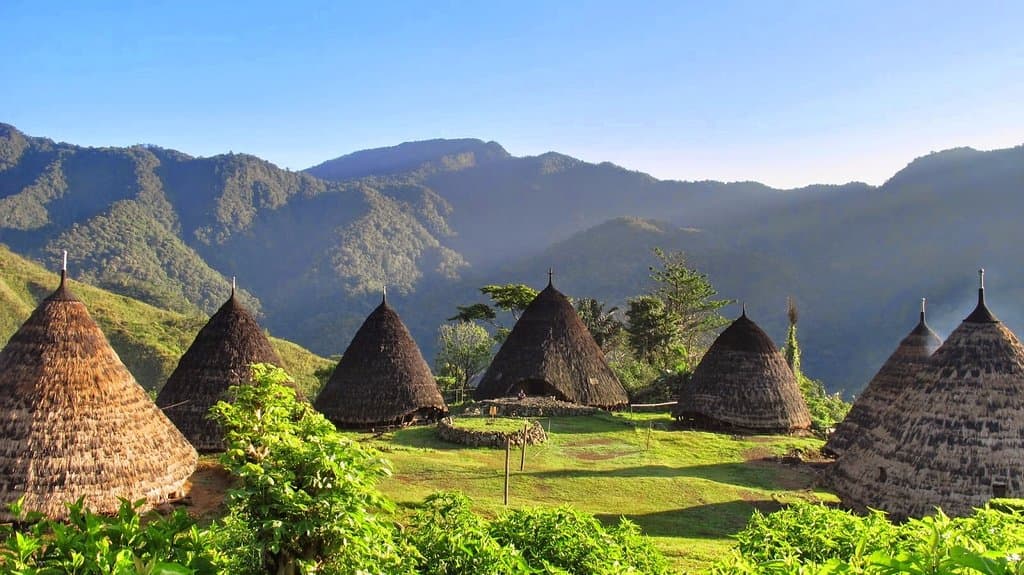
Wae Rebo Village
A UNESCO World Heritage traditional village nestled in the clouds, offering a unique cultural immersion and a challenging, rewarding trek.
Highlights
Must-see attractions

Social
From TikTok & Reddit
Best Time
Clearer skies, easier trek
Wae Rebo Village
Best Time
Clearer skies, easier trek
Highlights
Must-see attractions
A UNESCO World Heritage traditional village nestled in the clouds, offering a unique cultural immersion and a challenging, rewarding trek.
"The hike is worth it for the stunning views and timeless atmosphere of this unique village."
🎒 Pack Light & Smart
Bring only essentials for the trek. Consider hiring a porter for heavier items.
👟 Sturdy Trekking Shoes
Essential for the challenging, often muddy, and steep jungle path.

Highlights
Discover the most iconic attractions and experiences
Mbaru Niang Houses
Center of the village
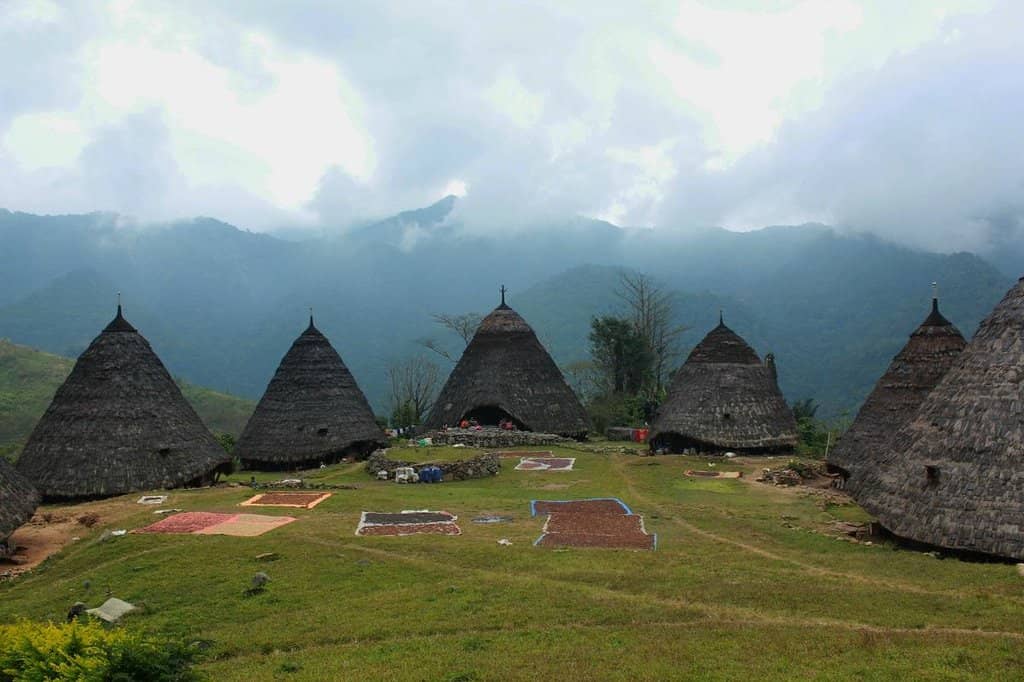
Iconic cone-shaped traditional houses, a UNESCO World Heritage site, offering a glimpse into ancestral architecture.
 +1
+1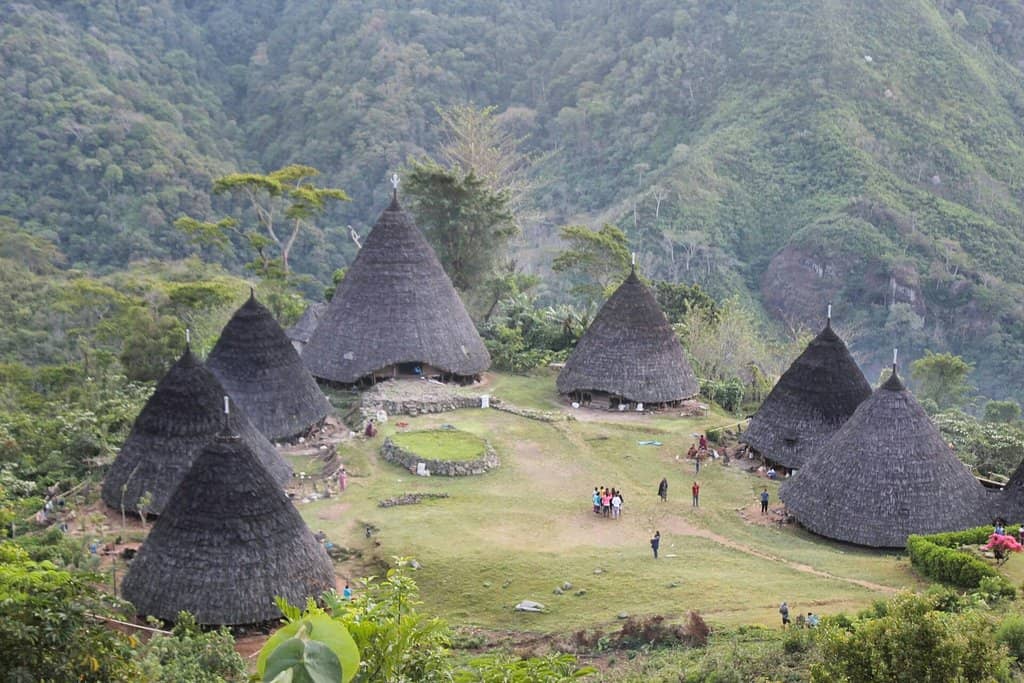
The Trek Through the Jungle
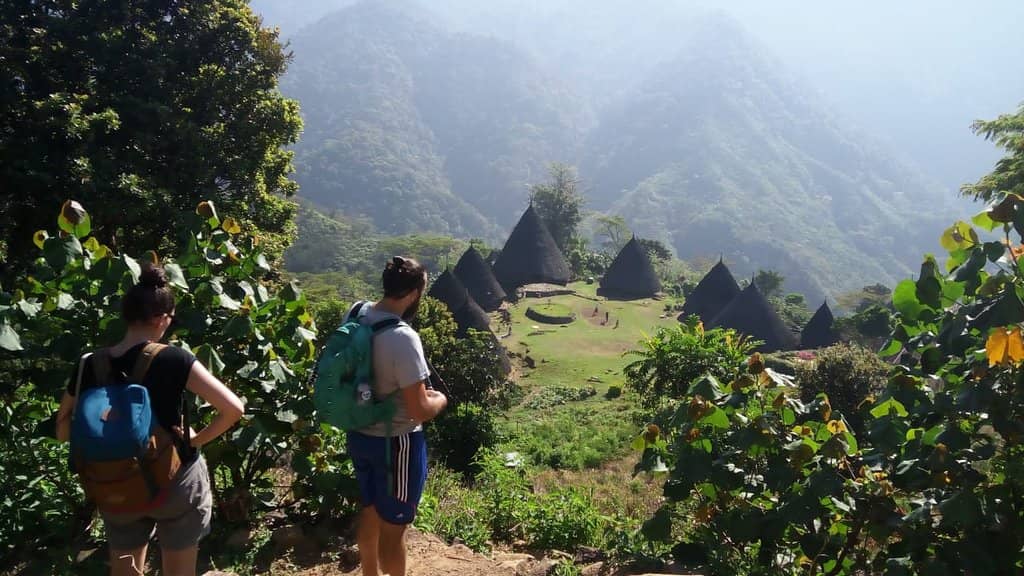
Path leading to Wae Rebo
A challenging yet rewarding 2-3 hour hike through lush rainforest, culminating in breathtaking village views.
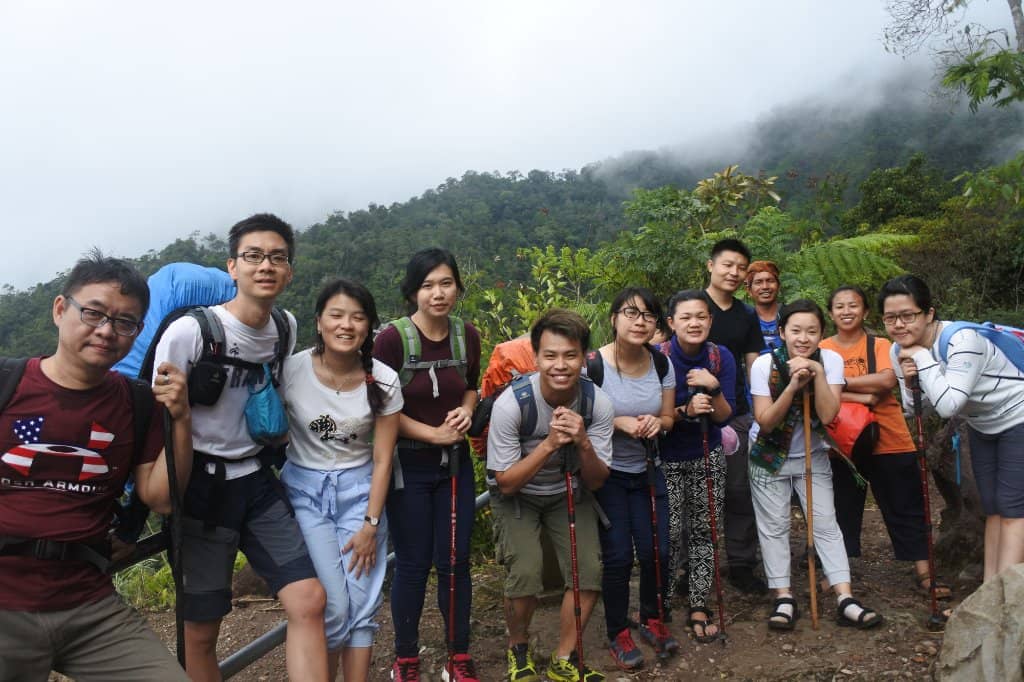
Cultural Immersion
Wae Rebo Village
Experience local traditions, share meals with villagers, and learn about their unique way of life.
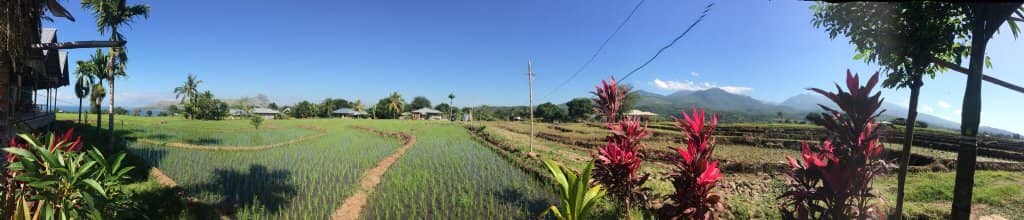
Sunrise and Cloud Views
Wae Rebo Village
Wake up to stunning mountain vistas and a sea of clouds, a truly magical and serene experience.
Plans like a pro.
Thinks like you
Planning Your Visit
Trek Smart: Prepare for the Journey
Embrace the Culture: Overnight Stays
Best Times
Insider Tips
from TikTok, Instagram & Reddit
🎒 Pack Light & Smart
Bring only essentials for the trek. Consider hiring a porter for heavier items.
👟 Sturdy Trekking Shoes
Essential for the challenging, often muddy, and steep jungle path.
🧥 Disposable Raincoat
Weather can change rapidly; a lightweight, disposable raincoat is a lifesaver.
☕ Try Wae Rebo Coffee
Locally grown coffee is a must-try, known for its rich flavor.
Tips
from all over the internet
🎒 Pack Light & Smart
Bring only essentials for the trek. Consider hiring a porter for heavier items.
👟 Sturdy Trekking Shoes
Essential for the challenging, often muddy, and steep jungle path.
🧥 Disposable Raincoat
Weather can change rapidly; a lightweight, disposable raincoat is a lifesaver.
☕ Try Wae Rebo Coffee
Locally grown coffee is a must-try, known for its rich flavor.
💰 Cash for Porters/Souvenirs
Bring enough cash for porters, local crafts, and coffee.
💧 Stay Hydrated
Carry enough water or buy coconuts at rest stops along the trek.
What Travellers Say
Reviews Summary
Wae Rebo Village is lauded as a breathtaking traditional settlement surrounded by stunning natural beauty, offering a timeless cultural experience. Visitors praise the welcoming villagers, the unique Mbaru Niang houses, and the rewarding trek. Some find the trek challenging and the amenities basic, but most agree it's an unforgettable adventure.
"An amazing traditional village surrounded by mountains and clouds. The hike to reach it is worth it. The view is stunning and the atmosphere feels timeless. The people are welcoming and the culture is well preserved. A unique and unforgettable experience in Flores."
acidguru
"What a lovely experience, have a amazing time to visit the wareebo village, the place so cool the guide that show us the road was kind and amazing person, me and my bf stay for a night it’s amazing experience we stay with a lot of people in the same room what a cool experience have a new friend, and the food here not bad, we have to eat dinner and breakfast together it’s so cool, back to the road it’s was so bad sadly the road so adrenaline and no people around kinda scared but it’s safe. Thanks for the amazing experience❤️"
Jeny Park
"Wae Rebo Traditional Village is one of the most famous and most frequently visited traditional villages on Flores Island.
This village is one of many Manggarainese villages in the Greater Manggarai region that still maintains the authenticity of the village as well as its houses formation that inherited from their ancestor for hundreds year. Like other traditional Manggarainese villages, this village consists of Mbaru Gendang or a main traditional house at its center and other traditional houses surrounding on its left and right side so together they form a circular layout. In front of the main house there is a Compang or altar stone that is commonly used in many of rituals to worship their ancestor's spirit.
The uniqueness of Wae Rebo Traditional Village that distinguishes it from other traditional villages is its location lies deep in the valley of Satar Mese mountainous area which can only be reached by trekking.
Accessibilities: To access Wae Rebo Traditional Village, first we need to get into the modern village nearby called Dintor Village, Satar Lenda District, Manggarai Regency, which is about 50km/1.5 hours from Ruteng City or about 100km/3 hours from Labuan Bajo City using motorcycle or car. Half of the roads lead to Dintor are wide and good, the rest are small and badly constructed & maintained. Once we arrived, we have to continue to walk for about 6 km / 2.5 hours from the uphill of modern village nearby. The trekking path lead to Wae Rebo is clear but quite narrow, risky, also draining energy due to the steep of the hill.
Amenities: There are many amenities available around Dintor such as markets, food and beverage vendors, and lodging. Around Wae Rebo, there is only one traditional house that is specifically intended for tourists to stay all in one with breakfast, food and drinks, and also a toilet. For electricity, in Dintor it is always available connected to the power plant, while in Wae Rebo it is not always available only from 6 PM to 12 PM powered by small local generator. For water, there is no need to worry because there are many water springs on the mountain that is always flowing abundantly to all villages."
Aswin Nobby
What People Like
What People Dislike
Frequently Asked Questions
🚇 🗺️ Getting There
The journey typically starts from Labuan Bajo to Ruteng or Dintor Village by car or motorbike, which takes about 3-5 hours. From Dintor, it's a 2-3 hour trek uphill to Wae Rebo Village. Many travelers opt for organized tours for convenience.
While technically possible, a one-day trip to Wae Rebo is not recommended as it involves a long trek and limited time to experience the village. An overnight stay is highly advised for the full cultural immersion.
From Ruteng, you can hire a car or motorbike to Dintor Village, which is the starting point for the trek. The road conditions can be challenging in parts.
While the path is generally clear, hiring a local guide is highly recommended. They assist with navigation, cultural insights, and can help arrange your stay and meals.
You can arrange private car hire or join an organized tour from Labuan Bajo. The journey involves several hours of driving to reach Dintor Village, the closest point to the trek.
🎫 🎫 Tickets & Entry
There's an entrance fee for the village, and an additional fee for the overnight stay which usually includes dinner and breakfast. Prices can vary, but expect to pay around IDR 200,000 - 300,000 per person for the overnight package.
It's advisable to book your stay, especially during peak season, though many visitors arrange it upon arrival or through their guides. The accommodation is in communal traditional houses.
Wae Rebo is a traditional village and is accessible year-round. However, the best time to visit is during the dry season. The communal houses for overnight stays are available daily.
There is an entrance fee for the village itself, which covers your stay and meals if you opt for the overnight package. There might also be small fees at rest points along the trek.
It is highly recommended to bring sufficient cash, as Wae Rebo is a remote village and card facilities are not available. This applies to entrance fees, accommodation, and any local purchases.
🎫 🧭 Onsite Experience
The trek is considered moderately difficult, taking about 2-3 hours uphill. It involves steep inclines and can be muddy, especially during the rainy season. Good physical condition is recommended.
Visitors stay in traditional Mbaru Niang houses, which are communal. You'll sleep on simple mats alongside other travelers and villagers.
Meals, typically dinner and breakfast, are communal and prepared by the villagers. Expect simple, local Indonesian dishes. Don't miss the local coffee!
Electricity is limited, usually available from a generator from 6 PM to midnight. There is no mobile signal or internet access within the village, offering a true escape.
Wear comfortable, quick-drying clothing suitable for trekking. Bring a jacket as it gets cold at night, and sturdy hiking shoes. A disposable raincoat is also a good idea.
📸 📸 Photography
The Mbaru Niang houses, the village square with the altar stone (Compang), and the surrounding misty mountains offer incredible photo opportunities. Sunrise and sunset are particularly magical.
Drone photography is generally permitted, and some tours even offer drone footage as part of their package. However, always be respectful of the local community and their privacy.
Early mornings for sunrise and the 'sea of clouds' effect, and late afternoons for golden hour light are ideal. Midday can be harsh, but the unique architecture still makes for great shots.
While there are no strict restrictions, it's important to be respectful when photographing villagers. Always ask for permission before taking close-up portraits.
A wide-angle lens is great for capturing the village and landscape. A sturdy tripod can be useful for low-light conditions during sunrise or if you plan to capture the Milky Way.

Social
from TikTok, Instagram & Reddit