Malek National Library and Museum
Discover Iran's intellectual heart: ancient manuscripts, rare books, Islamic art, and a sweeping history of Persia.

Highlights
Must-see attractions

Social
From TikTok & Reddit
Best Time
Fewer crowds, serene atmosphere
Malek National Library and Museum
Best Time
Fewer crowds, serene atmosphere
Highlights
Must-see attractions
Discover Iran's intellectual heart: ancient manuscripts, rare books, Islamic art, and a sweeping history of Persia.
"An extraordinary cultural exploration capturing Iran's rich intellectual heritage with a treasure trove of manuscripts and art."
💰 Affordable Cultural Dive
Expect a very reasonable entrance fee (around 250,000 IRR) for an incredibly rich experience.
🔒 Secure Your Belongings
Utilize the convenient lockers available at the entrance to store your personal items safely.
Quick Facts
Hours
Rating
4.5 · 120 reviews
Type
Museum
Highlights
Discover the most iconic attractions and experiences
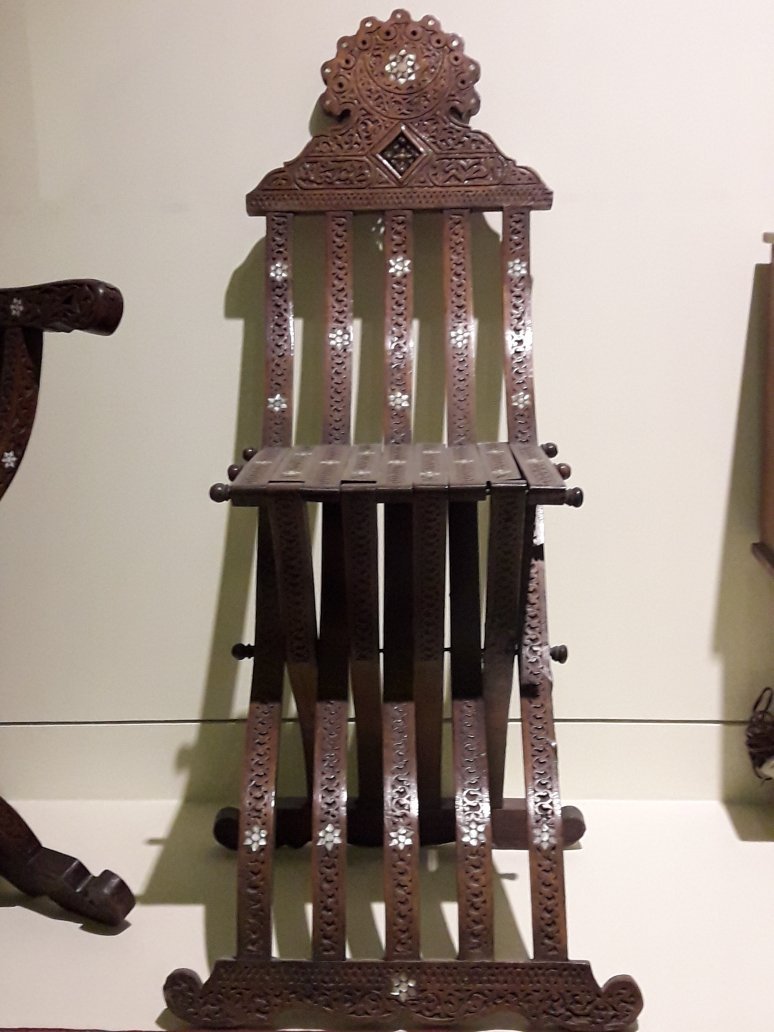
Manuscript Masterpieces
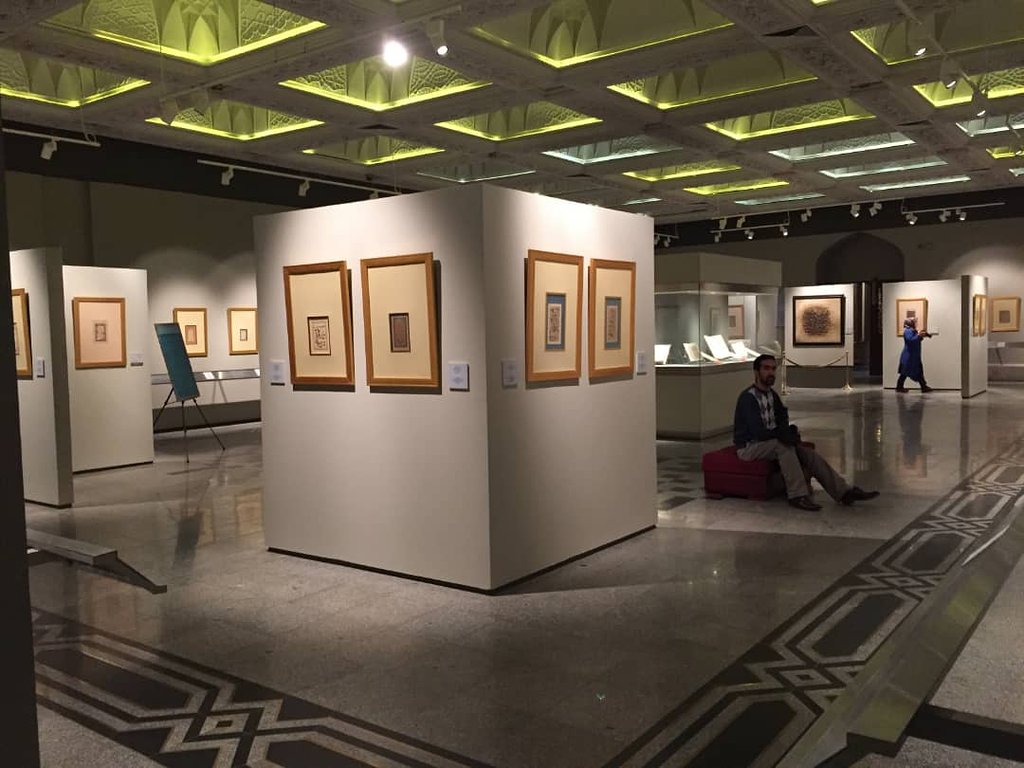
Marvel at meticulously preserved handwritten collections of famous historical books, showcasing Iran's scholarly golden age.
Persia's Grand Narrative
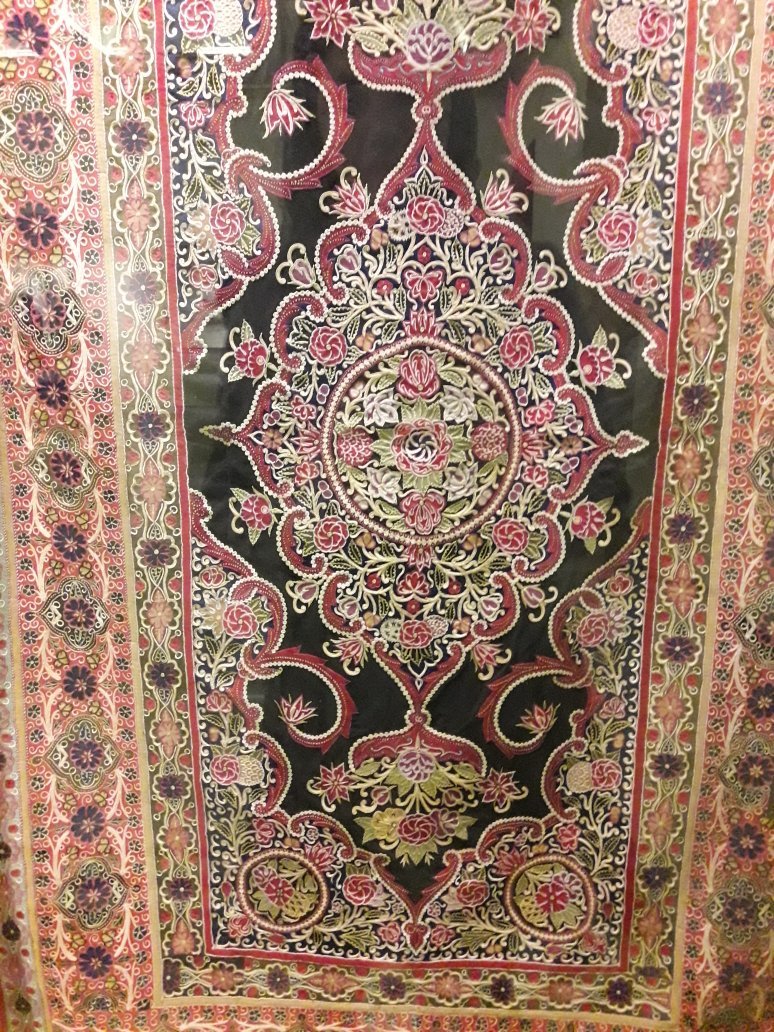
Explore a room dedicated to the entire history of Persia/Iran, offering a sweeping 3000-year perspective of the Middle East.
Artistic & Numismatic Treasures
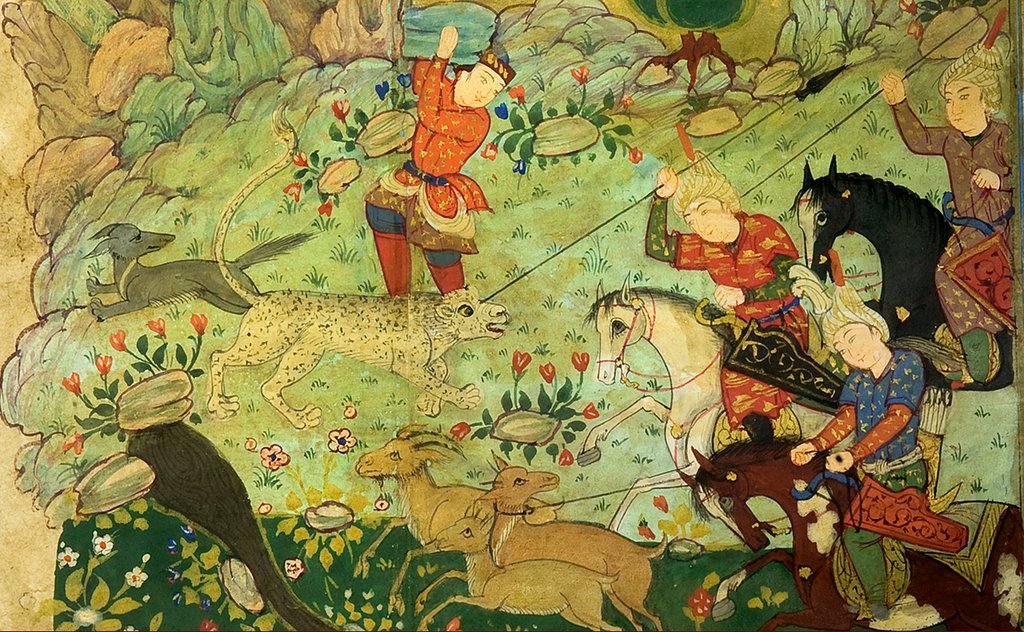
Discover diverse collections featuring paintings by Kamal Almolk, historical coins, and national/international stamp collections.
Architectural Elegance
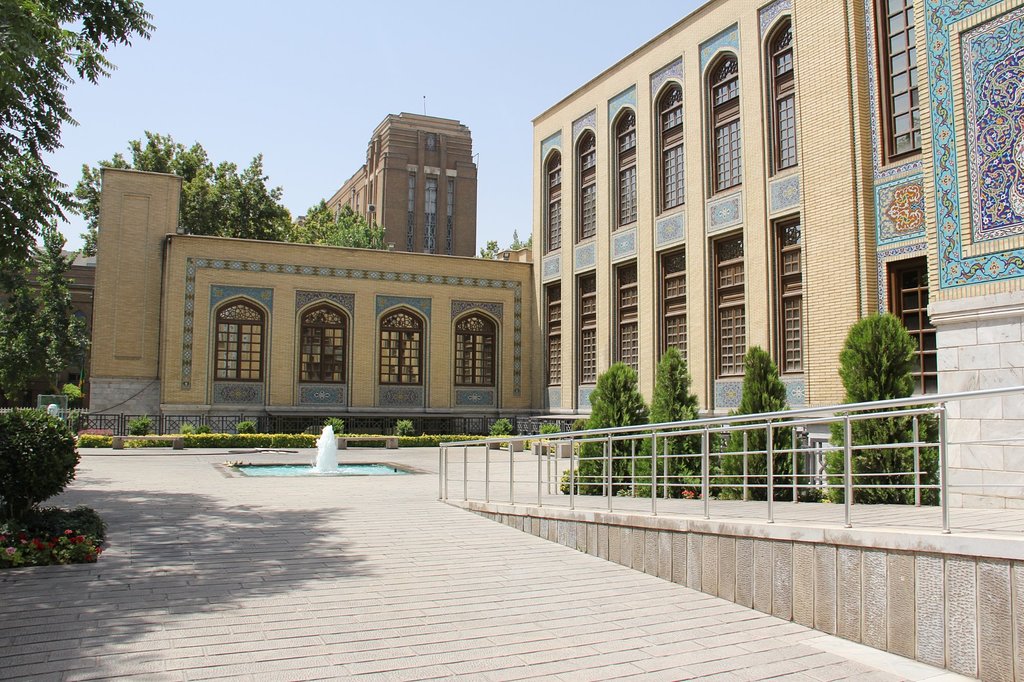
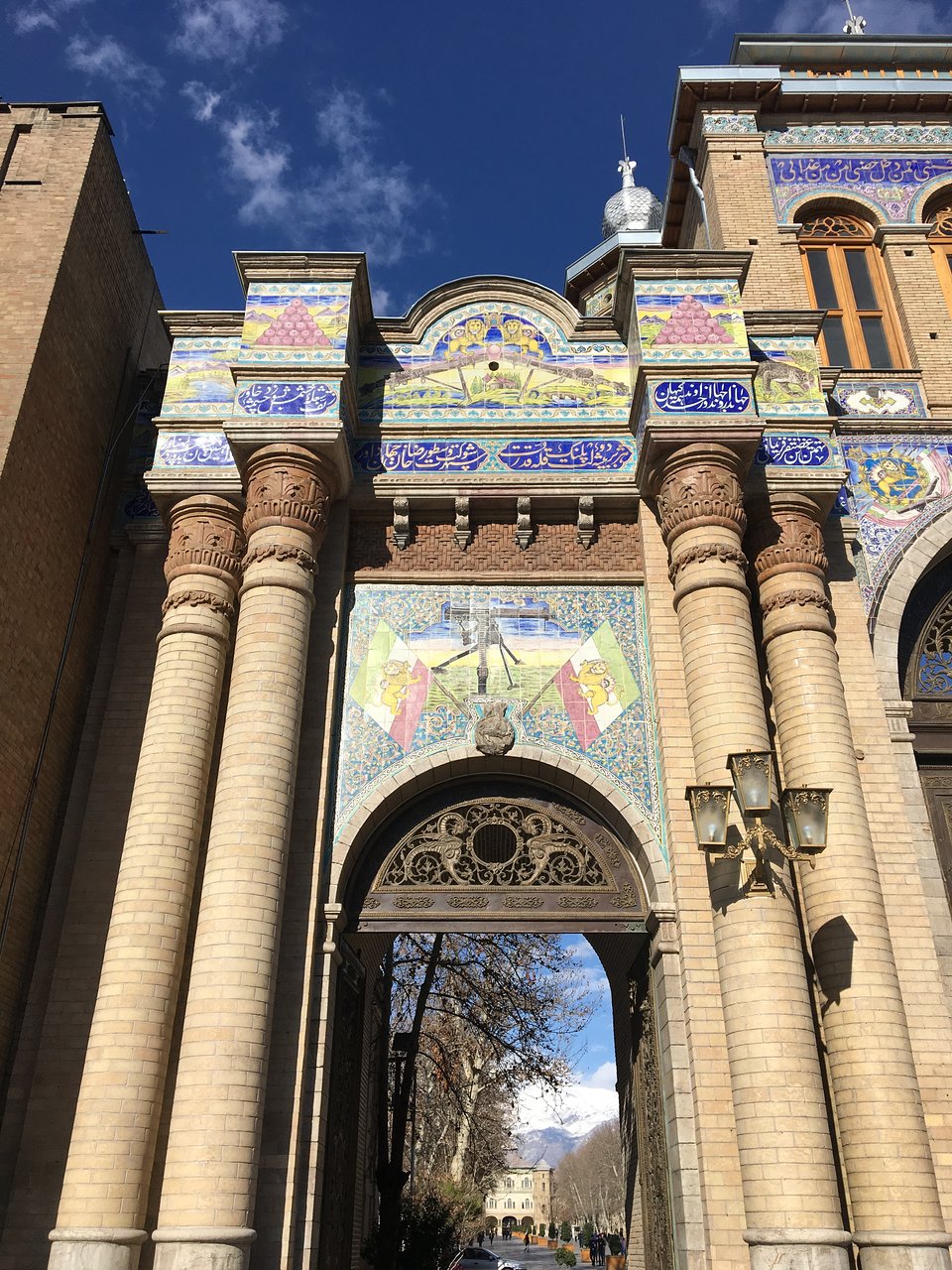
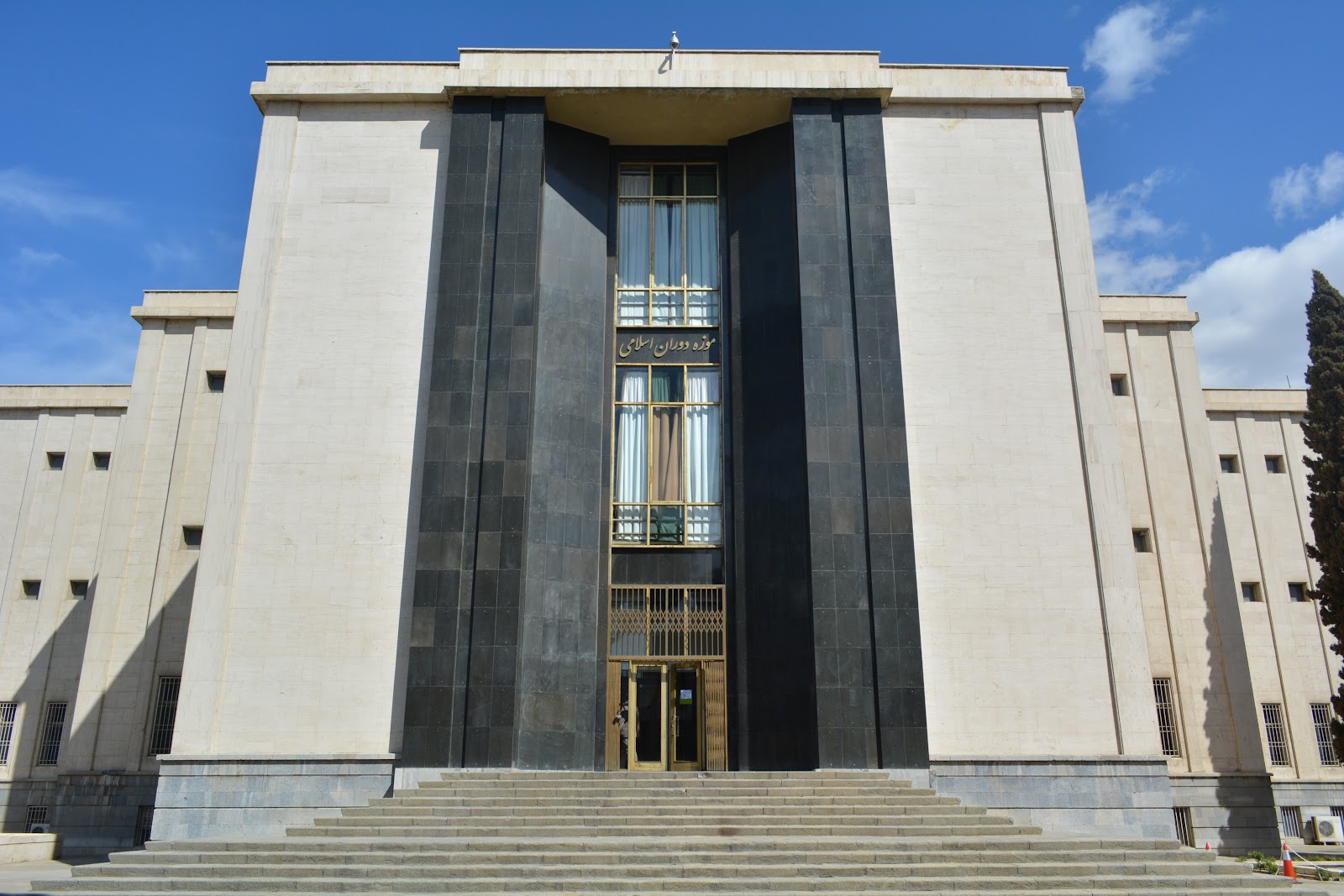
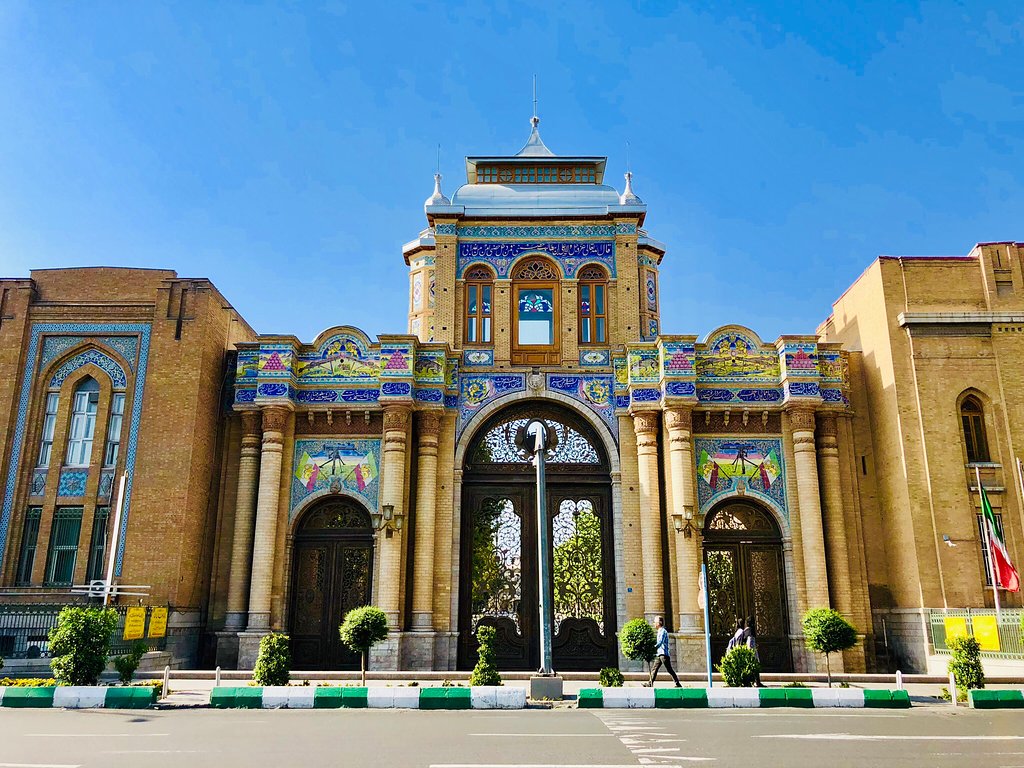
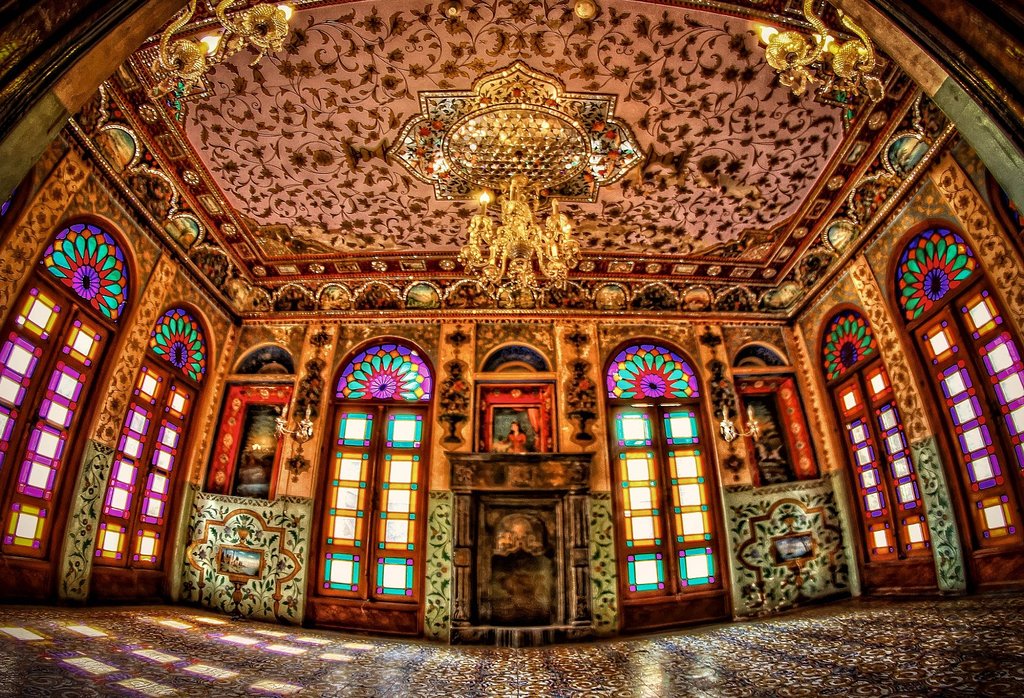
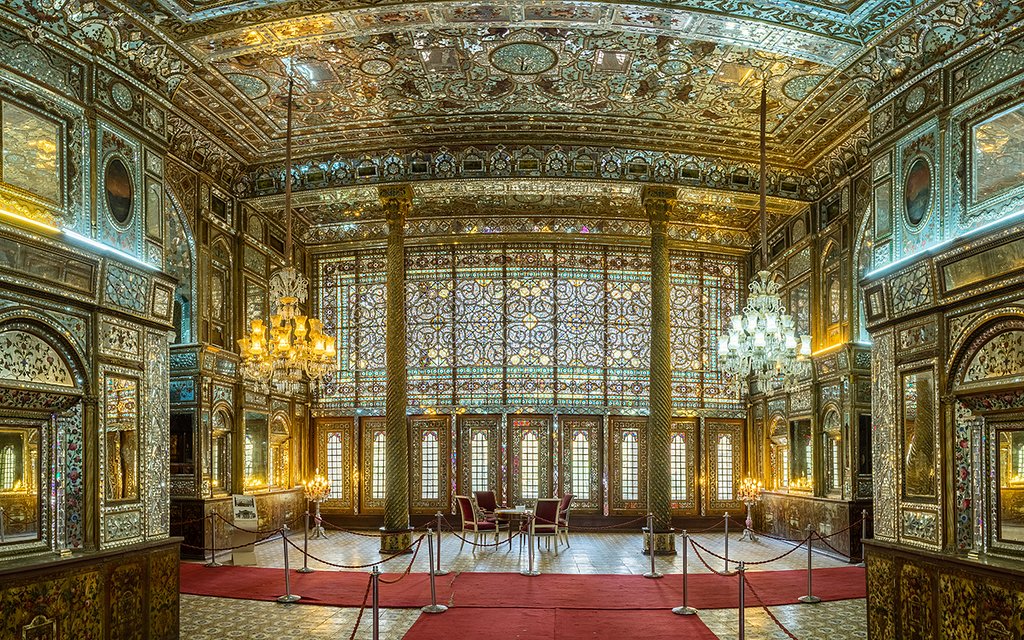
Appreciate the unique exterior and interior design of the museum, standing out within the National Garden complex.
Plans like a pro.
Thinks like you
Planning Your Visit
Unlock Iran's Intellectual Heritage
Seamless Visit, Rich Rewards
Best Times
Insider Tips
from TikTok, Instagram & Reddit
💰 Affordable Cultural Dive
Expect a very reasonable entrance fee (around 250,000 IRR) for an incredibly rich experience.
🔒 Secure Your Belongings
Utilize the convenient lockers available at the entrance to store your personal items safely.
📚 Explore the Library
Don't miss the library section, a treasure trove of historical books and a testament to Iran's intellectual legacy.
🖼️ Art & History Combined
The museum seamlessly blends art, history, and numismatics, offering a comprehensive cultural overview.
Tips
from all over the internet
💰 Affordable Cultural Dive
Expect a very reasonable entrance fee (around 250,000 IRR) for an incredibly rich experience.
🔒 Secure Your Belongings
Utilize the convenient lockers available at the entrance to store your personal items safely.
📚 Explore the Library
Don't miss the library section, a treasure trove of historical books and a testament to Iran's intellectual legacy.
🖼️ Art & History Combined
The museum seamlessly blends art, history, and numismatics, offering a comprehensive cultural overview.
👨👩👧👦 Kid-Friendly Exhibits
Suitable for children, with a dedicated section on the 1000th story, making it an engaging visit for families.
What Travellers Say
Reviews Summary
Visitors consistently praise the Malek National Library and Museum for its extraordinary cultural exploration and affordable entry fee. The meticulously preserved historical manuscripts, rare books, and diverse art collections offer a profound glimpse into Iran's rich intellectual and artistic heritage. Its unique architecture and comprehensive historical exhibits are highlights, making it an inspiring and educational experience for all.
"My visit to the Malek National Library & Museum in Tehran was an extraordinary cultural exploration that beautifully captured Iran's rich intellectual heritage. For an incredibly reasonable entrance fee of 250,000 IRR, I discovered a treasure trove of historical manuscripts, rare books, and exquisite Islamic art collections that transported me through centuries of scholarly and artistic traditions. The museum's meticulously preserved rare manuscripts, elegant architectural design, and thoughtfully curated exhibits offered a profound glimpse into Iran's intellectual legacy, creating an immersive experience that went far beyond my initial expectations. The knowledgeable staff and the serene atmosphere of the library made the visit not just educational, but deeply inspiring, revealing the depth of Iranian cultural and academic contributions. This remarkable institution is an absolute must-visit for anyone seeking to understand the rich intellectual landscape of Iran, offering an unparalleled journey through knowledge, art, and history."
hakh82
"A fascinating museum with handwritten collections of old famous books! If you’re interested in exploring the scientific golden era of Islam in Iran, this museum is a must-visit!"
Omid Mozafar
"At the national garden complex (باغ ملی), this museum is highly recommended for a visit as the exterior and interior design and architecture are very unique from the other buildings in the complex.
No reservations or tickets, at least when I visited in Nov). They have lockers for your personal items at the entrance.
In one room, they have a gallery outlining THE ENTIRE HISTORY OF PERSIA/Iran! Really gives you a big picture of Middle East in the past 3000 years!"
Amir .A
What People Like
What People Dislike
Frequently Asked Questions
🚇 🗺️ Getting There
The Malek National Library and Museum is located within the National Garden complex in Tehran. It's accessible via public transport, including the Tehran Metro. The nearest metro stations are often within walking distance or a short taxi ride. Taxis and ride-sharing apps are also readily available throughout the city for convenient access.
While specific parking details can vary, the National Garden complex often has parking facilities. It's advisable to check local signage upon arrival or consider public transport to avoid any parking hassles.
From Imam Khomeini International Airport (IKA), you can take a taxi or a pre-booked transfer to the city center. From there, you can use the metro or another taxi to reach the National Garden complex.
Information on accessibility for visitors with mobility issues can be limited. It's recommended to contact the museum directly or check their official website for the most up-to-date accessibility information.
Absolutely! The Malek National Library and Museum is part of the National Garden complex, which houses other historical buildings and attractions. It's a great area to explore on foot.
🎫 🎫 Tickets & Entry
No reservations or advance ticket bookings are typically required. Visitors can usually purchase tickets upon arrival at the entrance.
The entrance fee is very affordable, reported to be around 250,000 IRR, offering excellent value for the extensive collections.
Opening hours can vary, so it's best to check the museum's official website or local listings for the most current information before your visit.
Information on specific discounts for students or seniors is not widely available. However, the general entrance fee is already quite low, making it accessible for most visitors.
Yes, lockers are available at the entrance of the museum for visitors to store their personal items securely.
🎫 🧭 Onsite Experience
You can expect to see a rich collection of historical manuscripts, rare books, Islamic art, paintings by renowned artists like Kamal Almolk, a coin collection, and stamp collections.
Yes, the museum is considered suitable for children, with a specific mention of a '1000 story section' that can be engaging for younger visitors.
To fully appreciate the extensive collections and exhibits, it's recommended to allocate at least 2-3 hours for your visit.
Photography policies can vary. It's advisable to look for signage within the museum or ask staff if photography is permitted, especially without flash.
The museum boasts unique and elegant exterior and interior design, standing out architecturally within the National Garden complex.
🍽️ 🍽️ Food & Dining
Specific dining facilities within the museum itself are not widely mentioned. However, the National Garden complex and surrounding areas in Tehran offer numerous dining options.
The vicinity of the National Garden complex offers a variety of traditional Iranian cuisine, cafes, and international food options. You'll find plenty of choices to suit different tastes.
Generally, bringing outside food and drinks into museums is discouraged to preserve the exhibits. It's best to consume any food or beverages outside the museum premises.
While specific recommendations are not provided, exploring the streets around the National Garden complex will reveal many local eateries serving delicious Iranian dishes.
The National Garden is a public space, and picnicking might be possible in designated areas. However, it's always good to be mindful of local customs and any specific rules within the park.
📸 📸 Photography
Photography rules can vary. While some visitors may have taken photos, it's best to check for signage or ask museum staff. Flash photography is usually prohibited to protect the artifacts.
The unique architecture of the museum, the intricate details of the manuscripts, and the diverse exhibits like the coin collection offer great photographic opportunities.
Photography for commercial purposes typically requires special permission. For personal use, follow the general photography guidelines provided by the museum.
A versatile camera with good low-light capabilities would be beneficial, especially for indoor shots. A wide-angle lens can be useful for capturing the architecture.
Due to their delicate nature, photography of historical manuscripts might be restricted. Always adhere to the museum's specific rules regarding exhibit photography.
Social
from TikTok, Instagram & Reddit