Old City of Jerusalem
A city steeped in millennia of history, the Old City of Jerusalem is a sacred crossroads for three major religions, offering a profound journey throug...
Highlights
Must-see attractions

Social
From TikTok & Reddit
Best Time
Fewer crowds, more peaceful
Old City of Jerusalem
Best Time
Fewer crowds, more peaceful
Highlights
Must-see attractions
A city steeped in millennia of history, the Old City of Jerusalem is a sacred crossroads for three major religions, offering a profound journey through ancient streets and sacred sites.
"It was an experience I will never forget."
Wear Comfortable Shoes
Cobblestone streets and lots of walking! :athletic_shoe: Your feet will thank you.
Dress Modestly
Cover shoulders and knees for religious sites. 🙏 Respect local customs.
Quick Facts
Hours
Rating
4.6 · 159 reviews
Type
Tour Agency
Website
greenolivetours.comHighlights
Discover the most iconic attractions and experiences
Western Wall (Kotel)
Jewish Quarter
The holiest site in Judaism, a place of prayer and reflection. Feel the ancient stones and the palpable spiritual energy.
Church of the Holy Sepulchre
Christian Quarter
The site of Jesus' crucifixion and burial. A deeply significant pilgrimage destination for Christians worldwide.
Dome of the Rock
Temple Mount/Haram al-Sharif
An iconic golden-domed mosque, a masterpiece of Islamic architecture and a sacred site for Muslims.
Via Dolorosa
Christian Quarter
Follow the path Jesus is believed to have taken to his crucifixion, marked by stations of the cross.
Plans like a pro.
Thinks like you
Planning Your Visit
Navigating the Old City's Quarters
Respectful Dress and Behavior
Best Times
Insider Tips
from TikTok, Instagram & Reddit
Wear Comfortable Shoes
Cobblestone streets and lots of walking! :athletic_shoe: Your feet will thank you.
Dress Modestly
Cover shoulders and knees for religious sites. 🙏 Respect local customs.
Stay Hydrated
Especially in warmer months. Carry a reusable water bottle. :droplet:
Get a Local Guide
Enhance your understanding of history and culture. 📜 Highly recommended.
Tips
from all over the internet
Wear Comfortable Shoes
Cobblestone streets and lots of walking! :athletic_shoe: Your feet will thank you.
Dress Modestly
Cover shoulders and knees for religious sites. 🙏 Respect local customs.
Stay Hydrated
Especially in warmer months. Carry a reusable water bottle. :droplet:
Get a Local Guide
Enhance your understanding of history and culture. 📜 Highly recommended.
Be Prepared for Security
Expect security checks at various entry points. 🛡️
Explore All Four Quarters
Each quarter offers a unique experience. :world_map: Don't miss any!
What Travellers Say
Reviews Summary
Visitors consistently praise the Old City of Jerusalem for its profound historical and spiritual significance, with many describing it as an unforgettable experience. Guides are frequently highlighted for their knowledge and ability to provide diverse perspectives. However, some find the crowds overwhelming and the prices for tours and souvenirs to be on the higher side.
"Jehanne did an amazing job in putting together some of the tours I was requesting. She was able to put everything together very well organized. Mohammad was awesome, knowledgeable, and informative of everything. He was able to answer all my questions. I enjoyed my conversations with Yahav. He gave me many different viewpoints on the many of the big issues going on. All and all it was an experience I will never forget. Thank you so much."
Jay Garcia
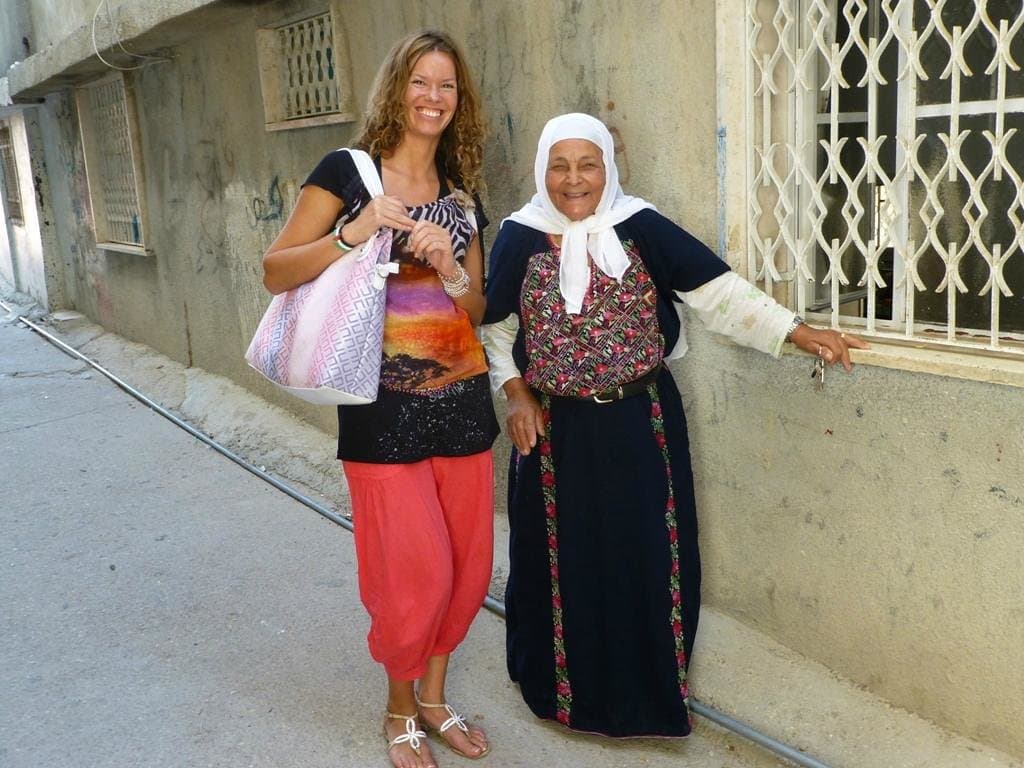
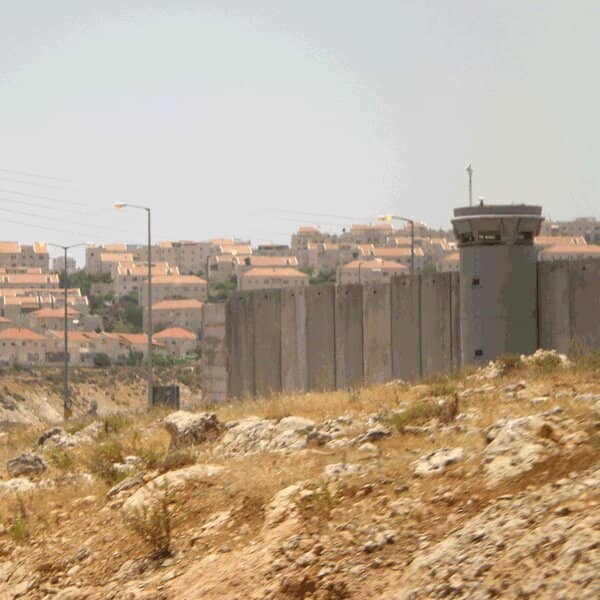
"We went on the Nablus tour (slightly altered) and it was amazing! We met and had tea with local Palestinians including farmers and shepherds whose families had lived on and worked the land for generations. At the farmer's house, the family warmed bread over an old stove using pine branches from the yard, the tea was brewed with fresh sage. Along with the bread we enjoyed olive oil and za'atar spices that they had harvested and prepared right there on their farm, it was really special. Our guide Mohammed translated the conversations for us. Hearing first hand about the experiences of the people was very valuable for us. We never felt preached to and it was clear that safety was a priority! Our guide was constantly checking with his contacts, to make sure that our next destination would be safe and quiet for our visit. In spite of high tensions on the day of our tour, we always felt safe and secure. We saw the beauty of the Jordanian valley, learned about the history of places like the Samaritan temple on Mount Grizimfoot and the monastery built by the crusaders in the mountains near Jericho. We also saw the new settlements and ongoing expansion, swimming pools and huge palm trees on one side, the water tanks and hopelessness on the other. The water could be shut off at any time, the roads could be blocked, cities cut off without warning, freshly planted olive trees uprooted, sheep slaughtered or poisoned. It is the other side of the story, not just from our guide but from locals who we met along the way. Our guide was a local Palestinian whose great grandparents lived in a village between Jerusalem and Tel Aviv, after being pushed out of their home, not being able to provide a deed to their land as such, his family was sent to a refugee camp which is why he was born an Israeli “permanent resident.” If you want to learn about the history of this beautiful land and the lives of its people, we highly recommend booking with Green Olive Tours."
Laraine K-V
"Must See Tours to Balance Your Visit to Jerusalem.
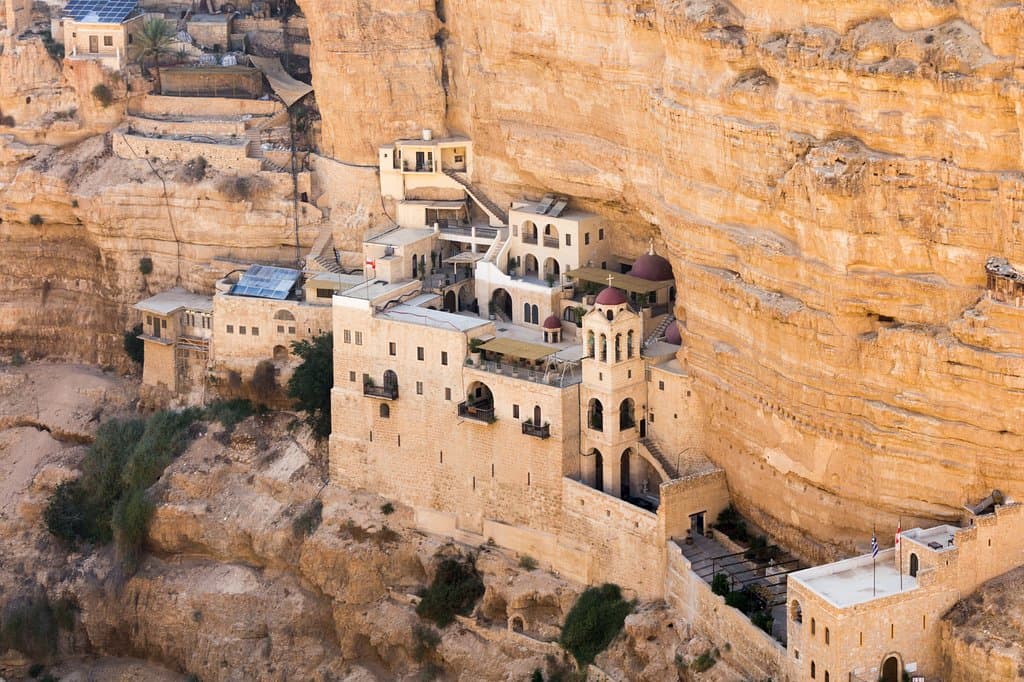
We took the Bethlehem/Jericho one-day tour. Hashim's Palace is just spectacular, especially the worlds biggest ancient mosaic and the Tree of Life mosiac. Visiting the world's oldest continuously inhabited town of Jericho, the views of the countryside, and getting to see St. George's Monastery, that's built into the cliff (but the monastery itself was closed when we went), were all very special as well.
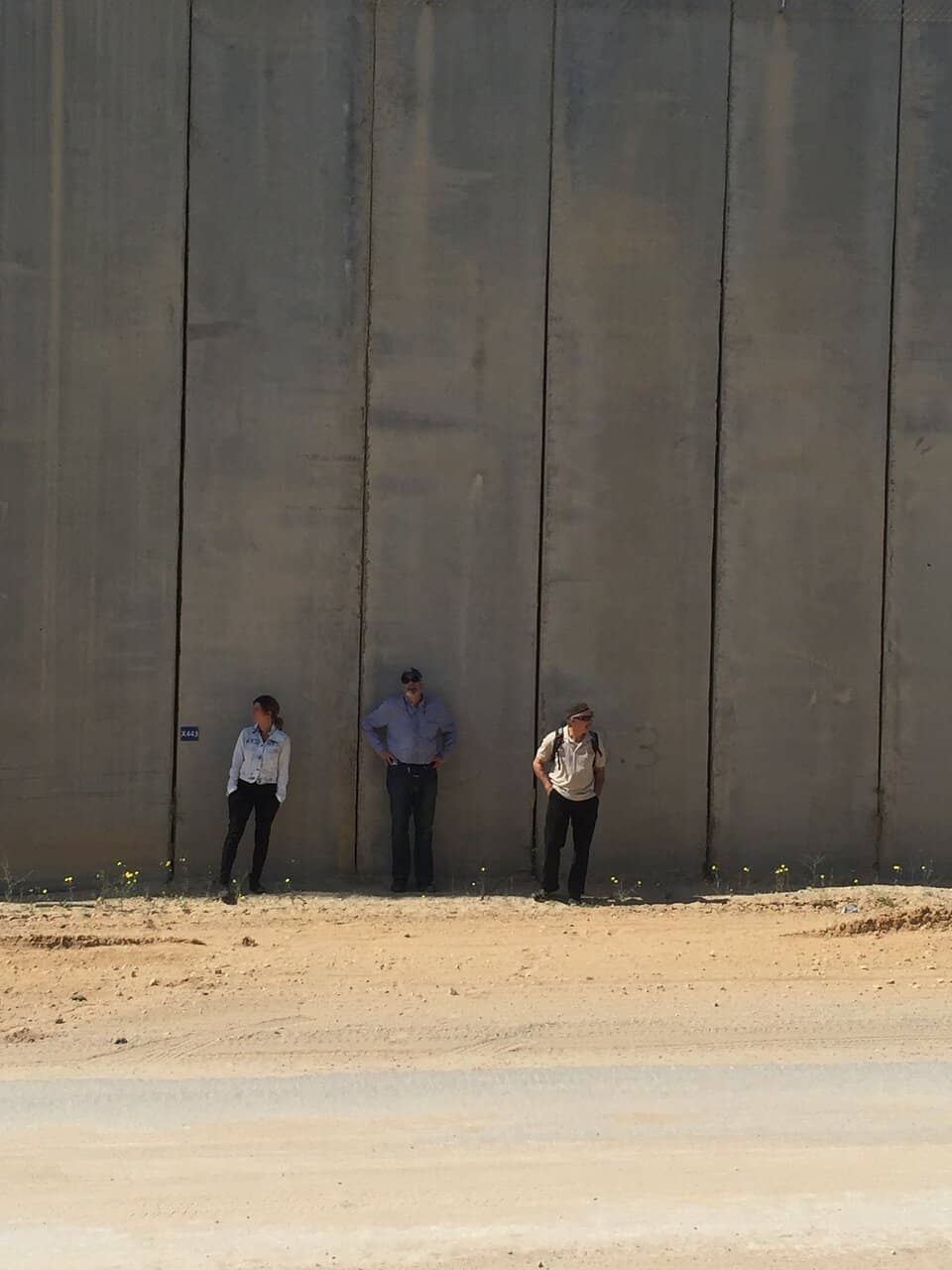
However the really moving experiences came from visiting the Ayda refugee camp, seeing the wall in Bethlehem, visiting the graffiti museum in the Walled Off Hotel, and most importantly learning the history and current status of this region from the Palestinian perspective. This is a point of view that you will not be getting from the other side of the wall. The tours are pricey but the experience is priceless."
Francis Malinosky-Rummell
What People Like
What People Dislike
Frequently Asked Questions
🚇 🗺️ Getting There
The Old City of Jerusalem is accessible by public transport, including buses and light rail. Many visitors arrive via the Jaffa Gate or Damascus Gate. Taxis are also available, but can be more expensive. If you're staying nearby, walking is often the best option.
Yes, there are many options for accommodation in Jerusalem near the Old City, ranging from hostels to boutique hotels. Booking in advance is recommended, especially during peak season.
The best way to travel between the quarters is on foot. The Old City is compact, and walking allows you to soak in the atmosphere and discover hidden gems.
The most common gates are Jaffa Gate (for access to the Christian and Armenian Quarters), Damascus Gate (for the Muslim Quarter), and Zion Gate (for the Jewish and Armenian Quarters). Golden Gate is also significant but access can be restricted.
No, private vehicles are generally not allowed inside the Old City due to its narrow streets and historical preservation. Parking is available outside the walls.
🎫 🎫 Tickets & Entry
Entry into the Old City itself is free. However, specific sites within the Old City, such as museums or religious institutions, may have admission fees.
The Old City is always accessible, but individual sites and shops have varying opening hours. It's best to check the specific hours for any attractions you plan to visit.
Yes, numerous guided tours are available, including free walking tours and specialized historical or religious tours. Booking a tour can greatly enhance your understanding.
Yes, non-Muslim visitors can access the Temple Mount/Haram al-Sharif during specific visiting hours, which can change. Modest dress is strictly enforced.
Yes, religious sites have strict dress codes (modest attire) and may have specific visiting times or rules regarding photography. Always be respectful.
🎫 🧭 Onsite Experience
Key sites include the Western Wall, Church of the Holy Sepulchre, Dome of the Rock, Via Dolorosa, and the various quarters. Each offers a unique historical and spiritual experience. +1
To truly experience the Old City, allocate at least a full day. If you want to delve deeper into each quarter and visit multiple sites, two days is ideal.
While the Old City is generally safe for tourists, it's always wise to be aware of your surroundings and follow local advice. The reviews mention guides prioritizing safety.
You can find a wide variety of souvenirs, including religious items, ceramics, textiles, and local crafts. Haggling is common in the markets.
The Old City is divided into the Jewish, Christian, Muslim, and Armenian Quarters, each with its own unique character, religious sites, and historical significance.
🍽️ 🍽️ Food & Dining
Don't miss trying falafel, hummus, shawarma, and knafeh. Many small eateries and market stalls offer delicious local street food.
Yes, you can find a range of dining options, from casual street food vendors to sit-down restaurants offering traditional Middle Eastern cuisine.
Explore the markets in the Muslim Quarter for a vibrant culinary scene. Some tours also include opportunities to taste local dishes.
Absolutely! Many traditional dishes like falafel and hummus are naturally vegetarian/vegan. Plenty of restaurants cater to these dietary needs.
Street food can be very affordable, around 15-30 NIS. Sit-down restaurants might range from 50-100 NIS or more per person.
📸 📸 Photography
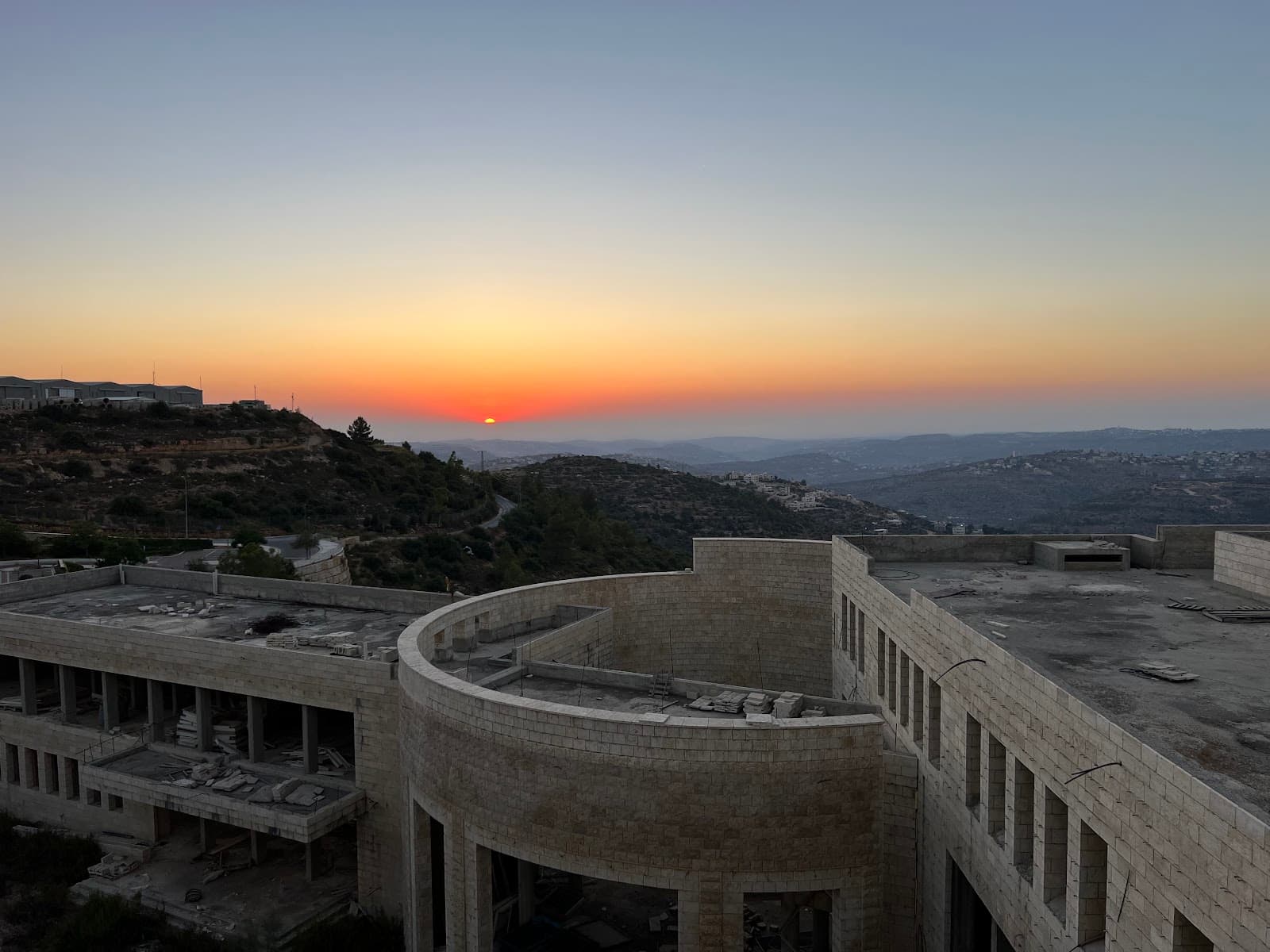
Rooftop views offer stunning panoramas, especially at sunset. The narrow alleyways, vibrant markets, and iconic religious sites are also highly photogenic. +1
Be mindful of photography restrictions at religious sites and always ask permission before photographing individuals.
Early morning or late afternoon provides the best light for photography, creating a warm, golden glow.
Yes, the Mount of Olives offers breathtaking panoramic views of the Old City, making it a prime spot for photography. +2
A versatile lens (like a 24-70mm) is useful for capturing both wide cityscapes and details. A wide-angle lens is great for architecture.

Social
from TikTok, Instagram & Reddit