Canale Cavour - Image 1
1 / 3

Canale Cavour

4.6
·33 reviews·, Italy

An 83km 19th-century irrigation marvel, vital for rice fields and a testament to engineering. Explore its banks for history and scenic beauty.

Highlights

Must-see attractions

Social content

Social

From TikTok & Reddit

Best Time

Spring mornings

Pleasant weather for walks

CrowdLow
Loading map...
Canale Cavour - Image 1

Canale Cavour

Best Time

Spring mornings

Pleasant weather for walks

CrowdLow

Highlights

Must-see attractions

An 83km 19th-century irrigation marvel, vital for rice fields and a testament to engineering. Explore its banks for history and scenic beauty.

4.6
(33 reviews)

"A hydraulic engineering feat designed and built by Count Cavour in 1800 in record time compared to today."

Vertical photo
TIP

🚶‍♀️ Walk or Cycle the Banks

Explore the canal's length on foot or by bike for a true appreciation of its scale and impact. :athletic_shoe:

🚁 Capture with Drone

Get a unique aerial perspective of the canal and surrounding landscapes. :iphone:
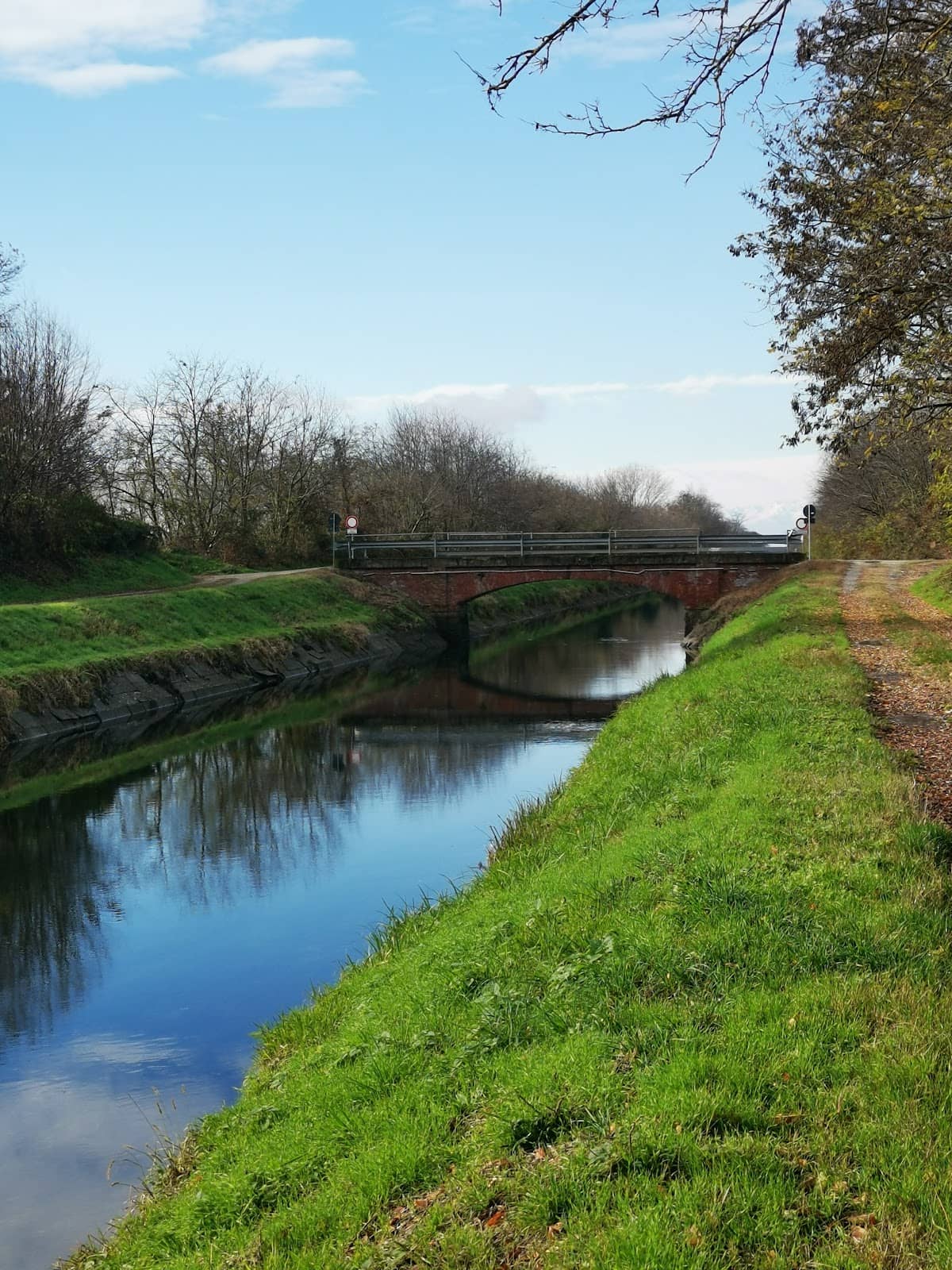
Third hero image

Highlights

Discover the most iconic attractions and experiences

The Canal's Source

The Canal's Source

Chivasso

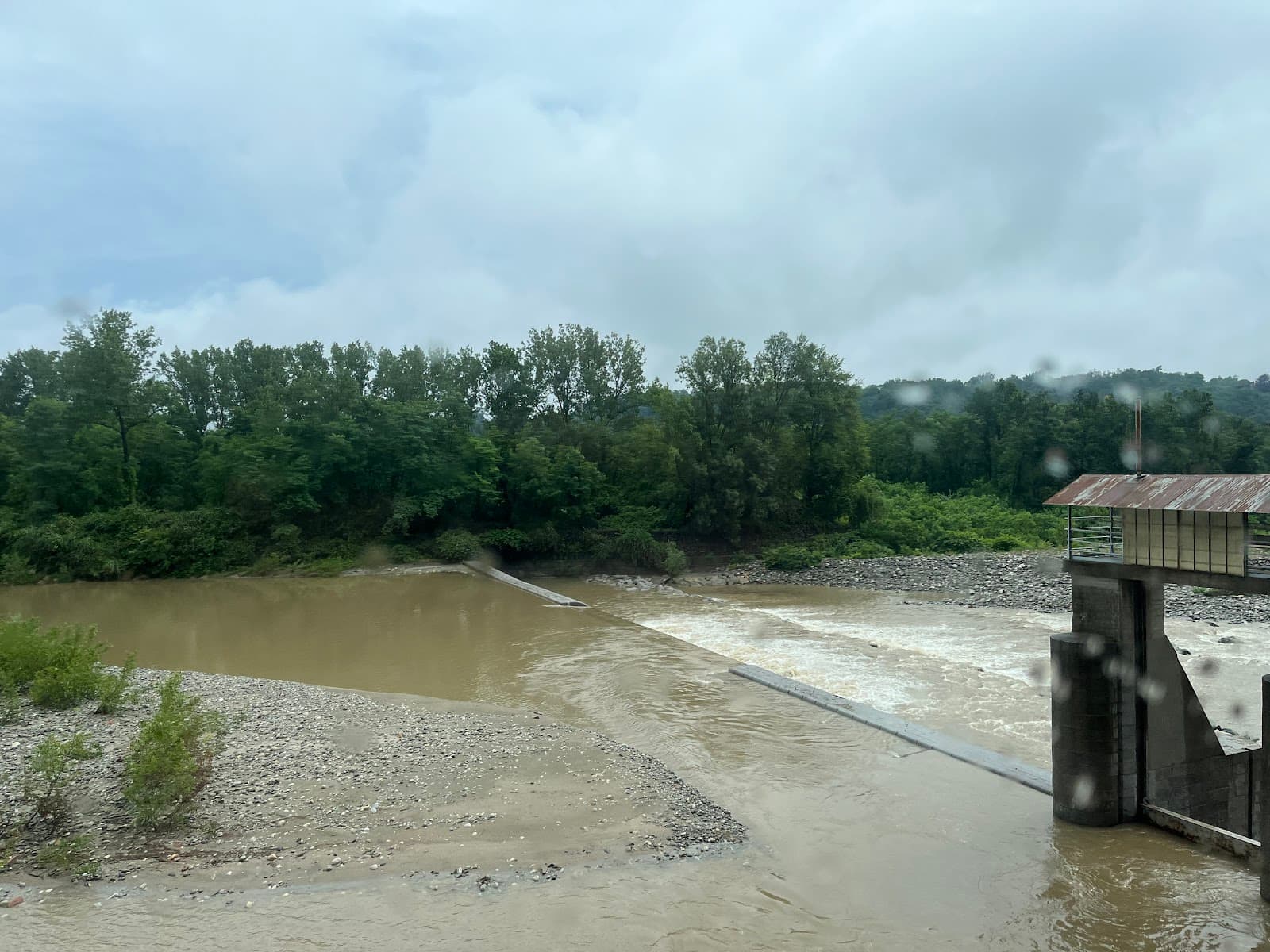
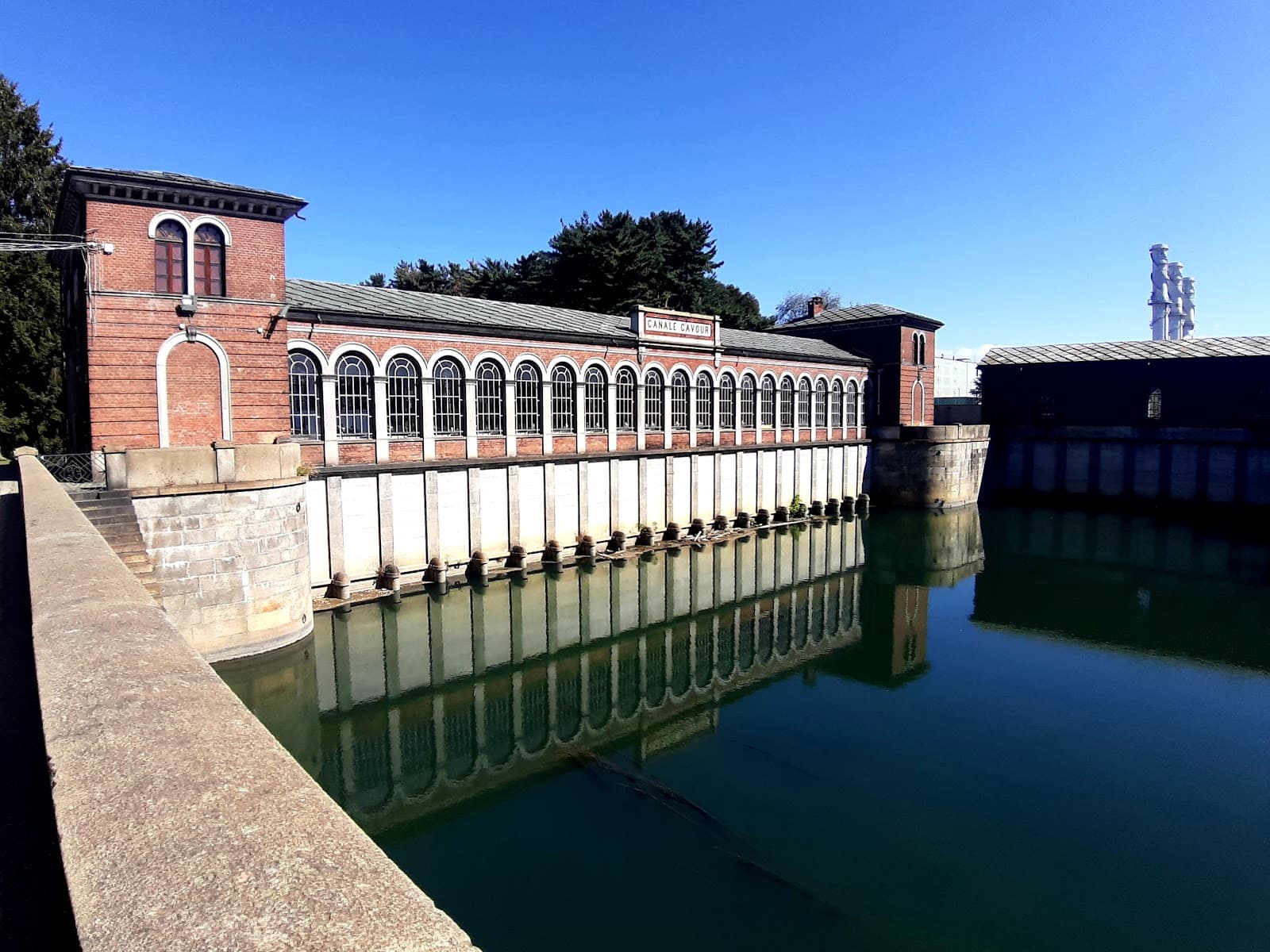
Witness the impressive intake structure where the Canale Cavour begins its journey, a testament to 19th-century engineering.

Instagram+1
Irrigated Rice Paddies

Irrigated Rice Paddies

Vercelli and Novara plains

See firsthand how this vital waterway sustains the vast rice fields, a cornerstone of the regional economy.

Instagram+1
Scenic Canal-side Walks

Scenic Canal-side Walks

Various points along the canal

Enjoy peaceful strolls or bike rides along the banks, soaking in the history and the surrounding natural beauty.

InstagramReddit
Your AI travel agent

Plans like a pro.
Thinks like you

Start Chatting

Planning Your Visit

Embrace the Engineering Marvel

The Canale Cavour is a monumental 19th-century irrigation system, crucial for local agriculture, especially rice cultivation. Plan to explore its banks to truly appreciate this feat of hydraulic engineering and its historical significance. Reddit

Best Ways to Explore

While walking along the canal is recommended, cycling offers a fantastic way to cover more ground and experience the landscape. Consider drone footage for a unique perspective of this expansive waterway. InstagramReddit

Best Times

When
Spring mornings
Why
Pleasant weather for walks
Crowd
Low
When
Autumn afternoons
Why
Golden light on fields
Crowd
Low
When
Summer evenings
Why
Cooler temperatures
Crowd
Medium

Insider Tips

from TikTok, Instagram & Reddit

Uno dei principali vantaggi agricoli dell'area Novarese è rappresentato dal Canale Cavour, costruito nel XIX secolo per volontà di Camillo Benso di Cavour. Questo sistema di irrigazione, ancora oggi pienamente operativo, è una risorsa fondamentale per l'agricoltura locale, consentendo un'irrigazione costante e ben distribuita su tutti i terreni coltivati. Grazie a questo canale, l'area ha potuto s...
agrismartsrl
6 likes • 115 views

🚶‍♀️ Walk or Cycle the Banks

Explore the canal's length on foot or by bike for a true appreciation of its scale and impact. InstagramReddit :athletic_shoe:

🚁 Capture with Drone

Get a unique aerial perspective of the canal and surrounding landscapes. Instagram :iphone:

I parchi, i portici e le testimonianze medievali della dinastia degli Aleramici, il Canale Cavour, le opere di Defendente Ferrari, il Distretto Urbano del Commercio, la gastronomia tipica, i nocciolini... sono tanti i motivi custoditi dalla Città di Chivasso che si possono scoprire e riscoprire approfittando degli eventi dello Storico Carnevalone Pianifica la tua giornata chivassese consultando i...
comunedichivasso
81 likes • 2.2K views
Lunghe passeggiate sul lungo Canale Cavour è sempre bello e salutare
serrablaise
5 likes • 186 views

🌾 Understand its Importance

Learn how the canal is vital for rice cultivation and the regional economy. Instagram :world_map:

🕰️ Appreciate the History

Reflect on the rapid construction and lasting legacy of this 19th-century engineering marvel. Reddit :clock1:

Parco fluviale del Bricel e presa canale Cavour, Chivasso (terza parte). #curarsiviaggiando #dronevideo #faiquellochetirendefelice #chivasso #canalecavour #drone #mavic2pro
marco.marocco2024
11 likes • 130 views

Tips

from all over the internet

🚶‍♀️ Walk or Cycle the Banks

Explore the canal's length on foot or by bike for a true appreciation of its scale and impact. InstagramReddit :athletic_shoe:

🚁 Capture with Drone

Get a unique aerial perspective of the canal and surrounding landscapes. Instagram :iphone:

🌾 Understand its Importance

Learn how the canal is vital for rice cultivation and the regional economy. Instagram :world_map:

🕰️ Appreciate the History

Reflect on the rapid construction and lasting legacy of this 19th-century engineering marvel. Reddit :clock1:

What Travellers Say

4.6
(33 reviews)

Reviews Summary

Visitors consistently praise the Canale Cavour as a remarkable feat of 19th-century hydraulic engineering that remains vital for regional agriculture, especially rice cultivation. Many recommend exploring its banks by foot or bike to truly appreciate its scale and historical significance. Some note the lack of amenities directly along the canal.

"A hydraulic engineering feat designed and built by Count Cavour in 1800 in record time compared to today. It remains functional today and is an indispensable tool for irrigating rice paddies. Only by walking along the canal can you truly appreciate it. So I invite you to explore the canal on foot or by bike to enjoy the work and try to understand how such monumental projects could be completed in such a short time in those days."

Marco B.

"The Cavour Canal, built between 1863 and 1866 to ensure adequate irrigation of the fields (largely used for growing rice) in the provinces of Turin, Vercelli and Novara, still bears witness today, more than 150 years later, to how important, complex and truly useful public works for the entire community, if one really wants them and acts seriously in the public interest, can be completed in a short time and last for centuries."

Enrico Pasquino

"A hydraulic system built by Cavour immediately after the unification of Italy. The project took three years to complete; it is a masterpiece of hydraulic engineering in Europe. The canal begins in the Po River, crosses the Vercelli plain, passes under the Sesia River, and after 85 km ends in the Ticino River."

azzurra ale

What People Like

Impressive engineering feat
Vital for rice farming
Scenic walking/cycling paths

What People Dislike

Limited amenities

Frequently Asked Questions

🚇 🗺️ Getting There

The Canale Cavour spans a significant area, with key access points in towns like Chivasso and Vercelli. Driving is often the most convenient way to reach specific sections, with parking available near the intake structures or along accessible banks. Public transport options might be limited to reaching the main towns, requiring further local travel. Instagram+1

Parking availability varies. Near the intake building in Chivasso, there are designated areas. Along more rural stretches, roadside parking is common, but always ensure it's safe and legal. Instagram

Yes, the canal is 83km long, so you can access it from various points. Chivasso is known for its intake building, while Vercelli and Novara are central to its agricultural impact. Instagram+1

Cycling is highly recommended for exploring longer stretches of the canal, offering a great way to see the landscape. Walking is also a popular and rewarding option for a more immersive experience. InstagramReddit

While not as common as for major landmarks, some local organizations or FAI (Fondo Ambiente Italiano) may offer guided visits, especially to historical sites like the intake building. Check local tourism websites for current offerings. Instagram

🎫 🎫 Tickets & Entry

No, the Canale Cavour itself is an open waterway and its banks are generally accessible to the public without any entry fees. You can explore it freely. Reddit

As it's an active irrigation channel and a natural landscape, there are no set opening or closing hours. You can visit at any time, though daylight hours are recommended for safety and enjoyment. Instagram

Access to the intake building itself might be restricted or require booking for specific guided tours, especially if organized by heritage groups like FAI. General access to the canal banks is free. Instagram

Yes, sometimes local events or heritage days might highlight the canal, particularly in towns like Chivasso. Keep an eye on local event calendars for opportunities. Instagram

While generally safe, it's advisable to visit during daylight hours for better visibility and to be aware of your surroundings. Stick to marked paths where available. Instagram

🎫 🏞️ Onsite Experience

You can enjoy scenic walks and bike rides, observe the impressive hydraulic engineering, witness the vital irrigation of rice paddies, and spot local wildlife like ibis. InstagramReddit+1

Yes, families can enjoy leisurely walks or bike rides along the banks. It's a great opportunity to teach children about engineering and agriculture. Ensure supervision near the water. Instagram

Birdlife is common, with mentions of ibis being spotted. The surrounding wetlands and agricultural areas attract various bird species. Instagram

Facilities are generally scarce directly along the canal's path. It's best to use facilities in nearby towns before you start your exploration. Instagram

Consider using a drone for expansive views, or focus on the textures of the water, the surrounding greenery, and the historical intake structures. Golden hour light can be particularly beautiful. Instagram

🎫 🌾 Agriculture & Engineering

Its primary purpose is irrigation, crucial for the extensive rice cultivation in the plains of Turin, Vercelli, and Novara. It's a vital agricultural resource. InstagramReddit+1

The canal was constructed between 1863 and 1866, a project initiated by Count Camillo Benso di Cavour, and is considered a masterpiece of hydraulic engineering. InstagramReddit+1

The canal is approximately 83 to 85 kilometers long, making it one of the longest artificial waterways in Italy. Instagram+1

The canal originates from the Po River near Chivasso and flows into the Ticino River near Galliate. Instagram

It is indispensable for the region's agriculture, particularly rice farming, which is a significant economic driver for the provinces of Vercelli and Novara. Instagram+1

For Different Travelers

Tailored advice for your travel style

👨‍👩‍👧 Families with Kids

The Canale Cavour offers a unique educational and recreational opportunity for families. Walking or cycling along its banks provides a safe and engaging way for children to learn about large-scale engineering projects and their impact on agriculture, particularly rice farming. InstagramReddit It's a chance to see a real-life example of how water management shapes the landscape and economy.

Pack a picnic and enjoy a family outing amidst the scenic countryside. While direct water access might be limited, the open paths are perfect for little legs to explore. Remember to bring sun protection and plenty of water, as facilities can be sparse. Consider visiting the intake building in Chivasso for a more focused look at the engineering marvel. Instagram

🚴‍♀️ Cyclists and Active Travelers

For cyclists, the Canale Cavour presents an excellent route. The long, relatively flat paths alongside the canal are perfect for a day of cycling, allowing you to cover significant distances and explore the agricultural heartland of Piedmont. InstagramReddit Many sections are well-maintained and offer beautiful views of the surrounding rice fields and countryside.

Consider planning a route that incorporates charming towns along the way for breaks and refreshments. The canal's straight trajectory makes navigation straightforward, and it connects various points of interest. It's a fantastic way to experience the region's landscape and engineering heritage actively. Instagram

📸 Photographers and Drone Enthusiasts

The Canale Cavour offers compelling visual narratives for photographers. The sheer scale of the waterway, the textures of the water, and the vast agricultural landscapes provide ample subject matter. InstagramReddit The intake structures, particularly in Chivasso, are impressive architectural elements to capture.

Drone pilots will find the expansive views particularly rewarding, allowing for unique aerial perspectives of the canal's path and its integration with the surrounding environment. Golden hour light can enhance the dramatic lines of the canal and the colors of the rice fields. Instagram

Deep Dives

In-depth insights and expert knowledge

A Monument of Hydraulic Engineering

The Canale Cavour is more than just a waterway; it's a testament to 19th-century ingenuity. Conceived by Count Camillo Benso di Cavour, its construction between 1863 and 1866 was remarkably swift for its time, taking only three years. This ambitious project aimed to provide consistent irrigation to the plains of Turin, Vercelli, and Novara, transforming the agricultural landscape. InstagramReddit

Stretching approximately 83-85 kilometers, the canal begins its journey at the Po River near Chivasso and concludes by flowing into the Ticino River near Galliate. Its impressive scale and functionality have allowed it to remain a vital resource for over 150 years, a rarity for such monumental public works. Instagram+1

Today, the canal continues to be an indispensable tool for irrigating the vast rice paddies that characterize the region. Visitors can explore its banks, often by foot or bicycle, to appreciate the sheer magnitude of this engineering feat and reflect on how such projects were accomplished with the technology of the era. InstagramReddit

The Lifeline of Rice Cultivation

The Canale Cavour plays a pivotal role in the agricultural heartland of Piedmont, particularly for the cultivation of rice. Before its construction, the arid plains struggled to support intensive farming. The canal's consistent water supply revolutionized agriculture, enabling the widespread development of rice paddies that are now synonymous with the Vercelli and Novara regions. Instagram+1

This reliable irrigation system ensures that the rice crops receive the necessary water throughout their growth cycle, contributing significantly to the high quality and quantity of rice produced. The economic impact is substantial, making rice farming a cornerstone of the local economy and a source of regional pride. Reddit

Exploring the areas surrounding the canal, especially during the growing season, offers a visual understanding of this symbiotic relationship between water, engineering, and agriculture. You can see the water flowing from the canal into smaller channels that feed the fields, a testament to its ongoing importance. Instagram

Experiencing the Canal: Beyond the Water

While the engineering and agricultural aspects are central, the Canale Cavour also offers a serene natural experience. The long, straight paths along its banks are ideal for leisurely walks or cycling, providing a peaceful escape into the countryside. InstagramReddit Many visitors find these excursions to be a relaxing way to connect with the local environment and history.

For those interested in capturing the essence of the landscape, photography opportunities abound. The interplay of water, sky, and the surrounding fields, especially during sunrise or sunset, can be quite picturesque. Some enthusiasts even utilize drones to capture the vastness of the canal and its agricultural surroundings from a unique vantage point. Instagram

Wildlife enthusiasts might also find the canal's ecosystem rewarding. Birdlife, including ibis, has been observed in the vicinity, attracted by the water and the surrounding wetlands. It's a chance to enjoy nature while appreciating a significant piece of Italian history and engineering. Instagram

You may also like

1 of 2