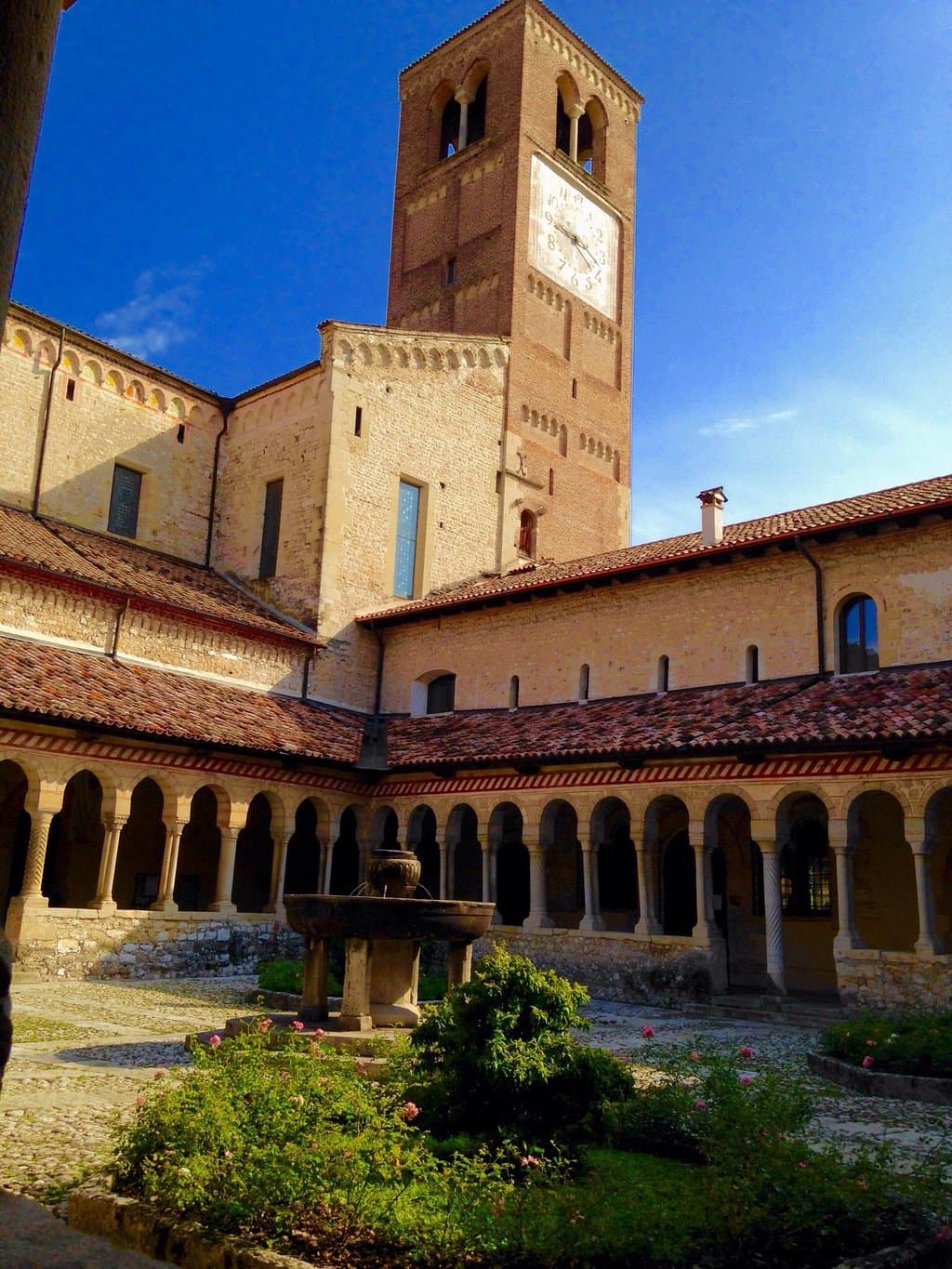
Follina Abbey
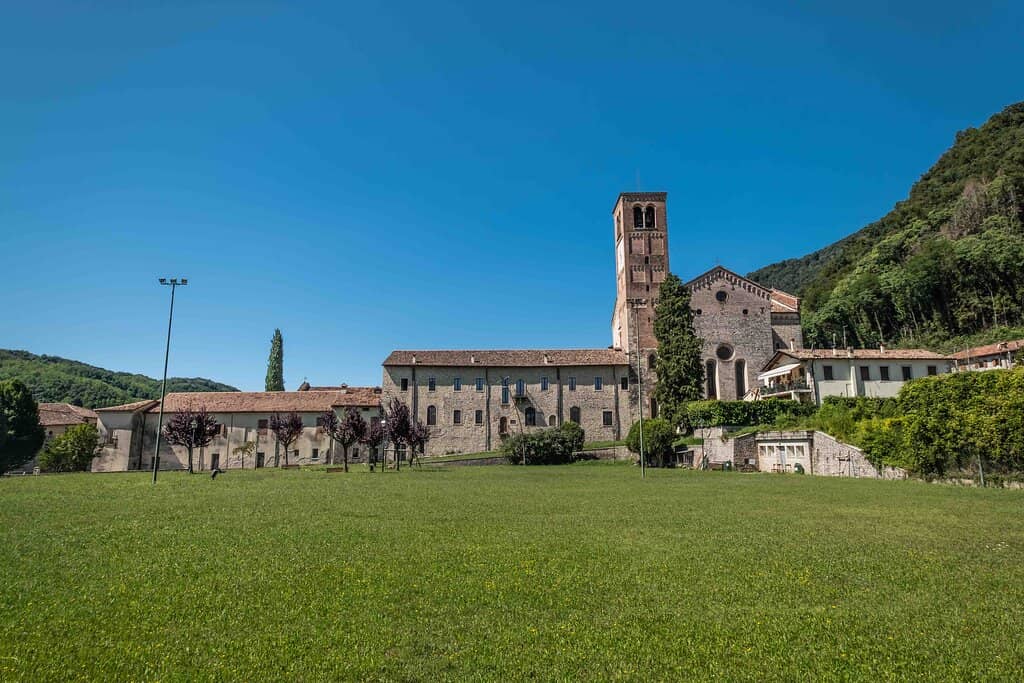
A thousand-year-old Cistercian abbey in Veneto, renowned for its Romanesque cloister, Gothic basilica, and serene beauty.
Highlights
Must-see attractions

Social
From TikTok & Reddit
Best Time
Quiet and peaceful atmosphere
Follina Abbey
Best Time
Quiet and peaceful atmosphere
Highlights
Must-see attractions
A thousand-year-old Cistercian abbey in Veneto, renowned for its Romanesque cloister, Gothic basilica, and serene beauty.
"A hidden gem in Veneto, offering a serene atmosphere that combines deep spirituality with extraordinary beauty."
Free Entry! 🎉
Entry to the abbey is free and it's open to the public. Enjoy this historical gem without an admission fee!
Seek the Orange Cat 🐈
Keep an eye out for the abbey's resident orange cat – a charming local celebrity!
Quick Facts
Hours
Rating
4.8 · 1,031 reviews
Type
Church
Highlights
Discover the most iconic attractions and experiences
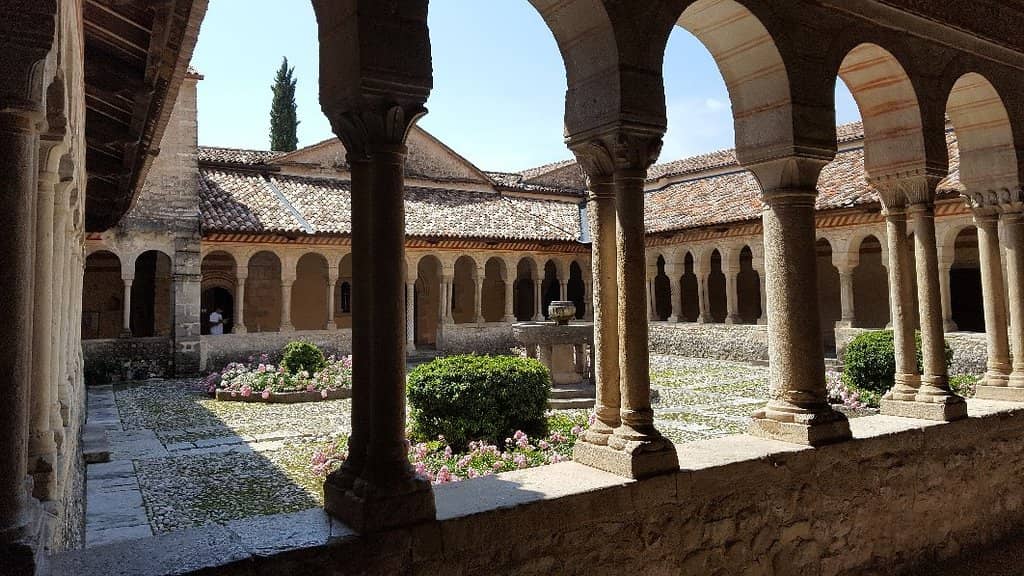
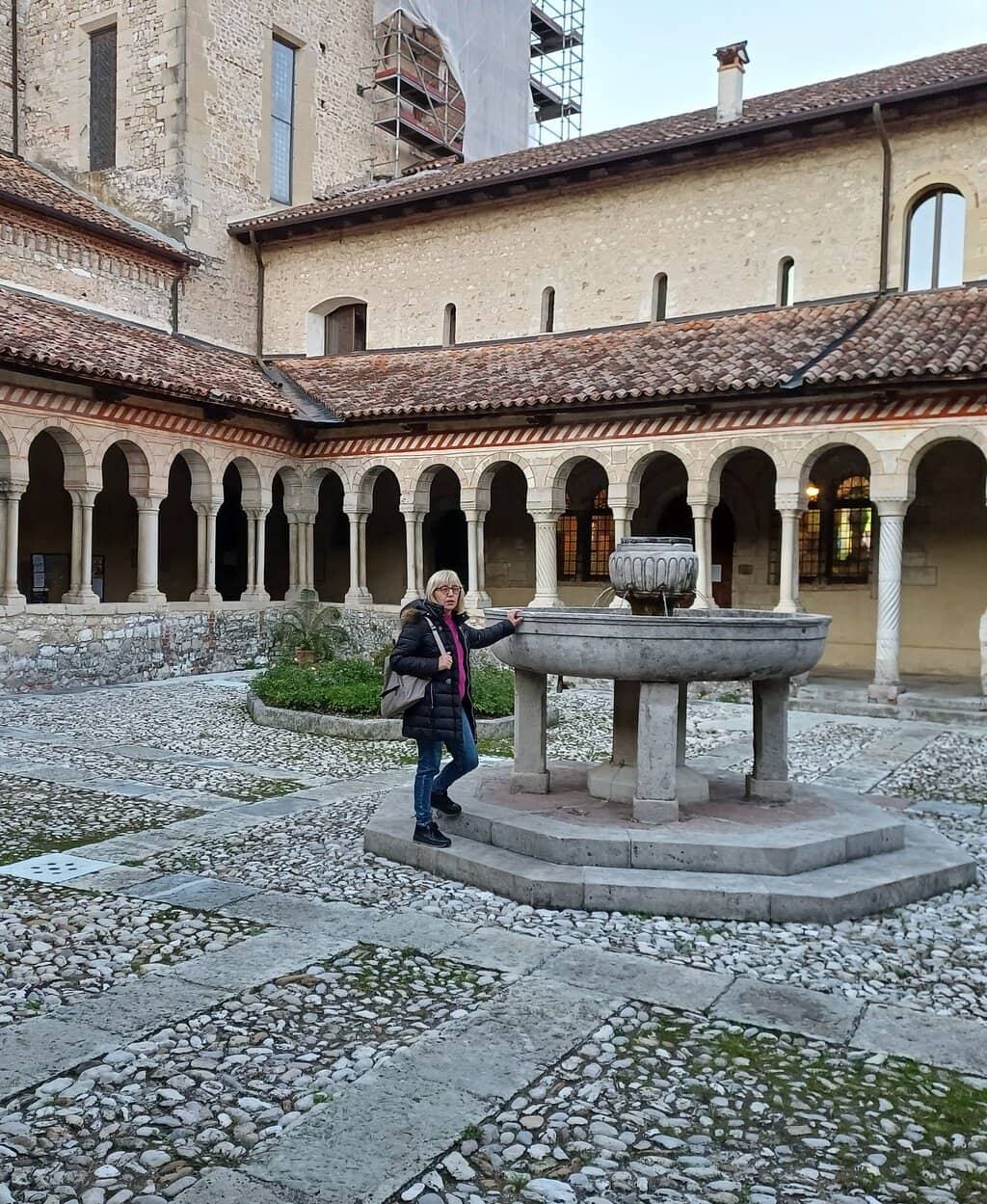
Enchanting Romanesque Cloister
Southern wall of the abbey
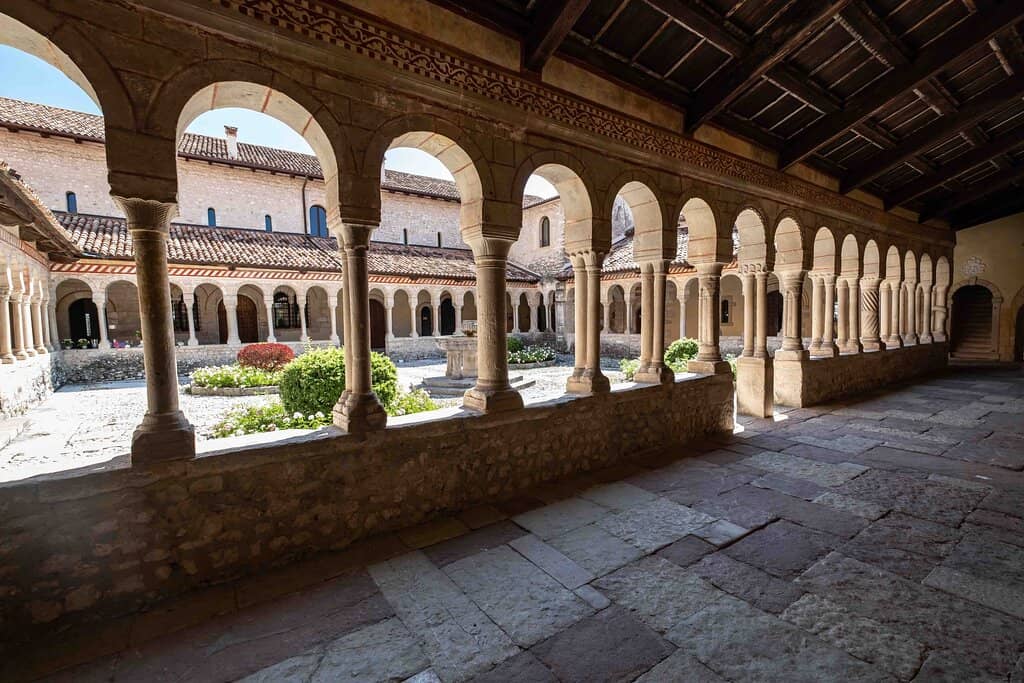
A world of slender columns and uniquely carved capitals, featuring leaves, faces, beasts, and symbols.
Madonna di Follina
Basilica
The beloved image of the Madonna, venerated since the Middle Ages, rests within the basilica's stone embrace.
Cistercian Gothic Basilica
Main church
A masterpiece of austere, harmonious Cistercian Gothic architecture, bathed in a soft, mystical light.
Plans like a pro.
Thinks like you
Planning Your Visit
Embrace the Serenity
A Thousand Years of History
Best Times
Insider Tips
from TikTok, Instagram & Reddit
Free Entry! 🎉
Entry to the abbey is free and it's open to the public. Enjoy this historical gem without an admission fee!
Seek the Orange Cat 🐈
Keep an eye out for the abbey's resident orange cat – a charming local celebrity!
Cloister Symmetry Magic ✨
When sunlight hits the cloister, the symmetry of the columns creates a truly amazing effect.
Cool Interior on Hot Days ❄️
The abbey's stone walls keep it refreshingly cool inside, even on the hottest days.
Tips
from all over the internet
Free Entry! 🎉
Entry to the abbey is free and it's open to the public. Enjoy this historical gem without an admission fee!
Seek the Orange Cat 🐈
Keep an eye out for the abbey's resident orange cat – a charming local celebrity!
Cloister Symmetry Magic ✨
When sunlight hits the cloister, the symmetry of the columns creates a truly amazing effect.
Cool Interior on Hot Days ❄️
The abbey's stone walls keep it refreshingly cool inside, even on the hottest days.
Nearby Dining Options 🍽️
Plenty of restaurants are nearby for a delicious lunch or dinner after your visit.
What Travellers Say
Reviews Summary
Follina Abbey is widely praised as a hidden gem, lauded for its stunning architecture, particularly the Romanesque cloister and Cistercian Gothic basilica. Visitors appreciate the free entry, serene atmosphere, and the unique charm of the village. Some note that while the abbey is beautiful, it's a relatively quick visit.
"Try to find the orange cat!!! Entry to the abbey is free and it’s open to the public. Parking is easy. The architecture is on par with the Alhambra. Very romantic. Beautiful candy-like colours adorn the chapel. Nestled in the quiet village of Follina, this abbey has been a sanctuary of prayer and beauty for nearly a thousand years. Founded before the year 1000 by Benedictine monks and entrusted to the Cistercians in 1146, it blossomed into one of the most important monastic centers in northern Italy. Generous donations, such as that from noblewoman Sofia del Camino in 1170, allowed it to grow into a full-fledged monastery with cloisters, farmland, and refined architectural works. The current basilica, begun in the 13th century under the hand of master builder Gualtiero da Lodi, is a masterpiece of Cistercian Gothic purity; austere, harmonious, and imbued with a soft, mystical light. Within its stone embrace rests the beloved image of the Madonna di Follina, venerated since the Middle Ages. Beside it rises the graceful Lombard-style bell tower, and tucked away along the southern wall is the enchanting Romanesque cloister — a world of slender columns, each crowned with a uniquely carved capital, some with leaves and flowers, others with faces, beasts, and symbols. Through centuries of devotion, suppression, neglect, and restoration, the Abbey of Santa Maria di Follina has remained what it was always meant to be: a place of silence, beauty, and a quiet dialogue between heaven and earth. Worth a detour."
Sven
"The “Abbazia cistercense di Santa Maria di Follina” is one of the most interesting works of architecture in the region. When the sun light penetrates the patio, the symmetry of the columns creates a truly amazing effect. I recommend going early morning, when is quiet and peaceful."
Flavio Pimentel
"A hidden gem in Veneto and absolutely worth a visit. The Abbey of Santa Maria in Follina offers a serene atmosphere that combines deep spirituality with extraordinary beauty. The 13th-century cloister with its unique columns and capitals is a masterpiece you should not miss.
Inside the church, the 16th-century fresco of the Madonna with Child and Saints, the baroque wooden crucifix, and above all the Madonna del Sacro Calice create a powerful impression. The Romanesque bell tower and the harmonious proportions of the abbey complete the experience.
Surrounded by the rolling hills of the Prosecco region, this abbey is not only a place of prayer but also a cultural treasure that leaves a lasting memory."
Conrad Pramböck
What People Like
What People Dislike
Frequently Asked Questions
🚇 🗺️ Getting There
Follina Abbey is located in the quiet village of Follina, nestled in the Veneto region. While public transport options might be limited, driving is a common and convenient way to reach it. Parking is generally easy to find near the abbey.
Information on direct public transport to Follina Abbey can be scarce. It's recommended to check local bus schedules or consider a combination of train to a nearby town and then a taxi or local bus. Renting a car offers the most flexibility.
From Venice, you can take a train to Conegliano or Treviso, and then arrange for a taxi or local bus service to Follina. Driving directly from Venice is also an option, taking approximately 1-1.5 hours depending on traffic.
Parking is generally straightforward near Follina Abbey. Look for designated parking areas in the village of Follina. Visitors have noted that parking is usually easy to find. +1
Absolutely! Follina Abbey is described as 'worth a detour' and a 'hidden gem,' making it an excellent and easy stop on a road trip through the Prosecco region. +1
🎫 🎫 Tickets & Entry
No, entry to Follina Abbey is free and it is open to the public. You can explore its beautiful architecture and serene atmosphere without any admission fee.
The abbey is generally open to the public, but specific hours can vary. It's always a good idea to check for any updated information closer to your visit, though it's often accessible during daylight hours.
The cloister is part of the abbey complex, and as the abbey itself is free to enter, access to the cloister is also typically included without an additional charge. +1
Follina Abbey is a place of worship, so it is generally accessible on Sundays. However, during mass times, access to certain areas might be restricted. It's best to be mindful of ongoing services.
While not explicitly mentioned in all reviews, the historical significance of Follina Abbey suggests that guided tours might be available, especially during peak tourist seasons. Inquire locally or check their official website for details.
🎫 🧭 Onsite Experience
Don't miss the enchanting Romanesque cloister with its unique capitals, the 13th-century Cistercian Gothic basilica, and the revered image of the Madonna di Follina. The Lombard-style bell tower is also a striking feature. +2
Yes, Follina Abbey is highly recommended for photography. The cloister's symmetry, the architectural details, and the soft light create stunning photographic opportunities. Early mornings are ideal for capturing the best light.
Visitors describe the atmosphere as serene, peaceful, and cool, even on hot days. It's a place of deep spirituality and quiet beauty, offering a sanctuary from the outside world.
Pay close attention to the unique capitals in the cloister, each carved with different motifs. The harmonious proportions of the basilica and the Lombard-style bell tower are also significant architectural elements. +1
The monastery garden and surrounding areas are also noted as beautiful. The abbey is situated in the charming village of Follina, which itself is worth exploring.
🍽️ 🍽️ Food & Dining
There are no restaurants located directly inside Follina Abbey itself. However, the abbey is situated in the village of Follina, which offers a good selection of restaurants for lunch or dinner.
The village of Follina offers typical Italian cuisine, likely with regional specialties from the Veneto area. You can expect pasta dishes, local meats, and possibly dishes featuring local produce.
While specific restaurant recommendations are not detailed in the provided reviews, visitors have confirmed that 'plenty of restaurants' are available nearby for dining. Exploring the village will reveal various options.
Follina is located in the heart of the Prosecco region, so it's an excellent place to sample local wines. Many restaurants in the village will likely offer a good selection of Prosecco.
It's highly probable that the village of Follina has cafes or bars where you can grab a coffee, pastry, or a light snack. These are usually found in the main village squares or streets.
📸 📸 Photography
The Romanesque cloister is a prime spot, especially when the sunlight hits the columns. The basilica's interior, with its soft light and frescoes, and the exterior of the Lombard-style bell tower also offer great photo opportunities.
Early mornings are highly recommended for photography. This is when the abbey is quietest and the sunlight creates a truly amazing effect, particularly in the cloister.
Generally, photography for personal use is allowed inside religious sites like Follina Abbey. However, flash photography might be prohibited to protect frescoes and artworks. It's always wise to check for any posted signs.
A wide-angle lens would be beneficial for capturing the grandeur of the basilica and the cloister. A prime lens with a wide aperture can be useful for low-light interior shots. A tripod might be helpful for longer exposures, but check if they are permitted.
Drone photography is generally restricted in and around historical and religious sites due to privacy and safety regulations. It's best to assume drones are not permitted unless explicitly stated otherwise.


Social
from TikTok, Instagram & Reddit