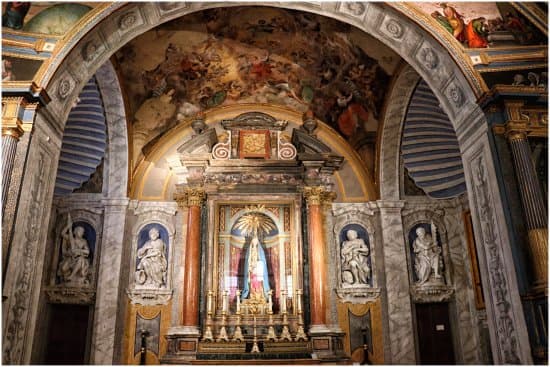
Oratorio di Santa Maria dei Laici dei Bianchi
A Renaissance art sanctuary in Città della Pieve, home to Perugino's stunning 'Adoration of the Magi' fresco and other historical artworks.
Highlights
Must-see attractions
Social
From TikTok & Reddit
Best Time
Fewer crowds, peaceful viewing
Oratorio di Santa Maria dei Laici dei Bianchi
Best Time
Fewer crowds, peaceful viewing
Highlights
Must-see attractions
A Renaissance art sanctuary in Città della Pieve, home to Perugino's stunning 'Adoration of the Magi' fresco and other historical artworks.
"A must-see for art lovers, this oratorio holds a breathtaking Perugino fresco and other historical gems."
Check for Exhibitions
The oratorio often hosts temporary art exhibitions. Check local listings before your visit! :camerawithflash:
Virtual Reconstruction
See a virtual reconstruction of lost frescoes in the underground chapel. :iphone:
Highlights
Discover the most iconic attractions and experiences
Perugino's Adoration of the Magi
Main wall of the Oratorio
A magnificent 1504 fresco by Pietro Perugino, showcasing his mastery of composition and detail. A true Renaissance masterpiece.
Underground Chapel Frescoes
Underground level
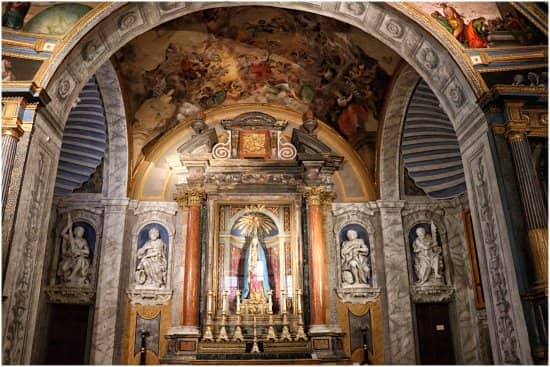
Explore the ancient chapel with preserved frescoes depicting the Passion of Christ, offering a glimpse into earlier artistic traditions.
Life of the Virgin Cycle
Church walls
Admire the 24-panel cycle created around 1607 by Felice Damiani, illustrating the 'Life of the Virgin'.
Plans like a pro.
Thinks like you
Planning Your Visit
Discover the Artistry of Perugino
Città della Pieve's Hidden Gem
Best Times
Insider Tips
from TikTok, Instagram & Reddit
Check for Exhibitions
The oratorio often hosts temporary art exhibitions. Check local listings before your visit! :camerawithflash:
Virtual Reconstruction
See a virtual reconstruction of lost frescoes in the underground chapel. :iphone:
Explore Città della Pieve
Combine your visit with exploring the charming town of Città della Pieve. :world_map:
Appreciate the Details
Take time to notice the intricate details in Perugino's work and the other art. :art:
Tips
from all over the internet
Check for Exhibitions
The oratorio often hosts temporary art exhibitions. Check local listings before your visit! :camerawithflash:
Virtual Reconstruction
See a virtual reconstruction of lost frescoes in the underground chapel. :iphone:
Explore Città della Pieve
Combine your visit with exploring the charming town of Città della Pieve. :world_map:
Appreciate the Details
Take time to notice the intricate details in Perugino's work and the other art. :art:
What Travellers Say
Reviews Summary
Visitors praise the Oratorio di Santa Maria dei Bianchi for its significant Renaissance artwork, particularly Perugino's 'Adoration of the Magi'. The oratorio is considered a hidden gem, offering a peaceful and enriching artistic experience. Some visitors note that it can be closed unexpectedly or that information about current exhibitions could be more readily available.
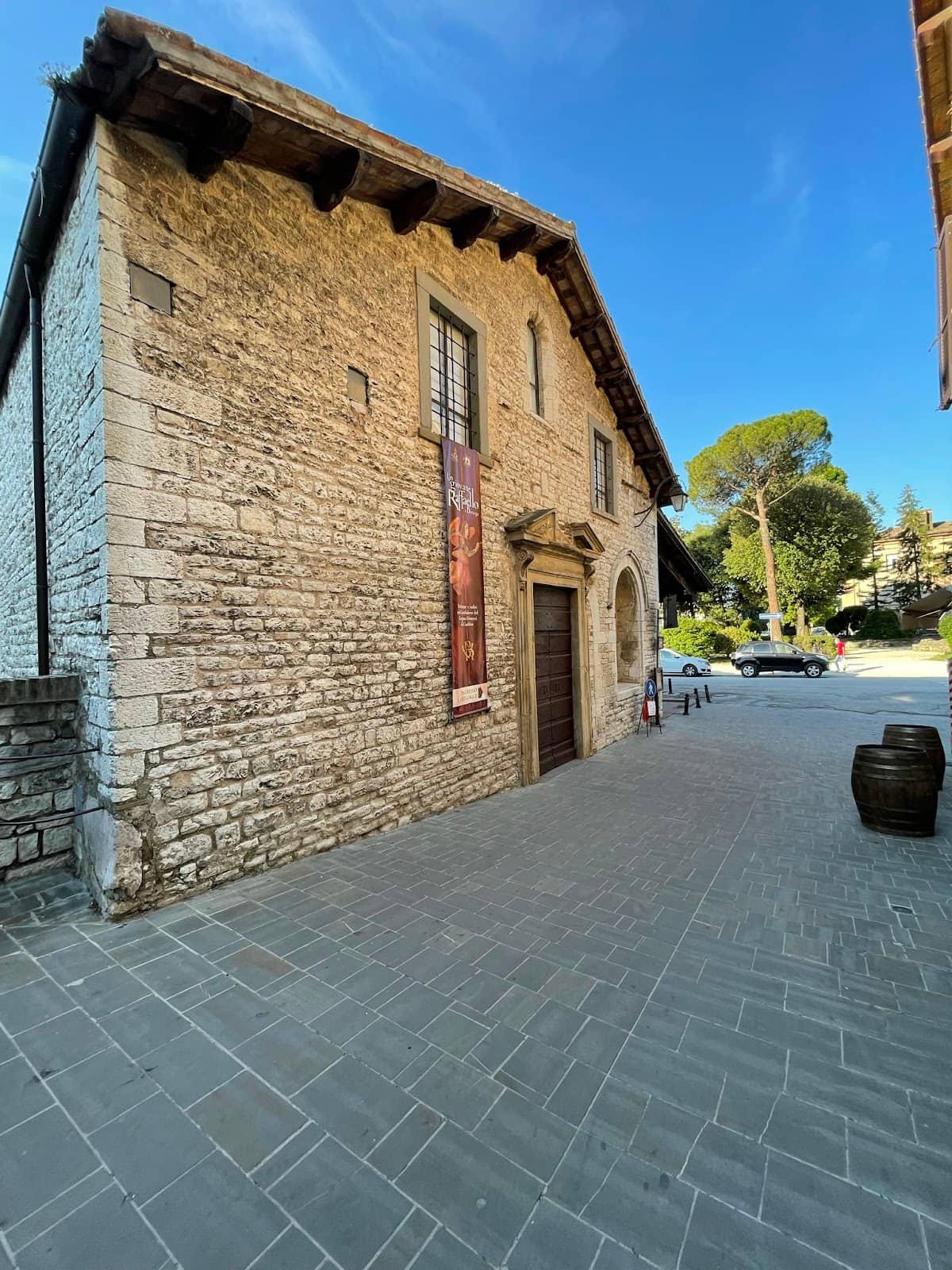
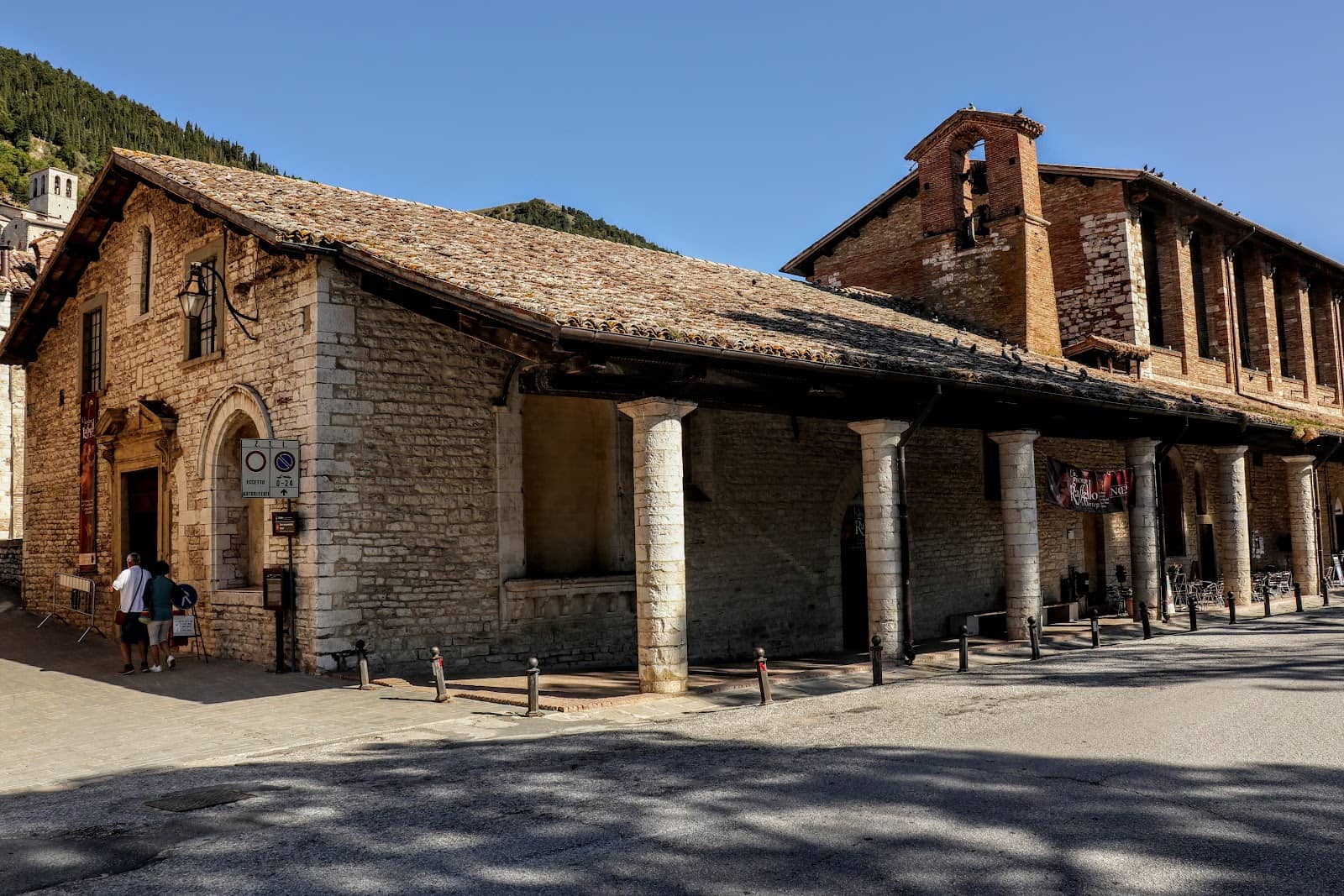
"The church of Santa Maria dei Laici in Gubbio, also known as the “Church of the Bianchi”, is located between Piazza dei Quaranta Martiri and Via Piccardi, in front of the Basilica of San Francesco, and can be accessed both from the street and from under the Logge.
The name of the church derives from the ancient Confraternity of the Laymen or Confraternity of the Blessed Virgin Mary founded way back in 1313.
In 1315 the Confraternity obtained from the city council a house and some land (the house is the current part of the complex to the east, beyond the border of the portico) lower, facing onto Via della Repubblica, the land was the space, not built at the time, between said house and the “new bridge” which today leads to Via Piccardi.
On this land they built the church in 1325 and a few years later they erected the hospital for which the community of Gubbio donated the stone.
In 1377 the authorities of the Confraternity of the Laity asked the city of Gubbio to grant permission to extend the existing colonnade by two or three more columns.
In the period 1400/1500 the Church was an integral part of the hospital; when the latter was transferred to another part of the city it remained independent from the hospital complex which was sold to the Wool Corporation, which, at the beginning of the 17th century, built the “Covered Loggia” above it to house 40 “wool pullers” and created 7 shops there.
The Confraternity of the Whites has always had an essential importance for the life of the city, for the notable number of members of the Society (over three thousand) and for the particular dedication to the care of the sick in the Hospital of Santa Maria della Misericordia, the largest in the city, to which, with the Papal Bull of Julius II on 9 August 1505, the other hospitals of the city were united, creating a new entity, the “Spedal Grande”.
The Bell Tower of the Church was built in 1467.
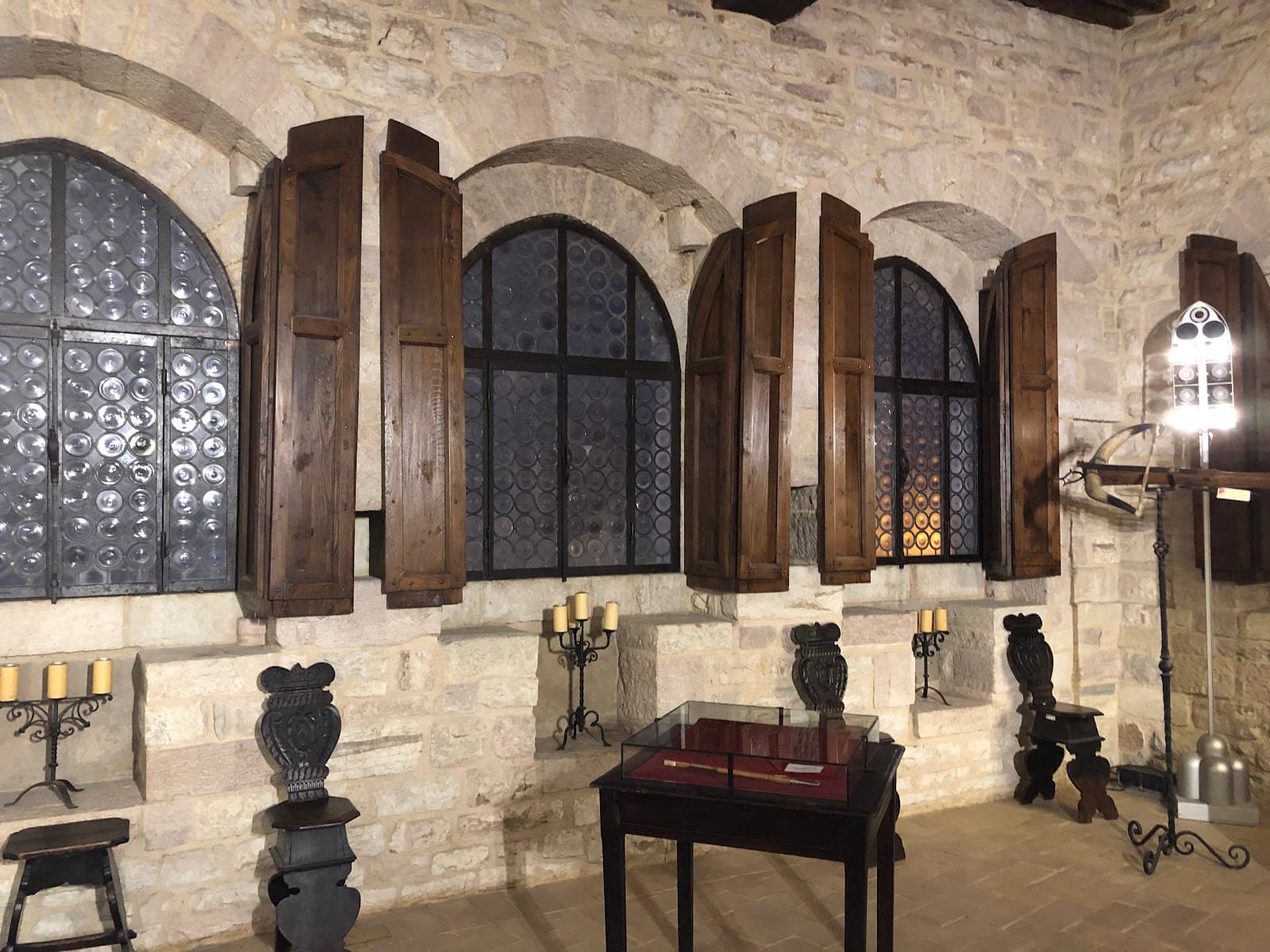
Today the church is used as a multipurpose hall annexed to the Diocesan Museum.
The structure is organized on two levels: on the first a frescoed underground chapel, on the second the area for worship."
Edoardo Mariotti
"A little gem in the center of Gubbio. The woman who welcomed us was very helpful and kind. We were captivated by the building and the works inside, such as the "sepolcro" (oratory), which once housed a cycle of frescoes from the Nellian school depicting the Passion of Christ. The scenes depicting the Flagellation and the Nailing to the Cross are still preserved there. Inside, you can currently admire a video showing a virtual reconstruction of the frescoes' layout, created by the University of Florence."
arianna pantaleo
"August 2020.
A small church inside a loggia. We hadn't even seen the entrance but we were struck by the exhibition on a young Raphael in his workshop.
The church inside houses beautiful and highly valuable works. Well preserved. Today it is used as a multipurpose room of the Diocesan Museum.
Along the walls of the church runs a cycle composed of 24 panels and created around 1607 by Felice Damiani with the theme of the "Life of the Virgin".
The Annunciation by Federico Barocci, on the left wall, is interesting.
The exhibition that was hosted was dedicated to a Gonfalone del Corpus Domini by a young Raphael. A painting on two sides. Truly magnificent."
Sonia Padoan
What People Like
What People Dislike
Frequently Asked Questions
🚇 🗺️ Getting There
The Oratorio is located in Città della Pieve, Umbria. It's easily accessible on foot within the town center. If arriving by car, look for parking in the vicinity and enjoy a short walk to the oratorio.
Parking is available in designated areas within Città della Pieve. It's recommended to park and then walk to the oratorio, as the historic center can be restrictive for vehicles.
Yes, Città della Pieve is accessible by train, with a station located a short distance from the town center. Buses also connect it to surrounding areas.
🎫 🎫 Tickets & Entry
Opening hours can vary, especially as it's often used for exhibitions. It's best to check local listings or contact the Diocesan Museum for the most up-to-date information.
While the oratorio itself might have a small fee or be included with entry to temporary exhibitions, it's advisable to confirm pricing on-site or via the Diocesan Museum.
For general visits, advance booking is usually not required. However, if there's a special exhibition, it's wise to check if advance tickets are recommended or necessary.
Accessibility can be limited in historic buildings. While the main worship area might be accessible, the underground chapel may have stairs. Inquire directly for specific needs.
🎫 🖼️ Art & Exhibits
The star attraction is the 'Adoration of the Magi' fresco by Pietro Perugino, painted in 1504. It's a significant work of the Renaissance. 
Yes, the oratorio features a 24-panel cycle by Felice Damiani depicting the 'Life of the Virgin' and other frescoes and paintings from the Umbrian school.
The underground chapel contains preserved frescoes of the Passion of Christ. A virtual reconstruction by the University of Florence is also available to view.
Absolutely! The Oratorio di Santa Maria dei Bianchi frequently serves as a venue for temporary art exhibitions, so it's worth checking what's on during your visit.
The Oratorio is often managed in conjunction with the Diocesan Museum. Their staff or information boards within the oratorio can provide deeper insights into the artworks.
🎫 📍 Onsite Experience
A visit typically takes about 30-60 minutes, depending on your interest in the art and if there are any special exhibitions.
Crowds are generally low on weekdays, especially in the mornings. Weekends and during special events might see more visitors.
Photography policies can vary. It's usually permitted for personal use, but flash photography is often prohibited to protect the artworks. Always check for signage.
Guided tours might be available, especially for special exhibitions or in conjunction with the Diocesan Museum. Inquire on-site for details.
Visitors often describe the atmosphere as peaceful and captivating, offering a serene experience to appreciate the art.
For Different Travelers
Tailored advice for your travel style
👨👩👧 Families with Kids
Consider turning the visit into a treasure hunt for specific figures or colors within the artworks. Keep the visit relatively short to maintain children's attention, and combine it with other family-friendly activities in Città della Pieve, such as exploring the town's medieval streets or enjoying local gelato.
🎨 Art Enthusiasts & History Buffs
+1History buffs will find value in the Oratorio's architectural evolution and its role within the community's religious history. The preserved frescoes and the virtual reconstruction offer insights into different artistic periods and techniques. Don't miss the opportunity to learn about the Confraternity of the Disciplini and their contribution to the Oratorio's existence.
Deep Dives
In-depth insights and expert knowledge
The Masterpiece: Perugino's Adoration of the Magi
+1Viewers are often struck by the detailed depiction of the figures, the rich colors, and the overall sense of reverence. The fresco captures the awe-inspiring moment of the Magi's visit to the infant Jesus, rendered with Perugino's characteristic grace and clarity. It's a work that invites contemplation and appreciation for the artistic genius of the period.
+1This fresco is not just a painting; it's a piece of history embedded in the fabric of Città della Pieve, representing a significant contribution to the artistic heritage of Umbria and Italy. Its preservation within the Oratorio ensures that this masterpiece continues to inspire and educate visitors for generations to come.
Beyond Perugino: Other Artistic Treasures
The underground chapel is another area of historical and artistic interest. It once housed a cycle of frescoes by the Nellian school depicting the Passion of Christ. Although some of these frescoes are no longer fully preserved, the site offers a virtual reconstruction by the University of Florence, allowing visitors to visualize their original grandeur.
Furthermore, the Oratorio often serves as a venue for temporary exhibitions, showcasing works by local and international artists. This dynamic use of the space ensures that each visit can offer a unique experience, blending the permanent collection with contemporary artistic dialogues.
The Oratorio's Historical Context
The building's architecture reflects its historical evolution, with elements that speak to its past as a place of worship and community gathering. The Oratorio's connection to the Diocesan Museum further solidifies its role as a cultural hub, preserving and presenting the artistic heritage of the region.
Understanding this historical context enriches the visitor's experience, providing a deeper appreciation for the Oratorio not just as an art gallery, but as a living testament to the history and devotion of Città della Pieve.

Social
from TikTok, Instagram & Reddit