Santa Maria Maggiore
A magnificent papal basilica, one of Rome's oldest, renowned for its stunning 5th-century mosaics and rich history.
Highlights
Must-see attractions

Social
From TikTok & Reddit
Best Time
Fewer crowds, serene atmosphere
Santa Maria Maggiore
Best Time
Fewer crowds, serene atmosphere
Highlights
Must-see attractions
A magnificent papal basilica, one of Rome's oldest, renowned for its stunning 5th-century mosaics and rich history.
"A breathtaking masterpiece of early Christian art and architecture, Santa Maria Maggiore is a must-visit."
Dress Modestly
Cover shoulders and knees out of respect for this sacred site. 🙏
Arrive Early
Beat the crowds for a more peaceful experience. :clock1:
Quick Facts
Rating
4.7 · 93 reviews
Type
Church
Highlights
Discover the most iconic attractions and experiences
Apse Mosaics
Main Apse
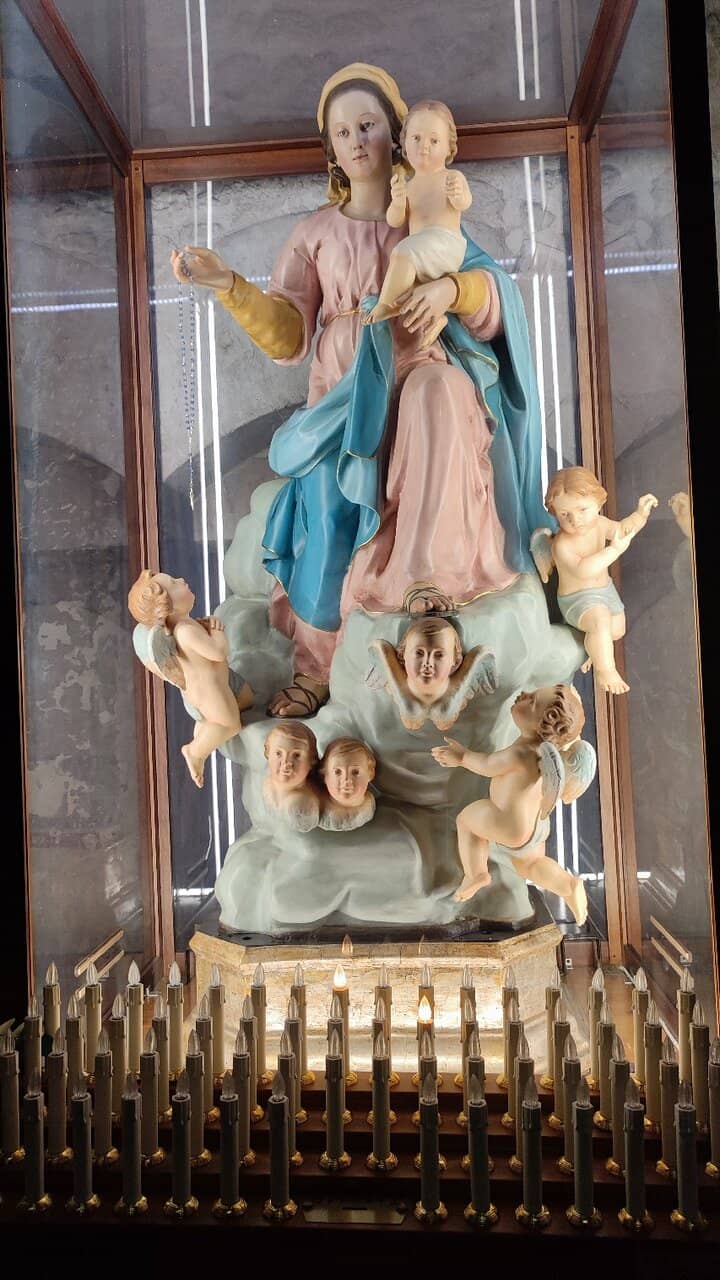
Dazzling 5th-century mosaics depicting scenes from the life of the Virgin Mary, a true masterpiece of early Christian art.
Coffered Ceiling
Nave
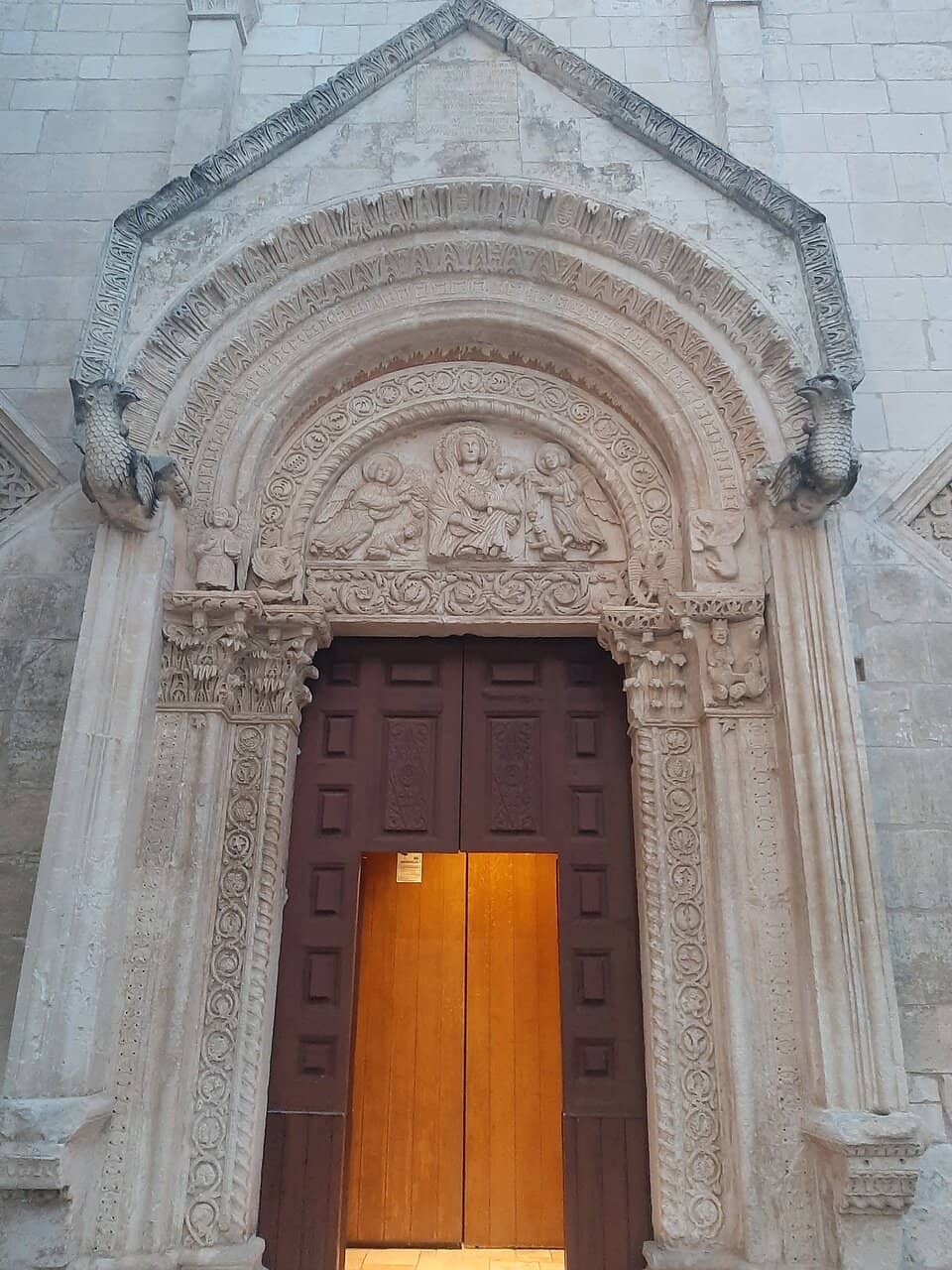
A stunning gilded wooden coffered ceiling, rumored to be decorated with gold brought by Columbus from the New World.
Sistine Chapel (Chapel of the Sacrament)
Transept
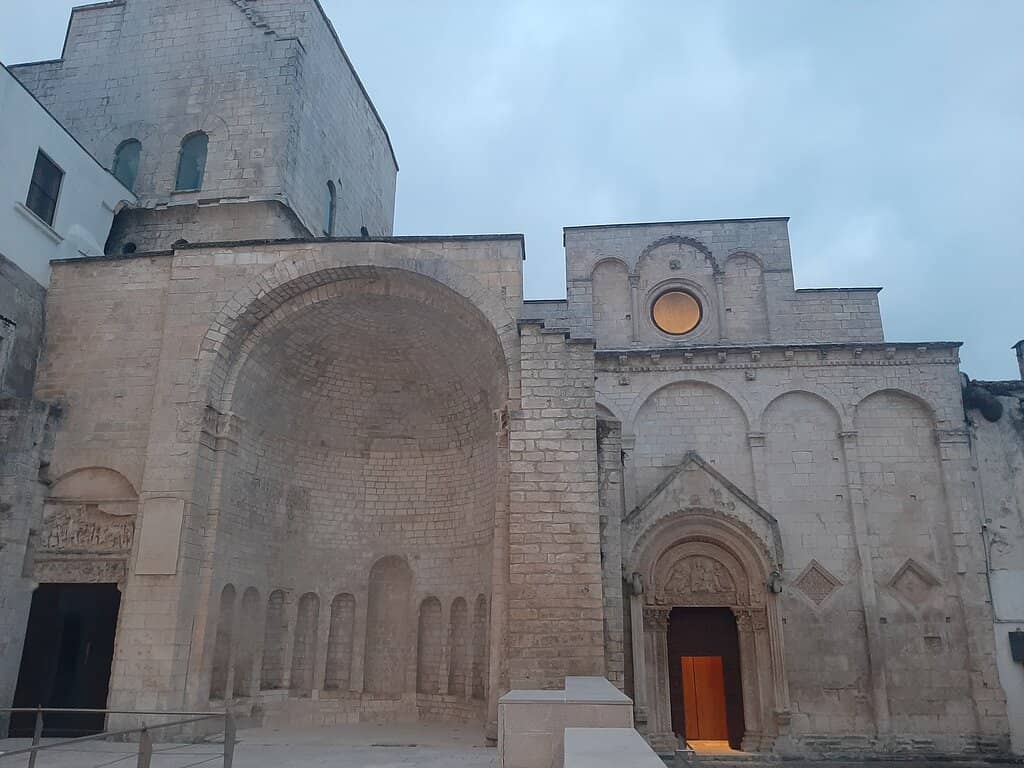
Home to the tombs of Popes Sixtus V and Pius V, featuring beautiful Baroque art and architecture.
Nativity Scene (Crib)
Papal Basilica of Saint Mary Major
A sacred relic believed to be from the manger of Jesus, housed in a crypt beneath the altar.
Plans like a pro.
Thinks like you
Planning Your Visit
Timing Your Visit to Santa Maria Maggiore
Navigating Santa Maria Maggiore
Best Times
Insider Tips
from TikTok, Instagram & Reddit
Dress Modestly
Cover shoulders and knees out of respect for this sacred site. 🙏
Arrive Early
Beat the crowds for a more peaceful experience. :clock1:
Look Up!
The ceiling and mosaics are breathtaking. Don't miss them! 👀
Comfortable Shoes
You'll be doing a lot of walking inside this grand basilica. :athletic_shoe:
Tips
from all over the internet
Dress Modestly
Cover shoulders and knees out of respect for this sacred site. 🙏
Arrive Early
Beat the crowds for a more peaceful experience. :clock1:
Look Up!
The ceiling and mosaics are breathtaking. Don't miss them! 👀
Comfortable Shoes
You'll be doing a lot of walking inside this grand basilica. :athletic_shoe:
Photography Etiquette
Check for signs regarding flash photography. Be respectful. :camerawithflash:
What Travellers Say
Reviews Summary
Visitors consistently praise the breathtaking beauty and historical significance of the Papal Basilica of Saint Mary Major, particularly its stunning mosaics and grand architecture. While entry is free, some find the sheer scale overwhelming and recommend visiting during off-peak hours for a more serene experience. The basilica is a must-see for its artistic and religious importance.
"The whole city is a tourist trap :("
adlane Bakhouche
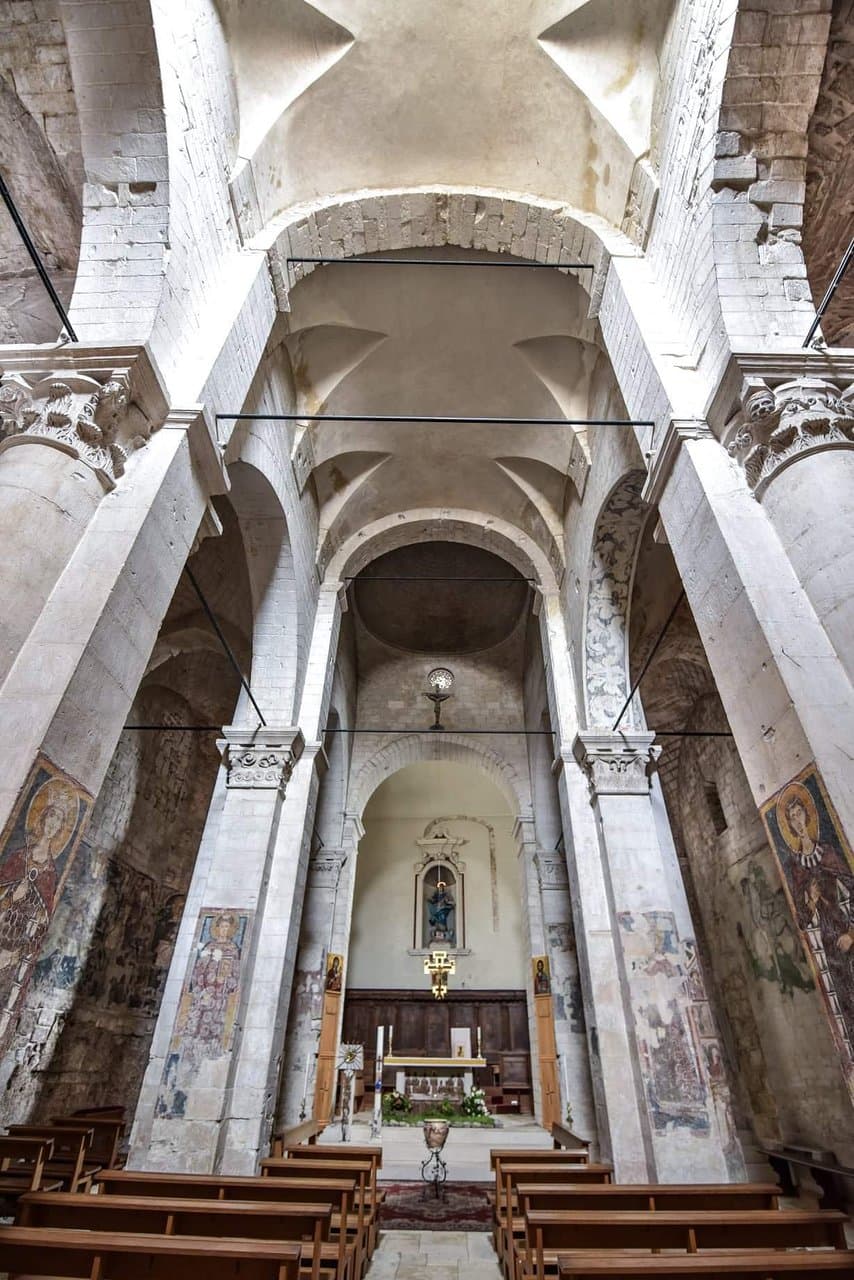
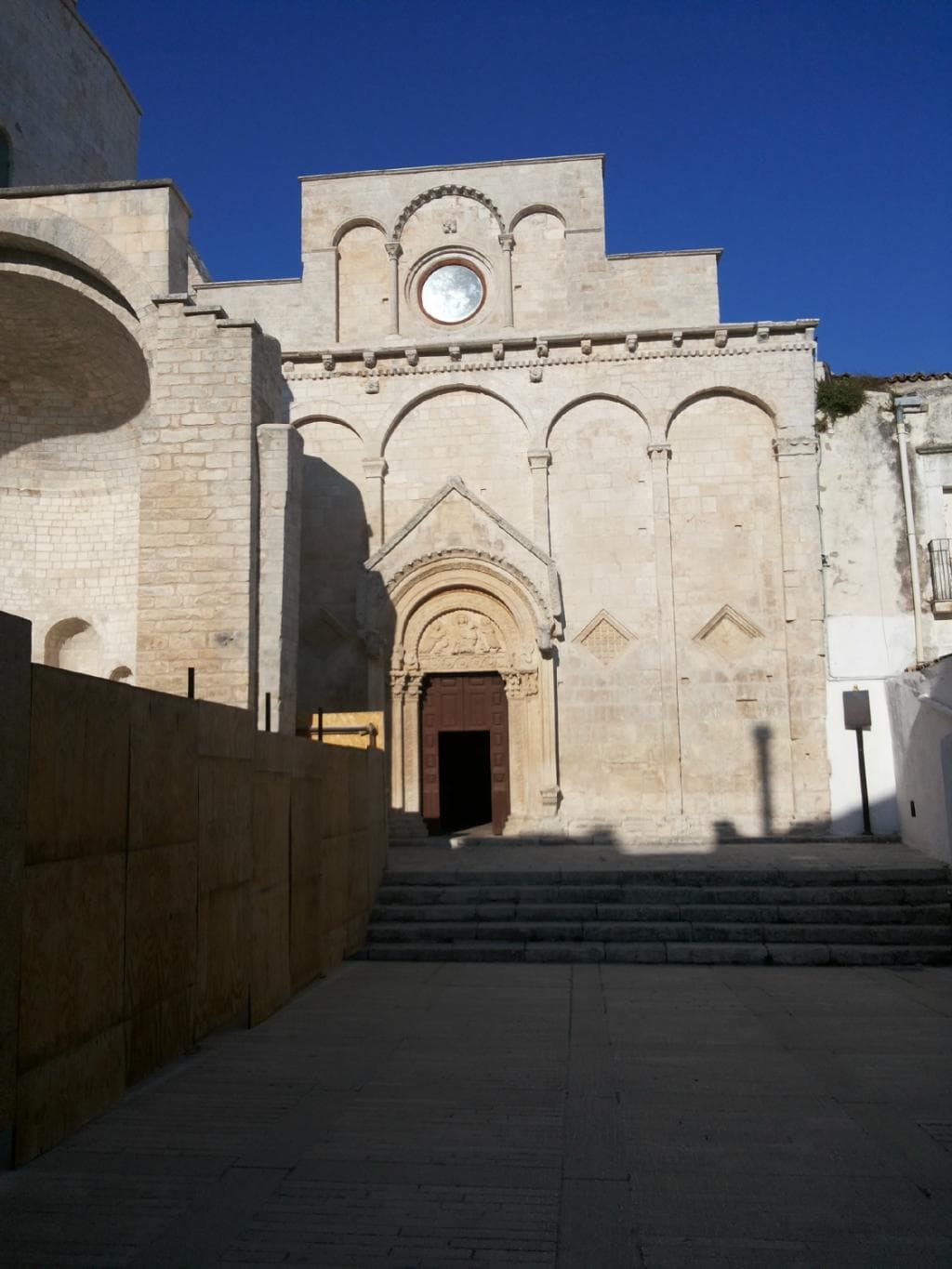
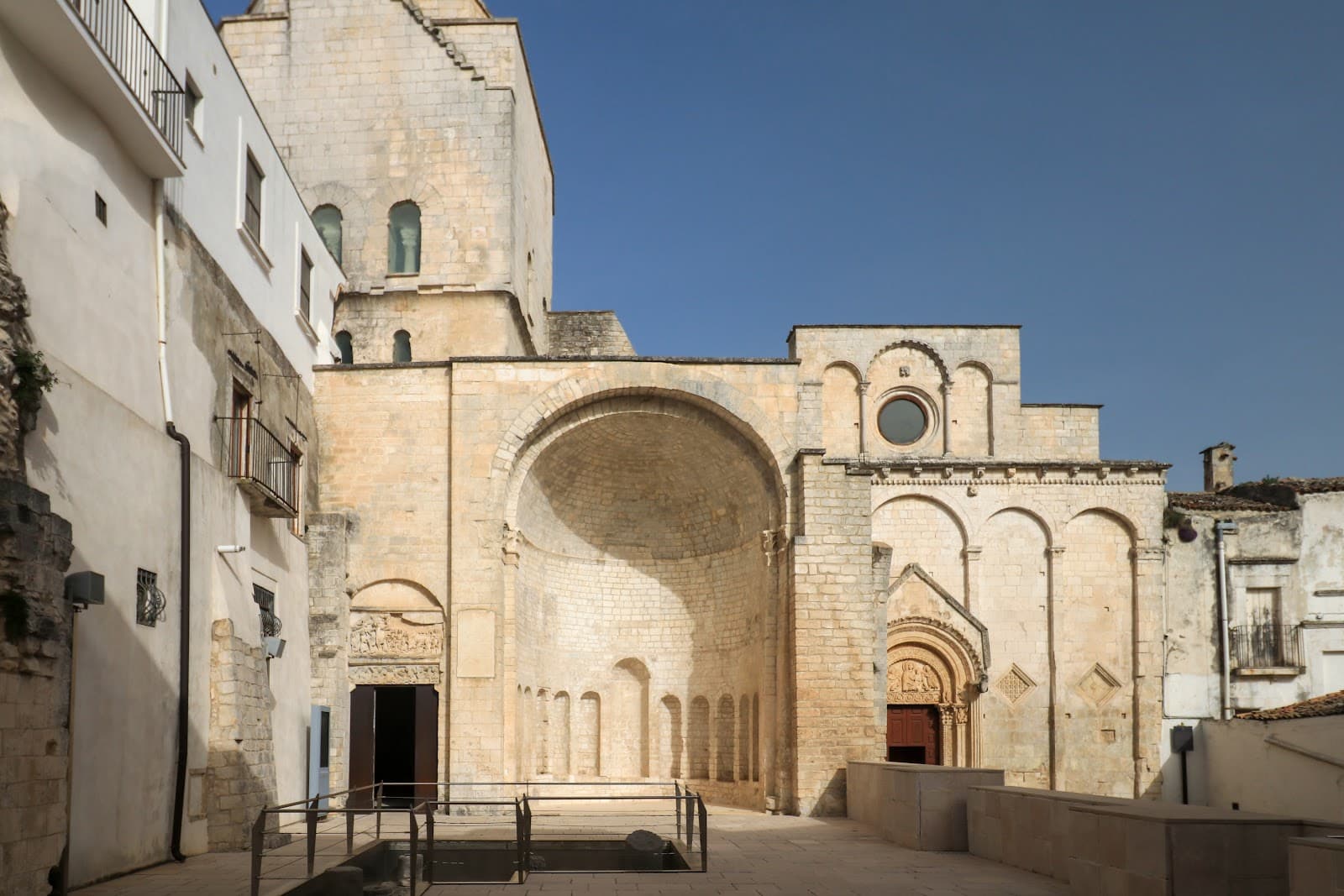
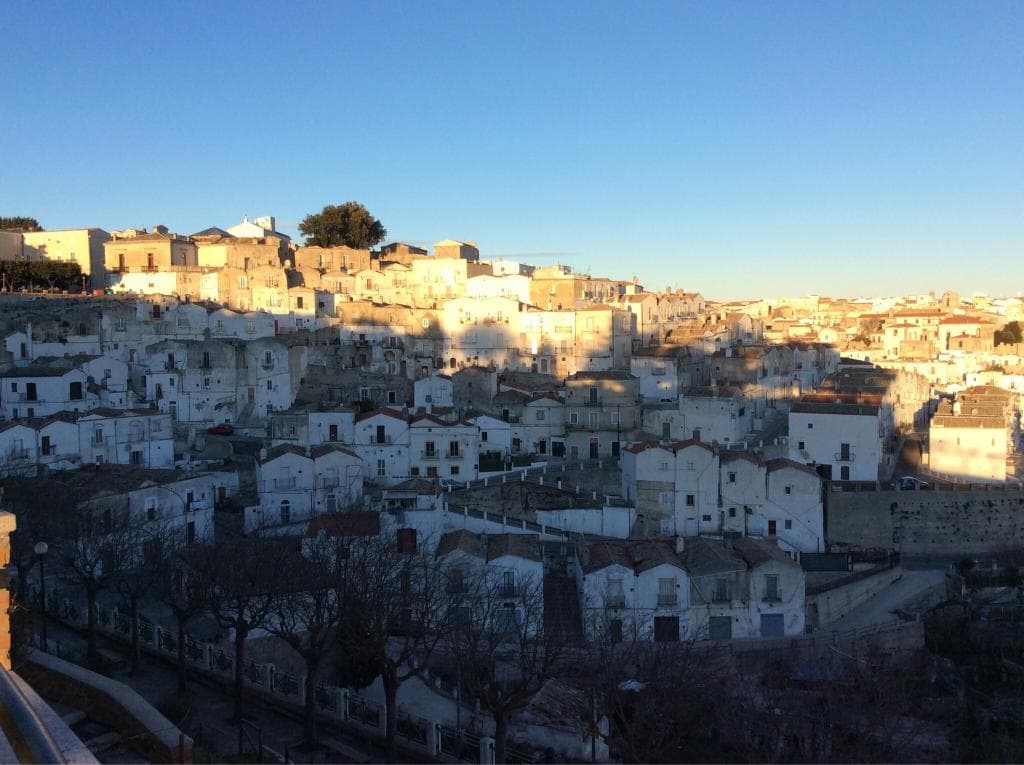
"The Church of Santa Maria Maggiore, together with the Baptistery of San Giovanni in Tumba, forms the monumental complex of San Pietro.
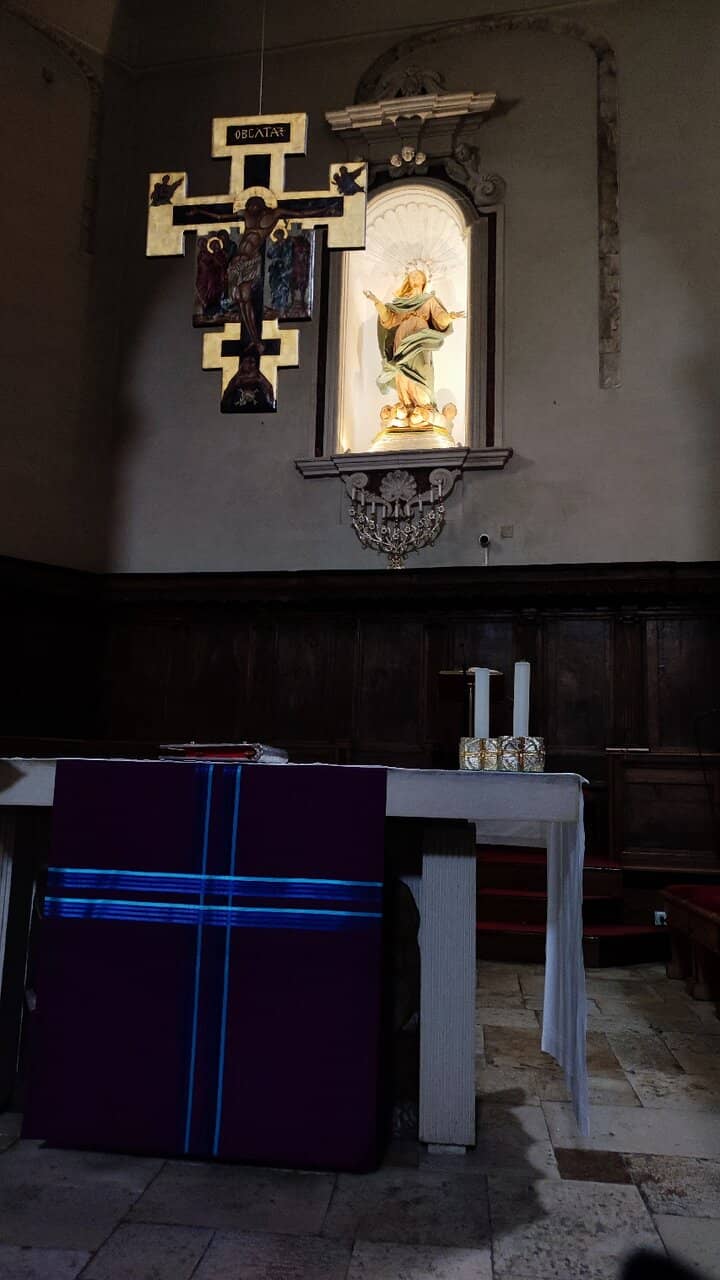
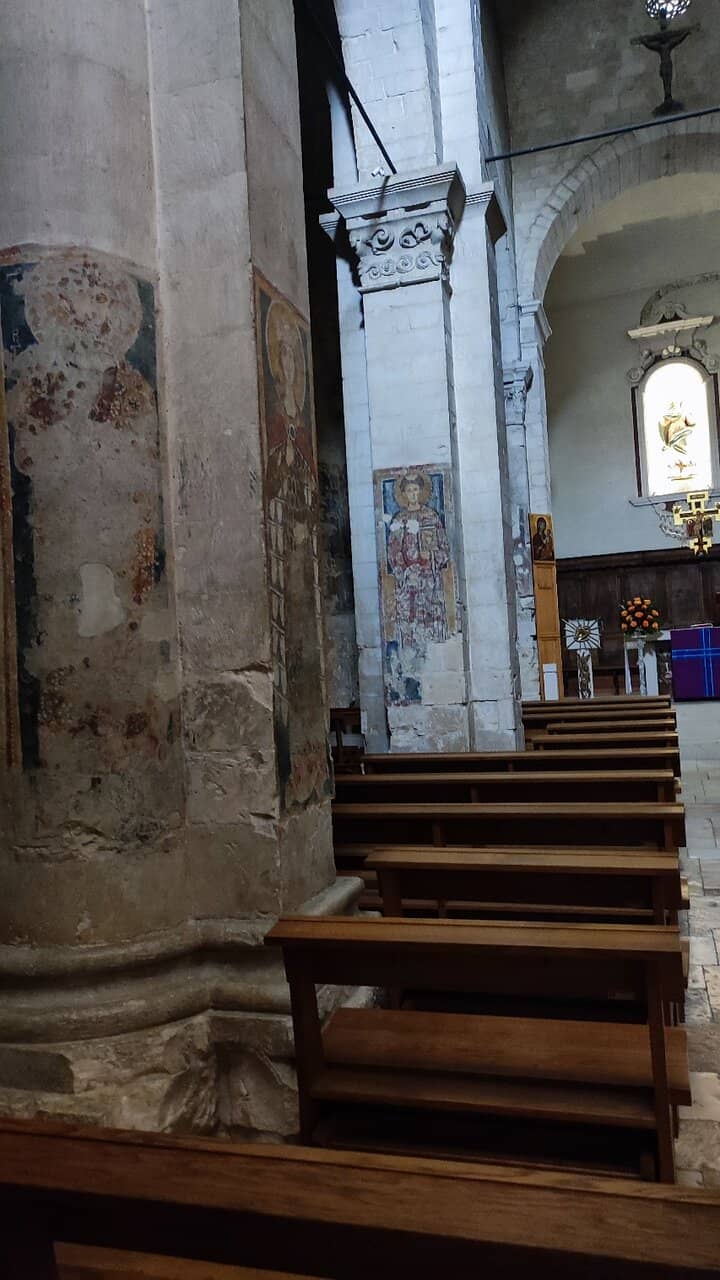
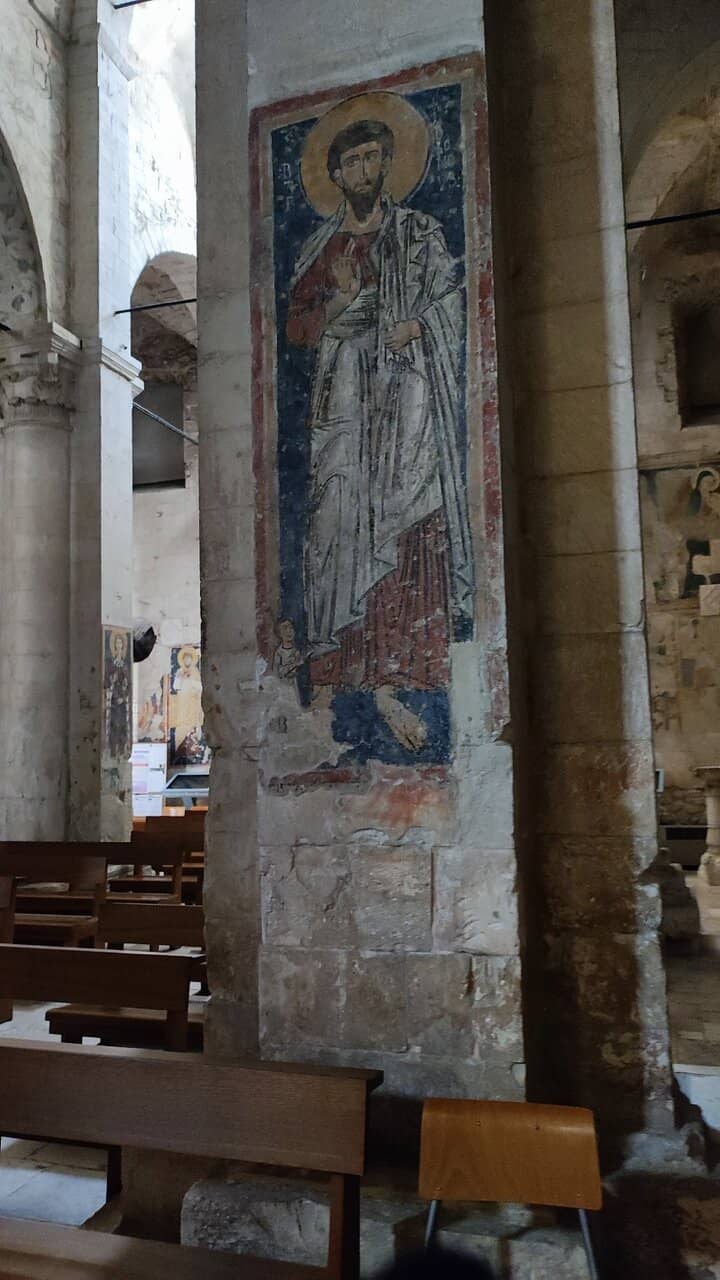
They are located in Monte Sant'Angelo, in the province of Foggia, a beautiful village like the church itself, where you can still see the 11th-century frescoes, including Saint Francis, Saint George, Saint Michael, and Saint Sebastian."
mariano salomone
"Over the centuries, the church underwent several modifications and expansions, reflecting the evolution of its architectural style. During the Middle Ages, the church became an important place of veneration for the faithful seeking the protection and intercession of Saint Michael. Its strategic location on Mount Sant'Angelo made the church a point of reference for pilgrims heading to the Holy Land.
It is definitely worth a visit, although it should be reconsidered..."
Fabio Casalini
What People Like
What People Dislike
Frequently Asked Questions
🚇 🗺️ Getting There
The Papal Basilica of Saint Mary Major is easily accessible by public transport. You can take the Metro Line B to 'Termini' or 'Cavour' stations, both within walking distance. Several bus lines also stop nearby. Taxis are readily available, but can be more expensive. 🚌 🚕
Yes, the Basilica of Santa Maria Maggiore is centrally located in Rome. It's a manageable walk from Termini Station and not too far from attractions like the Colosseum and Roman Forum, making it easy to combine with other sightseeing. :world_map:
From Fiumicino Airport (FCO), you can take the Leonardo Express train directly to Termini Station, then it's a short walk or metro ride to the basilica. Alternatively, airport shuttle buses and taxis are available. ✈️ 🚂
Driving in central Rome can be challenging due to traffic and limited parking. It's generally recommended to use public transportation. If you do drive, be aware of the ZTL (Limited Traffic Zone) restrictions. :red_car:
There are several paid parking garages near Termini Station, which is a short walk from the basilica. Street parking is scarce and often restricted. 🅿️
🎫 🎫 Tickets & Entry
Entry to the main basilica is generally free, making it accessible for all visitors. However, there might be a fee for specific areas like the museum or temporary exhibitions. 🎟️
The basilica is typically open daily from early morning until late evening. Exact hours can vary slightly, so it's best to check the official website or a reliable guide before your visit. :clock1:
While general entry is free, if you plan to visit any special exhibits or guided tours, booking tickets online in advance is often recommended to secure your spot and avoid queues. 💻 🎟️
Yes, there is usually a separate admission fee for the museum, which houses important artworks and historical artifacts from the basilica. Check current pricing online. :moneybag:
Guided tours are often available and can greatly enhance your understanding of the basilica's history and art. You can inquire about tours at the information desk or book them in advance. :guide_dog:
🎫 🧭 Onsite Experience
Don't miss the stunning 5th-century apse mosaics, the gilded coffered ceiling, the Sistine Chapel (Chapel of the Sacrament), and the crypt containing the Nativity Scene. The mosaics in the nave are also remarkable. :star2:
To truly appreciate the basilica, allow at least 1-2 hours. If you plan to explore the museum or take a guided tour, you might need an additional hour or more. :stopwatch:
Photography is generally permitted inside the basilica, but flash photography is usually prohibited to protect the ancient artworks. Always look for signage indicating specific restrictions. :camerawithflash:
Yes, restrooms are typically available within the basilica complex. You may need to ask staff for directions. 🚽
The main areas of the basilica are generally accessible, but some older sections or crypts might have limited access. It's advisable to contact the basilica directly for specific accessibility information. ♿
🍽️ 🍽️ Food & Dining
Yes, the area around the basilica, especially near Termini Station, offers numerous restaurants, cafes, and pizzerias catering to various tastes and budgets. 🍕 ☕
No, eating and drinking are not permitted inside the basilica to preserve its sanctity and cleanliness. Please consume food and beverages outside the church. :noentrysign:
You'll find a wide range of Italian cuisine, from traditional Roman pasta dishes to pizza and gelato. There are also options for quick bites and international flavors. 🍨
Absolutely! Look for 'pizza al taglio' (pizza by the slice) or local trattorias slightly off the main tourist paths for more affordable and authentic meals. 💶
Most restaurants in the area have a casual dress code. However, for more upscale dining, smart casual attire might be appropriate. 👕
📸 📸 Photography
The apse mosaics, the nave with its coffered ceiling, and the ornate chapels offer incredible photographic opportunities. The facade is also impressive. 📷
Tripods are generally not allowed inside the basilica to avoid obstructing other visitors and to protect the delicate artworks. Always check for specific rules. :no_tripod:
Early morning or late afternoon light can create beautiful effects inside the basilica. The natural light filtering through the windows can highlight the mosaics and architecture. 🌅 🌇
Yes, drone usage is strictly prohibited in most of Rome's historic center, including around major religious sites like Santa Maria Maggiore, due to safety and privacy regulations. :no_drone:
A camera with good low-light performance is ideal. A wide-angle lens is useful for capturing the vast interiors, while a prime lens can be great for details. :dslr:
You may also like
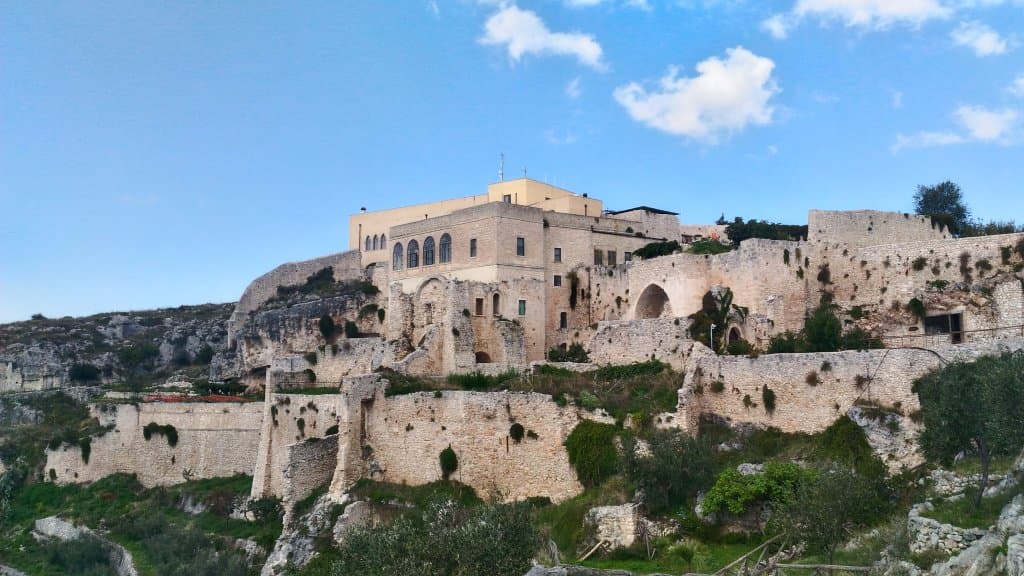
Hermitages of Pulsano
Tomba di Rotari Baptistery
Belvedere del Golfo
Manfredonia Castle
Church of San Pietro

Sanctuary of Saint Michael Monte Sant'Angelo
Hermitages of Pulsano
Tomba di Rotari Baptistery
Belvedere del Golfo
Manfredonia Castle
Church of San Pietro
Sanctuary of Saint Michael Monte Sant'Angelo
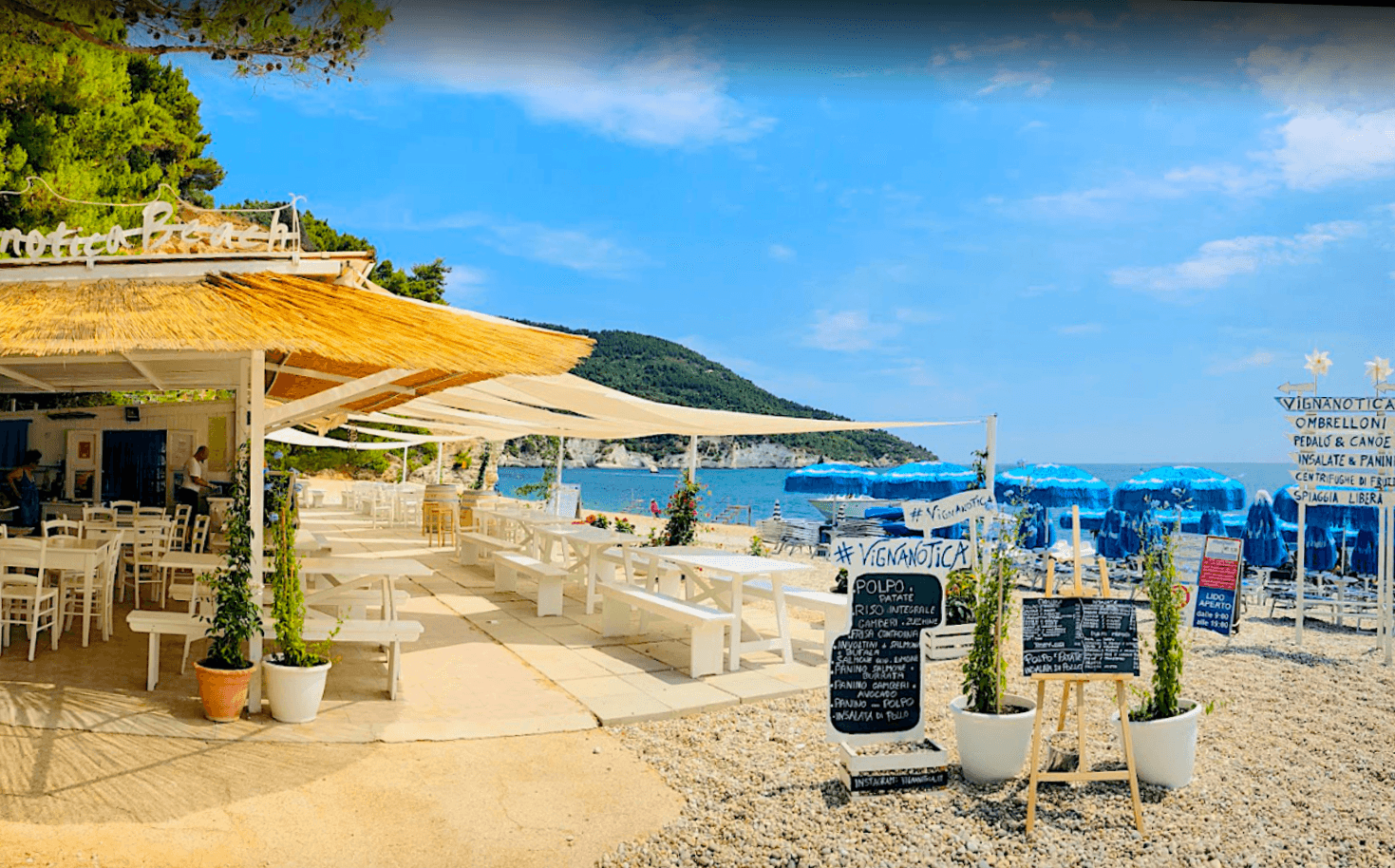
Vignanotica Cliffs and Caves
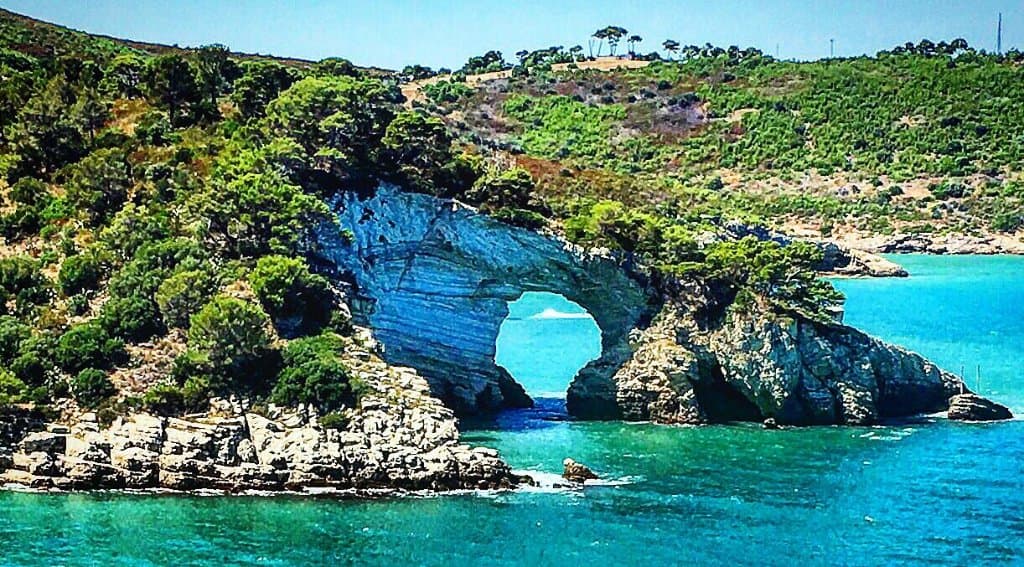
Arco di San Felice
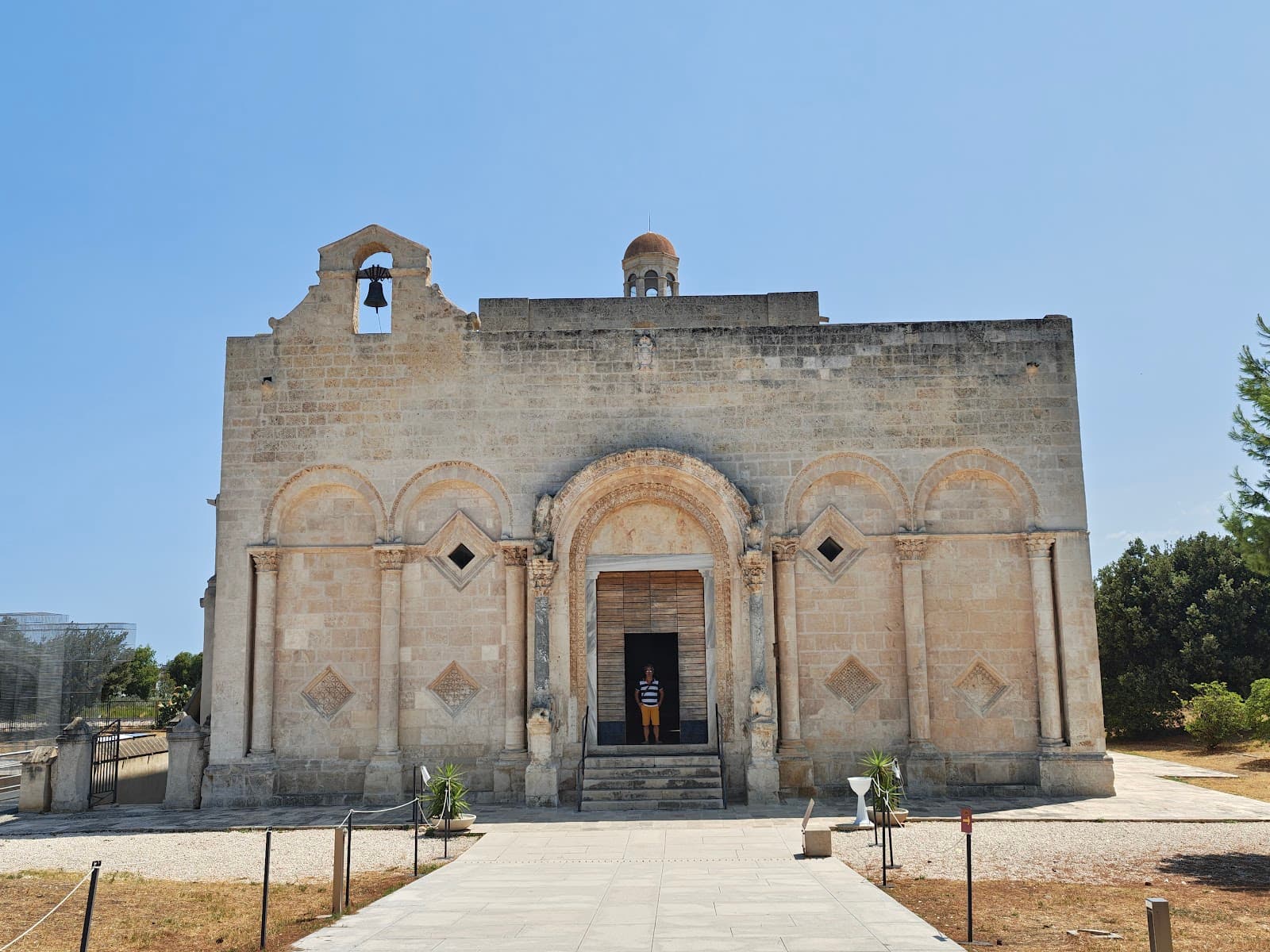
Siponto Archaeological Park Basilica di Siponto
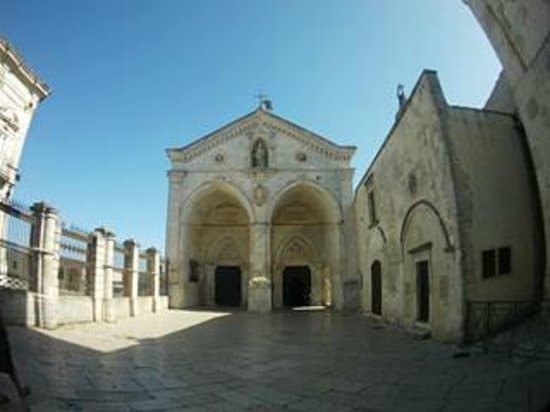
Museum of Arts and Folk Traditions of Gargano Tancredi
Social
from TikTok, Instagram & Reddit