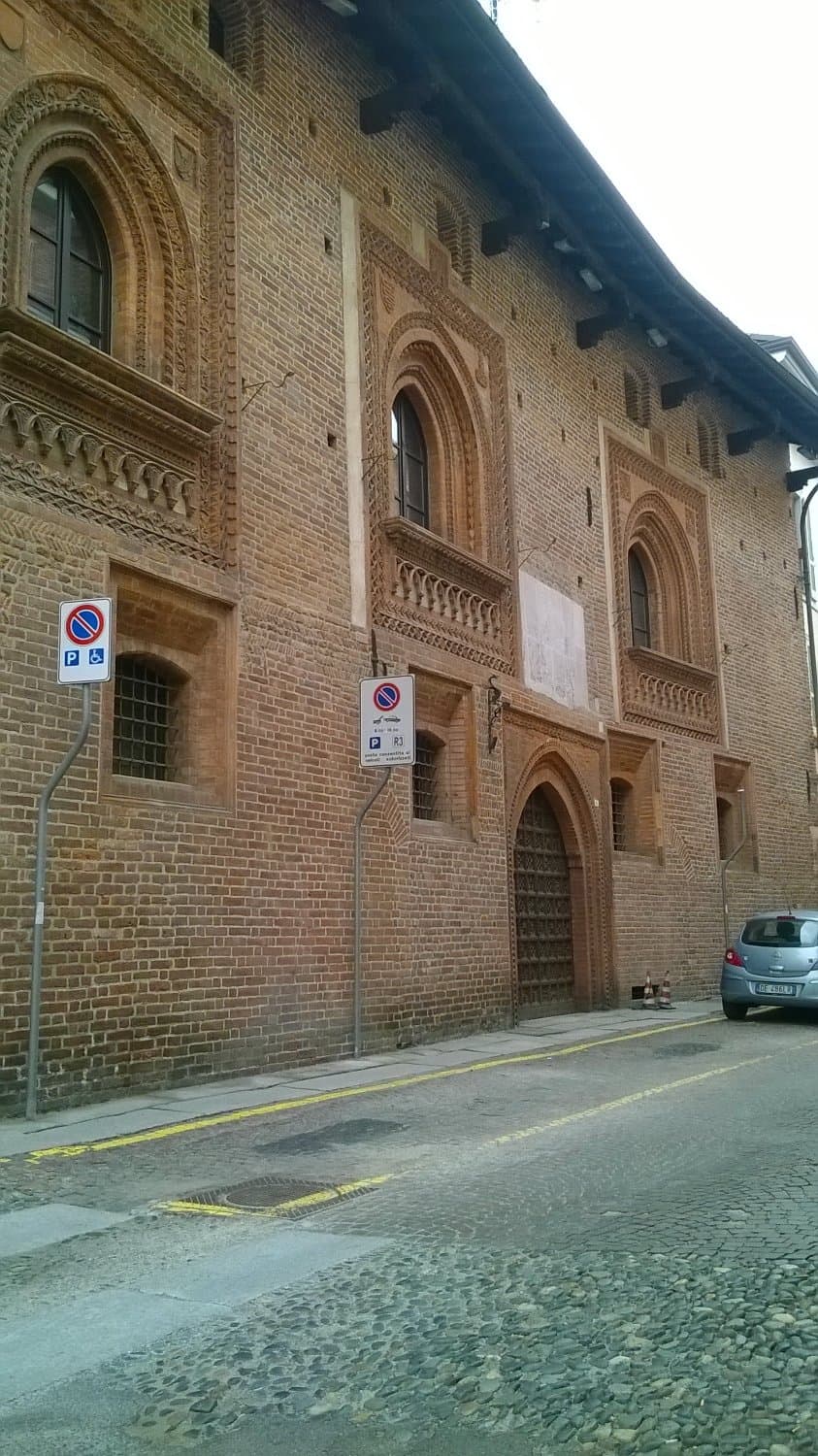
Casa della Porta
A stunning example of Novara Gothic architecture, Casa della Porta enchants with its brick facade, intricate terracotta details, and rich historical s...
Highlights
Must-see attractions

Social
From TikTok & Reddit
Best Time
Fewer crowds, better photos
Casa della Porta
Best Time
Fewer crowds, better photos
Highlights
Must-see attractions
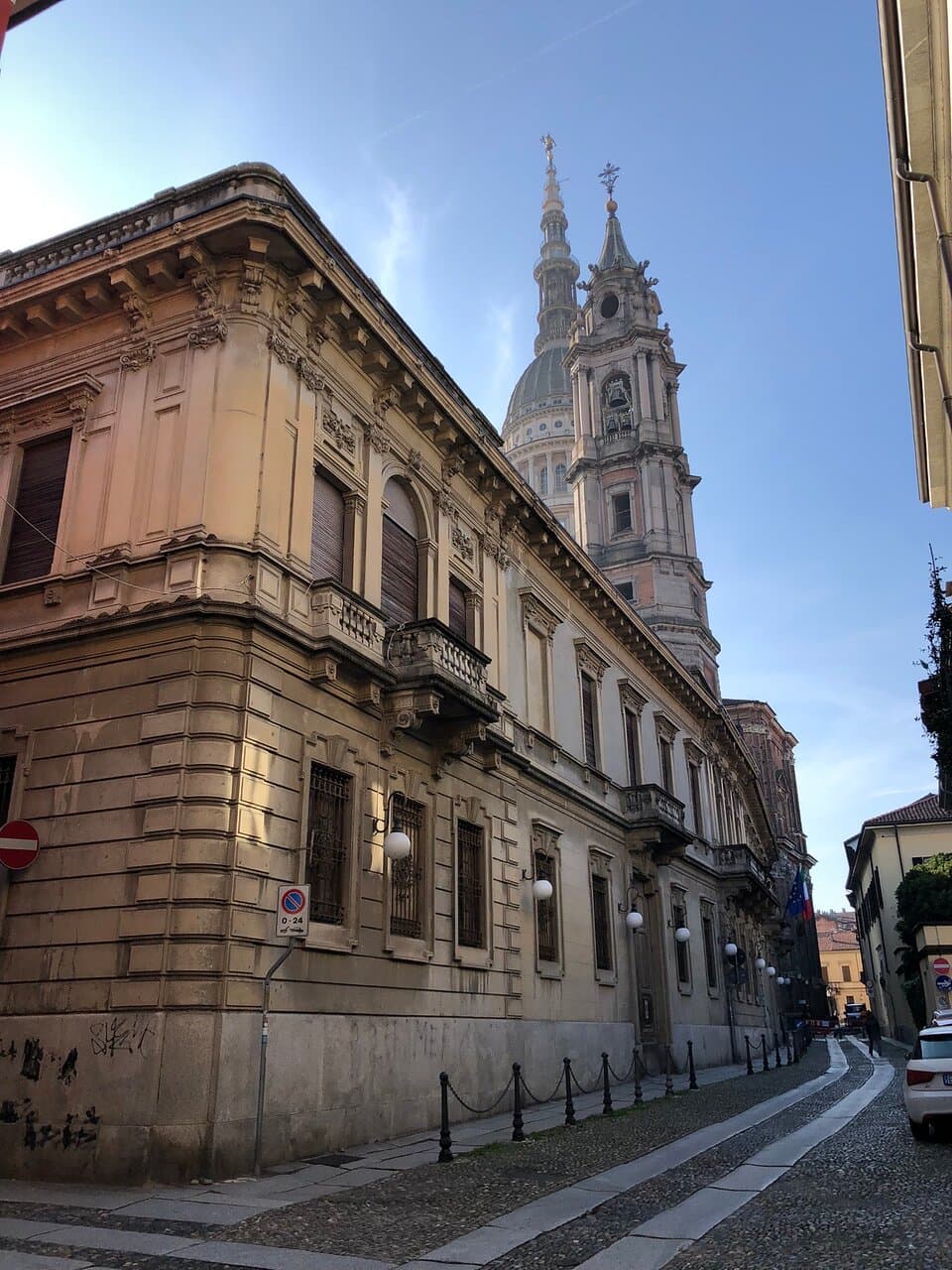
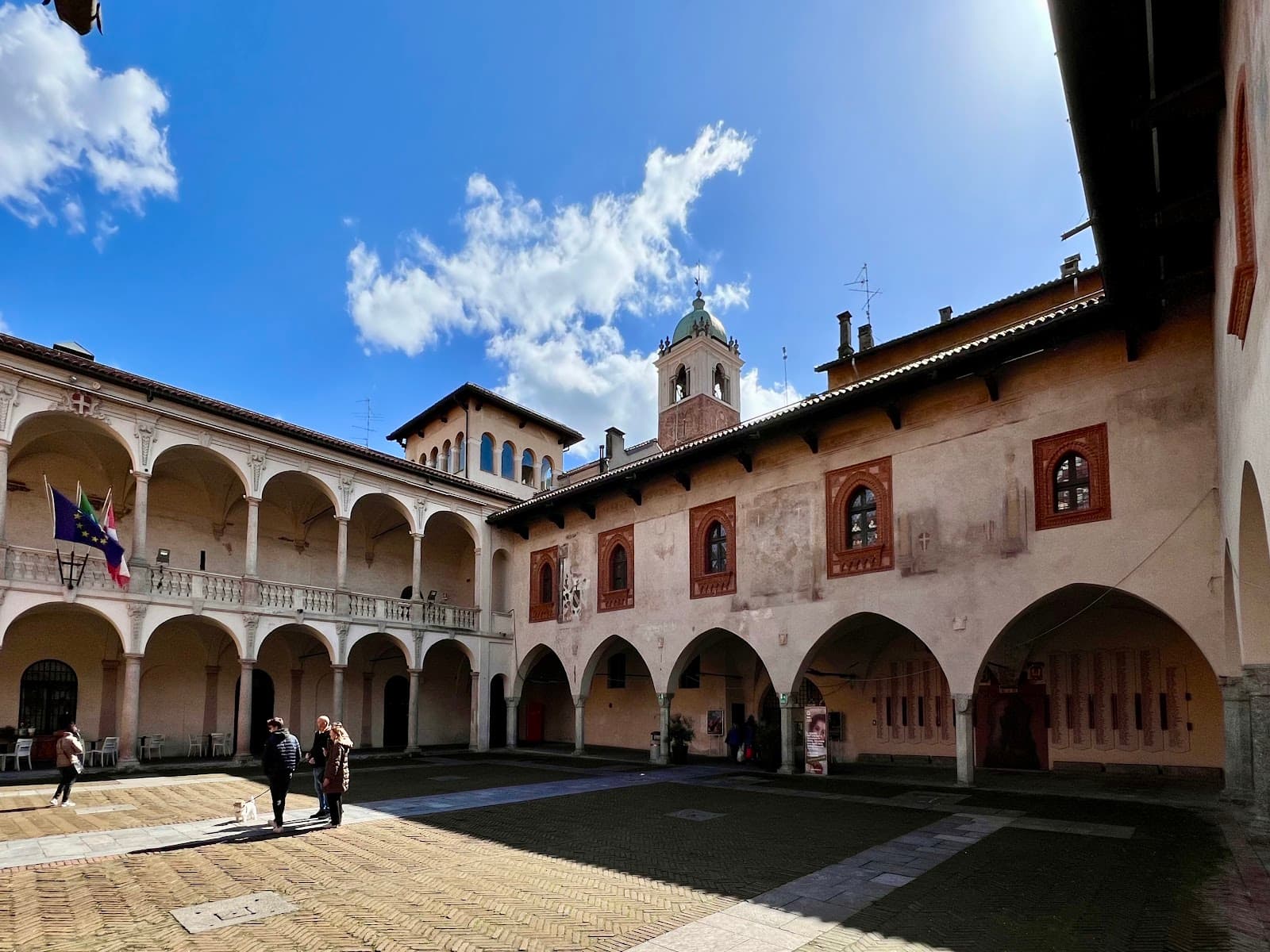
A stunning example of Novara Gothic architecture, Casa della Porta enchants with its brick facade, intricate terracotta details, and rich historical significance.
"An architectural gem that enchants with its beauty and charm, inspiring admiration for its grandeur and elegance."
Admire the Brickwork
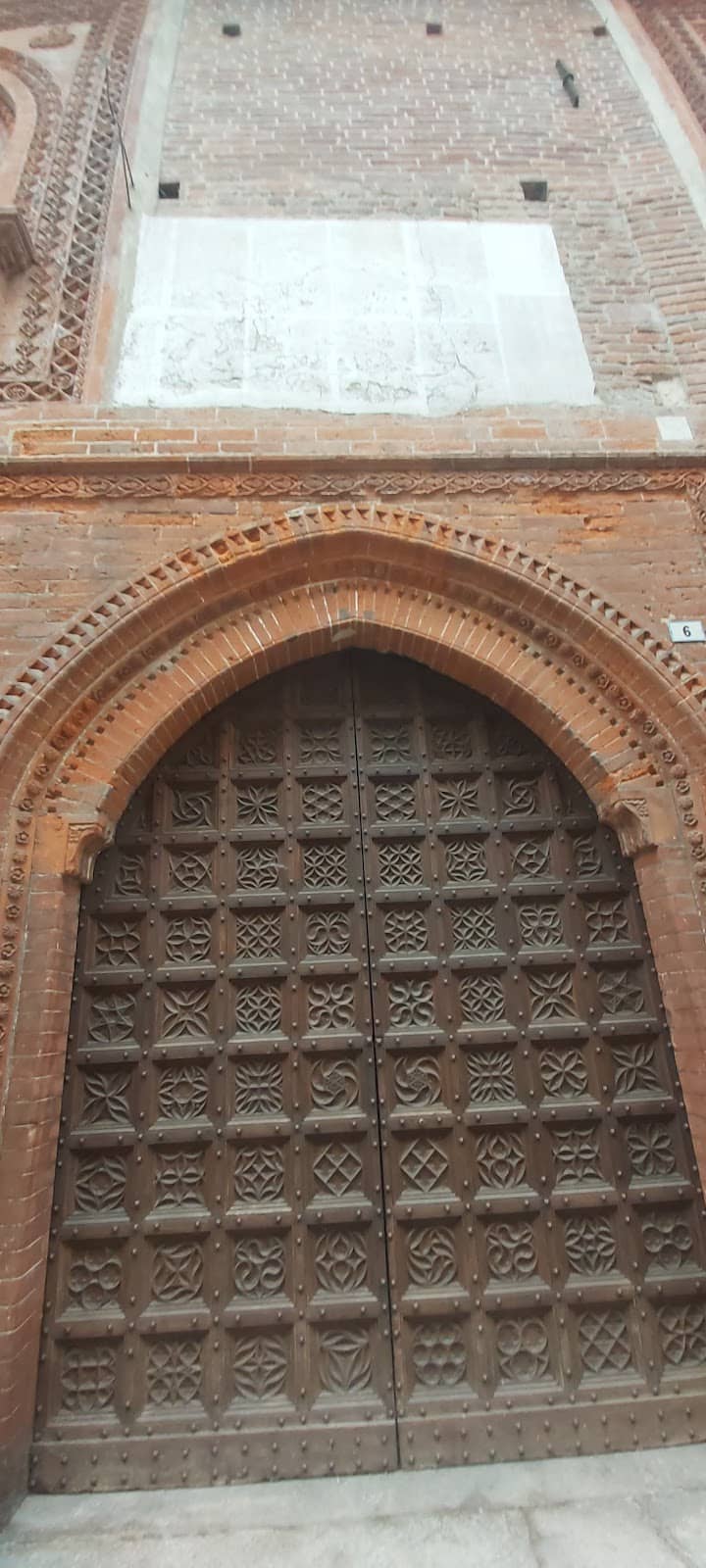
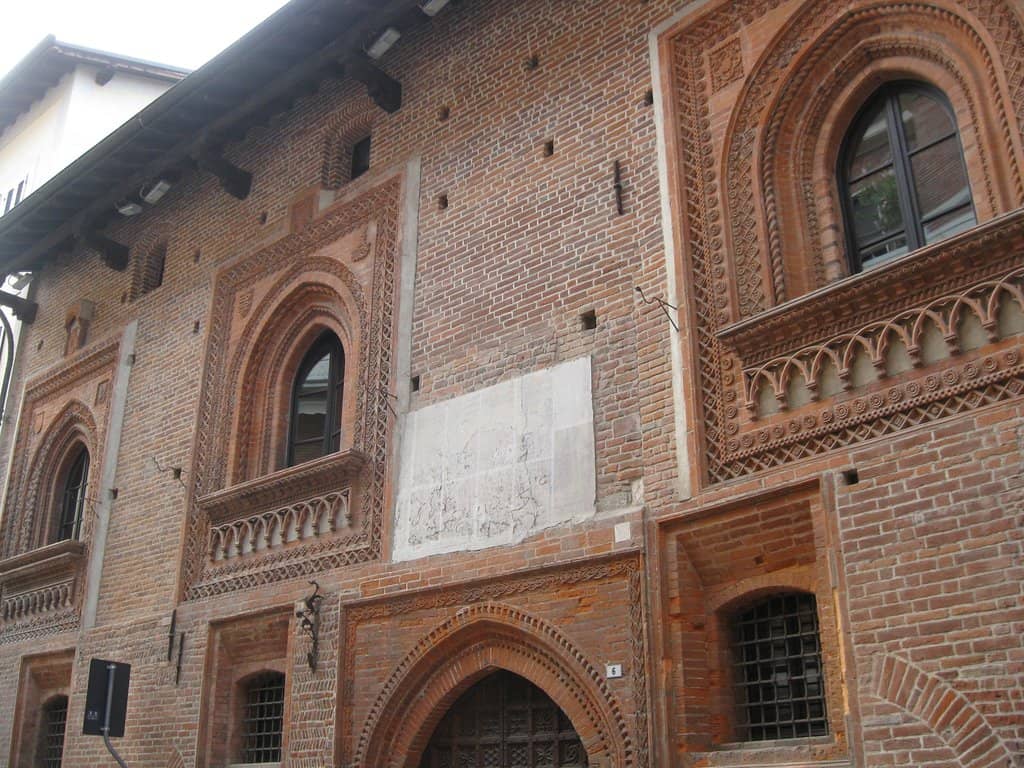
Focus on the beautiful brick materials and flowery Gothic style of the facade. :brick:
Look for the Medallions
Don't miss the Visconti insignia and Della Porta family medallion on the facade. 🪙

Quick Facts
Rating
4.3 · 20 reviews
Type
Tourist Attraction
Highlights
Discover the most iconic attractions and experiences
Gothic Facade
Street Front
Admire the stunning brick facade with pointed windows, a prime example of Novara Gothic style.
Terracotta Window Details
Exterior Windows
Marvel at the intricate terracotta tiles decorating the square cornices of the three large windows.

Historic Coats of Arms
Between Windows
Spot the two ancient coats of arms, one with a cardinal's hat and another with the Visconti snake.
Plans like a pro.
Thinks like you
Planning Your Visit
Timing Your Visit to Casa della Porta
Understanding Casa della Porta's History
Best Times
Insider Tips
from TikTok, Instagram & Reddit
Admire the Brickwork
Focus on the beautiful brick materials and flowery Gothic style of the facade. :brick:
Look for the Medallions
Don't miss the Visconti insignia and Della Porta family medallion on the facade. 🪙
Appreciate the Restoration
Note the careful work by Carlo Nigra and recent restorations that preserve its charm. :hammerandwrench:
Tips
from all over the internet
Admire the Brickwork
Focus on the beautiful brick materials and flowery Gothic style of the facade. :brick:
Look for the Medallions
Don't miss the Visconti insignia and Della Porta family medallion on the facade. 🪙
Appreciate the Restoration
Note the careful work by Carlo Nigra and recent restorations that preserve its charm. :hammerandwrench:
What Travellers Say
Reviews Summary
Casa della Porta is widely admired as an architectural gem and a significant historical landmark in Novara. Visitors are captivated by its majestic exterior, the intricate details of its Gothic facade, and the rich history it represents. While primarily viewed from the outside, its beauty and importance are consistently praised.
"The Casa della Porta in Novara is an architectural gem that enchants with its beauty and charm. From the outside, it presents itself as a majestic and captivating palace, inspiring admiration for its grandeur and elegance. I personally haven't had the chance to visit it yet, but I'm deeply interested in doing so, should the opportunity ever arise.
This building represents a significant example of a stately home from the late 14th and early 15th centuries. Between the late 19th and early 20th centuries, intense debate prevented the building from being demolished, thus preserving an important piece of Novara's history. Subsequently, after it had been acquired by the Istituto Opere Pie di San Paolo, the palace was entrusted to architect Carlo Nigra, whose work, conducted between 1918 and 1930, followed the trend of the time to restore the building's original style. This work was followed by more recent restorations, which have helped preserve and further enhance the structure.
Examining the building's various historical phases, fragmentary Roman material emerges for a core structure dating back to the year 1000, preceding the 14th-century addition and the 15th-century renovation. Of particular interest are the three large windows that characterize the street front, with pointed arches framed by square cornices decorated with molded terracotta tiles depicting floral and spiral motifs. Between the windows, two coats of arms testify to the building's ancient ownership: one, with a cardinal's hat, belonged to Ardicino della Porta, who made it his residence in the early 15th century; the other, with the Visconti snake, likely belonged to the family of a noble wife.
In conclusion, Casa della Porta represents not only an important historical and artistic heritage of the city of Novara, but also a symbol of cultural and architectural richness. Its troubled history and architectural features make it a place of great charm and interest for anyone wishing to immerse themselves in the history and beauty of Novara."
Ciro Magliulo
"Built between the 14th and 15th centuries, Casa della Porta is the most important civil building of the Novara Gothic style. Restored by Carlo Nigra in the 1920s, it has not changed its original appearance, which makes it one of the most beautiful corners of the city to admire."
Stefano Masnaghetti
"The facade of the building is an interesting composition in brick materials with pointed windows, an expression of flowery Gothic. The two medallions are particularly beautiful, one with the Visconti insignia and the other in honor of the Della Porta family. Inside, the premises host Enne3, a technological business incubator from Novara and some incubated companies including the dynamic communication agency Noise+"
Luca Ghiardo
What People Like
What People Dislike
Frequently Asked Questions
🚇 🗺️ Getting There
Casa della Porta is located in the heart of Novara. It's easily accessible by foot if you're already in the city center. For those arriving from further afield, Novara has a main train station (Stazione di Novara) with connections to major Italian cities. From the station, you can take a local bus or a taxi to reach the vicinity of Casa della Porta. Walking from the station is also an option, taking approximately 15-20 minutes.
Parking in the historic center of Novara can be challenging. There are several paid parking garages and street parking options available, but they can fill up quickly, especially during peak hours. It's advisable to check for 'parcheggio' signs and be prepared for a short walk to the building. Consider using public transport to avoid parking hassles.
🎫 🎫 Tickets & Entry
Casa della Porta is primarily viewed from the exterior as an architectural landmark. While the building houses offices and an incubator, access to the interior for general tourism might be limited. It's best to check with local Novara tourism information for any specific viewing opportunities or guided tours that might be available.
As Casa della Porta is a historic building that also serves as office space, there are no fixed public opening hours for the entire structure. The exterior can be admired at any time. If you are interested in visiting the businesses or incubator within, you would need to inquire directly with them about their operating hours.
There is typically no admission fee to view the exterior of Casa della Porta, as it is a prominent architectural feature of Novara. If any specific internal tours or events are organized, there might be a fee associated with those, but general viewing of the facade is free.
📸 📸 Photography
For photography, weekday mornings offer softer light and fewer people, making it ideal for capturing the intricate details of the brickwork and terracotta decorations. The afternoon light can also be beautiful, highlighting the facade's texture. Experiment with different angles to capture the Gothic arches and coats of arms.
Generally, photography of the exterior of Casa della Porta is permitted for personal use. However, if you plan to use professional equipment or for commercial purposes, it's always wise to check for any specific regulations. Be mindful of any businesses or residents within the building and avoid intrusive photography.
🎫 🏛️ History & Architecture
Casa della Porta is a significant example of Novara Gothic architecture, characterized by its brick construction, pointed arches, and decorative terracotta elements. The facade showcases a 'flowery Gothic' style, with intricate floral and spiral motifs adorning the cornices of its prominent windows.
Built between the 14th and 15th centuries, Casa della Porta is one of Novara's most important civil buildings. It was once the residence of Cardinal Ardicino della Porta. Its survival from demolition in the late 19th century and subsequent restorations highlight its value as a piece of Novara's heritage.
The building underwent significant restoration between 1918 and 1930 by architect Carlo Nigra, who aimed to preserve its original Gothic style. More recent restorations have further enhanced and maintained the structure, ensuring its preservation for future generations.


Social
from TikTok, Instagram & Reddit