Ceramics Museum Mondovì
Discover Mondovì's ceramic legacy within a magnificent 13th-century palace, showcasing centuries of craftsmanship and industrial history.
Highlights
Must-see attractions

Social
From TikTok & Reddit
Best Time
Fewer crowds, more peaceful viewing
Ceramics Museum Mondovì
Best Time
Fewer crowds, more peaceful viewing
Highlights
Must-see attractions
Discover Mondovì's ceramic legacy within a magnificent 13th-century palace, showcasing centuries of craftsmanship and industrial history.
"A must-see for its unique blend of industrial history and architectural splendor."
Allow ample time
Don't rush! The palace itself is a marvel, and the ceramic exhibits are extensive. :clock1:
Engage with multimedia
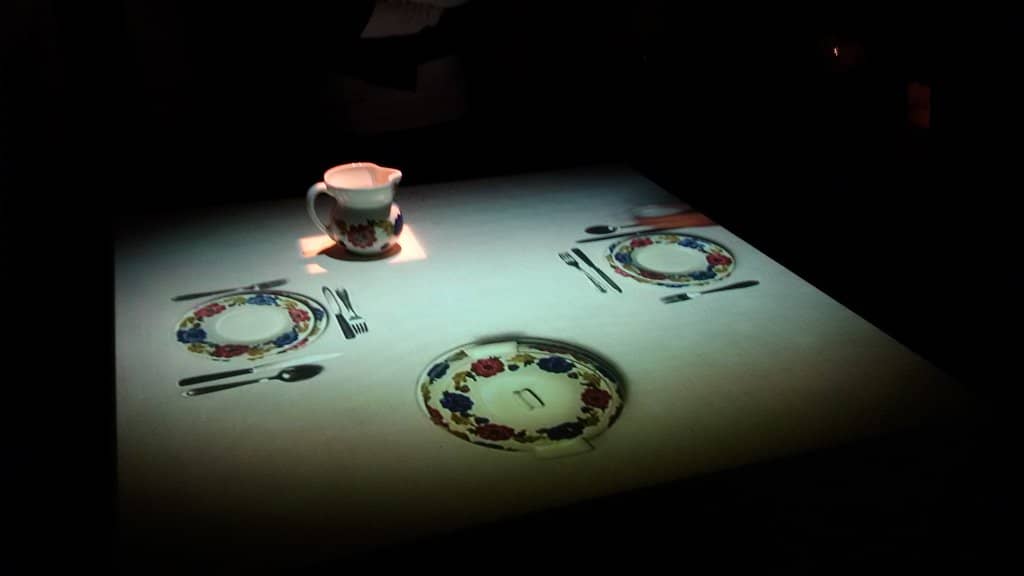
Use the provided multimedia tools to understand the history and production of ceramics. :iphone:
Highlights
Discover the most iconic attractions and experiences
The Palace Itself
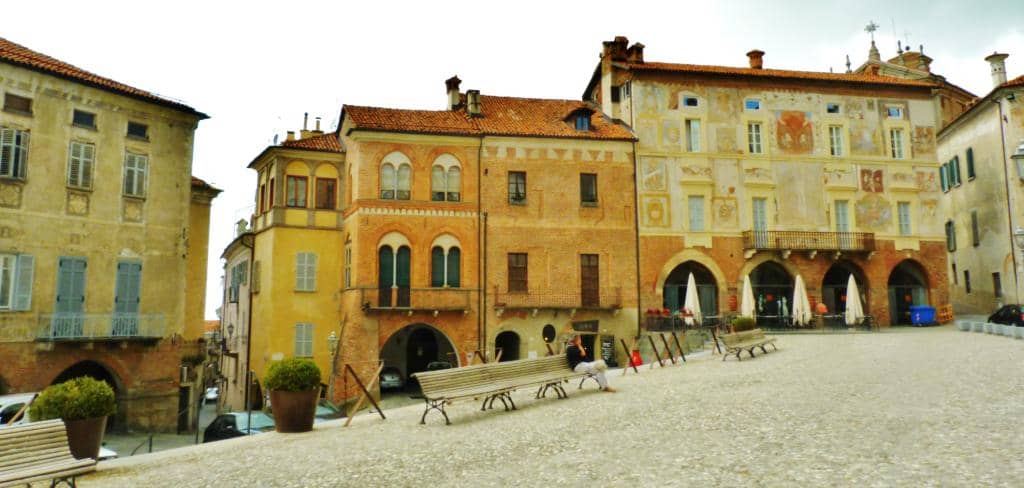
Fauzone di Germagnano Palace
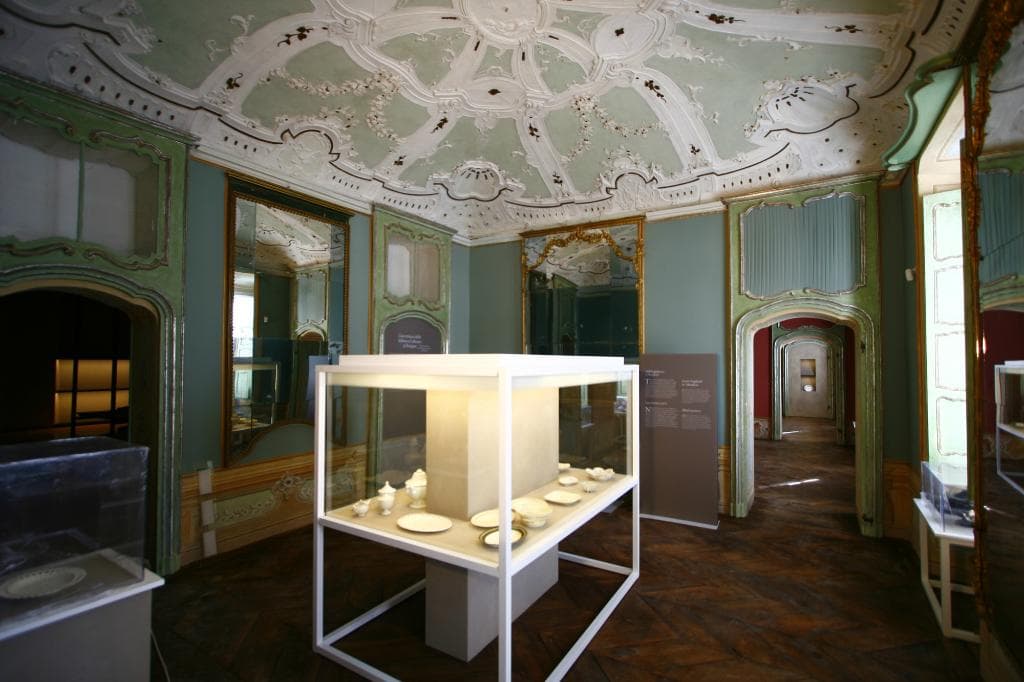
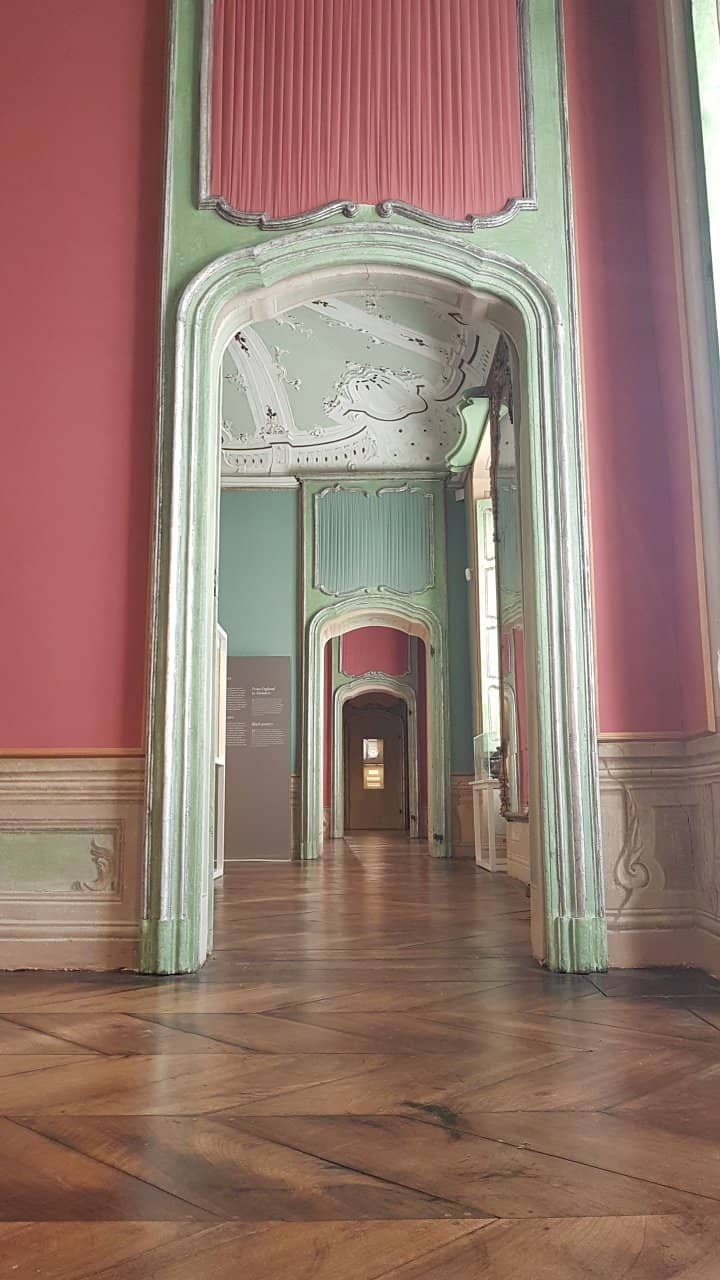
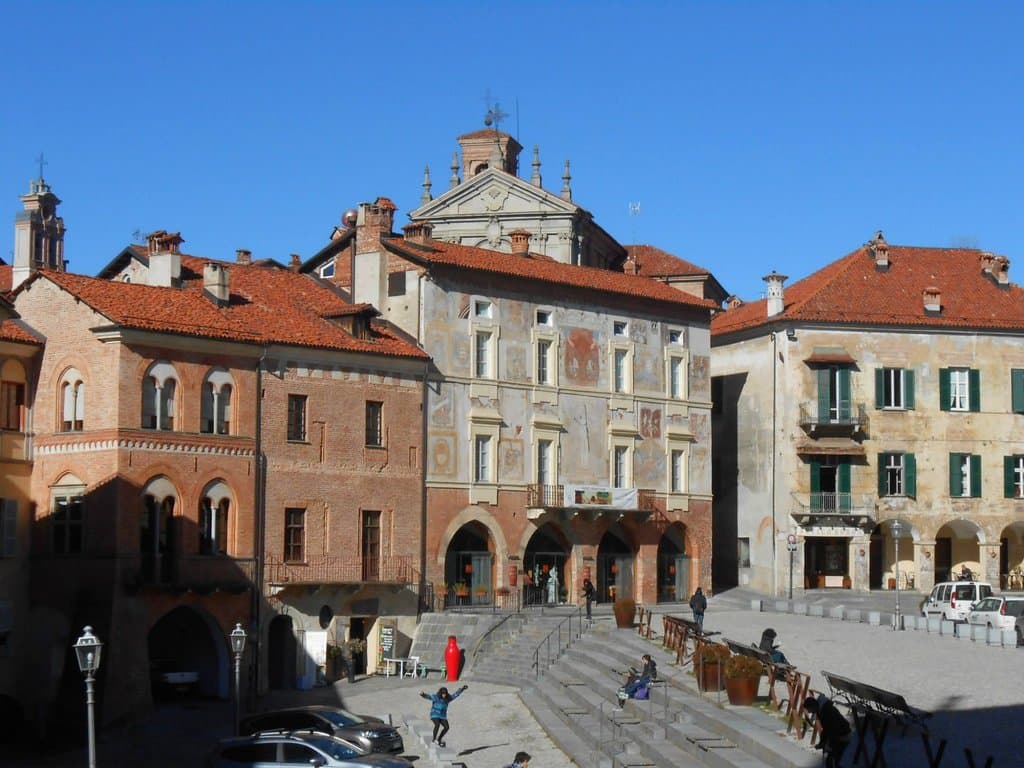
An ancient 13th-century palace with stunning 18th-century interiors, including wooden ceilings and frescoes.
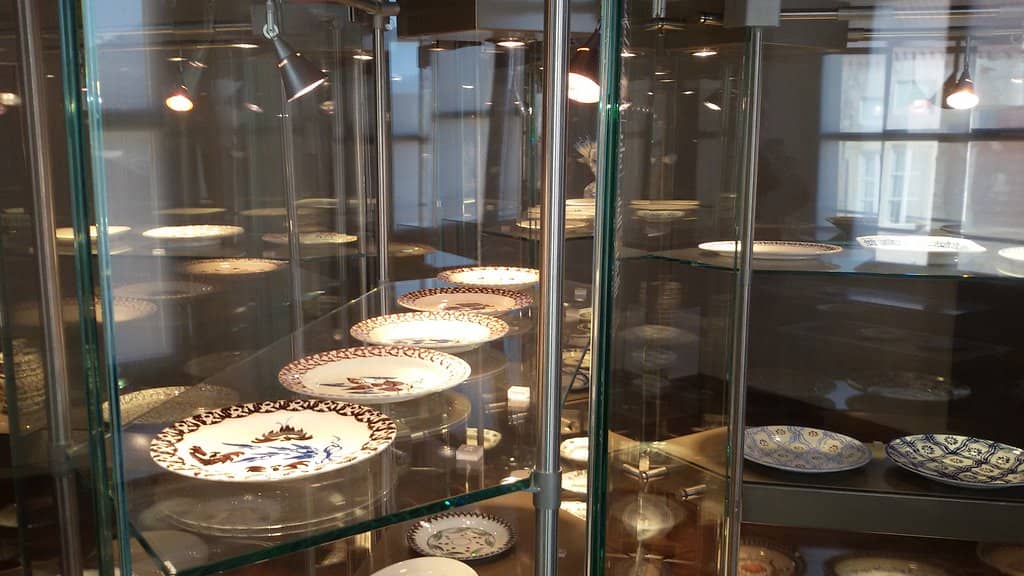
Ceramic Manufacturing Process
Museum Galleries
See how ceramic plates are made, from raw materials to finished pieces, with various techniques explained.
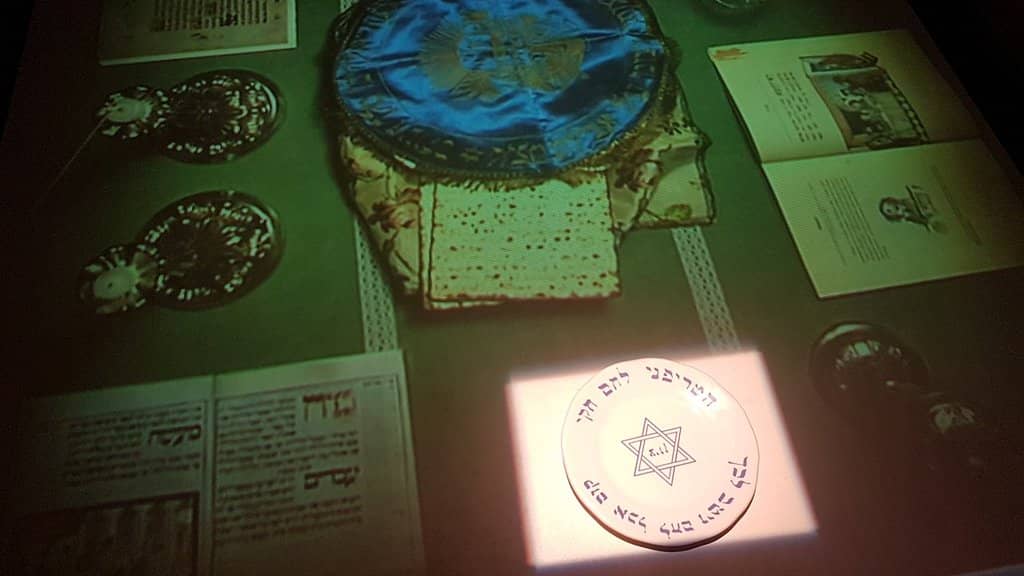
Diverse Decoration Styles
Museum Galleries
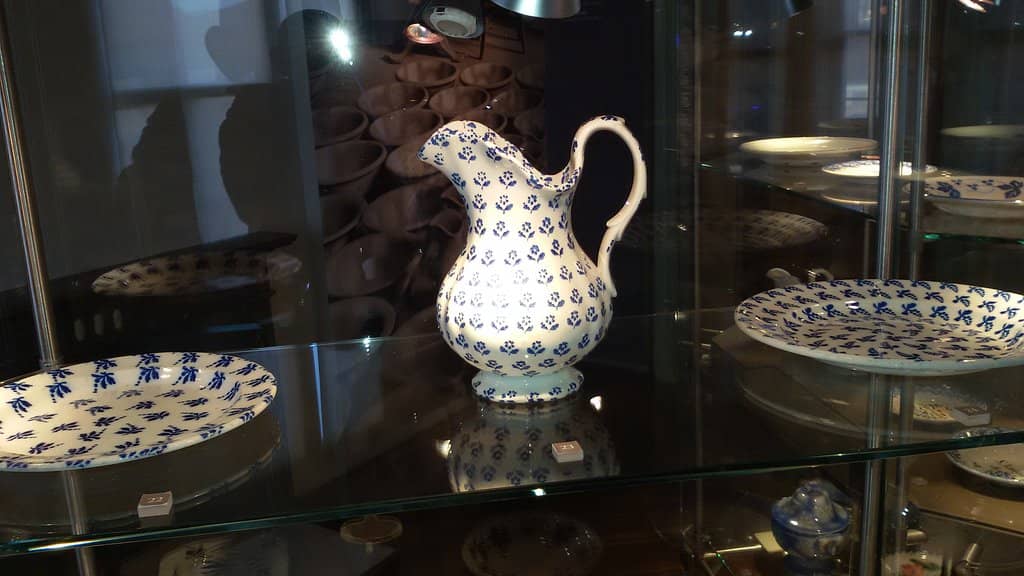
Admire a wide range of ceramic pieces showcasing different decoration styles and historical periods.
Donated Collections
Museum Galleries
Explore over 600 pieces from the collections of Carlo Baggioli and Marco Levi, last owner of the Besio factory.
Plans like a pro.
Thinks like you
Planning Your Visit
Uncover Mondovì's Ceramic Heritage
Plan Your Visit to the Palace
Best Times
Insider Tips
from TikTok, Instagram & Reddit
Allow ample time
Don't rush! The palace itself is a marvel, and the ceramic exhibits are extensive. :clock1:
Engage with multimedia
Use the provided multimedia tools to understand the history and production of ceramics. :iphone:
Ask about the palace
Inquire about the palace's history; it's as fascinating as the ceramics. :scroll:
Appreciate the details
Notice the intricate stucco work and frescoes within the palace. :sparkles:
Tips
from all over the internet
Allow ample time
Don't rush! The palace itself is a marvel, and the ceramic exhibits are extensive. :clock1:
Engage with multimedia
Use the provided multimedia tools to understand the history and production of ceramics. :iphone:
Ask about the palace
Inquire about the palace's history; it's as fascinating as the ceramics. :scroll:
Appreciate the details
Notice the intricate stucco work and frescoes within the palace. :sparkles:
What Travellers Say
Reviews Summary
Visitors praise the Ceramics Museum Mondovì for its fascinating insight into the city's industrial heritage and its beautiful ceramic collections. The museum's location within the historic Fauzone di Germagnano palace is also a significant draw, offering a rich architectural experience alongside the exhibits. While the focus is specific, the clear explanations and engaging displays make it a worthwhile visit for those interested in art, history, and craftsmanship.
"Fantastic museum about the productive and industrial history of Mondovì which is inextricably linked to ceramics. Various industries and important factories in this sector were active in the city in the last century: the "Vecchia Mondovì" Besio, the Richard Ginori, which closed in the 1970s, Beltrandi and many others, such as the first ceramic workshop of Francesco Perotti. Welcome to the ceramic museum!
Arranged inside the Fauzone di Germagnano palace, this museum retains the memory of this long tradition. You can discover how a ceramic plate is made, and approach manufacturing techniques and decoration styles that have succeeded over time. The building is one of the oldest in the city - it dates from the first decades of the 13th century - and belonged to one of the most powerful noble families in Piedmont. The palace is a succession of historical and precious pieces, with 18th century wooden ceilings, complex stucco decorations as well as frescoes (including an extremely precious "phaethon").
It testifies to the important production of ceramics of the city between the 19th century and the 1970s. The collection of more than 600 pieces consists of the donations of the antique dealer Carlo Baggioli and the entrepreneur Marco Levi, the last owner of the Vedova Besio & Figlio manufacture. The 17 rooms present the stages of ceramic manufacturing and the parts created with different techniques: paint with a brush, stencil or the English method of transfer print.
2,000 other objects are part of the museum funds. They are kept in deposits and can be consulted by scientists, collectors and art lovers.
The ceramic objects come from the collection of Marco Levi, the last owner and director of the factory "Besio". In addition to the ceramics of its factory, Levi also bought the collection of Carlo Baggioli, the largest collection of ceramics made in Mondovi. Levi had long wanted a museum and realized his dream of creating a place to preserve the history of the local ceramic tradition."
Enjoy life
"Beautiful museum."
Tom York
"Be,lissima"
Gianfranco Zabena
What People Like
What People Dislike
Frequently Asked Questions
🚇 🗺️ Getting There
The museum is located in the historic center of Mondovì. If arriving by car, look for parking in the city center and enjoy a short walk. Public transport options might be limited, so checking local bus schedules in advance is recommended.
While Mondovì has bus services, direct routes to the museum might vary. It's best to check the latest schedules for local buses that stop near the city center, from where you can walk to the palace.
Parking is available in designated areas within Mondovì's city center. From there, it's a pleasant walk through the historic streets to reach the Fauzone di Germagnano palace.
🎫 🎫 Tickets & Entry
Opening hours can vary seasonally. It's advisable to check the official museum website or contact them directly for the most up-to-date information on opening times and any potential closures.
Admission fees are typically modest, reflecting the museum's focus on local heritage. Check the museum's official channels for current ticket prices and any available discounts.
For general visits, advance booking is usually not required. However, for group tours or special events, it's always a good idea to book ahead to secure your spot.
Yes, guided tours are often available and highly recommended. They provide in-depth insights into the ceramic production and the history of the palace. Inquire about tour availability upon arrival or when booking.
🎫 🏺 Onsite Experience
The museum celebrates Mondovì's significant industrial and productive history in ceramics, showcasing how plates were made and decorated over time. It's housed in a historic palace.
You'll find a vast collection of over 600 ceramic pieces, detailing manufacturing techniques and decorative styles. The museum also highlights the architectural beauty of the 13th-century Fauzone di Germagnano palace.
The museum offers an educational experience that can be engaging for older children interested in crafts and history. The visual displays of the manufacturing process might capture their attention.
Photography policies can vary. It's best to check for signage or ask museum staff if photography is permitted, especially if flash is involved, to respect the artifacts and other visitors.
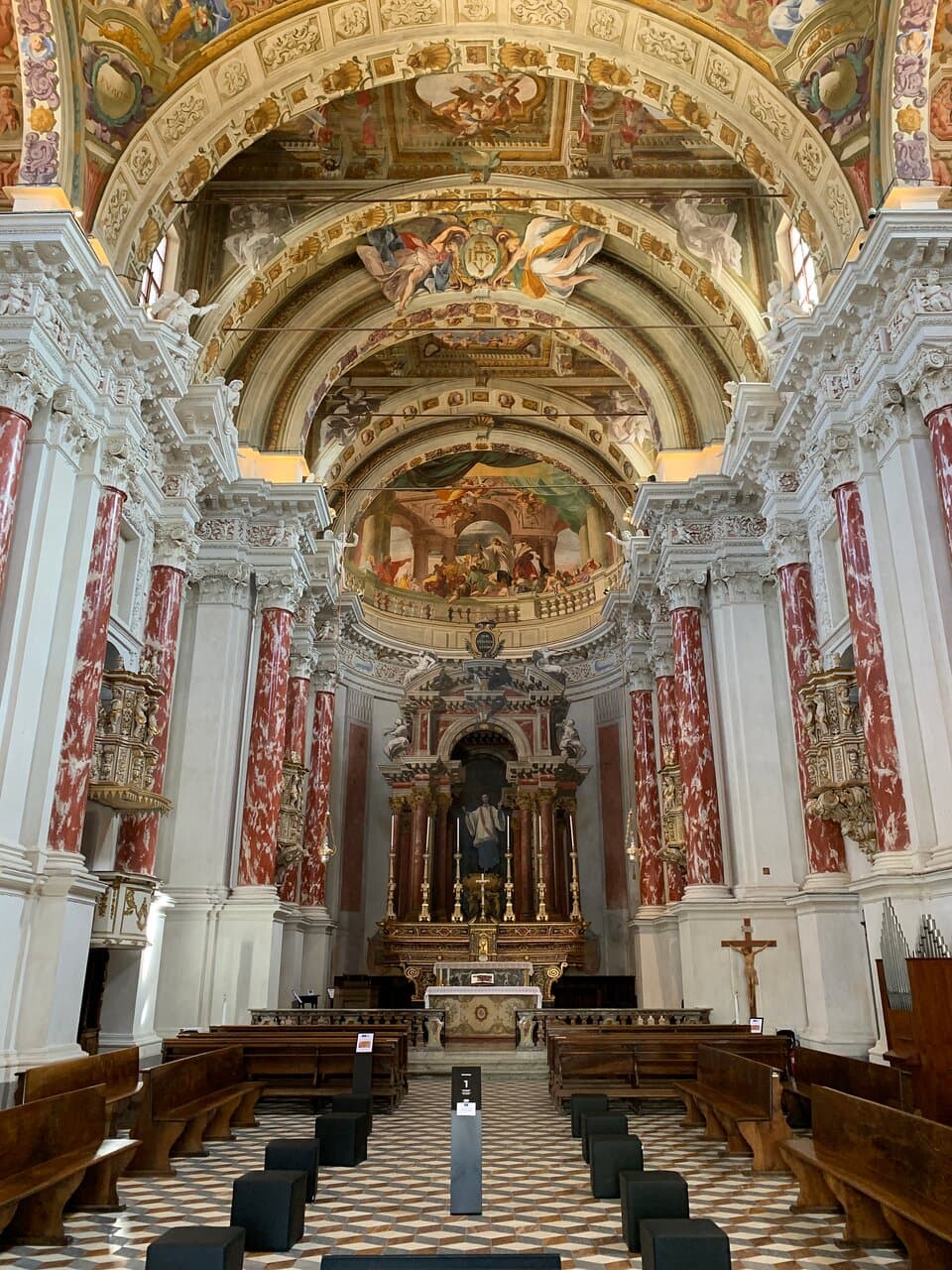
The palace itself is a historical gem, dating back to the 13th century. It boasts impressive 18th-century interiors, including ornate wooden ceilings, intricate stucco decorations, and valuable frescoes.
🍽️ 🍽️ Food & Dining
Typically, museums of this nature do not have on-site restaurants. However, Mondovì's city center offers numerous trattorias and cafes where you can enjoy local Piedmontese cuisine.
You'll find traditional Piedmontese dishes, including fresh pasta, local cheeses, and regional wines. Many restaurants offer a cozy atmosphere perfect for a post-museum meal.
📸 📸 Photography
The most striking photo opportunities are the palace's interiors, especially the 18th-century wooden ceilings and stucco work. The ceramic displays themselves also offer visually rich subjects.
Photography rules can differ. Always look for signs or ask museum staff if you can take pictures, particularly regarding flash usage, to protect the delicate exhibits.
For Different Travelers
Tailored advice for your travel style
👨👩👧 Families with Kids
To make the visit more enjoyable for younger visitors, consider focusing on the most visually striking pieces and the step-by-step manufacturing exhibits. While the historical context of the palace is important, keeping the explanations brief and interactive can help maintain their attention. It's a great opportunity to introduce them to local history and craftsmanship in a tangible way.
🏛️ History Buffs
Simultaneously, explore the architectural narrative of the palace itself. From its 13th-century origins to its 18th-century renovations featuring stunning wooden ceilings, stucco work, and frescoes, the building is a historical artifact. Understanding the palace's aristocratic past adds another layer of depth to your visit, offering insights into the region's noble heritage alongside its industrial achievements.
Deep Dives
In-depth insights and expert knowledge
The Legacy of Mondovì Ceramics
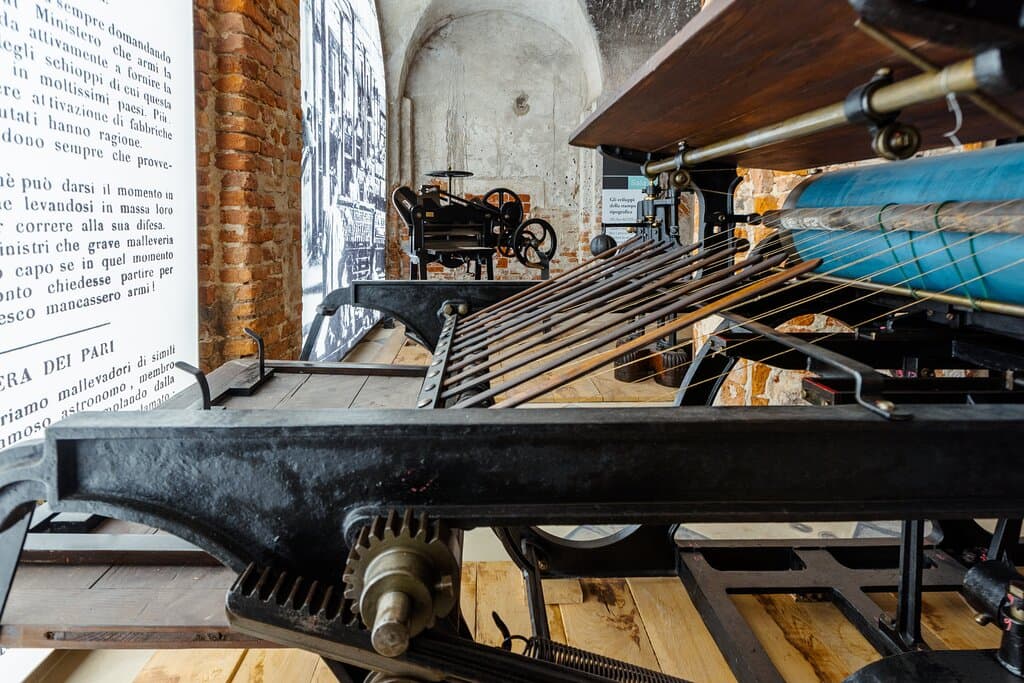
The museum's exhibits vividly illustrate the stages of ceramic manufacturing. Visitors can learn about different techniques, from traditional brush painting to stencil work and the English method of transfer printing. This detailed approach allows for an appreciation of the skill and dedication involved in creating each piece. The sheer volume of the collection, with over 600 pieces on display and thousands more in storage, underscores the significance of ceramics to Mondovì's identity and economy.
Beyond the craft itself, the museum serves as a testament to the entrepreneurial spirit of Mondovì. The collections of Carlo Baggioli and Marco Levi, the last owner of the Vedova Besio & Figlio manufacture, are central to the museum's narrative. Levi's dream was to create a dedicated space to safeguard and celebrate the local ceramic tradition, a dream now realized within the historic walls of the Fauzone di Germagnano palace.
Exploring the Fauzone di Germagnano Palace
Inside, the palace reveals its later embellishments, particularly from the 18th century. Visitors are treated to exquisite examples of period craftsmanship, including intricately carved wooden ceilings and elaborate stucco decorations that adorn the walls and vaults. The presence of precious frescoes, such as a notable depiction of 'Phaethon,' further enhances the palace's artistic and historical value. These architectural elements are not merely a backdrop but an integral part of the museum experience, offering a glimpse into the lives of the aristocracy who once resided there.
Walking through the palace is an experience in itself, providing a stark yet harmonious contrast to the ceramic displays. The grandeur of the historical architecture complements the delicate artistry of the ceramics, creating a multi-layered cultural immersion. It's a space where history, art, and industry converge, making the visit to the museum a truly enriching journey.


Social
from TikTok, Instagram & Reddit