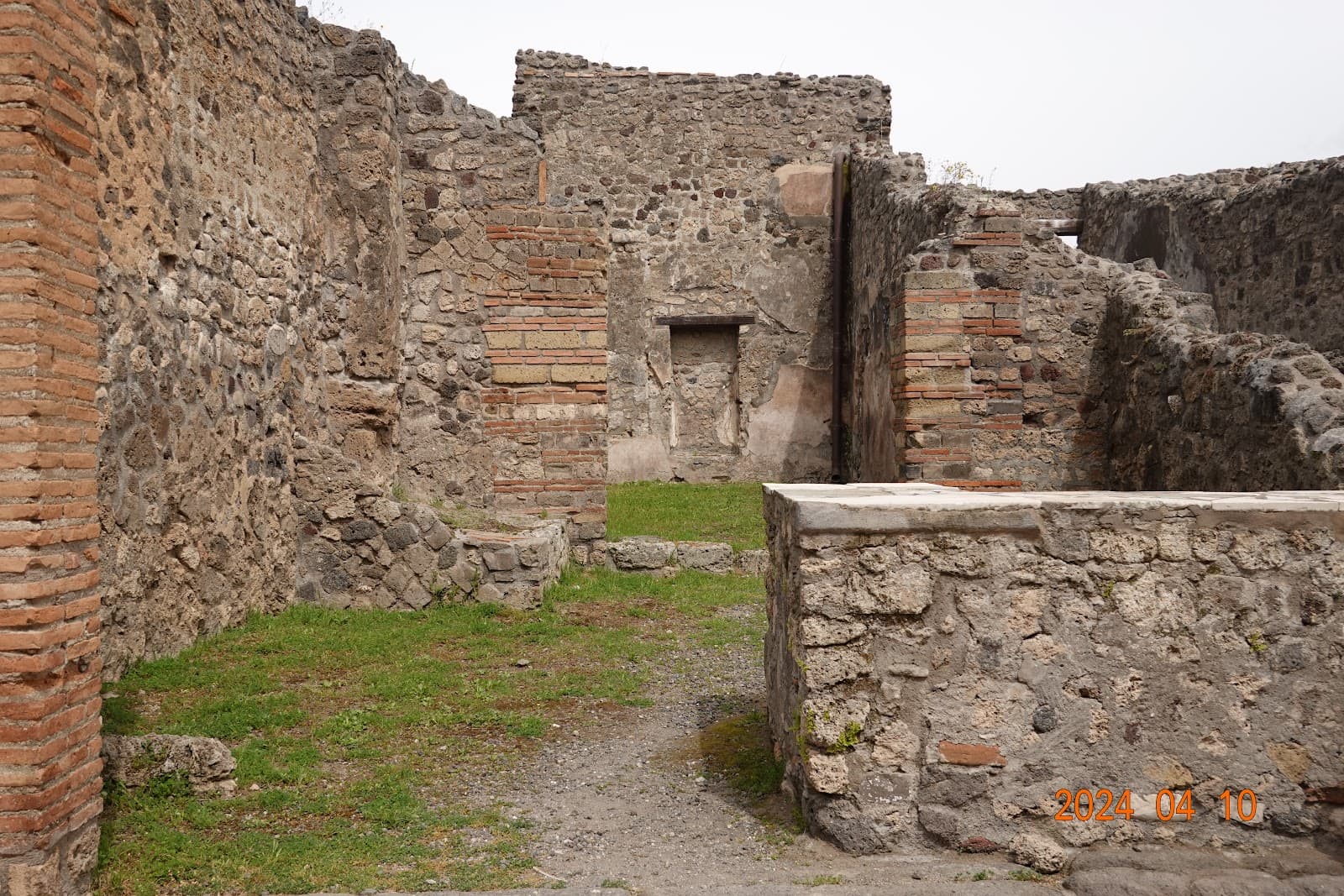
Via Stabiana Pompeii
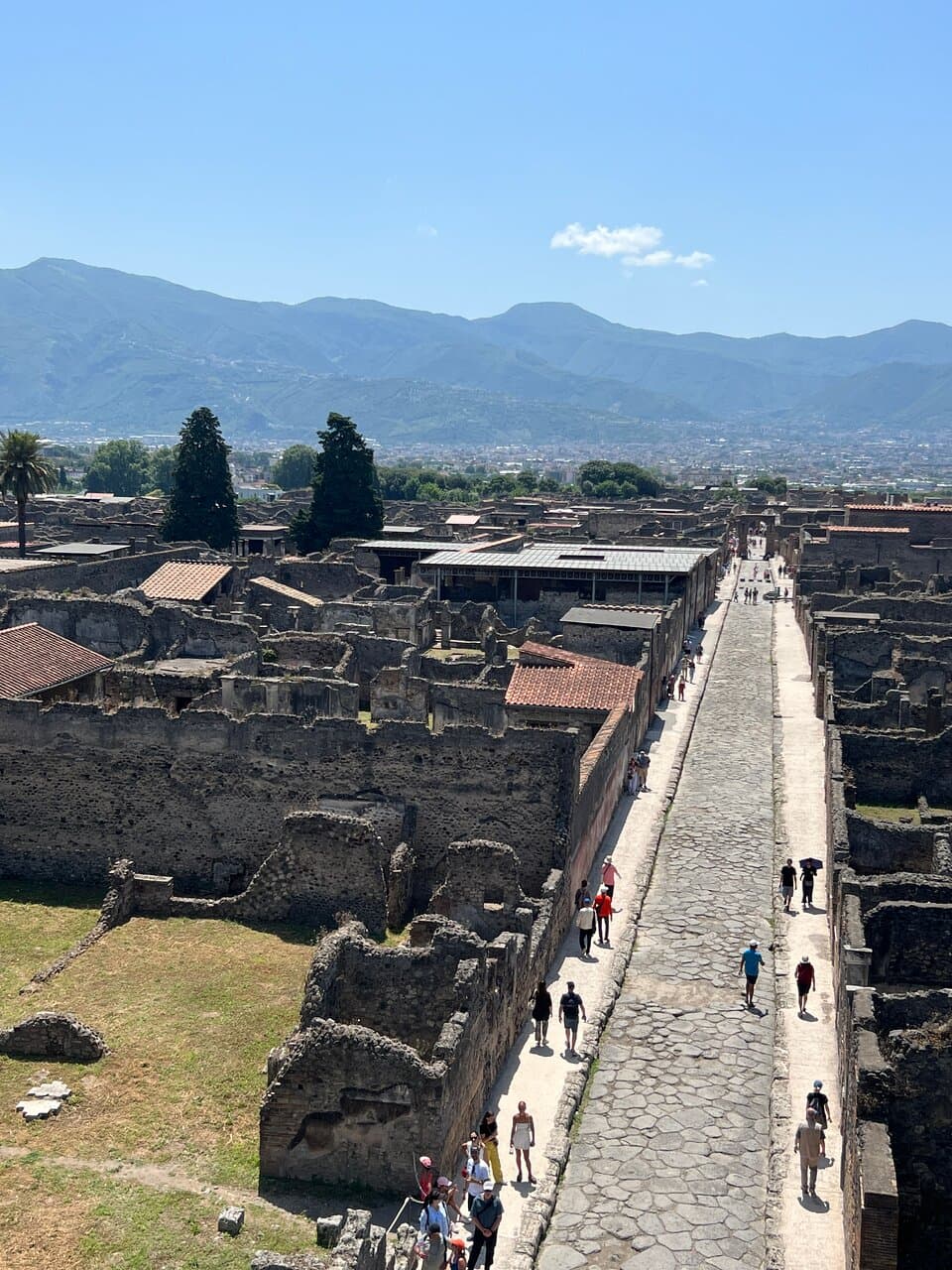
Via Stabiana, a grand north-south artery of Pompeii, lined with monumental tombs and offering a poignant glimpse into Roman life and its tragic end.
Highlights
Must-see attractions

Social
From TikTok & Reddit
Best Time
Fewer crowds, cooler temperatures
Via Stabiana Pompeii
Best Time
Fewer crowds, cooler temperatures
Highlights
Must-see attractions
Via Stabiana, a grand north-south artery of Pompeii, lined with monumental tombs and offering a poignant glimpse into Roman life and its tragic end.

Wear Comfortable Shoes
Cobblestone streets are no joke! Prioritize comfort for exploring Via Stabiana and the wider Pompeii site. :athletic_shoe:
Stay Hydrated
Bring plenty of water, especially in summer. Refill stations are available, but it's good to start prepared. :droplet:

Quick Facts
Highlights
Discover the most iconic attractions and experiences
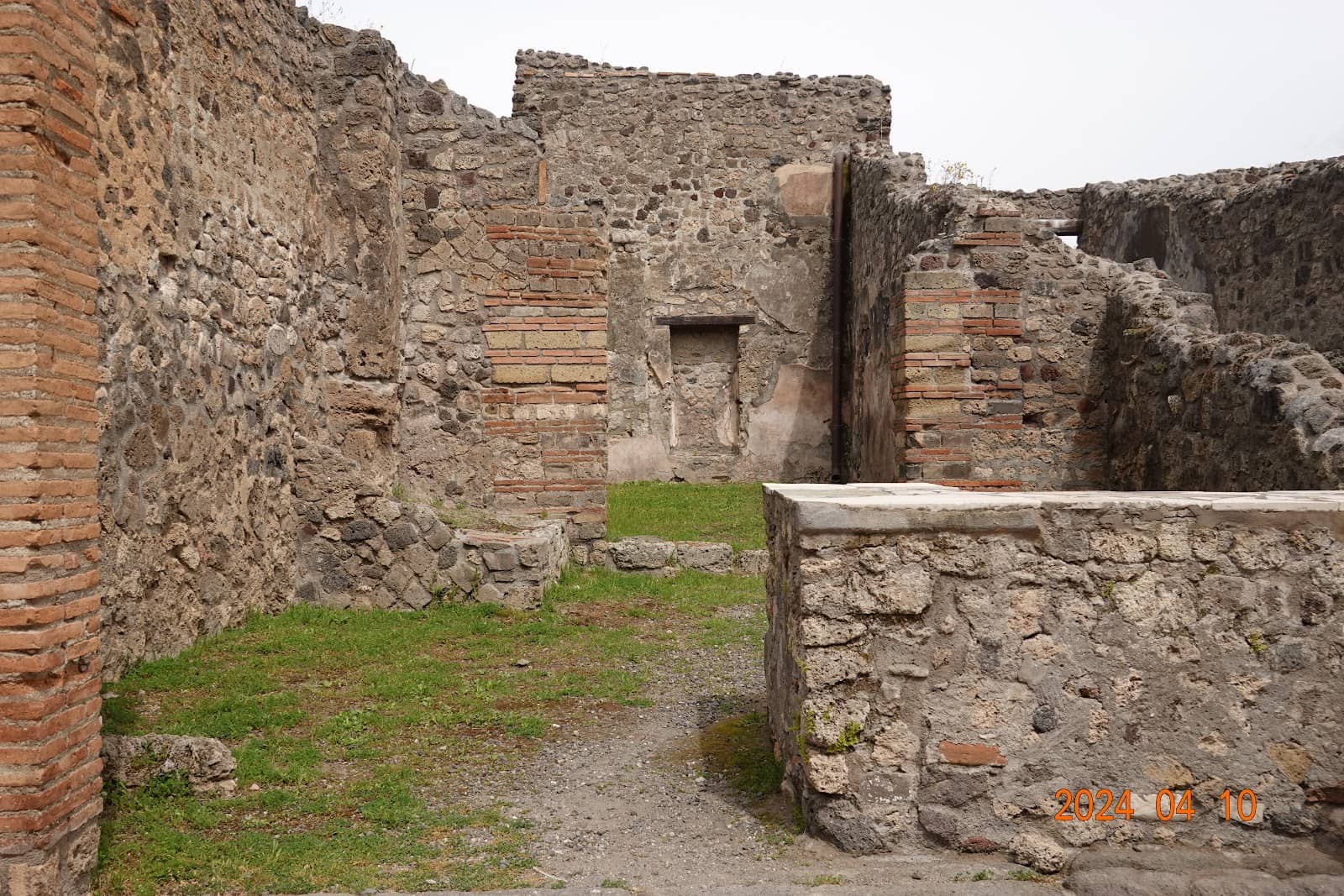
Ancient Roman Water System
Via Stabiana
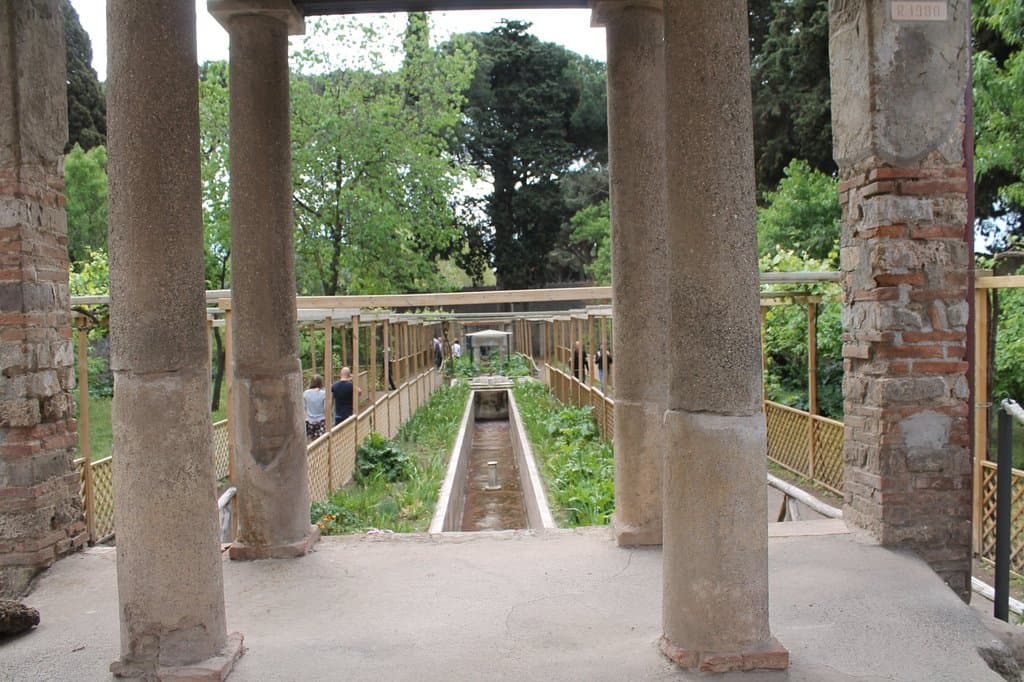
Discover remnants of the sophisticated Roman water system that once supplied the city, a testament to ancient engineering.
Monumental Tombs
Along Via Stabiana
See impressive tombs of prominent figures, lining the road and offering a glimpse into Roman burial customs and social status.
Stabian Baths
Near Via Stabiana
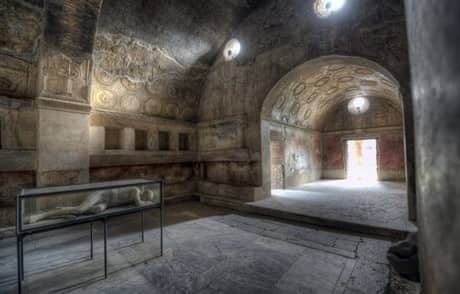
Explore one of Pompeii's oldest and largest public bath complexes, showcasing intricate architecture and social life.
Fleeing Victim Cast
Via Stabiana
Witness a poignant plaster cast of a person caught in the eruption, a powerful reminder of the human tragedy.
Plans like a pro.
Thinks like you
Planning Your Visit
Timing Your Visit to Via Stabiana
Navigating Via Stabiana and Beyond
Best Times
Insider Tips
from TikTok, Instagram & Reddit
Wear Comfortable Shoes
Cobblestone streets are no joke! Prioritize comfort for exploring Via Stabiana and the wider Pompeii site. :athletic_shoe:
Stay Hydrated
Bring plenty of water, especially in summer. Refill stations are available, but it's good to start prepared. :droplet:
Book Tickets Online
Save time and avoid long queues by purchasing your Pompeii entrance tickets in advance. :admission_tickets:
Consider a Guided Tour
Enhance your understanding of Via Stabiana's history with insights from a knowledgeable guide. :bustsinsilhouette:
Tips
from all over the internet
Wear Comfortable Shoes
Cobblestone streets are no joke! Prioritize comfort for exploring Via Stabiana and the wider Pompeii site. :athletic_shoe:
Stay Hydrated
Bring plenty of water, especially in summer. Refill stations are available, but it's good to start prepared. :droplet:
Book Tickets Online
Save time and avoid long queues by purchasing your Pompeii entrance tickets in advance. :admission_tickets:
Consider a Guided Tour
Enhance your understanding of Via Stabiana's history with insights from a knowledgeable guide. :bustsinsilhouette:
Capture the Details
Don't just focus on the big picture; zoom in on the intricate details of mosaics and carvings along Via Stabiana. :camerawithflash:
What Travellers Say
Reviews Summary
Visitors find Via Stabiana to be a compelling and historically significant part of Pompeii, offering a tangible connection to ancient Roman life. The monumental tombs and the poignant evidence of the eruption's victims are particularly impactful. Some visitors note that it can get crowded, and comfortable footwear is essential for navigating the ancient cobblestones.
What People Like
What People Dislike
Frequently Asked Questions
🚇 🗺️ Getting There
Via Stabiana is a main thoroughfare within the archaeological site of Pompeii. You can reach it by taking the Circumvesuviana train to the 'Pompei Scavi - Villa dei Misteri' station, which is a short walk from the entrance. From there, follow the signs for Via Stabiana.
Private vehicles are generally not allowed within the archaeological site of Pompeii. Parking is available outside the main entrances, and then you'll need to walk or take a shuttle to the site.
The Circumvesuviana train line connects Pompeii with Castellammare di Stabia and other towns along the coast. It's a convenient and affordable option, though it can get crowded. +1
Yes, shuttle buses often operate from parking areas and train stations to the main entrances of the Pompeii archaeological park, making access easier.
The 'Pompei Scavi - Villa dei Misteri' station is very close to the main entrance of the archaeological site. Once inside, Via Stabiana is one of the primary streets you'll encounter.
🎫 🎫 Tickets & Entry
It's highly recommended to purchase your Pompeii entrance tickets online in advance through the official website to avoid long queues. Via Stabiana is within the main archaeological site.
Opening hours for the Pompeii archaeological park vary by season, but generally, it's open from morning until late afternoon. Always check the official website for the most current times.
Yes, there are usually standard entry tickets, and sometimes options for guided tours or combined tickets for multiple sites. Check the official ticketing portal for details.
Yes, Via Stabiana is a main street within the Pompeii archaeological site, so your general admission ticket will grant you access to it.
Refund policies vary, but generally, tickets are non-refundable unless specific circumstances apply. It's best to review the terms and conditions when purchasing.
🎫 🏛️ Onsite Experience
Along Via Stabiana, don't miss the monumental tombs, the ancient Roman water system remnants, and the poignant cast of a fleeing victim. The Stabian Baths are also nearby and highly recommended. 
To truly appreciate Via Stabiana and its adjacent sites like the Stabian Baths, allocate at least 2-3 hours. Exploring the entire Pompeii site can take a full day.
Via Stabiana is remarkably well-preserved, offering an authentic glimpse into the layout and life of ancient Pompeii. You can still see the original paving stones and structures.
Restrooms and water fountains are available at various points within the Pompeii archaeological park, though they might be more concentrated near entrances and main visitor areas.
Yes, photography and videography are generally allowed in most areas of Pompeii, including Via Stabiana, for personal use. However, check for any specific restrictions in certain buildings or exhibits.
🍽️ 🍽️ Food & Dining
There are limited dining options directly within the archaeological site. It's advisable to bring snacks and water, or plan to eat before or after your visit.
In the modern town of Pompeii, you'll find a variety of restaurants offering traditional Neapolitan cuisine, including pizza, pasta, and seafood. Some restaurants like Capasanta Restaurant are noted for their fresh pasta dishes. +6
Yes, outside the archaeological site, you'll find cafes and snack bars offering coffee, pastries, sandwiches, and light refreshments.
Bringing your own food and non-alcoholic drinks is generally permitted into the Pompeii archaeological park, which can be a budget-friendly option.
Near Pompeii, try local specialties like Neapolitan pizza, fresh seafood, and regional pasta dishes. Don't miss out on local wines and pastries. +7
📸 📸 Photography
Via Stabiana itself offers great photographic opportunities with its ancient paving stones and surrounding ruins. The monumental tombs and the view towards Mount Vesuvius are particularly photogenic.
Drone photography is strictly prohibited within the Pompeii archaeological site to protect the ancient structures and ensure visitor safety.
Early morning or late afternoon provides the best light for photography on Via Stabiana, creating dramatic shadows and a softer glow.
While generally allowed for personal use, avoid using flash photography inside buildings where it might damage delicate frescoes. Tripods may also be restricted in certain areas.
A versatile lens (like a 24-70mm) is useful for capturing both wide street scenes and details. A wide-angle lens is great for the expansive views, and a prime lens can be good for low-light conditions.





Social
from TikTok, Instagram & Reddit