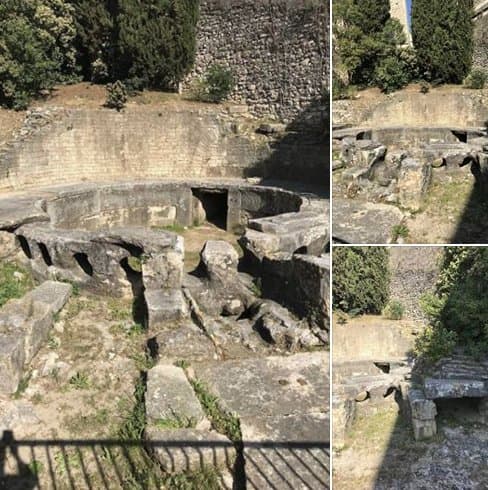
Castellum Aquae
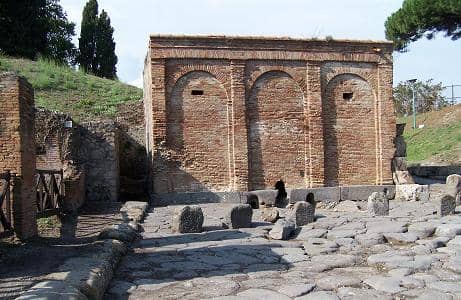
Castellum Aquae: Pompeii's ancient water distribution hub, showcasing Roman hydraulic engineering and urban planning.
Highlights
Must-see attractions

Social
From TikTok & Reddit
Best Time
Fewer crowds, more peaceful
Castellum Aquae
Best Time
Fewer crowds, more peaceful
Highlights
Must-see attractions
Castellum Aquae: Pompeii's ancient water distribution hub, showcasing Roman hydraulic engineering and urban planning.
"An impressively preserved glimpse into how ancient Pompeii managed its vital water supply."
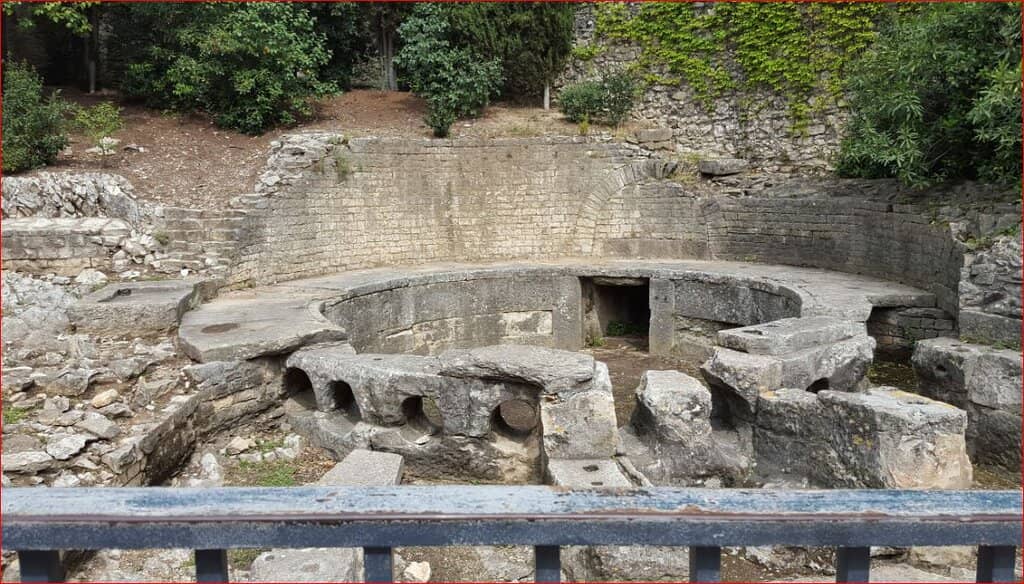
📸 Capture the Details
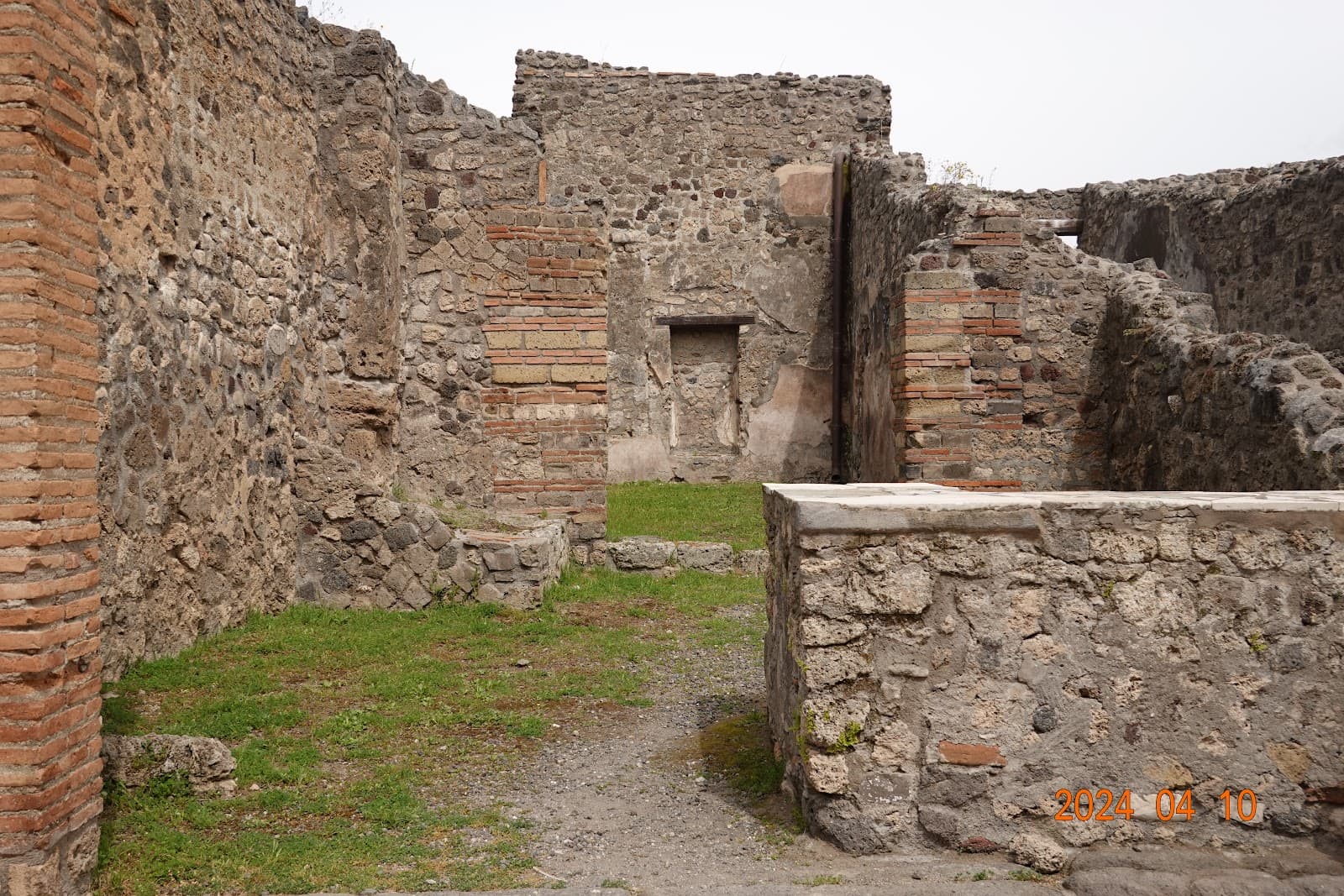
Focus on the intricate stonework and the layout of the channels for stunning photos.
🚶♂️ Explore Beyond the Main Site
Don't miss the surrounding area; it offers great views of the city.
Quick Facts
Hours
Rating
4.5 · 11 reviews
Type
Historical Landmark
Highlights
Discover the most iconic attractions and experiences
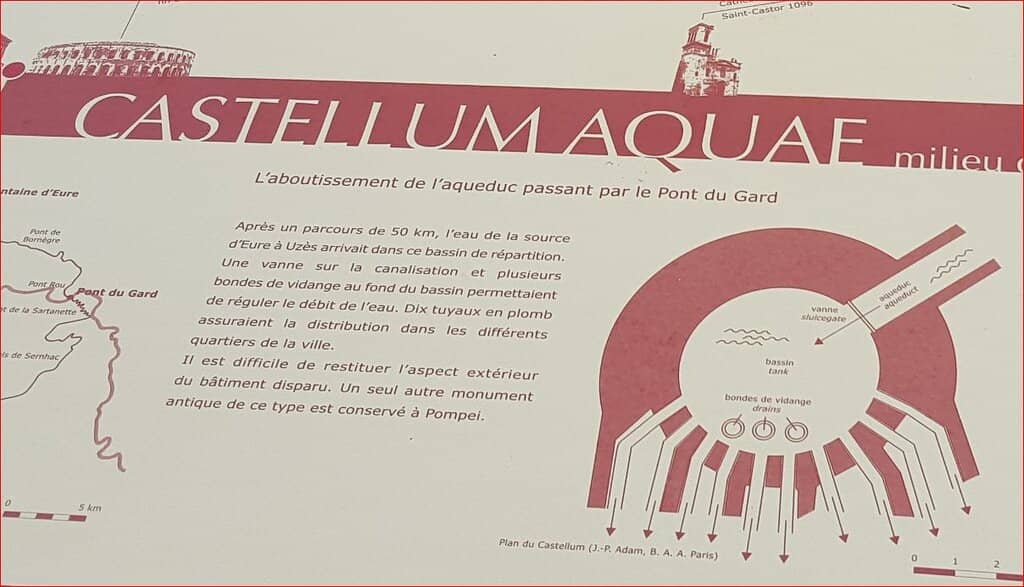
The Main Distribution Tank
Northern edge of Pompeii
The impressive central tank where water was stored and divided for the city's needs.
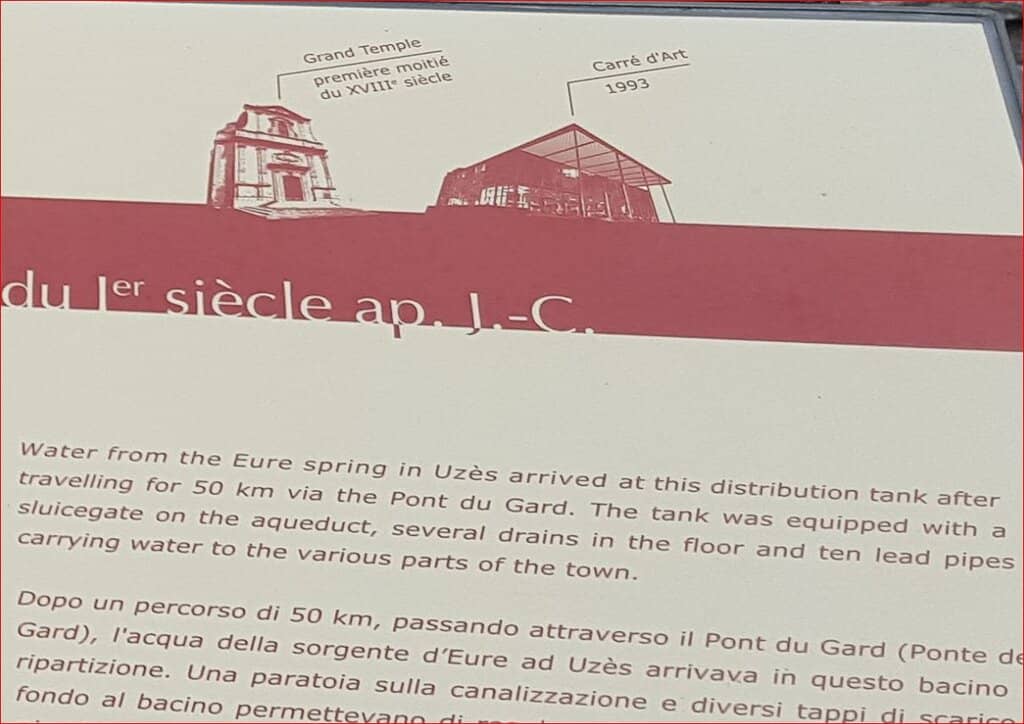
Three Water Channels
Interior of Castellum Aquae
See the distinct channels that supplied water to different parts of Pompeii.
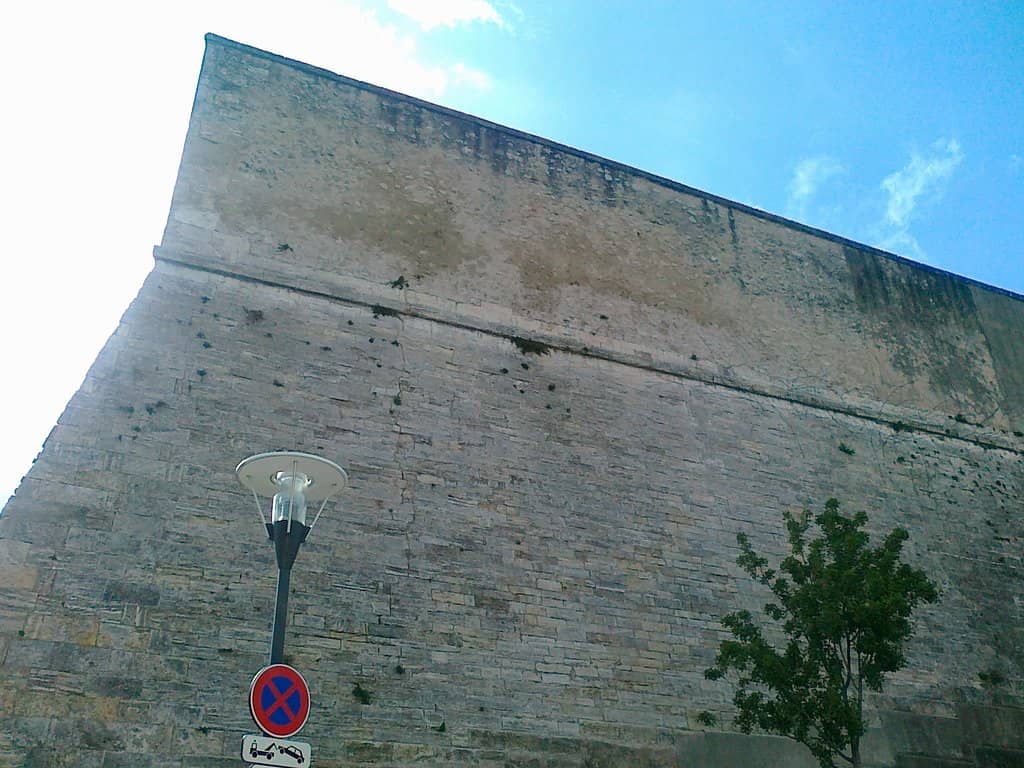
Exterior Preservation
Near Vesuvius Gate
Admire the well-preserved exterior structure, a testament to Roman construction.
Plans like a pro.
Thinks like you
Planning Your Visit
Timing Your Visit to Castellum Aquae
Understanding Castellum Aquae's Significance
Best Times
Insider Tips
from TikTok, Instagram & Reddit
📸 Capture the Details
Focus on the intricate stonework and the layout of the channels for stunning photos.
🚶♂️ Explore Beyond the Main Site
Don't miss the surrounding area; it offers great views of the city.
💡 Learn About Roman Water Systems
Research its function beforehand to fully appreciate its engineering marvel.

⏳ Check Interior Access
The interior may be closed; verify access before your visit.
Tips
from all over the internet
📸 Capture the Details
Focus on the intricate stonework and the layout of the channels for stunning photos.
🚶♂️ Explore Beyond the Main Site
Don't miss the surrounding area; it offers great views of the city.
💡 Learn About Roman Water Systems
Research its function beforehand to fully appreciate its engineering marvel.
⏳ Check Interior Access
The interior may be closed; verify access before your visit.
What Travellers Say
Reviews Summary
Visitors find Castellum Aquae to be an impressively preserved example of Roman water distribution infrastructure. While the interior may not always be accessible, the exterior structure is a testament to ancient engineering. It's a valuable stop for understanding Pompeii's daily life, though some wish for more accessible interior views.
"Ancient roman cistern close to the northern edge of the ancient city. The interior was closed when I was there but the exterior is impressively preserved."
Bobby C
"The Castellum Aquae is a water tank, where it was stored and distributed throughout the area.
There were several in the city of Pompeii.
There is a very interesting documentary showing the interior of this specific tank, today we can only see it from the outside."
Beatriz MV
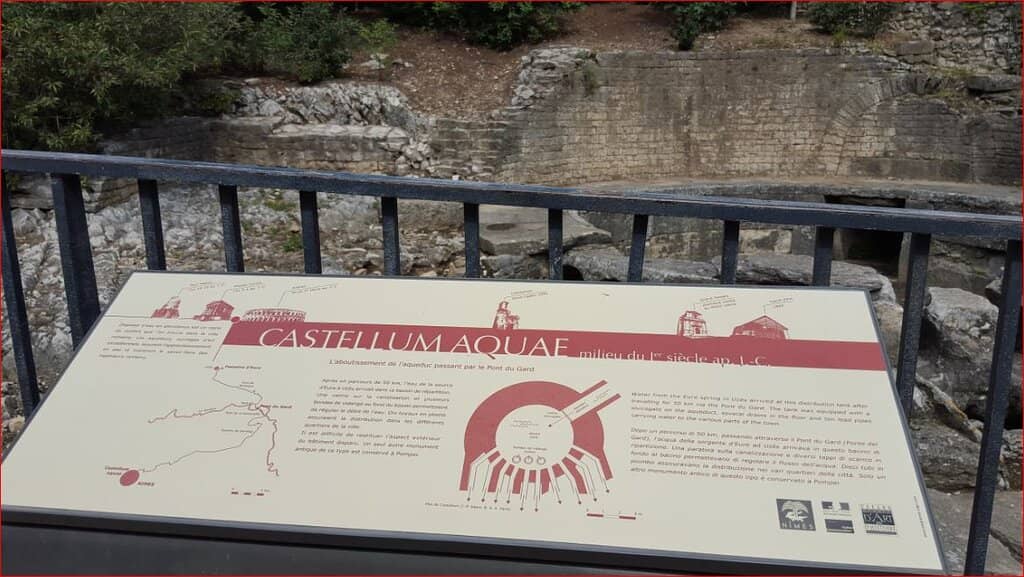
"In the Castellun Aquae the water was filtered and the flow was divided into three independent networks that ran throughout the city. One was intended for public baths and buildings, another for the private residences of the rich, and the third for public fountains. In case of drought, only public sources were supplied.
The branch of the Serino aqueduct from the Augustan period ended here, to supply the Miseno fleet. It is located next to the Vesuvius Gate at about 42m high, the highest point in the city. It was renovated after the earthquake of '62 and after the eruption it stopped working along with its 40 fountains. Next to the public fountains there are water towers. These towers were used to reduce water pressure. At the top they had a water tank and through a pipe they supplied water to the fountains. Pompeii only had sewage in the area near the Forum. Some of the houses in the city had blind wells; but it is believed that the majority threw sewage into the street. At some street intersections there are stones that allow you to cross the street. According to archaeologists, these stones were used to regulate car traffic and prevent pedestrians from getting their feet wet with the fecal water that flowed through the streets."
Jose C Poveda
What People Like
What People Dislike
Frequently Asked Questions
🚇 🗺️ Getting There
Castellum Aquae is located on the northern edge of the ancient city of Pompeii, near the Vesuvius Gate. It's accessible by foot once you've entered the main Pompeii archaeological site. Many visitors combine a visit here with the broader Pompeii exploration. +1
Yes, Castellum Aquae is within the archaeological site of Pompeii, so your standard Pompeii entrance ticket will grant you access to this area.
Using a map of the archaeological site is highly recommended. Castellum Aquae is often marked, and it's a good idea to orient yourself towards the northern sections.
Many guided tours of Pompeii will include a stop at Castellum Aquae, especially those focusing on Roman engineering and daily life. Inquire with tour operators for specifics.
No, private vehicles are not permitted within the Pompeii archaeological site. You'll need to park outside and walk in.
🎫 🎫 Tickets & Entry
Castellum Aquae follows the general opening hours of the Pompeii archaeological site. These hours vary seasonally, so it's best to check the official Pompeii website for the most up-to-date information.
No, a separate ticket is not required. Your general admission ticket for the Pompeii archaeological site covers entry to all accessible areas, including Castellum Aquae.
Reviews suggest that the interior of Castellum Aquae may sometimes be closed for preservation or other reasons. It's advisable to check on-site or with officials if interior access is a priority.
Ticket prices for Pompeii vary, but a standard adult ticket typically ranges from €16-€20. Check the official website for current pricing and any potential discounts.
Yes, purchasing tickets online in advance is highly recommended to avoid long queues, especially during peak tourist seasons.
🎫 🏛️ Onsite Experience
Castellum Aquae was the main water distribution tank in ancient Pompeii. It received water from the Serino aqueduct and divided it into three networks: for public baths and buildings, private residences of the wealthy, and public fountains.
If accessible, you can see the large cistern, the three distinct channels for water distribution, and remnants of its hydraulic system.
The exterior of Castellum Aquae is impressively preserved, showcasing Roman construction techniques. The interior's preservation can vary depending on access.
While there aren't typically interactive exhibits directly at Castellum Aquae, the entire Pompeii site offers a deeply immersive historical experience. Some visitors mention documentaries that show the interior.
Water towers were used to reduce water pressure before supplying fountains. They had a tank at the top, connected by a pipe to the fountain, ensuring a controlled flow.
📸 📸 Photography
Focus on the architectural details of the tank, the distinct channels, and the overall structure. The exterior offers good vantage points, especially during golden hour.
Generally, photography is allowed within the Pompeii site for personal use. However, tripods or professional equipment might require special permits. Always be mindful of other visitors.
Late afternoon, during the golden hour, provides beautiful lighting that can enhance the textures and colors of the ancient stone.
Drone usage is strictly prohibited within the Pompeii archaeological site due to preservation concerns and safety regulations.
Try capturing the scale of the main tank from a slightly lower angle, or focus on the details of the water channels from above if accessible.
You may also like

House of the Surgeon Pompeii

Porta Vesuvio Naples
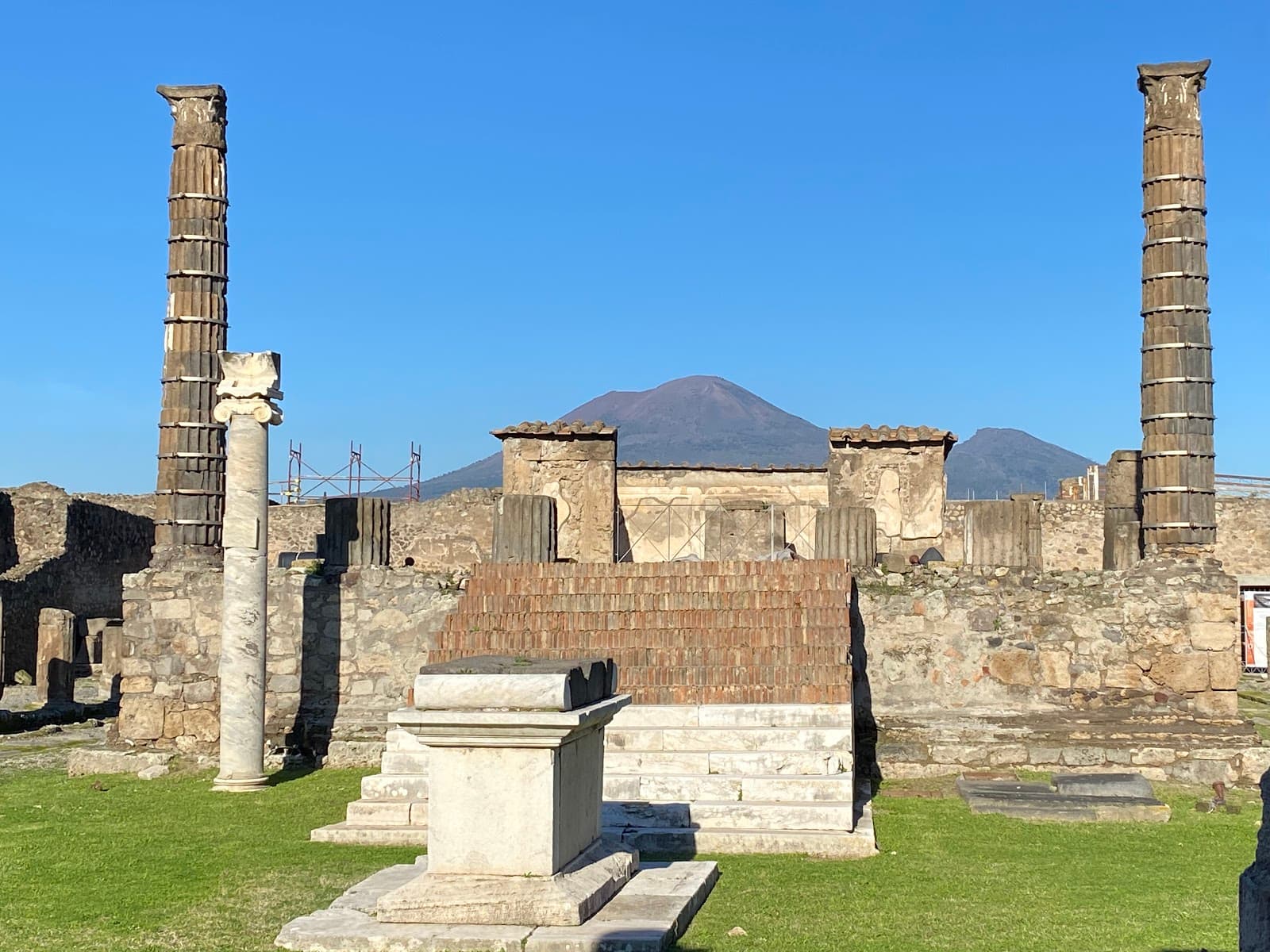
Temple of Apollo Pompeii Archaeological Park
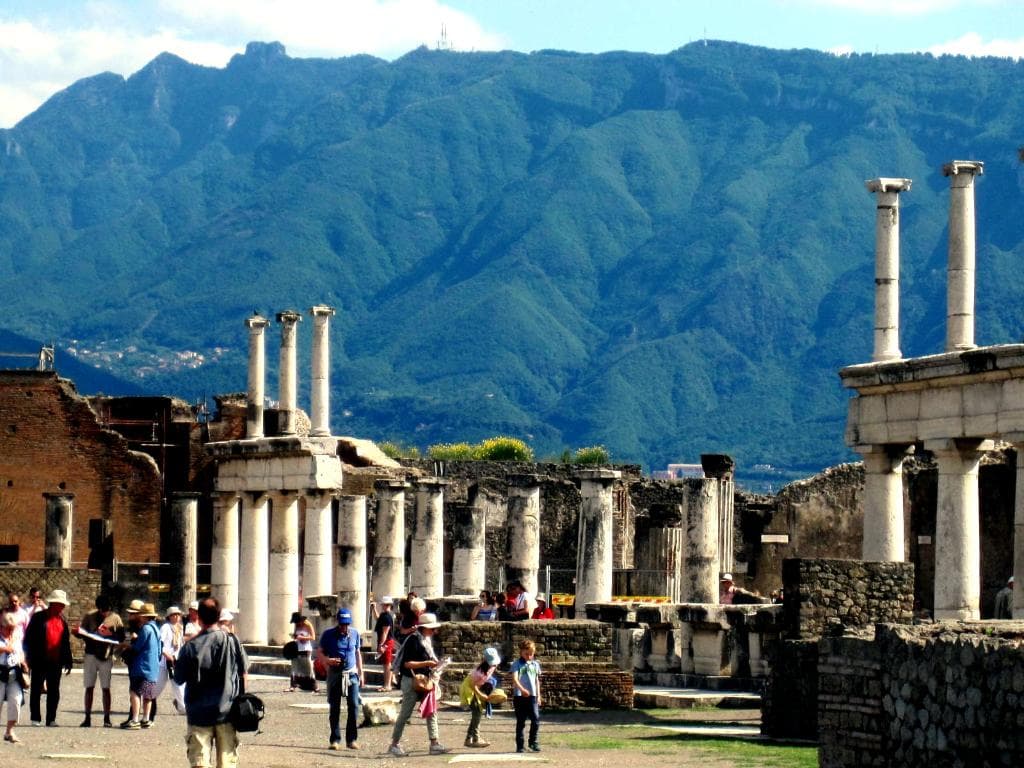
Forum Pompeii

Sanctuary of the Madonna of the Rosary Pompeii

House of Sallust
House of the Surgeon Pompeii
Porta Vesuvio Naples
Temple of Apollo Pompeii Archaeological Park
Forum Pompeii
Sanctuary of the Madonna of the Rosary Pompeii
House of Sallust
Antiquarium Pompeii

Pompeii Archaeological Park

Porta Nocera Necropolis
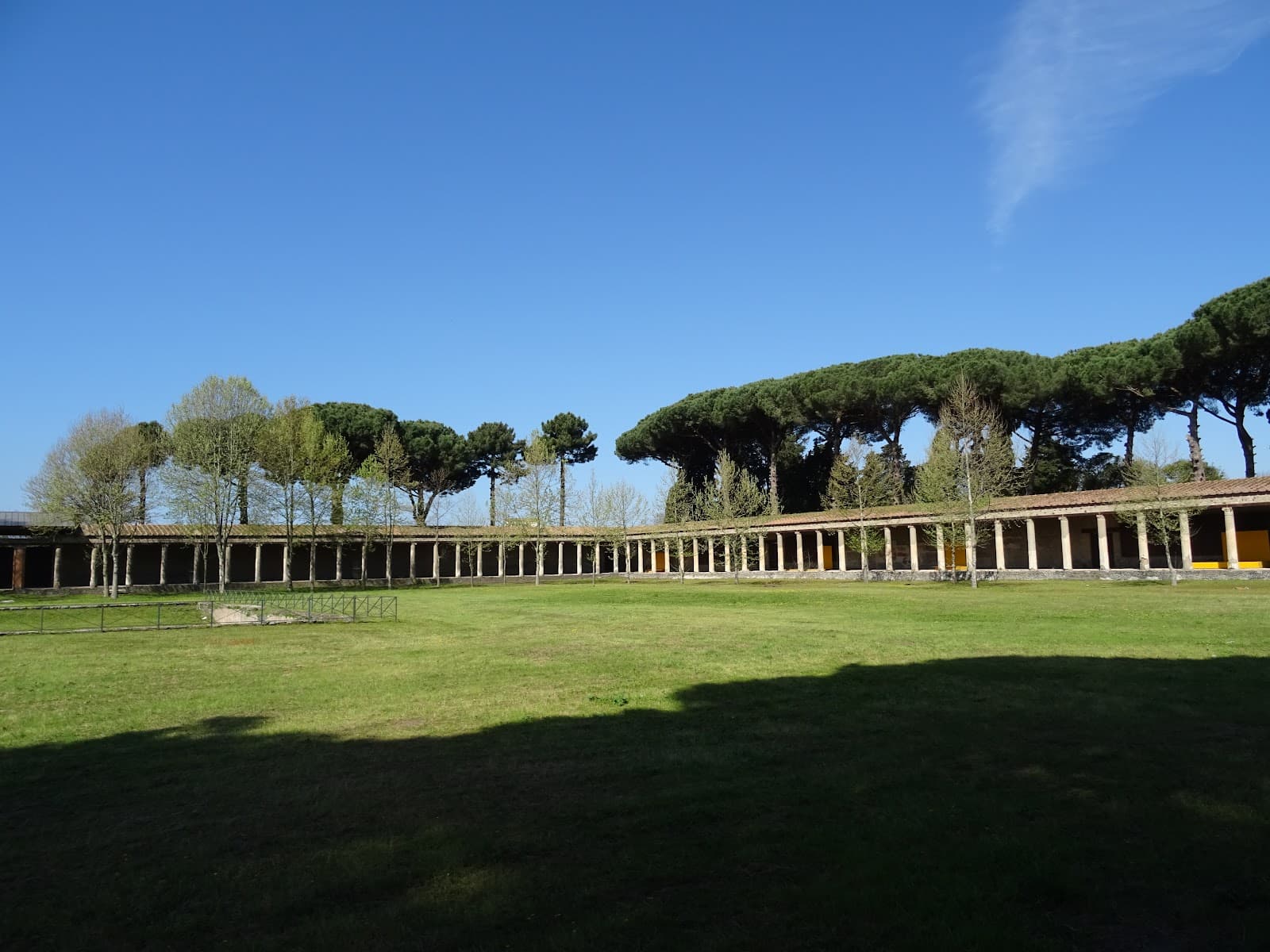
Large Palaestra Olympia
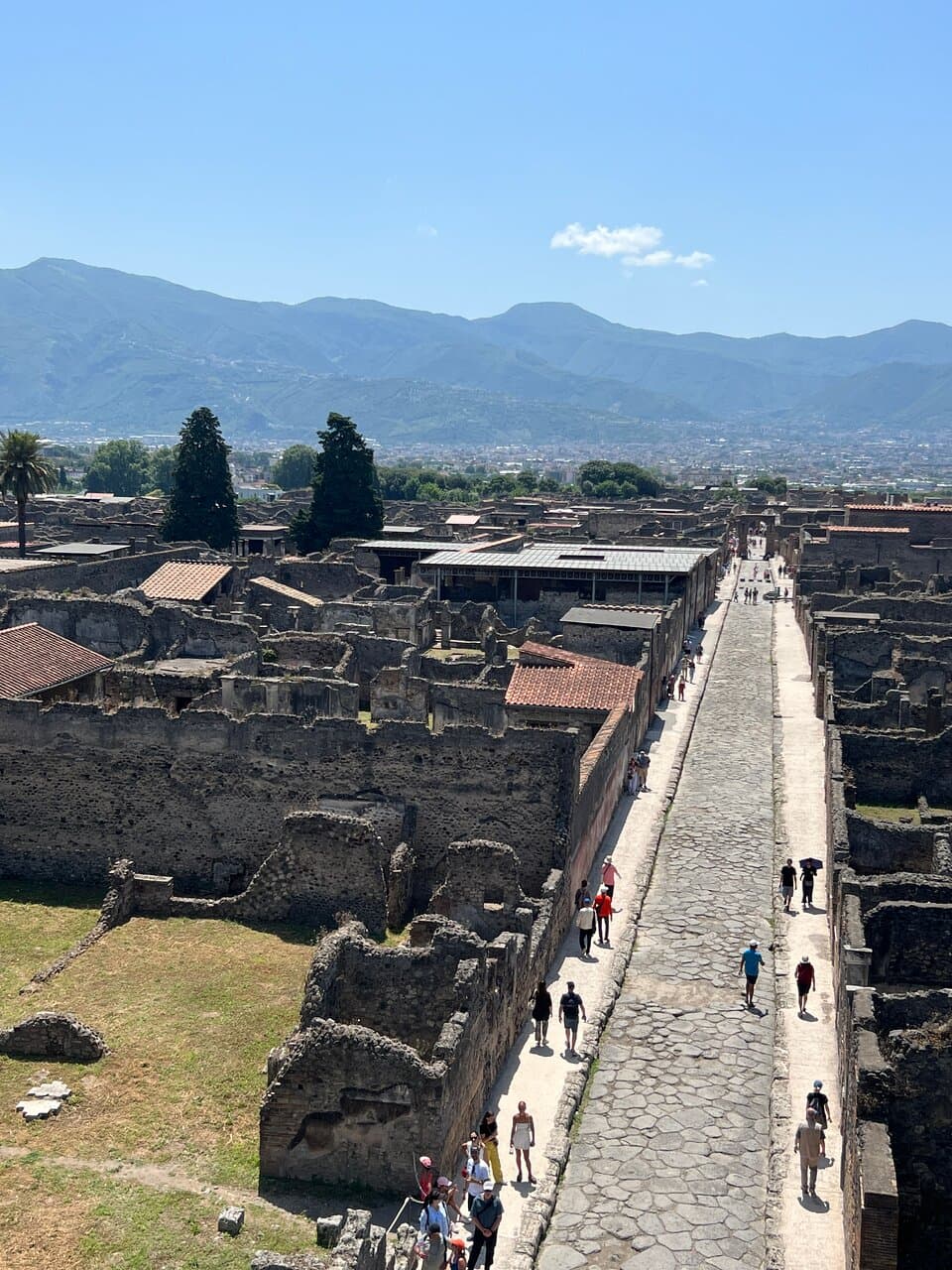
Via dell'Abbondanza Pompeii
Social
from TikTok, Instagram & Reddit