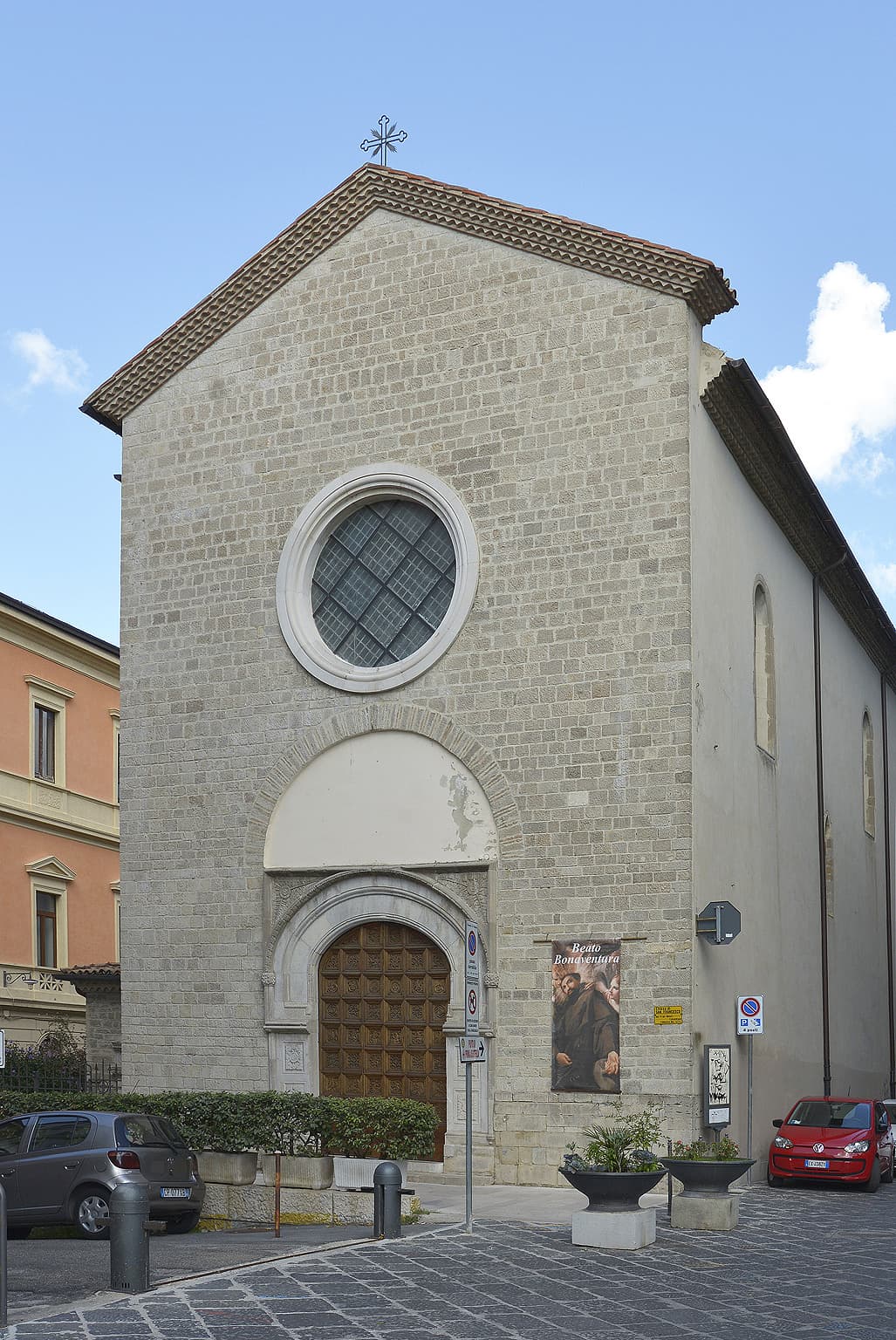
Church of San Francesco
A 13th-century Franciscan church and convent, rich in history, art, and spiritual significance, featuring medieval architecture and revered religious ...
Highlights
Must-see attractions

Social
From TikTok & Reddit
Best Time
Peaceful exploration
Church of San Francesco
Best Time
Peaceful exploration
Highlights
Must-see attractions
A 13th-century Franciscan church and convent, rich in history, art, and spiritual significance, featuring medieval architecture and revered religious icons.
"A magical place steeped in history, offering a welcoming refuge for the spirit."

Wear comfortable shoes
Explore the historic grounds and church comfortably. :athletic_shoe:
Allow ample time
Soak in the history and art; don't rush your visit to this ancient convent. :clock1:

Quick Facts
Rating
4.5 · 34 reviews
Type
Church
Highlights
Discover the most iconic attractions and experiences
14th-Century Bell Tower
Exterior
Admire the enduring structure of the original bell tower, a testament to medieval architecture, despite later modifications.
Pietrafesa's 'Pietà'
Sacristy
Witness Pietrafesa's early masterpiece, 'The Pietà' from 1608, a significant work of religious art housed within the sacristy.

Frescoes of Saint Francis and Clare
Interior
Discover small, traditional frescoes depicting Saint Francis and Saint Clare, said to be painted under the guidance of a fellow friar.
Madonna del Terremoto Icon
Interior
Behold the beautiful 14th-century icon of the 'Madonna del Terremoto' (Madonna of the Earthquake), a revered religious artifact.
Plans like a pro.
Thinks like you
Planning Your Visit
Timing Your Visit
Historical Significance
Best Times
Insider Tips
from TikTok, Instagram & Reddit
Wear comfortable shoes
Explore the historic grounds and church comfortably. :athletic_shoe:
Allow ample time
Soak in the history and art; don't rush your visit to this ancient convent. :clock1:
Respect the sanctity
Remember it's an active religious site. Maintain a quiet and respectful demeanor. 🙏
Tips
from all over the internet
Wear comfortable shoes
Explore the historic grounds and church comfortably. :athletic_shoe:
Allow ample time
Soak in the history and art; don't rush your visit to this ancient convent. :clock1:
Respect the sanctity
Remember it's an active religious site. Maintain a quiet and respectful demeanor. 🙏
What Travellers Say
Reviews Summary
Visitors praise the Church of San Francesco as a magical, historical refuge steeped in spirituality. Its ancient convent, significant artworks like Pietrafesa's 'Pietà,' and the 14th-century bell tower are frequently highlighted. While some find the convent's current state less historically evident, the overall experience is described as welcoming and deeply moving.
"a good place to visit because its historical church, the birth place of blessed bonaventure of potenza"
linus bacayan
"The church of San Francesco was built in 1246, forty years after the death of the saint. The façade is made of exposed squared stone. The ancient convent from 1200 is almost completely devoid of current historical and artistic evidence. On the left façade of the church is the portal that leads to the sixteenth-century cloister. It has a portico with six arches that ends with a wooden door from the sixteenth century and a fifteenth-century portal that gives access to the internal rooms of the sacristy and the new convent. Internally, the church has a simple and schematic layout, typical of the ancient Franciscan churches of the early times with a single nave and the Altar. Important artistic elements are a work that represents the martyrdom of San Sebastiano, a tempera on wood donated to the church and dating back to 1852, which represents the Madonna with the child. An interesting visit."
Antonio Vergallo
"A magical place steeped in history.
An ancient convent dating back to around 1260...
Inside the single-nave church,
there are notable frescoes by Todisco (Martyrdom of Saint Sebastian)
Canvases by Pietrafesa, including his first work in the sacristy: The Pietà from 1608.
The original 14th-century bell tower is also noteworthy, despite having been remodeled over time."
Giuseppe Tangreda
What People Like
What People Dislike
Frequently Asked Questions
🚇 🗺️ Getting There
The Church of San Francesco is located in the heart of the historic center. If arriving by car, be aware of limited parking in the old town and consider using public parking areas outside the immediate vicinity. Walking is often the best way to explore once you're nearby.
Parking directly at the church is very limited due to its historic location. It's recommended to find parking in designated lots on the outskirts of the historic center and walk the rest of the way.
Yes, the Church of San Francesco can be a wonderful addition to a day trip, especially if you are exploring the wider region. Its historical significance makes it a worthwhile stop.
🎫 🎫 Tickets & Entry
Entry to the Church of San Francesco is generally free, as it is an active place of worship. However, donations are often appreciated to help with its upkeep.
Opening hours can vary, especially for religious sites. It's best to check locally or look for posted hours upon arrival. Typically, it's open during daylight hours, but may close for services.
While the church itself is usually free, access to specific parts of the ancient convent or cloister might sometimes involve a small fee or be part of a guided tour. Inquire locally for the most current information.
Photography is usually permitted inside churches, but it's important to be respectful. Avoid flash photography, especially during services, and be mindful of any posted signs regarding photography restrictions.
🎫 🏛️ Onsite Experience
The church was built in the 13th century, just decades after Saint Francis's death, making it one of the early Franciscan settlements. It houses significant art and architectural elements from the medieval period. +1
Don't miss the 14th-century bell tower, frescoes by Todisco (Martyrdom of Saint Sebastian), Pietrafesa's 'Pietà' in the sacristy, and the 14th-century icon of the Madonna del Terremoto. +1
Accessibility can be challenging in historic churches. The main church area might be accessible, but older parts like the cloister or upper levels may have stairs. It's advisable to check accessibility details beforehand if needed.
Guided tours may be available, often through local tourism offices or historical societies. These can provide deeper insights into the church's rich history and art. Inquire locally for tour options.
To avoid crowds and enjoy a more serene visit, aim for weekday mornings or late afternoons. This allows for quiet contemplation and better appreciation of the historical ambiance.
🍽️ 🍽️ Food & Dining
Yes, being located in a historic town center, you'll likely find several trattorias, cafes, and restaurants within walking distance of the church, offering local cuisine.
No, eating and drinking are generally not permitted inside active churches or religious sites to maintain their sanctity and cleanliness. Please consume food and beverages outside the church premises.
📸 📸 Photography
The exterior, especially the facade and the bell tower, offers great photographic opportunities. Inside, focus on the art, frescoes, and the overall architectural ambiance, being mindful of lighting and flash restrictions.
While general photography is usually allowed, avoid using flash, especially when photographing artwork or during services. Some specific areas might have 'no photography' signs. Always be respectful.




Social
from TikTok, Instagram & Reddit