
Chiesa di Sant'Ilario Rosignano Marittimo
A 12th-century parish church with 16th-century additions, featuring unique limestone construction and preserved ancient architectural elements.
Highlights
Must-see attractions

Social
From TikTok & Reddit
Best Time
Enjoy peaceful exploration
Chiesa di Sant'Ilario Rosignano Marittimo
Best Time
Enjoy peaceful exploration
Highlights
Must-see attractions
A 12th-century parish church with 16th-century additions, featuring unique limestone construction and preserved ancient architectural elements.
"Discover centuries of history etched in stone at this charming medieval church."
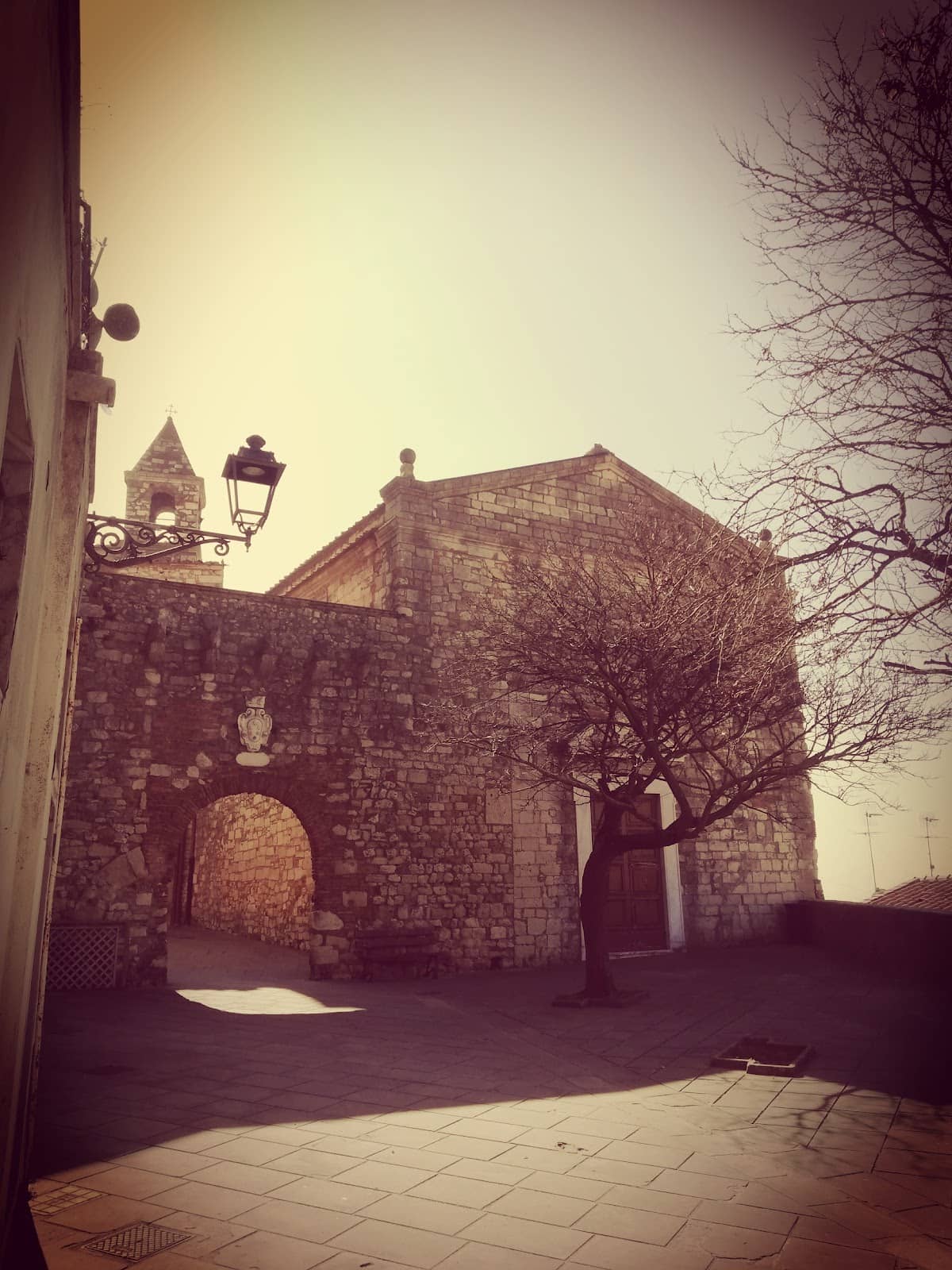
📸 Capture the Details
Focus on the intricate limestone patterns and the Christ monogram for stunning photos. :camerawithflash:
🚶♂️ Explore the Exterior
Don't miss the visible architectural elements of the older church on the western side. :athletic_shoe:
Quick Facts
Rating
3 · 1 reviews
Type
Place of Worship
Highlights
Discover the most iconic attractions and experiences
Christ Monogram Bas-Relief
A striking marble bas-relief featuring the monogram of Christ, adorning the entrance portal.
Visible Old Parish Church Elements
See remnants of the 12th-century church, including mullioned windows with marble columns and travertine corbels.
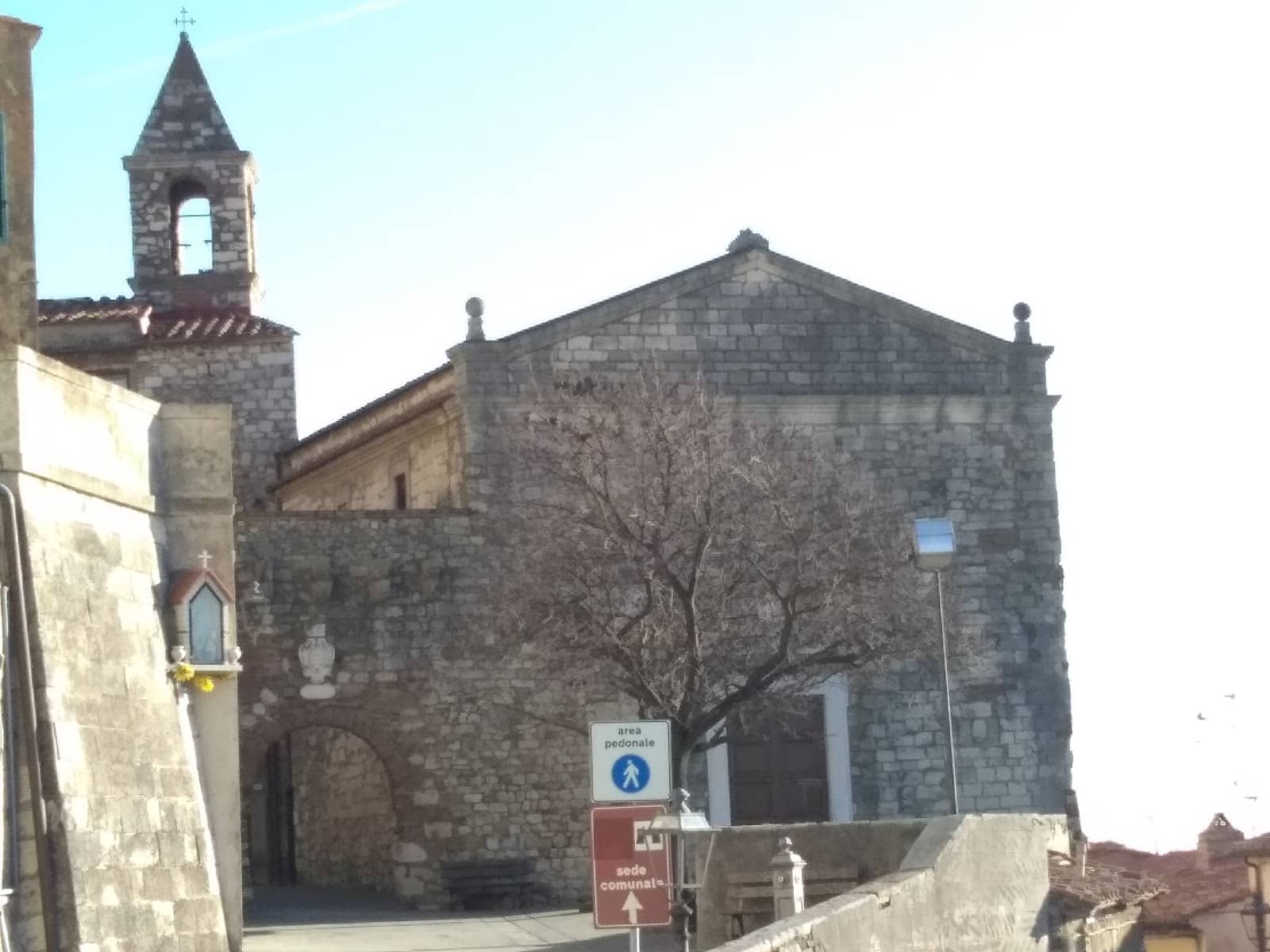
Limestone Ashlar Facade
Appreciate the unique construction of the facade, made of limestone ashlars forming irregular patterns.
Plans like a pro.
Thinks like you
Planning Your Visit
Discover Medieval Roots
Architectural Details
Best Times
Insider Tips
from TikTok, Instagram & Reddit
📸 Capture the Details
Focus on the intricate limestone patterns and the Christ monogram for stunning photos. :camerawithflash:
🚶♂️ Explore the Exterior
Don't miss the visible architectural elements of the older church on the western side. :athletic_shoe:
🕰️ Appreciate the History
Take time to understand the church's 12th-century origins and 16th-century construction. :classical_building:
Tips
from all over the internet
📸 Capture the Details
Focus on the intricate limestone patterns and the Christ monogram for stunning photos. :camerawithflash:
🚶♂️ Explore the Exterior
Don't miss the visible architectural elements of the older church on the western side. :athletic_shoe:
🕰️ Appreciate the History
Take time to understand the church's 12th-century origins and 16th-century construction. :classical_building:
What Travellers Say
Reviews Summary
Visitors appreciate the historical significance and unique architectural details of Chiesa di Sant'Ilario, particularly its 12th-century origins and preserved elements. The limestone facade and Christ monogram bas-relief are often highlighted as points of interest. While it offers a glimpse into the past, some may find it a more understated attraction compared to larger cathedrals.
"The church was built in the 16th century, but the origins of the pre-existing parish church date back to the 12th century.
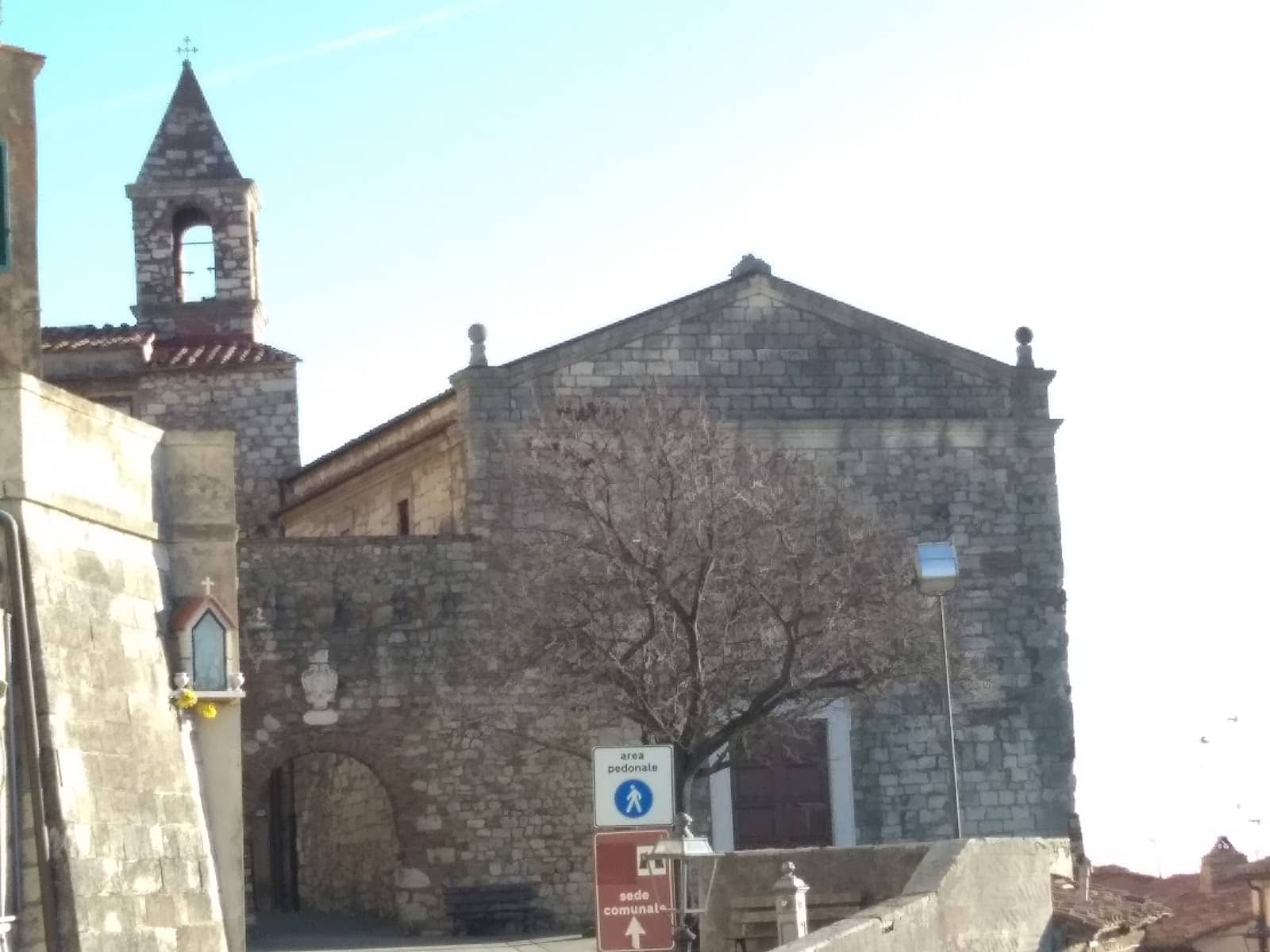
The gabled façade features an entrance portal surmounted by a broken frontispiece with a marble bas-relief depicting the monogram of Christ in the center.
It is made of limestone ashlars that form irregular patterns following the perimeter of the wall.
On the western side, architectural elements of the old parish church are still visible, such as the two mullioned windows with white marble columns and capitals and the two travertine corbels.
It has a rectangular hall plan with a wooden trussed ceiling."
Davide Pizzi
What People Like
What People Dislike
Frequently Asked Questions
🚇 🗺️ Getting There
The church is located in Rosignano Marittimo. Driving is a common way to reach it, with local parking available nearby. Public transport options might be limited, so checking local bus schedules is advisable.
Yes, the church is generally accessible by car. Parking availability can vary, especially during peak tourist seasons, so arriving earlier is recommended.
🎫 🎫 Tickets & Entry
Typically, churches like Chiesa di Sant'Ilario are free to enter. However, it's always a good idea to check for any specific visiting hours or potential donation requests.
Opening hours for churches can vary. It's best to check local listings or inquire at a local tourist information center for the most up-to-date hours.
🎫 🏛️ Onsite Experience
Chiesa di Sant'Ilario showcases a blend of historical architectural elements. Its facade is characterized by limestone ashlars, and it retains features from its 12th-century origins, such as mullioned windows.
Inside, you'll find a rectangular hall plan with a wooden trussed ceiling. The entrance portal is notable for its broken frontispiece with a marble bas-relief of the Christ monogram.
Photography policies can vary. It's respectful to check for any signs or ask church officials if photography is permitted, especially if flash is involved.
📸 📸 Photography
The exterior, particularly the gabled facade with the Christ monogram bas-relief and the visible ancient architectural elements, offers great photographic opportunities. The unique limestone ashlar patterns are also worth capturing.
Yes, the remnants of the old parish church on the western side, including the mullioned windows with marble columns and capitals, provide excellent subjects for historical photography.

Social
from TikTok, Instagram & Reddit