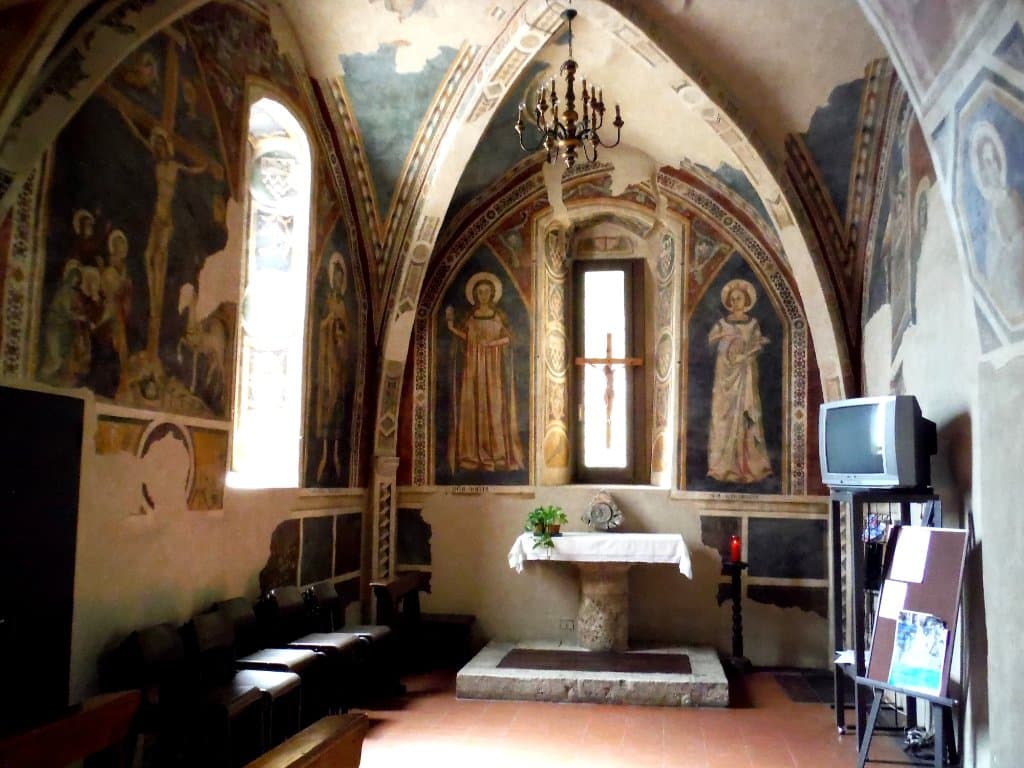
Chiesa di San Salvatore Terni
Terni's oldest church, a 11th-century Romanesque gem with ancient frescoes and enigmatic architecture.

Highlights
Must-see attractions

Social
From TikTok & Reddit
Best Time
Fewer crowds, peaceful atmosphere
Chiesa di San Salvatore Terni
Best Time
Fewer crowds, peaceful atmosphere
Highlights
Must-see attractions
Terni's oldest church, a 11th-century Romanesque gem with ancient frescoes and enigmatic architecture.
"Small but beautiful, in Romanesque style, perhaps the oldest in Terni. Worth a visit."
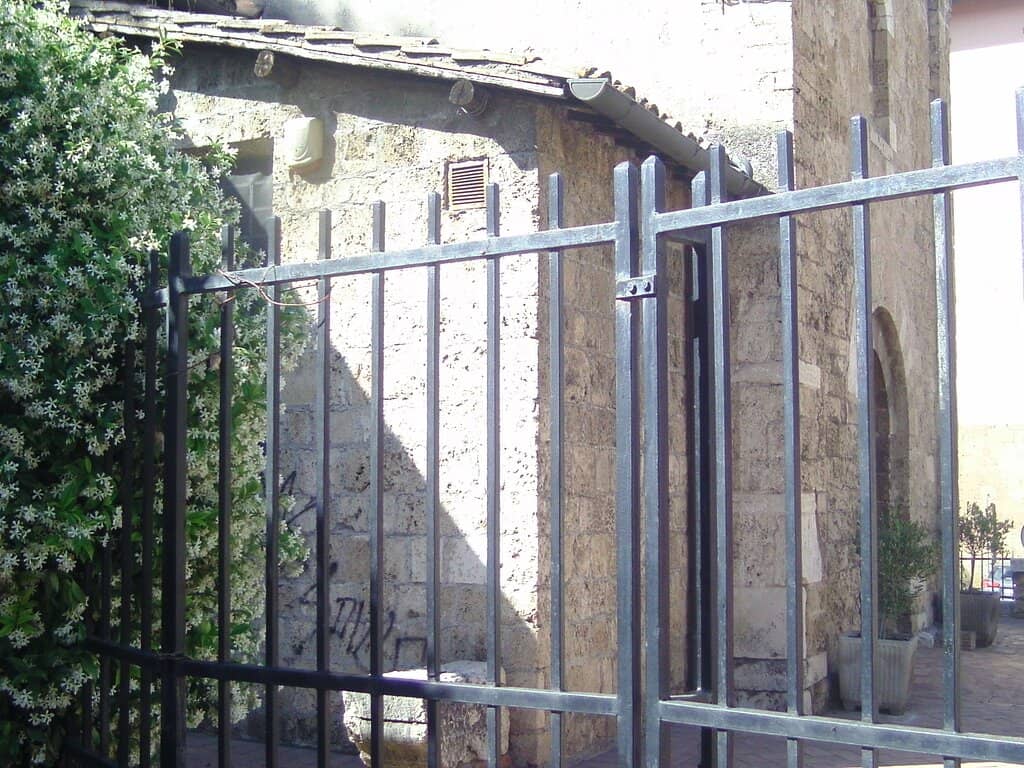
Look for the hidden entrance
The church is slightly hidden, near Palazzo Spada. Keep an eye out for its unassuming facade! :round_pushpin:
Appreciate the stonework
Notice the precisely squared and aligned ashlars used in construction – a marvel of ancient techniques. :hammerandwrench:
Quick Facts
Hours
Rating
4.7 · 56 reviews
Type
Church
Highlights
Discover the most iconic attractions and experiences
Ancient Romanesque Architecture
Exterior and Interior
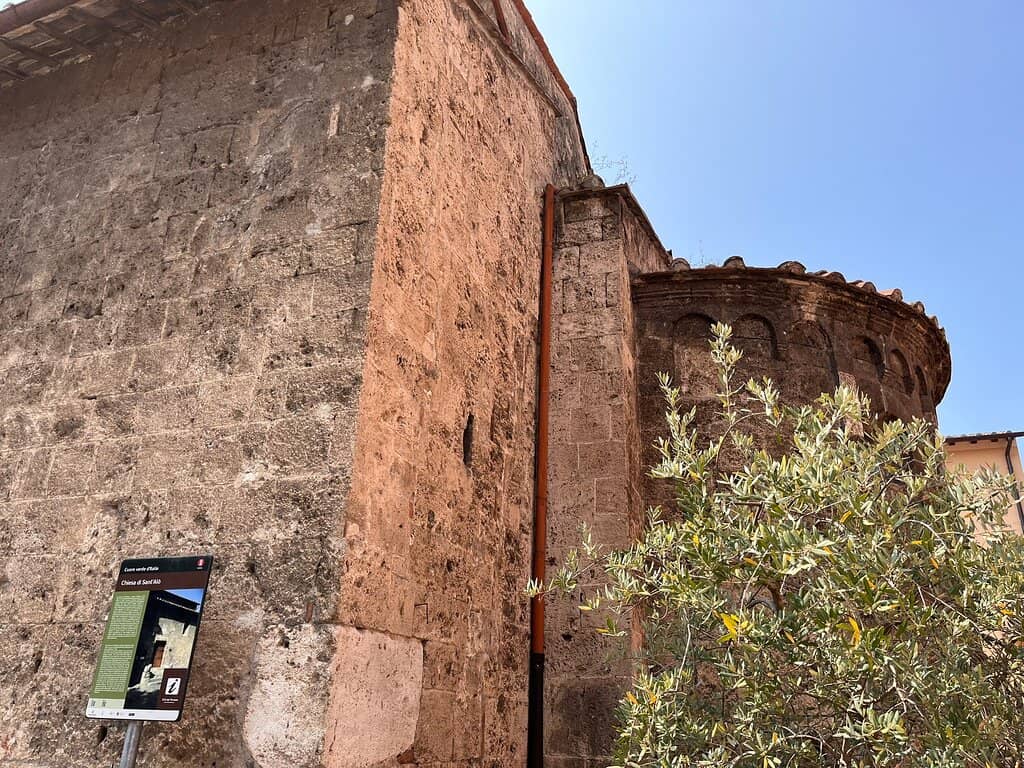
Admire the church's circular body, cylindrical dome, and expert stonework, a testament to its 11th-century origins.
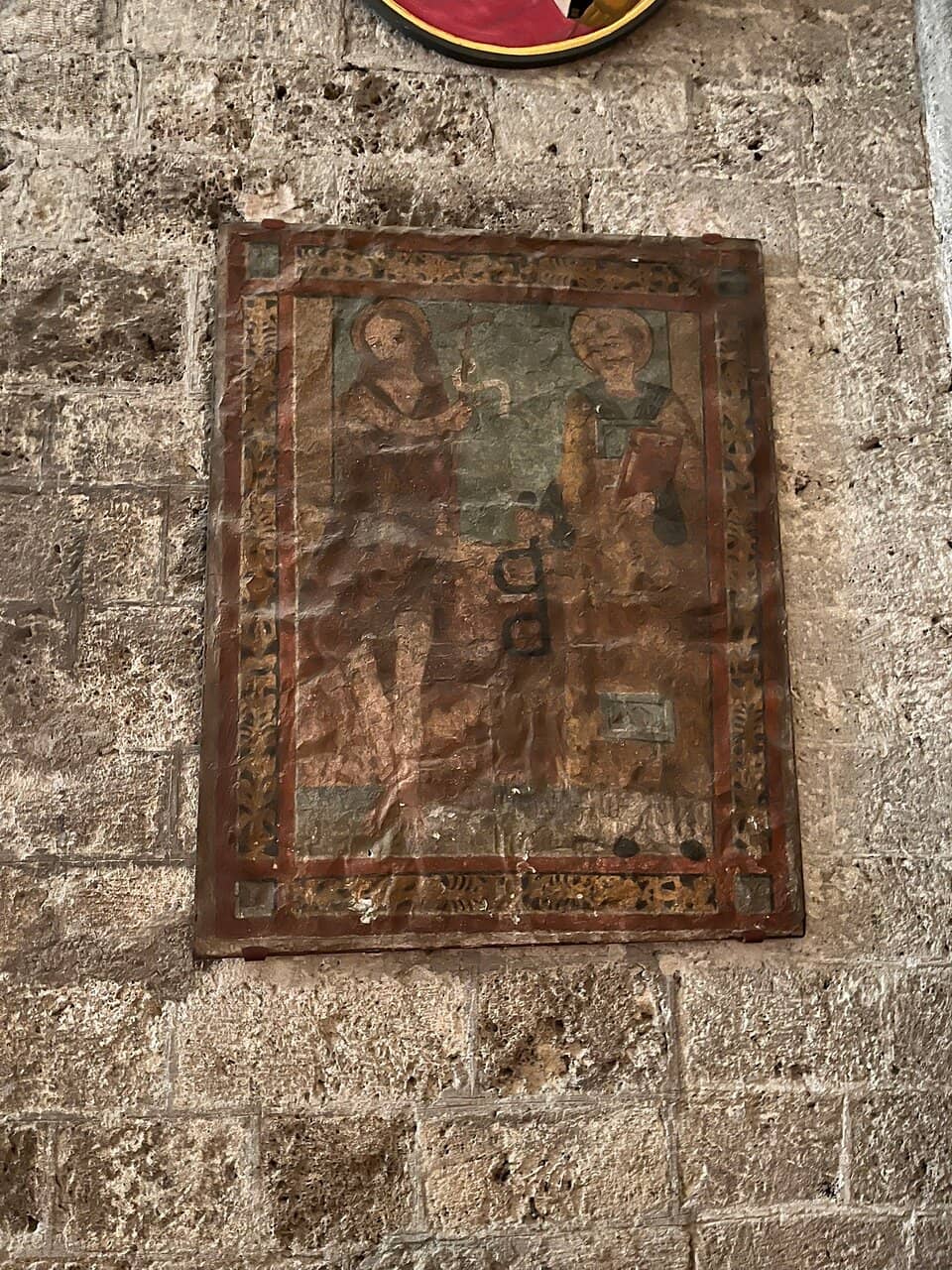
12th-Century Frescoes
Interior
Behold early frescoes influenced by the Sienese school, offering a rare glimpse into medieval art.
Enigmatic Presbytery and Apse
Interior
Ponder the mystery of the round presbytery and rectangular apse, whose exact function and date remain debated.
Plans like a pro.
Thinks like you
Planning Your Visit
Discover Terni's Oldest Gem
Timing Your Visit for Best Experience
Best Times
Insider Tips
from TikTok, Instagram & Reddit
Look for the hidden entrance
The church is slightly hidden, near Palazzo Spada. Keep an eye out for its unassuming facade! :round_pushpin:
Appreciate the stonework
Notice the precisely squared and aligned ashlars used in construction – a marvel of ancient techniques. :hammerandwrench:
Bring a good flashlight
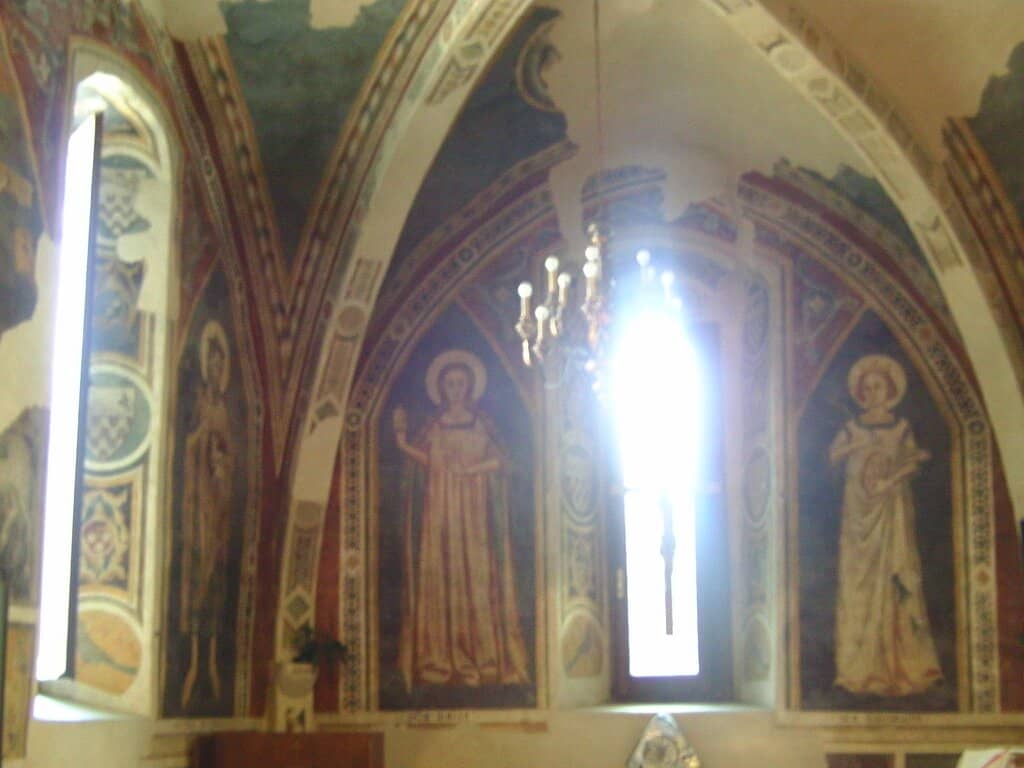
Some visitors note the lighting inside can be poor, making it hard to see the beautiful frescoes. 🔦
Combine with Palazzo Spada
It's conveniently located near Palazzo Spada, making it easy to visit both in one outing. 🗺️
Tips
from all over the internet
Look for the hidden entrance
The church is slightly hidden, near Palazzo Spada. Keep an eye out for its unassuming facade! :round_pushpin:
Appreciate the stonework
Notice the precisely squared and aligned ashlars used in construction – a marvel of ancient techniques. :hammerandwrench:
Bring a good flashlight
Some visitors note the lighting inside can be poor, making it hard to see the beautiful frescoes. 🔦
Combine with Palazzo Spada
It's conveniently located near Palazzo Spada, making it easy to visit both in one outing. 🗺️
What Travellers Say
Reviews Summary
Visitors praise the Chiesa di San Salvatore for its status as Terni's oldest monument and its unique Romanesque architecture, including the circular design and ancient stonework. The 12th-century frescoes are a highlight, offering a glimpse into medieval art. However, some find the interior lighting to be poor, making it difficult to fully appreciate the artworks.
"Beautiful frescoes, nearly impossible to see due to horrible lighting."
DAVID SNYDER
"Amen"
Valerio Caroli
"Slightly hidden from the center of Terni, but not far from Palazzo Spada, almost as if to protect and preserve its antiquity, there is a small church, the oldest in Terni, dating back to the 11th century (dating uncertain, because perhaps it is even older), and built on the site where the Lombard King Liutprand stipulated the peace of Terni with Pope San Zaccaria.
The site is very characteristic for its historicity and architectural beauty."
filomena sacco
What People Like
What People Dislike
Frequently Asked Questions
🚇 🗺️ Getting There
The Chiesa di San Salvatore is located in the historic center of Terni, not far from Palazzo Spada. It's easily accessible on foot if you're already in the city center. Public transport options can get you close to the main piazza, from where it's a short walk. 🚌
Parking in the historic center of Terni can be challenging. It's best to look for paid parking lots or street parking a short walk away from the church. 🚗
Given its ancient structure, accessibility might be limited. It's advisable to contact the local tourist office or church administration beforehand to inquire about specific access for wheelchairs. ♿
🎫 🎫 Tickets & Entry
Entry to the Chiesa di San Salvatore is typically free, as it is a functioning church. However, donations are always appreciated to help with its upkeep. :moneybag:
Opening hours can vary, especially as it's a place of worship. It's best to check with the local tourist information center or look for signs posted at the church for the most up-to-date hours. 🕐
While you can usually visit outside of mass times, it's respectful to avoid disturbing services. Check the schedule if possible, or be mindful of ongoing religious activities. 🙏
🎫 🏛️ Onsite Experience
This church is considered Terni's oldest monument, with parts potentially dating back to the early Christian era, though it's most firmly dated to the 11th century. It was built on a site where King Liutprand stipulated peace with Pope San Zaccaria. 📜
The church is known for its unique circular body, cylindrical dome, and expert stonework using precisely squared ashlars. It has a rectangular nave, a side chapel, and a round presbytery with a rectangular apse. :building_construction:
Yes, the church houses beautiful frescoes from the first half of the 12th century, influenced by the Sienese school. There's also a 16th-century Crucifixion from the Umbrian school in the apse. 🎨
Some visitors have noted that the lighting inside the church can be poor, making it difficult to fully appreciate the details of the ancient frescoes. Bringing a small flashlight might be helpful. 💡
One visitor described the church as looking 'more like a theater than a church' due to its unique circular design and dome structure, which is quite distinct from typical basilica layouts. :performing_arts:
Social
from TikTok, Instagram & Reddit