Castel Fiorentino Frederick II
The historic site where Emperor Frederick II died, offering a poignant glimpse into medieval history amidst breathtaking Puglian landscapes.
Highlights
Must-see attractions

Social
From TikTok & Reddit
Best Time
Golden hour for stunning views
Castel Fiorentino Frederick II
Best Time
Golden hour for stunning views
Highlights
Must-see attractions
The historic site where Emperor Frederick II died, offering a poignant glimpse into medieval history amidst breathtaking Puglian landscapes.
"A magical place.. out of time.. Going up you only hear the sound of the wind and you go back in history with your thoughts."
🚗 Drive with Caution
The road can be rough. Consider parking lower down and walking up to avoid getting stuck. 🚗
👟 Wear Sturdy Shoes
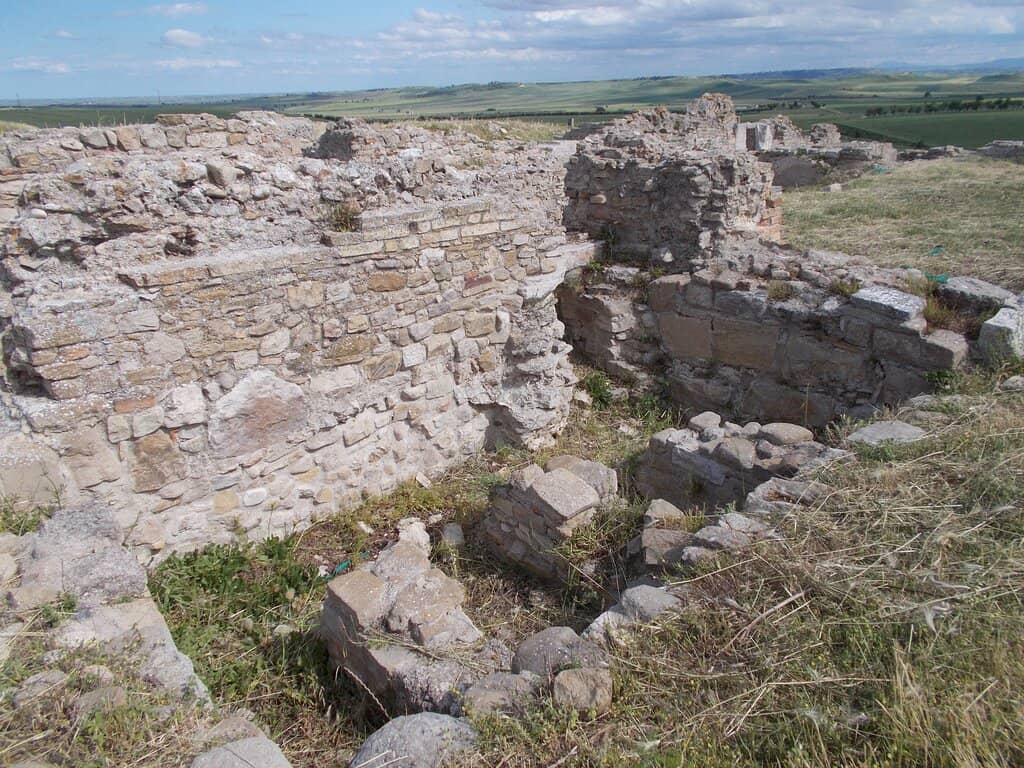
The terrain is uneven and overgrown. Comfortable walking shoes are a must for exploring the ruins. :athletic_shoe:
Quick Facts
Rating
4.5 · 139 reviews
Type
Historical Place
Highlights
Discover the most iconic attractions and experiences
Frederick II's Death Site
The very spot where the Holy Roman Emperor Frederick II breathed his last in 1250. A place steeped in medieval history.
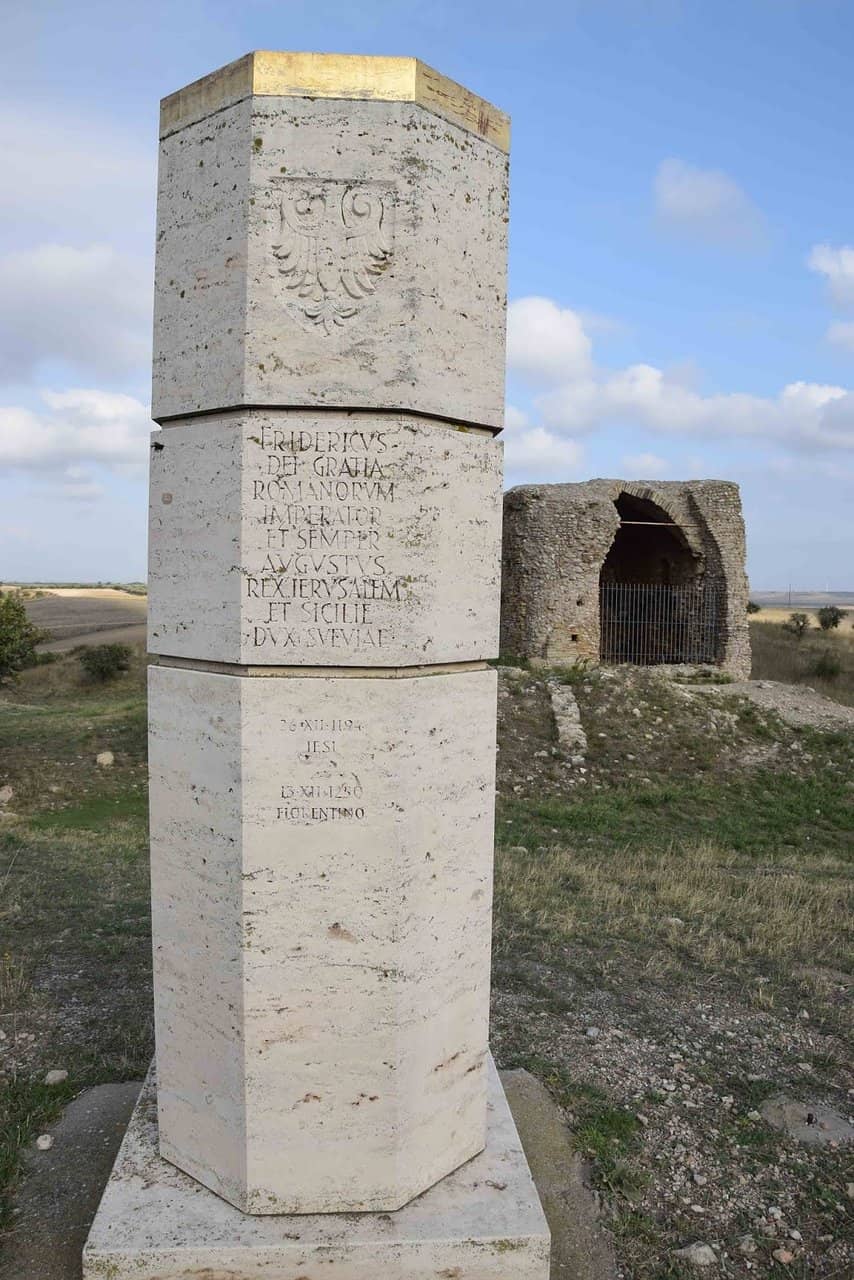
Octagonal Stele
A modern monument commemorating the Hohenstauffen dynasty, crowned with a golden belt, marking the historical significance.
Breathtaking Puglian Landscape
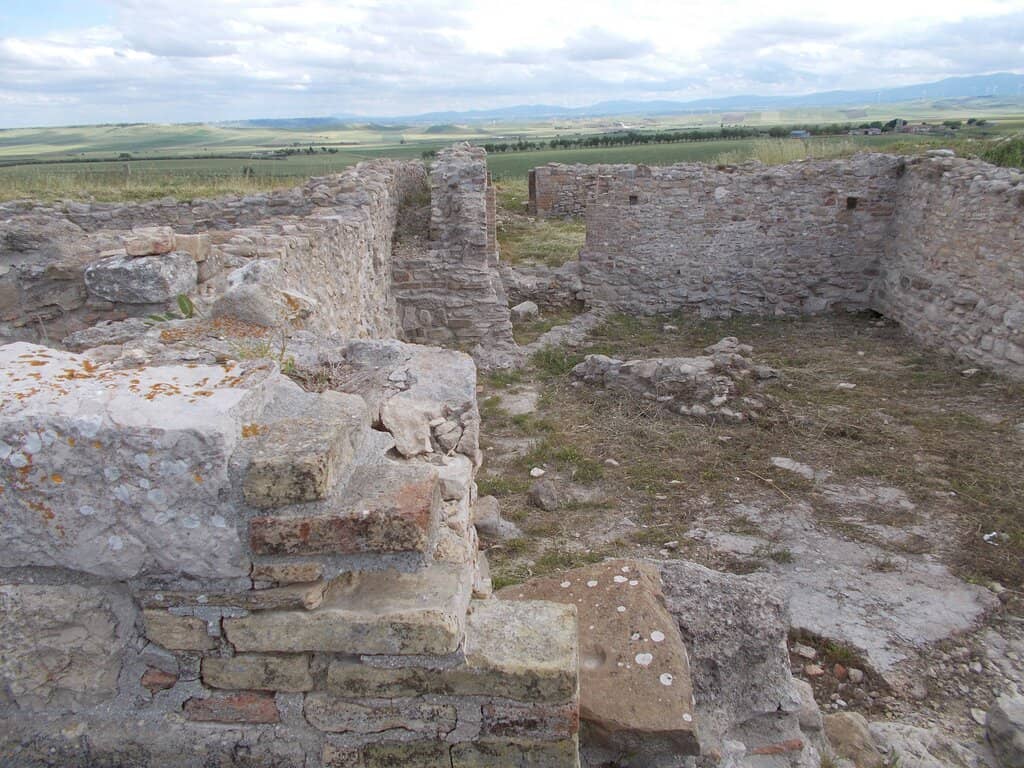
Enjoy stunning panoramic views of the sun-drenched countryside, especially captivating at sunset.
Plans like a pro.
Thinks like you
Planning Your Visit
Access & Condition
Historical Significance
Best Times
Insider Tips
from TikTok, Instagram & Reddit
🚗 Drive with Caution
The road can be rough. Consider parking lower down and walking up to avoid getting stuck. 🚗
👟 Wear Sturdy Shoes
The terrain is uneven and overgrown. Comfortable walking shoes are a must for exploring the ruins. :athletic_shoe:
💧 Bring Water
Especially in warmer months, stay hydrated as there are no facilities on site. :droplet:
🧐 Appreciate the History
This is a place for contemplation. Imagine the events that unfolded here centuries ago. 📜
Tips
from all over the internet
🚗 Drive with Caution
The road can be rough. Consider parking lower down and walking up to avoid getting stuck. 🚗
👟 Wear Sturdy Shoes
The terrain is uneven and overgrown. Comfortable walking shoes are a must for exploring the ruins. :athletic_shoe:
💧 Bring Water
Especially in warmer months, stay hydrated as there are no facilities on site. :droplet:
🧐 Appreciate the History
This is a place for contemplation. Imagine the events that unfolded here centuries ago. 📜
📸 Sunset Views
The panorama is spectacular at sunset. Bring your camera for unforgettable photos. :camerawithflash:
What Travellers Say
Reviews Summary
Castel Fiorentino is a historically profound site, offering a glimpse into the death of Emperor Frederick II and the remnants of a significant medieval settlement. Visitors are captivated by the breathtaking Puglian landscape and the poignant atmosphere of the ruins. However, the site suffers from a severe lack of maintenance, with overgrown vegetation and poor road access detracting from the experience.
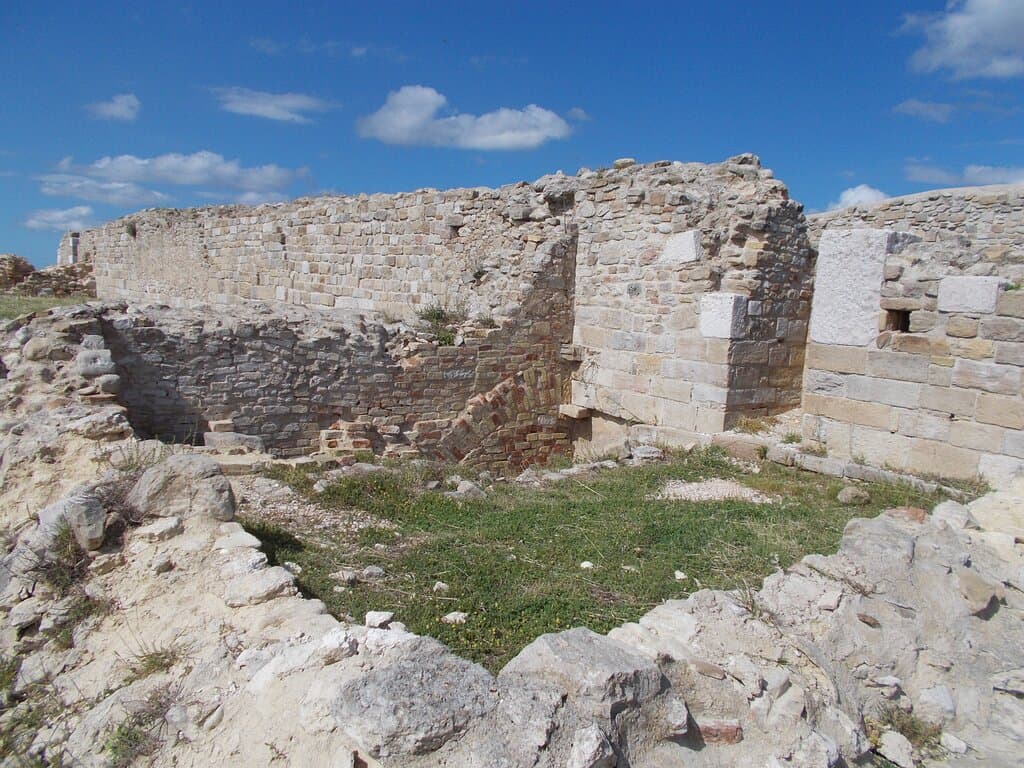
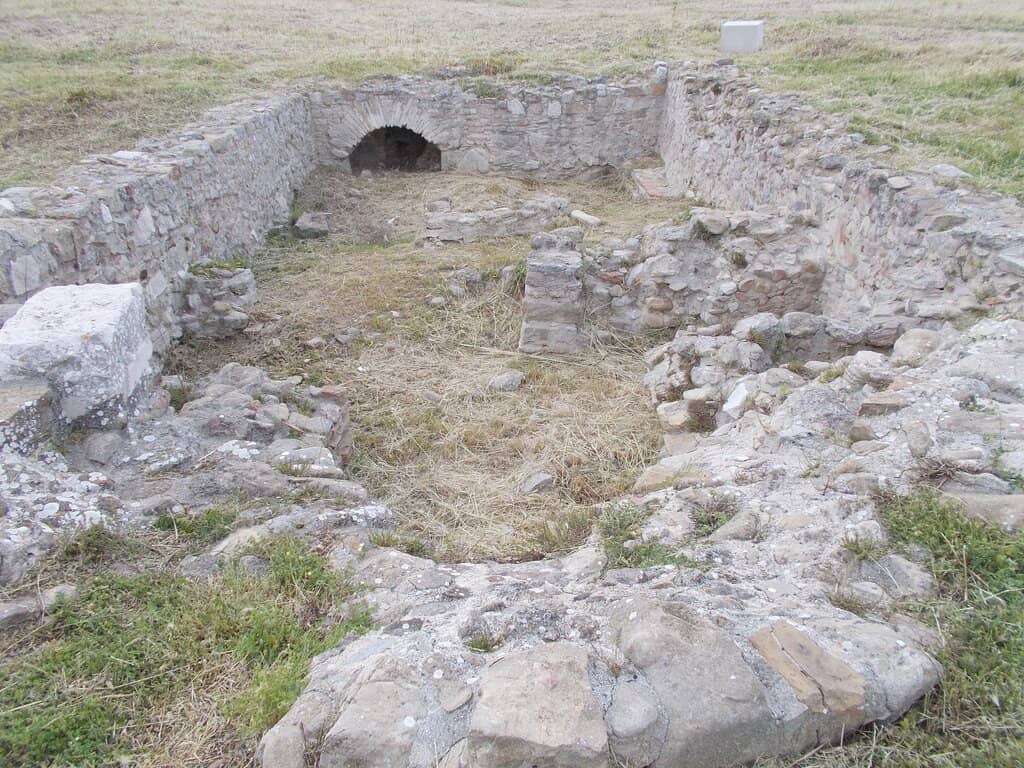
"An exceptional site, embedded in a breathtaking Puglian landscape, the place of death of Federico II, the emperor, king of both Sicilies, Jerusalem and leader of the Swabians after he fell sick during a hunting expedition. His extraordinary life ended there in December 1250. Fiorentino had been a bishop‘s see with church and cathedral and a domus of Federico II. The ruins of these sites can still be seen. In 1255 troops of the pope attacked the site and the inhabitants moved to Torremagiore. In the centuries to come the inhabitants used Fiorentino as stone pit for building and decorating Torremagiore. Futher the table of Federico II serves now as altar in the cathedral of Lucera.
In 2000 a stele in reminiscence of the house of Hohenstauffen got erected which is in octogon shape and crowned with a golden belt on top. Until 1990’s also archeological efforts were done there.
Clearly negative is that this site is overall not taken care of. Grass is growing on the archeological sites, relevant evidences are not protected. The way to the site is not signposted and the street up to Fiorentino is not taken care of and adventurously dangerous for regular cars. The small parking site is messy and polluted.
The 4 stars go to the site for its value and what was done until around year 2000. Further the view is breathtaking. The mentioned negative points shall be taken care of, it is shameful, unfortunately there is no other word for it."
Martin Boehm
"The place is for those who know"
Portiner Sofia
"Visiting Castel Fiorentino means stepping back in time, to a corner of Puglia where history isn't just told... it's lived. Here, amidst the rolling countryside stretching as far as the eye can see, lies the site where Frederick II of Swabia, one of the most fascinating figures of the Middle Ages, found his final resting place.
The place exudes a unique atmosphere: essential, quiet, almost mystical. There are no theatrical effects, but this very simplicity makes everything more authentic.
A site absolutely worth a visit, not only for medieval enthusiasts, but for anyone wishing to experience a moment of pure beauty, blended with memory, culture, and awe. A small gem that recounts one of the most important chapters of medieval Italy."
Mario Capobianco
What People Like
What People Dislike
Frequently Asked Questions
🚇 🗺️ Getting There
Castel Fiorentino is located in the countryside near Torremaggiore. The road leading up can be challenging for standard vehicles. Many visitors recommend parking on the main road and walking the rest of the way to avoid potential issues with the adventurous path. 🚗 🚶
The road is described as 'adventurously dangerous' and not well-maintained. It's advisable to use caution or opt for walking from a lower point. ⚠️
Signage is limited. A large stone stele with a carved eagle and Latin inscription may indicate the turn-off, but it's easy to miss. :mag_right:
Public transport options are scarce for this remote historical site. It's best accessed by private vehicle, with the caveat of the road conditions. 🚌
The nearest town is Torremaggiore, where inhabitants historically used Fiorentino as a stone quarry. 🏠
🎫 🎫 Tickets & Entry
There are no admission fees mentioned for Castel Fiorentino. It appears to be an open historical site. 🎟️
As an archaeological ruin, there are no set opening hours. Visitors can typically access the site during daylight hours. :clock1:
No entrance fee is typically associated with visiting the ruins of Castel Fiorentino. :moneywithwings:
Yes, the site is generally accessible year-round, though weather conditions might affect the road's condition. 📅
No booking is required as it's an open historical site. 📋
🎫 🧭 Onsite Experience
You can see the ruins of Frederick II's residence and a former bishop's see, along with an octagonal stele commemorating the Hohenstauffen dynasty. The panoramic views are also a major draw. :ruins:
Unfortunately, reviews indicate that the site is not well-maintained. Grass grows on the archaeological sites, and evidence is not well-protected. 😢
Most notably, Emperor Frederick II died here in December 1250 after falling ill during a hunting expedition. The site was also a bishop's see and imperial domus. 👑
No, there are no facilities on-site. Visitors should come prepared with water and any other necessities. 🚽
Wear sturdy shoes and take your time to wander through the remnants. Imagine the history that unfolded here. 🚶
📸 📸 Photography
The panoramic views of the Puglian countryside, especially at sunset, are spectacular. The octagonal stele also makes for an interesting subject. :camerawithflash:
Absolutely. The expansive views of the rolling hills and agricultural landscape offer fantastic opportunities for landscape photographers. :mountain_snow:
Drone regulations vary by region in Italy. It's advisable to check local drone laws and obtain any necessary permits before flying. :drone:
Late afternoon, leading into sunset, provides the best light for photography, casting a warm glow over the landscape and ruins. :city_sunset:
The octagonal stele and the remnants of the ancient structures are key photographic points, alongside the sweeping vistas. :building_construction:


Social
from TikTok, Instagram & Reddit