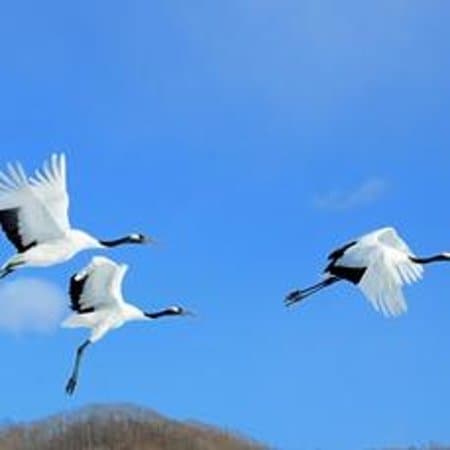
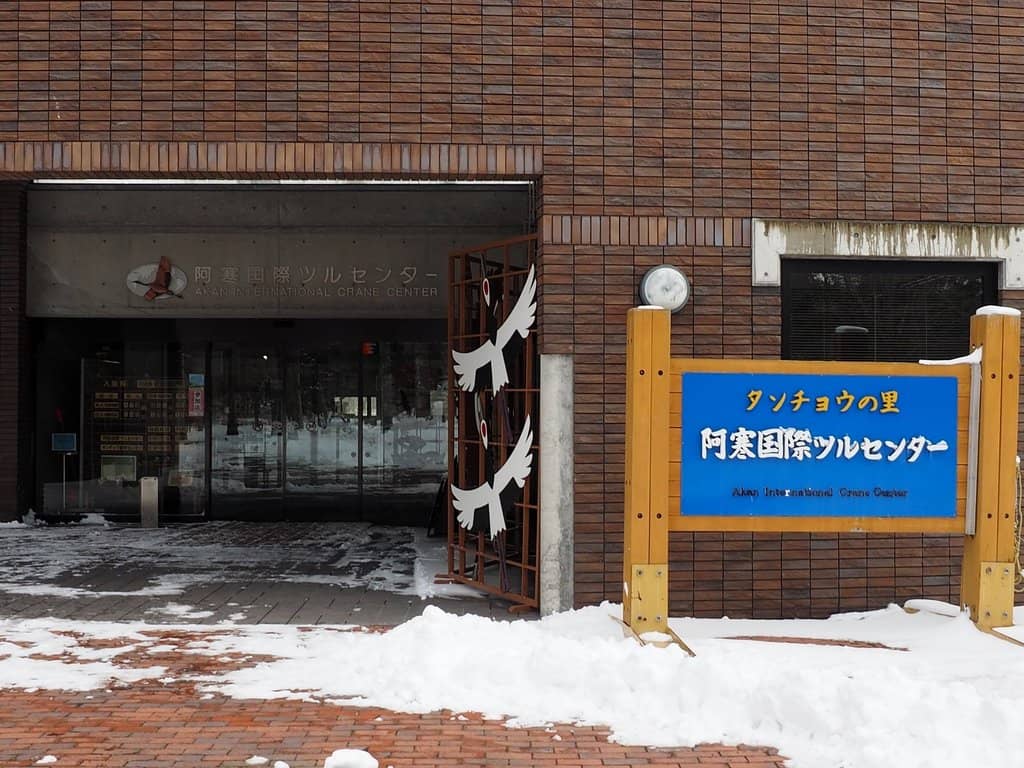
Akan International Crane Center
Dedicated to the conservation of the iconic red-crowned crane, offering close-up views and educational insights into these endangered birds.
Highlights
Must-see attractions

Social
From TikTok & Reddit
Best Time
Migratory cranes arrive
Akan International Crane Center
Best Time
Migratory cranes arrive
Highlights
Must-see attractions
Dedicated to the conservation of the iconic red-crowned crane, offering close-up views and educational insights into these endangered birds.
"A must-visit for bird lovers, especially in winter for the best chance to see these magnificent creatures."
🎯 Winter is Peak Crane Season
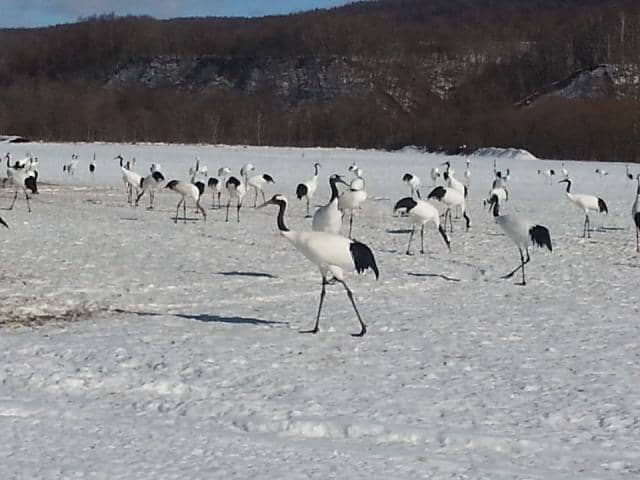
Wild red-crowned cranes migrate to Hokkaido in winter. Visit then for the best chance to see them!
📸 Wire Barriers Can Be Tricky
Getting clear photos can be challenging due to wire barriers. Try different angles or visit during less crowded times.
Quick Facts
Hours
Rating
4.1 · 724 reviews
Type
Museum
Highlights
Discover the most iconic attractions and experiences
Red-Crowned Cranes in Captivity
Enclosures within the center
Observe the majestic red-crowned cranes up close in their dedicated enclosures. A truly iconic sight for bird enthusiasts.
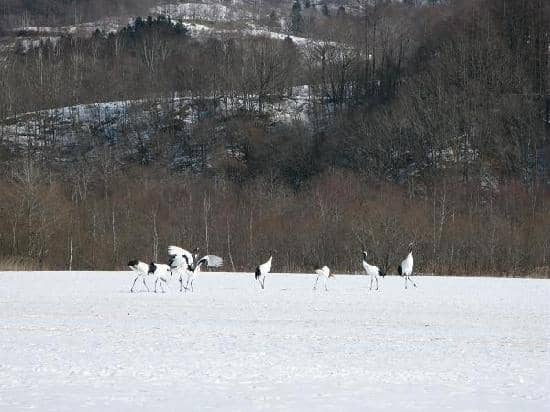
Feeding Site Observations
Designated feeding areas
Witness the cranes during feeding times, a dynamic spectacle of their natural behavior and social interactions.
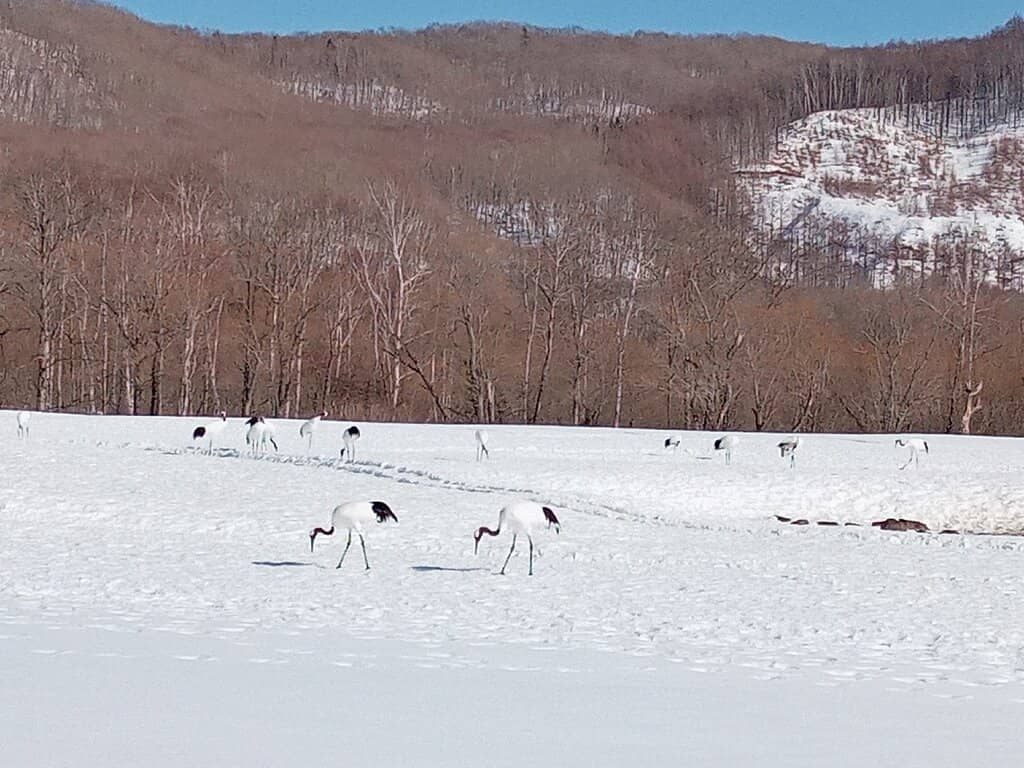
Kushiro Marshland Views
Near the center
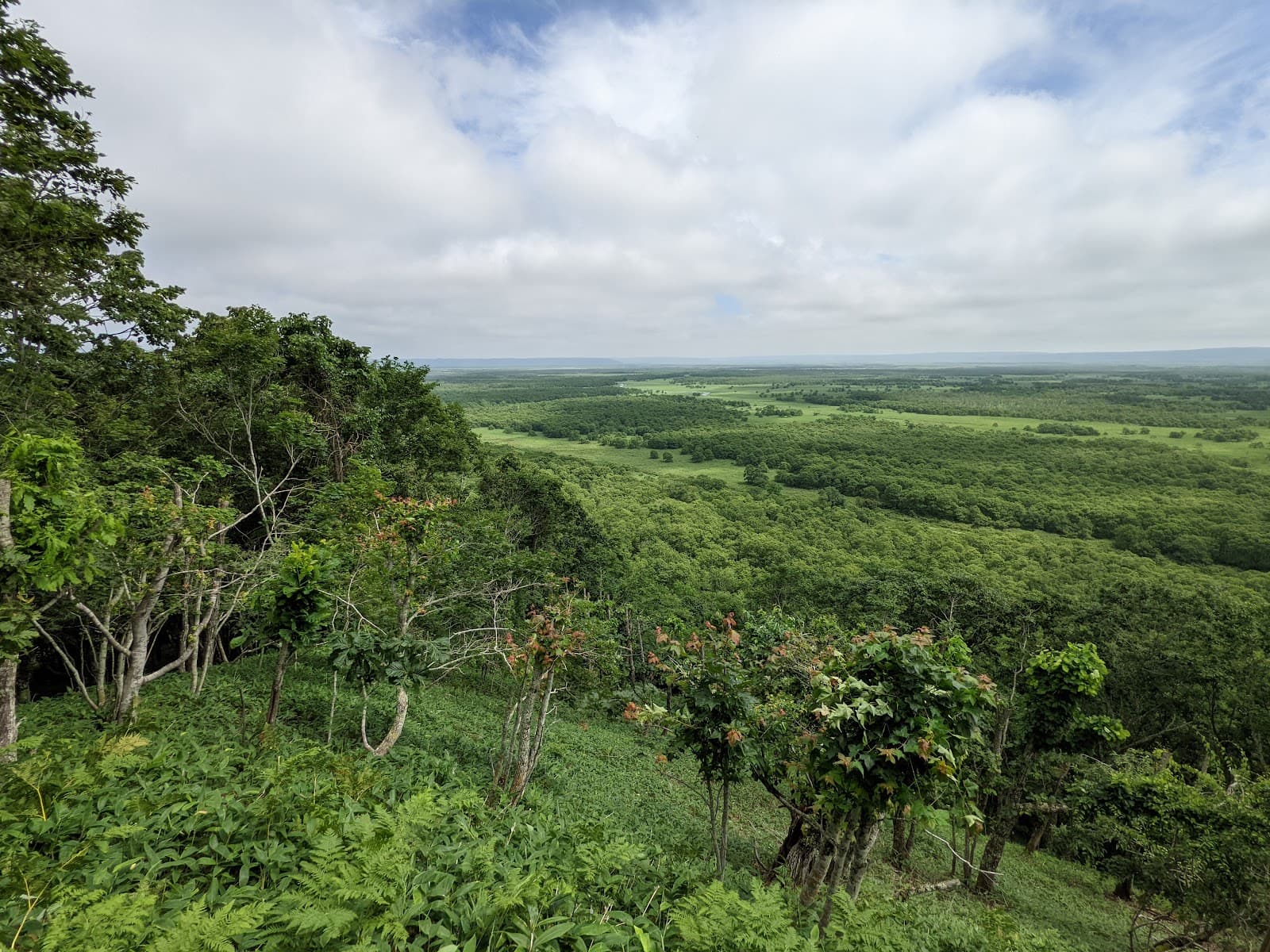
Enjoy scenic views of the vast Kushiro Marshland, a vital habitat for these magnificent birds and other wildlife.
Plans like a pro.
Thinks like you
Planning Your Visit
Timing is Everything for Crane Sightings
Plan Your Visit Beyond the Center
Best Times
Insider Tips
from TikTok, Instagram & Reddit
🎯 Winter is Peak Crane Season
Wild red-crowned cranes migrate to Hokkaido in winter. Visit then for the best chance to see them!
📸 Wire Barriers Can Be Tricky
Getting clear photos can be challenging due to wire barriers. Try different angles or visit during less crowded times.
🎟️ Combo Tickets Available
Consider a bundle package if you plan to visit the Marsh Observatory along with the crane center.
☀️ Avoid Midday Heat
Cranes may seek shade during hot days. Early mornings or late afternoons can offer better viewing opportunities.
Tips
from all over the internet
🎯 Winter is Peak Crane Season
Wild red-crowned cranes migrate to Hokkaido in winter. Visit then for the best chance to see them!
📸 Wire Barriers Can Be Tricky
Getting clear photos can be challenging due to wire barriers. Try different angles or visit during less crowded times.
🎟️ Combo Tickets Available
Consider a bundle package if you plan to visit the Marsh Observatory along with the crane center.
☀️ Avoid Midday Heat
Cranes may seek shade during hot days. Early mornings or late afternoons can offer better viewing opportunities.
🚶♀️ Explore Beyond Captivity
While the center has captive cranes, other areas offer chances to spot them in the wild.
What Travellers Say
Reviews Summary
Visitors find the Akan International Crane Center a worthwhile destination, especially for its conservation efforts and the chance to see red-crowned cranes. While some enclosures can be challenging for photography due to barriers, the informative displays and the beauty of the birds are consistently praised. The best experience is often during winter when wild cranes migrate, though captive birds are visible year-round.
"Good place to drive out to the place but nothing much to see. There were only three enclosures to see the cranes. Can’t take clear picture due to wired barrier in between and other one were hiding inside the shade due to heat in the day we visited. It would be a good place to visit in winters when migrating birds also lands here. There are good spots to set up your camera inside and click the pics when the snow is covered in winters. The staff is friendly and knowledgeable but if the birds are not there then it’s a waste of driving out to the place so far."
Ravish M
"My visit coincided with the off-season, we could see a few flying pass.
It's important to note that if you're planning a visit specifically to see the cranes, it would be best to research the appropriate time of year to ensure you catch a glimpse of these graceful birds.
Do note that are also other areas to observe the cranes .
Entrance fee is 480 yen to this place , and there is also a bundle package if you decide to visit the Marsh Observatory ."
Jamie Loh
"We are in the off season so focused more on the cranes in captivity. One of the cranes looked really stressed out with its beak deformed from all the squeezing it is doing on the fence. There's also a pair of red crowned crane with netting above them and curiously one without; which we learnt that the crane was born in captivity (and actually not a good idea to release it into the wild) and has it's feathers removed such that it can't take flight, probably since it's birth.
The facilities in the center look a little old (though informative enough) and there's also a small children's play area.
Overall an interesting area to see the cranes in captivity."
Rtexal Tan
What People Like
What People Dislike
Frequently Asked Questions
🚇 🗺️ Getting There
The center is accessible by car, offering a scenic drive through Hokkaido. Public transport options might be limited, so checking bus schedules in advance is recommended. Some visitors mention missing buses and facing long waits, so planning is key.
It's located in Kushiro City, which is a significant distance from Sapporo. Many visitors make it a day trip or part of a larger Hokkaido itinerary. Consider renting a car for flexibility.
There are parking facilities available for visitors arriving by car. This is a convenient option, especially if you're exploring other parts of the Kushiro Marshland.
Yes, guided tours are available and can enhance your experience by providing local insights and ensuring you don't miss key viewing opportunities.
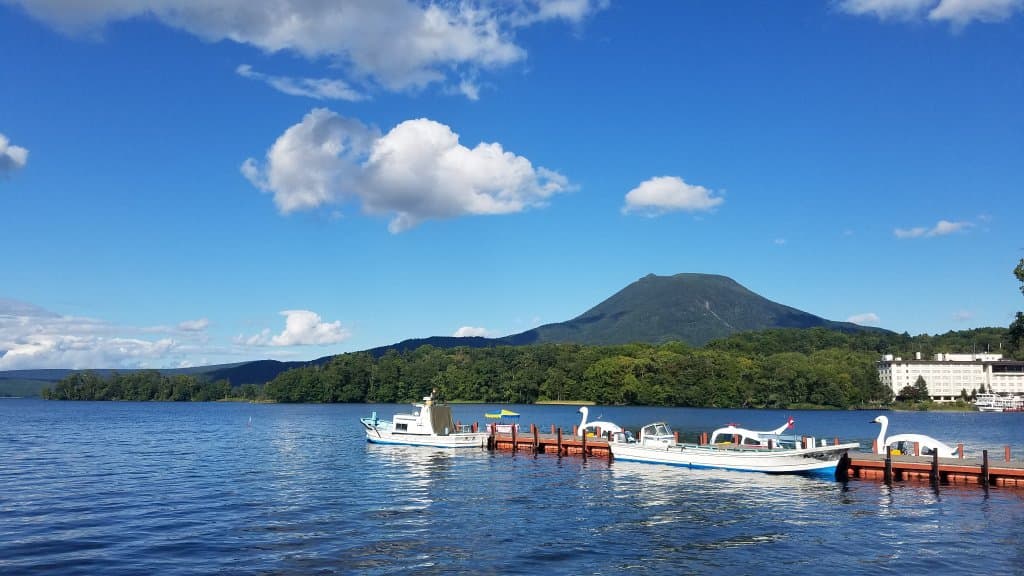
Absolutely! The center is close to Lake Akan and the Kushiro Marshland Observatory, making it easy to create a full day of exploration.
🎫 🎫 Tickets & Entry
The entrance fee is approximately 480 yen. Bundle packages are available if you plan to visit other nearby attractions like the Marsh Observatory.
Advance booking is generally not required for the Akan International Crane Center. You can typically purchase tickets upon arrival.
Operating hours can vary seasonally. It's best to check the official website or contact the center directly for the most up-to-date information on opening and closing times.
Cranes are often most active in the early morning and late afternoon. Feeding times are also a great opportunity to see them engaged. 
Information on discounts is not widely available, but bundle packages for multiple attractions might offer savings. It's worth inquiring at the ticket counter.
📸 📸 Photography Tips
Look for areas with clear sightlines to the enclosures. Some visitors mention wire barriers can be challenging, so experimenting with angles is key. Winter snow can create beautiful backdrops.
A telephoto lens is highly recommended to capture details of the cranes from a distance. A tripod can also be helpful for stability, especially in low light conditions.
While some enclosures have barriers, you can often get reasonably close. The feeding times offer dynamic opportunities for action shots.
Generally, photography for personal use is allowed. However, always be mindful of other visitors and avoid using flash if it might disturb the birds.
The 'golden hours' – early morning and late afternoon – offer beautiful soft light for photography. This is also when cranes tend to be more active.
ℹ️ ❓ General Information
It's primarily known for its efforts in conserving and breeding the endangered red-crowned crane (Tancho). Visitors can observe these magnificent birds up close.
While the focus is on red-crowned cranes, the surrounding marshland is rich in biodiversity, and you might spot other local bird species.
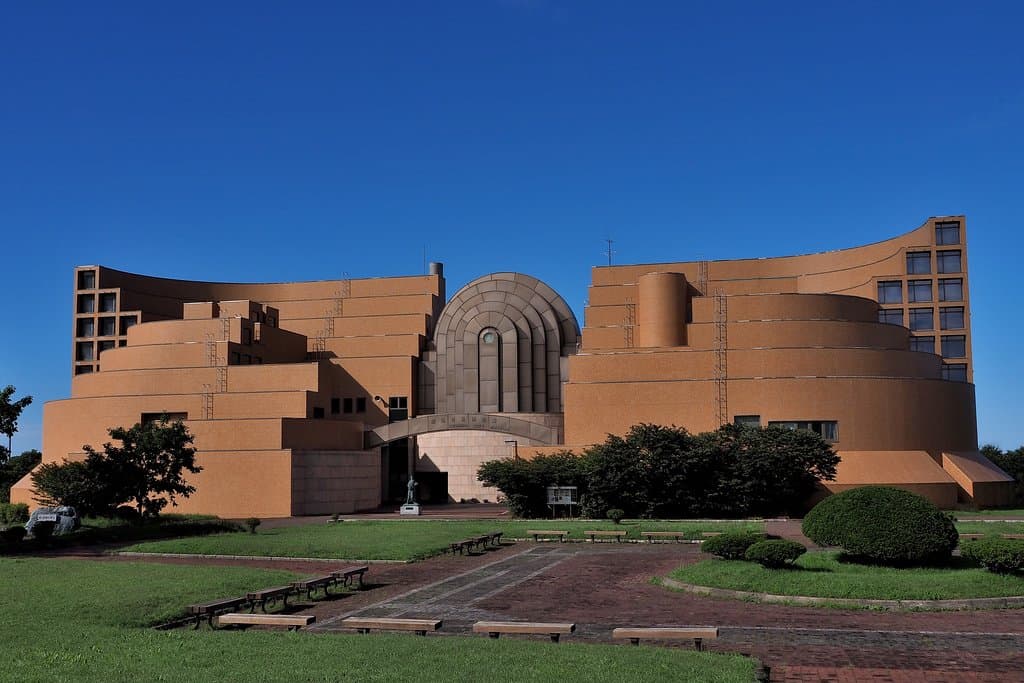
Yes, there is an informative museum where you can learn more about the red-crowned cranes, their conservation, and the local ecosystem.
The center typically has restrooms and sometimes a small play area for children. Informative displays are also available.
Information on accessibility can vary. It's advisable to contact the center directly to inquire about specific facilities and pathways for visitors with mobility challenges.

Social
from TikTok, Instagram & Reddit