Hokkaido Museum of Northern Peoples
Explore the rich heritage of indigenous peoples from Hokkaido, the Arctic, and beyond. A journey through diverse northern cultures.
Highlights
Must-see attractions

Social
From TikTok & Reddit
Best Time
Fewer crowds, more peaceful exploration
Hokkaido Museum of Northern Peoples
Best Time
Fewer crowds, more peaceful exploration
Highlights
Must-see attractions
Explore the rich heritage of indigenous peoples from Hokkaido, the Arctic, and beyond. A journey through diverse northern cultures.
"A beautiful museum presenting the lives and cultures of various northern native peoples. "
🎯 Check for Discounts
Look for a ¥50 discount on their website before you visit.
👟 Wear Comfortable Shoes
You'll be doing a lot of walking and standing to explore the exhibits.
Quick Facts
Hours
Rating
4.3 · 982 reviews
Type
Museum
Highlights
Discover the most iconic attractions and experiences
Ainu Culture
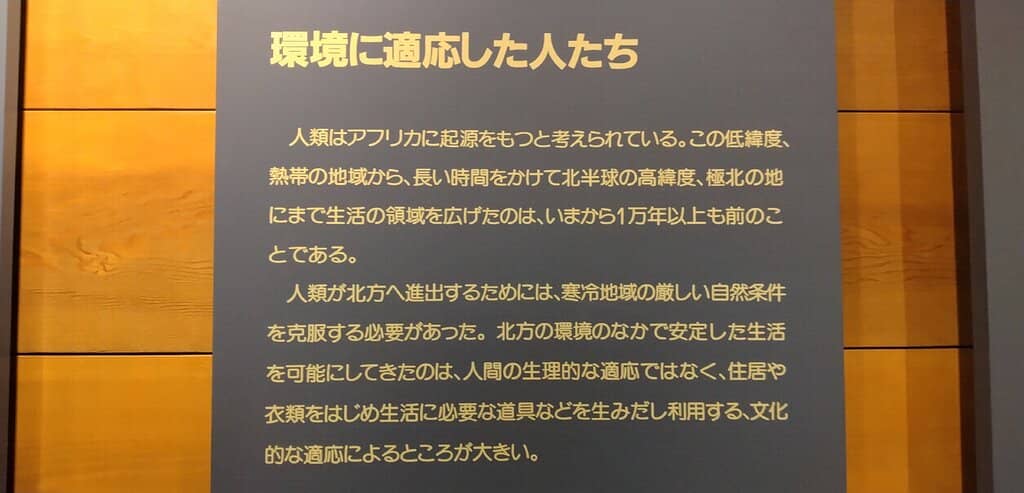
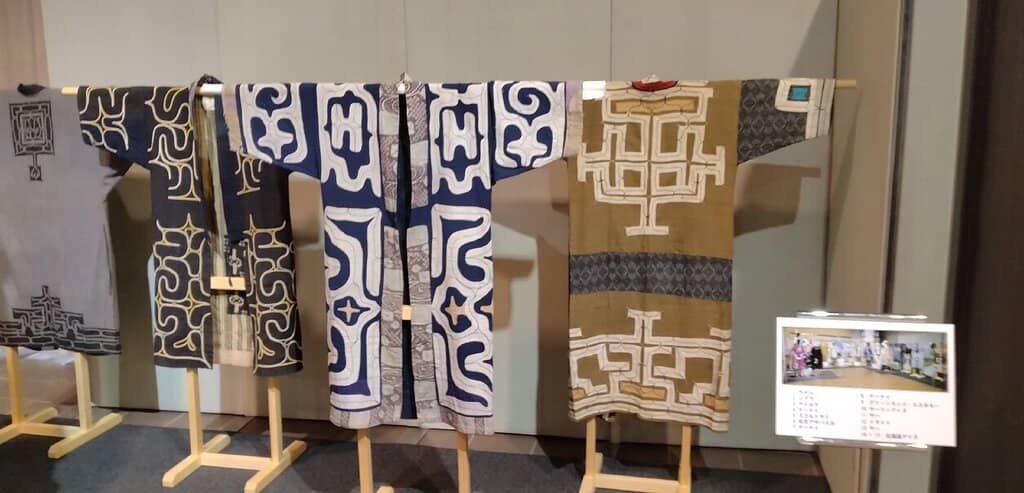
Discover the unique traditions, art, and history of Hokkaido's indigenous Ainu people.
Arctic Indigenous Peoples
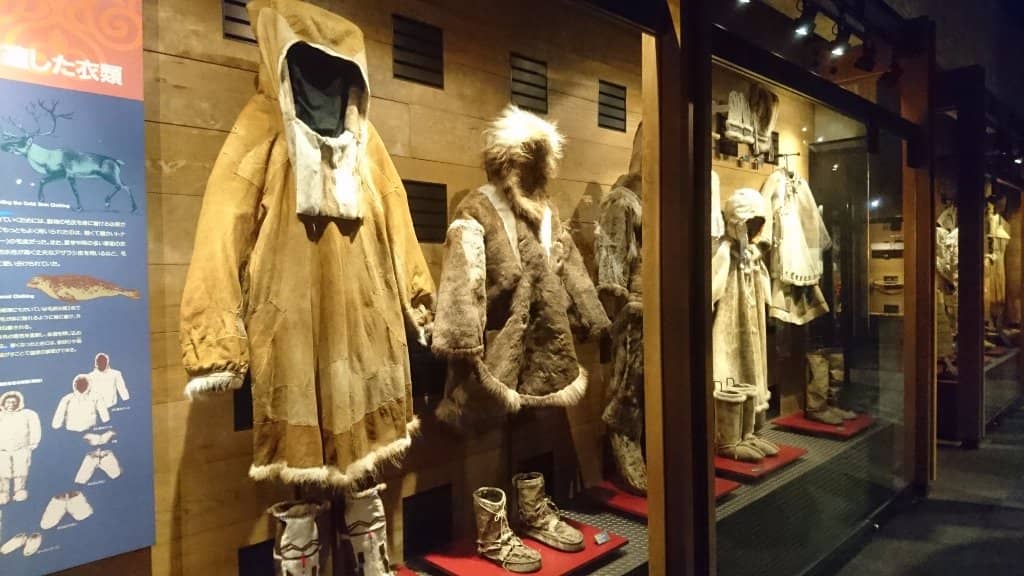
Explore the lives and customs of the Inuit, Sámi, and other northern communities.

Northern Peoples' Art
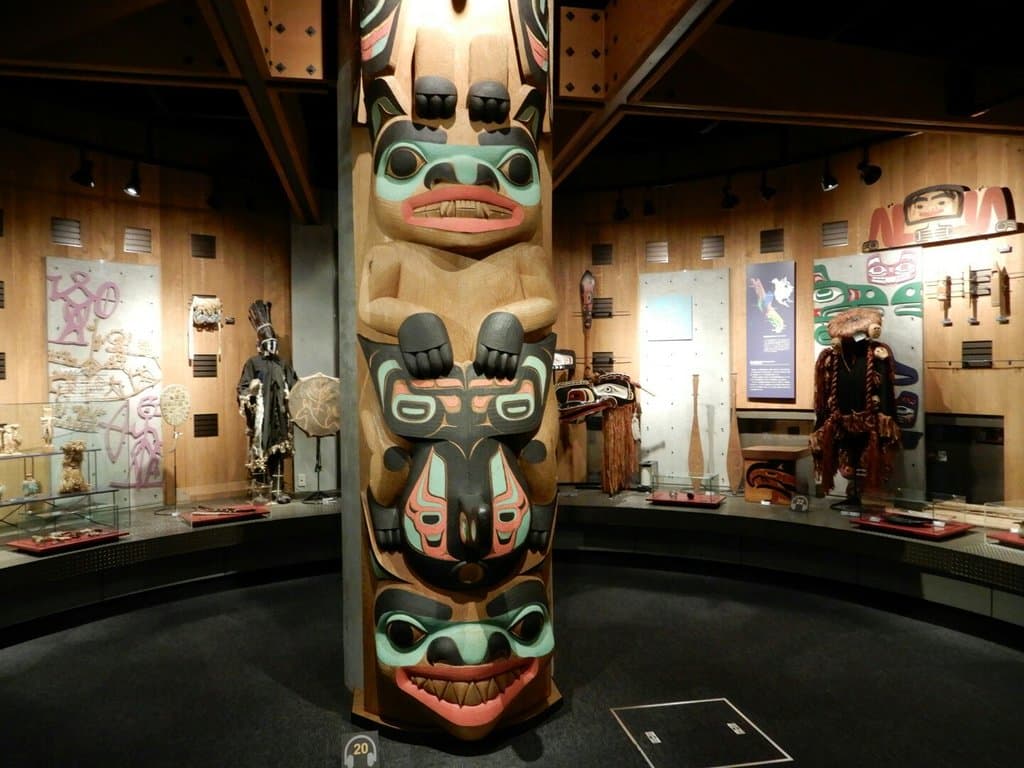
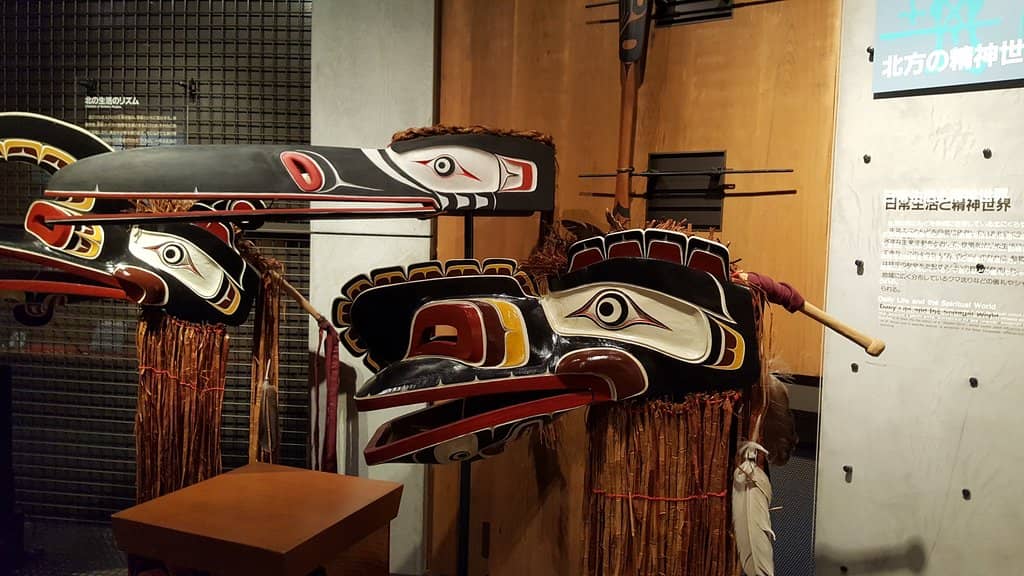
Admire intricate carvings, textiles, and artifacts that showcase the artistic heritage of northern civilizations.
Plans like a pro.
Thinks like you
Planning Your Visit
Understand the Scope
Timing is Key
Best Times
Insider Tips
from TikTok, Instagram & Reddit
🎯 Check for Discounts
Look for a ¥50 discount on their website before you visit.
👟 Wear Comfortable Shoes
You'll be doing a lot of walking and standing to explore the exhibits.
📱 Use Touchscreens
Many exhibits feature touchscreens with English information for better understanding.
📸 Respectful Photography
Check for any restrictions on photography within the museum.
Tips
from all over the internet
🎯 Check for Discounts
Look for a ¥50 discount on their website before you visit.
👟 Wear Comfortable Shoes
You'll be doing a lot of walking and standing to explore the exhibits.
📱 Use Touchscreens
Many exhibits feature touchscreens with English information for better understanding.
📸 Respectful Photography
Check for any restrictions on photography within the museum.
What Travellers Say
Reviews Summary
Visitors find the Hokkaido Museum of Northern Peoples to be an informative and visually engaging experience, offering a deep dive into the cultures of indigenous peoples from across the northern hemisphere. While some English translations are noted as dated, the breadth of exhibits, including Ainu, Inuit, and Sámi traditions, is highly praised. The free observation deck with city views is an unexpected bonus.
"A small yet beautifully curated museum dedicated to the northern peoples. It’s fascinating to see how simple materials were ingeniously transformed into survival tools, all while maintaining a sense of artistic beauty. The craftsmanship and attention to detail in every artifact on display are truly moving. Definitely worth a visit — highly recommended!"
Ayaki Aron Hortz
"We didn't have time for the museum but went to level 3 for the observation deck (free) and this is a hidden gem.
The views of the district are stunning! Lots of parking and amazing views."
Karl Chong
"A really beautiful museum. The whole exhibition is arranged in an entertaining and informative way. It doesn't just include Ainu, but Inuit and many other norther indigenous people. Unfortunately some of the wording in the English is a bit out of date.
We were completely alone in the museum. It was a calm and wonderful experience."
Gina Hara
What People Like
What People Dislike
Frequently Asked Questions
🚇 🗺️ Getting There
The museum is located in Abashiri. You can reach Abashiri by train or bus from major cities in Hokkaido. From Abashiri Station, it's a short taxi ride or a bus journey to the museum.
Yes, there is ample parking available at the museum, making it convenient for visitors arriving by car.
Opening hours can vary, so it's best to check the official website for the most up-to-date information on daily opening and closing times.
While specific accessibility details should be confirmed with the museum, many modern Japanese museums strive to be accessible. Inquire directly for detailed information.
The museum offers coin lockers for visitors to store their belongings, so you can explore the exhibits unencumbered.
🎫 🎫 Tickets & Entry
Admission fees are generally reasonable. Look for potential discounts, such as a ¥50 off coupon often available on their website.
Advance booking is usually not required for general admission, but it's always a good idea to check the museum's policy, especially during peak seasons.
The museum occasionally hosts special exhibitions, such as those on sturgeons and salmon, so check their schedule for current offerings.
Information on specific group discounts should be verified on the museum's official website or by contacting them directly.
Typically, re-entry policies vary by museum. It's advisable to inquire at the ticket counter if you plan to leave and return on the same day.
🎫 🧭 Onsite Experience
Expect a comprehensive display of artifacts, videos, and interactive touchscreens detailing the cultures of the Ainu, Inuit, Sámi, and other northern indigenous peoples.
Yes, many exhibits include touchscreens with English information, though some translations might be slightly dated.
Most visitors spend around 90 minutes to fully explore the museum's collections.
Photography policies can vary, so check for signage or ask staff. Some areas might have restrictions.
The museum can be quiet, with some visitors reporting having it almost to themselves, especially on weekdays.
🍽️ 🍽️ Food & Dining
No, there is no cafe or restaurant on-site. Visitors are advised to plan their meals before or after their visit.
Yes, vending machines are available within the museum for snacks and drinks.
While outside food and drinks might be restricted inside the exhibition halls, check for designated areas if available.
Abashiri offers various local restaurants and eateries. You can find options ranging from casual to more formal dining experiences.
Abashiri is known for its seafood, particularly crab and salmon. Exploring local izakayas or sushi restaurants is recommended.
📸 📸 Photography
Photography rules can vary. Look for signs indicating where photos are permitted and where they are not.
Flash photography is often prohibited in museums to protect artifacts from light damage. Always check the museum's policy.
The intricate carvings, traditional clothing, and unique artifacts offer many visually interesting opportunities for photography.
The museum's lighting is designed for exhibit viewing. Natural light is limited, so focus on capturing the details of the displays.
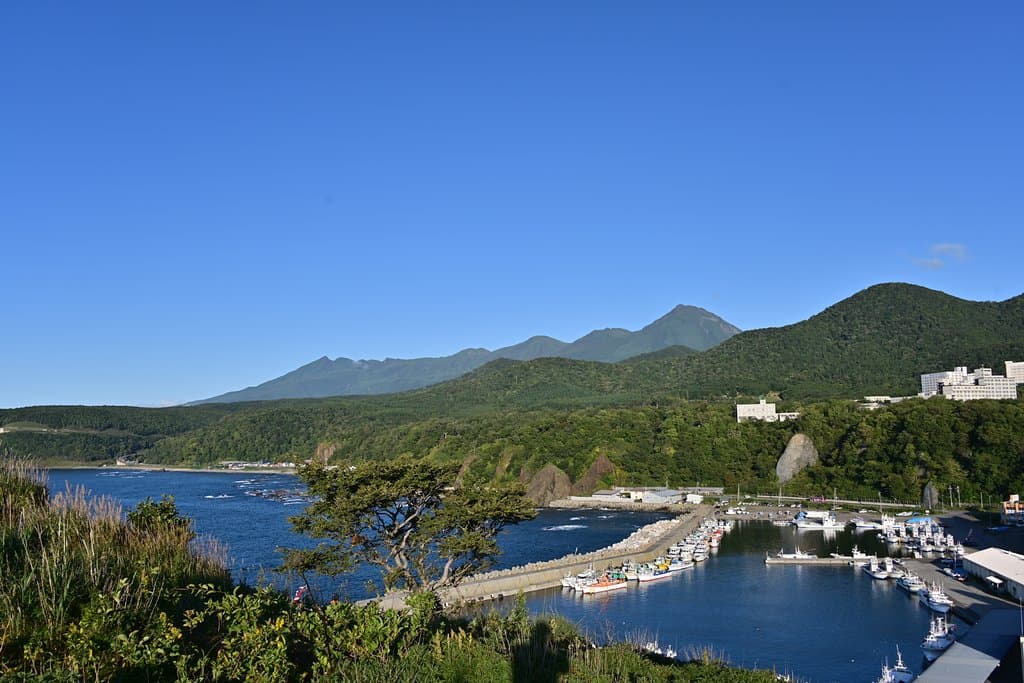
The museum's location might offer some exterior views, and the observation deck on the third floor provides stunning panoramic views of Abashiri.
Social
from TikTok, Instagram & Reddit