
Lake Akkeshi
A serene winter haven in Hokkaido, famous for its thousands of swans and renowned oysters, offering a tranquil escape.
Highlights
Must-see attractions

Social
From TikTok & Reddit
Best Time
Peak swan season & frozen beauty
Lake Akkeshi
Best Time
Peak swan season & frozen beauty
Highlights
Must-see attractions
A serene winter haven in Hokkaido, famous for its thousands of swans and renowned oysters, offering a tranquil escape.
"It's surprising that they're ignored in guidebooks and the like."
🦢 Swan Watching Essentials
Bring binoculars for optimal swan viewing! They are a major draw, especially in winter.
🥶 Winter Warmth is Key
Dress in multiple warm layers for winter visits; the cold can be intense.
Quick Facts
Rating
4.2 · 11 reviews
Type
Natural Feature
Highlights
Discover the most iconic attractions and experiences
Swan Spectacle
Lake Akkeshi shore
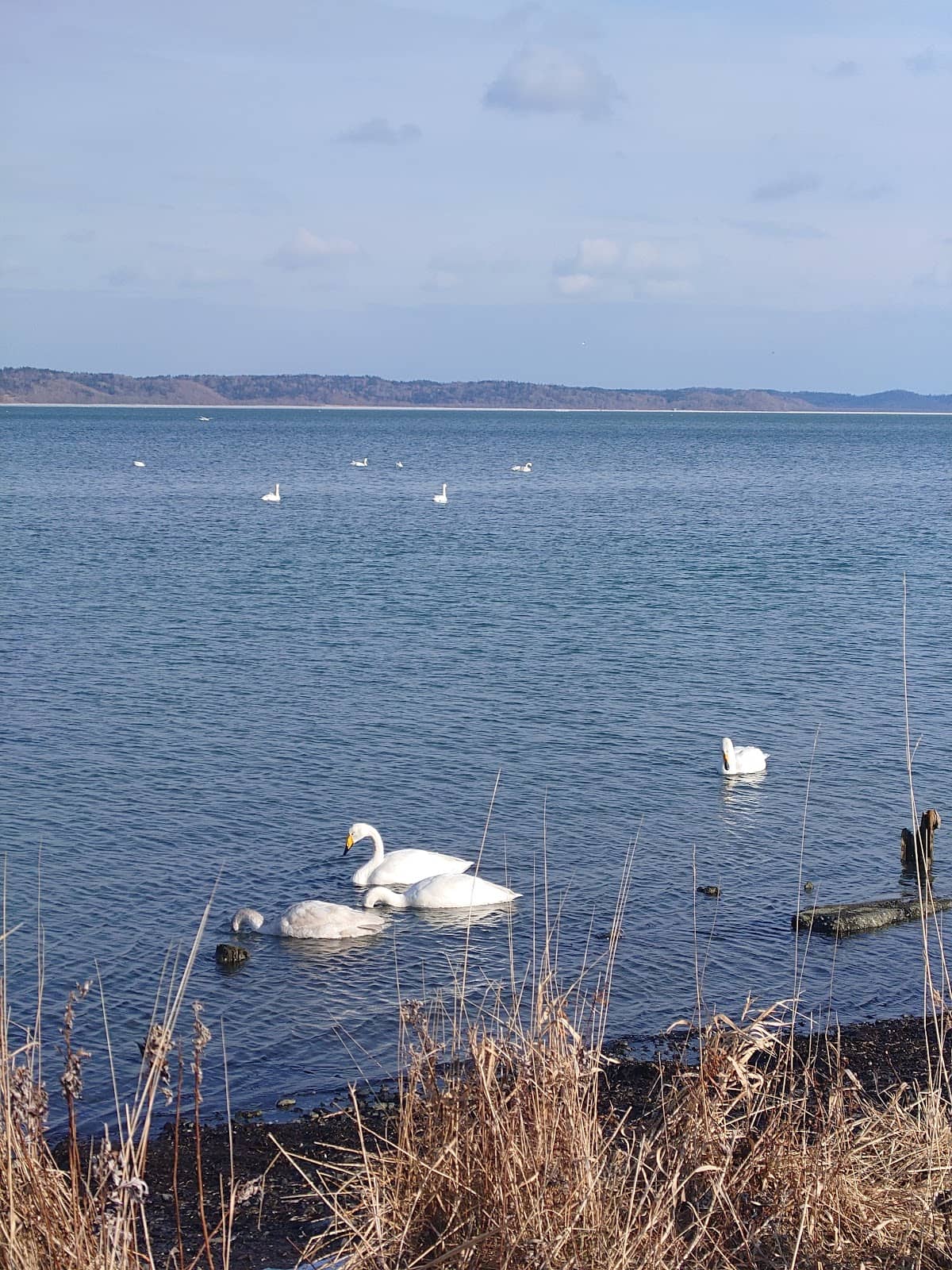
Witness thousands of graceful swans congregating on the lake, a truly breathtaking sight, especially with frozen patches adding to the charm.
Akkeshi Bridge Views
Akkeshi Bridge
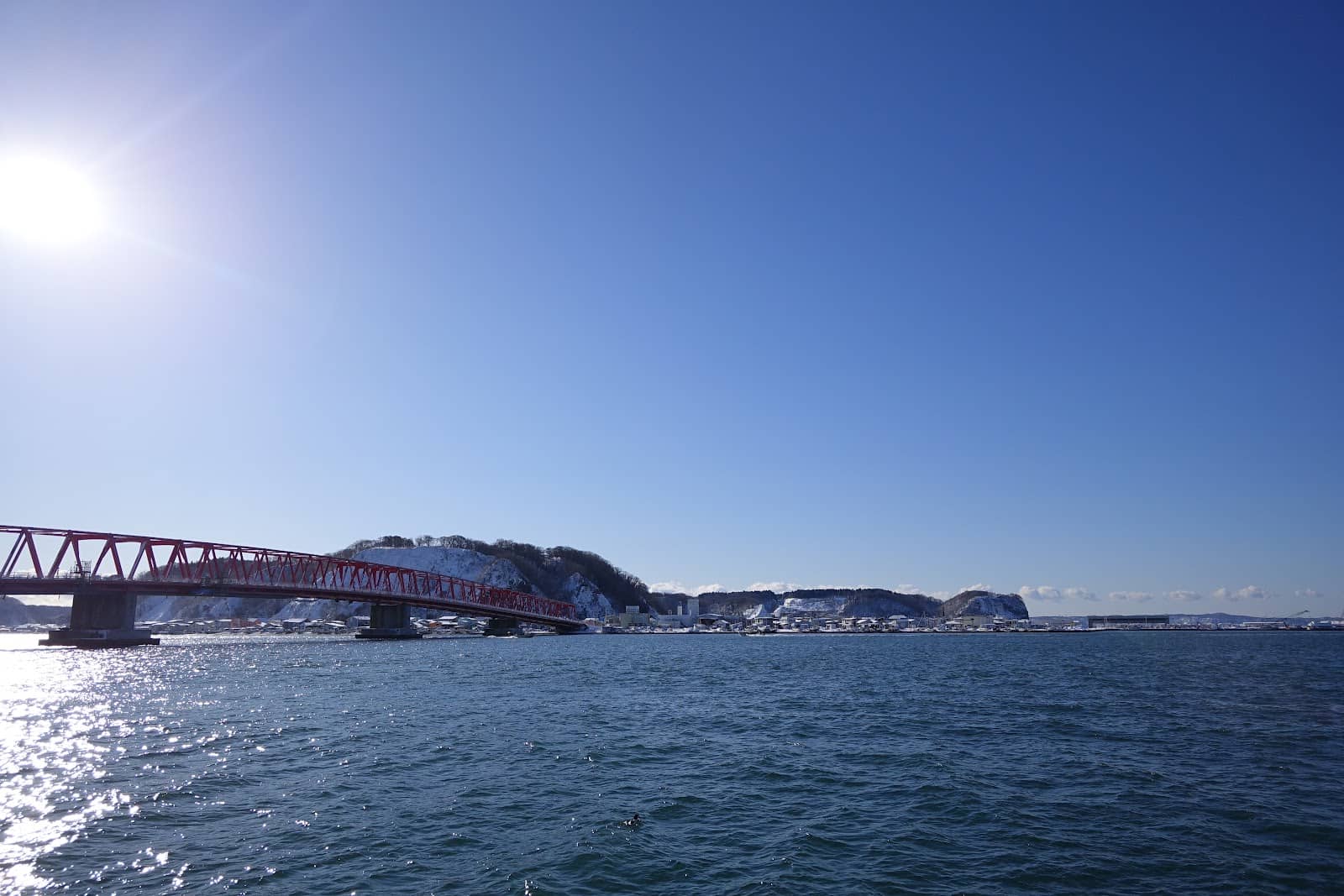
Admire the picturesque Akkeshi Bridge, a vital link connecting regions, offering scenic views of the lake and its surroundings.

Local Seafood Delights
Seafood huts near Lake Akkeshi
Savor incredibly fresh oysters, crab, and sushi, a testament to Akkeshi's rich marine bounty and Ainu heritage.
Plans like a pro.
Thinks like you
Planning Your Visit
Embrace the Swans & Winter Charm
Oysters & Local Flavors
Best Times
Insider Tips
from TikTok, Instagram & Reddit
🦢 Swan Watching Essentials
Bring binoculars for optimal swan viewing! They are a major draw, especially in winter.
🥶 Winter Warmth is Key
Dress in multiple warm layers for winter visits; the cold can be intense.

🍣 Takeout Seafood
Many seafood spots are takeout only. Grab your fresh oysters and enjoy the views!
🚶♀️ Explore on Foot
Walk from Akkeshi Station to the lake shore; it's a manageable distance for a closer look.
Tips
from all over the internet
🦢 Swan Watching Essentials
Bring binoculars for optimal swan viewing! They are a major draw, especially in winter.
🥶 Winter Warmth is Key
Dress in multiple warm layers for winter visits; the cold can be intense.
🍣 Takeout Seafood
Many seafood spots are takeout only. Grab your fresh oysters and enjoy the views!
🚶♀️ Explore on Foot
Walk from Akkeshi Station to the lake shore; it's a manageable distance for a closer look.
💎 Hidden Gem Alert
Don't overlook Akkeshi; it's surprisingly ignored in guidebooks but offers stunning natural beauty.
What Travellers Say
Reviews Summary
Visitors are captivated by the stunning winter scenery at Lake Akkeshi, particularly the vast numbers of swans and the serene frozen landscapes. The local oysters are a culinary highlight, offering a taste of the region's rich heritage. While the natural beauty is highly praised, some guests note a lack of amenities like resting spots.
"Visited in mid-January.
On my way to Kushiro on the Hanasaki Line, I saw a large number of swans and impulsively got off at Akkeshi Station. Using a map as a guide, I walked to the shore of Lake Akkeshi, and there were loads of swans!
As expected, the swans swimming are graceful and beautiful. Part of the lake's surface seemed frozen, which added to the charm of the area. It's surprising that they're ignored in guidebooks and the like.
If there was a place to rest, it would be a five-star place..."
Hir_6724
"The name of the area is said to come from the Ainu word akkeshii (meaning "place where oysters live"; there are various theories). After the Matsumae Domain established an akkeshi trading post in 1604, Japanese settlement progressed, followed by a group of Saga residents in 1871. Early development began in the peninsula (Konan region), as evidenced by the fact that Kokutai-ji Temple, one of the three official temples of Ezo, is located on the peninsula. Then, with the opening of the railway between Kushiro Station and Hama-Akkeshi Station in December 1917, prosperity shifted to the Kohoku region, where it remains to this day.
Initially, ferries were used to travel between the Konan and Kohoku regions, and ferries began operating in 1959. However, drifting ice and ice accumulations caused frequent cancellations in winter, and the ferry's role ended with the completion of the Akkeshi Bridge in 1972.
In the past, drifting ice would penetrate into Lake Akkeshi. At that time, I heard that people from the Konan region had been crossing the drift ice to reach the northern part of the lake. However, due to global warming these days, the drift ice does not seem to penetrate into the lake, and the ice with the seagull on it in the photo is frozen lake water.
The last photo is of real "drift ice" that I happened to see in Akkeshi Bay on my way back to Kushiro. Apparently it is very rare to see drift ice at this time of year (mid-March). I was very lucky."
只見荘一郎
"You can ice fish in winter."
紀馬克
What People Like
What People Dislike
Frequently Asked Questions
🚇 🗺️ Getting There
Lake Akkeshi is accessible via the Hanasaki Line train from Kushiro Station, with a stop at Akkeshi Station. From the station, it's a walk to the lake shore.
Yes, driving is an option. The Akkeshi Bridge connects different regions, making car travel convenient for exploring the area.
While walking is feasible from the station to the lake, a car offers more flexibility to explore the wider Akkeshi region and its attractions.
The train to Akkeshi Station is the primary public transport. Once there, walking to the lake is the most direct way to see the swans.
You can travel from Sapporo to Kushiro by train or bus, and then take the Hanasaki Line to Akkeshi Station.
🎫 🎫 Tickets & Entry
Lake Akkeshi itself is a natural attraction and does not have an entrance fee. Enjoy the scenery and wildlife freely.
As a natural lake, there are no set opening or closing hours. You can visit at any time, though daylight hours are best for viewing.
No advance booking is necessary for visiting Lake Akkeshi. It's an open natural area.
While official guided tours might be limited, local information or informal guides might be available, especially during peak seasons.
Mid-January is ideal for seeing the most swans and frozen landscapes. Late March offers a chance to see rare drift ice.
📸 📸 Photography
The lake shore offers fantastic opportunities to photograph the swans. The Akkeshi Bridge also provides scenic vistas.
A telephoto lens is great for capturing swans from a distance. A wide-angle lens is useful for landscape shots of the lake and bridge.
Sunrise offers beautiful light over the lake and bridge, creating a serene atmosphere.
Drift ice is rare and typically seen in Akkeshi Bay, not always in the lake itself. If you're lucky, you might capture it.
Generally, there are no specific restrictions on photography at Lake Akkeshi, as it's a natural public area.
🍽️ 🍽️ Food & Dining
Akkeshi is most famous for its delicious oysters, with a name derived from the Ainu word for 'place where oysters live.'
Look for local seafood huts, especially near the coast, that offer freshly shucked oysters, crab, and sushi.
While many seafood spots are takeout-focused, some may offer limited seating with views. It's best to check locally.
Akkeshi's culinary scene heavily features seafood. Vegetarian options might be limited, so it's advisable to inquire beforehand.
A good selection of wines, particularly Australian wines, are often recommended to complement the fresh oysters.
Social
from TikTok, Instagram & Reddit