Kozukappara Execution Grounds Tokyo
A solemn memorial site in Tokyo, once Edo's largest execution ground, now honoring historical figures and medical advancements.
Highlights
Must-see attractions

Social
From TikTok & Reddit
Best Time
Solemn atmosphere
Kozukappara Execution Grounds Tokyo
Best Time
Solemn atmosphere
Highlights
Must-see attractions
A solemn memorial site in Tokyo, once Edo's largest execution ground, now honoring historical figures and medical advancements.
"A poignant historical site offering a deep connection to Edo's past and Japanese medical breakthroughs."
Quiet Reflection
Approach with respect; it's a historical site of executions and memorials. 🙏
Nearby Temples
Explore adjacent temples like Jokanji for a broader historical context. :temple_buddhist:
Quick Facts
Hours
Rating
4 · 146 reviews
Type
Place of Worship
Highlights
Discover the most iconic attractions and experiences
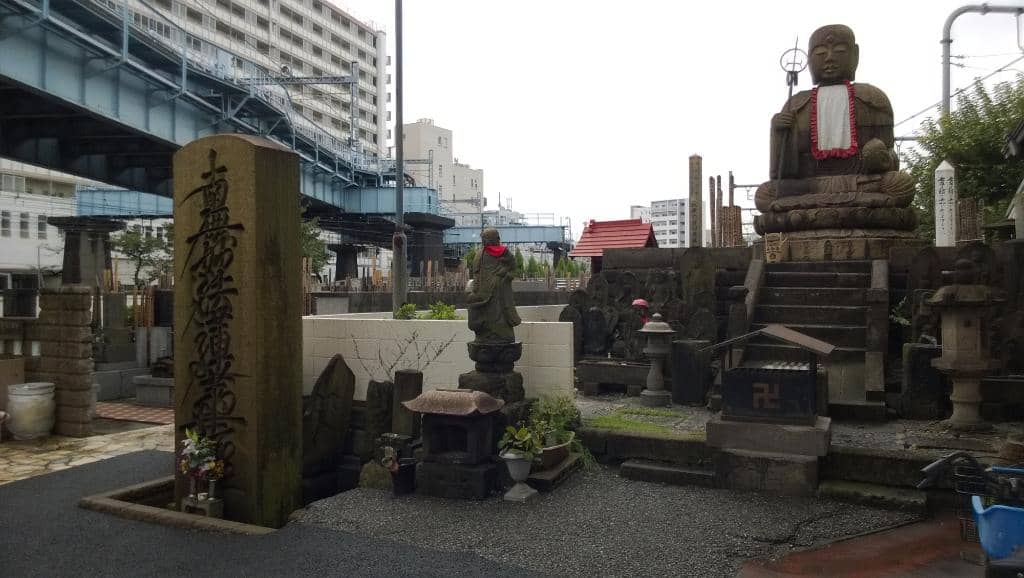
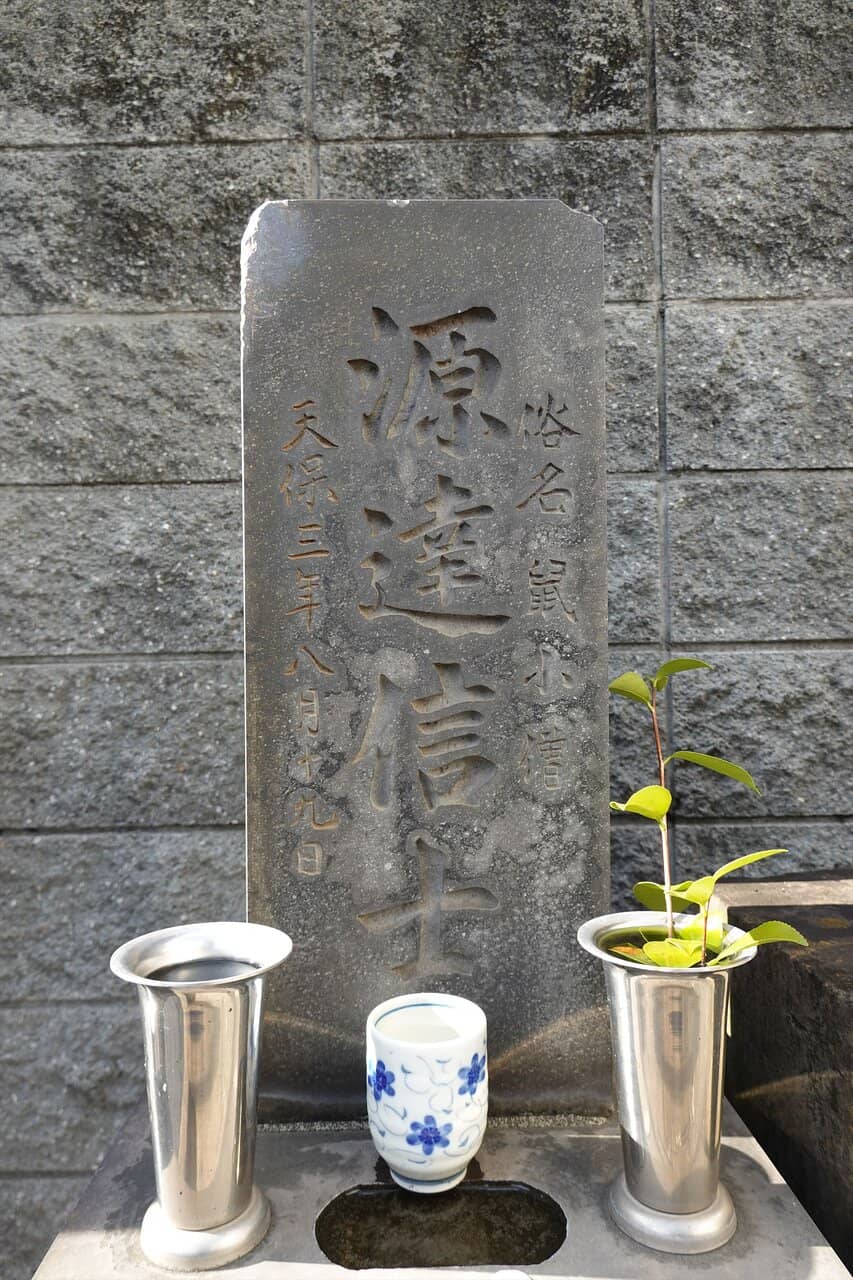
Graves of Historical Figures
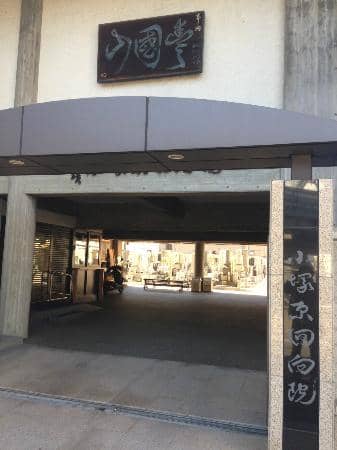
Within Ekoin Temple grounds
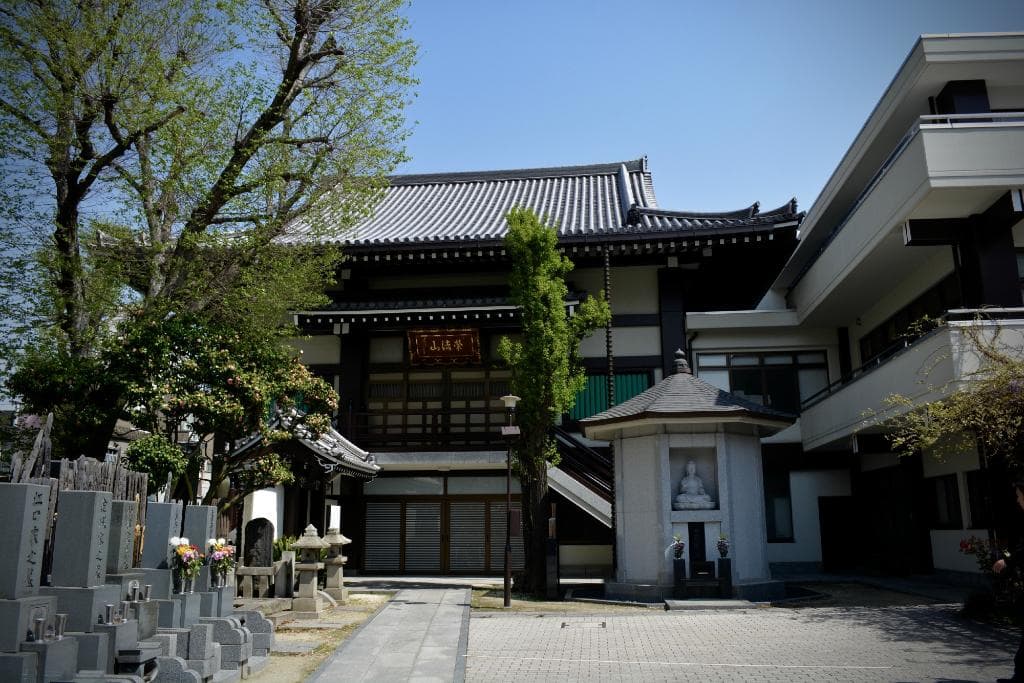
See the final resting places of Yoshida Shoin, Hashimoto Sanai, and others executed during the Edo period.
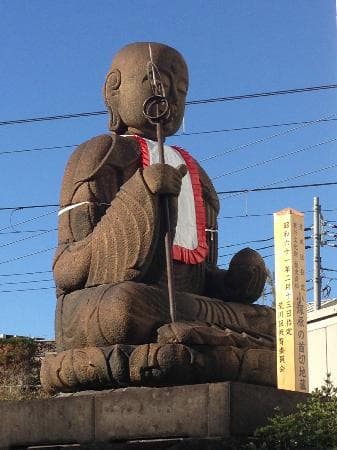
Yoshinobu Jizo Statue
Temple entrance
A memorial for victims of a tragic kidnapping case, offering a somber reflection on past events.
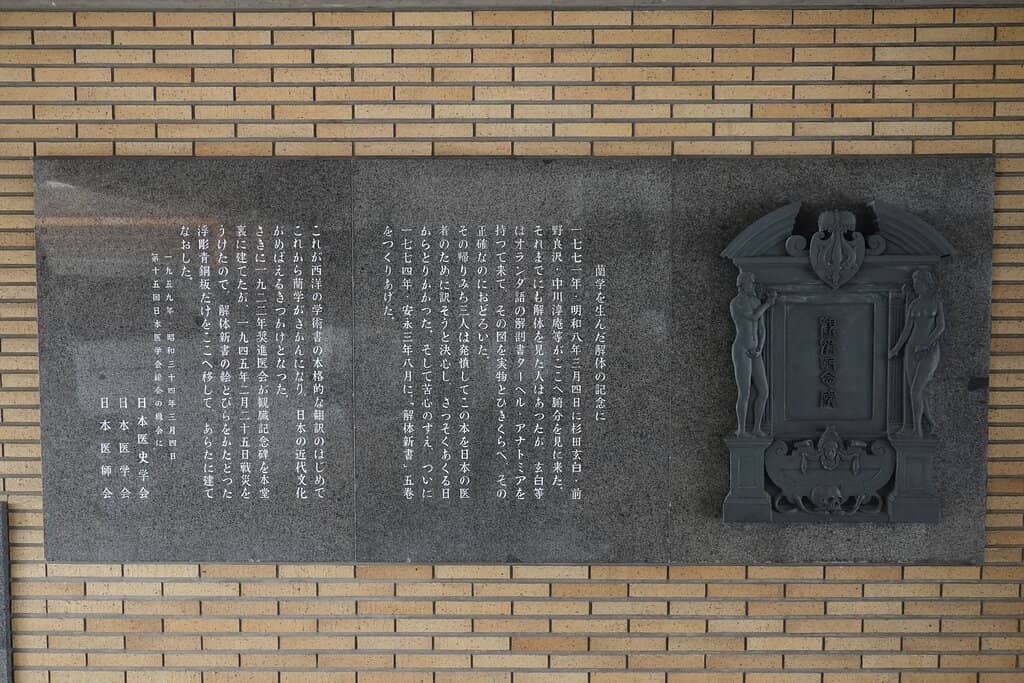
Monument to Medical Dissections
Near the graves
Commemorates the groundbreaking dissections that advanced Japanese medical knowledge.
Plans like a pro.
Thinks like you
Planning Your Visit
Respectful Visitation
Historical Significance
Best Times
Insider Tips
from TikTok, Instagram & Reddit
Quiet Reflection
Approach with respect; it's a historical site of executions and memorials. 🙏
Nearby Temples
Explore adjacent temples like Jokanji for a broader historical context. :temple_buddhist:
Historical Context
Research the Ansei Purge and medical history for a deeper understanding. 📚
Tips
from all over the internet
Quiet Reflection
Approach with respect; it's a historical site of executions and memorials. 🙏
Nearby Temples
Explore adjacent temples like Jokanji for a broader historical context. :temple_buddhist:
Historical Context
Research the Ansei Purge and medical history for a deeper understanding. 📚
What Travellers Say
Reviews Summary
Visitors find Kozukappara Execution Grounds a historically significant and poignant site, particularly for its connection to Edo-era justice and advancements in Japanese medicine. While the solemn atmosphere is appreciated, some note the lack of extensive tourist infrastructure.
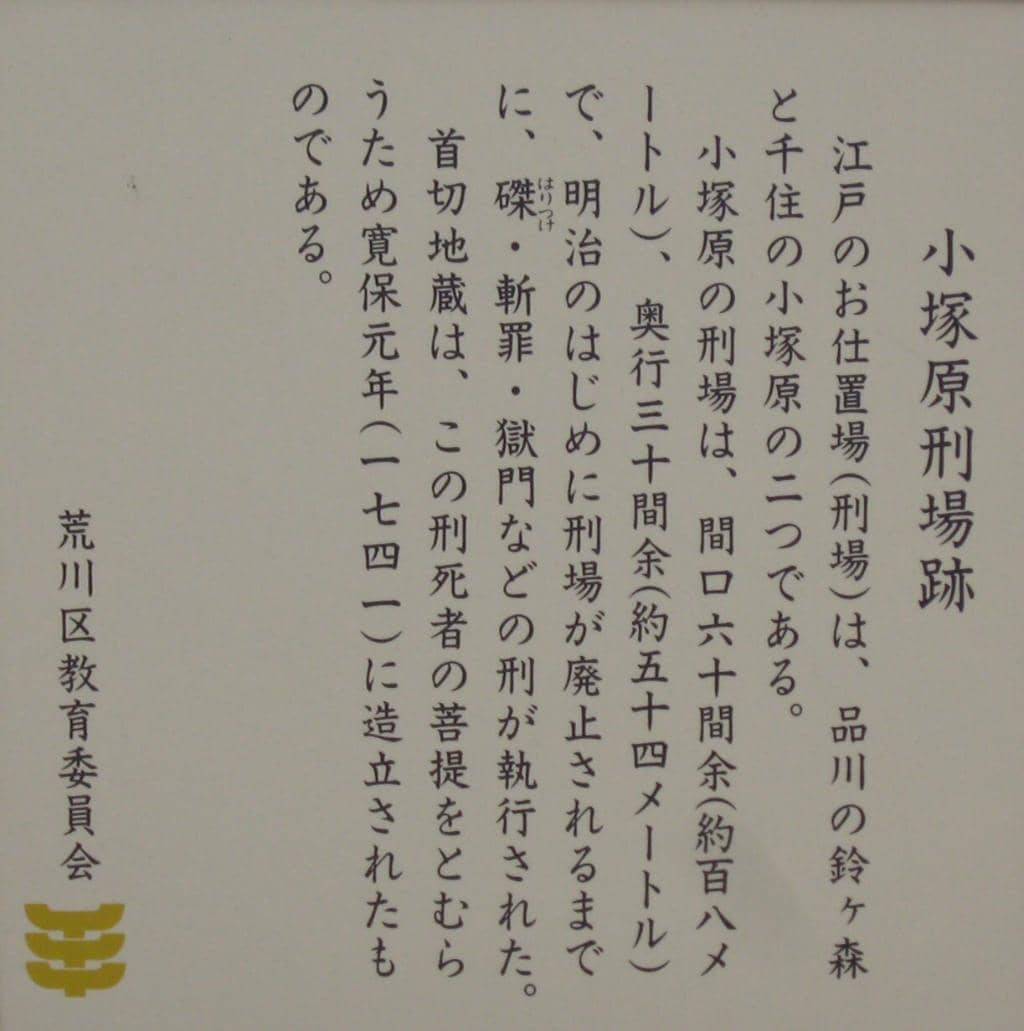
"During the Edo period, the Kozukahara execution grounds were located here, and as the bodies could not be disposed of properly, they were buried shallowly and eaten by stray dogs, leaving the area in a terrible state.
Seeing this, the head priest of Honjo Ekoin Temple founded this Ekoin Temple as a memorial for the dead.
The graves of Yoshida Shoin, Hashimoto Sanai, Takahashi Oden, and others are also located here.
It is said that Sugita Genpaku witnessed the dissection of a corpse here, and went on to translate the Tabular Anatomy and complete his New Anatomy.
This place is an important historical cultural asset."
beaute- Do
"At the former site of the Kozukahara venue, you can see the graves of Yoshida Shoin and Hashimoto Sanai. There is also a memorial statue for Yoshinobu, who died in a kidnapping case. There is also the grave of Karl Gotch."
田辺幸雄
"This temple is located in front of Minamisenju Station. It was once the site of Kozukahara Execution Grounds, the largest execution ground in Edo. It was founded in 1667 as a branch temple of Ekoin Temple in Honjo to commemorate those executed. The graves of Yoshida Shoin, Hashimoto Sanai, and Yori Mikisaburo, who were executed during the Ansei Purge, are also located here. The temple is also an important site in the history of Japanese medicine, as it was here that Sugita Genpaku and Maeno Ryotaku witnessed the dissection of executed bodies, which led to the creation of the historic Japanese medical textbook "Kaitai Shinsho." Another important site is the Yoshinobu Jizo statue, erected to commemorate the victims of a 1963 kidnapping. The nearby Enmeiji Temple was once part of Ekoin Temple, but was separated and became an outlying area with the opening of the Joban Line. In 1982, the outlying area was separated and re-established as Enmeiji Temple."
シマフクロウ
What People Like
What People Dislike
Frequently Asked Questions
🚇 🗺️ Getting There
The site is conveniently located right in front of Minamisenju Station, making it easily accessible by public transport. Take the JR Joban Line or Tokyo Metro Hibiya Line to Minamisenju Station, and the temple will be immediately visible.
Yes, it's situated near several other historical sites and temples, including Jokanji Temple and Susanoo Shrine, offering opportunities for a more extensive historical walk.
🎫 🎫 Tickets & Entry
No, entry to the Ekoin Temple grounds, which encompass the former Kozukappara execution site, is generally free. Donations are always appreciated to help maintain the site.
As it's part of Ekoin Temple, it follows temple hours, typically open during daylight hours. It's best to visit during the day to fully appreciate the historical markers and atmosphere.
🎫 🧭 Onsite Experience
Kozukappara was the largest execution ground in Edo (Tokyo) during the Edo period. It's significant for its role in historical events, including the Ansei Purge, and its connection to advancements in Japanese medicine through the dissection of executed bodies.
Visitors can see the graves of prominent historical figures like Yoshida Shoin and Hashimoto Sanai, the Yoshinobu Jizo statue, and a monument commemorating the medical dissections performed here. It's a place for historical reflection.
Yes, given its history as an execution ground, the atmosphere is solemn and reflective. Visitors are encouraged to approach the site with respect for the souls commemorated.
Photography is generally permitted, but always be mindful of the solemn nature of the site. Avoid intrusive photography, especially near graves or during any temple ceremonies.
🍽️ 🍽️ Food & Dining
Minamisenju Station area offers various local eateries, from casual ramen shops to small restaurants, providing convenient dining options after your visit.
📸 📸 Photography
Focus on the historical monuments, the graves of notable figures, and the Yoshinobu Jizo statue. The juxtaposition of the temple grounds with the nearby train tracks can also make for interesting shots.

Social
from TikTok, Instagram & Reddit