Chiba City Museum of Art
A cultural gem showcasing diverse Japanese and international art, from historic Ukiyo-e to contemporary masterpieces, within a beautifully preserved 1...
Highlights
Must-see attractions

Social
From TikTok & Reddit
Best Time
Fewer crowds, more art immersion
Chiba City Museum of Art
Best Time
Fewer crowds, more art immersion
Highlights
Must-see attractions
A cultural gem showcasing diverse Japanese and international art, from historic Ukiyo-e to contemporary masterpieces, within a beautifully preserved 1920s bank building.
"Lovely museum, and not too far of a walk from the Chiba Urban Monorail station."
🎟️ Book Tickets Online
For popular exhibitions, especially on weekends, consider booking tickets in advance to save time.
🚶♀️ Stroll Through the Park
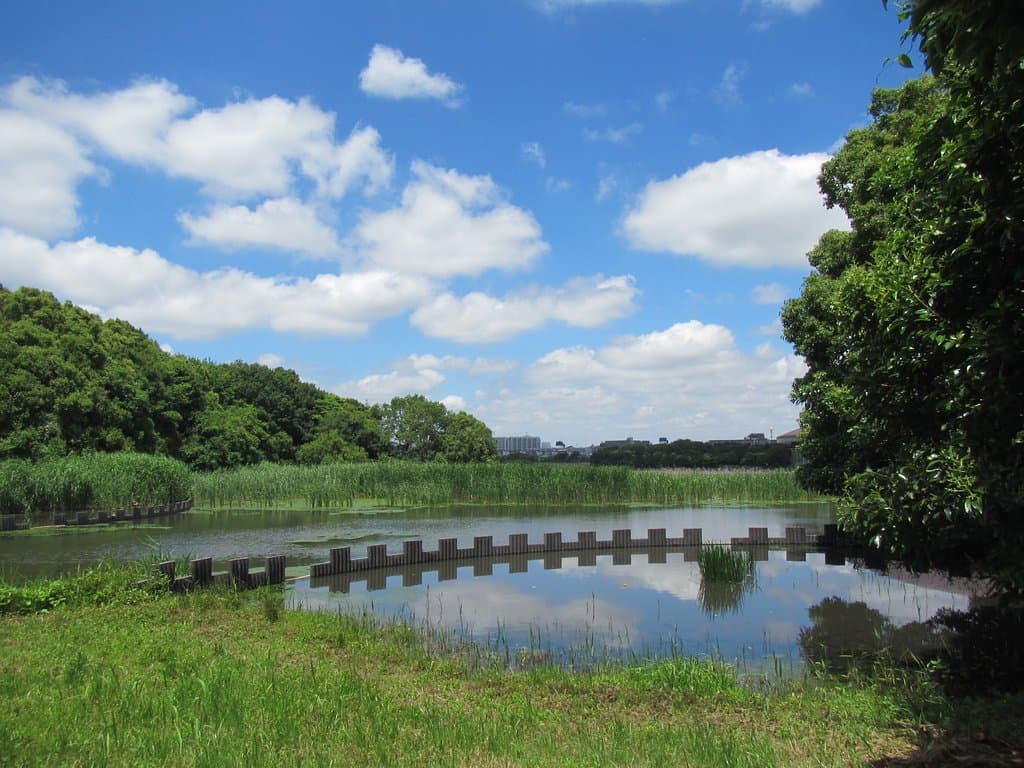
Combine your museum visit with a walk in the adjacent Aoba no Mori Park for a refreshing experience.
Quick Facts
Hours
Rating
4.2 · 1,463 reviews
Type
Museum
Highlights
Discover the most iconic attractions and experiences
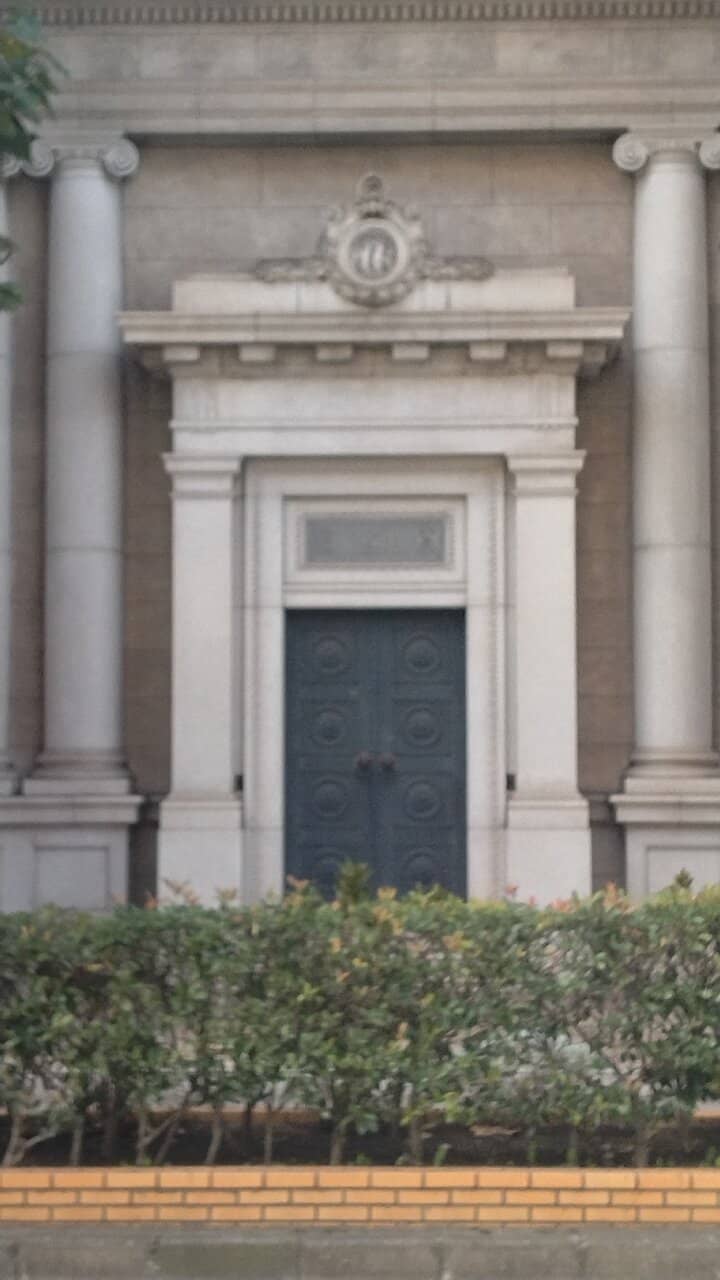
Ukiyo-e Masterpieces
Special Exhibitions
Explore stunning Japanese woodblock prints, some dating back to the 1600s, showcasing incredible historical artistry.

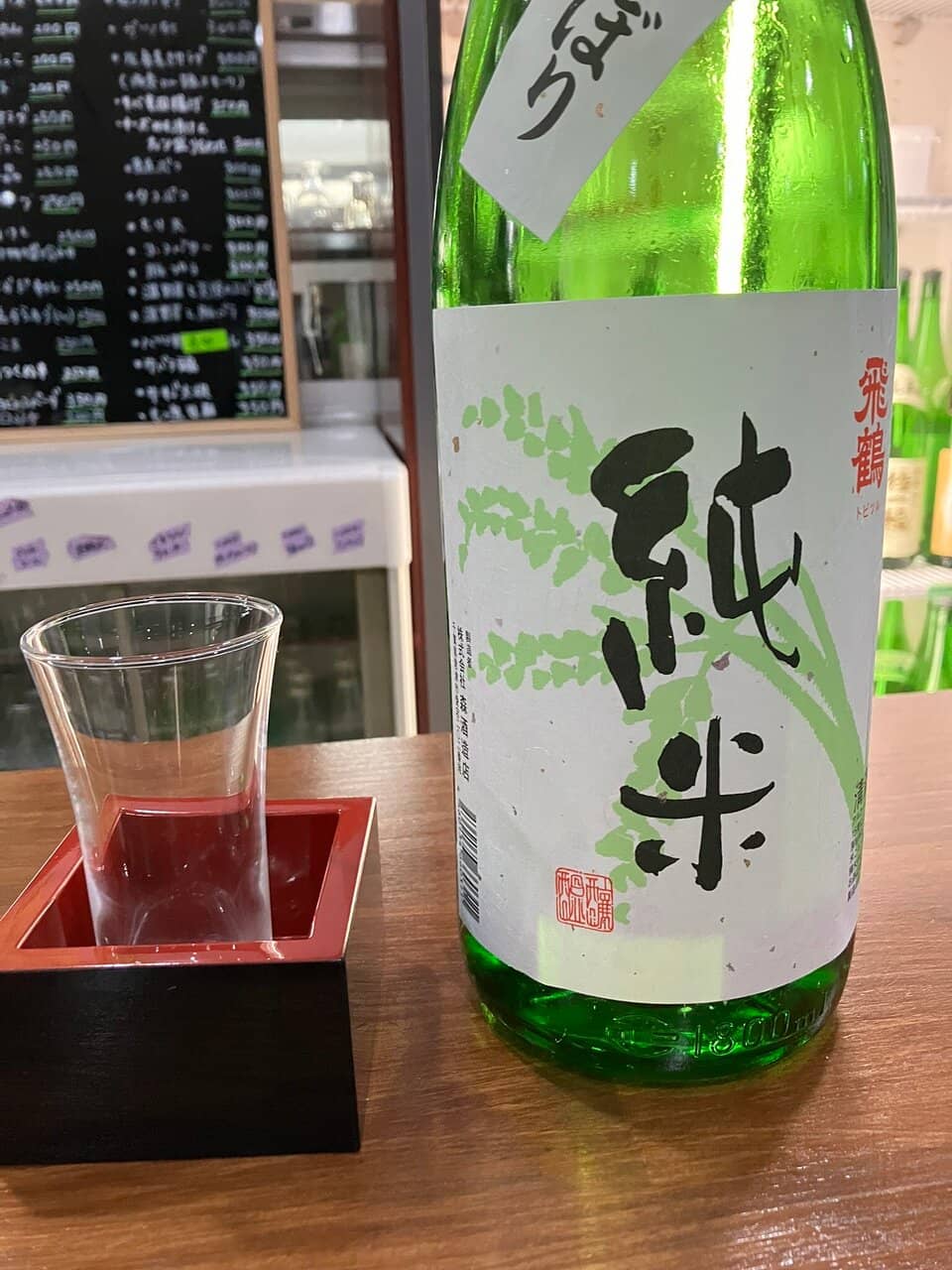
Modern & Contemporary Collections
Permanent Galleries
Discover works by renowned Japanese and international artists, including pieces by Yayoi Kusama.
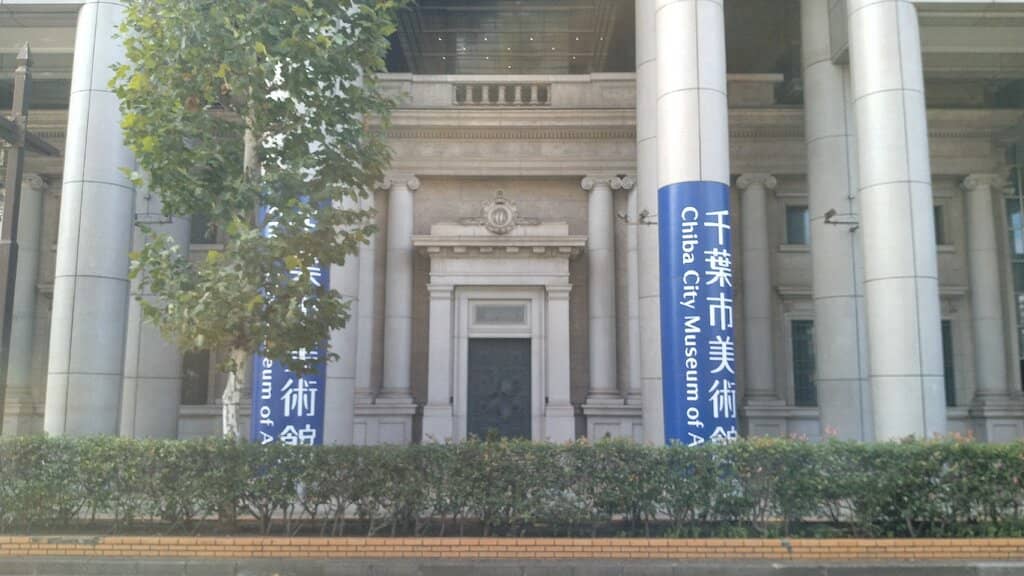
Historic Bank Architecture
Ground Floor Gallery
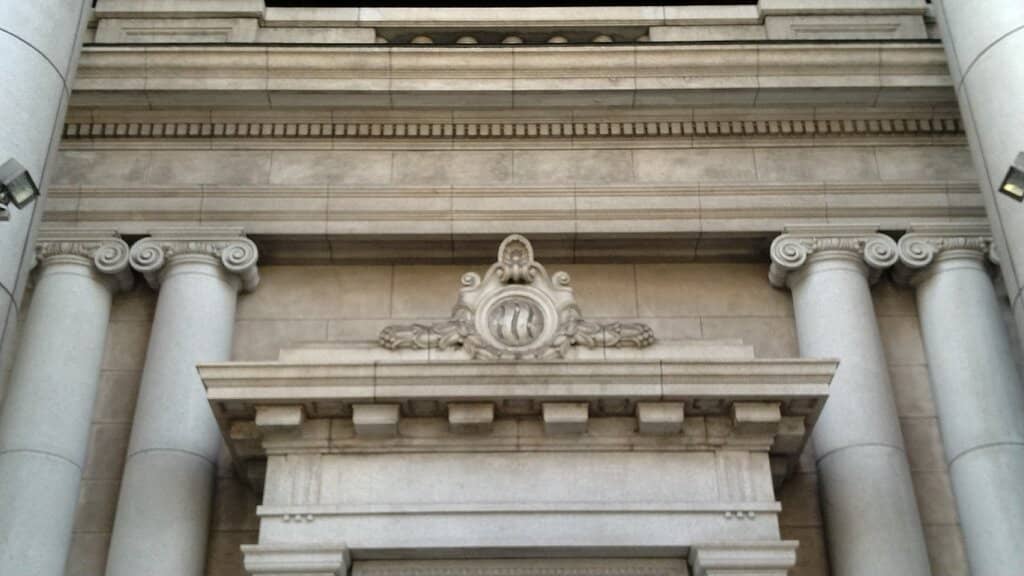
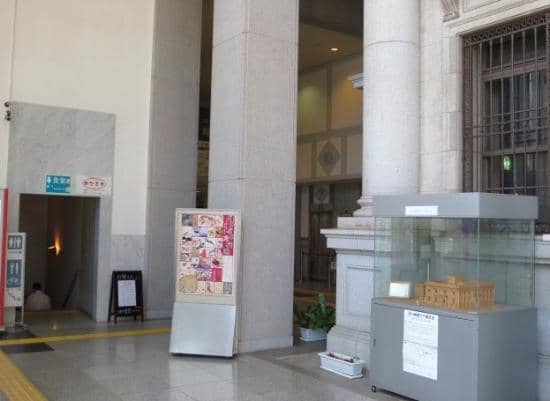
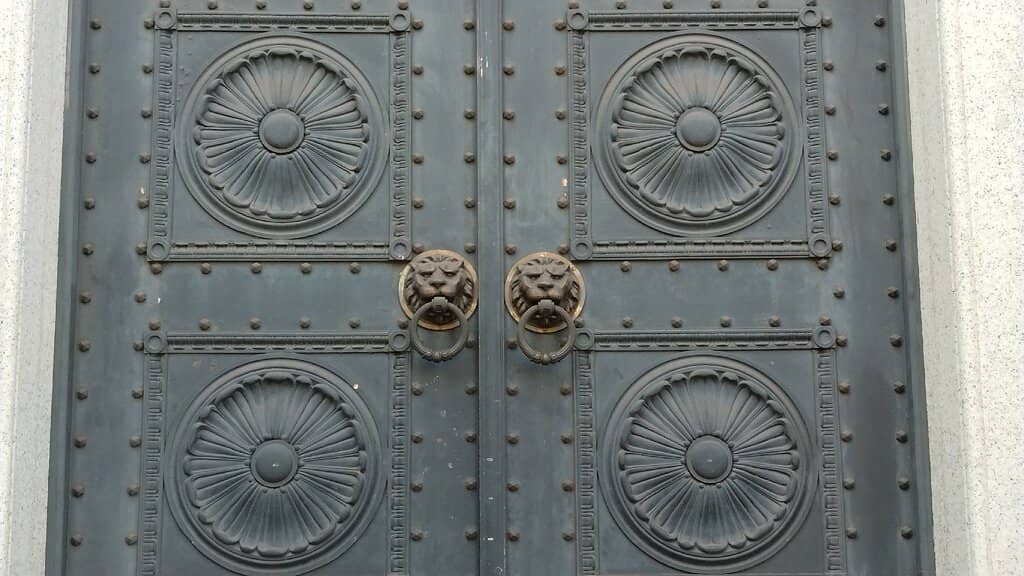
Experience the grandeur of the original 1920s bank building, with its high ceilings and columns, now housing art.
Sculptural Wonders
Special Exhibitions
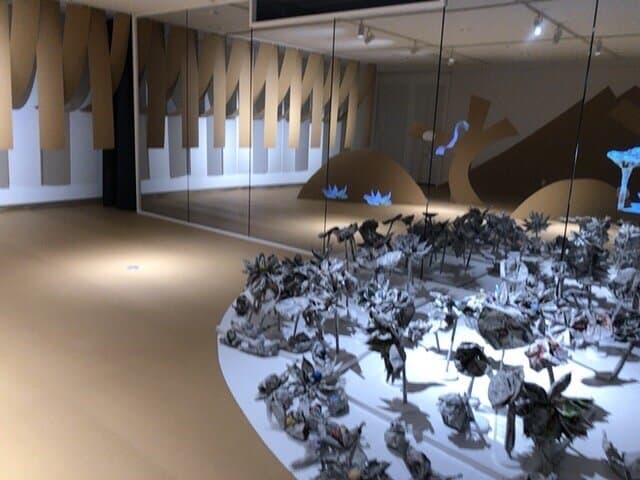
Admire captivating sculptures, such as Atsuhiko Misawa's 'Animals / Multi-dimensions' exhibition.
Plans like a pro.
Thinks like you
Planning Your Visit
Timing Your Visit for Artful Serenity
Navigating the Museum and Beyond
Best Times
Insider Tips
from TikTok, Instagram & Reddit
🎟️ Book Tickets Online
For popular exhibitions, especially on weekends, consider booking tickets in advance to save time.
🚶♀️ Stroll Through the Park
Combine your museum visit with a walk in the adjacent Aoba no Mori Park for a refreshing experience.
📱 Multilingual Info
Look for QR codes to access multilingual titles and descriptions for special exhibitions.
☕ Cafe & Shop Access
Enjoy a coffee at the small cafe or browse the museum shop on the first floor.
Tips
from all over the internet
🎟️ Book Tickets Online
For popular exhibitions, especially on weekends, consider booking tickets in advance to save time.
🚶♀️ Stroll Through the Park
Combine your museum visit with a walk in the adjacent Aoba no Mori Park for a refreshing experience.
📱 Multilingual Info
Look for QR codes to access multilingual titles and descriptions for special exhibitions.
☕ Cafe & Shop Access
Enjoy a coffee at the small cafe or browse the museum shop on the first floor.
📚 Art Book Library
Explore the children's and art book library on the 4th floor for a quieter, literary art experience.
What Travellers Say
Reviews Summary
Visitors generally find the Chiba City Museum of Art to be a pleasant and not overly crowded destination, offering a good mix of traditional and contemporary art. The historic building adds a unique charm, and the availability of multilingual information for special exhibitions is appreciated. Some find the permanent collection area a bit small, but special exhibitions often compensate for this.
"Great discovery of the artist Yoshida Hiroshi. The work can stand right next to Hokusai. Chiba City is a bit away from the center of Tokyo but if you have the time a highly recommended visit. The monorail is a sight to behold, both to ride it as to view from the ground. There is a relaxed vibe in the town, a beautiful beach with a massive tower and views on industrial sites. The town is packed with all sorts of museums, to much to see in one day."
Geert Acx
"The museum opened in 1995, so this November will be its 30th anniversary. To celebrate, they’re holding an exhibition of Ukiyo-e (Japanese woodblock print art). Some of the prints were made as far back as the 1600s — all of them are way older than me! I’m really excited about how they used color in the old days, but what impressed me the most is how well Japan has preserved these artworks.^^"
Nunan Ha
"Lovely museum, and not too far of a walk from the Chiba Urban Monorail station. The permanent collection area is a tad small, but the special exhibition took up several floors and was very fun to explore. There was a lot more English on the signs than some other museums I've visited in Japan, and the special exhibition provided multilingual titles and descriptions via a QR code.
The building itself used to be a bank that was built in the 1920s. The front room/gallery space still has the original look with tall ceilings and columns. The first floor also has a small cafe and a museum shop.
In addition to the main galleries, the museum also has a small children's and art book library you can peruse, a room to host classes and activities for kids, a large workshop, and a few smaller studio spaces that can be rented for personal use. One of the upper floors consisted of a lecture hall and citizens' galleries, though they were closed when I visited."
Rachel Jones
What People Like
What People Dislike
Frequently Asked Questions
🚇 🗺️ Getting There
The museum is easily accessible via the Chiba Urban Monorail. It's a short walk from the nearest station.
While specific parking details aren't widely shared, public transport is recommended. The museum is close to the Chiba Urban Monorail.
Yes, the museum is located near Aoba no Mori Park, offering a pleasant green space for a post-museum stroll.
From Tokyo, take a train to Chiba Station, then transfer to the Chiba Urban Monorail towards Chiba-Chuo Station. The museum is a short walk from there.
Information on accessibility is not detailed in the provided sources, but modern museums typically offer some level of accessibility. It's best to check their official website.
🎫 🎫 Tickets & Entry
The museum generally opens from 10:00 AM to 6:00 PM, with extended hours until 8:00 PM on Fridays and Saturdays. However, hours can vary for special exhibitions.
General admission is around ¥1,200 for adults, with discounts for university students (¥960) and junior/senior high school students (¥700). Special exhibitions may have different pricing.
Yes, special exhibitions often have separate admission fees. For example, the 'Animals / Multi-dimensions' exhibition had a general admission of ¥1,200 and a university student price of ¥700.
Tickets can be purchased at the museum. For popular exhibitions, booking in advance is recommended to avoid queues.
While not explicitly mentioned, some museums offer free admission on specific dates or for certain age groups (e.g., children under 3 are free). It's best to check the museum's official website for current promotions.
🎫 🎨 Onsite Experience
The museum features a diverse collection, including Ukiyo-e prints, modern and contemporary Japanese and international art, and sculptures. +1
The museum has a children's art book library and rooms for kids' classes and activities, suggesting a family-friendly environment.
Yes, there is a small cafe on the first floor, along with a museum shop.
Photography policies can vary by exhibition. It's advisable to check for signage in each gallery. Some social media posts show visitors taking photos, but it's best to be respectful.
A visit can range from 1-2 hours for the permanent collection to longer if you explore special exhibitions thoroughly. The museum is not overly crowded, allowing for a relaxed pace.
📸 📸 Photography
Photography policies can differ between permanent collections and temporary exhibitions. Always look for signage indicating whether photos are permitted.
While not explicitly stated, the visually striking architecture of the former bank building might be a good spot for photos, respecting any posted rules.
Flash photography is generally prohibited in art museums to protect the artworks from light damage. It's best to assume flash is not allowed unless otherwise indicated.
The historic bank interior with its tall ceilings and columns offers a unique backdrop. Special exhibitions often feature visually dynamic pieces that make for great photos.
Drone photography is almost certainly prohibited inside any museum for safety and privacy reasons. This would also apply to the Chiba City Museum of Art.



Social
from TikTok, Instagram & Reddit