Musashi Kokufu Ruins
Explore the heart of ancient Musashi Province, where a thousand-year-old government office once stood. A free historical site with a recreated office.
Highlights
Must-see attractions

Social
From TikTok & Reddit
Best Time
Fewer crowds, peaceful exploration
Musashi Kokufu Ruins
Best Time
Fewer crowds, peaceful exploration
Highlights
Must-see attractions
Explore the heart of ancient Musashi Province, where a thousand-year-old government office once stood. A free historical site with a recreated office.
"A rare glimpse into ancient Japanese governance, especially when paired with Okunitama Shrine."
🚶♀️ Easy Access from Station
Just a 5-minute walk from Fuchu Station on the Keio Line. Super convenient for day-trippers!
🆓 Free Admission
Explore the historical site and museum without any entry fee. A budget-friendly historical gem!
Highlights
Discover the most iconic attractions and experiences
Recreated Government Office
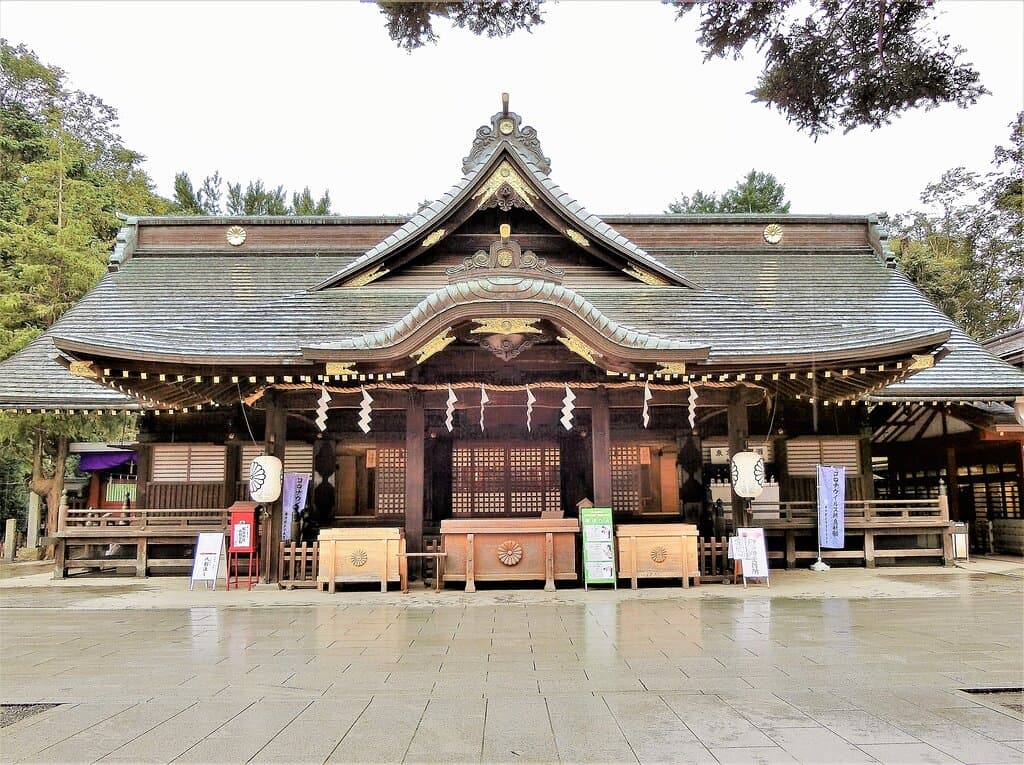
Adjacent to Okunitama Shrine
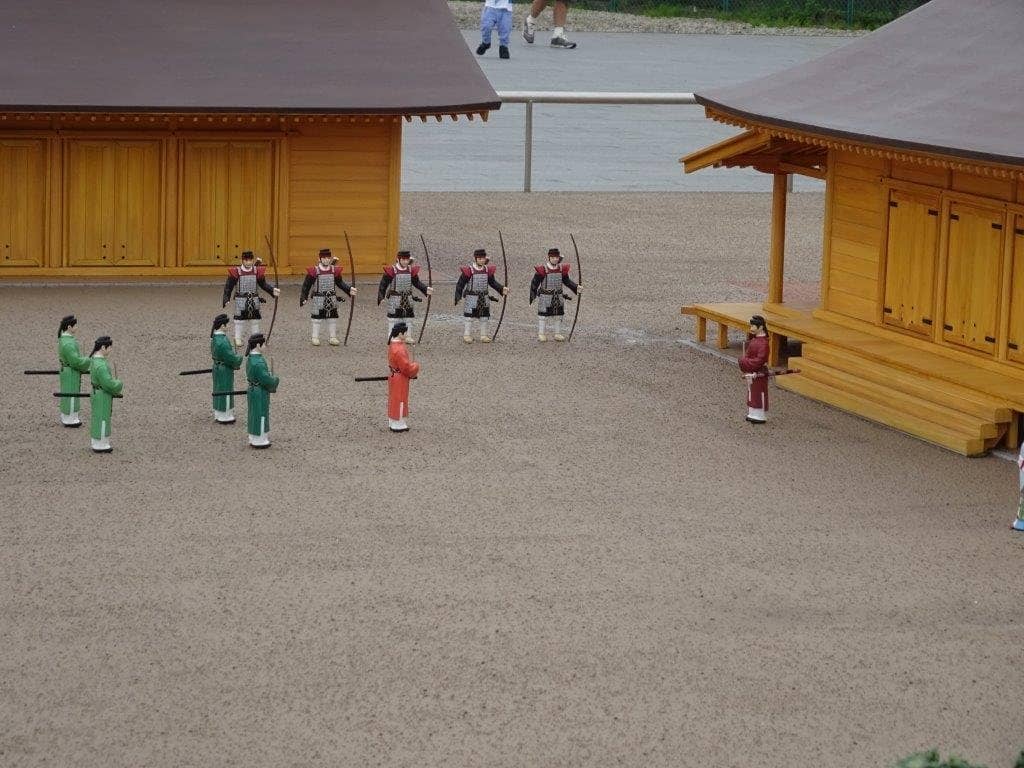
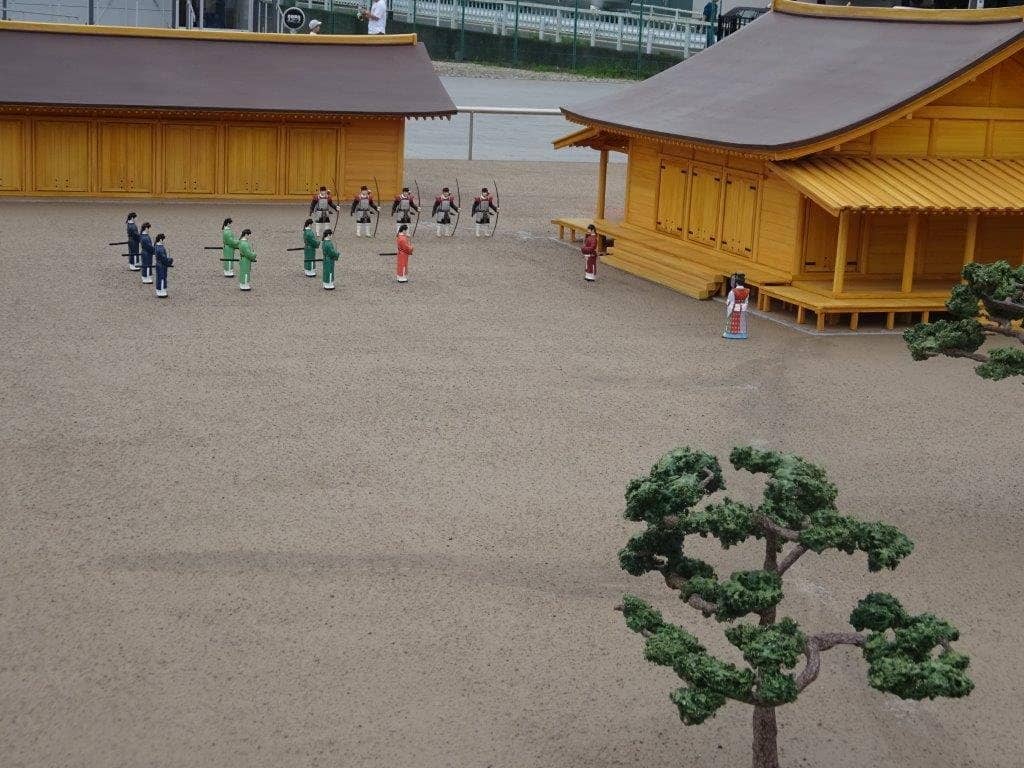
A museum building meticulously recreates the size and layout of the ancient provincial governor's office.
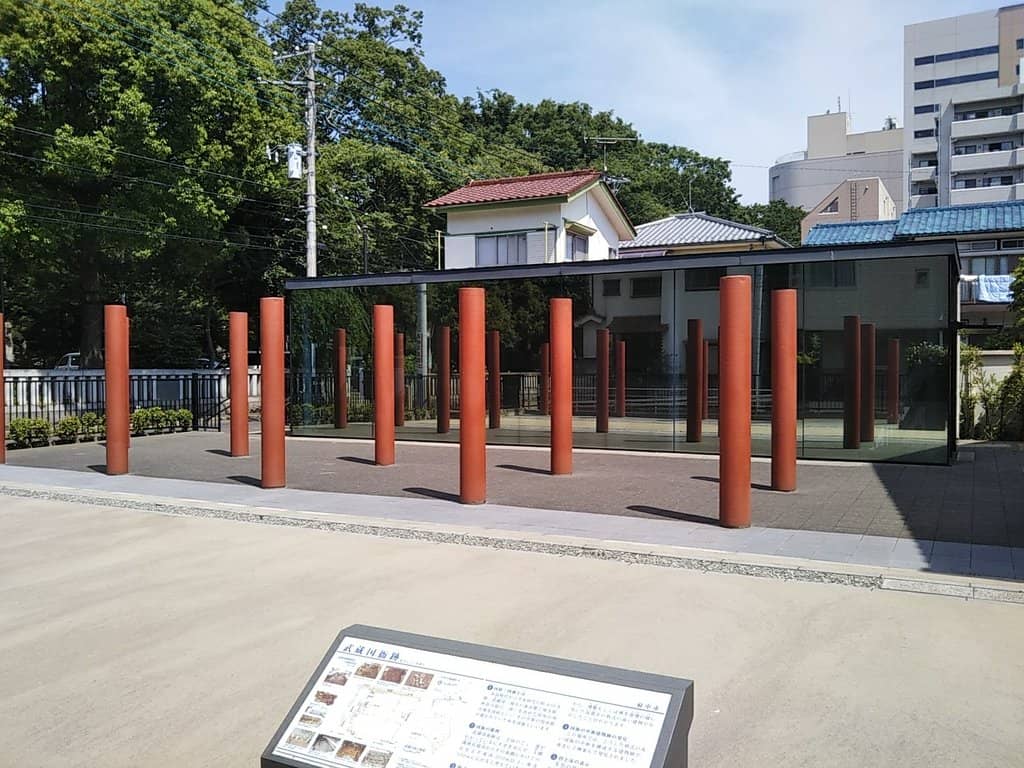
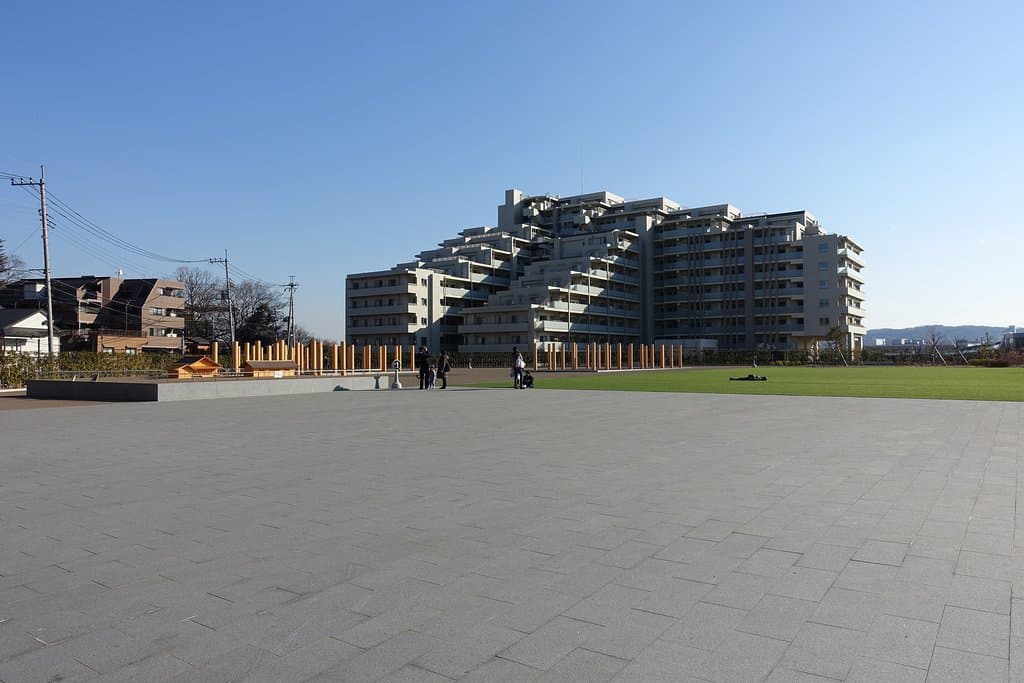
Mysterious Pillars
Outdoor site
Standing pillars hint at the scale of the original structures, sparking imagination about past ceremonies and governance.
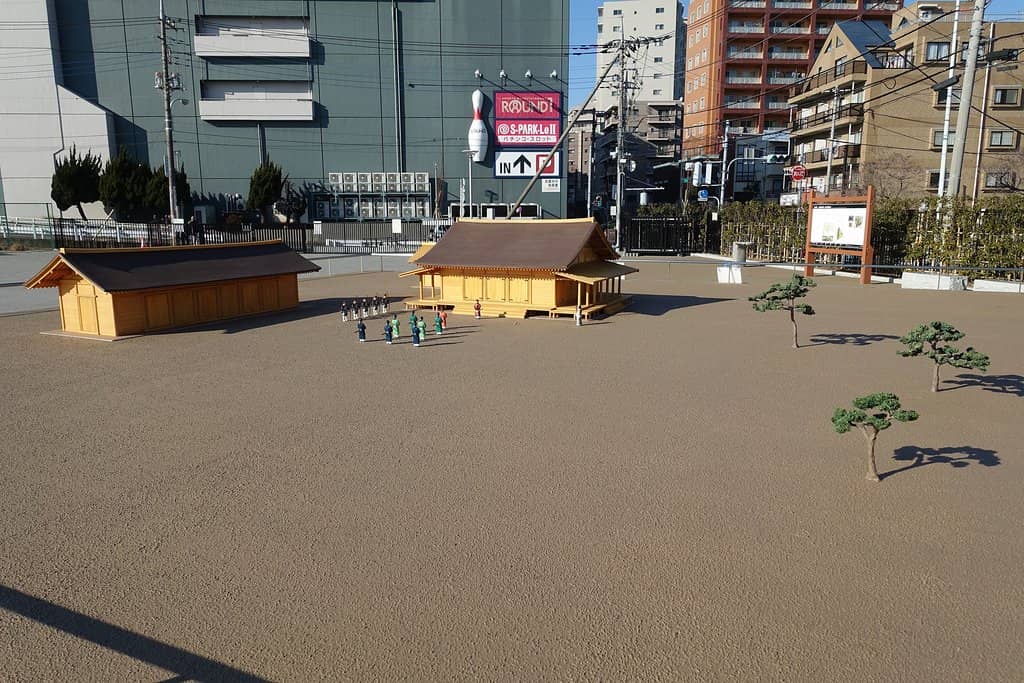
Explanatory Panels
Outdoor site
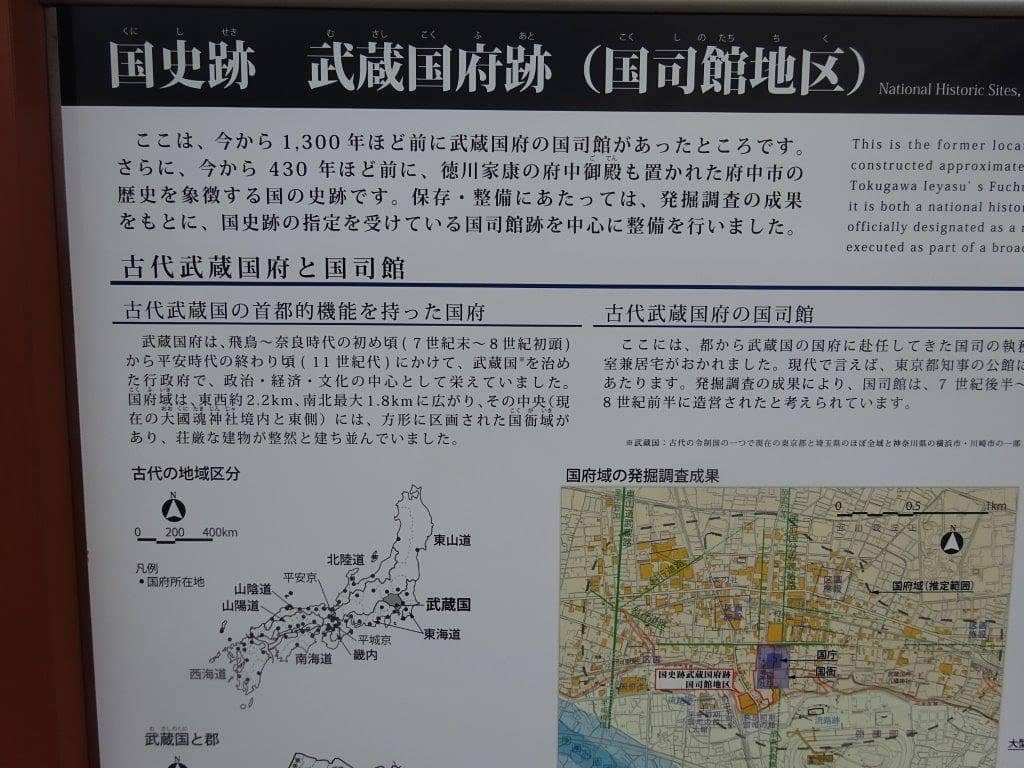
Informative panels detail the history and significance of the Musashi Provincial Government Office, bringing the ruins to life.
Plans like a pro.
Thinks like you
Planning Your Visit
Understand the Historical Significance
Combine with Okunitama Shrine
Best Times
Insider Tips
from TikTok, Instagram & Reddit
🚶♀️ Easy Access from Station
Just a 5-minute walk from Fuchu Station on the Keio Line. Super convenient for day-trippers!
🆓 Free Admission
Explore the historical site and museum without any entry fee. A budget-friendly historical gem!
🚻 No Restrooms Onsite
Plan ahead and use facilities at Fuchu Station or Okunitama Shrine before or after your visit.
🏛️ Imagine the Past
With only pillars and panels, let your imagination fill in the gaps of this ancient government center.
Tips
from all over the internet
🚶♀️ Easy Access from Station
Just a 5-minute walk from Fuchu Station on the Keio Line. Super convenient for day-trippers!
🆓 Free Admission
Explore the historical site and museum without any entry fee. A budget-friendly historical gem!
🚻 No Restrooms Onsite
Plan ahead and use facilities at Fuchu Station or Okunitama Shrine before or after your visit.
🏛️ Imagine the Past
With only pillars and panels, let your imagination fill in the gaps of this ancient government center.
What Travellers Say
Reviews Summary
Visitors find the Musashi Kokufu Ruins to be a historically significant site, particularly when combined with Okunitama Shrine. The recreated government office is praised for offering a tangible sense of the past, though some note that the outdoor ruins themselves are sparse and require imagination. It's considered a worthwhile, free stop for those interested in ancient Japanese history.
"Under Japan's Ritsuryo system, urban areas in the center of each province that housed important facilities such as provincial government offices were called kokufu, the central government offices were called kokuga, and the central facility where the provincial governors conducted ceremonies and politics was called kokucho (government office). This is the area within the kokuga where the provincial governors handled local government affairs.
Nationwide, there are very few known remains of provincial and county offices. This is due to the fact that many years have passed since their abolition, so the remains are often forgotten, and most are post-hole buildings, leaving no remains above ground. Since 1970, surveys have been conducted at 1,400 locations, and it has been determined that the area 300 meters north to south and 200 meters east to west, centered on Okunitama Shrine, was the provincial government area, and of this, the northern 100-meter square area is thought to be the provincial government area. The western half of the kokuga corresponds to the grounds of Okunitama Shrine, while the eastern half has been developed into residential land with houses lined up. This area is just a few minutes' walk from the torii gate of Okunitama Shrine's wedding hall. The mirrored building has been turned into a museum, recreated to the exact size of the original building. Inside there are pillars and replica drawings.
The kokuga area (within the grounds of Okunitama Shrine) and the kokushikan area (the site of the kokushikan, (the site of Tokugawa Ieyasu's Fuchu Palace) have been designated as national historic sites."
N M
"Just a few mysterious pillars standing there made me wonder what this place was.
Apparently the Musashi provincial capital was located here over a thousand years ago. It was the centre of what is now Tokyo, Tama and Saitama.
I guess that's been passed down in the name Fuchu.
#Quatama"
クアたまぬいぐるみとお出かけ
"The remains of Musashi Provincial Government Office are located next to Okunitama Shrine.
It's hard to imagine that government offices from the Nara and Heian periods were located here, but the discovery of the remains of the buildings speaks for themselves."
komeayu
What People Like
What People Dislike
Frequently Asked Questions
🚇 🗺️ Getting There
The ruins are easily accessible, located about a 5-minute walk from Fuchu Station on the Keio Line. This makes it a convenient destination for those using public transport in the Tokyo area.
While specific parking details for the ruins themselves are scarce, Okunitama Shrine, which is adjacent, likely has parking facilities. It's advisable to check the shrine's official website for the most up-to-date parking information.
Information on direct bus routes to the ruins is limited. However, Fuchu Station is a major transport hub, and local buses serving the area might be available. It's best to use a navigation app for real-time bus routes from your starting point.
Fuchu City is well-connected by the Keio Line from Shinjuku Station in Tokyo. The journey is straightforward and frequent, making it easy to reach Fuchu Station, the gateway to the Musashi Kokufu Ruins.
While Fuchu Station is the closest and most convenient, other stations on the Keio Line might be within walking distance or a short bus ride, depending on your exact location. However, Fuchu Station is the primary access point recommended.
🎫 🎫 Tickets & Entry
The outdoor ruins are generally accessible at all times, as they are an open historical site. The adjacent museum building may have specific operating hours, which are typically during daylight hours. It's recommended to check local listings for the museum's schedule.
No, admission to the Musashi Kokufu Ruins site itself is free. This allows visitors to explore the historical grounds without any cost.
As the site is free and largely outdoors, no advance booking is required. You can visit spontaneously.
Information on regular guided tours is not widely advertised. However, local historical societies or Okunitama Shrine might occasionally host special events. It's best to check local event listings closer to your visit.
The site features explanatory panels that provide historical context. Visiting the recreated government office museum also offers a more immersive understanding of the original structures and their function.
🎫 🏛️ Onsite Experience
You can see the foundations and remaining pillars of the ancient provincial government office, along with informative panels. A recreated museum building showcases the original scale and layout.
The outdoor site is largely flat, but accessibility might be limited on unpaved areas. The museum building should be more accessible, but it's advisable to confirm directly with the site if specific accessibility needs are a concern.
A visit to the ruins and the adjacent museum can take anywhere from 30 minutes to an hour, depending on your interest level and how much time you spend reading the panels and exploring the recreated building.
No, there are no restrooms directly at the Musashi Kokufu Ruins site. Visitors are advised to use the facilities at the nearby Okunitama Shrine or Fuchu Station.
Comfortable walking shoes are recommended, especially if you plan to explore the outdoor areas. Dress according to the weather, as much of the experience is outdoors.
📸 📸 Photography
Photography is generally permitted at the outdoor ruins and the museum. However, always be mindful of any posted signs regarding photography restrictions, especially inside the museum exhibits.
The remaining pillars against the sky offer a dramatic perspective. The recreated museum building also provides interesting architectural shots. Capturing the scale of the site with explanatory panels can also be visually appealing.
Drone usage is typically restricted in historical and cultural sites to preserve the atmosphere and prevent disturbance. It's highly unlikely that drone photography is permitted here.
Morning light can be soft and ideal for capturing the details of the pillars and the museum building. Late afternoon light can also create interesting shadows and highlights.
Focus on the contrast between the ancient stone pillars and the modern surroundings, the architectural details of the recreated office, and the historical context provided by the signage.
For Different Travelers
Tailored advice for your travel style
👨👩👧 Families with Kids
While the site itself might not have dedicated play areas, its open nature allows children to move around safely. The proximity to the shrine also provides a change of pace with more traditional temple grounds to explore. Remember to bring snacks and drinks, as on-site amenities are limited, and plan restroom breaks at the shrine or station.
🏛️ History Buffs & Archaeology Enthusiasts
Pay close attention to the explanatory panels detailing the excavation process and the significance of the findings. The presence of national historic site designation highlights the importance of this location. Consider researching the Ritsuryo system and the history of Musashi Province beforehand to maximize your understanding and appreciation of the site's historical depth.
Deep Dives
In-depth insights and expert knowledge
The Historical Significance of Musashi Kokufu
Despite the passage of over a thousand years, the importance of this location is still felt today. The discovery of its remains, primarily through post-hole buildings that leave little above ground, has been a significant archaeological endeavor. Surveys since 1970 have helped pinpoint the extent of the kokuga (provincial government area), with the core kokushikan (government office site) identified within the grounds of Okunitama Shrine and the adjacent area. The designation of the kokuga and kokushikan areas as national historic sites underscores their enduring historical value.
While the visible remains might seem sparse, consisting mainly of explanatory panels and a few mysterious pillars, they are powerful reminders of a bygone era. The recreated government office building offers a tangible representation of the scale and function of the original structures, allowing visitors to better visualize the administrative activities that once took place here. It’s a place that invites contemplation on the layers of history beneath our feet.
Exploring the Site: What to Expect
A key feature is the recreated government office building. This structure is built to the exact size of the original kokucho (government office), offering visitors a clear sense of the scale and layout of the ancient administrative center. Inside, you can find displays of pillars and replica drawings, further aiding in visualizing the past. This museum-like component is essential for those who want a more concrete understanding of the ruins.
It's important to note that the site is largely outdoors, and while the museum offers shelter, much of the exploration involves walking around the grounds. Comfortable footwear is recommended. As there are no restrooms directly on-site, it's advisable to use facilities at the nearby Okunitama Shrine or Fuchu Station before or after your visit.
Social
from TikTok, Instagram & Reddit