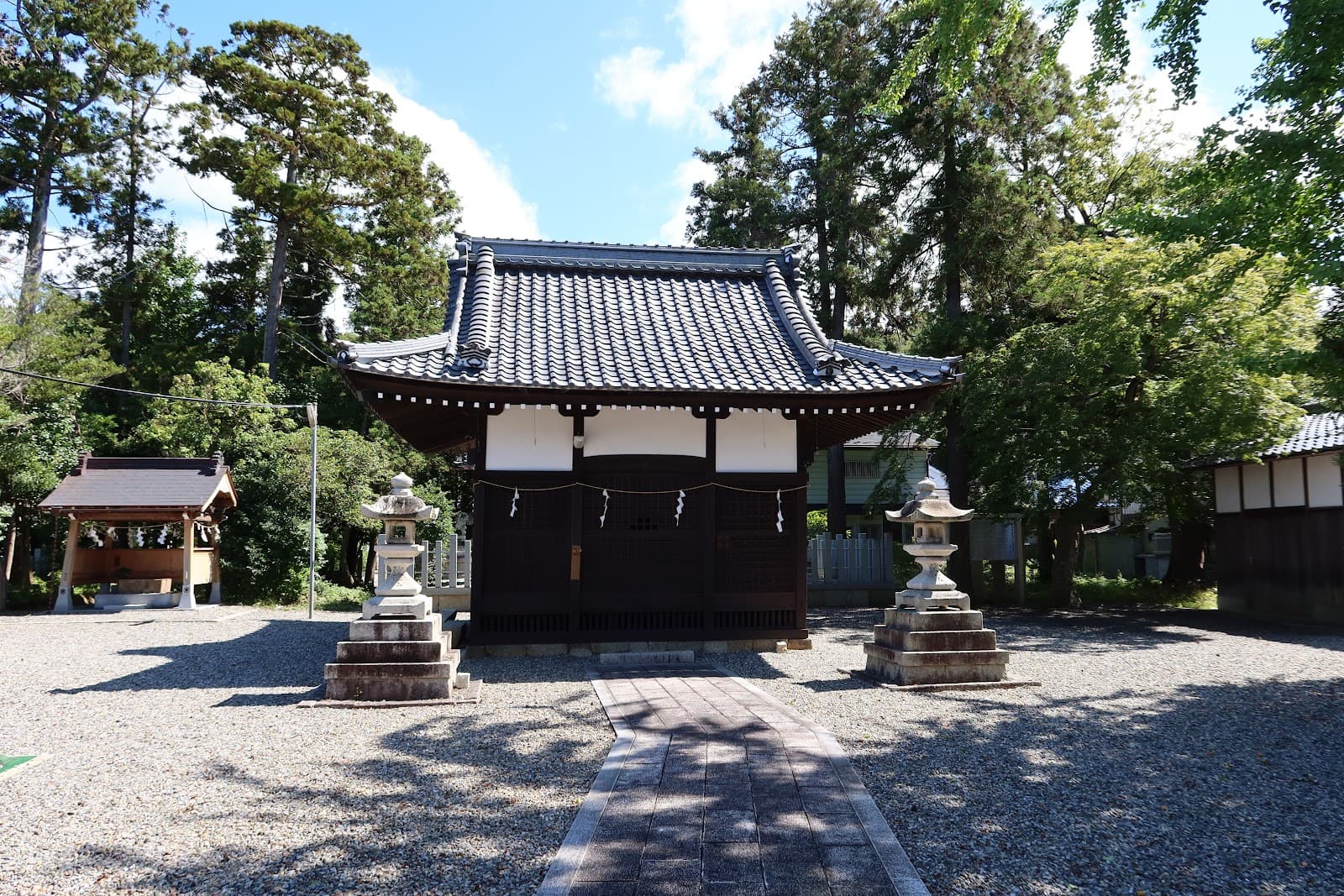
Hikone Shrine
Hikone Shrine, the namesake of the city, offers a tranquil escape with historical charm and beautiful autumn foliage.
Highlights
Must-see attractions

Social
From TikTok & Reddit
Best Time
Peaceful atmosphere
Hikone Shrine
Best Time
Peaceful atmosphere
Highlights
Must-see attractions
Hikone Shrine, the namesake of the city, offers a tranquil escape with historical charm and beautiful autumn foliage.
"A serene escape, akin to Fushimi Inari but without the bustling crowds, offering a quiet communion with nature."
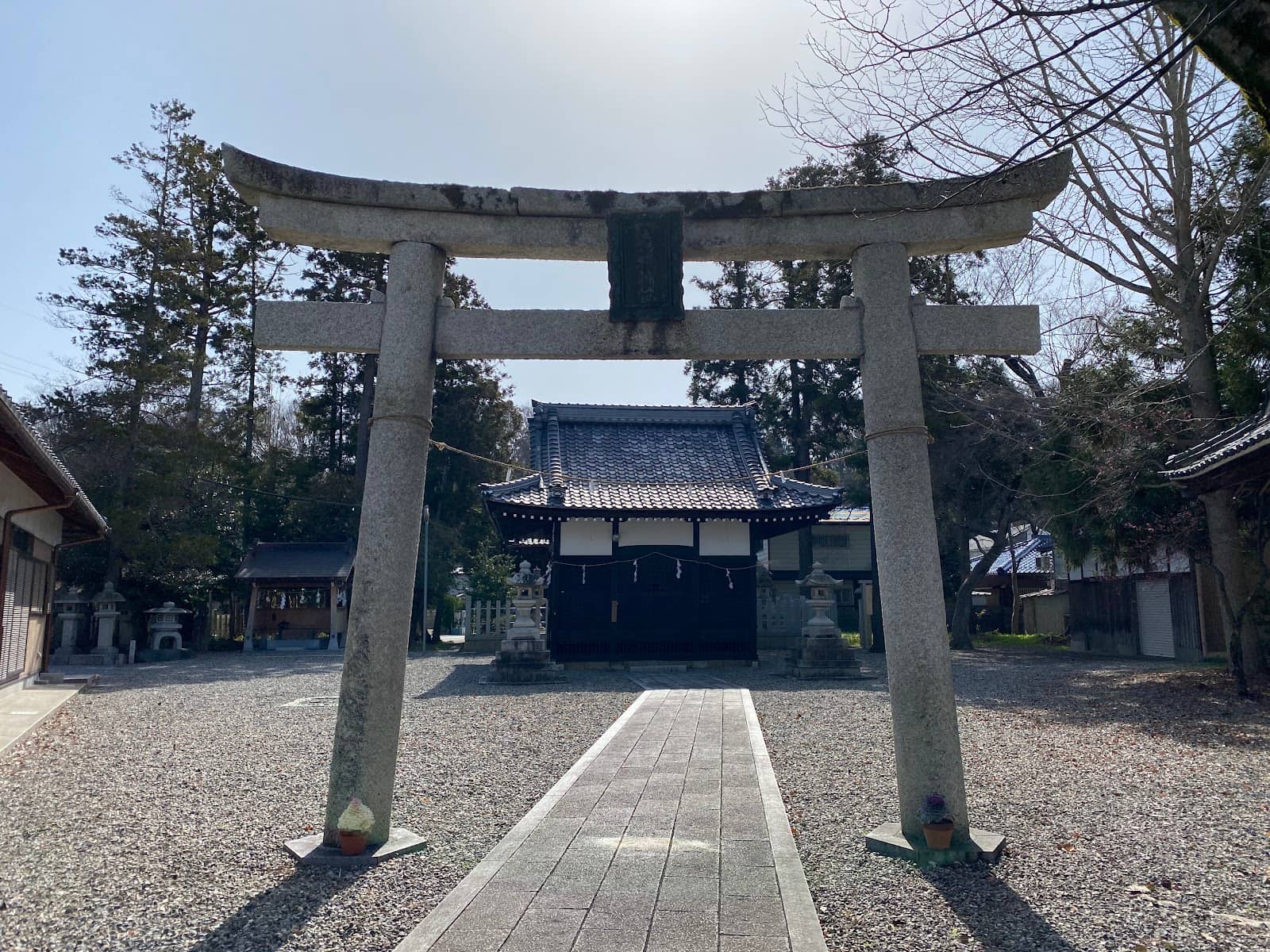
📸 Capture the Serenity
Wander through the torii gates for a tranquil escape, reminiscent of Kyoto's Fushimi Inari but less crowded.
🍁 Autumn's Golden Hues
Visit in the fall to witness the breathtaking beauty of the yellow ginkgo leaves.
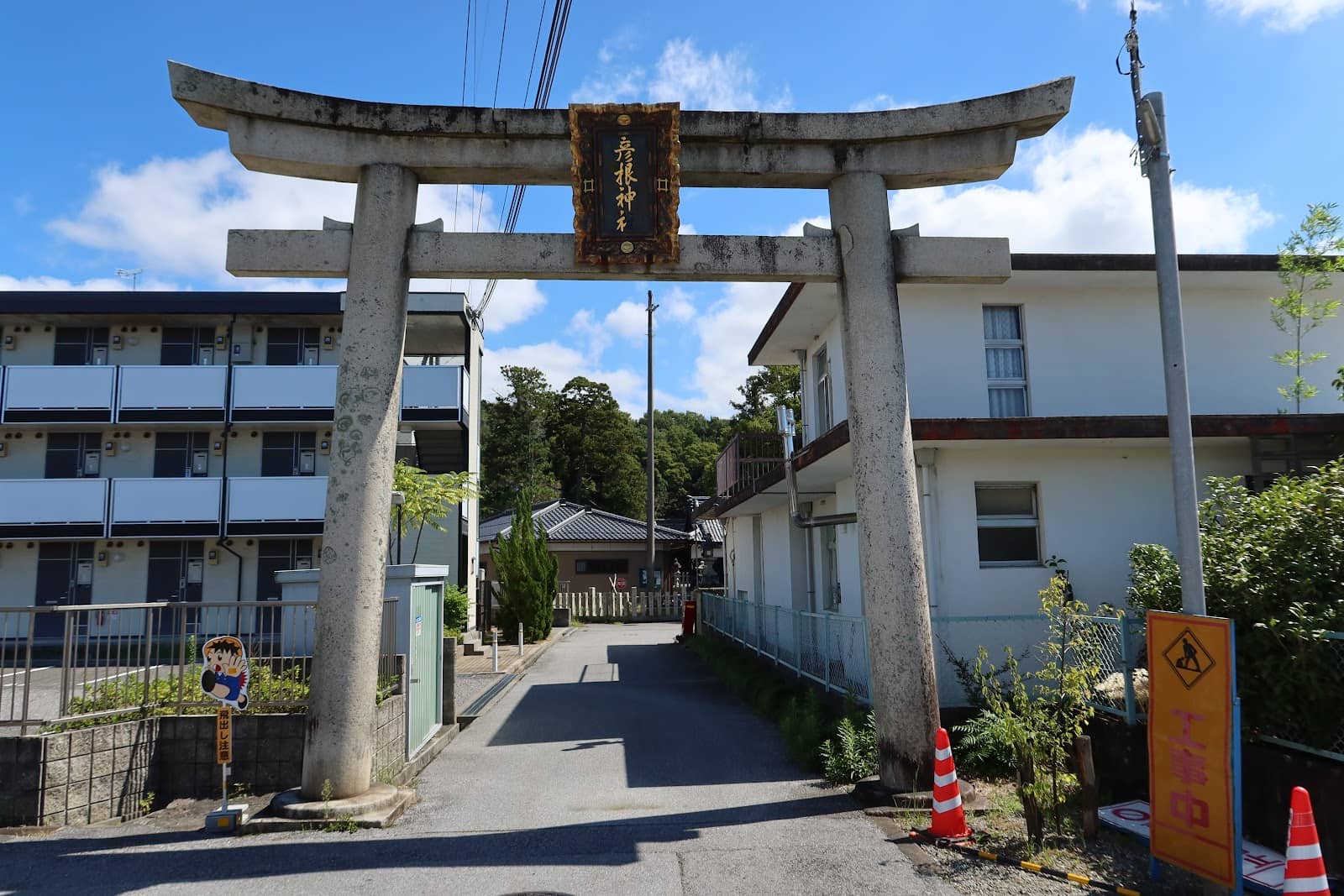
Quick Facts
Rating
3.6 · 23 reviews
Type
Place of Worship
Highlights
Discover the most iconic attractions and experiences
The Ginkgo Trees
Shrine grounds
In autumn, the shrine grounds are adorned with stunning yellow ginkgo leaves, creating a picturesque scene.
The Dragon Mouth Water Basin
Temizuya
A charming detail: the dragon mouth at the temizuya appears to be playfully sticking out its tongue.
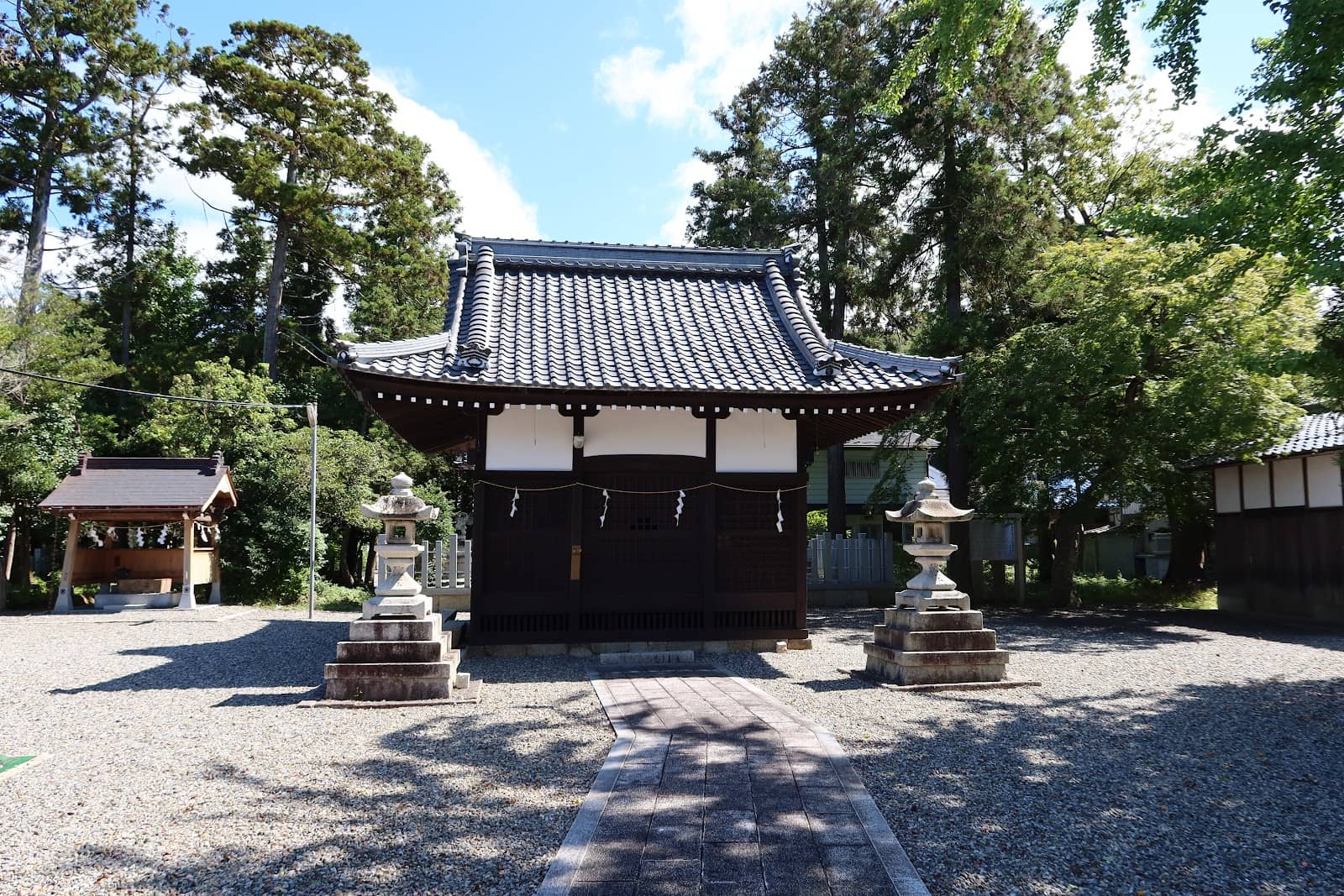
The Ii Family Crest
Shrine architecture
Notice the shrine's crest, which mirrors the Ii family's emblem, symbolizing their historical connection.
Plans like a pro.
Thinks like you
Planning Your Visit
Timing Your Visit for Tranquility
Understanding the Shrine's Name
Best Times
Insider Tips
from TikTok, Instagram & Reddit
📸 Capture the Serenity
Wander through the torii gates for a tranquil escape, reminiscent of Kyoto's Fushimi Inari but less crowded.

🍁 Autumn's Golden Hues
Visit in the fall to witness the breathtaking beauty of the yellow ginkgo leaves.
🐉 Unique Water Basin
Don't miss the 'cute' dragon mouth at the temizuya, playfully sticking out its tongue.
🤝 Historical Connection
The shrine's crest matches the Ii family's, highlighting their deep historical ties.
Tips
from all over the internet
📸 Capture the Serenity
Wander through the torii gates for a tranquil escape, reminiscent of Kyoto's Fushimi Inari but less crowded.
🍁 Autumn's Golden Hues
Visit in the fall to witness the breathtaking beauty of the yellow ginkgo leaves.
🐉 Unique Water Basin
Don't miss the 'cute' dragon mouth at the temizuya, playfully sticking out its tongue.
🤝 Historical Connection
The shrine's crest matches the Ii family's, highlighting their deep historical ties.
🚶♀️ Solo Exploration
Perfect for a solo trip, offering a peaceful and reflective experience.
What Travellers Say
Reviews Summary
Visitors appreciate Hikone Shrine for its serene atmosphere and historical significance, particularly its role as the namesake of the city and its connection to the Ii family. The charming dragon mouth at the temizuya and the beautiful ginkgo trees in autumn are frequently highlighted as delightful features. Some visitors note that the middle gate is usually closed, and specific access times apply on the 1st and 15th of the month.
"There is a stone monument marking the origin of the place name Hikone. It is said that the name comes from the fact that Amatsuhikone-no-mikoto and Ikitsuhikone-no-mikoto are the children of Amaterasu Omikami, and that Ikitsuhikone-no-mikoto was enshrined on Mt. Hikone as Ikitsuhikone Myojin. The sacred crest is also a symbol of the deep reverence of the Ii family, the lords of Hikone, and the shrine crest is the same as the Ii family crest, with a chevron and a bridge. There is one marker pillar that I don't understand. It has one large and one small "n" carved into it, and I couldn't figure it out even after looking into it."
杉本昌幸
"The main gate of the main shrine, Tamagaki fence, and the main doors of both main shrines are open on these days, allowing visitors to enter the shrine immediately before the main gate.
The 1st and 15th of each month.
April through October: 6:30 AM - 9:00 AM.
November through March: 7:00 AM - 9:30 AM.
New Year's Holidays:
December 31st: 6:00 PM - January 1st (New Year's Day)
January 2nd: 8:00 AM - 4:00 PM
January 3rd: 8:00 AM - 3:00 PM"
Johnny Asia Traveller
"The shrine that gave the name "Hikone" its name. In autumn, the ginkgo leaves turn yellow and are very beautiful."
ところてん
What People Like
What People Dislike
Frequently Asked Questions
🚇 🗺️ Getting There
You can take a round trip from Kyoto using the JR Kansai Pass, which can be cost-effective. The journey to Hikone takes about an hour.
Yes, Hikone Shrine is located in Hikone City, Shiga Prefecture, and is accessible via public transport. JR Hikone Station is a good starting point.
Absolutely! Hikone Shrine is a popular day trip destination from Kyoto, offering a serene escape.
From JR Hikone Station, you can take a local bus or a taxi to reach the shrine, which is located in Gosanjo-cho.
Hikone offers a more tranquil experience compared to the potentially crowded Himeji Castle, making it a great alternative for a relaxed day trip.
🎫 🎫 Tickets & Entry
Hikone Shrine is a village shrine and generally does not require an entrance fee. However, specific areas or events might have associated costs.
The main gate, Tamagaki fence, and main doors are open on the 1st and 15th of each month. From April to October, hours are 6:30 AM - 9:00 AM, and November to March, 7:00 AM - 9:30 AM.
Yes, during New Year's, the shrine has extended hours. On December 31st, it's open from 6:00 PM. January 2nd hours are 8:00 AM - 4:00 PM, and January 3rd hours are 8:00 AM - 3:00 PM.
The middle gate is typically closed, but the two main shrines behind it are accessible.
While the shrine grounds are generally accessible, the specific opening times for certain gates and areas are on the 1st and 15th of each month.
🎫 🧭 Onsite Experience
Hikone Shrine is unique as it's the namesake of the city and features a charming dragon mouth at its water basin. It also has a historical connection to the Ii family.
Don't miss the beautiful ginkgo trees in autumn, the unique dragon mouth at the temizuya, and observing the Ii family crest.
Yes, many visitors find Hikone Shrine to be a perfect spot for solo exploration, offering a peaceful and reflective atmosphere.
Compared to more famous shrines like Fushimi Inari, Hikone Shrine is generally less crowded, offering a more serene experience.
The stone monument marks the origin of the place name Hikone, believed to be named after deities Amatsuhikone-no-mikoto and Ikitsuhikone-no-mikoto.
📸 📸 Photography
Capture the vibrant yellow ginkgo leaves in autumn, the unique dragon's mouth at the temizuya, and the serene torii gate paths.
Yes, you can photograph the two main shrines located behind the middle gate, though the middle gate itself is usually closed.
Generally, photography is allowed within the shrine grounds, but it's always good practice to be respectful of worshippers and any posted signage.
Early mornings offer soft light and fewer people, ideal for capturing the tranquil atmosphere and architectural details.
While Hikone Shrine has torii gates, it offers a more intimate and less crowded experience, providing a different, serene photographic style compared to Fushimi Inari.

Social
from TikTok, Instagram & Reddit